














Energy Savings Case Studies: Municipal Projects
Summary for : Municipalities worldwide are adopting solar street lighting to cut energy costs, improve resilience, and reduce carbon emissions. This article examines Municipal Solar Street Light deployments, contrasts Split Solar Street Light and All-in-One Solar Street Lights architectures, presents reproducible case-study methodologies and sample savings for municipal projects, and provides procurement and implementation recommendations supported by authoritative sources and real-world examples. Links to trusted references are included for verification.
Context: Why municipal lighting modernization matters
Public budget and energy burden
Street lighting commonly represents a meaningful share of municipal electricity budgets. Upgrading to energy-efficient and solar-powered lighting reduces grid consumption and operating costs. The U.S. Department of Energy's Solid-State Lighting work shows LED and integrated lighting strategies can dramatically lower energy consumption compared with legacy technologies (DOE SSL).
Climate, resilience and service-level drivers
Municipalities pursue lighting upgrades not only for cost savings but also for resilience (ability to maintain lighting during grid outages), public safety, and emissions reductions consistent with municipal climate goals. Solar street lighting leverages distributed photovoltaic generation and battery storage, enhancing service continuity during storms or blackouts (Solar energy — Wikipedia).
Key decision criteria for municipalities
When evaluating projects, city engineers and procurement teams commonly assess lifecycle cost (CapEx + OpEx), maintenance burden, vandal/theft risk, illumination quality (lux/CRI), warranty & certifications, and expected payback period. These criteria determine whether a Municipal Solar Street Light program uses split architectures or All-in-One Solar Street Lights.
Technical comparison: Split Solar Street Light vs All-in-One Solar Street Lights
Definitions and system architectures
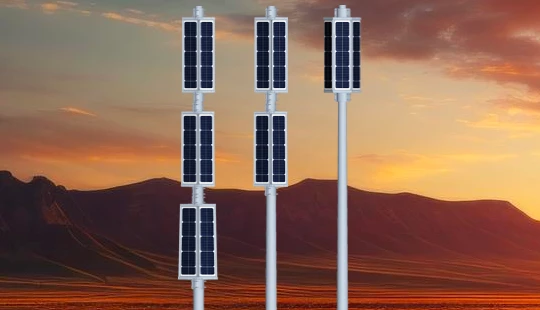
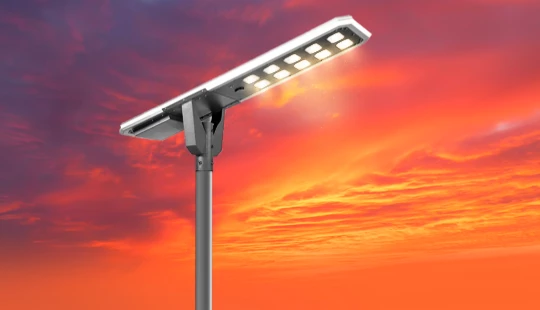
Split Solar Street Light systems separate the photovoltaic panels and battery/storage units from the luminaire. Panels may be roof-mounted or pole-mounted at an optimized tilt/azimuth, with batteries placed in secure cabinets. All-in-One Solar Street Lights integrate PV panel, battery, controller and LED luminaire into a single compact housing mounted on the pole.
Operational advantages and trade-offs
Split systems allow larger PV arrays and bigger batteries, improving autonomy (days of autonomy in low-insolation periods) and facilitating battery security and thermal management. All-in-one solutions excel in low-to-moderate power applications, lower initial installation time, and reduced cabling. However, All-in-One units can face higher theft risk for integrated batteries and limited capacity for harsh climates or high-lumen requirements.
Maintenance, theft risk and lifecycle expectations
Split solutions typically facilitate easier maintenance (battery replacement without dismounting the luminaire) and longer component lifetimes when installed in climate-controlled cabinets. All-in-One units may have simpler initial deployment but can require full-unit replacement if the battery fails. Lithium battery lifetimes vary: LiFePO4 chemistry commonly used in solar lighting has useful service life of 4–8 years depending on depth-of-discharge and temperature management (Lithium-ion battery — Wikipedia).
Comparison table: Typical metrics for municipal decision-making
| Metric | Split Solar Street Light | All-in-One Solar Street Lights | Conventional Grid + LED Street Light (for reference) |
|---|---|---|---|
| System components | Separate PV array, pole luminaire, external battery/controller cabinet | Integrated PV panel + battery + controller + luminaire | Pole-mounted luminaire, connection to grid distribution |
| Typical energy autonomy | 3–7+ days (configurable) | 1–3 days (depends on size) | Unlimited (grid-reliant) |
| Maintenance complexity | Moderate — accessible battery cabinets, replaceable modules | Low to moderate — often requires unit swap | Low — scheduled lamp/driver replacement, but grid outages affect lighting |
| Upfront cost (relative) | Medium–High (depends on PV & battery size) | Low–Medium | Low–Medium (no PV or battery) |
| Ideal use cases | Long autonomy needs, remote sites, high-theft-risk managed via secure cabinets | Quick deployments, low-power roads, parks | Urban grid-connected streets with stable supply |
Case studies and reproducible energy-savings calculations
How to model energy and cost savings: methodology
A transparent case-study should include baseline assumptions, measured results, and references. Typical steps:
- Establish baseline: existing lamp wattage, hours of operation, electricity tariff, and maintenance costs.
- Define replacement system: LED lumen output, solar panel wattage and battery capacity, control strategy (dimming schedules, motion sensors).
- Model expected annual energy generation from PV using local insolation and derating factors (temperature, soiling).
- Calculate annual energy & cost reductions, maintenance changes, and carbon reductions using grid emission factors.
- Estimate payback and lifecycle cost (Net Present Value, if required).
Sample municipal scenario — reproducible calculation
Example assumptions (illustrative, reproducible):
- Baseline: 150 W High-Pressure Sodium (HPS) lamp per pole, 4,380 operating hours/year (12 hours/night average), utility rate $0.12/kWh.
- Replacement: 45 W LED luminaire (equivalent useful lumen output), powered by a 120 Wp PV panel and a 150 Ah LiFePO4 battery; system autonomy 3 days; suitable controller and smart dimming (50% dim during low-traffic hours).
Calculation (per pole):
- Baseline annual energy: 150 W * 4,380 h = 657 kWh/year.
- LED annual energy (no dimming): 45 W * 4,380 h = 197 kWh/year. With dimming strategy (average 70% of peak), energy ~138 kWh/year.
- Energy saved: ~519 kWh/year per pole (79% reduction vs HPS). For 1,000 poles, annual savings ~519,000 kWh.
- Annual utility cost savings: 519,000 kWh * $0.12 = $62,280/year.
- CO2 reduction: Using a conservative grid factor 0.5 kg CO2/kWh, savings ~259.5 tonnes CO2/year for 1,000 poles.
Notes & sources: LED conversions often yield 40–70% energy reductions compared to legacy HID sources. The DOE Solid-State Lighting program documents typical savings ranges and performance expectations (DOE SSL).
Real-world municipal examples and reported outcomes
Many cities have reported substantial savings switching to efficient or solar-enabled lighting. For example, LED street lighting projects in U.S. and European municipalities have reported energy reductions in the 40–70% range and paybacks typically between 3–7 years depending on incentives and electricity prices. For solar-specific municipal pilots, payback depends on CapEx for PV & batteries, local insolation and maintenance models. For guidance on solar PV economics and global trends, see the International Energy Agency's Solar PV report (IEA — Solar PV).
Procurement, installation and long-term operation best practices
Procurement specifications and performance criteria
Good RFPs specify:
- Illuminance targets (lux) and uniformity for the road class or area.
- Minimum battery lifecycle and warranty (e.g., ≥3–5 years for battery, ≥5 years for luminaire driver & LED).
- Certifications: CE, UL, BIS, CB, SGS, MSDS and ISO 9001 quality management evidence (see product vendor claims).
- Remote monitoring capabilities and reporting cadence for maintenance optimization.
Installation tips: siting, tilt, theft prevention
Key recommendations:
- Siting and tilt: optimize PV panel orientation and tilt for maximum annual insolation; avoid shading from trees or buildings.
- Security: for split systems, locate batteries in locked, ventilated cabinets near the pole base or in utility rooms; for All-in-One units, consider anti-theft hardware and tamper alarms.
- Commissioning: perform on-site energy audits and PV performance verification during the first 12 months to validate generation vs model.
Ongoing maintenance and monitoring
Remote monitoring systems (IoT-enabled controllers) allow municipalities to track battery state-of-charge, PV generation, and luminaire operation—reducing time-to-repair and enabling preventive maintenance. A documented maintenance plan should include cleaning schedules for PV modules (soiling losses can reduce performance), battery health checks, and firmware updates for smart controllers.
Queneng Lighting: capability and fit for municipal solar projects
Company profile and core strengths
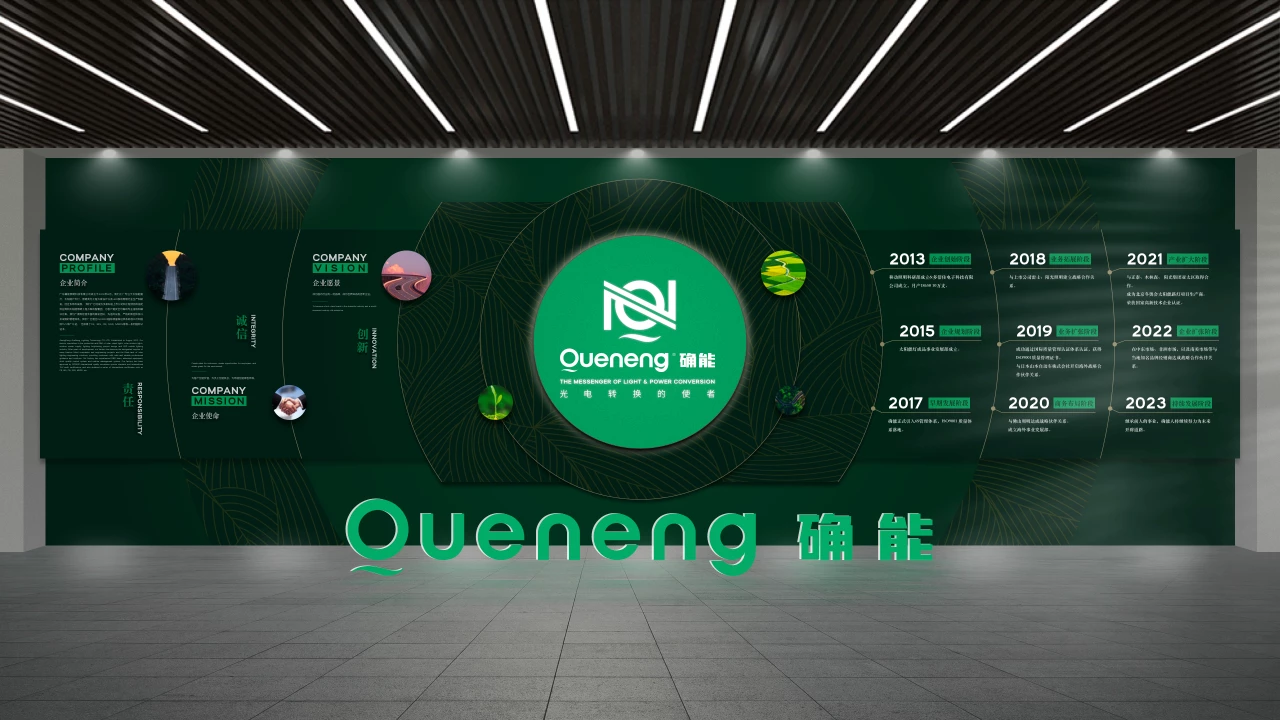
Queneng Lighting, founded in 2013, focuses on solar street lights, solar spotlights, solar garden lights, solar lawn lights, solar pillar lights, solar photovoltaic panels, portable outdoor power supplies and batteries, lighting project design, and LED mobile lighting industry production and development. After years of development, Queneng Lighting has become the designated supplier for many listed companies and engineering projects and operates as a solar lighting engineering solutions think tank providing customers with safe and reliable professional guidance and solutions.
Technical capabilities, certifications and R&D
Queneng Lighting maintains an experienced R&D team, advanced equipment, strict quality control systems, and a mature management system. The company is approved under the ISO 9001 international quality assurance system and has passed international TÜV audits. It holds international certificates including CE, UL, BIS, CB, SGS and MSDS among others—assuring buyers of product quality, safety and regulatory compliance.
Relevant product portfolio for municipal projects
Queneng's product portfolio includes Solar Street Lights, Solar Spot lights, Solar Lawn lights, Solar Pillar Lights, Solar Photovoltaic Panels, split solar street light solutions and All-in-One Solar Street Lights. This breadth allows municipalities to select solutions tailored to specific site constraints: split systems for remote or high-autonomy corridors, and All-in-One Solar Street Lights for parks and quick-deploy areas. Queneng emphasizes engineering support, project design and lifecycle services as part of its competitive differentiation.
Selecting the right solution: decision checklist for municipalities
Key evaluation questions
When comparing suppliers and system types, municipal decision-makers should ask:
- What is the modeled payback period under local insolation and tariff assumptions?
- What warranties and on-site support are offered for batteries and electronics?
- Can the vendor provide real-world municipal references and site performance data?
- What certifications and third-party test results validate product claims?
Financial models and incentive capture
Include incentives (grants, tax credits, or energy service company models) in financial analysis. Some projects use performance contracts or energy-as-a-service models to avoid upfront CapEx. The International Energy Agency and national energy agencies provide guidance on PV economics and incentives applicable in many jurisdictions (IEA — Solar PV).
Sample procurement language to request performance validation
Require vendors to supply a Site Acceptance Test (SAT) protocol, a 12–24 month performance warranty tied to measured generation and battery retention, and third-party lab test reports for LED modules, batteries and controllers. This shifts risk toward the supplier and helps ensure delivered projects meet modeled savings.
FAQ
1. What is the difference between a Municipal Solar Street Light and a regular solar street light?
Municipal Solar Street Light emphasizes scale, procurement and service-level requirements typical of city deployments—longer warranties, remote monitoring, maintenance contracts and compliance with municipal lighting standards. The underlying hardware (split or all-in-one) may be similar to commercial units but must meet municipal specifications for durability and support.
2. Are Split Solar Street Light systems better than All-in-One Solar Street Lights?
Neither is universally better. Split systems are preferable for high-autonomy needs, harsh climates or when battery security/thermal control is critical. All-in-One units are ideal for quick deployments and lower-power applications. The right choice depends on site insolation, vandal/theft risk, maintenance logistics and required autonomy.
3. What payback period can a city expect after installing solar street lighting?
Payback varies by local electricity tariffs, CapEx, incentives and system sizing. Typical payback ranges from 2–8 years in many documented projects. Accurate payback modeling should use local insolation data and include maintenance and replacement schedules. For LED conversion references and typical saving ranges see the U.S. DOE Solid-State Lighting guidance (DOE SSL).
4. How should municipalities plan for battery replacement and waste management?
Procure batteries with clear lifetimes and recycling pathways. Specify battery chemistry (e.g., LiFePO4) with warranty and end-of-life recycling plans. Plan replacement budgets in lifecycle cost models and require supplier support for safe battery removal and recycling per local regulations.
5. How do you validate that installed solar street lights meet performance expectations?
Implement remote monitoring and an initial Site Acceptance Test. Monitor PV generation, battery state-of-charge profiles, and luminaire operating hours. Compare measured generation vs modeled estimates and require vendor remediation if performance falls below contractual thresholds.
6. Can solar street lights operate during extended cloudy periods?
Yes — with appropriately sized batteries and PV arrays. Split Solar Street Light architectures allow larger batteries for multi-day autonomy; All-in-One units have limited battery capacity but can still be configured for reasonable autonomy. Site-specific insolation analysis is required to size systems for local climate variability.
Contact & next steps
If your municipality is evaluating a lighting modernization project or a pilot deployment of Municipal Solar Street Light systems — whether Split Solar Street Light designs or All-in-One Solar Street Lights — Queneng Lighting can provide detailed site assessments, project design, product samples and lifecycle cost models.
Contact Queneng Lighting for project consultation, product specifications and pilot proposals: visit Queneng Lighting's product pages or request a proposal through their engineering team. For industry context on solar PV and lighting technologies, consult the IEA Solar PV report (https://www.iea.org/reports/solar-pv) and the U.S. DOE Solid-State Lighting program (https://www.energy.gov/eere/ssl/solid-state-lighting).

Have more questions about our products or services?
The latest hot news you might like

Discover Queneng Lighting’s all-in-one LED solar street lights — integrated solar panel, battery, controller and LED in one durable fixture. Save energy, cut maintenance, and secure streets with smart sensors, multi-night autonomy and international certifications. Contact sales for quotes and support.

Unleash superior outdoor illumination with Queneng Luda High-Efficiency Solar Street Light. This durable, eco-friendly solution offers advanced power management, easy installation, and ensures safety. Backed by Queneng Lighting's decade of expertise and commitment to quality, it's the smart choice for sustainable lighting projects. Learn why we're a leading solar solutions provider.

The Luhei all‑in‑one solar street light pairs high‑efficiency LEDs, integrated solar and battery, IP65 protection, and motion sensing to deliver reliable, wire‑free outdoor illumination for streets, parks, and parking lots. Backed by Queneng Lighting’s certifications and support.

FAQ
Battery and Analysis
What are the main factors that affect battery life?
When selecting a charger, it is best to use a charger with proper termination devices (e.g., anti-overcharge time device, negative voltage difference (-dV) cut-off charging, and anti-overheating sensing device) to avoid shortening the service life of the battery due to overcharging. Generally speaking, slow charging can prolong the service life of the battery more than fast charging.
2. Discharge:
a.The depth of discharge is the main factor affecting the life of the battery, the higher the depth of discharge, the shorter the life of the battery. In other words, by reducing the depth of discharge, the life of the battery can be greatly extended. Therefore, we should avoid over-discharging the battery to a very low voltage.
b. When batteries are discharged at high temperatures, the life of the battery will be shortened.
c. If an electronic device is designed in such a way that all current cannot be completely stopped, and if the device is left unused for a long period of time without the batteries being removed, the residual current may sometimes cause the batteries to be over-consumed, resulting in over-discharge of the batteries.
d. Mixing batteries of different capacities, chemical structures, or charge levels, as well as old and new batteries, can also cause excessive battery discharge, or even reverse charging.
3. Storage:
Prolonged storage of batteries at high temperatures will reduce their electrode activity and shorten their service life.
Solar Street Light Luqiu
What makes Luqiu solar street lights innovative compared to traditional solar street lights?
Luqiu solar street lights incorporate advanced technology, such as energy-saving LEDs, smart sensors, and efficient solar panels. These features ensure higher performance, longer battery life, and better adaptability to varying weather conditions, setting them apart from traditional models.
Tourist Attractions and Resorts
Can solar lights be used for both functional and decorative purposes?
Yes, solar lighting is versatile and can be used for both functional purposes, such as illuminating pathways and parking lots, and decorative purposes, such as enhancing garden features or architectural details.
Solar Street Light Luqing
What are the main benefits of using Luqing solar street lights in urban areas?
In urban areas, Luqing solar street lights reduce dependency on the grid, cut down on electricity costs, and minimize environmental impact. They also offer easy installation, which reduces the need for extensive wiring and infrastructure changes.
APMS system
How is the ultra-low temperature control function of the APMS system achieved?
The APMS system uses a specially designed control module that maintains stable operation at extremely low temperatures, ensuring reliability even at -50°C.
Industry
Does Queneng offer off-grid solar systems?
Yes, we provide off-grid solar lighting systems designed for remote areas or regions without grid coverage, meeting the specific lighting needs in these areas.
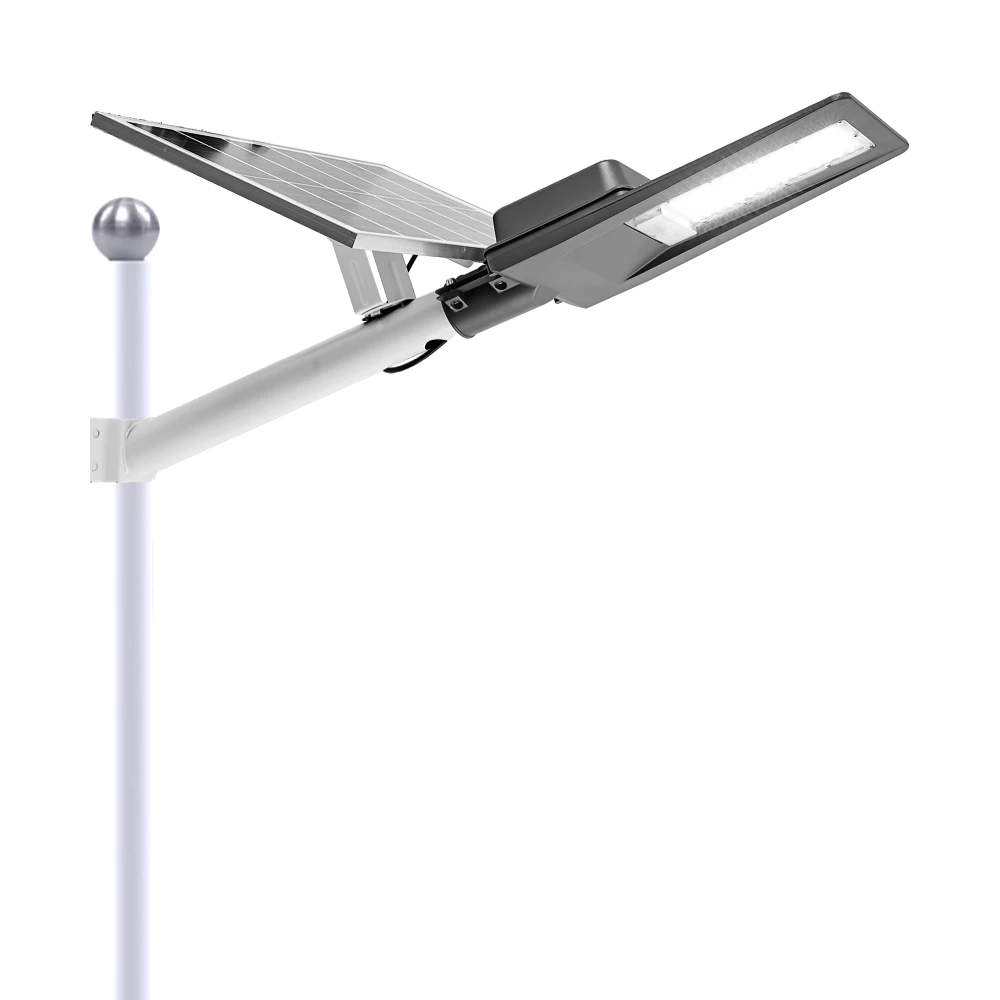
Experience reliable outdoor illumination with our smart solar street light, a perfect combination of advanced technology and eco-conscious design.
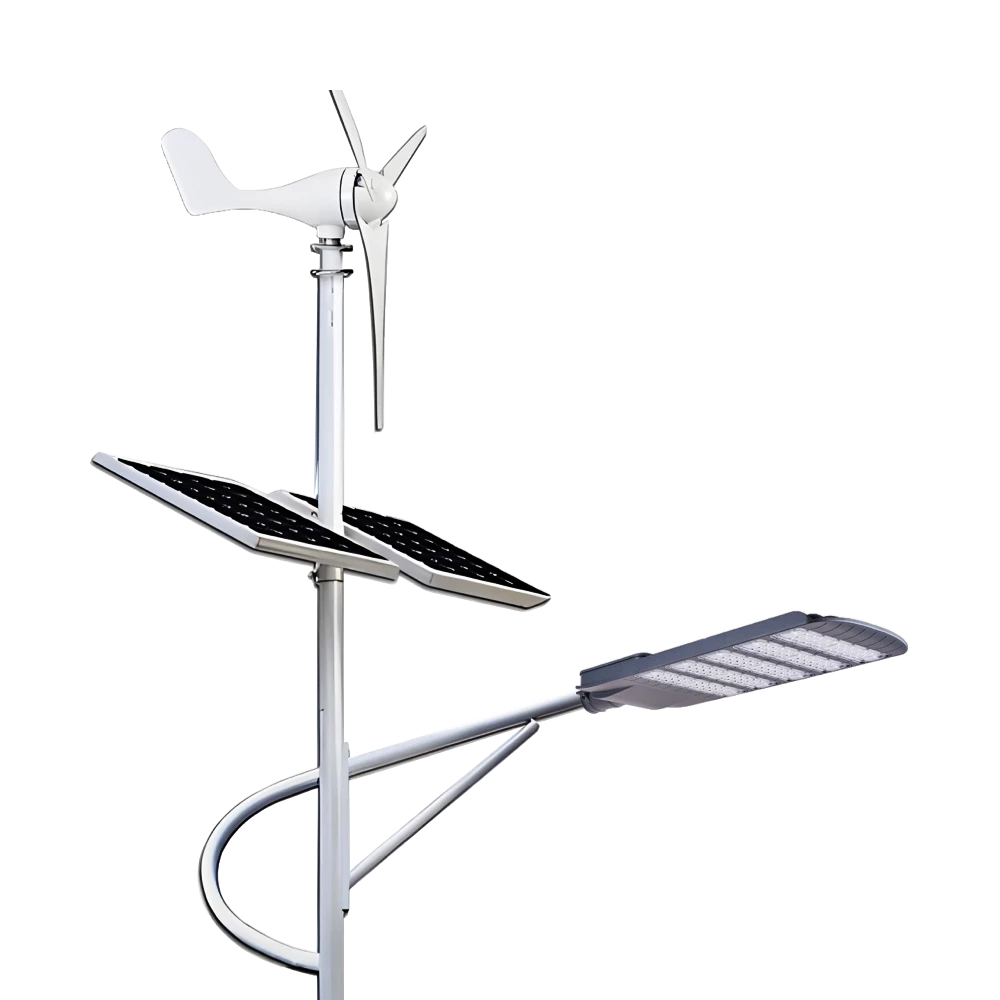
Queneng Lufeng Wind Energy LED Outdoor Solar Street Lights offer high-performance, eco-friendly illumination. These energy-efficient LED street lights harness solar power and wind energy for sustainable, cost-effective outdoor lighting solutions.
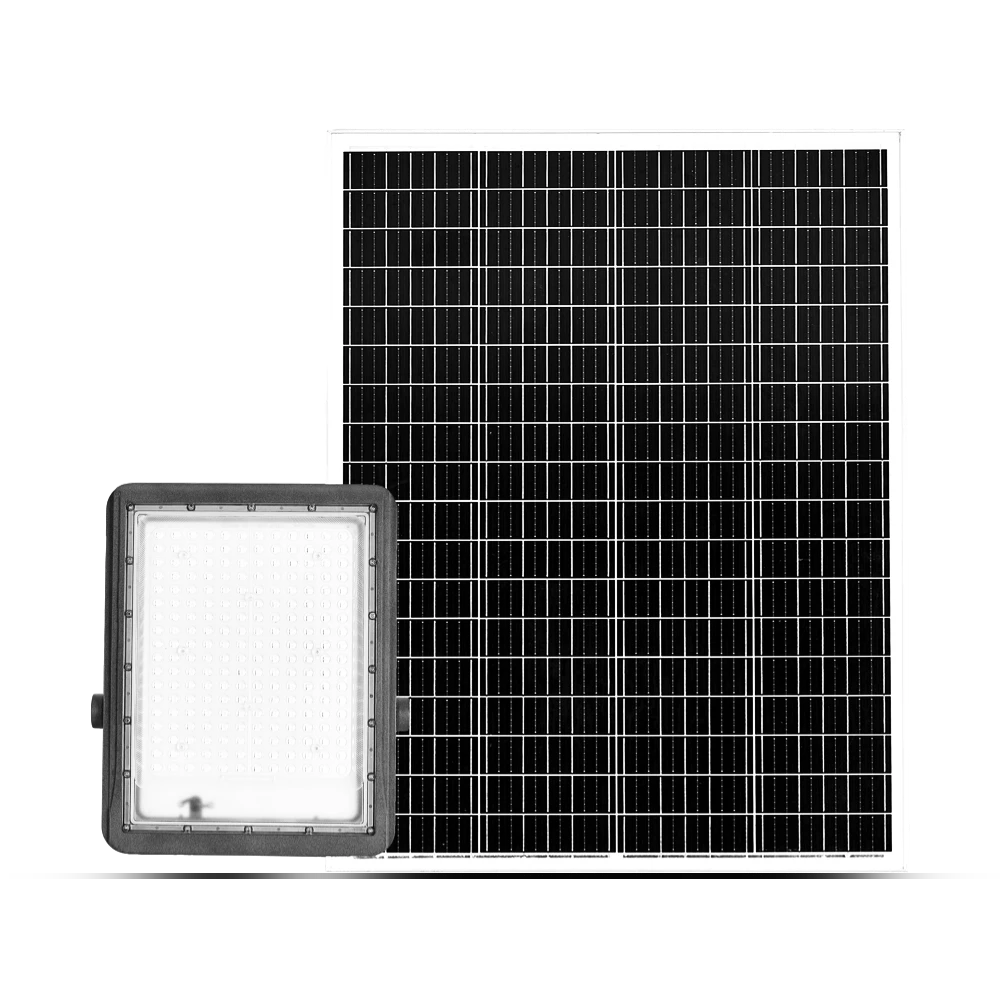
Queneng's Luxian Reliable Solar Street Light offers energy-saving LED lighting for outdoor use. This durable, solar-powered street light provides reliable illumination, reducing energy costs and environmental impact. A perfect solution for sustainable outdoor lighting.
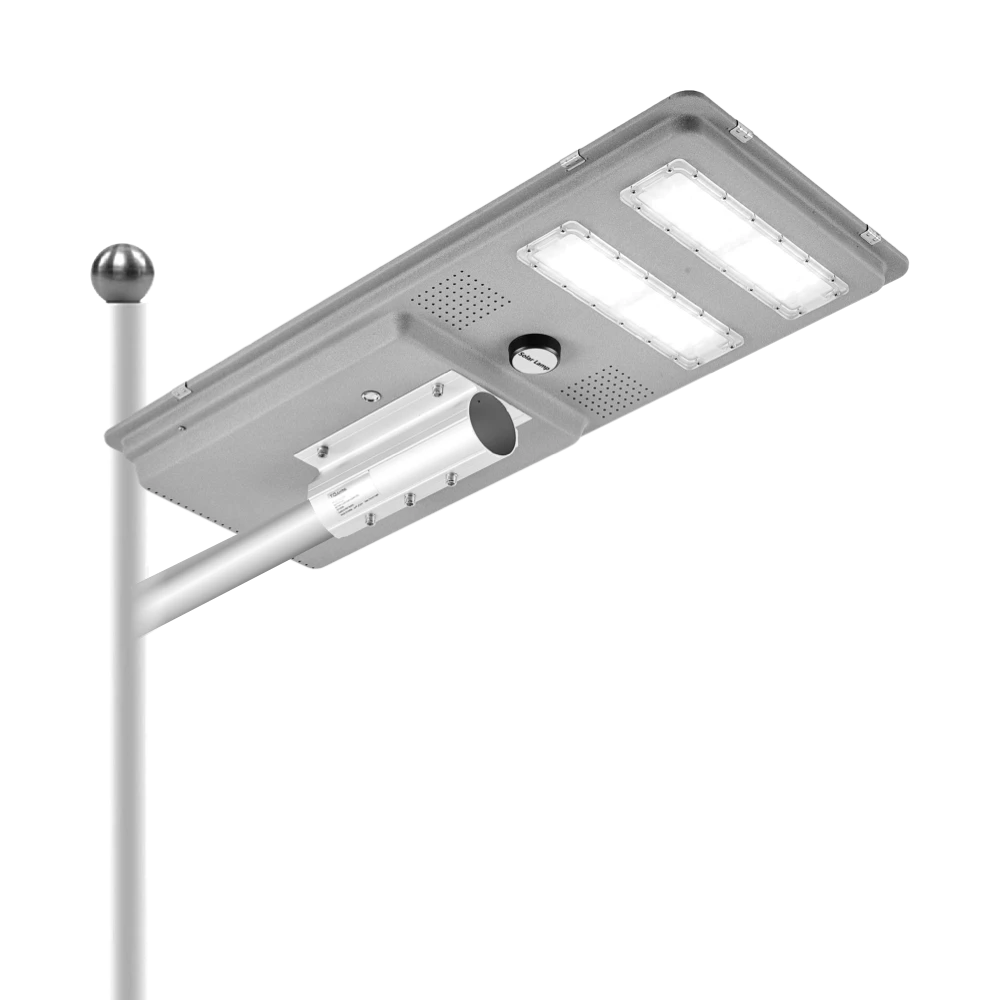
Queneng’s Solar Street Lights are designed to provide reliable, energy-efficient lighting for streets, parks, and other outdoor spaces.
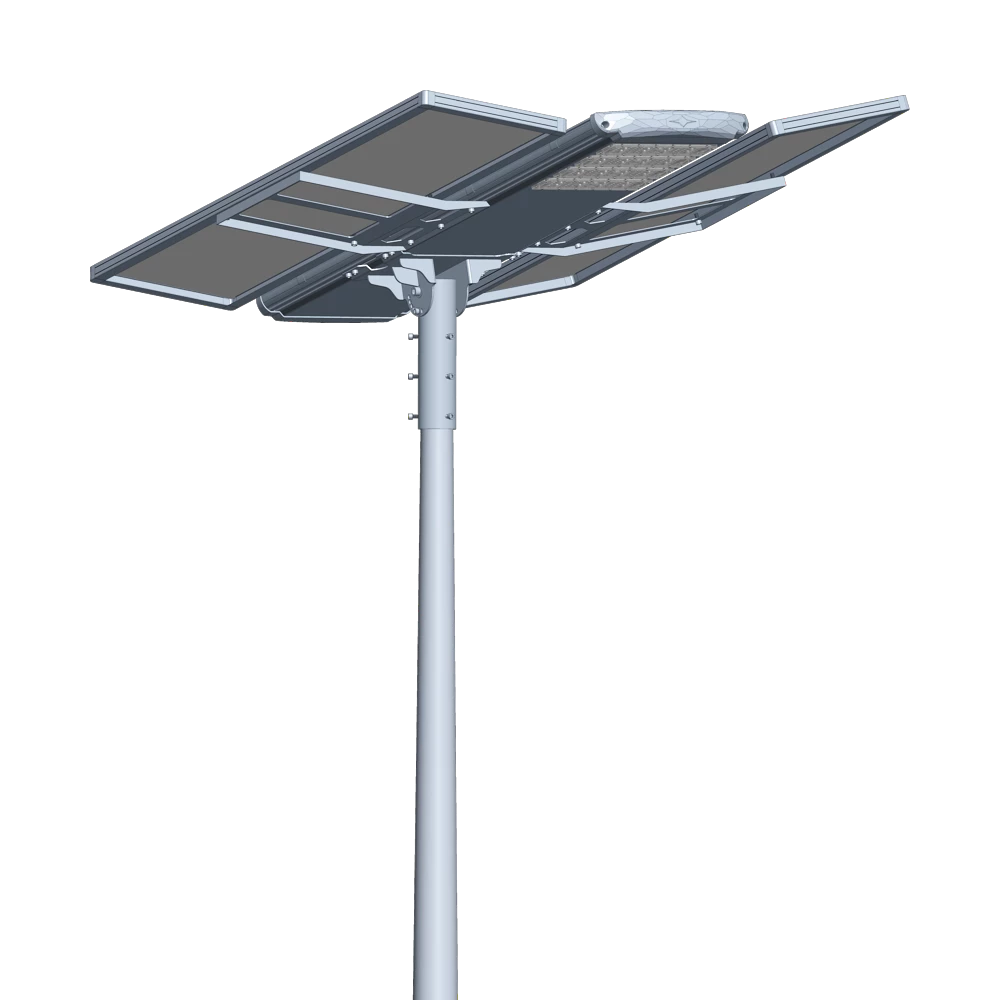
Introducing the Luqing Solar Street Light by Queneng, Efficient LED lighting powered by solar energy is perfect for illuminating outdoor areas. Harness the power of solar energy for sustainable, reliable street lighting. Ideal for eco-friendly, cost-effective outdoor illumination solutions.
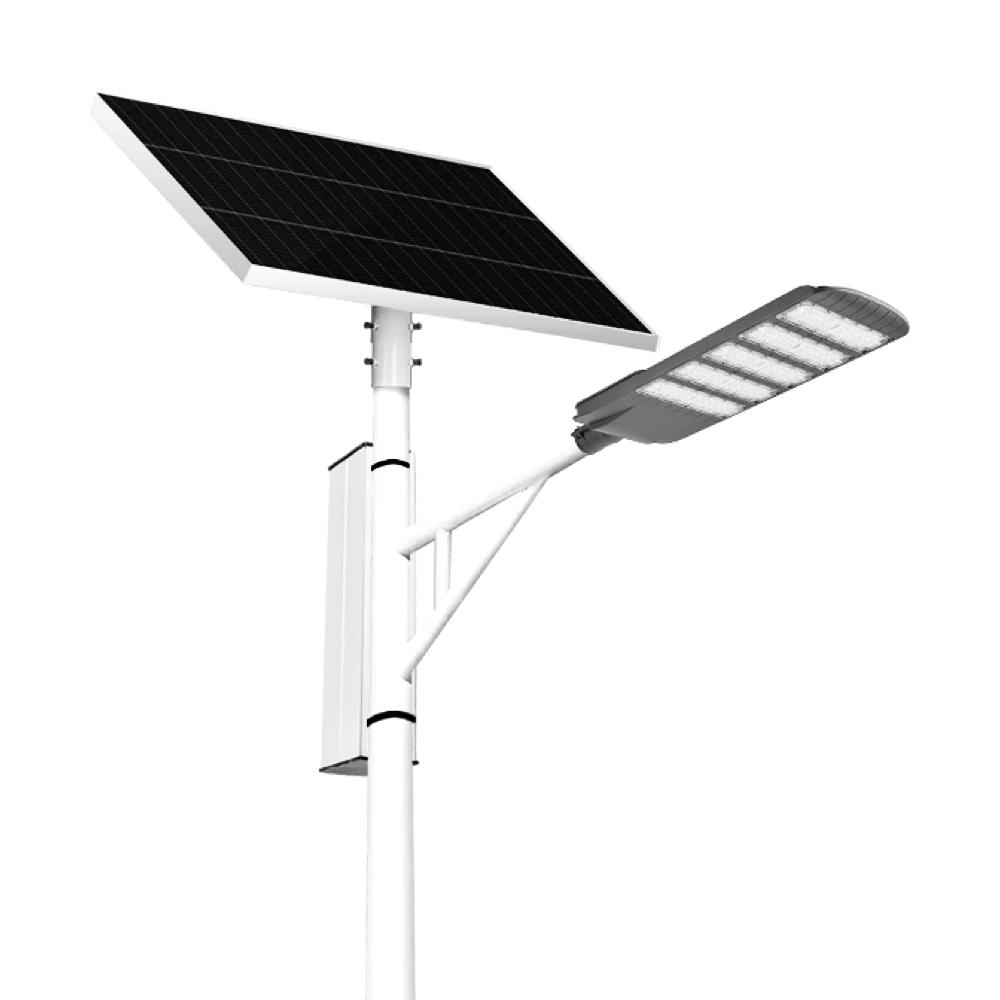
The Solar Streetlights of Luhao for Municipalities are designed to deliver reliable, energy-efficient, and cost-effective public lighting solutions. Equipped with advanced LED technology, durable lithium batteries, and high-efficiency solar panels, these streetlights provide consistent illumination for roads, parks, residential areas, and government projects.
Our professional team is ready to answer any questions and provide personalized support for your project.
You can reach us via phone or email to learn more about Queneng’s solar lighting solutions. We look forward to working with you to promote clean energy solutions!
Rest assured that your privacy is important to us, and all information provided will be handled with the utmost confidentiality.
By clicking 'Send Inquiry Now' I agree to Queneng processing my personal data.
To see how to withdraw your consent, how to control your personal data and how we process it, please see our Privacy Policy and Terms of use.
Schedule a Meeting
Book a date and time that is convenient for you and conduct the session in advance.
Have more questions about our products or services?
The messenger of light & power conversion
Environmental protection and intelligent manufacturing are our brand philosophy, and quality assurance and the best user experience are our eternal promises to users.
CONTACT
No.9F, Building F, Cao San Xin Tian Hong Logistics Park, Guzhen Town, Zhongshan City, Guangdong Province, China.
or write [email protected]
WhatsApp: +86 136 2270 1011


