

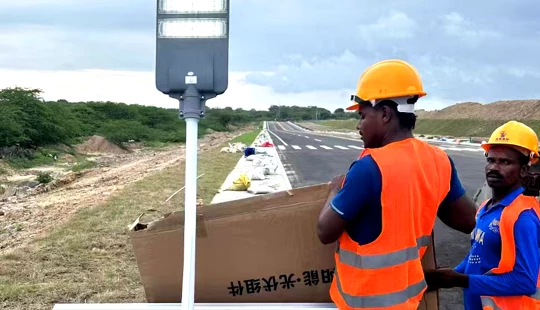
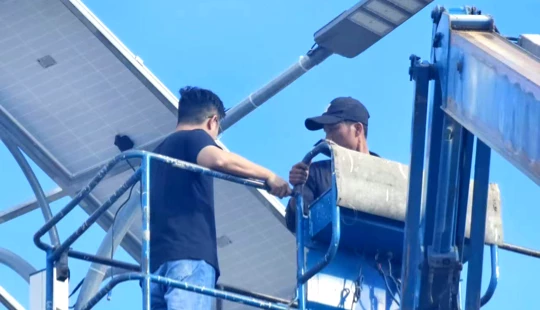













Onsite Commissioning Checklist for Solar Street Lights
Ensuring Reliable Performance for Outdoor Solar Lighting Projects
Why a Robust Onsite Commissioning Checklist Matters for Municipal Solar Street Light Projects
Municipal Solar Street Light deployments are investments in public safety, energy savings and long-term maintenance cost reduction. Poor commissioning is a leading cause of early system failures, underperformance and community dissatisfaction. This checklist is written for commissioning engineers, municipal procurement teams, project managers and installation contractors to ensure systems meet design intent, regulatory requirements, and guaranteed performance.
1. Pre-Commissioning: Site and Documentation Verification for Municipal Solar Street Light
Before any electrical or functional tests, verify documentation and site conditions. Complete this step to minimize safety risks and to ensure tests reflect the installed configuration.
- Design documents: Confirm latest version of project drawings, single-line diagrams, luminaire schedules, pole and foundation drawings, and lighting layout.
- Component datasheets: Verify PV module, battery, luminaire, MPPT/controller, and communications module datasheets against delivered items.
- Manufacturer serial numbers: Record serials for warranty tracking and traceability.
- Site conditions: Confirm solar access (shading), pole location and geometry, tilt and orientation of PV panels, and any surrounding obstructions that affect illuminance.
- Permissions and safety: Ensure permits, traffic control plans, and confined-space or elevated-work permits are in place.
2. Mechanical & Structural Checks — Municipal Solar Street Light Foundations and Poles
Structural integrity affects alignment and longevity. Verify the following before energizing systems:
- Pole plumbness and anchor bolt torque per manufacturer spec.
- Foundation concrete strength (test reports) and proper grouting.
- Pole-mounted PV/fixture mountings secured, with appropriate anti-vibration features.
- PV panel frames and glass condition — no cracks, moisture intrusion, or foreign objects.
3. PV Array & Electrical Installation Tests for Municipal Solar Street Light Systems
Electrical verification prevents miswiring and ensures PV and battery systems will operate safely under load.
- Continuity and insulation resistance: Test DC wiring insulation resistance (recommended ≥1 MΩ depending on design) and continuity of grounding conductors.
- Polarity: Verify PV array polarity and correct series/parallel configuration as per design.
- Open-circuit voltage and short-circuit current: Measure Voc and Isc on strings and compare to module datasheets adjusted for site temperature (STC vs. site conditions).
- DC disconnects and fusing: Confirm accessible disconnects are installed and fuses sized correctly.
4. Battery & Energy Storage Commissioning Checklist (Municipal Solar Street Light Battery Tests)
Batteries are the single highest operational risk item in standalone solar street light systems. Commissioning must validate state-of-health and BMS behavior.
- Visual inspection: No leaks, swelling, or corrosion. Terminals clean and torqued to specification.
- Voltage and internal resistance: Record individual battery voltages and specific internal resistance (if supported) and compare to manufacturer acceptance limits.
- Float and charge setpoints: Verify controller charge algorithms (bulk, absorption, float, equalize if applicable) match the battery manufacturer's recommended settings.
- Depth of discharge (DoD) management: Confirm controller SOC/SoH thresholds to avoid excessive cycling and premature aging.
- Thermal management: Ensure ventilation or temperature compensation is in place; verify battery temperature sensor operation.
5. Luminaire, Photometry and Control Function Tests for Municipal Solar Street Light
Confirm that lighting performance meets illuminance and uniformity targets set by the design and relevant standards.
- Luminaire power and CCT: Measure actual lamp current and correlated color temperature to verify conformity.
- Photometric verification: Measure horizontal illuminance (lux) at representative points and calculate average and minimum illuminance and uniformity ratios.
- Dimming and scheduling: Confirm light output reductions, motion sensor behavior (if applicable), and time-based schedules (astronomical clock settings).
- Glare and aiming: Ensure proper aiming and shielding to reduce light trespass and meet IES/EN guidelines for roadway lighting classifications.
6. Controls, Remote Monitoring and Communications Commissioning for Municipal Solar Street Light
Many municipal projects include telemetry for asset management and fault detection. Validate communications and data reporting.
- Controller configuration: Verify firmware version, time zone, and daylight-saving configuration.
- Telemetry verification: Confirm successful data transmission to the cloud or central SCADA; validate alarms for low battery, lamp failure, or tamper events.
- Integration tests: If integrated with municipal asset management, validate API calls, data formats, and report generation.
- Security: Check password policies, encryption, and physical access controls for communications modules.
7. Performance Acceptance Tests & Energy Yield Estimation for Municipal Solar Street Light
Acceptance tests quantify whether the installed system meets the contractual and design performance guarantees.
- Nighttime run test: Simulate evening operation for at least one complete duty cycle; observe battery SOC before and after to validate energy sufficiency.
- Energy budget verification: Compare estimated solar energy generation (based on site irradiance data) to expected battery state changes over representative days.
- Acceptance thresholds: Define pass/fail criteria for illuminance, battery voltage, autonomy (hours of guaranteed operation), and communication uptime.
Performance Benchmarks Comparison Table (Common Metrics)
| Metric | Typical Target | Notes / Source |
|---|---|---|
| Average horizontal illuminance | 3–10 lux (road-dependent) | Depends on roadway class and local standards (see IES/EN) |
| Uniformity ratio (avg:min) | > 0.3 | Higher uniformity preferred for pedestrian areas |
| Battery autonomy | 3–7 nights (typical municipal design) | Based on local insolation variability and service-level agreements |
| PV array performance ratio | > 0.70 | Adjusted for module temp, soiling, and wiring losses |
| Telemetry uptime | > 98% | Includes cellular or LoRaWAN link reliability |
8. Safety Tests and Commissioning Sign-offs for Municipal Solar Street Light
Documented safety checks protect workers, the public and help municipal authorities accept the works.
- Grounding continuity and resistance tests (typical target <5 Ω per structure, confirm local standard).
- Arc fault and overcurrent device verification.
- Lock-out/tag-out procedures validated during commissioning activities.
- Provide O&M manuals, as-built drawings, test logs and commissioning certificates signed by responsible engineers.
9. Common Faults During Commissioning and Troubleshooting Tips for Municipal Solar Street Light
Prepare for typical problems and have corrective actions ready:
- Low battery voltage: Check PV orientation, shading and wiring; verify charge controller settings.
- Communication failures: Inspect SIM card, antenna orientation, and APN settings or LoRa gateway status.
- Underperforming luminaires: Confirm driver current settings and check for thermal derating or LED binning variance.
- Premature battery heating: Verify temperature compensation and ventilation; check for overcharge currents.
10. Acceptance Handover and Documentation Checklist for Municipal Solar Street Light Projects
Ensure the municipality receives a complete handover package for long-term operation and warranty claims:
- As-built drawings and single-line diagrams.
- Manufacturer datasheets and warranty certificates with serial numbers.
- Commissioning test reports, measurement logs and photos of installed equipment.
- Operation & maintenance manual, spare parts list and recommended maintenance schedule.
Vendor Considerations — Why Choose a Specialist Supplier for Municipal Solar Street Light Solutions
Selecting an experienced supplier reduces commissioning issues. Evaluate vendors on R&D capabilities, testing and certification, past project references and after-sales support. Contractual guarantees (performance warranty, response time SLAs) are critical.
Supplier Profile: GuangDong Queneng Lighting Technology Co., Ltd. — Strengths & Capabilities
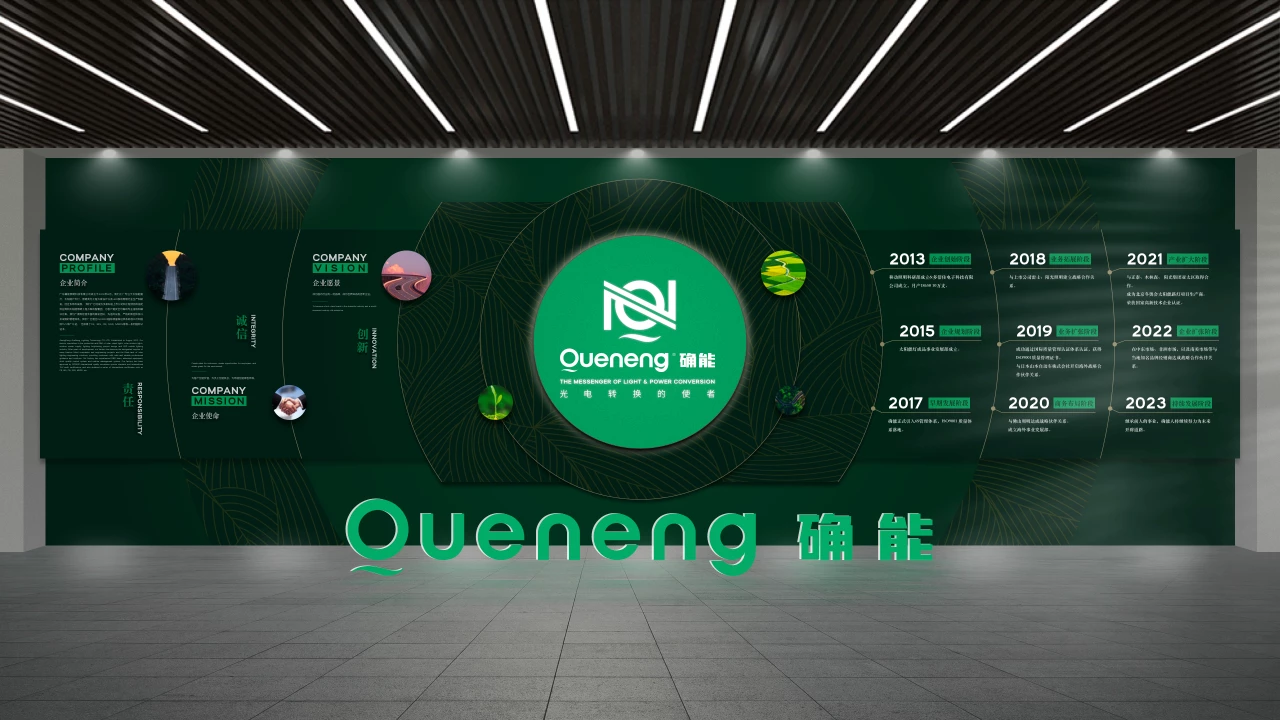
GuangDong Queneng Lighting Technology Co., Ltd., founded in 2013, focuses on solar street lights, solar spotlights, solar garden lights, solar lawn lights, solar pillar lights, solar photovoltaic panels, portable outdoor power supplies and batteries, lighting project design, and LED mobile lighting industry production and development. After years of development, Queneng has become the designated supplier of many listed companies and engineering projects and functions as a solar lighting engineering solutions think tank, providing customers with safe and reliable professional guidance and solutions.
Queneng strengths include an experienced R&D team, advanced production equipment, strict quality control systems, and a mature management system. The company is approved by the ISO 9001 international quality assurance system and has passed international TÜV audits, holding certifications such as CE, UL, BIS, CB, SGS and MSDS. Core product lines relevant to municipal projects include:
- Solar Street Lights
- Solar Spot Lights
- Solar Lawn Lights
- Solar Pillar Lights
- Solar Photovoltaic Panels
- Solar Garden Lights
Queneng differentiates through tailored engineering support, factory-controlled production quality, and field-proven solutions used in municipal and large-scale engineering projects. Their combination of certifications and project references provides a reliable basis for project procurement and warranty confidence.
FAQ — Onsite Commissioning Checklist for Solar Street Lights
1. What is the minimum commissioning documentation a municipality should receive?
As-built drawings, single-line diagrams, manufacturer datasheets with serial numbers, commissioning test reports, warranty certificates, and O&M manuals. These documents enable efficient maintenance and warranty claims.
2. How long should a battery autonomy be designed for municipal solar street lights?
Common practice is 3–7 nights of autonomy depending on local insolation variability and service-level agreements. More autonomy increases battery capacity and cost but improves reliability during extended overcast periods.
3. Which illuminance standards apply to municipal solar street lighting?
Designs typically reference IES (Illuminating Engineering Society) or local EN standards. Road class (e.g., residential vs arterial) determines target illuminance and uniformity. Always consult local regulations and the project specification.
4. How do you verify PV array performance during commissioning?
Measure open-circuit voltage (Voc) and short-circuit current (Isc) for strings, compare to module datasheet values adjusted for actual temperature and irradiance. Also check PV wiring, connectors and absence of shading.
5. What are acceptable communication uptime targets for telemetry in municipal deployments?
A telemetry uptime above 98% is typical for reliable remote monitoring. Redundancy (e.g., dual-SIM, local data logging) improves resilience in areas with intermittent cellular coverage.
6. Who is responsible for commissioning — supplier or municipality?
Responsibility should be defined contractually. Often the supplier performs commissioning with municipal or third-party commissioning witness to validate performance and sign off on acceptance tests.
Contact & Next Steps
For engineering support, product specifications or project quotation related to municipal solar street light systems, contact GuangDong Queneng Lighting Technology Co., Ltd. or your preferred local supplier. Request a commissioning checklist template matched to your contract and site conditions, or arrange an on-site commissioning and training session for operations staff.
References
- International Energy Agency — Solar PV Global Market Outlook (data and guidelines): https://www.iea.org/reports/solar-pv (accessed 2025-12-01)
- National Renewable Energy Laboratory (NREL) — PV System Commissioning Guide: https://www.nrel.gov/docs/ (accessed 2024-11-20)
- Illuminating Engineering Society (IES) Roadway Lighting Standards and Guidance: https://www.ies.org/standards/ (accessed 2025-01-15)
- IEC and EN Standards Overview (photometry and electrical safety): https://www.iec.ch/ and https://www.cenelec.eu/ (accessed 2025-02-10)
- ISO 9001: Quality Management Systems — International Organization for Standardization: https://www.iso.org/iso-9001-quality-management. (accessed 2024-09-05)
Commissioning logs, recorded measurements, photos and signed acceptance forms should be retained as part of the permanent project record to support warranty claims and future maintenance.

Have more questions about our products or services?
The latest hot news you might like

Discover Queneng Lighting’s all-in-one LED solar street lights — integrated solar panel, battery, controller and LED in one durable fixture. Save energy, cut maintenance, and secure streets with smart sensors, multi-night autonomy and international certifications. Contact sales for quotes and support.

Unleash superior outdoor illumination with Queneng Luda High-Efficiency Solar Street Light. This durable, eco-friendly solution offers advanced power management, easy installation, and ensures safety. Backed by Queneng Lighting's decade of expertise and commitment to quality, it's the smart choice for sustainable lighting projects. Learn why we're a leading solar solutions provider.

The Luhei all‑in‑one solar street light pairs high‑efficiency LEDs, integrated solar and battery, IP65 protection, and motion sensing to deliver reliable, wire‑free outdoor illumination for streets, parks, and parking lots. Backed by Queneng Lighting’s certifications and support.

FAQ
Municipal and Public Infrastructure
Do solar streetlights require any wiring?
No, solar streetlights are entirely independent of the electrical grid. They operate using solar panels, batteries, and LED lights, eliminating the need for underground wiring.
Battery Performance and Testing
What is a temperature rise experiment?
Public Gardens and Landscape Lighting
How do I maintain solar lights in public spaces?
Solar lights require minimal maintenance. To ensure optimal performance, clean the solar panels periodically to remove dust, dirt, and debris. Also, check the light fixtures and batteries every year to ensure they are functioning properly. If needed, replace the batteries after 2-3 years.
Transportation and Highways
Can the brightness be adjusted for different traffic conditions?
Yes, smart controls enable brightness adjustment based on traffic density.
Solar Street Light Luyan
What types of batteries are used in Luyan solar street lights, and how do they work?
Luyan solar street lights use high-quality lithium-ion batteries. These batteries store the solar energy captured during the day and provide reliable illumination at night. Lithium-ion batteries are known for their longer lifespan, faster charging times, and better energy storage compared to traditional lead-acid batteries.
Battery fundamentals and basic terms
What is the electrochemistry of lithium-ion batteries?
The main component of the positive electrode of lithium-ion battery is LiCoO2 and the negative electrode is mainly C. When charging,
Anode reaction: LiCoO2 → Li1-xCoO2 + xLi+ + xe-
Negative reaction: C + xLi+ + xe- → CLix
Total battery reaction: LiCoO2 + C → Li1-xCoO2 + CLix
The reverse reaction of the above reaction occurs during discharge.
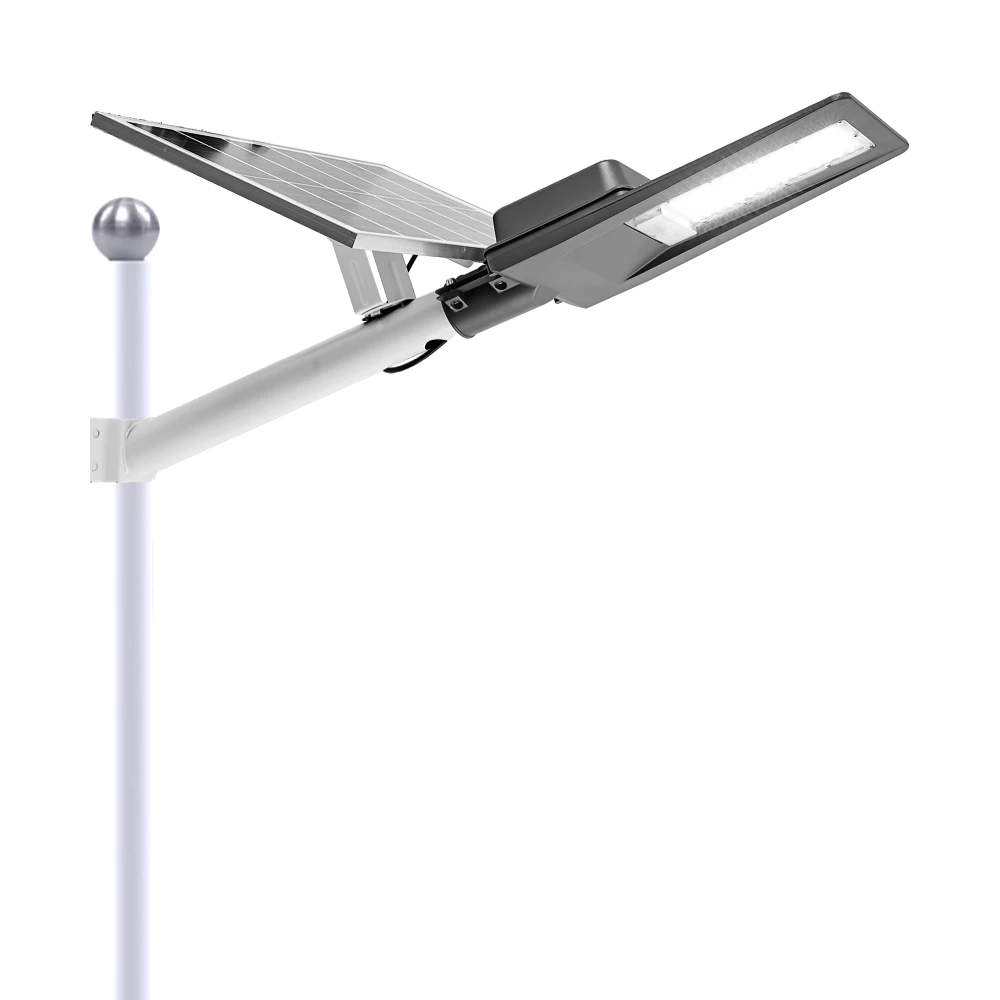
Experience reliable outdoor illumination with our smart solar street light, a perfect combination of advanced technology and eco-conscious design.
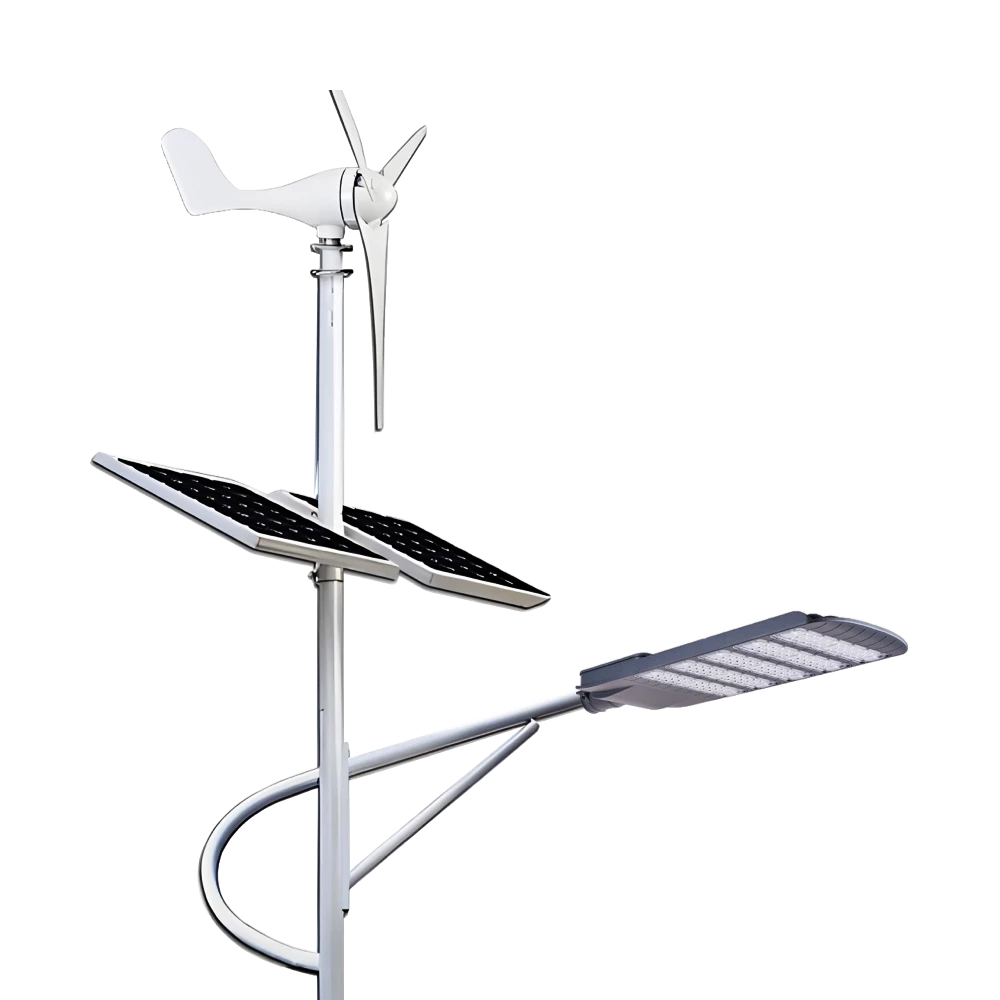
Queneng Lufeng Wind Energy LED Outdoor Solar Street Lights offer high-performance, eco-friendly illumination. These energy-efficient LED street lights harness solar power and wind energy for sustainable, cost-effective outdoor lighting solutions.
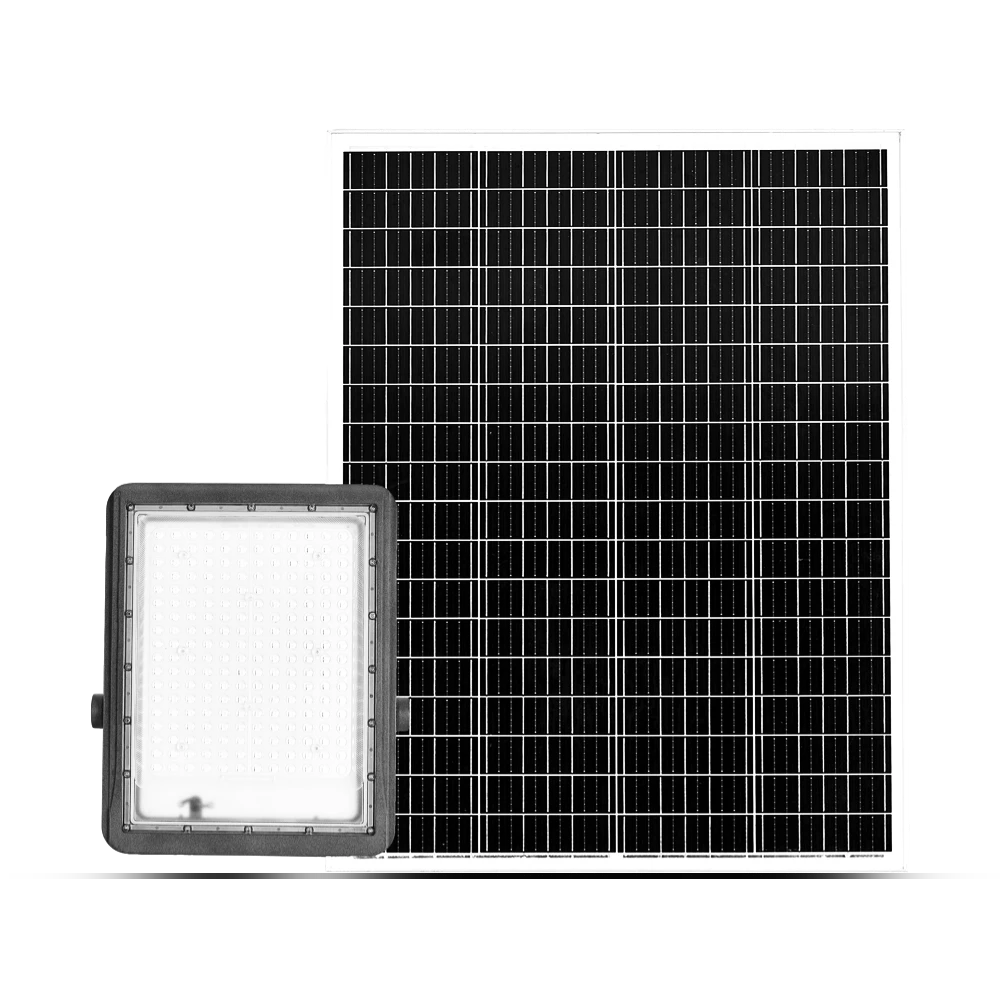
Queneng's Luxian Reliable Solar Street Light offers energy-saving LED lighting for outdoor use. This durable, solar-powered street light provides reliable illumination, reducing energy costs and environmental impact. A perfect solution for sustainable outdoor lighting.
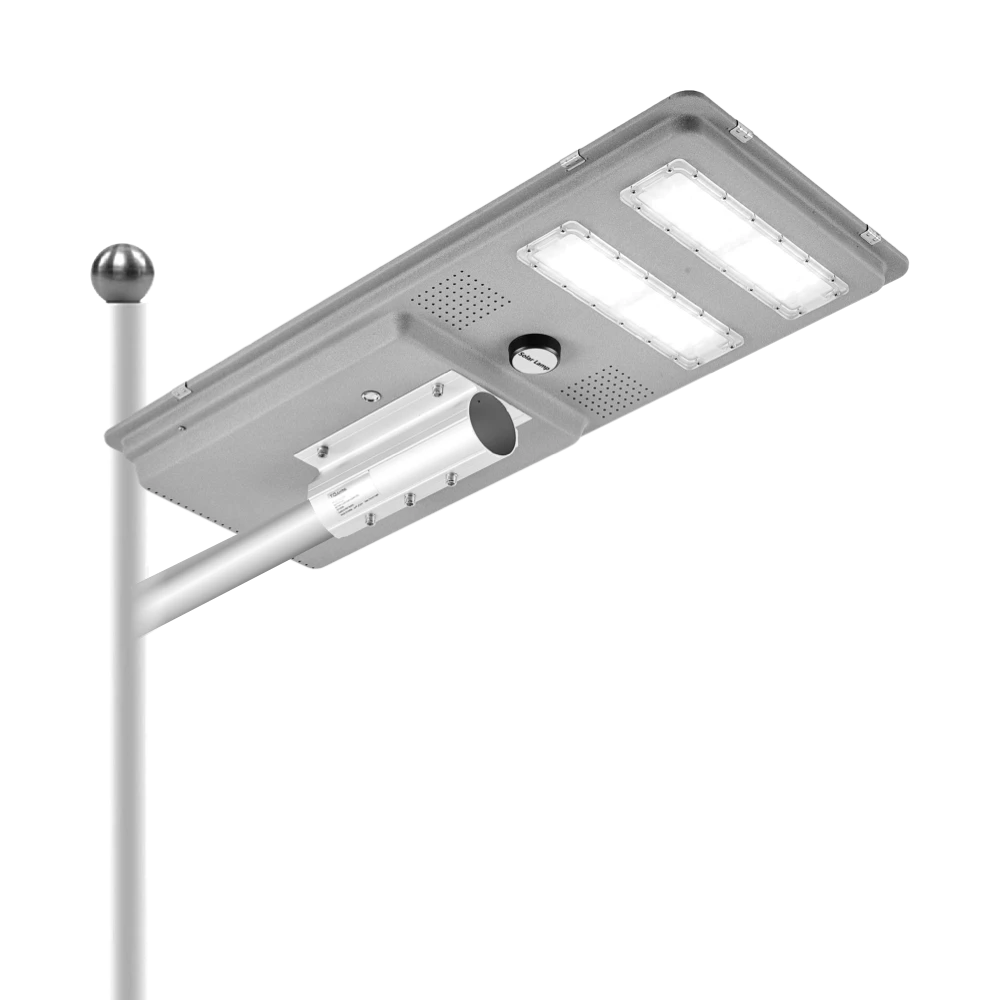
Queneng’s Solar Street Lights are designed to provide reliable, energy-efficient lighting for streets, parks, and other outdoor spaces.
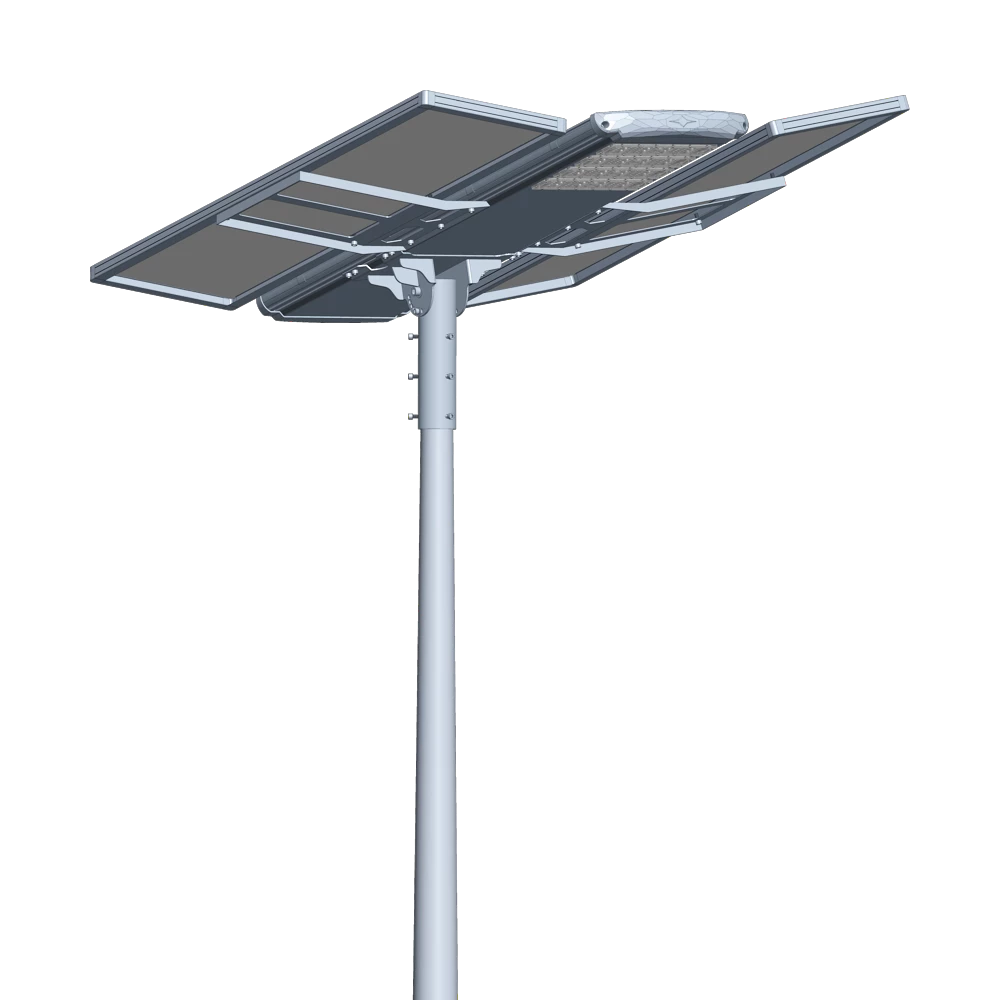
Introducing the Luqing Solar Street Light by Queneng, Efficient LED lighting powered by solar energy is perfect for illuminating outdoor areas. Harness the power of solar energy for sustainable, reliable street lighting. Ideal for eco-friendly, cost-effective outdoor illumination solutions.
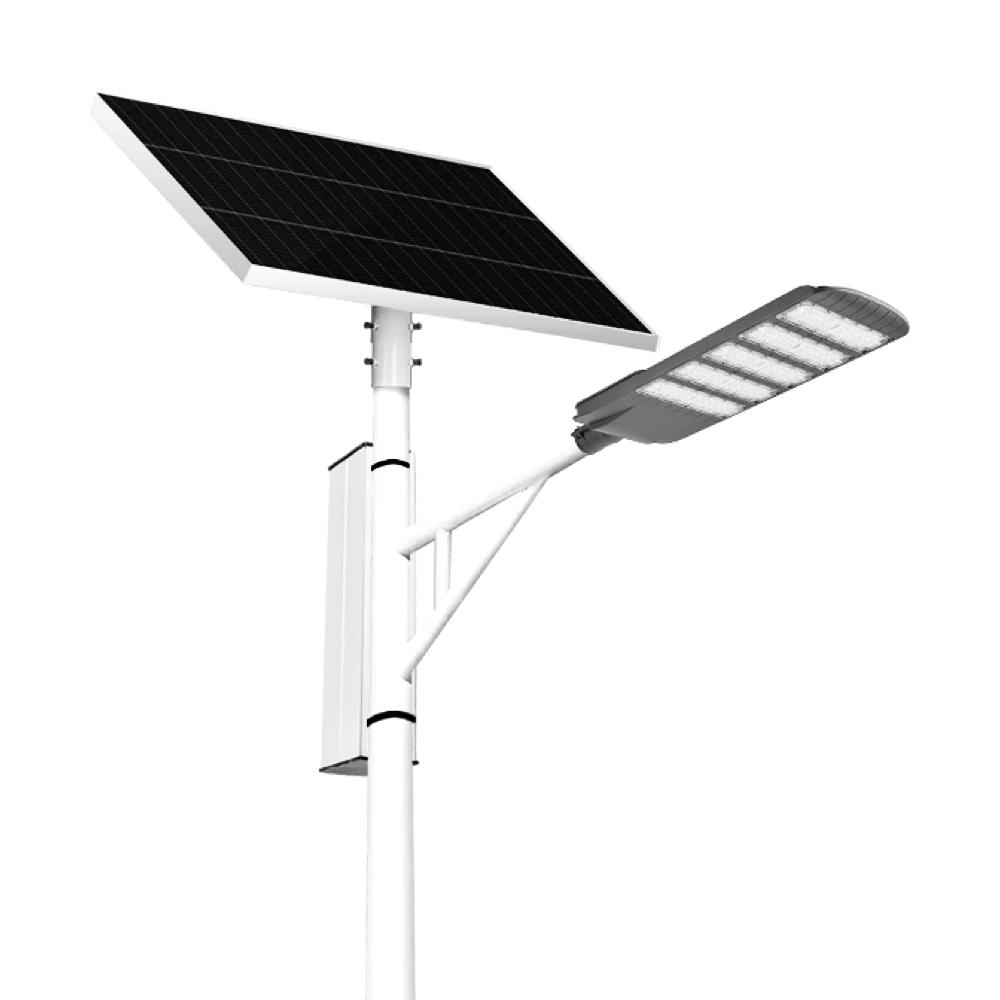
The Solar Streetlights of Luhao for Municipalities are designed to deliver reliable, energy-efficient, and cost-effective public lighting solutions. Equipped with advanced LED technology, durable lithium batteries, and high-efficiency solar panels, these streetlights provide consistent illumination for roads, parks, residential areas, and government projects.
Our professional team is ready to answer any questions and provide personalized support for your project.
You can reach us via phone or email to learn more about Queneng’s solar lighting solutions. We look forward to working with you to promote clean energy solutions!
Rest assured that your privacy is important to us, and all information provided will be handled with the utmost confidentiality.
By clicking 'Send Inquiry Now' I agree to Queneng processing my personal data.
To see how to withdraw your consent, how to control your personal data and how we process it, please see our Privacy Policy and Terms of use.
Schedule a Meeting
Book a date and time that is convenient for you and conduct the session in advance.
Have more questions about our products or services?
The messenger of light & power conversion
Environmental protection and intelligent manufacturing are our brand philosophy, and quality assurance and the best user experience are our eternal promises to users.
CONTACT
No.9F, Building F, Cao San Xin Tian Hong Logistics Park, Guzhen Town, Zhongshan City, Guangdong Province, China.
or write [email protected]
WhatsApp: +86 136 2270 1011


