

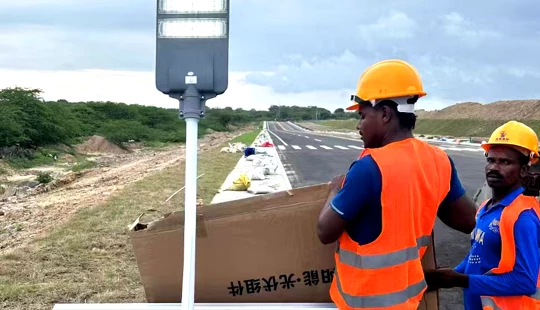
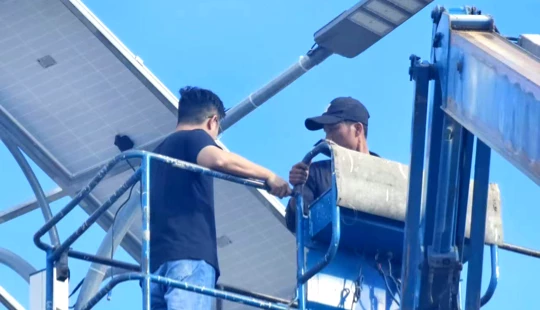













Community Engagement and Public Acceptance Strategies
Why community support makes Municipal Solar Street Light projects succeed
Municipal solar street light projects deliver energy savings, resilience, and visible sustainability benefits, but their long-term success depends on public acceptance and continued stakeholder support. A well-designed engagement strategy reduces delays, minimizes retrofits, and ensures the system delivers the intended social, safety and environmental outcomes. This article outlines practical, evidence-based approaches municipal teams and contractors can use to secure acceptance for Municipal Solar Street Light initiatives and drive measurable project performance.
Understanding the : what communities want from a Municipal Solar Street Light
People searching for information about Municipal Solar Street Light are typically municipal decision-makers, community leaders, procurement officers, and project developers seeking guidance on implementation, costs, reliability and social impacts. Key community priorities revealed across case studies and social research are: visible improvements in public safety, reliable lighting at night, minimal maintenance disruption, aesthetic integration, and transparency on costs and benefits. Addressing these priorities directly in outreach materials builds trust early.
Stakeholder mapping and roles for Municipal Solar Street Light programs
Effective engagement starts with mapping stakeholders and clarifying roles. Typical stakeholders include:
- Municipal leaders and technical departments (public works, urban planning, procurement)
- Local residents and neighborhood associations
- Business improvement districts and merchants
- Utility companies and emergency services
- Contractors, installers, and product suppliers
- NGOs and environmental groups
Create a responsibility matrix (RACI) and a communications plan that lists what each stakeholder will be informed about, consulted on, and accountable for. Early involvement of utilities and emergency services prevents later conflicts about control, maintenance access, or sensor/communications interference.
Key messages to communicate when proposing a Municipal Solar Street Light
Craft messages that answer What will change?, Who benefits?, and How will it work? Emphasize:
- Energy and cost savings (show expected kWh reduction and OPEX savings)
- Improved resilience (lighting during grid outages)
- Public safety outcomes (illumination levels and standards to be met)
- Low operational disruption and maintenance plans
- Environmental benefits such as reduced grid emissions
Addressing common concerns: safety, light pollution, and reliability
Communities often raise three recurring concerns: insufficient lumen output at night, glare and light trespass, and fear of intermittent lighting. Tackle each with clear evidence:
- Safety and illuminance: Provide lighting plans with measured lux levels and the standards you will follow (e.g., IES or local lighting codes). Share night-time photometric simulations early.
- Glare and light pollution: Choose optic designs and shielding to minimize uplight. Explain color temperature choices (3000K–4000K often balance visibility and ecology).
- Reliability and autonomy: Share system autonomy hours, battery capacity, and maintenance schedules. Use lifecycle data from vendors and pilot results to quantify expected uptime.
Use pilots and demonstrators to build trust for Municipal Solar Street Light
Pilots are among the most effective tools for securing public acceptance. A short-term demonstrator (6–12 months) in a representative neighborhood shows performance in real conditions and starts community feedback loops. Pilot benefits include:
- Real-world performance data (illumination, charge/discharge cycles)
- Opportunity for residents to trial aesthetics and report glare or coverage gaps
- Evidence for procurement decisions and scale-up planning
Financing models and how to present them to stakeholders
Financing approaches influence public perception. Common models include direct municipal procurement, public-private partnerships (P3), energy service agreements, and donor/loan financing for developing contexts. Stakeholders care about net present value, payback timeframe, and who ly owns and maintains the infrastructure. Present scenarios with transparent assumptions (CAPEX, OPEX, maintenance intervals, battery replacement cycles) and sensitivity analysis.
| Metric | Traditional Grid LED Street Light | Municipal Solar Street Light |
|---|---|---|
| Typical CAPEX | Lower for light head only | Higher (panel, battery, integrated pole), but falling due to technology |
| Typical OPEX | High (energy bills, grid maintenance) | Lower energy cost; periodic battery replacement |
| Grid dependence | High | Low — can operate during outages |
| Deployment speed | Slower when grid extensions needed | Faster in areas without wiring |
| Public acceptance potential | Depends on outage reliability and maintenance | High if reliability and aesthetics demonstrated |
Sources: energy and replacement patterns summarized from U.S. Department of Energy (DOE) and IRENA analyses; see references below.
Procurement transparency and quality assurance for Municipal Solar Street Light
Procurement disputes are a major driver of negative sentiment. To limit this risk: publish technical specifications, independent test requirements (e.g., IEC, IP, LM-79/LM-80 for LEDs, battery standards), and acceptance testing methods. Require performance warranties tied to measurable KPIs: uptime percentage, lumen maintenance, battery cycle life, and response time for repairs. Include third-party inspection or certification in tender documents.
KPIs to include in municipal contracts
- Minimum average illuminance (lux) by street class
- Uptime: e.g., 98% annual availability target
- Battery end-of-life replacement window (years or cycles)
- Response time for faults (e.g., 48–72 hours in urban areas)
Monitoring, data transparency and feedback loops
Smart monitoring transforms acceptance by making system performance visible and actionable. Provide public dashboards showing key metrics: energy generated, outages resolved, maintenance logged, and CO2 avoided. Use anonymized geo-tagged complaint logs for accountability. Municipalities that publish progress reports increase citizen trust and reduce rumors.
Community-centered design: participation, aesthetics and local benefits
Participation means asking residents about fixture style, pole color, and placement. A small investment in design harmony (matching heritage streets or downtown palettes) dramatically reduces opposition. In addition, emphasize local economic benefits: job opportunities in installation and maintenance, training programs, or sourcing local materials when possible.
Communications toolkit: templates and channels
A structured toolbox accelerates rollout and ensures consistent messaging. Suggested items:
- One-page fact sheets comparing existing lighting to Municipal Solar Street Light options
- FAQ documents addressing technical and cost questions
- Photometric simulations and night-time renderings for display at meetings
- Short demo videos from pilot sites
- Online dashboard and an issue reporting form
Role of suppliers: why choose an experienced partner for Municipal Solar Street Light
Supplier credibility matters in public projects. Choose partners with demonstrable product testing, references from municipal projects, and the ability to support long-term maintenance and spare parts. A capable supplier should provide design support, performance warranties and, ideally, local project implementation experience to help navigate permitting and stakeholder liaison.
How GuangDong Queneng Lighting Technology Co., Ltd. supports municipal solar street light initiatives
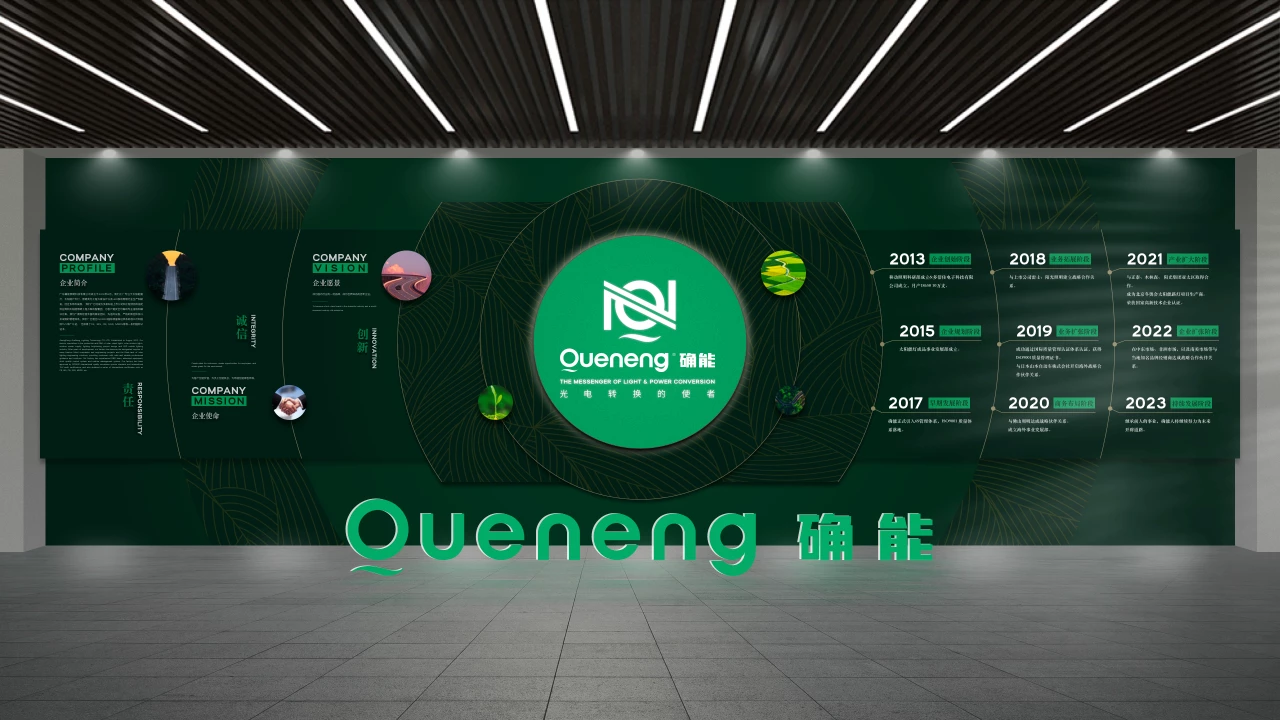
GuangDong Queneng Lighting Technology Co., Ltd. Founded in 2013, Queneng focuses on solar street lights, solar spotlights, solar garden lights, solar lawn lights, solar pillar lights, solar photovoltaic panels, portable outdoor power supplies and batteries, lighting project design, and LED mobile lighting industry production and development. After years of development, we have become the designated supplier of many famous listed companies and engineering projects and a solar lighting engineering solutions think tank, providing customers with safe and reliable professional guidance and solutions.
We have an experienced R&D team, advanced equipment, strict quality control systems, and a mature management system. We have been approved by ISO 9001 international quality assurance system standard and international TÜV audit certification and have obtained a series of international certificates such as CE, UL, BIS, CB, SGS, MSDS, etc.
Queneng's strengths for municipal projects:
- Comprehensive product range: Solar Street Lights, Solar Spot lights, Solar Lawn lights, Solar Pillar Lights, Solar Photovoltaic Panels, Solar Garden Lights—allowing standardized procurement across use-cases.
- Technical capability: In-house R&D for photometric optimization, battery management systems and integrated mounting solutions, reducing need for third-party integration.
- Quality and certification: ISO 9001 and TÜV-audited processes plus CE/UL/CB et al. support procurement compliance and risk reduction.
- Project experience: References from listed companies and engineering projects support credibility in municipal RFP responses and pilot programs.
Partnering with an experienced supplier like Queneng can accelerate pilot success, provide reliable warranty frameworks, and deliver the technical documentation municipalities need to secure public trust.
Measuring success: metrics and evaluation
Track both technical and social KPIs. Technical KPIs include availability (% uptime), energy generated (kWh), energy savings vs baseline (kWh and $), and maintenance incidents per year. Social KPIs include resident satisfaction (survey scores), reported safety incidents, and number of community complaints. Publish a biannual report comparing targets to results and adjust procurement or maintenance plans accordingly.
Common barriers and practical mitigation strategies
Barrier: Perception that solar lights are experimental. Mitigation: Use pilots with transparent reporting and warranties. Barrier: Concerns about battery disposal. Mitigation: Specify recycling plans and end-of-life pathways in contracts. Barrier: Budget silos — CAPEX vs OPEX. Mitigation: Present life-cycle cost analyses and financing options that shift budget load predictably.
FAQ — Municipal Solar Street Light: common questions from communities
Q1: How long do municipal solar street lights last?
A1: Typical lifetimes are: LED module 50,000+ hours (L70), battery systems 5–10 years depending on chemistry and depth-of-discharge, and PV panels 20+ years with gradual degradation. Contracts should plan for scheduled battery replacements and provide performance warranties.
Q2: Will solar street lights work during long cloudy seasons?
A2: Yes, if designed correctly. Designers size panels and batteries to meet local insolation data and provide sufficient autonomy (days of backup). In regions with prolonged low irradiance, hybridized solutions or larger battery capacity may be required.
Q3: Who maintains the lights after installation?
A3: Maintenance responsibility should be set in procurement documents. Options include municipal maintenance teams, outsourced service contracts, or manufacturer-supplied maintenance plans. Clear SLAs (response time, spare parts) should be part of the agreement.
Q4: How do you address light pollution and wildlife concerns?
A4: Use optics with cutoff and shielding, select appropriate color temperature (lower Kelvin values reduce blue light), and adopt dimming schedules. Environmental assessments and community consultation help locate fixtures to minimize ecological impacts.
Q5: Are solar street lights more cost-effective than grid lights?
A5: Often yes over lifecycle in contexts with high grid electricity costs or unreliable grids. Savings depend on local energy tariffs, maintenance, battery replacement cycles and financing. Provide a transparent lifecycle cost model when presenting to stakeholders.
Q6: How can residents report issues or request adjustments?
A6: Provide multiple channels: a municipal online form, a hotline, and a public dashboard showing status. Ensure commitments for response times are advertised upfront.
Next steps and contact
If you are planning a Municipal Solar Street Light program and need help with pilot design, procurement specifications, or community engagement strategies, contact our advisory team or request product information and project references. For reliable, certified solar lighting products and end-to-end design support, consider GuangDong Queneng Lighting Technology Co., Ltd. as a partner in your municipal program.
Contact CTA: For project consultation and to view product catalogs and case studies, contact Queneng via their official channels or request a proposal through their sales team.
References and further reading
- Wüstenhagen, R., Wolsink, M., & Bürer, M. J. (2007). Social acceptance of renewable energy innovation: An introduction to the concept. Energy Policy. https://www.sciencedirect.com/science/article/pii/S0301421506002777 (Accessed 2025-12-21)
- U.S. Department of Energy — Solid-State Lighting. https://www.energy.gov/eere/ssl/solid-state-lighting (Accessed 2025-12-21)
- National Renewable Energy Laboratory (NREL) — Community Solar. https://www.nrel.gov/state-local-tribal/community-solar. (Accessed 2025-12-21)
- International Renewable Energy Agency (IRENA) — Off-grid Renewable Energy Systems. https://www.irena.org/publications/2015/Jun/Off-grid-renewable-energy-systems (Accessed 2025-12-21)
- IEEE/IES and lighting industry standards overview — Illuminating Engineering Society. https://www.ies.org/ (Accessed 2025-12-21)
- Queneng Company Information (company-provided profile). GuangDong Queneng Lighting Technology Co., Ltd.—company materials provided in brief (Accessed 2025-12-21)

Have more questions about our products or services?
The latest hot news you might like

Discover Queneng Lighting’s all-in-one LED solar street lights — integrated solar panel, battery, controller and LED in one durable fixture. Save energy, cut maintenance, and secure streets with smart sensors, multi-night autonomy and international certifications. Contact sales for quotes and support.

Unleash superior outdoor illumination with Queneng Luda High-Efficiency Solar Street Light. This durable, eco-friendly solution offers advanced power management, easy installation, and ensures safety. Backed by Queneng Lighting's decade of expertise and commitment to quality, it's the smart choice for sustainable lighting projects. Learn why we're a leading solar solutions provider.

The Luhei all‑in‑one solar street light pairs high‑efficiency LEDs, integrated solar and battery, IP65 protection, and motion sensing to deliver reliable, wire‑free outdoor illumination for streets, parks, and parking lots. Backed by Queneng Lighting’s certifications and support.

FAQ
Battery Performance and Testing
What is static resistance? What is dynamic resistance?
What is self-discharge of secondary batteries?
who we are
Can Queneng provide custom solar lighting solutions?
Yes, we specialize in providing customized solar lighting systems based on your specific needs. Whether it’s for residential, commercial, or industrial applications, our team works with you to design and deliver tailored solutions that meet your requirements.
Solar Street Light Luqing
Are solar street lights easy to install?
Yes, solar street lights are easy to install. They do not require external wiring or connections to the electrical grid. The installation process is straightforward and typically involves mounting the light pole, positioning the solar panel, and securing the battery and lighting unit.
Distributors
What types of products do Queneng distributors offer?
Queneng offers a range of solar lighting solutions, including street lights, garden lights, floodlights, and customized lighting systems for residential, commercial, and infrastructure applications.
Municipal and Public Infrastructure
Can the lights be customized for specific municipal projects?
Yes, we offer tailored solutions to meet the unique requirements of different projects, including variations in design, brightness, height, and operation modes.
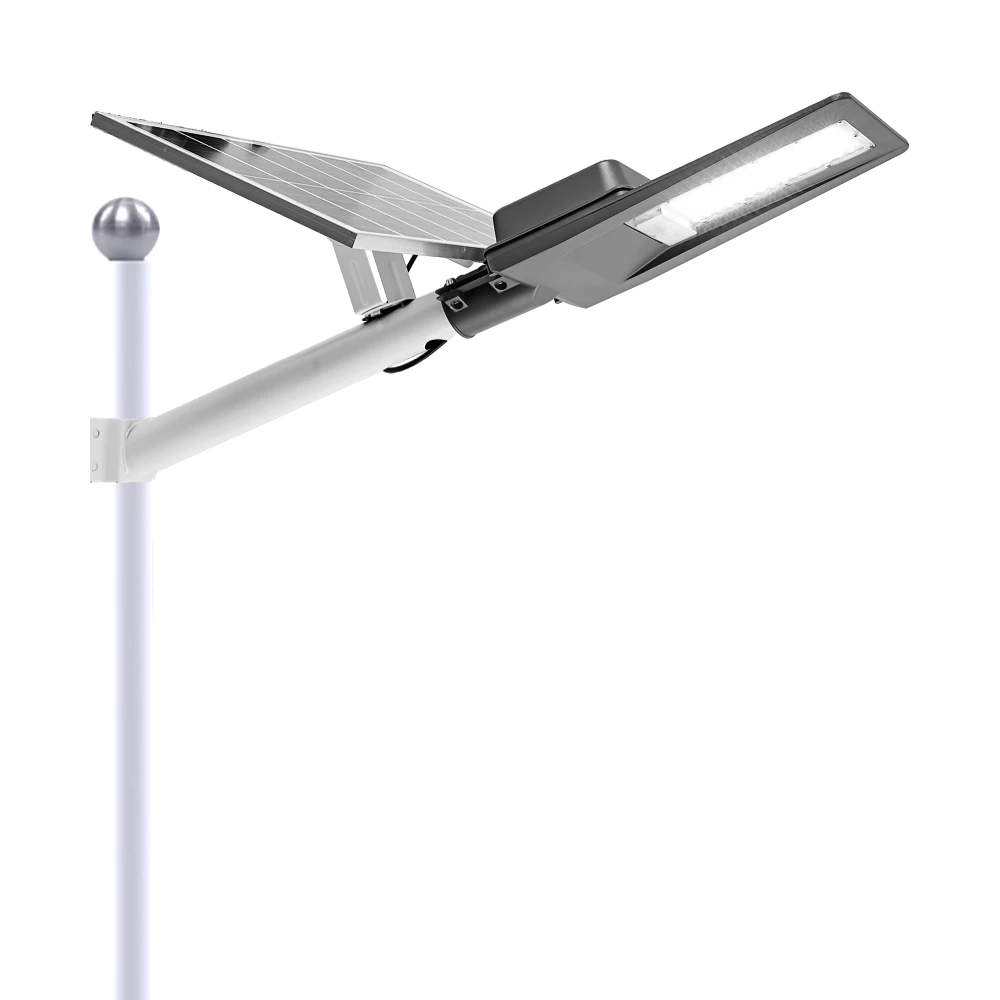
Experience reliable outdoor illumination with our smart solar street light, a perfect combination of advanced technology and eco-conscious design.
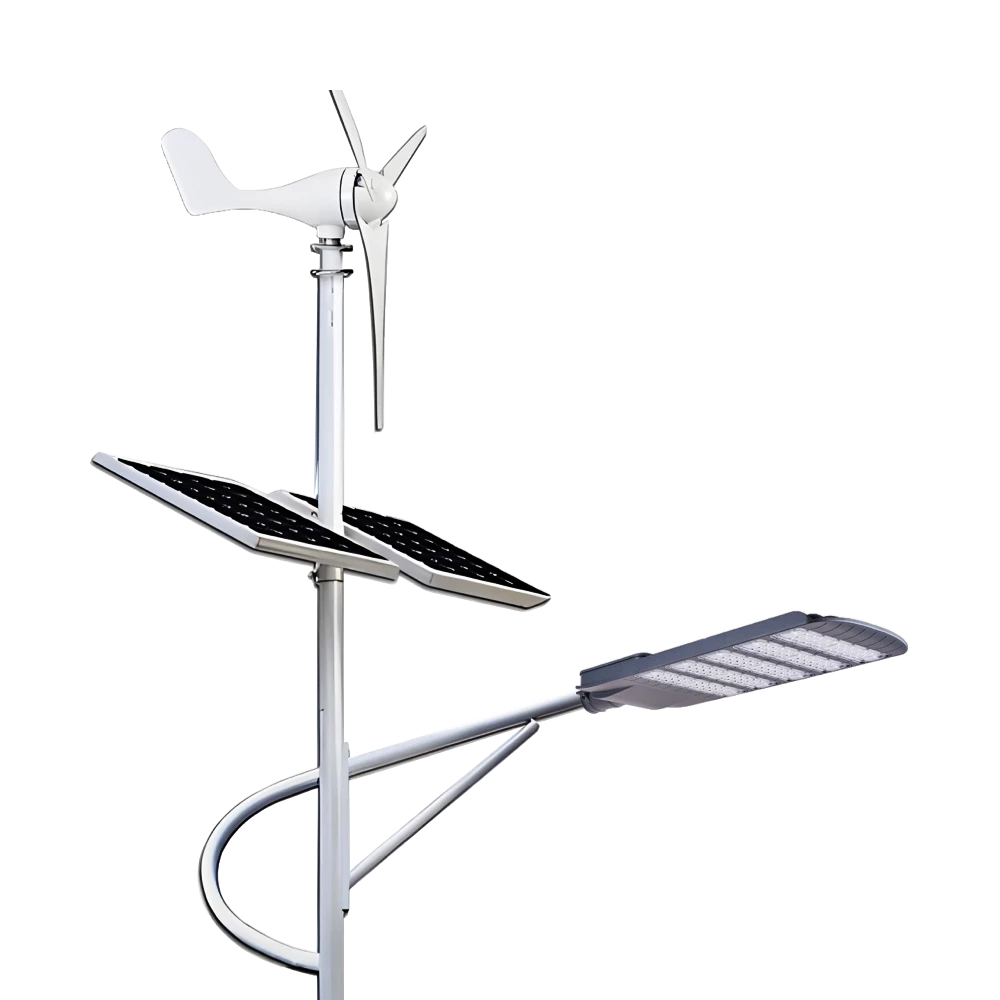
Queneng Lufeng Wind Energy LED Outdoor Solar Street Lights offer high-performance, eco-friendly illumination. These energy-efficient LED street lights harness solar power and wind energy for sustainable, cost-effective outdoor lighting solutions.
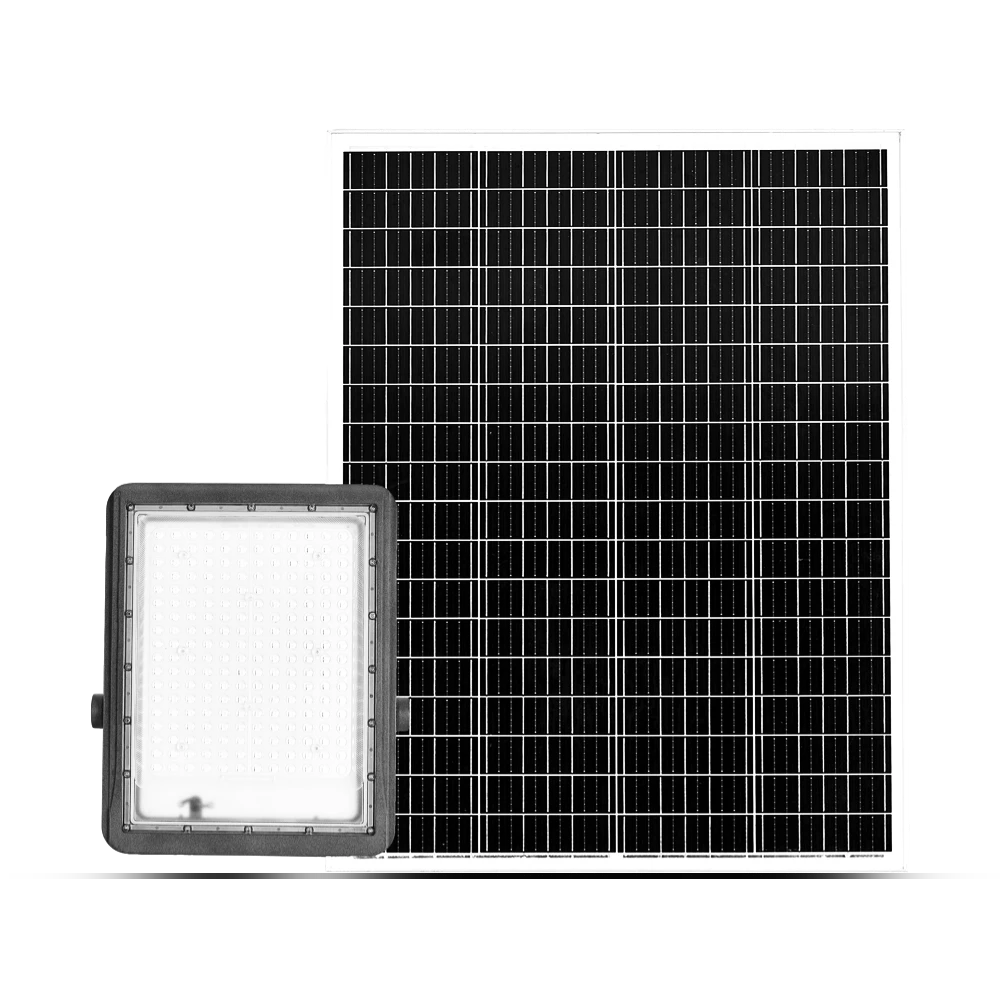
Queneng's Luxian Reliable Solar Street Light offers energy-saving LED lighting for outdoor use. This durable, solar-powered street light provides reliable illumination, reducing energy costs and environmental impact. A perfect solution for sustainable outdoor lighting.
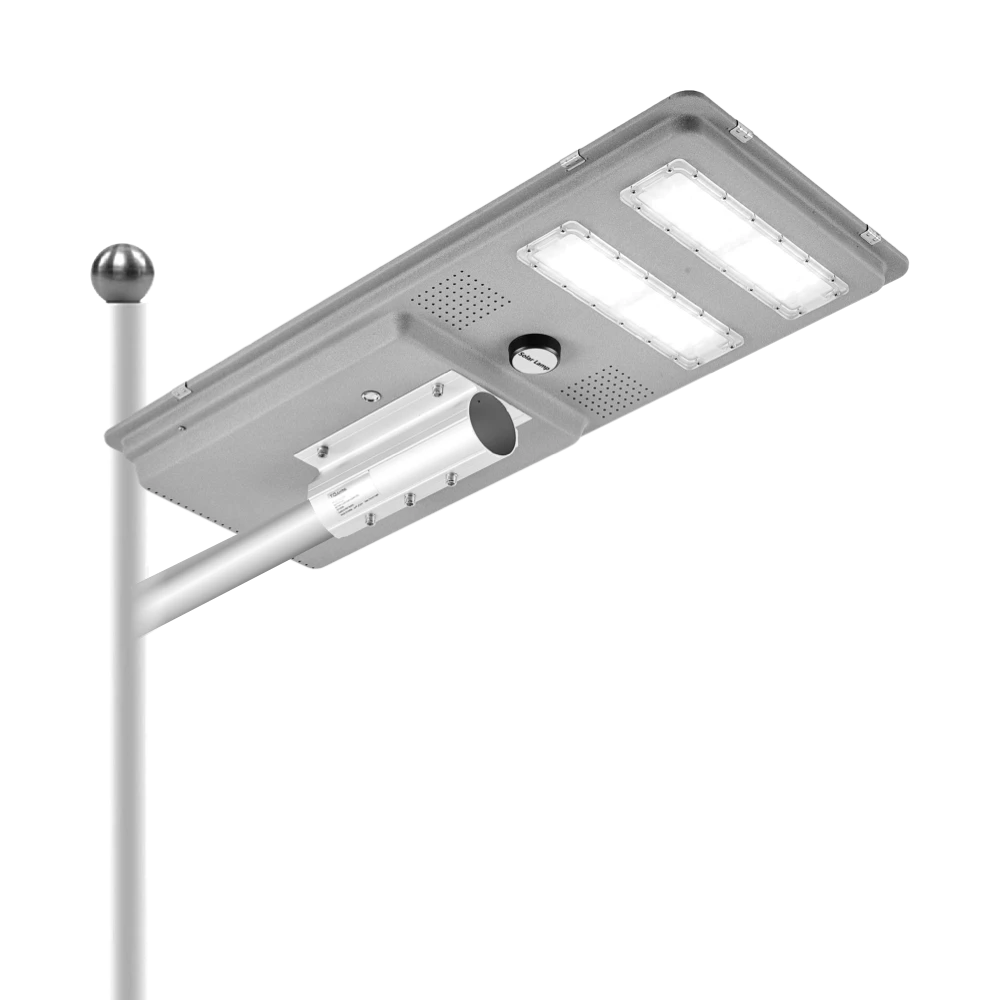
Queneng’s Solar Street Lights are designed to provide reliable, energy-efficient lighting for streets, parks, and other outdoor spaces.
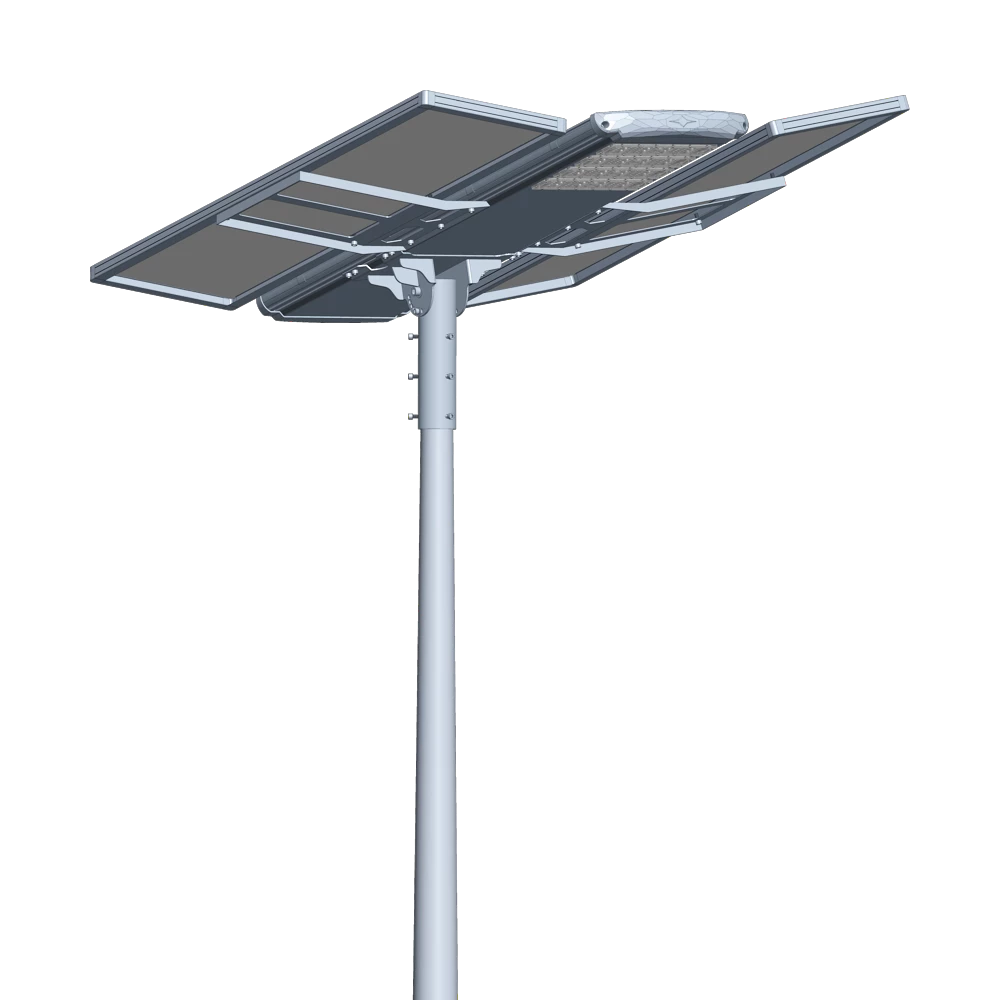
Introducing the Luqing Solar Street Light by Queneng, Efficient LED lighting powered by solar energy is perfect for illuminating outdoor areas. Harness the power of solar energy for sustainable, reliable street lighting. Ideal for eco-friendly, cost-effective outdoor illumination solutions.
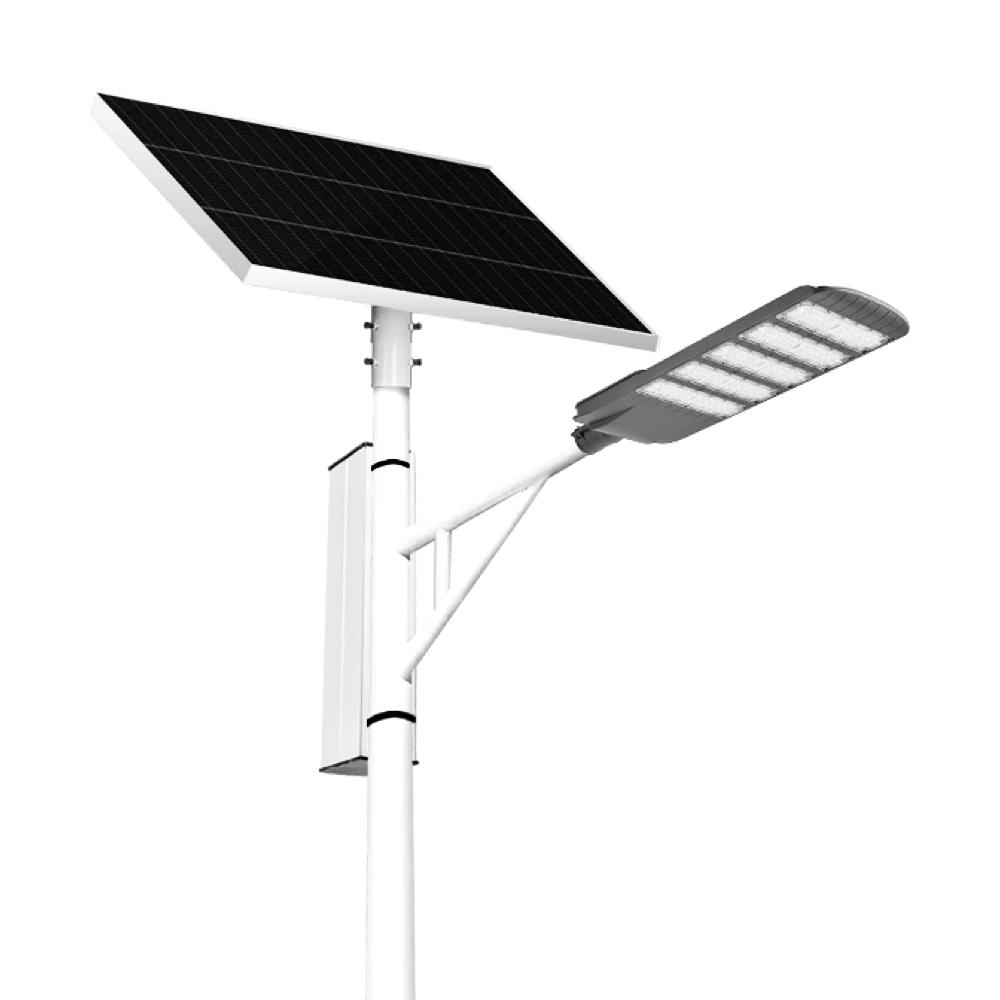
The Solar Streetlights of Luhao for Municipalities are designed to deliver reliable, energy-efficient, and cost-effective public lighting solutions. Equipped with advanced LED technology, durable lithium batteries, and high-efficiency solar panels, these streetlights provide consistent illumination for roads, parks, residential areas, and government projects.
Our professional team is ready to answer any questions and provide personalized support for your project.
You can reach us via phone or email to learn more about Queneng’s solar lighting solutions. We look forward to working with you to promote clean energy solutions!
Rest assured that your privacy is important to us, and all information provided will be handled with the utmost confidentiality.
By clicking 'Send Inquiry Now' I agree to Queneng processing my personal data.
To see how to withdraw your consent, how to control your personal data and how we process it, please see our Privacy Policy and Terms of use.
Schedule a Meeting
Book a date and time that is convenient for you and conduct the session in advance.
Have more questions about our products or services?
The messenger of light & power conversion
Environmental protection and intelligent manufacturing are our brand philosophy, and quality assurance and the best user experience are our eternal promises to users.
CONTACT
No.9F, Building F, Cao San Xin Tian Hong Logistics Park, Guzhen Town, Zhongshan City, Guangdong Province, China.
or write [email protected]
WhatsApp: +86 136 2270 1011


