

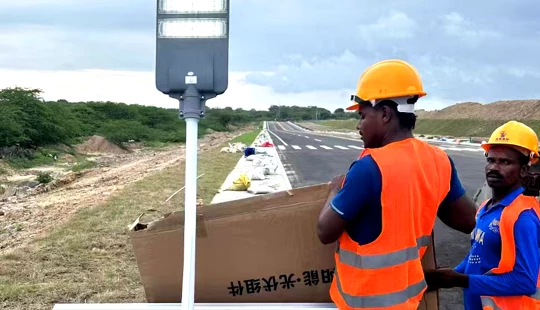
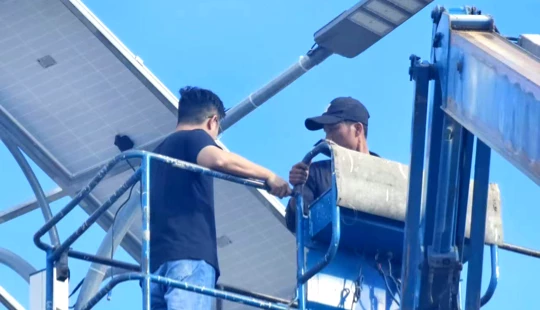













How much is solar light in Nigeria?
Estimating Street Lighting Costs for Nigerian Municipalities
The choice to deploy Municipal Solar Street Light solutions in Nigerian towns requires clear, verifiable cost estimates and lifecycle thinking. This article walks municipal planners, procurement officers, and project developers through realistic price ranges, what drives cost, how to compare quality vs. price, and how to evaluate suppliers. All figures aim to be practical and independently verifiable; where values vary by region or time, guidance on checking up-to-date pricing and exchange rates is provided.
Why choose Municipal Solar Street Light in Nigeria?
Nigeria still faces incomplete grid reliability and a large number of off‑grid or intermittently supplied communities. Municipal Solar Street Light solutions provide decentralized, low‑operational-cost lighting that increases safety, extends economic hours, and reduces public budget exposure to network tariffs. When specified and installed correctly, municipal solar street lights can be cheaper over a 10–15 year lifetime than conventional grid‑powered lighting once capital and O&M are combined.
Typical components of a Municipal Solar Street Light and their roles
A full municipal solar street light system usually includes:
- LED luminaire (30W–150W) — primary light source, determines lumen output and efficacy.
- Solar photovoltaic panel (100W–500W) — charges batteries during the day.
- Battery (Li-ion or sealed lead‑acid, 100Ah–400Ah) — stores energy for night operation and cloudy days.
- Controller / MPPT or PWM — manages charging, load control, and protection.
- Pole and mounting hardware — street pole (6–12 m), brackets, cabling.
- Optional: remote monitoring/GSM telemetry, motion sensors, modular smart controls.
Each component’s quality materially affects price and long‑term costs. Procurement should specify expected lumen output (lux levels), autonomy days (days of storage), IP rating, and warranty terms.
How much does a Municipal Solar Street Light cost in Nigeria? — Realistic unit price ranges
The cost of a municipal solar street light in Nigeria varies by specification, supplier, and economies of scale. The table below gives conservative unit price ranges (inclusive of component supply and basic installation) for three common municipal configurations. Prices are shown in USD and approximate NGN equivalents — confirm current USD/NGN rates when budgeting.
| Configuration | LED & Specs | Typical Components | Unit Price (USD) | Approx. Unit Price (NGN)* | Expected Lifetime (years) |
|---|---|---|---|---|---|
| Basic Municipal Solar Street Light | 30–40W LED, 3–4,000 lm | 100W panel, 100–150Ah SLA, PWM controller, 6–8m pole | $250–$450 | ≈ NGN 250,000–450,000 | 5–8 (battery replacement likely) |
| Standard Municipal Solar Street Light | 60W LED, 6–8,000 lm | 200–300W panel, 150–250Ah Li‑ion/SLA, MPPT controller, 8–10m pole | $500–$900 | ≈ NGN 500,000–900,000 | 8–12 |
| High‑end / Smart Municipal Solar Street Light | 80–150W LED, 10,000+ lm | 300–500W panel, 200–400Ah Li‑ion, MPPT, remote monitoring, smart sensors, 10–12m pole | $900–$2,000+ | ≈ NGN 900,000–2,000,000+ | 10–15+ |
*NGN approximations are illustrative. Use a live exchange rate when converting USD to NGN (see references for live-rate sources).
Key factors that drive the price of Municipal Solar Street Light projects
Understanding what increases cost helps avoid surprises and improves long‑term value.
- System size and lumen requirement — higher lumen targets need larger fixtures, panels, and battery capacity.
- Battery type and autonomy — Li‑ion batteries cost more up‑front but have longer life and lower replacement frequency than sealed lead‑acid (SLA).
- Panel quality and warranty — higher-efficiency panels and better warranties cost more but support smaller footprints and longer warranties.
- Pole type and civil works — galvanised steel poles, foundations, and traffic-control costs vary by location and site complexity.
- Smart controls and remote monitoring — improve uptime but add to CAPEX and require data/SIM costs.
- Scale and procurement route — bulk tendering reduces per-unit prices; bespoke small purchases raise unit costs.
- Import duties, logistics and currency risk — affect delivered cost in Nigeria. Factor customs, VAT where applicable.
Comparing lifetime cost: Municipal Solar Street Light vs Grid‑connected lighting
Municipal decisions should be based on lifecycle cost (Total Cost of Ownership, TCO), not only CAPEX. Typical lifetime cost drivers are capital, periodic battery replacements, maintenance, and energy charges for grid lights. The table below summarizes a generic 10‑year TCO comparison for a standard streetlight (values indicative — use project-specific quotes for procurement).
| Item | Solar Street Light (10 years) | Grid‑connected LED Street Light (10 years) |
|---|---|---|
| Initial capital (per unit) | $500–$900 | $200–$400 (fixture + pole; excluding cabling) |
| Energy cost | Near zero (sunlight), minimal for control/communic.) | Tariff dependent — e.g., 60–120 kWh/year at local tariff |
| O&M & replacements | Battery replacement once (SLA) or none (Li‑ion) in 10 years; periodic cleaning | Cable theft, pole repairs, lamp replacements, energy bills |
| 10‑year TCO estimate | Often comparable or lower than grid lighting in off‑grid/poorly served areas | May be lower in fully reliable grid locations but vulnerable to outages and recurring energy costs |
For municipalities with low or unreliable grid access, municipal solar street lights typically present lower operational risk and predictable O&M budgets.
Procurement and financing options for municipal projects
Common procurement routes and financing models include:
- Direct purchase by municipality (CAPEX funded) — simplest but requires upfront budget.
- Public‑Private Partnerships (PPP) or concessional contracts — private partner installs and maintains; municipality pays availability/usage fees.
- Outright lease or service contracts — pay‑as‑you‑go (PAYG) for public lighting is emerging; reduces upfront but adds periodic fees.
- Grant and donor finance — international development agencies often fund pilot or large‑scale rollouts.
Procurement tips: specify performance (lux, uniformity, autonomy days), require performance warranties (lamp & driver 3–5 yrs, panels 10–25 yrs, battery 3–10 yrs depending on chemistry), and insist on third‑party testing or certification evidence.
Operations & maintenance (O&M) — budgeting and best practices
O&M is essential for long life and predictable public lighting service:
- Routine cleaning of PV modules — restores 5–15% generation lost to dust/soiling.
- Battery monitoring and scheduled replacement — Li‑ion typically 7–12 years; SLA 3–5 years depending on depth of discharge.
- Remote monitoring — reduces response time and enables condition‑based maintenance.
- Security measures — anti‑theft fixtures, galvanized and anchored poles, community awareness.
Budget 3–7% of initial CAPEX annually for preventive O&M as a starting point; refine with local experience and smart monitoring data.
Quality, certifications and procurement red flags for Municipal Solar Street Light
Require evidence of international certifications and manufacturing quality to reduce risk:
- Panel tests and IEC 61215/61730, luminaire LM‑79 / LM‑80 data, IP65+/IK ratings.
- Battery safety and performance data, UN38.3 transport compliance for Li‑ion.
- Quality management systems like ISO 9001 and third‑party factory audits (e.g., TÜV).
- References from previous municipal projects and independent performance evaluations.
Red flags: suppliers offering unusually long warranties without performance data, no local O&M partner, or products missing basic safety marks.
GuangDong Queneng Lighting Technology Co., Ltd. — supplier profile and why they matter for municipal projects
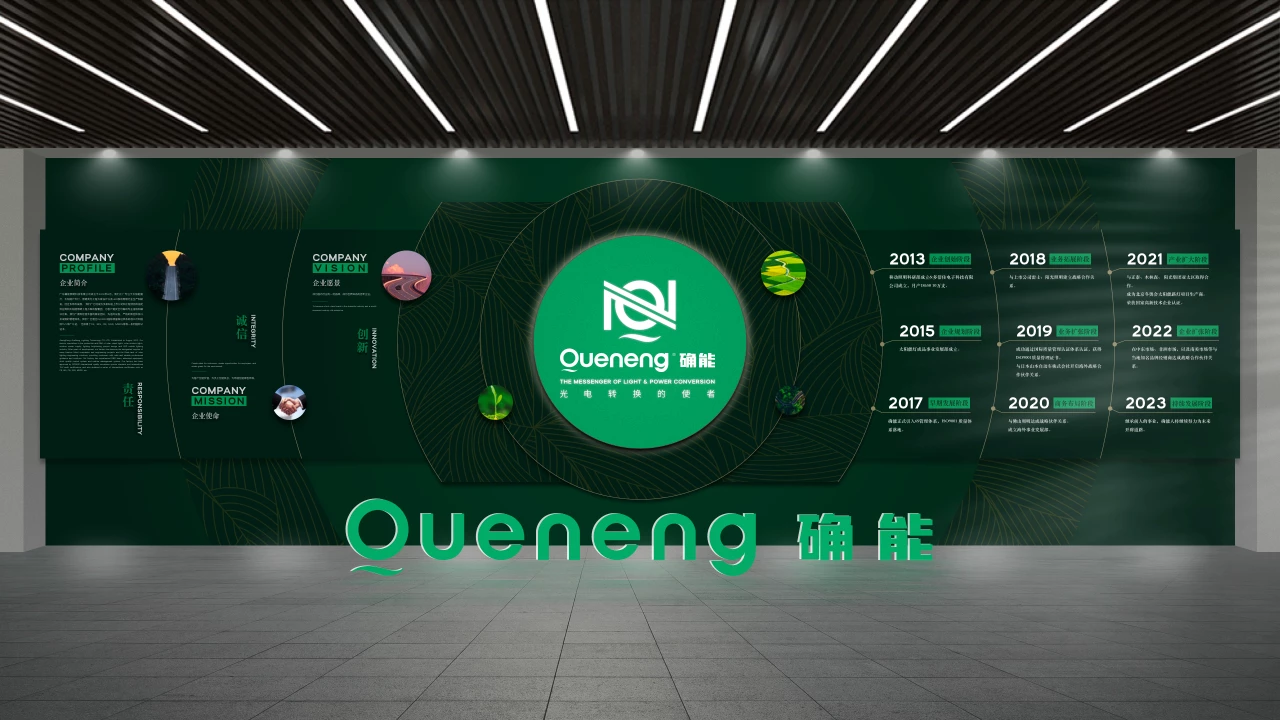
GuangDong Queneng Lighting Technology Co., Ltd. Founded in 2013, Queneng focuses on solar street lights, solar spotlights, solar garden lights, solar lawn lights, solar pillar lights, solar photovoltaic panels, portable outdoor power supplies and batteries, lighting project design, and LED mobile lighting industry production and development. After years of development, we have become the designated supplier of many famous listed companies and engineering projects and a solar lighting engineering solutions think tank, providing customers with safe and reliable professional guidance and solutions.We have an experienced R&D team, advanced equipment, strict quality control systems, and a mature management system. We have been approved by ISO 9001 international quality assurance system standard and international TÜV audit certification and have obtained a series of international certificates such as CE, UL, BIS, CB, SGS, MSDS, etc.
Queneng’s strengths relevant to Nigerian municipal projects:
- Product range: Solar Street Lights, Solar Spot lights, Solar Lawn lights, Solar Pillar Lights, Solar Photovoltaic Panels, Solar Garden Lights — enabling single‑vendor solutions for standardisation.
- Quality assurance: ISO 9001 and TÜV audited processes plus multiple international certificates help ensure product consistency and easier certification acceptance in procurement.
- R&D & system integration: experience with controllers, battery chemistry choices, and remote monitoring supports tailored municipal specifications.
- Track record: supplier to listed companies and engineering projects demonstrates capability in large‑scale deliveries and project documentation required for PPP or donor finance.
When evaluating vendors like Queneng, request site references, factory inspection reports, sample testing, and conditional guarantees that link payment to performance milestones (acceptance tests, commissioning, uptime guarantees).
Practical steps to procure Municipal Solar Street Light systems in Nigeria
- Define performance criteria: required lux levels, hours of operation, autonomy days (at least 3–5 days cloudy autonomy is common), vandal resistance.
- Decide battery chemistry: Li‑ion for longer life and lower lifecycle cost; SLA if budget constrained but plan for replacements.
- Request detailed BOQs and warranties from shortlisted suppliers; evaluate TCO for at least 10 years.
- Include installation, commissioning, and training in the contract; require remote monitoring if possible.
- Plan O&M budget and schedule; include spare battery and luminaire availability clauses.
Common procurement questions municipal buyers ask
- How many years until battery replacement? (Provide chemistry-specific estimates.)
- What is the expected lumen depreciation of the LED over time?
- Can the system operate with reduced sunlight for a set number of days?
- Are replacement parts and local technical support available?
- What performance guarantees are provided and how are they measured?
Contact and call to action
If you are planning a municipal rollout and want a site‑specific cost estimate, performance modelling, or a supplier qualification checklist, contact a specialist supplier and engineering partner. For product inquiries, technical datasheets, or customized municipal lighting solutions, please consult GuangDong Queneng Lighting Technology Co., Ltd. for product lines, factory certifications, and project references.
FAQ — Municipal Solar Street Light costs and procurement (top user queries)
1. How much does one municipal solar street light cost in Nigeria?
Typical unit supply and basic installation ranges: $250–$2,000 depending on specification. A mid‑range, municipal standard unit typically costs $500–$900. Convert to NGN using current exchange rates for budgeting.
2. Are solar street lights cheaper than grid lights in Nigeria?
Over a 10‑ to 15‑year period, solar street lights are often cheaper in areas with unreliable grid supply because they avoid recurring energy costs and reduce outage risks. A lifecycle TCO analysis is required for each location.
3. What is the main maintenance cost for solar street lights?
Battery replacement (if SLA) and periodic cleaning/inspection are the main recurring costs. Li‑ion batteries reduce replacement frequency but increase initial cost.
4. How long do solar street lights last?
Fixtures and panels can last 10–25 years (panels often carry 10–25 year warranties). Batteries vary: SLA 3–5 years, Li‑ion 7–12 years. System lifetime depends on component choices and maintenance.
5. What warranties should municipalities require?
Require at least: 3–5 years on luminaire and driver, 5 years on battery (Li‑ion preferred), and 10–25 years on PV panels (performance warranty). Demand performance guarantees linking payments to uptime/illumination levels.
6. How to avoid counterfeit or low‑quality products?
Insist on third‑party test reports (IEC/LM reports), factory audits (ISO/TÜV), and local references. Avoid suppliers who cannot demonstrate independent test data or who offer unrealistic lifetime claims.
7. Where can municipalities get funding for solar street lighting?
Options include municipal budgets, national infrastructure funds, donor grants (World Bank, GEF, bilateral donors), PPPs, or commercial loans. Many donor programmes support pilot projects demonstrating social benefits.
For tailored quotations, project design, and certified product information, please contact GuangDong Queneng Lighting Technology Co., Ltd. for their municipal solar street light solutions and datasheets.
References & sources (selected)
- Lighting Global / World Bank — Off‑Grid Lighting Market and Quality Assurance: https://www.lightingglobal.org (accessed 2025-12-15)
- International Renewable Energy Agency (IRENA) — Renewable Power Generation Costs: https://www.irena.org (accessed 2025-12-15)
- World Bank Data — Access to electricity (% of population), Nigeria: https://data.worldbank.org/indicator/EG.ELC.ACCS.ZS?locations=NG (accessed 2025-12-15)
- Nigerian Electricity Regulatory Commission (NERC): https://nerc.gov.ng (accessed 2025-12-15)
- ISO 9001 Quality Management: https://www.iso.org/iso-9001-quality-management. (accessed 2025-12-15)
- IEC standards and LED testing (LM‑79/LM‑80): https://www.iec.ch (accessed 2025-12-15)
- XE Currency Converter (for live USD/NGN rates): https://www.xe.com (accessed 2025-12-15)
Note: All numerical cost ranges are indicative and should be verified with up‑to‑date supplier quotations, local logistics and duty considerations, and the prevailing USD/NGN exchange rate at procurement time.

Have more questions about our products or services?
The latest hot news you might like

Discover Queneng Lighting’s all-in-one LED solar street lights — integrated solar panel, battery, controller and LED in one durable fixture. Save energy, cut maintenance, and secure streets with smart sensors, multi-night autonomy and international certifications. Contact sales for quotes and support.

Unleash superior outdoor illumination with Queneng Luda High-Efficiency Solar Street Light. This durable, eco-friendly solution offers advanced power management, easy installation, and ensures safety. Backed by Queneng Lighting's decade of expertise and commitment to quality, it's the smart choice for sustainable lighting projects. Learn why we're a leading solar solutions provider.

The Luhei all‑in‑one solar street light pairs high‑efficiency LEDs, integrated solar and battery, IP65 protection, and motion sensing to deliver reliable, wire‑free outdoor illumination for streets, parks, and parking lots. Backed by Queneng Lighting’s certifications and support.

FAQ
Remote Areas Rural Development
What happens if a component of the solar lighting system fails?
Most systems have modular designs, so individual components like batteries or LED lights can be replaced without affecting the entire setup.
Commercial and Industrial Parks
What certifications do your solar lights have?
Our solar lights are certified with ISO, CE, and RoHS to ensure compliance with international safety and environmental standards.
Solar Street Light Lufeng
What type of LED technology does Lufeng solar street lights use?
Lufeng solar street lights use advanced LED technology, which provides bright, high-quality illumination while consuming less power compared to traditional street lights. LEDs are more energy-efficient, have a longer lifespan, and require less maintenance, making them ideal for outdoor lighting applications.
Solar Street Light Luan
What is the lifespan of Luan solar street lights?
Luan solar street lights have an impressive lifespan. The LEDs can last up to 50,000 hours, and the solar panels can perform efficiently for 25 years or more. The batteries typically last 3 to 5 years, depending on usage and environmental conditions, ensuring long-term value.
Tourist Attractions and Resorts
Are solar lighting systems easy to install in remote areas without grid access?
Yes, solar lighting systems are ideal for remote locations where grid access is unavailable or difficult. They are self-sustaining and do not require external power sources, making them a perfect solution for isolated resorts or tourist attractions.
Battery Performance and Testing
What is a vibration experiment?
After the battery is discharged to 1.0V at 0.2C, charge it at 0.1C for 16 hours. After leaving it aside for 24 hours, it vibrates according to the following conditions:
Amplitude: 0.8mm
Make the battery vibrate between 10HZ-55HZ, increasing or decreasing at a vibration rate of 1HZ every minute.
The battery voltage change should be within ±0.02V, and the internal resistance change should be within ±5mΩ. (Vibration time is 90min)
The lithium battery vibration experiment method is:
After the battery is discharged to 3.0V at 0.2C, charge it to 4.2V with 1C constant current and constant voltage, with a cut-off current of 10mA. After leaving it aside for 24 hours, it vibrates according to the following conditions:
The vibration experiment was carried out with the vibration frequency from 10 Hz to 60 Hz and then to 10 Hz within 5 minutes as a cycle with an amplitude of 0.06 inches. The battery vibrates in three axes, each axis vibrating for half an hour.
The battery voltage change should be within ±0.02V, and the internal resistance change should be within ±5mΩ.
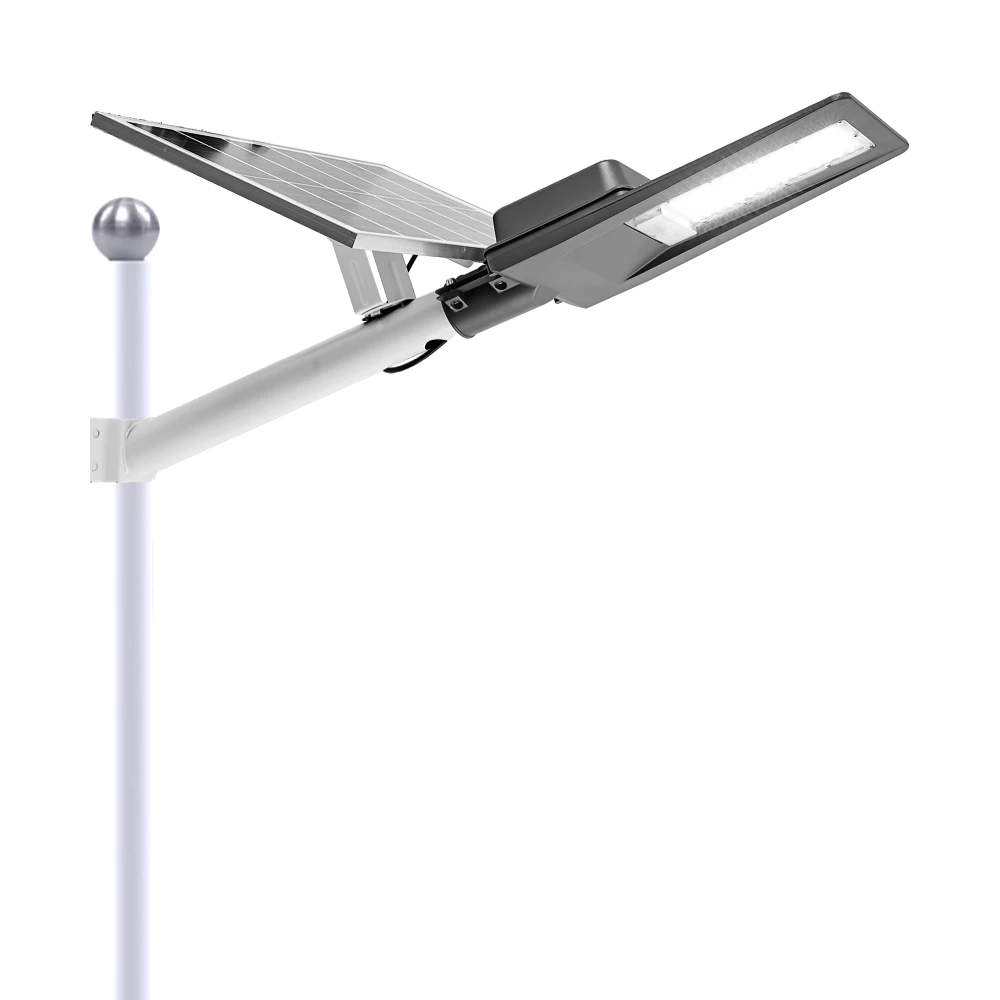
Experience reliable outdoor illumination with our smart solar street light, a perfect combination of advanced technology and eco-conscious design.
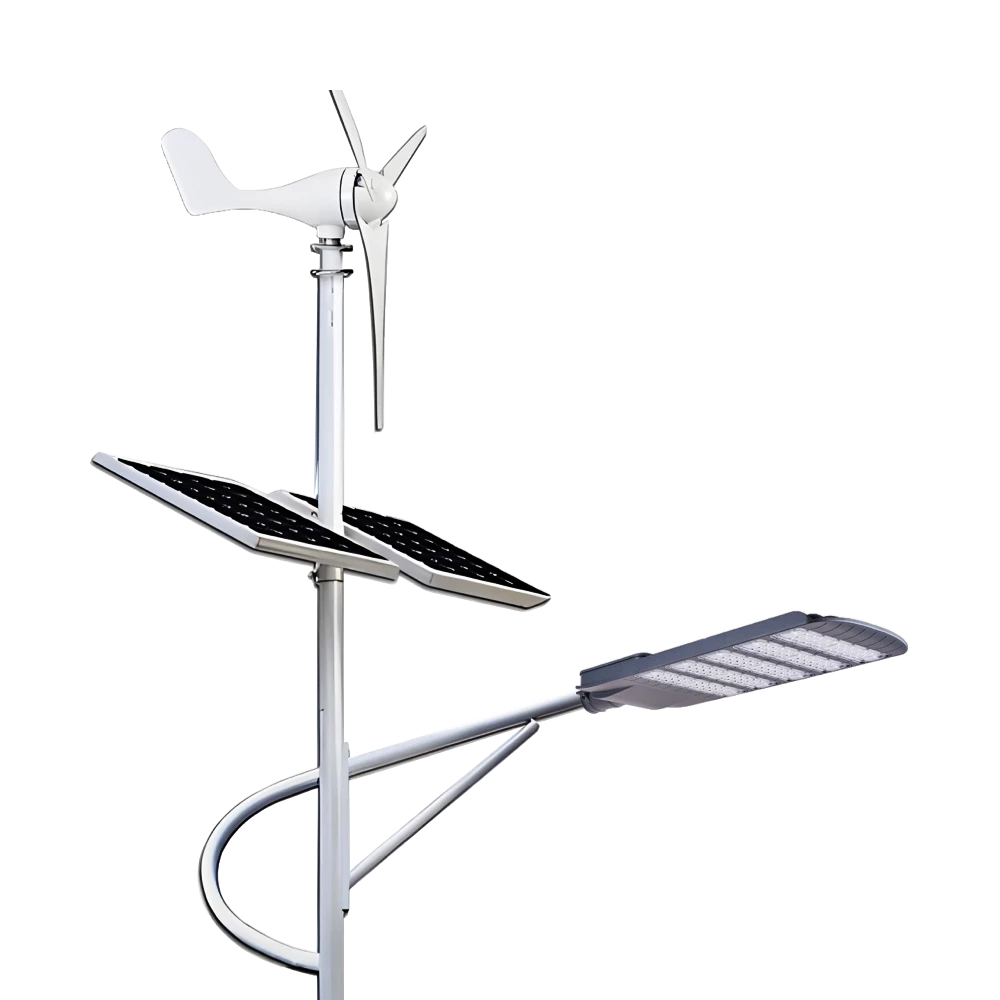
Queneng Lufeng Wind Energy LED Outdoor Solar Street Lights offer high-performance, eco-friendly illumination. These energy-efficient LED street lights harness solar power and wind energy for sustainable, cost-effective outdoor lighting solutions.
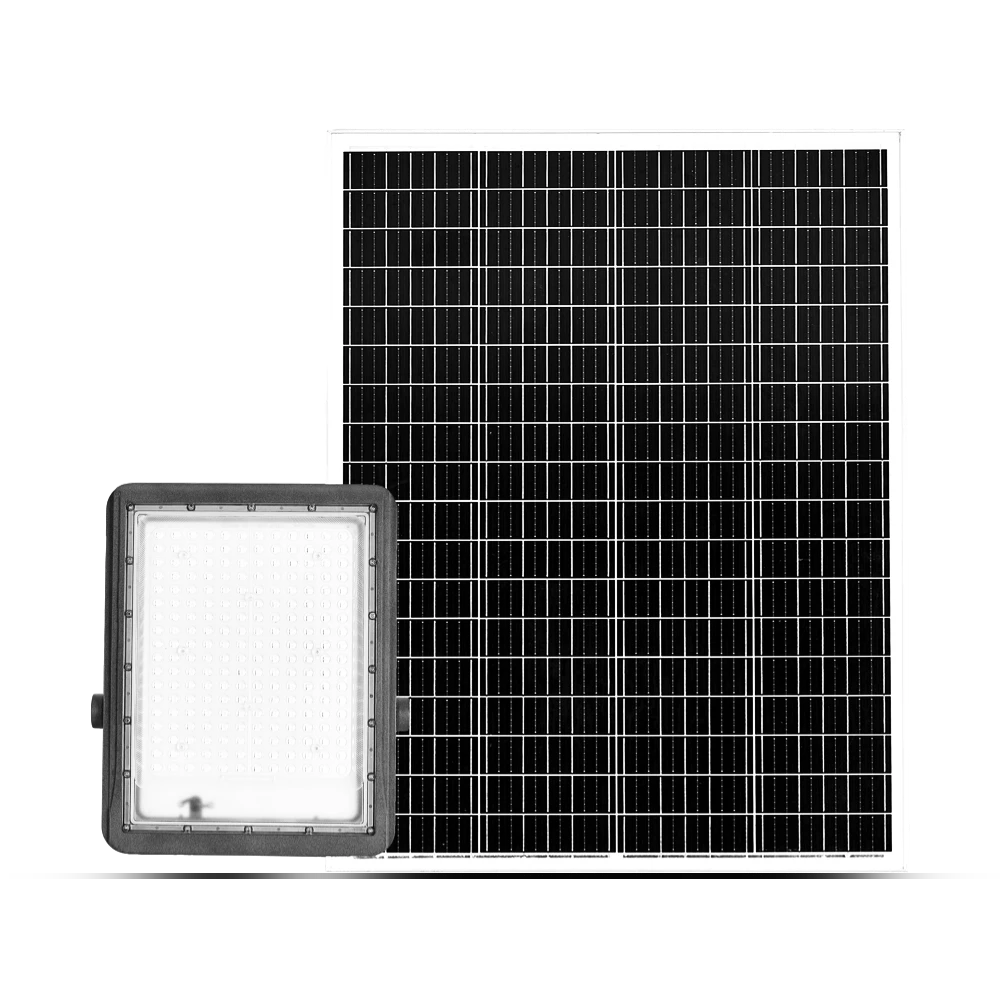
Queneng's Luxian Reliable Solar Street Light offers energy-saving LED lighting for outdoor use. This durable, solar-powered street light provides reliable illumination, reducing energy costs and environmental impact. A perfect solution for sustainable outdoor lighting.
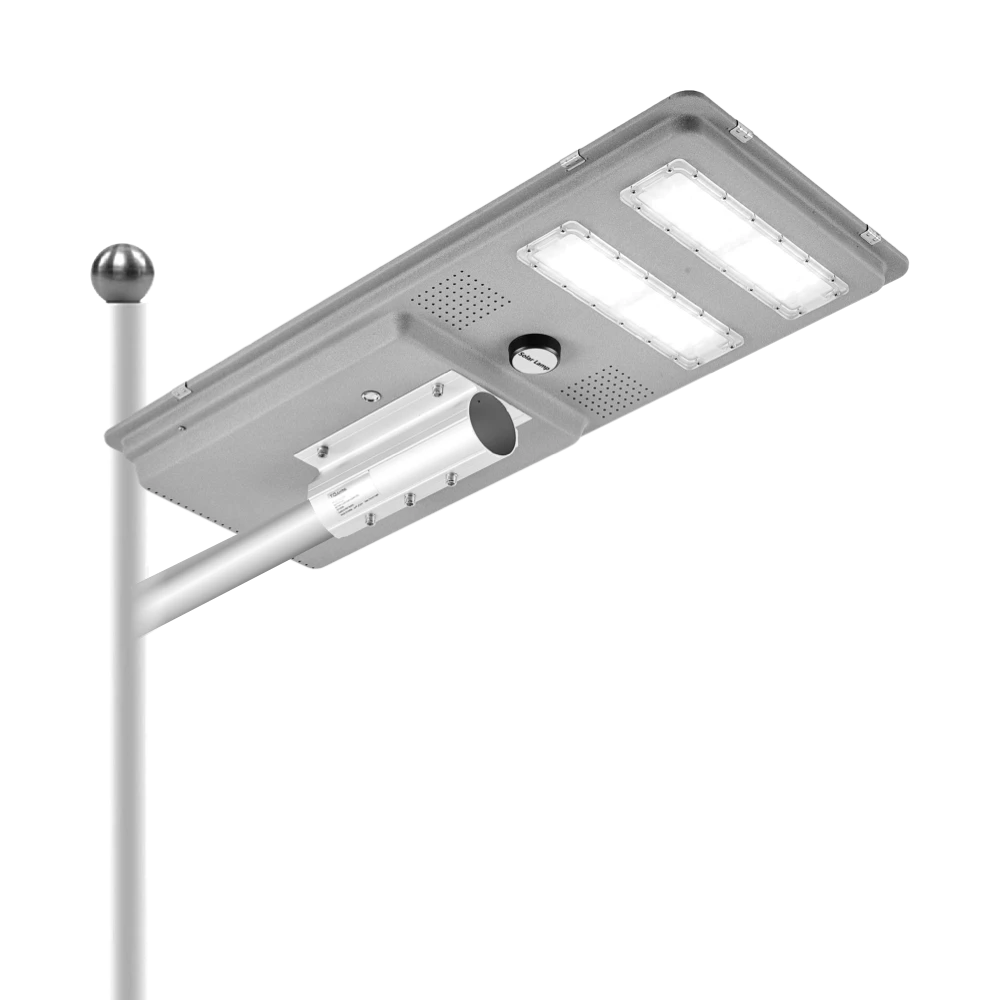
Queneng’s Solar Street Lights are designed to provide reliable, energy-efficient lighting for streets, parks, and other outdoor spaces.
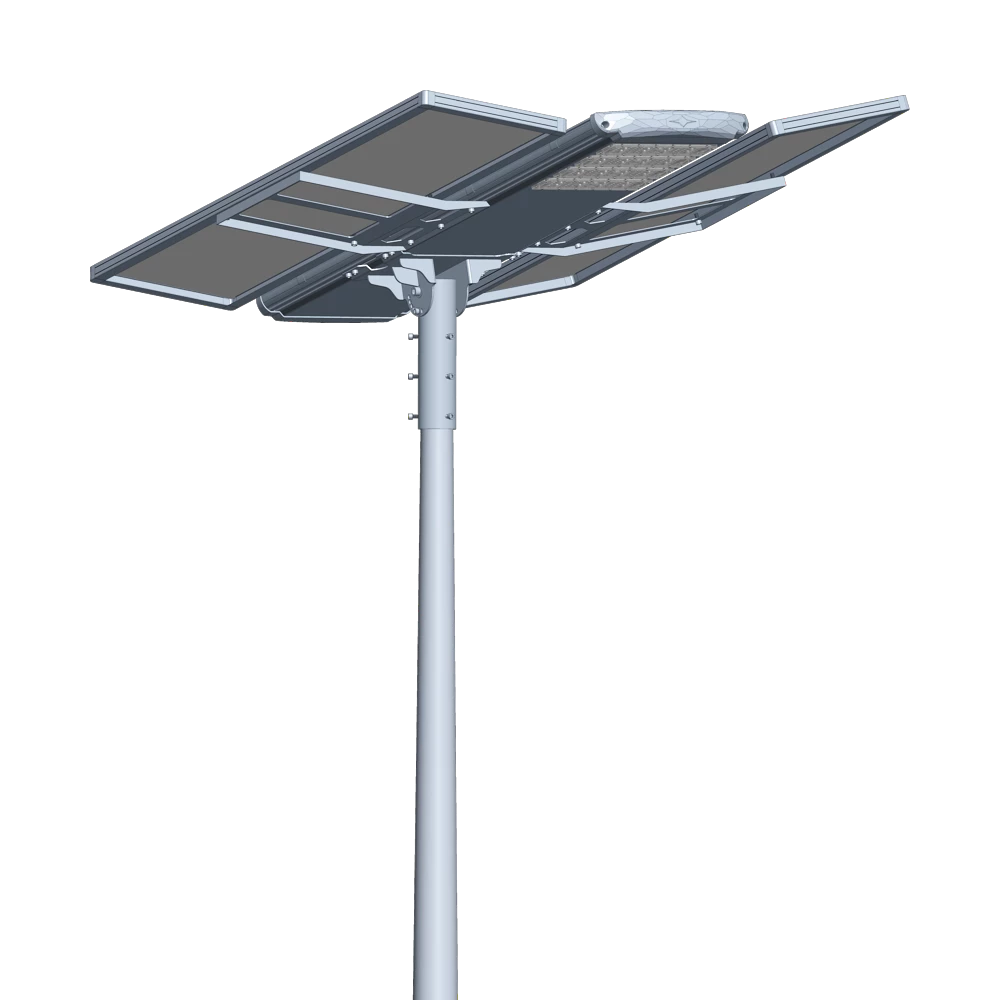
Introducing the Luqing Solar Street Light by Queneng, Efficient LED lighting powered by solar energy is perfect for illuminating outdoor areas. Harness the power of solar energy for sustainable, reliable street lighting. Ideal for eco-friendly, cost-effective outdoor illumination solutions.
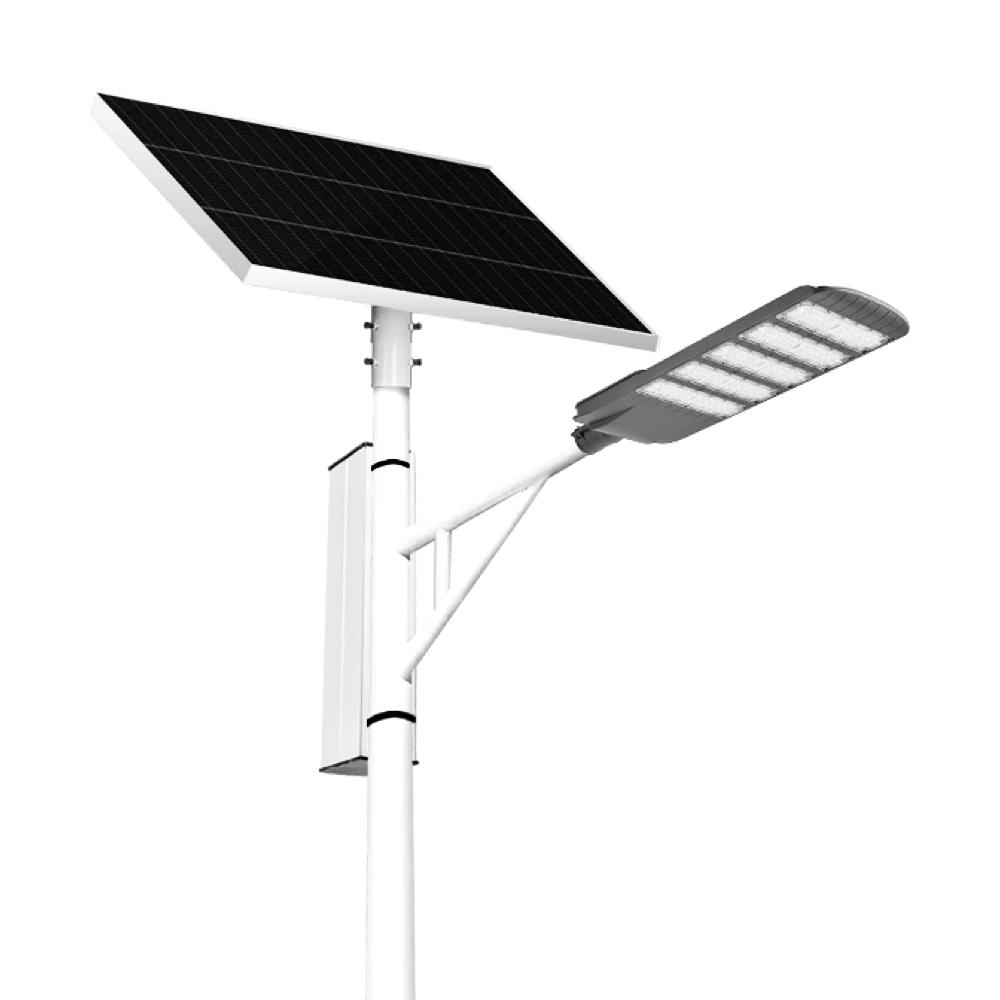
The Solar Streetlights of Luhao for Municipalities are designed to deliver reliable, energy-efficient, and cost-effective public lighting solutions. Equipped with advanced LED technology, durable lithium batteries, and high-efficiency solar panels, these streetlights provide consistent illumination for roads, parks, residential areas, and government projects.
Our professional team is ready to answer any questions and provide personalized support for your project.
You can reach us via phone or email to learn more about Queneng’s solar lighting solutions. We look forward to working with you to promote clean energy solutions!
Rest assured that your privacy is important to us, and all information provided will be handled with the utmost confidentiality.
By clicking 'Send Inquiry Now' I agree to Queneng processing my personal data.
To see how to withdraw your consent, how to control your personal data and how we process it, please see our Privacy Policy and Terms of use.
Schedule a Meeting
Book a date and time that is convenient for you and conduct the session in advance.
Have more questions about our products or services?
The messenger of light & power conversion
Environmental protection and intelligent manufacturing are our brand philosophy, and quality assurance and the best user experience are our eternal promises to users.
CONTACT
No.9F, Building F, Cao San Xin Tian Hong Logistics Park, Guzhen Town, Zhongshan City, Guangdong Province, China.
or write [email protected]
WhatsApp: +86 136 2270 1011


