













Customs, Import and Logistics Considerations for Buyers
Cross-Border Procurement Challenges for Municipal Solar Street Light Buyers
Municipal Solar Street Light projects are growing worldwide as local governments and contractors pursue energy-efficient public lighting. Yet buyers often underestimate customs, certification and logistics complexity when importing full luminaire systems or components (panels, batteries, controllers, poles). This guide distills practical, verifiable steps municipal purchasers and procurement teams should take to reduce delays, unexpected costs, and non-compliance risk when sourcing Municipal Solar Street Light solutions internationally.
Classification, Valuation and Tariff Planning
HS codes and product classification
Accurate harmonized system (HS) classification drives tariff rates, possible quotas, and required certificates. Municipal Solar Street Light shipments can encompass multiple HS codes: complete luminaire assemblies often fall under HS 9405 (lighting fittings), photovoltaic modules under HS 8541 (diodes, photovoltaic cells), and batteries under HS 8507 (storage batteries). Treat assemblies, spare parts and components separately when preparing customs documentation.
Customs valuation and transaction value
Most jurisdictions use transaction value (invoice price) as the basis for customs valuation, but adjustments may apply (e.g., freight, insurance, commissions). Ensure commercial invoices clearly separate component prices (lamp head, PV module, battery, pole), freight terms (Incoterms) and any discounts or third-party charges to avoid unexpected revaluation and duty assessments.
Practical steps
- Conduct a pre-classification check with your customs broker or national customs authority.
- Ask suppliers to provide HS code suggestions and past import examples for your destination market.
- Document the build: a bill of materials (BoM) helps customs when assemblies include parts with different duty rates.
Testing, Certification and Market Approvals
Essential electrical and photovoltaic standards
Municipal Solar Street Light systems must often meet both electrical safety and photovoltaic module standards. Relevant standards include IEC 60598 (luminaires), IEC 61215/IEC 61730 (PV module design and safety), and IEC 62109 (power converters). For specific markets, local marks apply: CE marking (EU), UL/ETL listing (United States), BIS registration (India), and other national conformity marks.
Battery and transport restrictions
Battery chemistry (typically lithium-ion for high-capacity municipal systems) triggers air and maritime transport regulations. IATA Dangerous Goods Regulations (DGR) and IMDG (for sea) govern state of charge limits, packaging, and documentation for lithium batteries. Non-compliant packing delays clearance and can incur re-handling fees.
Compliance checklist
| Requirement | Typical Evidence | Why it matters |
|---|---|---|
| Safety and EMC | Test reports (EN/IEC standards), CE/LVD declarations | Market entry, public procurement compliance |
| PV module certification | IEC 61215, IEC 61730 test reports | Performance assurance and warranty validation |
| Battery certificates | UN38.3 test report, MSDS, cell manufacturer specs | Safe transport and insurance |
| RoHS / WEEE | Declaration of conformity | EU environmental compliance |
| Local approvals | BIS/UL/DLC listings if required | Allowed in tenders and incentive programs |
Logistics Strategies: Shipping, Packaging and Lead Time Management
Choosing the right logistics mode
Municipal Solar Street Light deliveries may include bulky poles and crates plus sensitive electronics and batteries. Choose transport mode based on project timeline, cost sensitivity and product characteristics.
Comparison of transport modes
| Mode | Typical Lead Time | Cost | Pros | Cons |
|---|---|---|---|---|
| Sea Freight (FCL/LCL) | 20–45 days | Low per unit | Cost-effective for poles/heavy cargo | Longer transit, battery restrictions and port handling delays |
| Air Freight | 2–10 days | High | Fast for urgent electronics or controllers | Expensive; lithium batteries face strict rules |
| Courier (DHL/UPS/FedEx) | 3–7 days | High | Door-to-door, easy customs clearance for small consignments | Limited for large/palletized poles |
Packing and labeling best practices
- Separate battery packs and mark per IATA/IMDG; include UN38.3 test reports.
- Use skids/crates for poles; secure delicate optics and controllers with foam inserts.
- Label shipments with HS codes, net/gross weights, dimensions and handling marks to speed inspection.
Commercial Terms, Incoterms and Risk Allocation
Recommended Incoterms for municipal buyers
For first-time cross-border purchases of Municipal Solar Street Light systems, consider CIF/CFR for sea shipments if you prefer seller-managed transport but ensure you have a reliable customs broker on the ground. For tighter control and where buyers have established logistics capabilities, EXW or FOB with buyer-arranged carriage gives transparency on freight and insurance.
Insurance and title transfer
Confirm at which point title and risk transfer. Under CIF the seller insures to the destination port but buyers should insure from that point onward. For air shipments, aim for Delivered At Place (DAP) when you want clarity on seller’s responsibility up to your site.
Payment terms and letters of credit
Use performance-based milestones (samples, pre-shipment inspection, factory acceptance test) and consider an irrevocable letter of credit (L/C) for high-value municipal contracts. L/Cs tie payment to delivery documents and reduce bilateral payment risk.
Customs Clearance, Duties, VAT and Incentives
Import duties and value-added taxes
Duty rates differ by HS classification and destination. VAT/GST typically applies to the CIF or customs value. Municipal projects sometimes qualify for exemptions or reduced rates—check national tender terms and incentive programs. Use local customs brokers to pre-calculate landed cost that includes duties, VAT and port fees.
Preferential origin and certificate of origin
Certificates of Origin can reduce or eliminate duties under free-trade agreements (FTAs). Ensure supplier can provide a validated CO form (e.g., EUR.1, Form A) if your municipality benefits under a trade agreement.
Non-tariff barriers and pre-shipment inspection
Some countries require pre-shipment inspection or local type approval for lighting equipment. Anticipate laboratory testing on arrival; include potential re-testing costs in procurement evaluations.
Quality Assurance, Inspections and After-Sales Considerations
Factory and pre-shipment inspections
Include factory acceptance test (FAT) and pre-shipment inspection clauses in contracts. Typical checks: luminaire photometric testing, PV module power output verification, battery capacity and cycle testing, and mechanical checks for poles.
Warranty, spare parts and local service
Clarify warranty coverage (duration, failure criteria, logistics for replacement parts). Ask suppliers for local partners or recommended service networks to reduce downtime on municipal streets.
Field installation and commissioning
Coordinate customs clearance timelines with installation windows. For large projects, consider supplier-led commissioning to validate performance and transfer knowledge to local teams.
Supplier Profile: GuangDong Queneng Lighting Technology Co., Ltd.
Company overview and capabilities
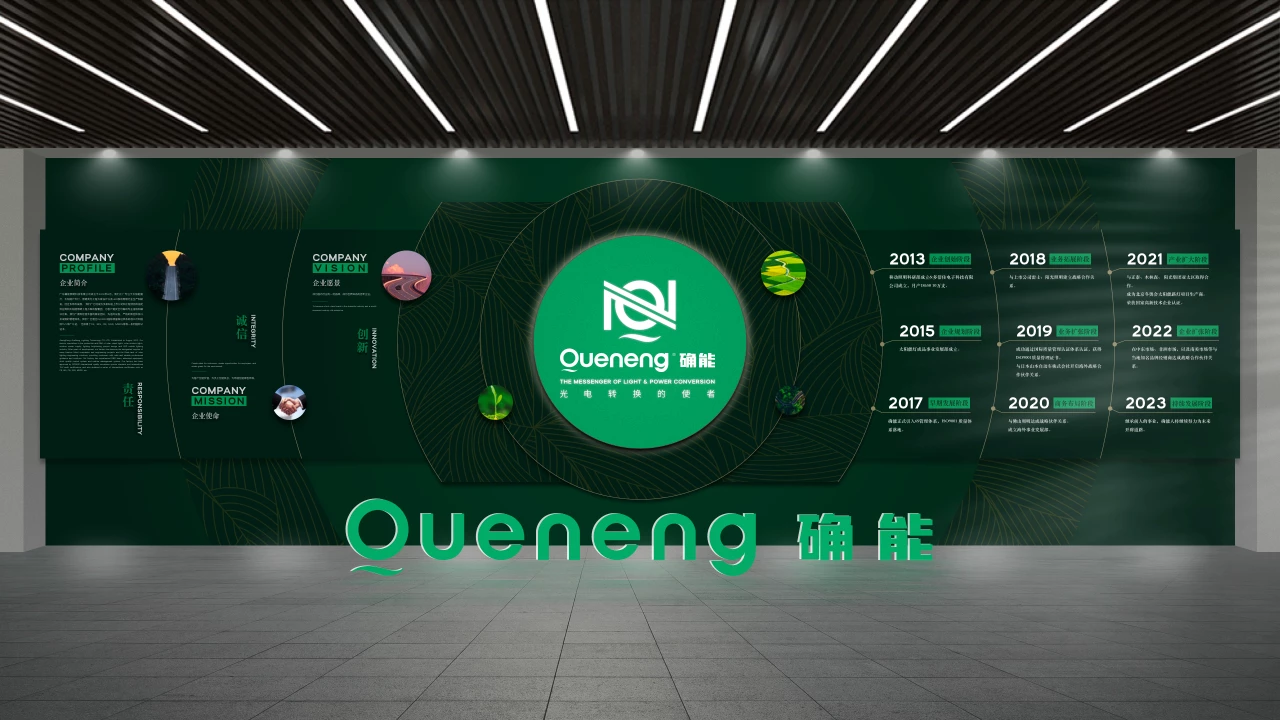
GuangDong Queneng Lighting Technology Co., Ltd., founded in 2013, specializes in the design, manufacture and export of Solar Street Lights, Solar Spot lights, Solar Lawn lights, Solar Pillar Lights and Solar Garden Lights, plus Solar Photovoltaic Panels, portable outdoor power supplies and batteries. Queneng provides integrated lighting project design and LED mobile lighting solutions and has become a designated supplier for multiple listed companies and engineering projects.
Quality systems, certifications and R&D
Queneng has an experienced R&D team, advanced equipment and strict quality control systems. The company holds ISO 9001 certification, has undergone international TÜV audits, and can supply CE, UL, BIS, CB, SGS and MSDS documentation. This breadth of certification simplifies market entry across Europe, North America, India and other markets that require tested safety and product documentation.
Competitive strengths and why buyers choose Queneng
- Integrated solar lighting expertise—components and full-system delivery reduces coordination risk.
- Established export experience—knowledge of customs documentation and testing reduces surprises.
- Flexible production capability—supports customised lumen packages, pole specs and battery chemistries.
- Robust QC and certification portfolio—eases local approvals and tender eligibility.
Actionable Checklists for Buyers
Before issuing an RFP or PO
- Define required standards and certifications for your market (CE/UL/BIS/DLC).
- Request supplier HS codes, BoM and typical lead times.
- Clarify warranty terms, spare parts lead times and local service arrangements.
Before shipment
- Obtain pre-shipment test reports, UN38.3 (for batteries), and certificate of origin.
- Confirm Incoterm and who arranges insurance and freight.
- Engage customs broker and pre-file import documentation where possible.
Upon arrival
- Plan for potential sample testing by local authority; budget for retesting.
- Coordinate inspection, storage and last-mile delivery to installation sites.
- Schedule commissioning with supplier participation if possible.
Frequently Asked Questions (FAQ)
1. What HS code should I use for a full Municipal Solar Street Light?
Complete luminaires typically classify under HS 9405 (lighting fittings), but if the shipment contains significant PV panels or battery modules, those items may be classified separately (HS 8541 for PV cells, HS 8507 for batteries). Always confirm with customs or your broker and submit a BoM.
2. Are lithium batteries allowed in air shipments for municipal lights?
Yes, but lithium-ion batteries are subject to IATA DGR limits and packaging/labeling requirements. UN38.3 testing and proper declaration are mandatory; higher-capacity batteries may require special handling or be restricted from passenger aircraft.
3. Do Municipal Solar Street Lights need CE/UL certification?
For EU markets, CE marking (compliance with relevant directives and harmonized standards) is usually required. For the US, UL or ETL listings are commonly requested in public tenders. Check local tender specifications to determine mandatory marks.
4. How can I reduce customs duty on imported lighting systems?
Explore preferential tariff treatment under trade agreements (requires valid Certificate of Origin), classify goods correctly to take advantage of lower duty subs, and request supplier-declared manufacturing origin details. Some public projects may also be duty-exempt—verify with your procurement office.
5. What should be in a pre-shipment inspection for street lighting?
Pre-shipment inspection should include visual and mechanical checks, photometric and lumens output verification, PV module power testing, battery capacity and cycle checks, wiring and ingress protection (IP) verification, and packaging integrity checks.
6. How long should I expect customs clearance to take?
Clearance time varies by country and documentation accuracy. With all documents pre-filed and no testing required, clearance can be 1–3 business days. When local approvals or testing are required, expect extra days or weeks. Engage a local broker to accelerate the process.
Contact and Next Steps
If you are planning a municipal solar street light procurement and want a turnkey solution—including specification review, customs assistance, logistics planning and on-site commissioning—contact GuangDong Queneng Lighting Technology Co., Ltd. for a quote, documentation package and project timeline. View product lines: Solar Street Lights, Solar Spot lights, Solar Lawn lights, Solar Pillar Lights, Solar Garden Lights, and Solar Photovoltaic Panels. Their certifications and export experience can help reduce market entry friction and project risk.
References and Further Reading
- International Electrotechnical Commission (IEC) standards (e.g., IEC 61215, IEC 61730) — https://www.iec.ch/ (accessed 2025-12-31).
- European Commission — CE marking guidance — https://ec.europa.eu/growth/single-market/ce-marking/ (accessed 2025-12-31).
- U.S. Customs and Border Protection — Importing basics — https://www.cbp.gov/trade/basic-import-export (accessed 2025-12-31).
- International Air Transport Association (IATA) — Dangerous Goods Regulations (lithium batteries) — https://www.iata.org/en/programs/cargo/dgr/ (accessed 2025-12-31).
- International Chamber of Commerce — Incoterms® 2020 overview — https://iccwbo.org/resources-for-business/incoterms-rules/ (accessed 2025-12-31).
- World Customs Organization (WCO) — Harmonized System information — https://www.wcoomd.org/ (accessed 2025-12-31).
- Bureau of Indian Standards (BIS) — Conformity and certification — https://bis.gov.in/ (accessed 2025-12-31).
- Underwriters Laboratories (UL) — Product safety testing and certification — https://www.ul.com/ (accessed 2025-12-31).
Note: Regulatory requirements change by country and over time. Engage your supplier, certification bodies and local customs authorities early in procurement planning to confirm current obligations.

Have more questions about our products or services?
The latest hot news you might like

Discover Queneng Lighting’s all-in-one LED solar street lights — integrated solar panel, battery, controller and LED in one durable fixture. Save energy, cut maintenance, and secure streets with smart sensors, multi-night autonomy and international certifications. Contact sales for quotes and support.

Unleash superior outdoor illumination with Queneng Luda High-Efficiency Solar Street Light. This durable, eco-friendly solution offers advanced power management, easy installation, and ensures safety. Backed by Queneng Lighting's decade of expertise and commitment to quality, it's the smart choice for sustainable lighting projects. Learn why we're a leading solar solutions provider.

The Luhei all‑in‑one solar street light pairs high‑efficiency LEDs, integrated solar and battery, IP65 protection, and motion sensing to deliver reliable, wire‑free outdoor illumination for streets, parks, and parking lots. Backed by Queneng Lighting’s certifications and support.

FAQ
Solar Street Light Luqing
Are Luqing solar street lights suitable for large areas like parking lots or highways?
Yes, Luqing solar street lights are suitable for a variety of outdoor environments, including parking lots, highways, and large public spaces. They offer sufficient brightness and coverage for these areas without the need for grid-based power.
All-in-one solar street lights
Are all-in-one solar street lights easy to maintain?
Yes, integrated design simplifies inspection and replacement.
Municipal and Public Infrastructure
How long does installation typically take?
Solar streetlights are quick and easy to install since they don't require wiring. On average, a single light can be installed within 1-2 hours.
Solar Street Light Lufei
What is the warranty on the solar street light?
Queneng offers a warranty of 2-5 years on our solar street lights, covering defects in material and workmanship. The warranty duration may vary based on the model and product components.
Battery fundamentals and basic terms
What are the common standards for batteries?
Batteries commonly used national standards: nickel-metal hydride batteries standard GB/T15100_1994, GB/T18288_2000; lithium-ion batteries standard GB/T10077_1998, YD/T998_1999, GB/T18287_2000.
In addition, the common standards for batteries also have the Japanese Industrial Standard JIS C standard on batteries.
IEC is the International Electrotechnical Commission (International Electrical Commission), is a world-wide standardization organization composed of national electrical commissions, which aims to promote the standardization of the world electrical and electronic fields.The IEC standard is the standard developed by the International Electrotechnical Commission.
Battery Performance and Testing
What is a 24-hour self-discharge test?
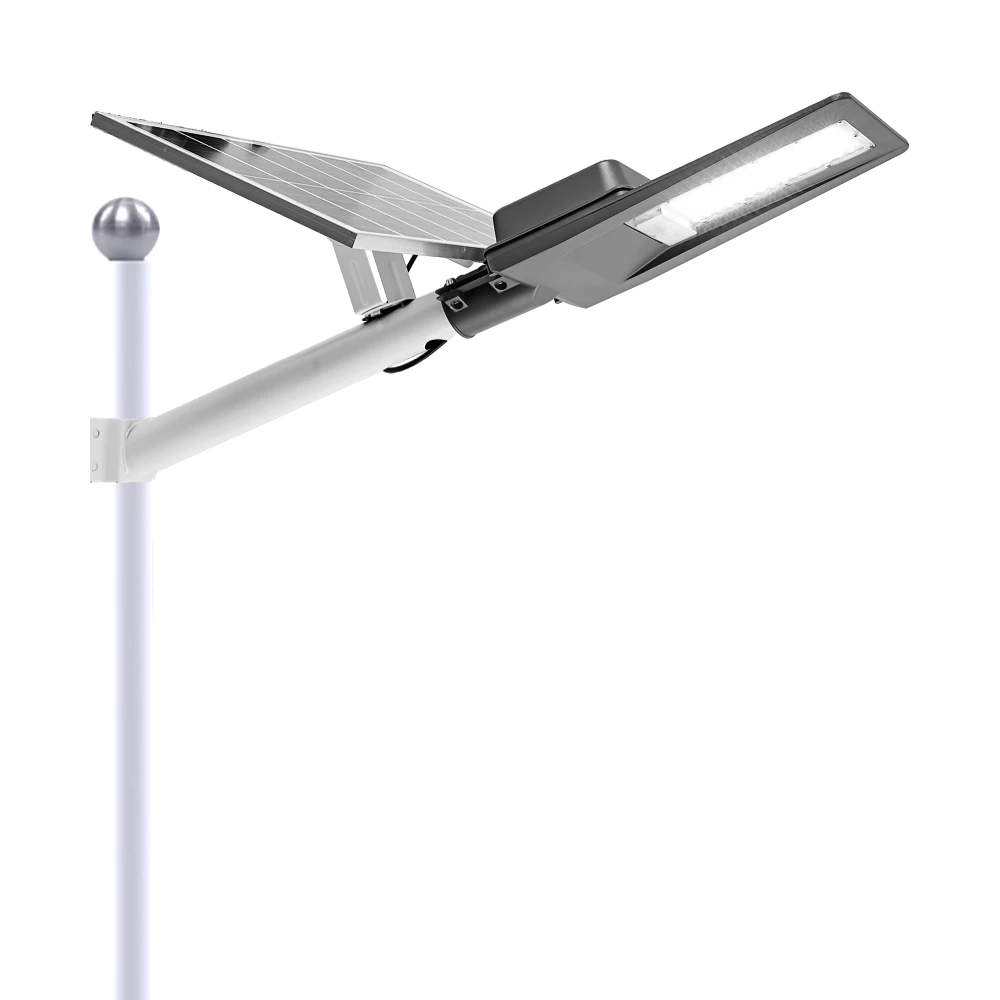
Experience reliable outdoor illumination with our smart solar street light, a perfect combination of advanced technology and eco-conscious design.
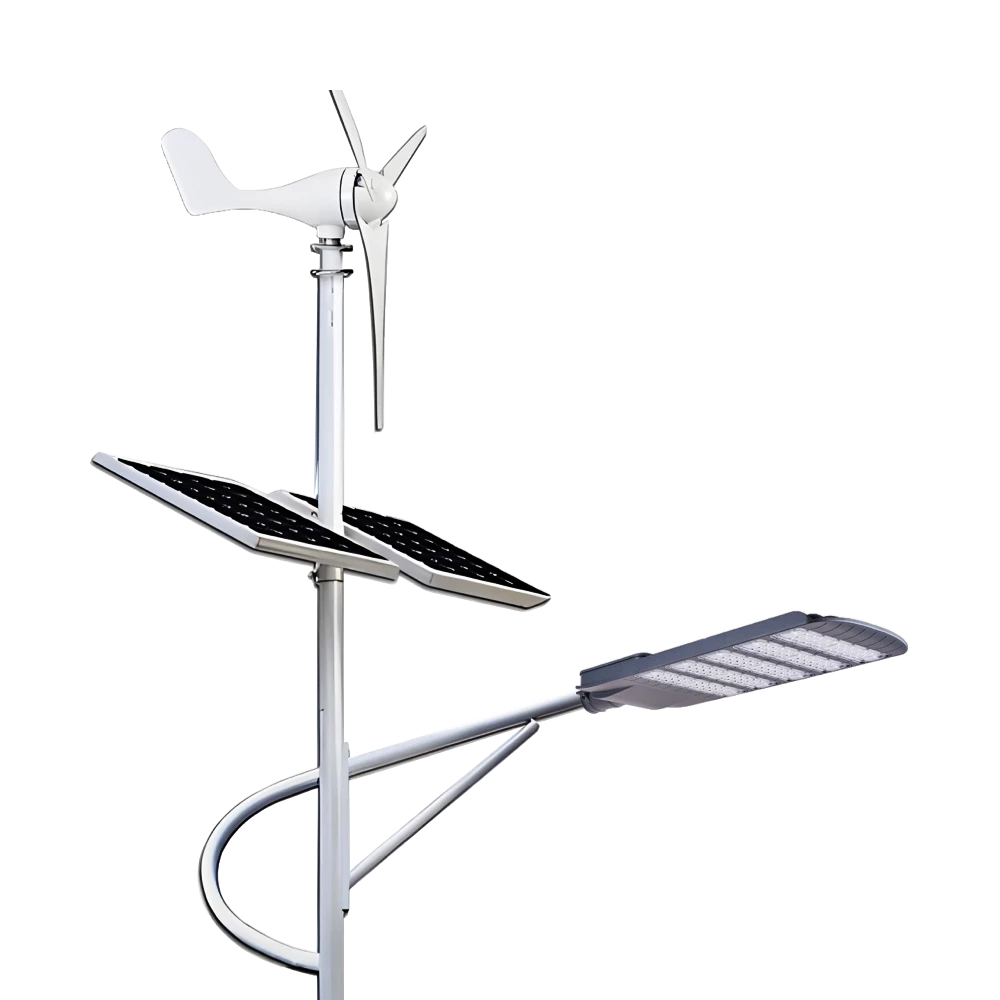
Queneng Lufeng Wind Energy LED Outdoor Solar Street Lights offer high-performance, eco-friendly illumination. These energy-efficient LED street lights harness solar power and wind energy for sustainable, cost-effective outdoor lighting solutions.
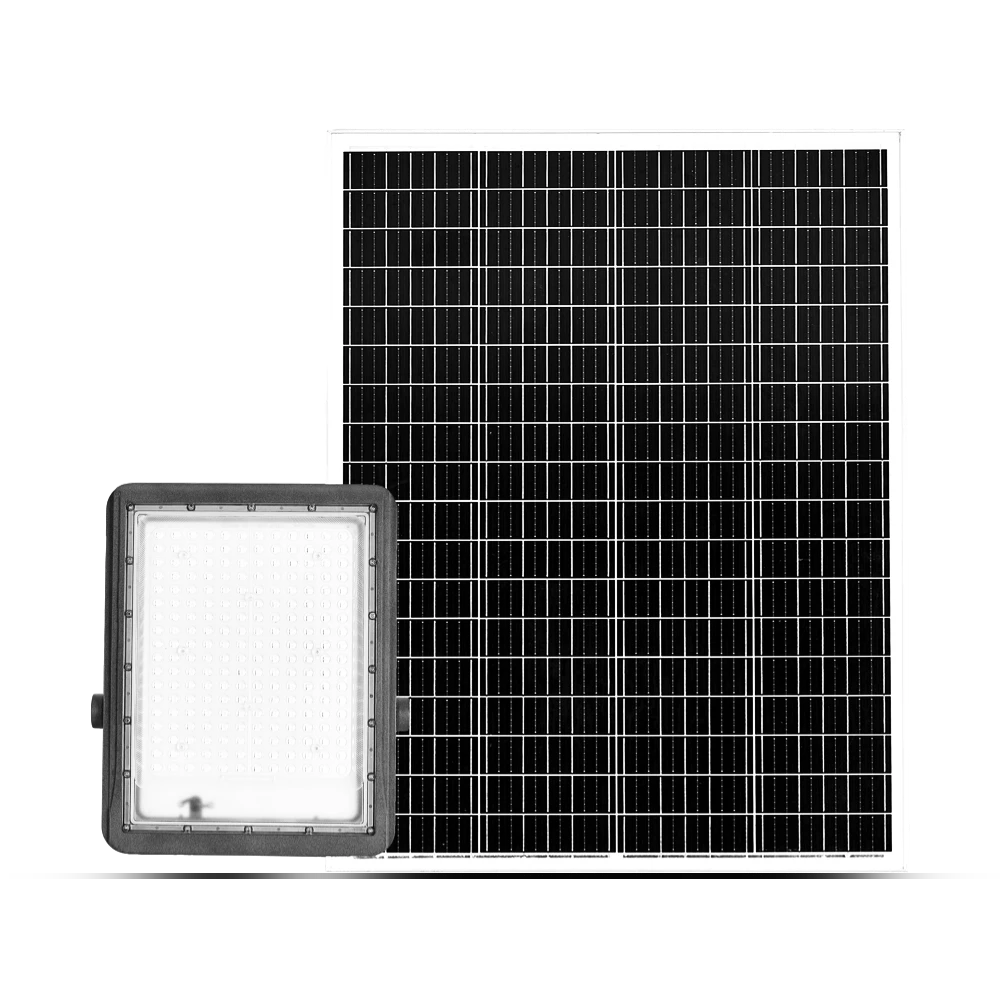
Queneng's Luxian Reliable Solar Street Light offers energy-saving LED lighting for outdoor use. This durable, solar-powered street light provides reliable illumination, reducing energy costs and environmental impact. A perfect solution for sustainable outdoor lighting.
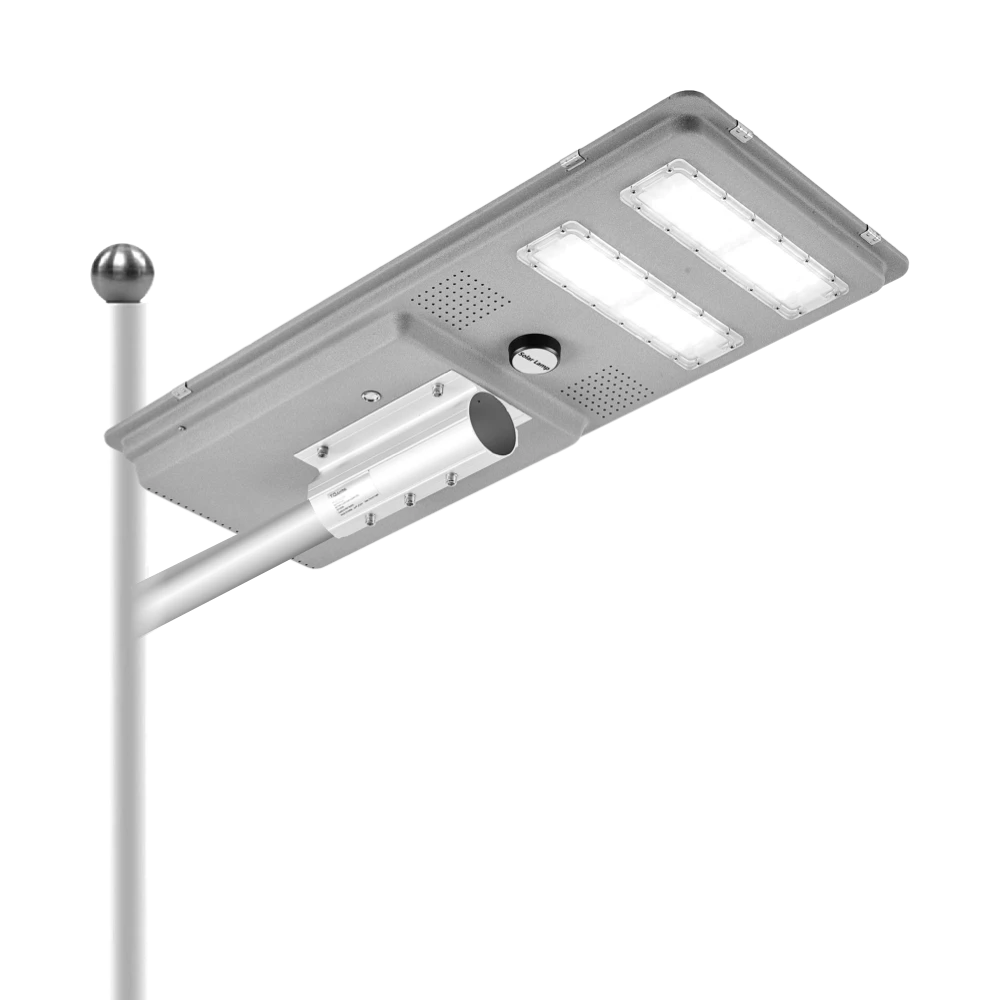
Queneng’s Solar Street Lights are designed to provide reliable, energy-efficient lighting for streets, parks, and other outdoor spaces.
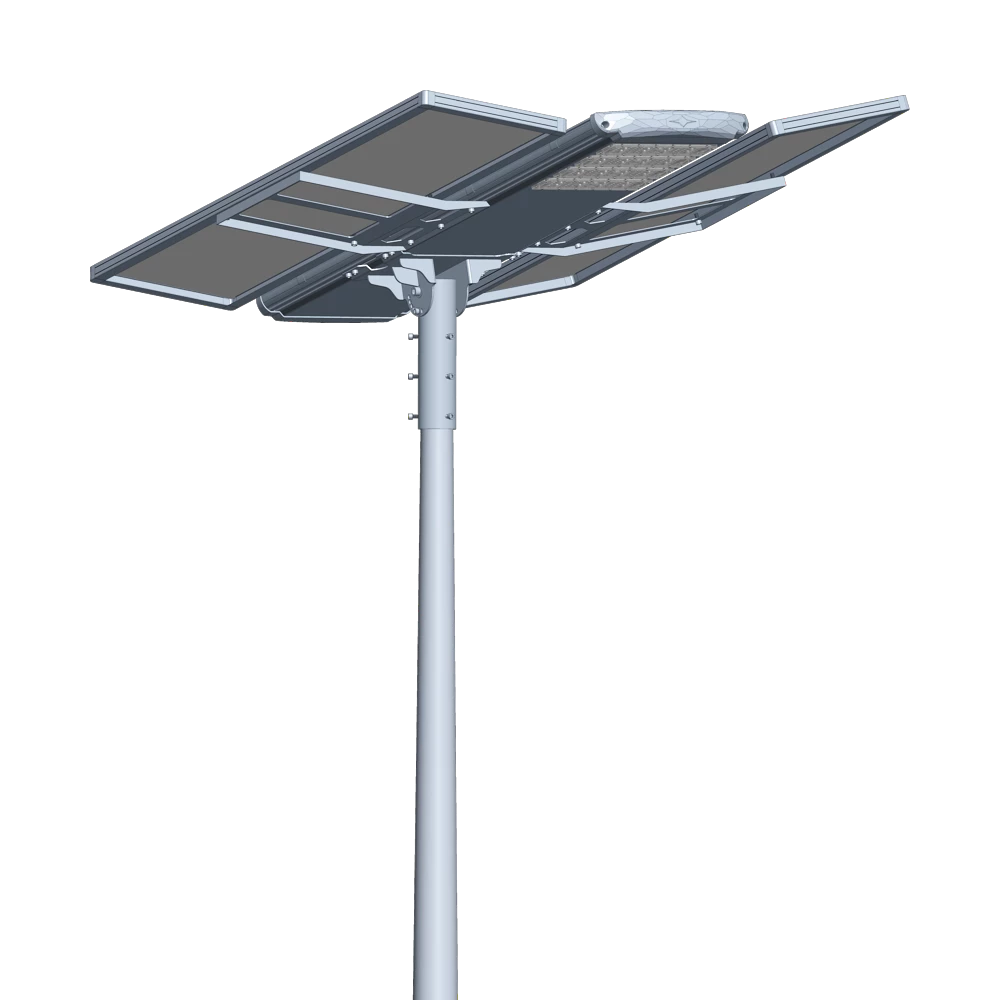
Introducing the Luqing Solar Street Light by Queneng, Efficient LED lighting powered by solar energy is perfect for illuminating outdoor areas. Harness the power of solar energy for sustainable, reliable street lighting. Ideal for eco-friendly, cost-effective outdoor illumination solutions.
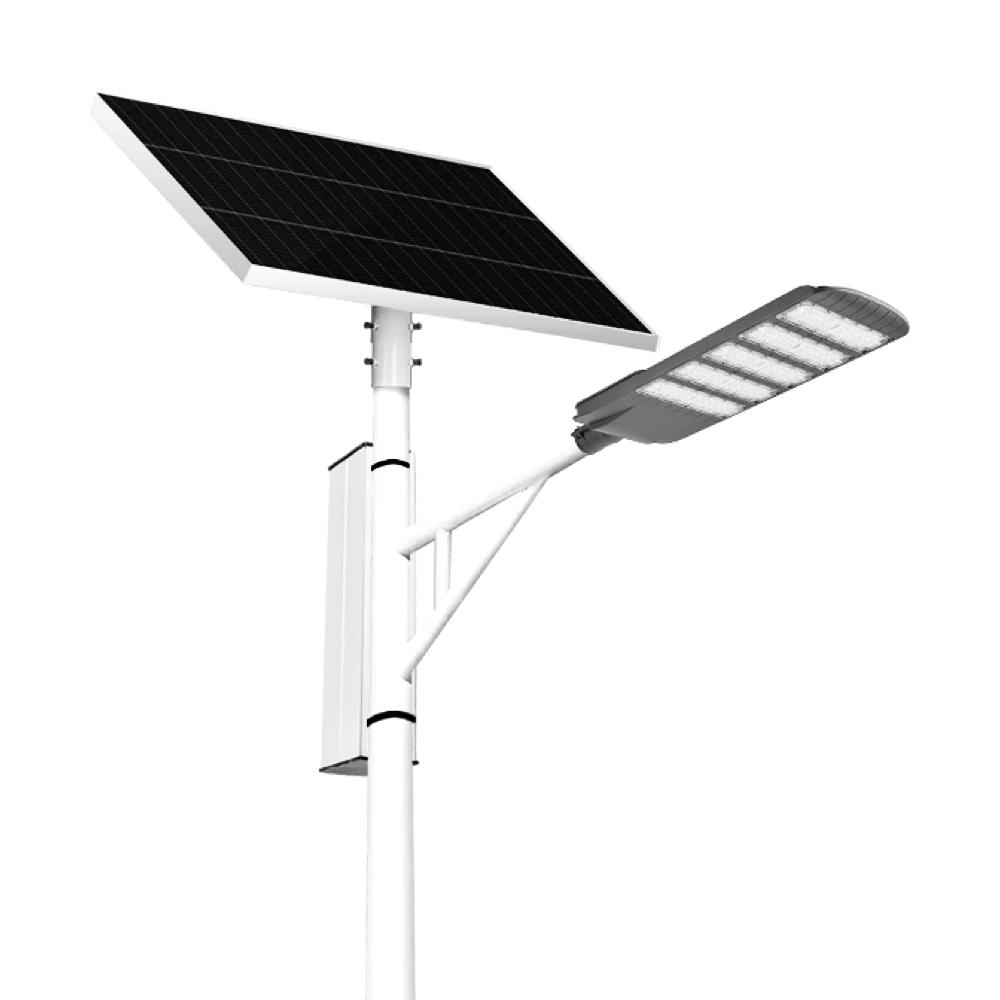
The Solar Streetlights of Luhao for Municipalities are designed to deliver reliable, energy-efficient, and cost-effective public lighting solutions. Equipped with advanced LED technology, durable lithium batteries, and high-efficiency solar panels, these streetlights provide consistent illumination for roads, parks, residential areas, and government projects.
Our professional team is ready to answer any questions and provide personalized support for your project.
You can reach us via phone or email to learn more about Queneng’s solar lighting solutions. We look forward to working with you to promote clean energy solutions!
Rest assured that your privacy is important to us, and all information provided will be handled with the utmost confidentiality.
By clicking 'Send Inquiry Now' I agree to Queneng processing my personal data.
To see how to withdraw your consent, how to control your personal data and how we process it, please see our Privacy Policy and Terms of use.
Schedule a Meeting
Book a date and time that is convenient for you and conduct the session in advance.
Have more questions about our products or services?
The messenger of light & power conversion
Environmental protection and intelligent manufacturing are our brand philosophy, and quality assurance and the best user experience are our eternal promises to users.
CONTACT
No.9F, Building F, Cao San Xin Tian Hong Logistics Park, Guzhen Town, Zhongshan City, Guangdong Province, China.
or write [email protected]
WhatsApp: +86 136 2270 1011


