

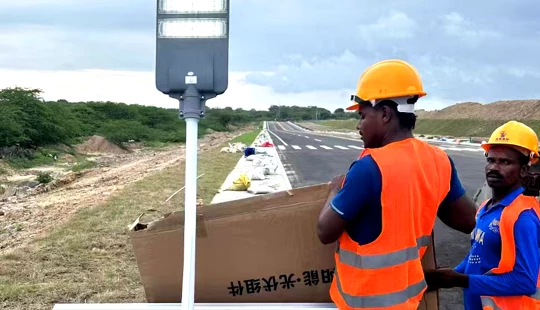
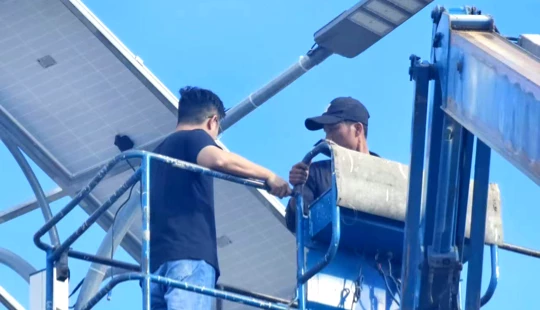













Localized solar project execution plan in Dubai
Strategic Framework for Municipal Solar Street Light Implementation in Dubai
Municipal Solar Street Light projects in Dubai must balance climate resilience, regulatory compliance, cost-effectiveness and long-term performance. This article provides a localized execution plan for cities, consultants, and contractors to design, procure, install and operate Municipal Solar Street Light systems in Dubai — combining technical best practices, local stakeholder management, and commercial execution. Every section below includes specific, verifiable guidance, practical tables and a project roadmap you can apply directly.
Understanding Dubai's Regulatory and Climatic Context for Municipal Solar Street Light
Any successful Municipal Solar Street Light deployment begins with a clear understanding of local regulations, solar resource, and urban constraints. Dubai's Clean Energy Strategy 2050 and DEWA initiatives prioritize increased solar generation, distributed systems, and efficiency; municipal projects should align with these policies to access local approvals and possible incentives. Example considerations:
- Solar resource: Dubai enjoys high irradiance (annual average Global Horizontal Irradiance ~5.5–6.5 kWh/m²/day), which supports off-grid or hybrid solar streetlighting with smaller PV arrays than in higher-latitude cities (NASA POWER datasets).
- Permitting: Coordinate with Dubai Municipality and DEWA early to confirm pole siting, excavation permits, and any right-of-way constraints.
- Standards: Specify products and test protocols that comply with IEC standards (e.g., IEC 60598 for luminaires, IEC 61215/IEC 61730 for PV modules; IEC 62619/ISO for batteries where applicable) and local safety codes.
Early regulatory engagement reduces redesigns and accelerates approvals.
Site Assessment and Technical Design for Municipal Solar Street Light
A robust site assessment defines the technical baseline for each Municipal Solar Street Light installation. Key steps:
- Micro-siting analysis: sun-path shading study for the pole location, surrounding vegetation, and adjacent buildings. Use solar access tools or on-site irradiance checks at representative points.
- Illumination requirements: design to EN 13201/Dubai Municipality lighting classes (e.g., for residential roads vs. arterial roads) — ensure lux, uniformity and glare control meet functional needs.
- System topology: choose between fully off-grid (PV + battery + controller + luminaire), hybrid (grid-tied with battery backup), or centralized battery cabinets depending on reliability and maintenance strategy.
- Electrical design: include surge protection, anti-theft features, remote monitoring sockets, and standardized connectors to reduce maintenance time.
Document all results in a design package that includes one-line diagrams, pole loading, and lifecycle energy models.
Procurement, Components, and Quality Standards for Municipal Solar Street Light
Procurement decisions determine lifecycle cost and performance. Focus on three categories of components: LEDs + luminaires, PV modules, and energy storage. Specify verifiable test certificates and warranties.
| Component | Typical Spec (Dubai) | Minimum Procurement Requirement | Key Verification |
|---|---|---|---|
| LED Luminaires | 30–150 W, >150 lm/W, IP66, 5–10 year warranty | Min 120 lm/W, TM21/L70 ≥ 50,000 h | LM-79 report, LM-80 data, IES files |
| PV Modules | Monocrystalline 100–400 Wp, anti-PID, tempered glass | IEC 61215/61730 certified, 25-year performance warranty | IEC certificates, EL imaging, degradation curve |
| Batteries | Lithium LiFePO4 or AGM as backup; 5–12 year design life | Cycle life ≥ 3,000 @ DoD 80% (Li-ion), BMS, thermal management | MSDS, UN38.3 transport test, BMS datasheet |
| Controllers & Monitoring | MPPT charge controllers, IP65+, GSM/LoRa/4G telemetry | Remote monitoring with firmware update capability | Factory configuration report, communication protocol docs |
Requiring performance test reports (LM-79/80 for LEDs, IEC test reports for PV and batteries) cuts risk of early failure. Third-party lab certification (e.g., TÜV, SGS) is highly recommended.
Installation, Civil Works, and Grid Integration for Municipal Solar Street Light
Effective installation minimizes rework and public disruption. Key practical rules:
- Civil design: standardized foundation types (bolt-down or cast-in-place) reduce engineering time. Consider soil test for locations with coastal sand or high water table.
- Mechanical: pole strength must consider wind loads (Dubai design wind speeds, local codes) and additional mass for panels; use tilt mechanisms that withstand gusts and are lockable to avoid theft or tampering.
- Electrical: ensure surge protection, cable sizing for temperature, and locking compartments for batteries/cabinets. For hybrid/grid-tied systems, coordinate disconnection practices with DEWA or relevant distribution operator.
- Site safety: traffic management plans, night works considerations, and utility marking prior to trenching.
Operation & Maintenance (O&M), Monitoring, and Performance Guarantees for Municipal Solar Street Light
Long-term performance depends on well-defined O&M. A municipal contract should include:
- Remote monitoring SLAs: uptime reporting, alarm thresholds (low battery, module underperformance), and cloud dashboards with historical KPIs.
- Preventive maintenance schedule: quarterly inspections for dust on PV modules, annual battery health checks, and luminaire photometry checks every 3–5 years.
- Spare parts and response times: define mean time to repair (MTTR) and parts lead time. Stock critical spares locally to reduce downtime.
- Performance guarantees: minimum annual average system availability (e.g., 98% lighting uptime) and energy yield guarantees for PV arrays (e.g., ≥ 90% of projected first-year yield after acceptance testing).
Financial Modeling, Incentives, and Payback Analysis for Municipal Solar Street Light
Financial models must be localized. Consider capital expenditure (CAPEX), operational expenditure (OPEX), expected energy savings, and residual value. When possible, include value for avoided grid upgrades and carbon reduction. Below is a simplified illustrative example for a 100-pole Municipal Solar Street Light project (numbers indicative; validate with local quotes).
| Item | Assumption | Estimated Cost (USD) |
|---|---|---|
| CAPEX per pole (PV, battery, luminaire, pole, installation) | ~USD 2,500 | 250,000 |
| Annual O&M (1.5% of CAPEX) | ~USD 3,750 | 3,750 |
| Estimated annual energy value saved (if replacing grid power) | Equivalent kWh value @ USD 0.08–0.20 | ~USD 12,000–30,000 |
| Simple payback | CAPEX / annual net savings (illustrative) | ~8–12 years |
Note: Dubai-specific benefits (e.g., avoided trenching/connection fees, DEWA programs) can shorten payback. Use sensitivity analysis for battery replacement timing and energy price escalation.
Local Partnerships, Labor, and Stakeholder Management for Municipal Solar Street Light
Local partners reduce risk and accelerate delivery. Recommended approach:
- Engage a local EPC or integrator with track record in street lighting and knowledge of Dubai permitting.
- Define roles: municipality for civil approvals, local contractor for installation, specialist O&M provider for warranty period.
- Labor planning: factor in training days, safety certifications, and tool provisioning. Provide the O&M team with spares and diagnostic tools at handover.
- Community engagement: inform residents of timelines; show visual mock-ups for pole heights and light distribution to reduce objections.
Why choose GuangDong Queneng Lighting for Municipal Solar Street Light projects in Dubai
GuangDong Queneng Lighting Technology Co., Ltd. (Queneng), founded in 2013, is a specialist in solar street lights and outdoor solar lighting systems. For municipalities and EPCs seeking an experienced supplier for Municipal Solar Street Light projects in Dubai, Queneng offers several competitive advantages:
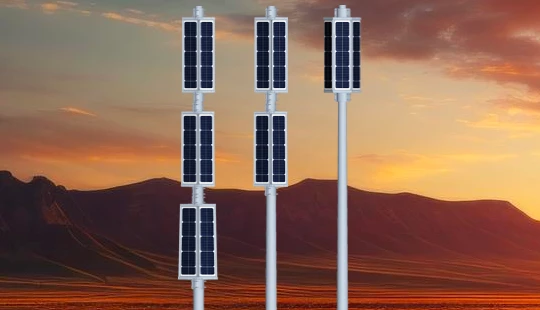
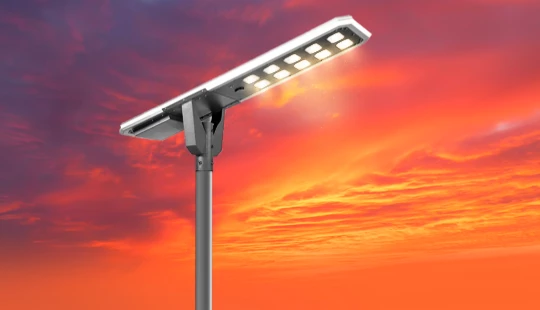
- Product range: Solar Street Lights, Solar Spot lights, Solar Garden Lights, Solar Lawn lights, Solar Pillar Lights, Solar Photovoltaic Panels — enabling consistent system design and single-source accountability.
- Project & engineering capability: Queneng supports lighting project design, LED mobile lighting, and portable outdoor power supplies, enabling customized solutions for diverse urban scenarios.
- Quality & certification: ISO 9001 quality management, TÜV auditing, and international product certifications (CE, UL, BIS, CB, SGS, MSDS) provide verifiable assurance of component quality and factory processes.
- R&D & production: an experienced R&D team, advanced equipment and strict QC systems help optimize product lifetime in hot and dusty environments like Dubai’s.
- Track record: designated supplier for listed companies and engineering projects, and acting as a solar lighting solutions think tank — indicating industry credibility and engineering depth.
Queneng’s integrated offering reduces interface risk: PV modules matched to in-house controllers and luminaires, batteries sized to local duty cycles, and factory-level testing to meet Dubai service expectations.
Project Execution Roadmap for Municipal Solar Street Light
A clear phased roadmap typical for a municipal project in Dubai:
| Phase | Key Activities | Typical Duration |
|---|---|---|
| 1. Feasibility & Approvals | Site survey, irradiance study, permit pre-application | 4–6 weeks |
| 2. Detailed Design & Procurement | Design package, tendering, component selection | 6–10 weeks |
| 3. Manufacturing & Factory Testing | Component production, LM-79/EL/functional test | 8–12 weeks |
| 4. Installation & Commissioning | Civil works, electrical install, system commissioning | 6–12 weeks (phased) |
| 5. Performance Acceptance & O&M Handover | Acceptance tests, monitoring set-up, training | 2–4 weeks |
Parallelize procurement and permitting where possible to shorten timelines. Pre-approved product catalogs help speed municipal procurement.
Risk Management and Contingency Plans for Municipal Solar Street Light
Common risks and mitigations:
- Supply chain delays: mitigate with dual sourcing, early order placement and local stock of key spares.
- Performance shortfall: require factory test data and an on-site acceptance test period with yield guarantees.
- Vandalism/theft: specify tamper-proof fittings, lockable cabinets, and consider CCTV or GPS tracking for higher-risk areas.
- Battery degradation in heat: specify battery chemistry (LiFePO4 with good thermal tolerance), active ventilation for cabinets, and temperature-rated components.
Conclusion and Next Steps for Municipal Solar Street Light in Dubai
Municipal Solar Street Light projects in Dubai are technically and commercially viable when executed with a localized approach: early stakeholder engagement, rigorous component specification, factory testing, a well-defined O&M approach, and local partnerships. Queneng provides end-to-end product and engineering capability with global certifications and proven production systems to reduce project risk and accelerate delivery.
Frequently Asked Questions (FAQ) — Municipal Solar Street Light
- Q: What is the expected lifetime of a Municipal Solar Street Light system in Dubai?
A: With quality components (IEC-certified PV modules, LiFePO4 batteries, high-efficiency LEDs), expect 10–15 years for the structural system and 5–10 years for battery systems; replaceable battery modules extend service life. Regular O&M extends lifetime and preserves luminous output. - Q: Are Municipal Solar Street Light systems reliable during dust storms and high temperatures?
A: Yes, if designed for local conditions: use anti-soiling PV coatings, tilted module mounts for cleaning, IP66 enclosures, and thermal-management for batteries. Preventive cleaning schedules are essential after major dust events. - Q: How do we size batteries for night autonomy in Dubai?
A: Battery sizing depends on luminaire wattage, required lighting hours, and autonomy days. For typical streetlighting (8–12 hours/night) a LiFePO4 battery sized for 1–3 autonomy days at 80% DoD is common; run site-specific energy models for accuracy. - Q: What monitoring technology is recommended for Municipal Solar Street Light?
A: Remote monitoring platforms using GSM/4G or LoRaWAN give real-time status, yield tracking and alarm management. Ensure platforms provide historical reports, warranty event logs and exportable data for KPIs. - Q: Can Municipal Solar Street Light projects be financed or leased in Dubai?
A: Yes. Many projects use third-party financing, ESCO models, or municipality CAPEX with performance contracts. Financial structure depends on local policy, asset ownership preferences and willingness to pay for O&M services. - Q: How does Queneng support local installation and O&M in Dubai?
A: Queneng offers project design support, factory-tested components, pre-commissioning services, and can partner with local EPCs to provide training, spare parts and technical support to ensure effective O&M handover.
Contact us to discuss a site-specific Municipal Solar Street Light proposal, request product datasheets, or view Queneng’s certified product portfolio: Solar Street Lights, Solar Spot lights, Solar Garden Lights, Solar Lawn lights, Solar Pillar Lights and Solar Photovoltaic Panels. For project inquiries, request a technical consultation and site survey to receive a tailored execution plan and budget estimate.
References
- Dubai Clean Energy Strategy 2050 — Dubai Electricity and Water Authority (DEWA). Accessed 2025-12-07. https://www.dewa.gov.ae
- NASA POWER Data Access Viewer — Surface Solar Radiation (GHI). Accessed 2025-12-07. https://power.larc.nasa.gov/
- IRENA — Renewable Power Generation Costs in 2019. Accessed 2025-12-07. https://www.irena.org/publications/2020/Jun/Renewable-Power-Generation-Costs-in-2019
- IEC Standards overview (PV and lighting-related standards). Accessed 2025-12-07. https://www.iec.ch/
- ISO 9001 Quality Management — ISO. Accessed 2025-12-07. https://www.iso.org/iso-9001-quality-management.
- NREL — Energy Storage and Battery Basics. Accessed 2025-12-07. https://www.nrel.gov/
- TÜV certification services overview. Accessed 2025-12-07. https://www.tuv.com/

Have more questions about our products or services?
The latest hot news you might like

Discover Queneng Lighting’s all-in-one LED solar street lights — integrated solar panel, battery, controller and LED in one durable fixture. Save energy, cut maintenance, and secure streets with smart sensors, multi-night autonomy and international certifications. Contact sales for quotes and support.

Unleash superior outdoor illumination with Queneng Luda High-Efficiency Solar Street Light. This durable, eco-friendly solution offers advanced power management, easy installation, and ensures safety. Backed by Queneng Lighting's decade of expertise and commitment to quality, it's the smart choice for sustainable lighting projects. Learn why we're a leading solar solutions provider.

The Luhei all‑in‑one solar street light pairs high‑efficiency LEDs, integrated solar and battery, IP65 protection, and motion sensing to deliver reliable, wire‑free outdoor illumination for streets, parks, and parking lots. Backed by Queneng Lighting’s certifications and support.

FAQ
Public Gardens and Landscape Lighting
What are the benefits of using solar lighting in public gardens and landscapes?
Solar lighting is cost-effective, eco-friendly, and energy-efficient. It helps reduce energy consumption, minimizes carbon footprints, and provides long-lasting illumination without the need for electricity from the grid. Additionally, it requires minimal maintenance and offers flexibility in installation.
Battery fundamentals and basic terms
What is nominal voltage?
What are the differences between primary and secondary batteries?
Solar Street Light Lufei
Are solar street lights suitable for installation in urban areas?
Yes, solar street lights are ideal for both urban and rural installations. In urban areas, they help reduce electricity costs and carbon emissions while providing reliable illumination in parks, streets, and other public spaces.
Solar Street Light Luyan
What makes Luyan solar street lights eco-friendly?
Luyan solar street lights are eco-friendly because they use renewable solar energy, reducing reliance on fossil fuels and minimizing carbon emissions. The lights are powered by solar panels, and the energy-efficient LEDs ensure lower power consumption, making them a sustainable lighting solution for outdoor areas.
Battery and Analysis
What are the control methods to prevent battery overcharging?
1) Peak voltage control: Determine the end of charging by detecting the peak voltage of the battery;
2) dT/dt control: determine the end point of charging by detecting the battery peak temperature change rate;
3) △T control: When the battery is fully charged, the difference between the temperature and the ambient temperature will reach the maximum;
4) -△V control: When the battery is fully charged and reaches a peak voltage, the voltage will drop by a certain value;
5) Timing control: Control the charging end point by setting a certain charging time. Generally, set the time required to charge 130% of the nominal capacity;
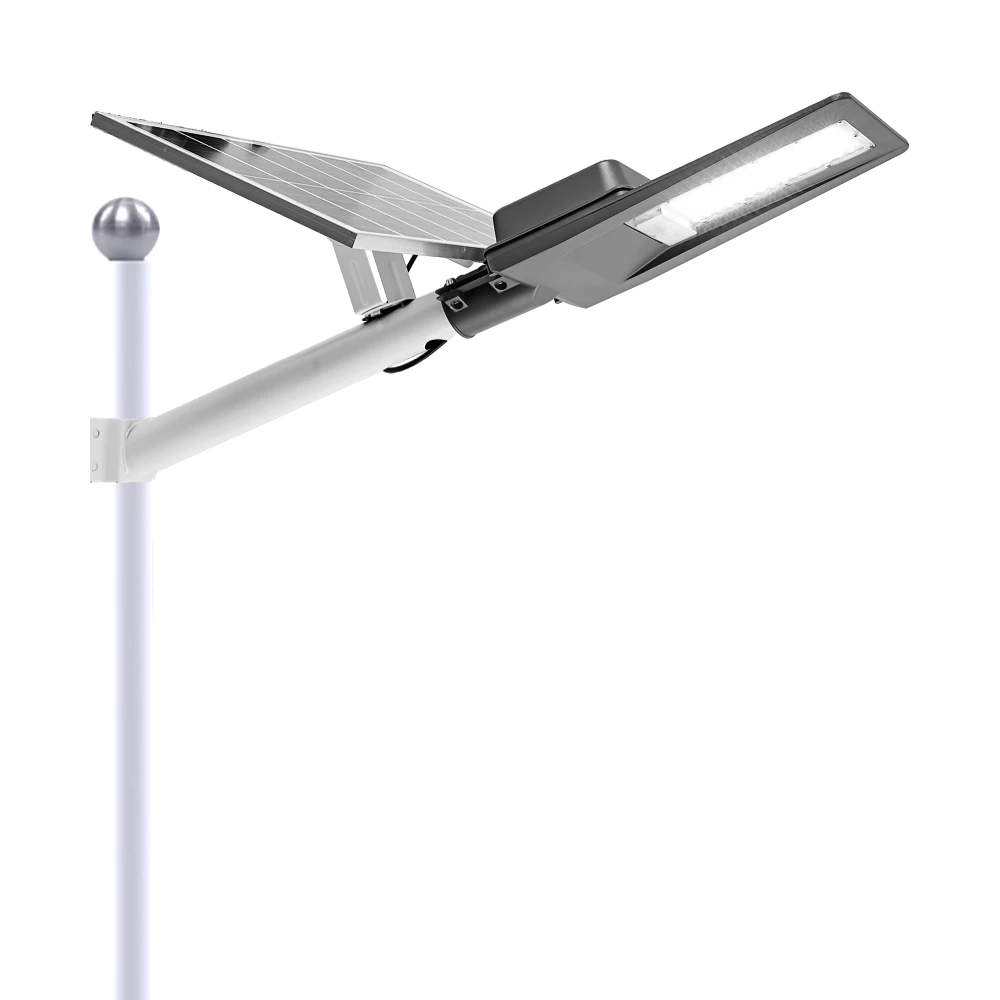
Experience reliable outdoor illumination with our smart solar street light, a perfect combination of advanced technology and eco-conscious design.
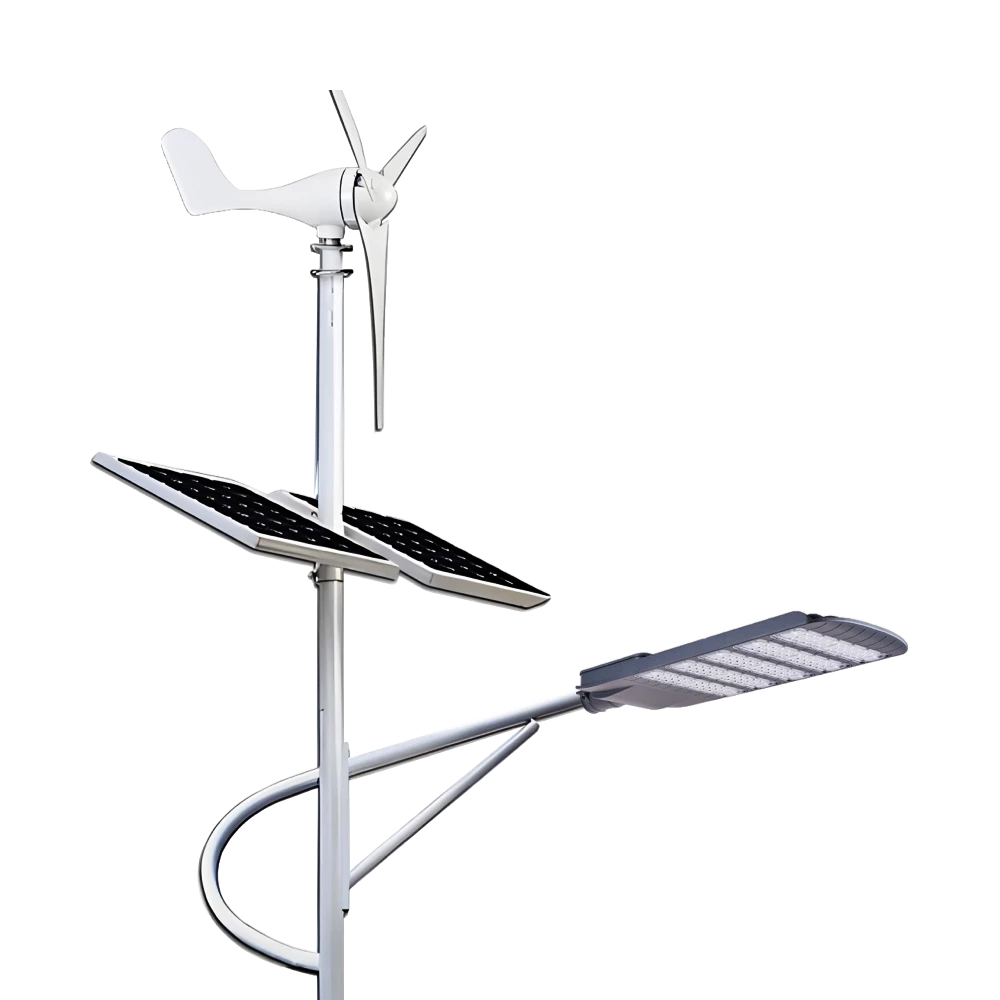
Queneng Lufeng Wind Energy LED Outdoor Solar Street Lights offer high-performance, eco-friendly illumination. These energy-efficient LED street lights harness solar power and wind energy for sustainable, cost-effective outdoor lighting solutions.
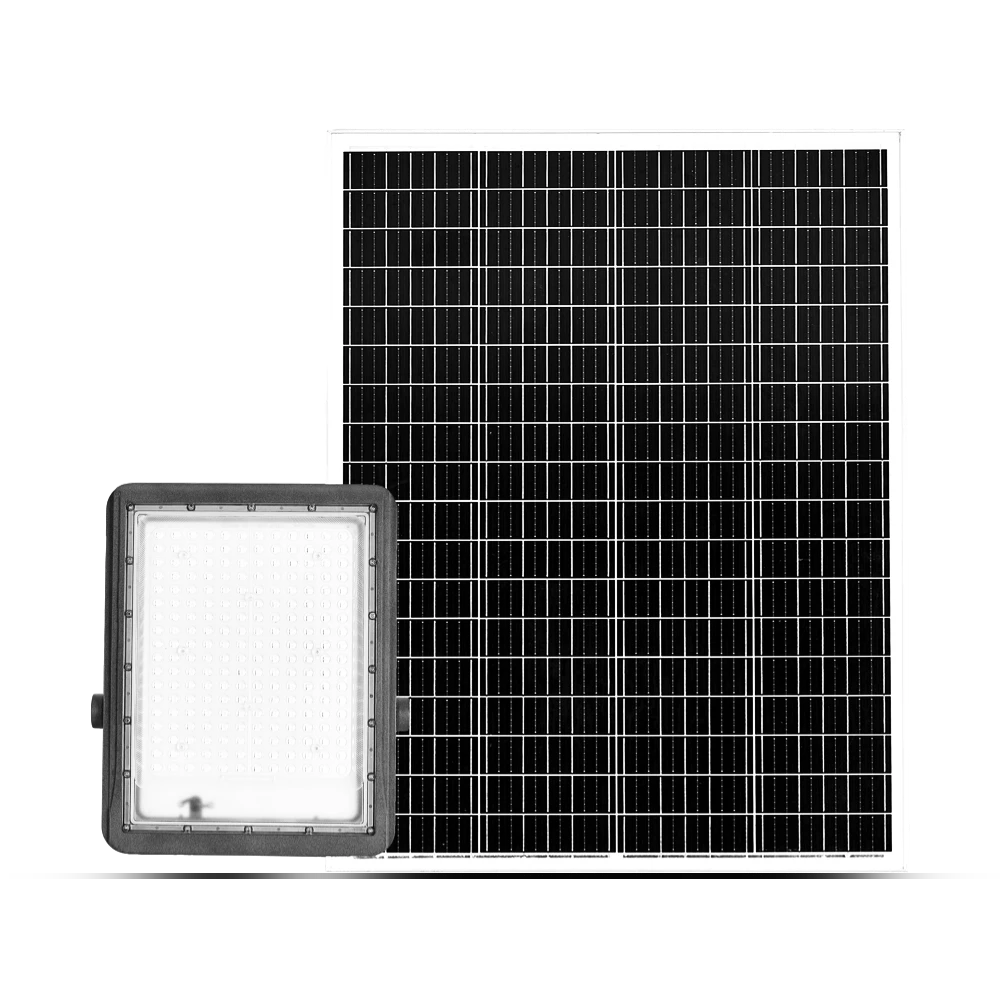
Queneng's Luxian Reliable Solar Street Light offers energy-saving LED lighting for outdoor use. This durable, solar-powered street light provides reliable illumination, reducing energy costs and environmental impact. A perfect solution for sustainable outdoor lighting.
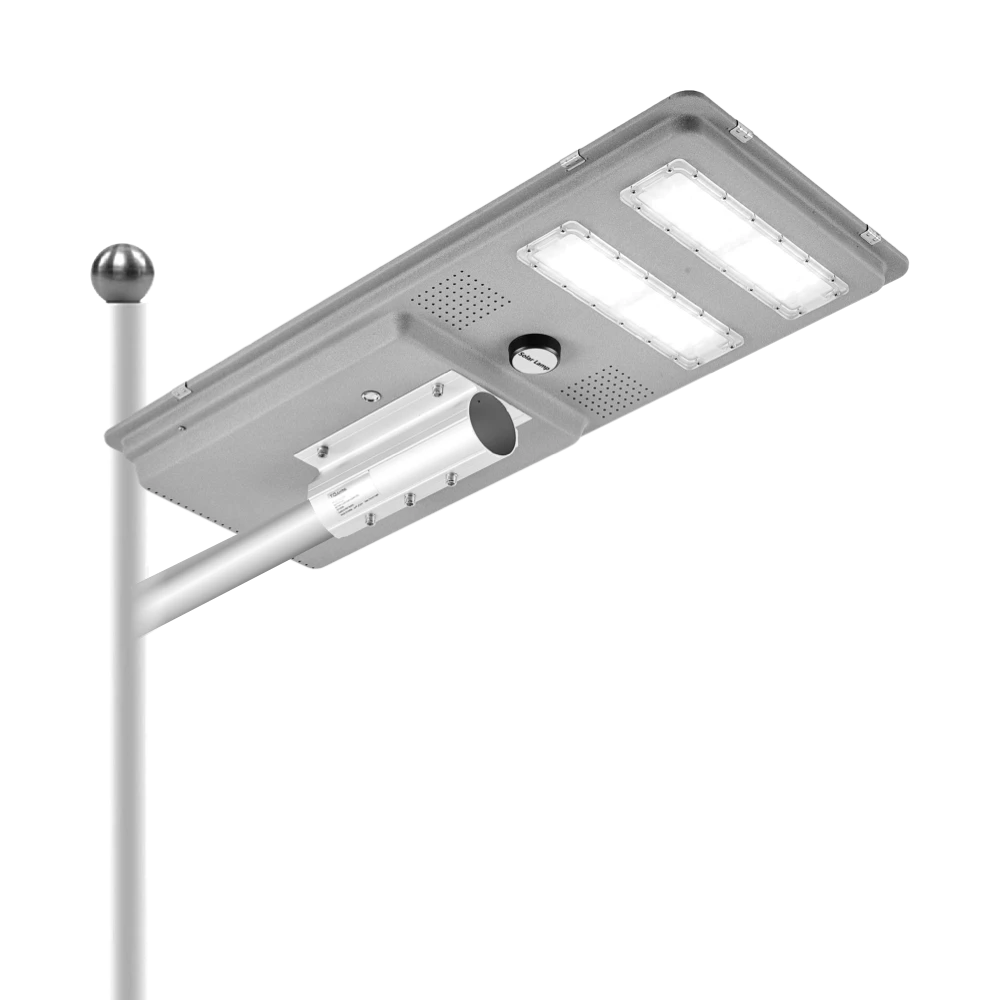
Queneng’s Solar Street Lights are designed to provide reliable, energy-efficient lighting for streets, parks, and other outdoor spaces.
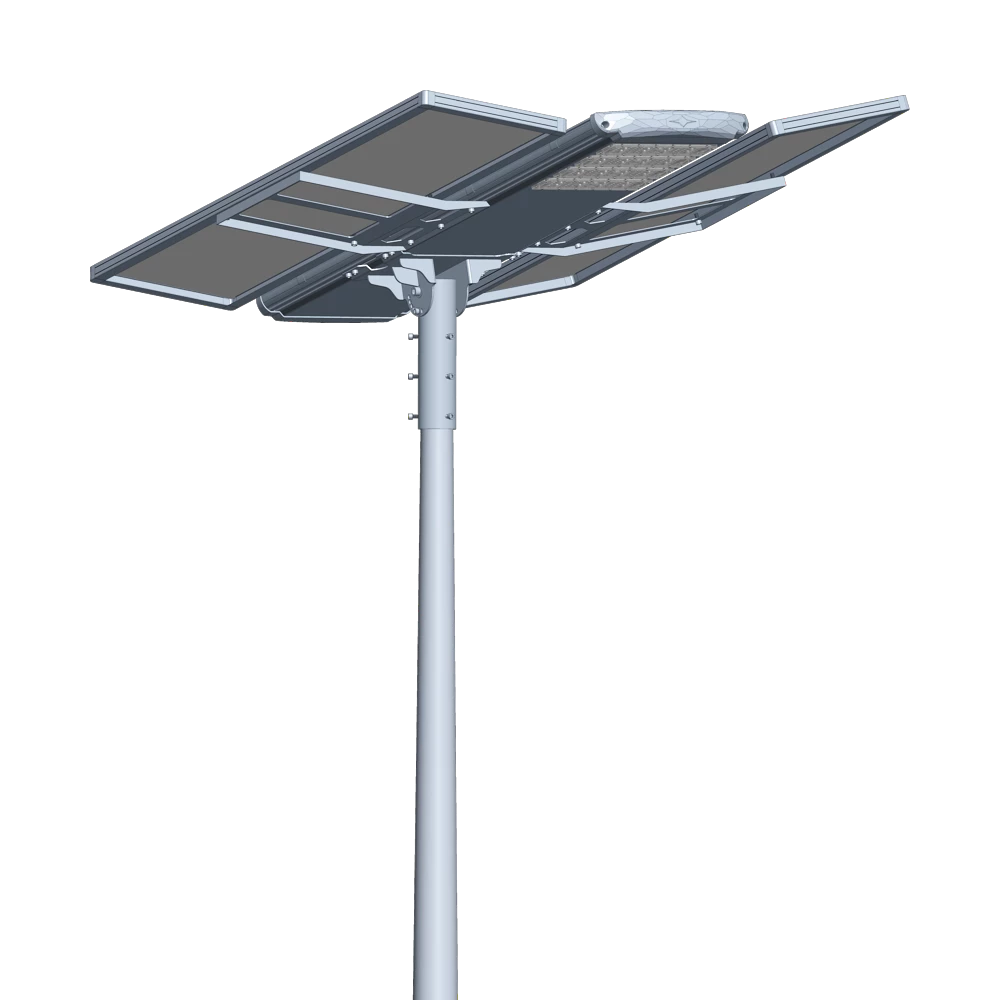
Introducing the Luqing Solar Street Light by Queneng, Efficient LED lighting powered by solar energy is perfect for illuminating outdoor areas. Harness the power of solar energy for sustainable, reliable street lighting. Ideal for eco-friendly, cost-effective outdoor illumination solutions.
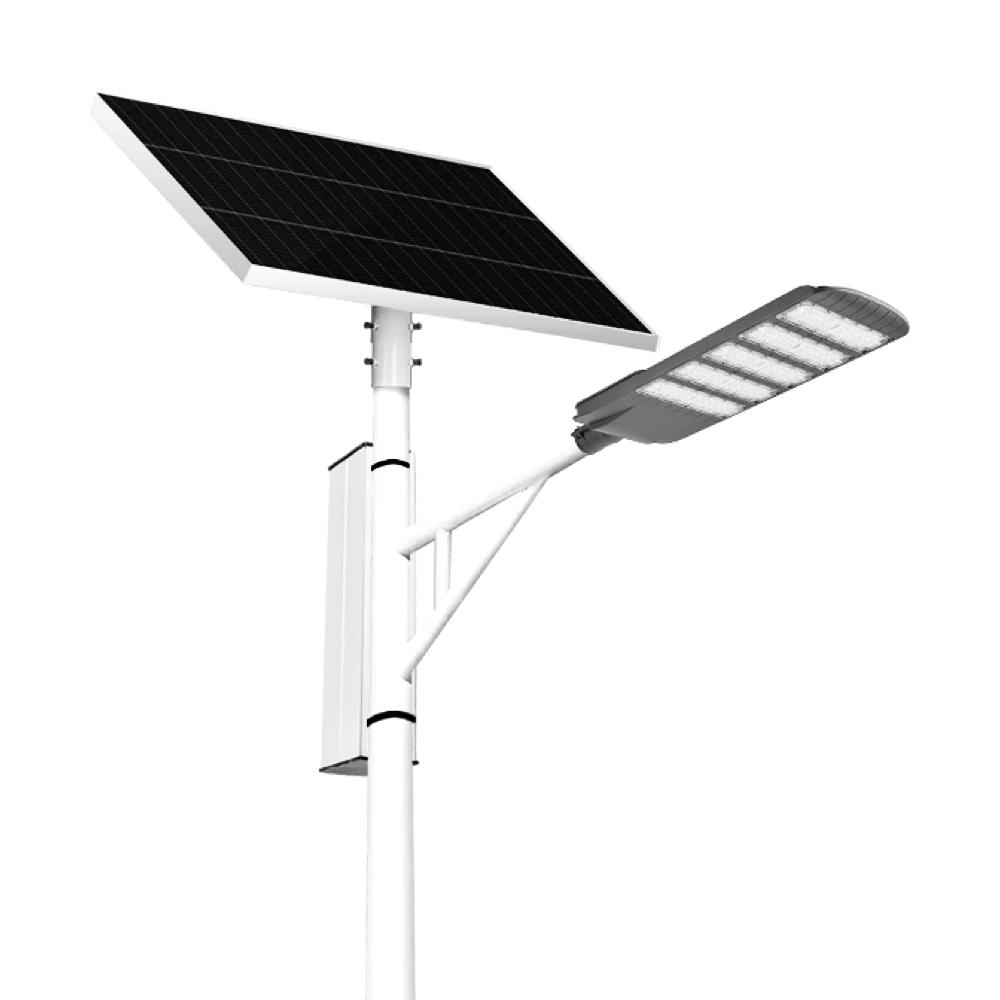
The Solar Streetlights of Luhao for Municipalities are designed to deliver reliable, energy-efficient, and cost-effective public lighting solutions. Equipped with advanced LED technology, durable lithium batteries, and high-efficiency solar panels, these streetlights provide consistent illumination for roads, parks, residential areas, and government projects.
Our professional team is ready to answer any questions and provide personalized support for your project.
You can reach us via phone or email to learn more about Queneng’s solar lighting solutions. We look forward to working with you to promote clean energy solutions!
Rest assured that your privacy is important to us, and all information provided will be handled with the utmost confidentiality.
By clicking 'Send Inquiry Now' I agree to Queneng processing my personal data.
To see how to withdraw your consent, how to control your personal data and how we process it, please see our Privacy Policy and Terms of use.
Schedule a Meeting
Book a date and time that is convenient for you and conduct the session in advance.
Have more questions about our products or services?
The messenger of light & power conversion
Environmental protection and intelligent manufacturing are our brand philosophy, and quality assurance and the best user experience are our eternal promises to users.
CONTACT
No.9F, Building F, Cao San Xin Tian Hong Logistics Park, Guzhen Town, Zhongshan City, Guangdong Province, China.
or write [email protected]
WhatsApp: +86 136 2270 1011


