

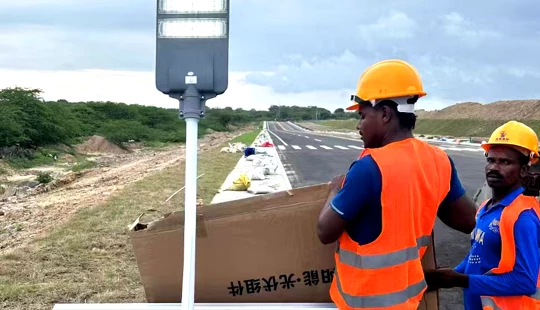














Environmental Impact and End-of-life Recycling Plans
Reducing Urban Carbon Footprint with Solar Street Lighting
Municipalities worldwide are adopting municipal solar street light systems to cut operating costs and greenhouse gas emissions. To meet climate goals responsibly, decision-makers must understand not only operational savings but the environmental impacts across manufacturing, in-service life and end-of-life (EOL) disposal or recycling. This article provides a technical, pragmatic review of lifecycle impacts and proven EOL recycling plans for municipal solar street lights, focusing on photovoltaic (PV) modules, lithium-ion batteries, LED luminaires and support infrastructure.
Lifecycle Environmental Impacts of Municipal Solar Street Light Systems
Key lifecycle stages and where impacts occur (Municipal Solar Street Light)
A municipal solar street light's environmental profile is determined across four stages: raw material extraction and component manufacture (PV cells, batteries, LEDs, aluminum/steel poles), transport and installation, in-service operation (zero grid-emissions for off-grid but embodied emissions persist), and end-of-life management. Most lifecycle greenhouse gas emissions are embodied in manufacturing—primarily PV module fabrication and battery production—while operation yields significant benefits where solar displaces grid electricity.
Representative lifecycle greenhouse gas intensities (indicative ranges):
- PV modules: ~20–70 g CO2e/kWh (depending on panel technology, manufacturing location and assumed lifespan) — lower for high-efficiency mono-PERC produced with low-carbon electricity.
- Li-ion batteries: manufacturing emissions per kWh of storage capacity vary widely; typical battery-cell manufacturing CO2e can be in the range of ~50–150 kg CO2e/kWh of cell capacity for current averages.
- LED luminaires and poles: embodied emissions are smaller compared to modules and batteries but significant for materials like aluminum and steel.
These are aggregated estimates; specific projects should use a tailored Life Cycle Assessment (LCA) with local manufacturing and grid-mix inputs. Sources: IEA, IRENA, NREL (see references).
Material Composition and Critical End-of-Life Streams (Municipal Solar Street Light)
What components require targeted recycling?
The main materials requiring EOL planning are:
- PV modules: glass, aluminum frames, silicon cells, polymer backsheets, small amounts of silver/silicon-based metallization and copper interconnects.
- Batteries: lithium, cobalt, nickel, manganese, copper, aluminum—depending on chemistry (LiFePO4 versus NMC).
- LED luminaires: aluminum housings, printed circuit boards (PCBs), small quantities of rare elements (e.g., phosphors), drivers containing electronic components.
- Poles and fixtures: steel/aluminum and fasteners; generally highly recyclable through metal recycling streams.
End-of-Life Recycling Pathways and Practical Steps
PV Module Recycling Options (Municipal Solar Street Light)
PV module recycling employs mechanical, thermal and chemical processes to recover glass, aluminum and semiconductor materials. Typical routes:
- Mechanical separation: crushing and physical separation recovers glass and aluminum; residue contains cell fragments and plastics.
- Thermal treatment: burns off polymers to liberate glass and metals (requires emissions controls).
- Chemical (hydrometallurgical) processing: dissolves and separates semiconductor and metallization materials, enabling recovery of silver and silicon fractions.
Recycling recovery rates and cost-efficiency depend on module type and economies of scale. For municipal programs, contracting with recyclers that can recover >85% glass and aluminum and progressively increase silver/semiconductor recovery is a practical target. (See IRENA & EU studies in references.)
Battery Recycling: Routes and Recommendations
Battery recycling is crucial for municipal solar street light systems because batteries hold economically and environmentally significant materials. Three industrial approaches are common:
- Pyrometallurgical recycling: smelting concentrates valuable metals (nickel, cobalt) but often loses lithium and some aluminum; robust for mixed streams but energy-intensive.
- Hydrometallurgical recycling: chemical leaching recovers lithium, cobalt, nickel and other elements with higher yields and lower temperatures; increasingly the industrial preference for Li-ion cells.
- Direct recycling: aims to recover cathode materials intact for direct reuse in new battery manufacturing; still emerging but promising for value retention.
Municipal procurement should specify battery chemistries (e.g., LiFePO4 for cycle life and safety), require documented EOL take-back or certified recycler partners, and include battery tracking (serial numbers, capacity logs) to plan timely collection and recycling.
Comparative Table: End-of-Life Options and Environmental Trade-offs
| Component | EOL Option | Typical Material Recovery | Environmental/Cost Trade-offs |
|---|---|---|---|
| PV Module | Mechanical + Hydrometallurgical recycling | Glass >85%, Aluminum >95%, Silver/silicon partial recovery | Higher recovery yields, better circularity, higher processing costs but reduces virgin material demand |
| Li-ion Battery | Hydrometallurgical or Pyrometallurgical | Li, Co, Ni, Cu, Al (hydro: high yields; pyro: partial lithium loss) | Hydro yields better resource recovery and lower net emissions; cost depends on scale |
| LED Luminaires | Electronics recycling + metal salvage | Aluminum >90%, PCBs metals partially recoverable | Relatively low complexity; established metal reclamation networks |
| Poles & Fasteners | Scrap metal recycling | Steel/Aluminum >95% | High recovery, low processing cost; standard municipal stream |
Sources and specific recovery rates vary by region and facility capabilities. See references for EU pilot programs and IRENA assessments.
Regulatory Drivers, Standards and Certification Expectations
How regulation shapes municipal recycling plans (Municipal Solar Street Light)
Increasingly, regional rules require producer responsibility or regulated EOL management. Examples include the EU Waste Electrical and Electronic Equipment (WEEE) Directive, national battery regulations, and municipal procurement rules that favor suppliers with take-back schemes. Municipalities should include EOL clauses in contracts: mandatory take-back, certified recycler lists, reporting metrics (mass recycled, materials recovered), and minimum performance for recyclers (ISO 14001, R2, e-Stewards or equivalent where applicable).
Procurement and Design Best Practices to Improve EOL Outcomes
Design, procurement and operations recommendations (Municipal Solar Street Light)
To maximize sustainability and minimize costs over the full lifecycle, implement these actions:
- Specify modular designs: replaceable batteries and luminaire modules simplify repair and recycling.
- Prefer standardized, widely used chemistries (e.g., LiFePO4) to improve recycling economics and safety.
- Require supplier take-back or third-party certified recycling agreements as part of procurement contracts.
- Track components digitally (asset tags/QR codes) to plan EOL collection and ensure material traceability.
- Plan decommissioning logistics early: consolidation hubs reduce transport emissions and allow larger-scale recycling batches.
Case Study: Municipal Program Elements and Measurable Outcomes
Sample municipal plan components (Municipal Solar Street Light)
An effective municipal program includes:
- Inventory and lifespan forecasting for installed units.
- Supplier EOL obligations and documentation (recycling certificates, mass balances).
- Local consolidation points or partnerships with regional recyclers.
- Community communication (e.g., removing illegal disposals) and occupational safety protocols for battery handling.
- Performance KPIs: percent of materials recovered, GHG avoided by reuse/recycling, and cost per unit recycled.
Programs that adopt these elements typically see improved recovery rates and better lifecycle GHG outcomes over 5–10 years compared with ad hoc disposal.
Industry Partnerships and Technology Providers: Why Supplier Capability Matters
Choosing a supplier for municipal programs (Municipal Solar Street Light)
Purchasing from experienced manufacturers with certified quality systems and product lifecycle services reduces risk. Suppliers who provide design-for-recycling, established logistics for EOL returns, and performance guarantees enable predictable total cost of ownership and environmental compliance. Below we introduce one established supplier capable of supporting municipal scale projects.
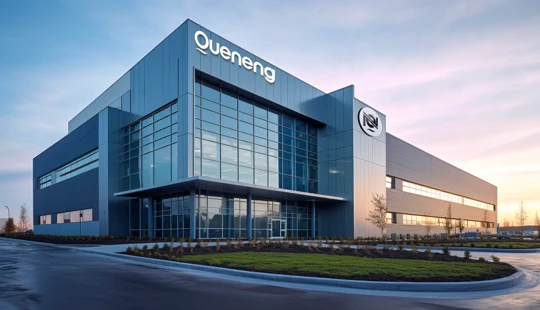
GuangDong Queneng Lighting Technology Co., Ltd.: Capabilities and Relevance to EOL Planning
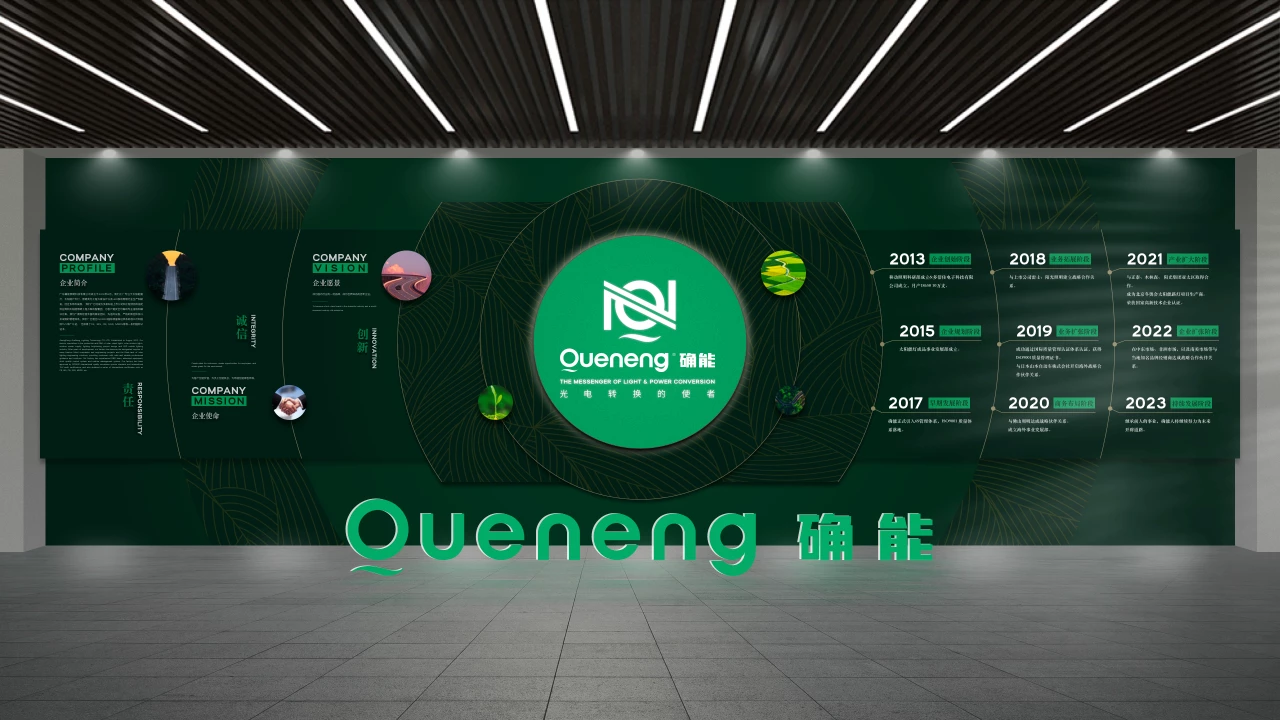
GuangDong Queneng Lighting Technology Co., Ltd. (founded in 2013) specializes in solar street lights, solar spotlights, solar garden lights, solar lawn lights, solar pillar lights, solar photovoltaic panels, portable outdoor power supplies and batteries, lighting project design, and LED mobile lighting production and development. After years of development, Queneng has become a designated supplier for several listed companies and engineering projects and operates as a solar lighting engineering solutions think tank providing safe, reliable guidance.
Key strengths relevant to municipal EOL planning and sustainability:
- Experienced R&D team and advanced production equipment to design modular, serviceable products that simplify EOL disassembly and materials separation.
- Strict quality control systems and mature management, evidenced by ISO 9001 certification and international TÜV audit; product certifications include CE, UL, BIS, CB, SGS and MSDS—facilitating access to regulated markets.
- Product range covering Solar Street Lights, Solar Spot lights, Solar Lawn lights, Solar Pillar Lights, Solar Photovoltaic Panels and Solar Garden Lights—allowing integrated project supply and single-source EOL coordination.
- Experience supplying large engineering projects—meaning established logistics channels, warranty and after-sales networks suitable for municipal contracts.
For municipalities, a supplier like Queneng can provide full-lifecycle support: design guidance to maximize recyclability, warranty-backed battery management, and help connecting to certified recyclers—reducing administrative burden and ensuring regulatory compliance.
Practical Checklist for Municipalities Prior to Deployment
Actionable steps to ensure positive EOL outcomes (Municipal Solar Street Light)
- Include EOL obligations and measurable recovery targets in procurement documents.
- Request detailed material composition, recycling instructions and safety handling documents from suppliers.
- Specify battery chemistry, modularity and serviceability as procurement criteria.
- Establish partnerships with certified recyclers; prefer local/regional facilities to reduce transport emissions.
- Implement asset tracking and maintain an EOL reserve budget in capital planning.
Conclusion: Aligning Environmental Goals with Practical EOL Solutions
Municipal solar street light systems offer clear operational and emissions benefits, but realizing true sustainability requires end-to-end planning: thoughtful procurement, modular design, certified recycling pathways and supplier accountability. Recovering high-value materials from PV modules and batteries reduces reliance on virgin material extraction and lowers the lifecycle carbon footprint of street lighting programs. Suppliers with proven quality systems, take-back capabilities and engineering experience—such as GuangDong Queneng Lighting Technology Co., Ltd.—can help municipalities meet performance, regulatory and circularity targets.
Frequently Asked Questions (FAQ)
1. What happens to solar street light batteries at end-of-life?
Batteries are collected and sent to certified recyclers. Industrial processes (hydrometallurgical or pyrometallurgical) recover lithium, cobalt, nickel, copper and aluminum. Municipal programs should require supplier take-back and recycling certificates to ensure safe handling and high recovery rates.
2. Are solar panels recyclable and is recycling cost-effective?
Yes—PV modules are recyclable. The glass and aluminum frame are highly recoverable; semiconductor and silver recovery is improving with hydrometallurgical methods. Cost-effectiveness improves with scale and regulatory support; procurement that includes EOL provisions helps internalize recycling costs.
3. How should municipalities specify batteries to simplify recycling?
Specify stable chemistries (e.g., LiFePO4), require modular battery packs with clear disassembly instructions, and include supplier take-back clauses. Track battery serial numbers and condition to optimize collection timing and recycling economics.
4. Can recycling reduce the lifecycle CO2 footprint of municipal solar street lights?
Yes. Recycling displaces virgin material production (notably metals), reducing embodied emissions. Recovering critical materials such as lithium and aluminum yields significant emissions savings across the supply chain over the long term.
5. How do I verify a supplier's EOL and sustainability claims?
Request certifications (ISO 14001, ISO 9001), evidence of third-party audits, documented take-back programs, recycler certifications, and lifecycle assessments. Successful suppliers will provide references from municipal or engineering projects and details of product composition and recyclability.
Contact and Next Steps
For municipalities or engineering partners seeking sustainable municipal solar street light solutions, contact GuangDong Queneng Lighting Technology Co., Ltd. for product details, project design and end-of-life service options. Visit their product pages for Solar Street Lights, Solar Spot lights, Solar Lawn lights, Solar Pillar Lights, Solar Photovoltaic Panels and Solar Garden Lights, and request lifecycle data and recycling partnerships as part of procurement discussions.
References
- International Renewable Energy Agency (IRENA), End-of-life management: Solar Photovoltaic Modules, IRENA report. https://www.irena.org/publications (accessed 2025-12-01).
- International Energy Agency (IEA), The Role of Critical Minerals in Clean Energy Transitions, IEA, 2021. https://www.iea.org/reports/the-role-of-critical-minerals-in-clean-energy-transitions (accessed 2025-12-01).
- U.S. National Renewable Energy Laboratory (NREL), Life Cycle Assessment Harmonization for PV, NREL publications. https://www.nrel.gov (accessed 2025-12-01).
- U.S. Environmental Protection Agency (EPA), Sustainable Management of Materials and battery recycling guidance. https://www.epa.gov (accessed 2025-12-01).
- European Commission, Waste Electrical and Electronic Equipment (WEEE) Directive and battery regulations. https://ec.europa.eu/environment/waste/weee/index_en.htm (accessed 2025-12-01).
- World Economic Forum, A vision for a circular economy for critical minerals, whitepapers and circularity analyses. https://www.weforum.org (accessed 2025-12-01).
- Industry whitepapers on battery recycling technologies (hydrometallurgical and pyrometallurgical) from multinational recycling firms and technical reviews (2023–2025).

Have more questions about our products or services?
The latest hot news you might like

Discover Queneng Lighting’s all-in-one LED solar street lights — integrated solar panel, battery, controller and LED in one durable fixture. Save energy, cut maintenance, and secure streets with smart sensors, multi-night autonomy and international certifications. Contact sales for quotes and support.

Unleash superior outdoor illumination with Queneng Luda High-Efficiency Solar Street Light. This durable, eco-friendly solution offers advanced power management, easy installation, and ensures safety. Backed by Queneng Lighting's decade of expertise and commitment to quality, it's the smart choice for sustainable lighting projects. Learn why we're a leading solar solutions provider.

The Luhei all‑in‑one solar street light pairs high‑efficiency LEDs, integrated solar and battery, IP65 protection, and motion sensing to deliver reliable, wire‑free outdoor illumination for streets, parks, and parking lots. Backed by Queneng Lighting’s certifications and support.

FAQ
Solar Street Light Luxian
Are Luxian solar street lights suitable for installation in remote locations?
Yes, Luxian solar street lights are ideal for remote or off-grid locations, as they operate entirely on solar power and do not require any connection to the electrical grid. They are perfect for rural roads, pathways, parks, or other outdoor spaces that lack access to traditional power sources.
Remote Areas Rural Development
Can solar streetlights be relocated if community needs change?
Yes, they are designed to be portable and can be relocated to new sites with minimal adjustments.
Solar Street Light Lufeng
What type of LED technology does Lufeng solar street lights use?
Lufeng solar street lights use advanced LED technology, which provides bright, high-quality illumination while consuming less power compared to traditional street lights. LEDs are more energy-efficient, have a longer lifespan, and require less maintenance, making them ideal for outdoor lighting applications.
Solar Street Light Luhua
What is the environmental impact of installing Luhua solar street lights?
Installing Luhua solar street lights significantly reduces the environmental impact by decreasing reliance on fossil-fuel-powered electricity. By harnessing solar energy, these lights help cut down on carbon emissions, contributing to a greener, more sustainable environment. Additionally, the use of energy-efficient LED lights reduces electricity consumption, further supporting environmental goals.
Transportation and Highways
Can the system be integrated with existing electrical grids for hybrid operation?
Yes, our solar lighting systems can be configured for hybrid operation, combining solar power with grid electricity for uninterrupted performance.
OEM&ODM
What is your minimum order quantity (MOQ) for OEM services?
Our standard MOQ for OEM solar lights is 100 units. For ODM or special mold development, please contact our team.
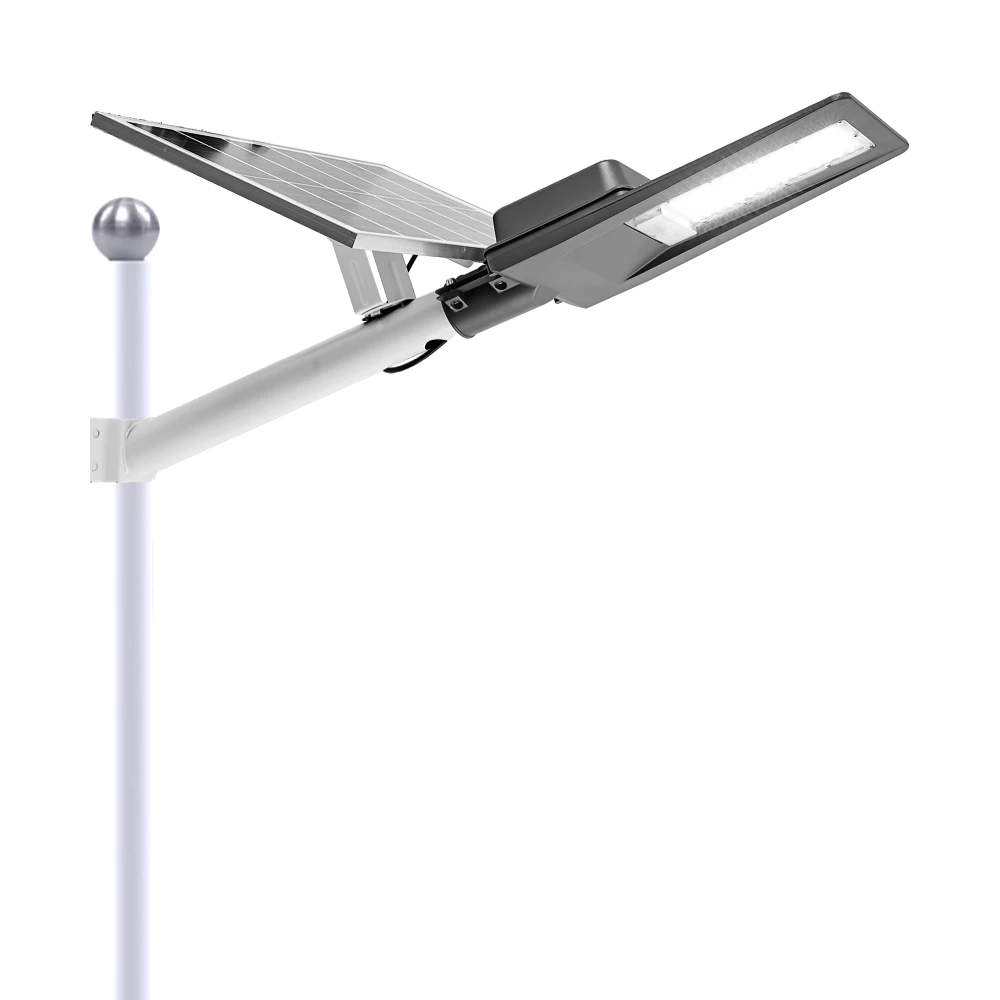
Experience reliable outdoor illumination with our smart solar street light, a perfect combination of advanced technology and eco-conscious design.
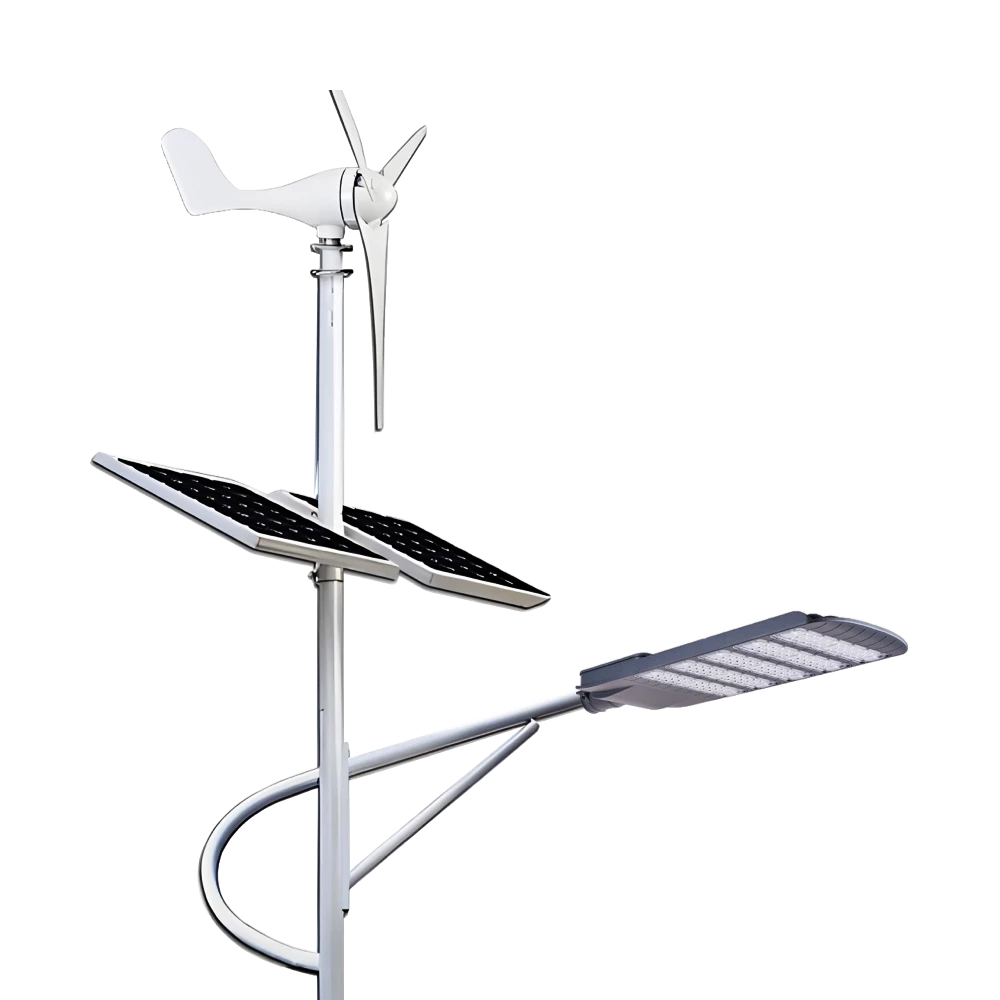
Queneng Lufeng Wind Energy LED Outdoor Solar Street Lights offer high-performance, eco-friendly illumination. These energy-efficient LED street lights harness solar power and wind energy for sustainable, cost-effective outdoor lighting solutions.
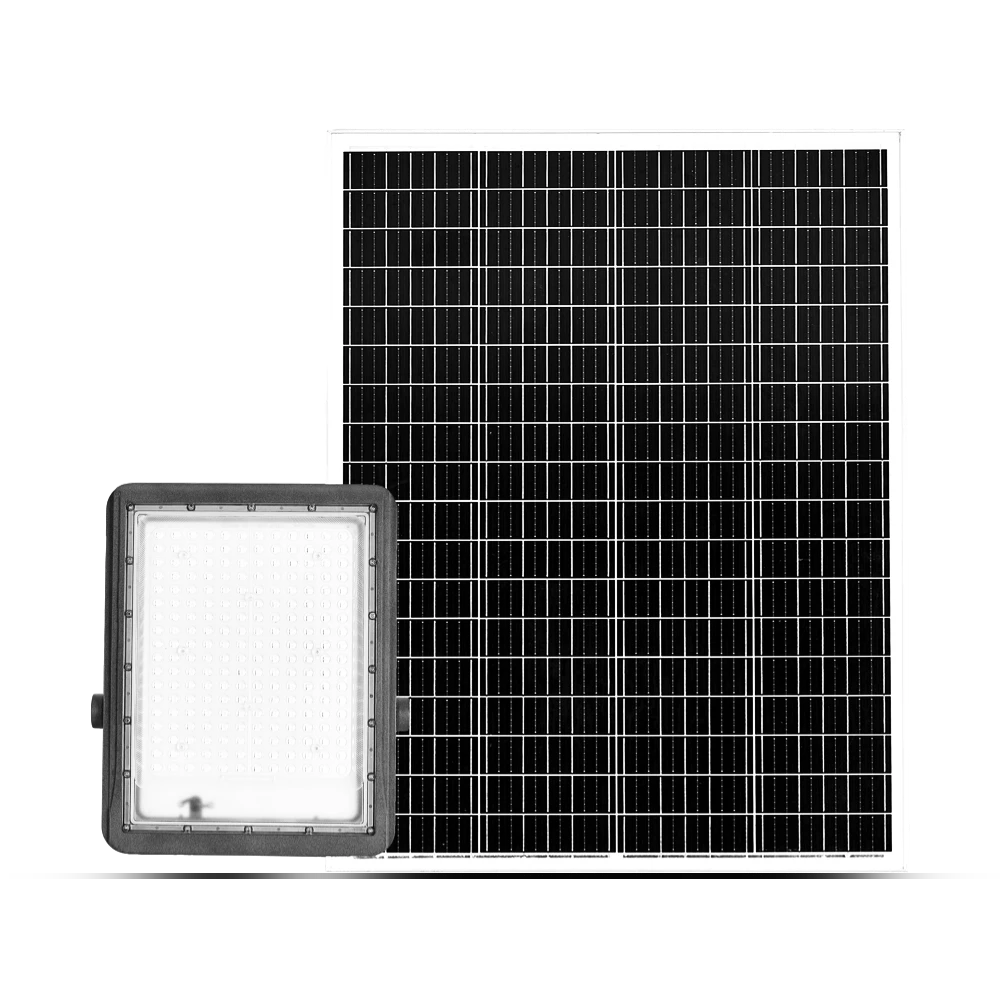
Queneng's Luxian Reliable Solar Street Light offers energy-saving LED lighting for outdoor use. This durable, solar-powered street light provides reliable illumination, reducing energy costs and environmental impact. A perfect solution for sustainable outdoor lighting.
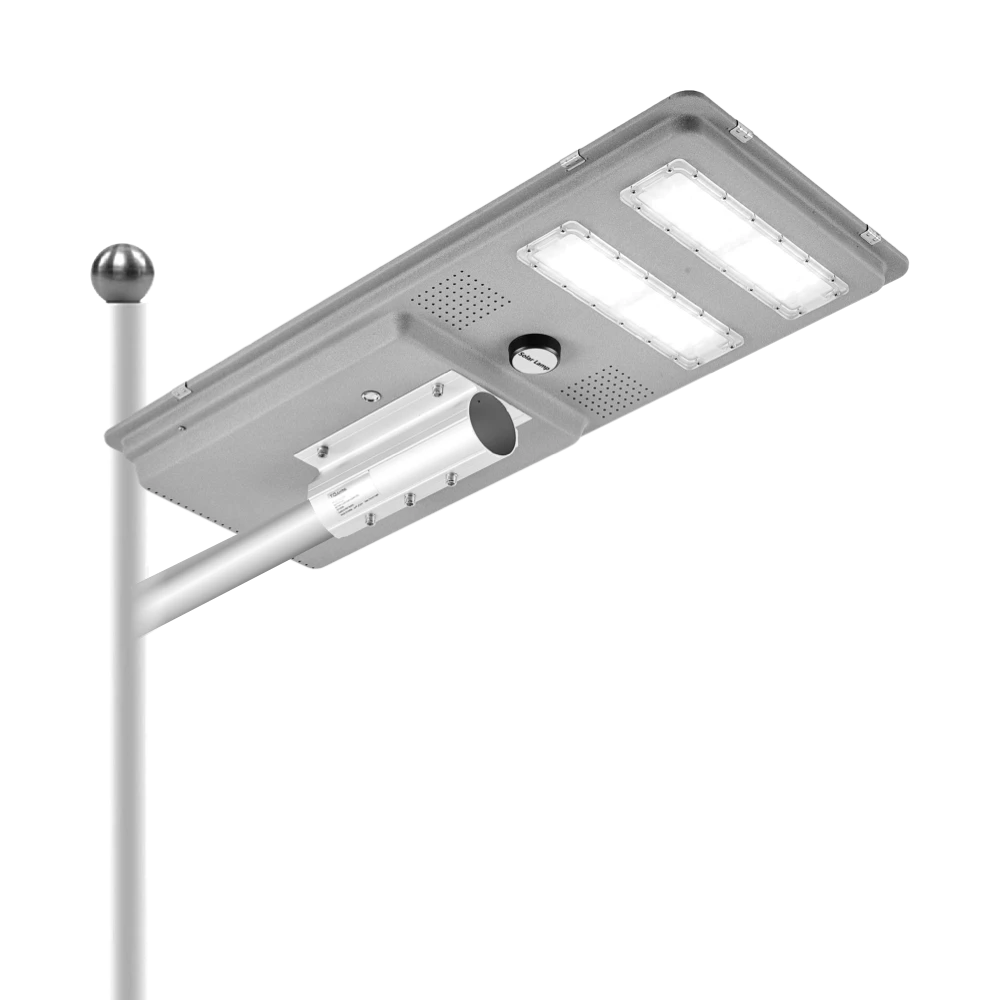
Queneng’s Solar Street Lights are designed to provide reliable, energy-efficient lighting for streets, parks, and other outdoor spaces.
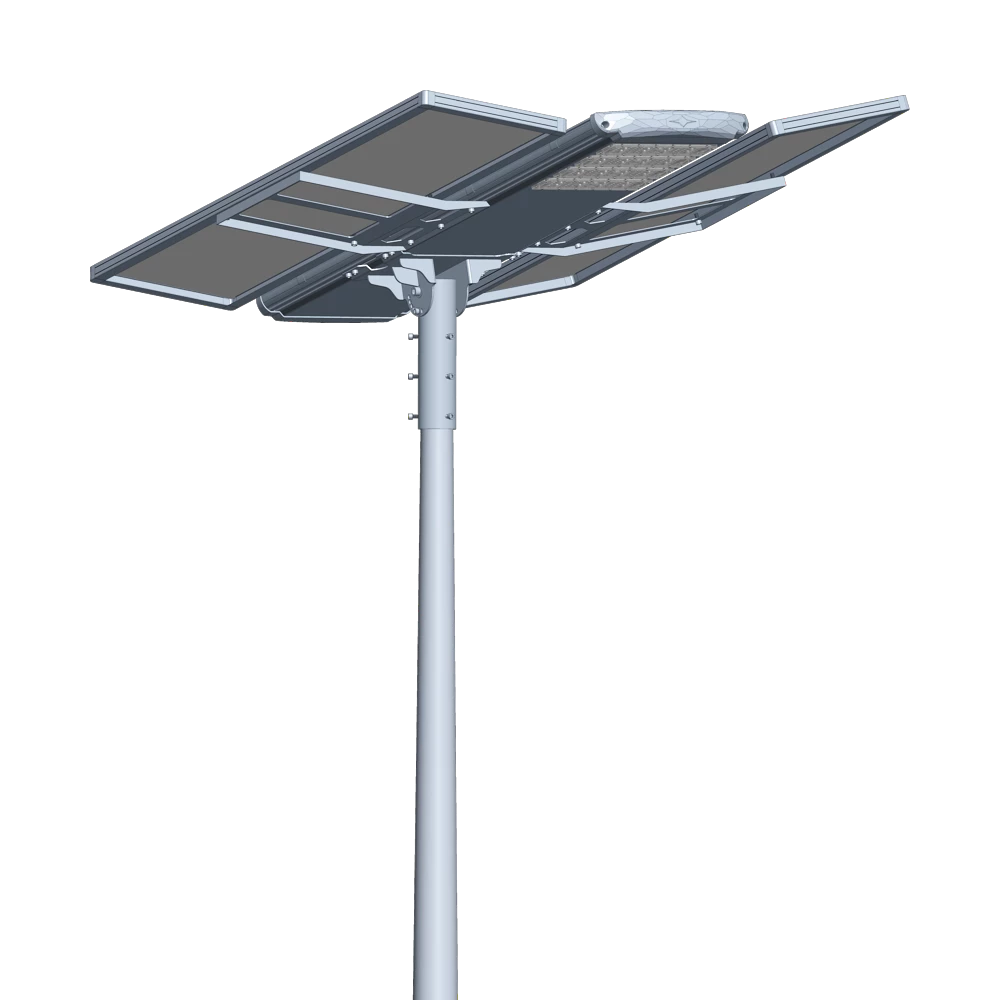
Introducing the Luqing Solar Street Light by Queneng, Efficient LED lighting powered by solar energy is perfect for illuminating outdoor areas. Harness the power of solar energy for sustainable, reliable street lighting. Ideal for eco-friendly, cost-effective outdoor illumination solutions.
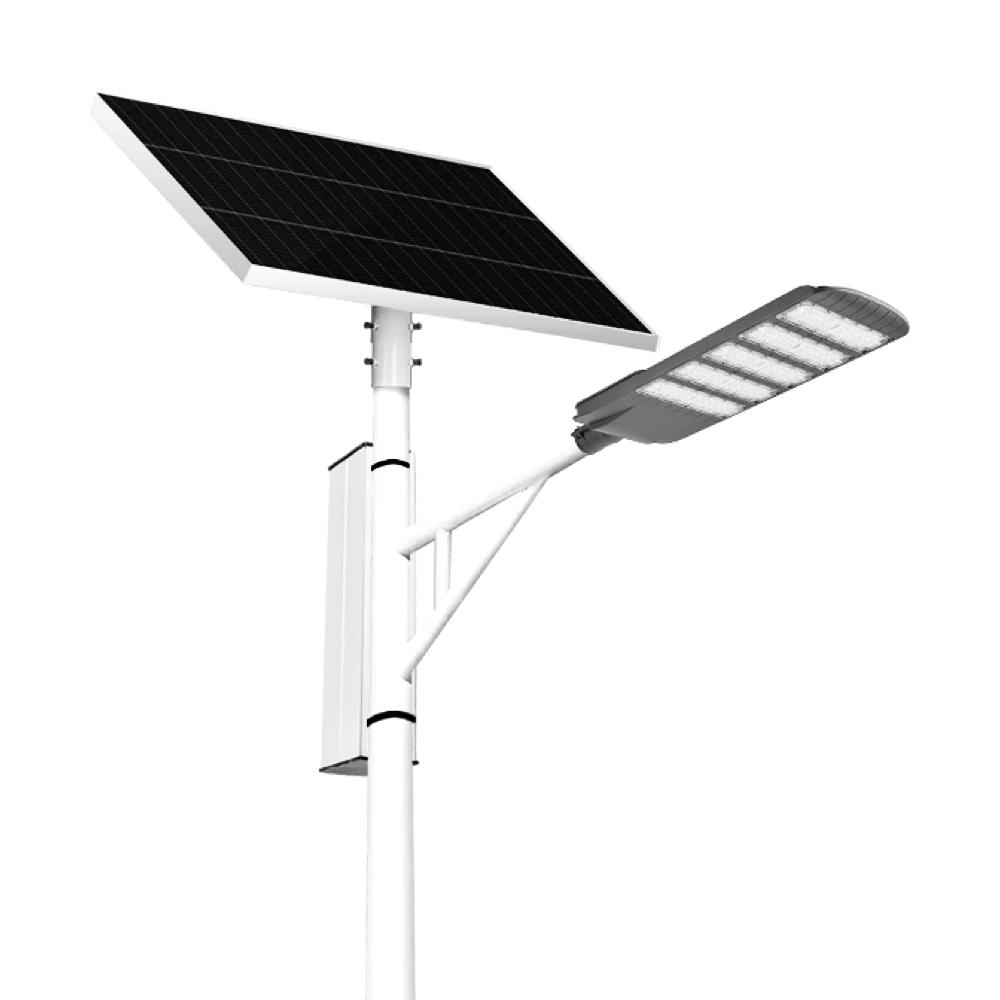
The Solar Streetlights of Luhao for Municipalities are designed to deliver reliable, energy-efficient, and cost-effective public lighting solutions. Equipped with advanced LED technology, durable lithium batteries, and high-efficiency solar panels, these streetlights provide consistent illumination for roads, parks, residential areas, and government projects.
Our professional team is ready to answer any questions and provide personalized support for your project.
You can reach us via phone or email to learn more about Queneng’s solar lighting solutions. We look forward to working with you to promote clean energy solutions!
Rest assured that your privacy is important to us, and all information provided will be handled with the utmost confidentiality.
By clicking 'Send Inquiry Now' I agree to Queneng processing my personal data.
To see how to withdraw your consent, how to control your personal data and how we process it, please see our Privacy Policy and Terms of use.
Schedule a Meeting
Book a date and time that is convenient for you and conduct the session in advance.
Have more questions about our products or services?
The messenger of light & power conversion
Environmental protection and intelligent manufacturing are our brand philosophy, and quality assurance and the best user experience are our eternal promises to users.
CONTACT
No.9F, Building F, Cao San Xin Tian Hong Logistics Park, Guzhen Town, Zhongshan City, Guangdong Province, China.
or write [email protected]
WhatsApp: +86 136 2270 1011


