

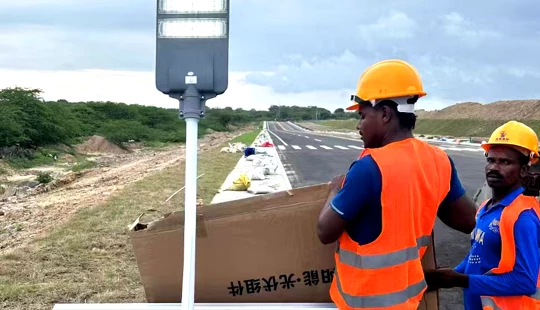
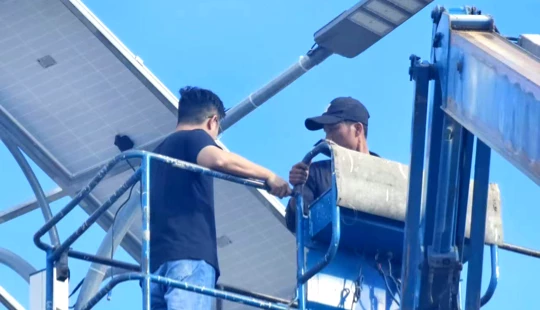













Long-term Financial Risks of Solar Lighting Investments
Why Municipal Solar Street Light Economics Deserve Close Scrutiny
Understanding the : Municipal Solar Street Light
Municipal planners, procurement officers, and finance teams evaluating municipal solar street light projects want clear, verifiable insight into the long-term financial risks before signing contracts. This article breaks down the primary risk categories—capital and operating expenditures (CAPEX/OPEX), technology degradation and replacement cycles, performance shortfalls, financing and contracting pitfalls, regulatory and site-specific risks—and shows practical mitigation steps you can apply when specifying and managing municipal solar street light programs.
1. Lifecycle cost vs. upfront price: CAPEX illusions and total cost of ownership
Municipal Solar Street Light: CAPEX often hides future liabilities
Many municipalities select solar street lights based on lower upfront CAPEX or vendor-supplied “turnkey” pricing. But the true metric for public procurement should be total cost of ownership (TCO) across 10–25 years. Key cost drivers that are commonly underestimated include:
- Battery replacement cycles (often every 3–7 years depending on chemistry and use);
- PV module degradation and replacement risk beyond warranty periods;
- Lighting pole, mounting and controller failures;
- Ongoing maintenance, cleaning, and vandalism/theft mitigation costs;
- Energy shortfalls requiring backup grid connection or fuel-based generators in hybrid designs.
Procurement decisions that ignore recurring OPEX or replacement timing can produce unexpectedly high lifecycle costs, offsetting any initial CAPEX savings.
2. Battery degradation and replacement: the single largest recurring cost
How battery choice affects municipal solar street light economics
Battery systems are the most frequent cause of performance decline and unplanned expense in off-grid solar lighting. Typical lifetimes vary significantly by technology:
- Lead-acid (sealed VRLA): often 3–5 years in cyclical outdoor use;
- Lithium-ion (LiFePO4 or similar): typically 6–12+ years depending on depth of discharge, temperature, and cycle profile;
- Maintenance-free or advanced chemistries may extend life but cost more upfront.
Replacement costs are not only the battery pack price but also labor, transport, disposal or recycling, and operational downtime. Underestimating replacement frequency or assuming warranties will fully cover real-world failure is a common municipal pitfall.
3. PV module degradation and climate impacts
Degradation rates and their budgetary consequences for municipal solar street light fleets
Solar PV modules degrade over time. Large analytical reviews (see references) report median degradation rates around 0.5–0.8% per year for high-quality modules, but field rates vary with temperature, humidity, dust, and installation quality. Over 20 years, even a 0.7%/year degradation can reduce expected energy production by 12–15%—directly affecting autonomy and lighting levels.
Higher-than-expected degradation can force earlier battery cycling, increase outages, or trigger unplanned retrofits. Municipal budgets should model PV degradation conservatively and stress-test production under realistic site conditions (soiling, shading, heat).
4. Technology obsolescence and interoperability risks
Why future-proofing matters for municipal solar street light systems
Rapid LED, controller, and communications advances make long-term compatibility a risk. A municipally deployed solar street light with proprietary controllers or non-standard communication protocols can be expensive to upgrade or integrate into city-wide smart city platforms. Without open-standard interfaces or modular hardware, municipalities can be locked into a single vendor for parts and service, increasing long-term costs.
5. Performance shortfalls: warranties vs. real-world performance
Assessing vendor warranties and the limits of guarantees for municipal solar street light projects
Warranties often cover materials but exclude conditions such as improper maintenance, theft, vandalism, or extreme weather. Municipal buyers must examine:
- What performance metrics are guaranteed (lux levels, hours on at required illumination, autonomy days)?
- Warranty period and which components (PV, battery, luminaire, controller) are covered;
- Service response times and availability of local spares;
- Terms around force majeure and natural degradation.
Relying solely on a multi-year warranty without clear service KPIs and local support can leave municipalities exposed to budgetary risk when failures occur.
6. Security, vandalism and theft: non-technical but costly risks
How site selection and community engagement reduce hidden costs for Municipal Solar Street Light fleets
Public lighting hardware in open areas faces theft and vandalism risk, which can be a significant recurring expense in some regions. Preventive measures—tamper-proof mounting, anti-theft fasteners, community engagement campaigns, and insurance—add upfront cost but dramatically reduce the frequency of expensive replacements. Budget models need to include realistic vandalism and insurance provisions based on local crime statistics and past municipal experience.
7. Financing, contracting and procurement pitfalls
Contract structure choices that influence long-term financial risk for Municipal Solar Street Light deployments
Common procurement approaches include direct purchase, public-private partnerships (PPPs), and energy-as-a-service (lighting-as-a-service). Each carries different risk allocations:
- Direct purchase: municipality assumes most operational and replacement risk;
- PPPs / concessions: transfer some O&M risk to private partner but require strong contract management and performance metrics;
- Lighting-as-a-service: can limit upfront cost and transfer performance risk to provider, but may lock municipalities into long-term contracts at higher recurring fees.
Well-structured contracts should include measurable KPIs (availability, illumination levels), clear penalty/bonus mechanisms, and transparent lifecycle costing to avoid surprises.
8. Comparative lifecycle cost table: Solar vs. Grid-connected LED street lighting
Projected cost ranges (illustrative) for municipal decision-makers
| Item | Municipal Solar Street Light (off-grid) | Grid-connected LED Street Light |
|---|---|---|
| Typical upfront CAPEX (per pole) | $1,500–$4,000 (solar panel, battery, luminaire, pole, controller) | $800–$2,000 (luminaire, pole, cabling, transformer if needed) |
| Typical annual OPEX | $50–$200 (maintenance, battery replacements amortized, cleaning) | $40–$150 (energy cost + maintenance) |
| Replacement cycles | Battery 3–10 yrs; LED 8–15 yrs; PV 20–25 yrs (degrades) | LED 8–15 yrs; wiring/power parts variable |
| Key long-term risks | Battery replacement, PV degradation, theft/vandalism, autonomy shortfall | Electric tariff changes, grid reliability, cable theft |
| Best procurement fit | Remote/off-grid areas, rapid deployment, resilience-focused projects | Urban areas with reliable grid and municipal maintenance teams |
Note: dollar ranges are indicative and depend on region, scale, and product quality. Use vendor-neutral lifecycle models to compare real proposals.
9. Risk mitigation strategies: procurement, specification, and maintenance
Practical steps municipalities should follow when buying Municipal Solar Street Light systems
- Specify lifecycle performance, not just component specs: required lux levels, autonomy days, and acceptable degradation.
- Require third-party test reports and quality certifications (IEC, ISO, TÜV, CE, UL where applicable).
- Insist on modular, replaceable components and open communications standards to reduce obsolescence risk.
- Model TCO including conservative battery replacement schedules and performance degradation.
- Use pilot projects (10–50 units) to validate real-world performance before city-wide rollouts.
- Include service-level agreements (SLAs) with clear KPIs and penalties; ensure local spares and response capacity.
- Plan for decommissioning and recycling—especially batteries—to account for environmental and disposal costs.
10. Choosing the right supplier: why technical competence and local support matter
Selecting suppliers who can reduce long-term financial risk for Municipal Solar Street Light programs
Vendor selection should balance price with proof of sustained performance, certifications, and local support. A supplier with strong R&D, manufacturing controls, and verifiable project references reduces the probability of early failures and expensive retrofits. Verify factory quality systems (ISO 9001), independent audits (TÜV), and product certifications (CE, UL, CB, BIS) before awarding large contracts.
Vendor Profile: GuangDong Queneng Lighting Technology Co., Ltd.
How Queneng can address municipal solar street light long-term risks
GuangDong Queneng Lighting Technology Co., Ltd., founded in 2013, focuses on solar street lights, solar spotlights, solar garden lights, solar lawn lights, solar pillar lights, solar photovoltaic panels, portable outdoor power supplies and batteries, lighting project design, and LED mobile lighting industry production and development. After years of development, Queneng has become the designated supplier for many listed companies and engineering projects and acts as a solar lighting engineering solutions think tank, providing customers with safe and reliable professional guidance and solutions.
Queneng’s strengths relevant to municipal buyers:
- Experienced R&D team and advanced production equipment that support product longevity and improved efficiency;
- Strict quality control and a mature management system with ISO 9001 certification and TÜV audit approval;
- A suite of international certifications—CE, UL, BIS, CB, SGS, MSDS—useful for municipal procurement compliance across regions;
- Comprehensive product offering covering Solar Street Lights, Solar Spot lights, Solar Lawn lights, Solar Pillar Lights, Solar Photovoltaic Panels, and Solar Garden Lights—allowing integrated solutions and single-source responsibility;
- Local engineering support and project design capability that help reduce lifecycle risks through proper sizing, siting, and specification.
Working with a supplier like Queneng can reduce long-term financial exposure by ensuring higher-quality components, documented warranties, and design-to-deployment support tailored for municipal needs.
Summary and recommended municipal procurement checklist
Key actions to reduce financial risk in Municipal Solar Street Light projects
To minimize long-term financial risk, municipalities should:
- Evaluate proposals on TCO, not just CAPEX;
- Demand verifiable test data and certifications for PV, battery, luminaire, and controller;
- Model battery replacement cost conservatively and include spare parts logistics;
- Use short pilots for validation; include SLA-backed performance guarantees for rollouts;
- Prefer suppliers with local service presence and strong quality management (e.g., ISO 9001, TÜV, CE/UL certification).
Frequently Asked Questions (FAQ)
1. How often will batteries need to be replaced in municipal solar street lights?
It depends on battery technology and operating conditions. Lead-acid batteries typically need replacement every 3–5 years in cyclic outdoor use; LiFePO4 batteries often last 6–12 years or more under proper management. Model replacement schedules conservatively and account for local temperature and maintenance capacity.
2. Do solar modules need to be replaced during a 20-year service period?
High-quality PV modules are generally warranted for 20–25 years, but they degrade annually (commonly ~0.5–0.8%/year). Replacement is not typically required within 20 years unless damage, manufacturing defects, or accelerated degradation occurs. Budget for reduced output over time in energy models.
3. Are solar street lights cost-effective for dense urban areas?
In dense urban areas with an existing reliable grid, grid-connected LED systems are often more cost-effective due to lower CAPEX and simpler maintenance. Solar street lights shine in off-grid, remote, or resilience-focused deployments where trenching and cabling costs are prohibitive.
4. How can municipalities avoid vendor lock-in?
Specify open communication standards, modular components, and widely-used connectors. Require detailed documentation (protocols, firmware update policies) and ensure spare parts are available from multiple certified distributors. Include contractual clauses that guarantee technical handover and support.
5. What contractual clauses reduce my long-term financial exposure?
Include performance-based payments, clear SLAs with uptime and lux-level targets, penalties for missed KPIs, warranties with clear responsibilities, and provisions for early termination or remediation. Also require escrow of firmware or configuration data where proprietary controllers are used.
6. How should I model operations & maintenance costs over 20 years?
Include scheduled cleaning and inspection, battery replacement cycles (with escalation for battery price trends), labor, spare parts (luminaire drivers, controllers, PV modules), insurance against theft/vandalism, and a contingency fund (~5–10% of CAPEX over project life). Stress-test models for higher-than-expected replacement frequency.
Contact & Next Steps
If you are planning a municipal solar street light project and want to minimize long-term financial risk, contact GuangDong Queneng Lighting Technology Co., Ltd. for a site assessment, pilot program design, and lifecycle cost modeling. Their integrated product range (Solar Street Lights, Solar Spot lights, Solar Lawn lights, Solar Pillar Lights, Solar Photovoltaic Panels, Solar Garden Lights) and certified quality systems make them a practical partner for municipal programs.
References
- NREL, Photovoltaic Degradation Rates — An Analytical Review, 2012. https://www.nrel.gov/docs/fy12osti/51664.pdf (accessed 2025-11-28)
- U.S. Department of Energy, LED Lighting, Energy Saver. https://www.energy.gov/energysaver/save-electricity-and-fuel/lighting-choices-save-you-money/led-lighting (accessed 2025-11-28)
- IRENA, Electricity storage and renewables: Costs and markets to 2030, 2017. https://www.irena.org/publications/2017/Oct/Electricity-storage-and-renewables-Costs-and-markets (accessed 2025-11-28)
- IRENA, Renewable Power Generation Costs in 2019, 2020. https://www.irena.org/publications/2020/Jun/Renewable-Power-Costs-in-2019 (accessed 2025-11-28)
- ISO 9001 — International Organization for Standardization. https://www.iso.org/iso-9001-quality-management. (accessed 2025-11-28)
- TÜV Rheinland — Product and factory audit services. https://www.tuv.com/world/en/ (accessed 2025-11-28)

Have more questions about our products or services?
The latest hot news you might like

Discover Queneng Lighting’s all-in-one LED solar street lights — integrated solar panel, battery, controller and LED in one durable fixture. Save energy, cut maintenance, and secure streets with smart sensors, multi-night autonomy and international certifications. Contact sales for quotes and support.

Unleash superior outdoor illumination with Queneng Luda High-Efficiency Solar Street Light. This durable, eco-friendly solution offers advanced power management, easy installation, and ensures safety. Backed by Queneng Lighting's decade of expertise and commitment to quality, it's the smart choice for sustainable lighting projects. Learn why we're a leading solar solutions provider.

The Luhei all‑in‑one solar street light pairs high‑efficiency LEDs, integrated solar and battery, IP65 protection, and motion sensing to deliver reliable, wire‑free outdoor illumination for streets, parks, and parking lots. Backed by Queneng Lighting’s certifications and support.

FAQ
Battery Performance and Testing
What is a drop test?
Transportation and Highways
What support do you offer for large-scale highway projects?
We provide end-to-end services, including project design, technical consulting, installation supervision, and after-sales support.
Schools and Educational Institutions
Are solar lights adjustable for lighting angles or brightness?
Many of our solar lights feature adjustable heads, allowing you to change the lighting direction or angle. Some models also have brightness control, allowing you to adjust the light intensity.
Battery Types and Applications
What is a paper battery? What is a smart secondary battery?
Battery and Analysis
What are the possible reasons why batteries and battery packs cannot be discharged?
2) Insufficient charging or no charging;
3) The ambient temperature is too low;
4) The discharge efficiency is low. For example, when a large current is discharged, an ordinary battery cannot discharge electricity because the internal material diffusion speed cannot keep up with the reaction speed, causing the voltage to drop sharply.
Solar Street Light Chuanqi
How do Chuanqi solar street lights differ from traditional street lights?
Chuanqi solar street lights are powered by solar energy, making them a sustainable and eco-friendly alternative to traditional street lights that rely on the electrical grid. They use energy-efficient LED technology that reduces electricity consumption while providing reliable, bright lighting. Unlike traditional lights, Chuanqi solar street lights operate independently of the grid, reducing installation costs and maintenance.
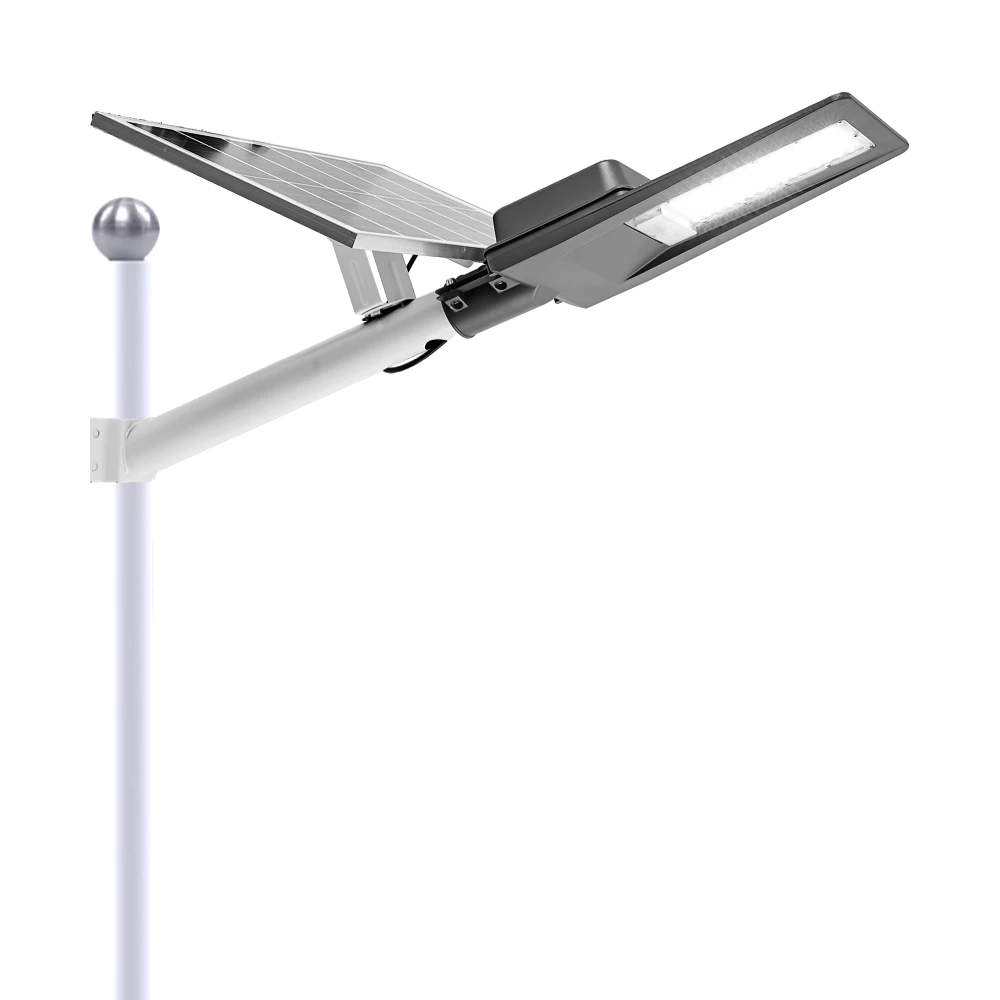
Experience reliable outdoor illumination with our smart solar street light, a perfect combination of advanced technology and eco-conscious design.
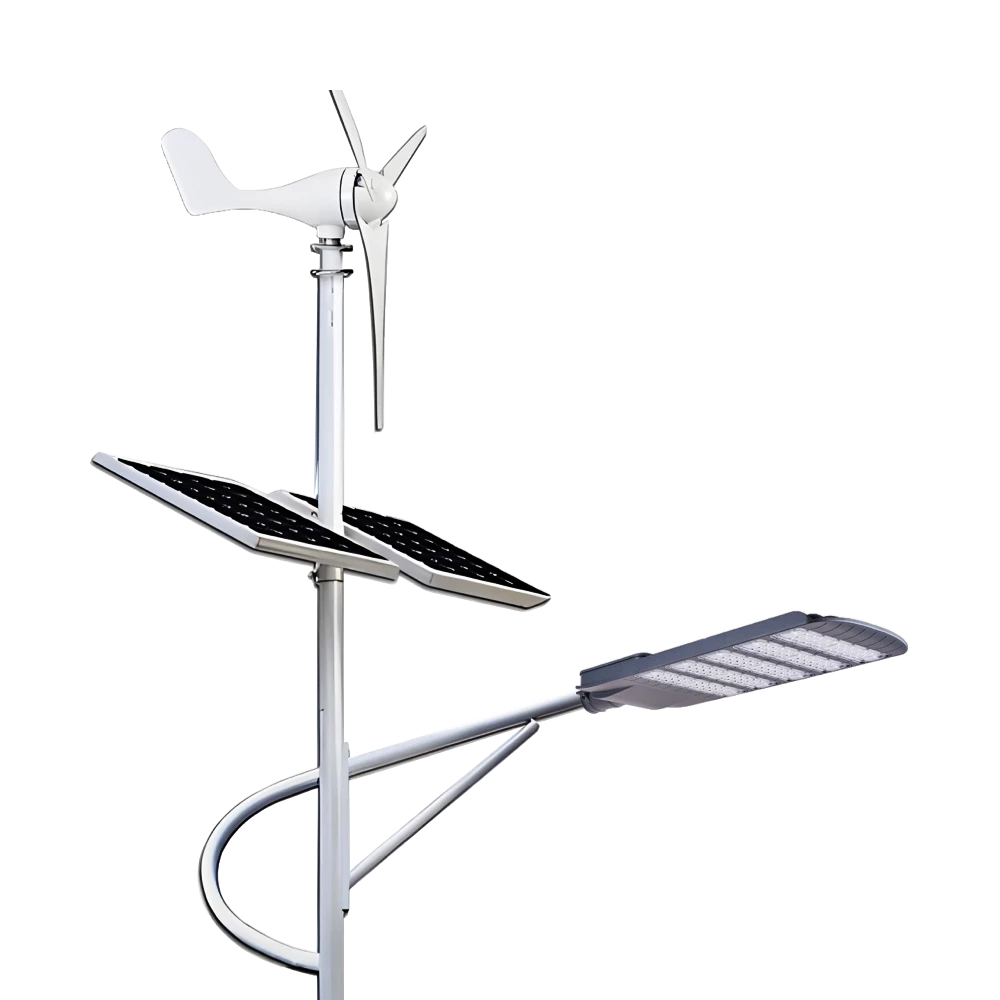
Queneng Lufeng Wind Energy LED Outdoor Solar Street Lights offer high-performance, eco-friendly illumination. These energy-efficient LED street lights harness solar power and wind energy for sustainable, cost-effective outdoor lighting solutions.
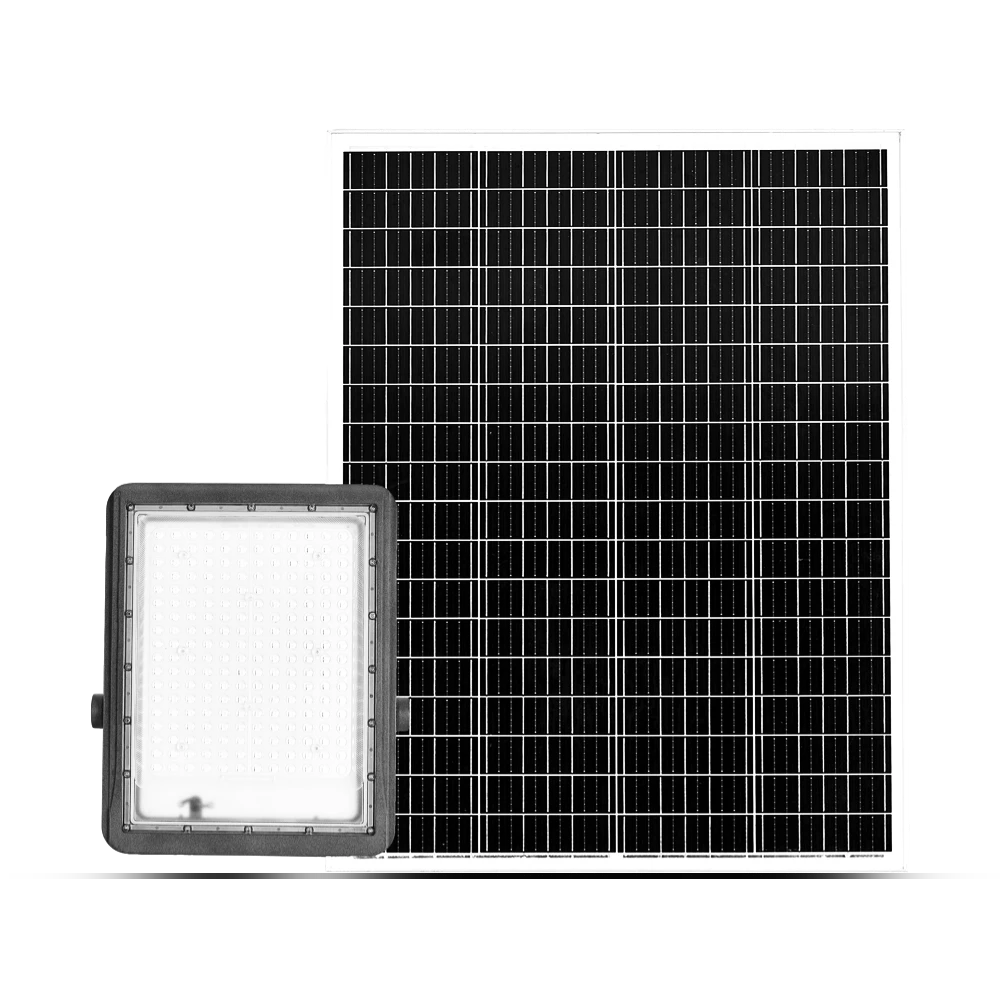
Queneng's Luxian Reliable Solar Street Light offers energy-saving LED lighting for outdoor use. This durable, solar-powered street light provides reliable illumination, reducing energy costs and environmental impact. A perfect solution for sustainable outdoor lighting.
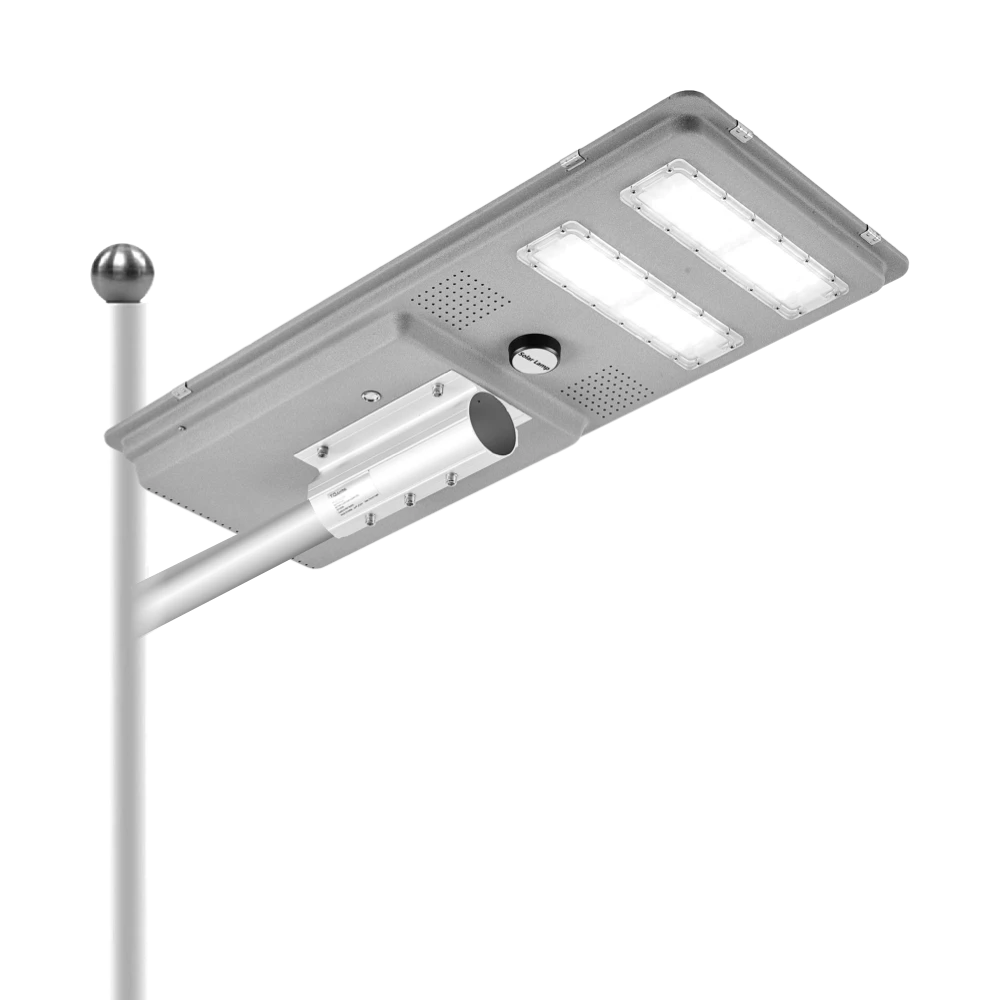
Queneng’s Solar Street Lights are designed to provide reliable, energy-efficient lighting for streets, parks, and other outdoor spaces.
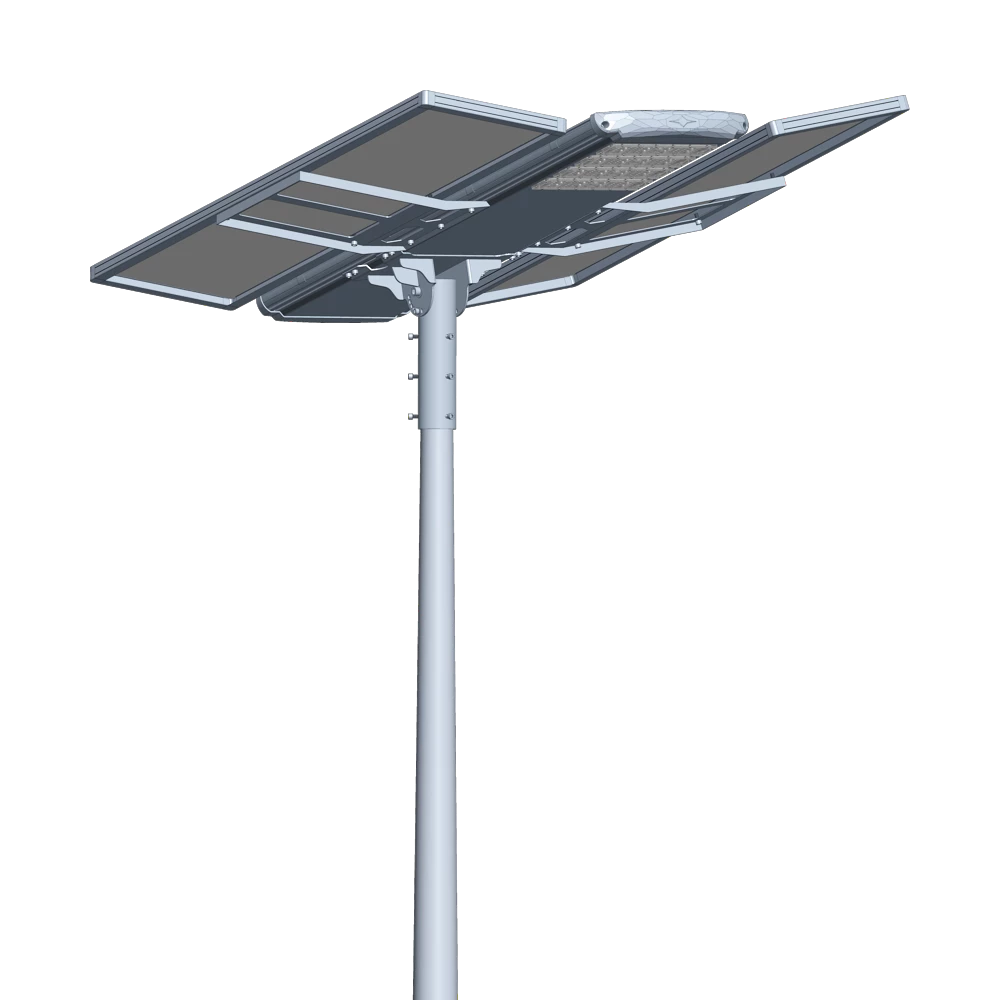
Introducing the Luqing Solar Street Light by Queneng, Efficient LED lighting powered by solar energy is perfect for illuminating outdoor areas. Harness the power of solar energy for sustainable, reliable street lighting. Ideal for eco-friendly, cost-effective outdoor illumination solutions.
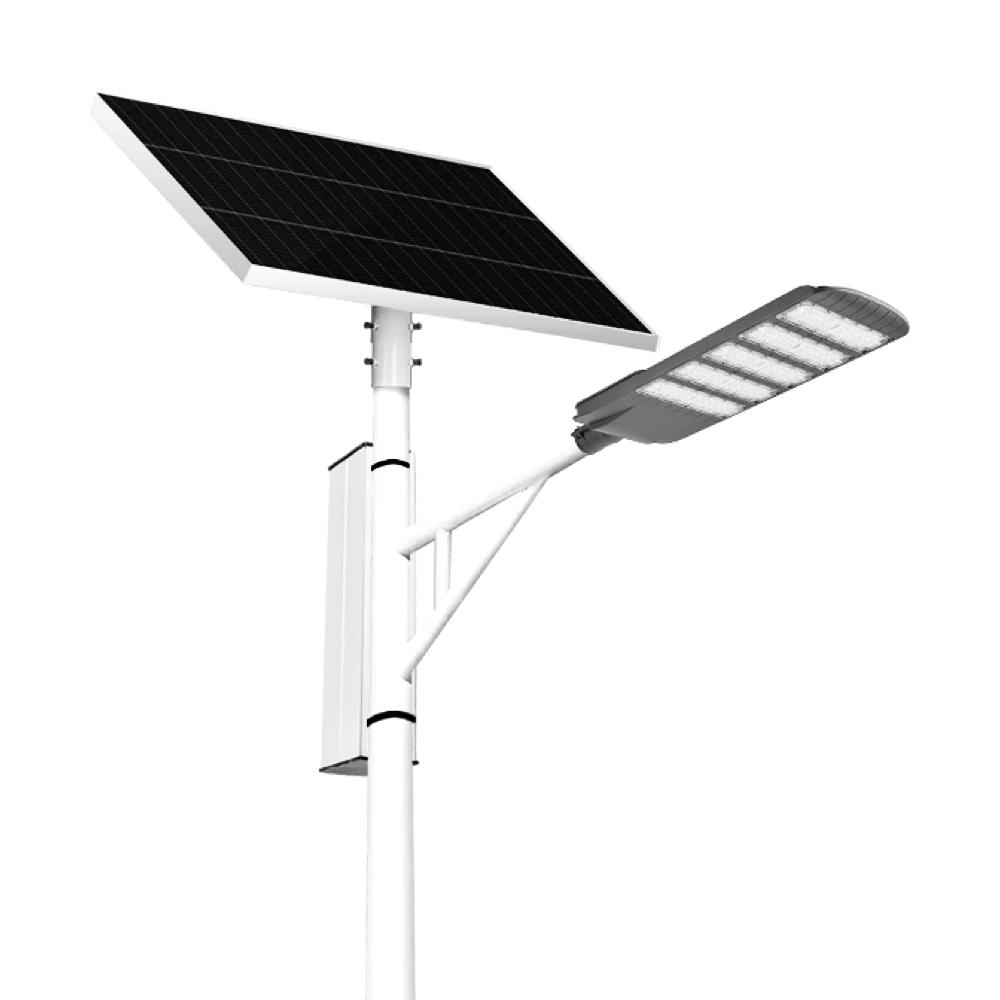
The Solar Streetlights of Luhao for Municipalities are designed to deliver reliable, energy-efficient, and cost-effective public lighting solutions. Equipped with advanced LED technology, durable lithium batteries, and high-efficiency solar panels, these streetlights provide consistent illumination for roads, parks, residential areas, and government projects.
Our professional team is ready to answer any questions and provide personalized support for your project.
You can reach us via phone or email to learn more about Queneng’s solar lighting solutions. We look forward to working with you to promote clean energy solutions!
Rest assured that your privacy is important to us, and all information provided will be handled with the utmost confidentiality.
By clicking 'Send Inquiry Now' I agree to Queneng processing my personal data.
To see how to withdraw your consent, how to control your personal data and how we process it, please see our Privacy Policy and Terms of use.
Schedule a Meeting
Book a date and time that is convenient for you and conduct the session in advance.
Have more questions about our products or services?
The messenger of light & power conversion
Environmental protection and intelligent manufacturing are our brand philosophy, and quality assurance and the best user experience are our eternal promises to users.
CONTACT
No.9F, Building F, Cao San Xin Tian Hong Logistics Park, Guzhen Town, Zhongshan City, Guangdong Province, China.
or write [email protected]
WhatsApp: +86 136 2270 1011


