














Financing Models: Leasing, PPPs, and ESCOs for Cities
Why cities are choosing solar street lighting
Municipal Solar Street Light: the drivers behind adoption
Municipal Solar Street Light systems are increasingly attractive to city governments for three principal reasons: capital expenditure (CapEx) relief, operational savings from reduced electricity bills, and rapid deployment potential without complex grid upgrades. Declining solar PV costs and integrated off-grid lighting systems make solar street lighting economically feasible for both dense urban corridors and peri-urban or informal settlements. For municipal decision-makers, the remaining barrier is not technology feasibility but selecting the right financing model — leasing, public–private partnerships (PPPs), or Energy Service Companies (ESCOs) — that aligns with local procurement rules, risk appetite, and budget cycles.
Overview of common financing models for municipal solar lighting
Municipal Solar Street Light: basic financing options
Municipalities typically choose among three scalable models when procuring Municipal Solar Street Light projects: leasing (equipment-as-a-service), PPPs (long-term concessions or availability-based contracts), and ESCO contracts (performance- and savings-guaranteed). Each model shifts CapEx/Opex differently, allocates technical and demand risk to different parties, and demands varying contract management capacity from the city. Understanding these differences is the first step to a successful program.
Direct comparison: Leasing vs PPP vs ESCO
Municipal Solar Street Light: side-by-side comparison
| Characteristic | Leasing | PPP (Concession/Availability) | ESCO (Energy Performance Contract) |
|---|---|---|---|
| Structure | City pays periodic lease fees; vendor retains ownership or financing party does | Private partner designs, builds, finances, operates; revenue via availability payments or shared savings | ESCO finances or arranges financing and guarantees energy savings; payment from savings or fixed fee |
| Risk allocation | Technical/maintenance: vendor; performance risk moderate; city retains some contractual risk | High private sector risk; city retains regulatory and demand risk if availability-based | Technical & performance risk on ESCO; financial risk may be shared |
| CapEx burden | Low (off-balance-sheet possible) | Low for municipality during construction | Low initially if ESCO arranges financing |
| Opex & lifecycle management | Included in lease if full-service | Private operator covers O&M per contract | ESCO covers O&M tied to performance guarantees |
| Contract length | 3–10 years typical | 10–25 years | 5–20 years |
| Advantages | Fast procurement, minimal procurement capacity, predictable payments | Large-scale projects feasible, transfers many risks, private capital mobilization | Energy savings guarantee, whole-life optimization, strong performance incentives |
| Drawbacks | Vendor dependence, potential higher long-term cost | Complex contracts, long procurement lead times, requires strong contract management | Requires robust measurement & verification (M&V); performance risk disputes possible |
Sources: International Renewable Energy Agency (IRENA), World Bank and sector reports summarized — see references.
How to choose: decision framework for city officials
Municipal Solar Street Light: aligning model to city priorities
When advising a municipal government, I use a three-step decision framework:
- Define fiscal and operational constraints: annual budget cycles, borrowing limits, and balance sheet treatment. Leasing suits cities needing off-balance-sheet solutions; PPPs or ESCOs are better for large programs when private capital is essential.
- Assess procurement & contract-management capacity: PPPs require advanced legal and financial skills; ESCOs demand rigorous M&V capabilities; leasing requires simpler procurement and vendor management.
- Quantify lifecycle costs and risk tolerance: perform a whole-life cost analysis (including maintenance, replacement, insurance) and stress-test scenarios such as vandalism, theft, or extreme weather. Choose the model that minimizes net-present cost within acceptable risk boundaries.
Financial mechanics and typical cost benchmarks
Municipal Solar Street Light: costs, paybacks and financing rates
Typical installed costs for a complete Municipal Solar Street Light (solar array, battery, LED luminaires, smart controller, pole and installation) vary considerably by region and specification. As of recent sector reports, small off-grid solar street light units can range from USD 600 to USD 2,500 per unit depending on autonomy and mounting; larger integrated systems for major arterials may reach USD 3,000–8,000+ per pole where high durability and smart controls are specified. Declining PV module prices and improvements in LED efficacy have driven lower lifecycle costs (IRENA, 2020; IEA 2023).
Financing terms influence lifecycle cost heavily: a 7-year lease at 6–8% interest can be more expensive than a 15-year PPP with availability payments indexed to inflation but may still be preferable if upfront budgets are constrained. ESCO projects often structure payments from guaranteed savings — however, accurate baseline measurements and conservative savings estimates are essential to avoid shortfalls.
Risk management and contract clauses to insist on
Municipal Solar Street Light: clauses that protect the city
Key contractual protections include:
- Performance guarantees tied to measurable metrics (illuminance, system uptime, battery autonomy).
- Clear maintenance and replacement milestones with liquidated damages for missed SLAs.
- Robust M&V protocols for ESCO contracts referencing accepted international standards (e.g., IPMVP — International Performance Measurement & Verification Protocol).
- Theft/vandalism risk sharing or insurance requirements, since off-grid equipment is vulnerable.
- Termination and handback specifications ensuring the city receives a safe, operational asset if the contract ends early.
Case examples and lessons learned
Municipal Solar Street Light: selected project learnings
Examples from multiple developing and developed cities show repeated lessons: (1) pilot at scale — test varied specifications in small geographic zones; (2) prefer availability-based payments where possible — it simplifies billing and incentivizes uptime; (3) include local capacity building in contract scope to avoid post-contract maintenance gaps; (4) validate supplier claims with independent testing and reference site visits. International programs such as Lighting Africa and World Bank-supported municipal projects document measurable improvements in safety and energy cost savings following well-structured procurement.
Choosing vendors and technical specifications
Municipal Solar Street Light: technical procurement checklist
Procurement should specify:
- Minimum lumen output and maintained illuminance levels per road class.
- Battery autonomy (days) and cycle-life expectations (e.g., 3,000+ cycles for Li-ion systems).
- Ingress protection (e.g., IP66), operating temperature range, and corrosion resistance for poles and fixtures.
- Smart capabilities (remote monitoring, dimming schedules) where operations budgets or safety objectives require it.
- Certifications and test reports (IEC/EN standards, CE, UL where applicable).
Why partner with an experienced supplier: Quenenglighting example
Municipal Solar Street Light: supplier capabilities you can trust — GuangDong Queneng Lighting Technology Co., Ltd.
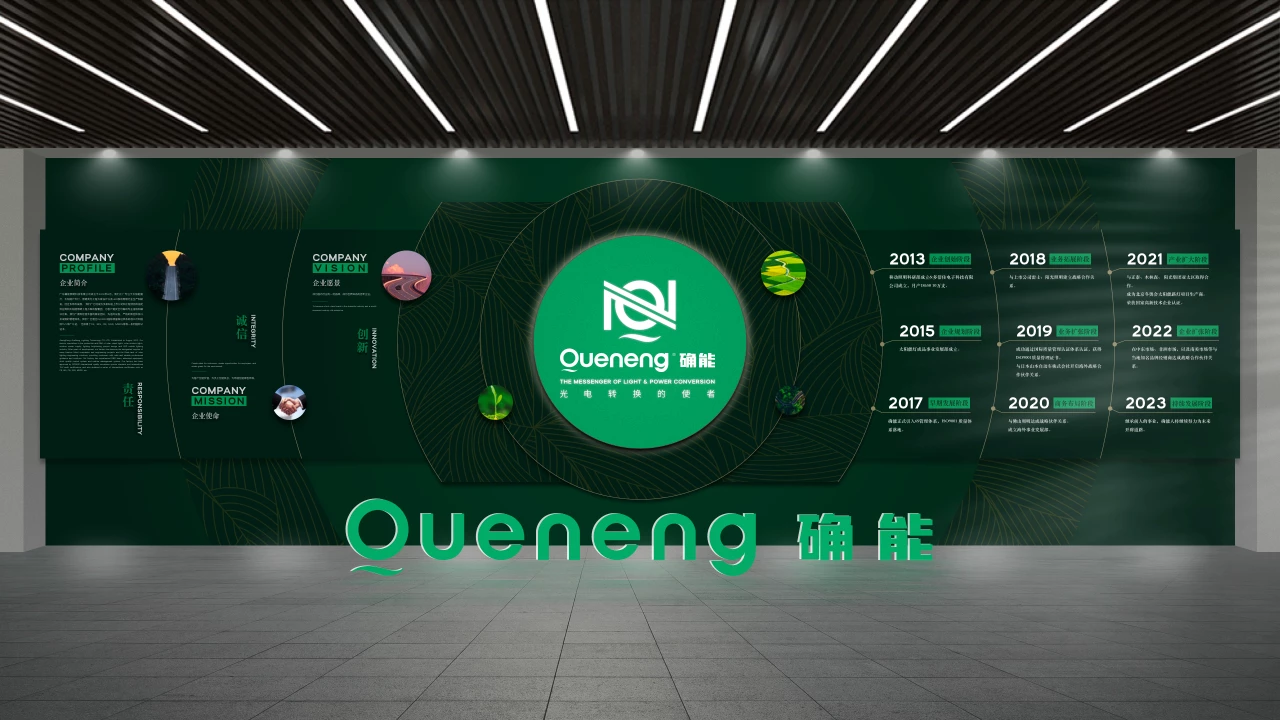
GuangDong Queneng Lighting Technology Co., Ltd. (founded 2013) specializes in end-to-end solar lighting solutions including Solar Street Lights, Solar Spot lights, Solar Garden Lights, Solar Lawn lights, Solar Pillar Lights and Solar Photovoltaic Panels, plus portable outdoor power supplies and batteries. With years of engineering and project delivery experience, Queneng acts not only as a manufacturer but also as a solar lighting engineering solutions think tank. The company provides:
- Comprehensive product lines for municipal applications — from pole-mounted solar street lights to solar photovoltaic panels optimized for integrated systems.
- Project design, engineering, and lighting project management services suitable for leasing, PPP, and ESCO structures.
- Quality systems and certifications: ISO 9001, TÜV audit approvals and international certifications including CE, UL, BIS, CB, SGS and MSDS — ensuring compliance with international procurement requirements.
- R&D and manufacturing capacity enabling customization of system autonomy, battery chemistry (Li-ion or recommended alternatives), and smart control integration.
These capabilities make Queneng a pragmatic choice for municipalities seeking suppliers that can support financing model requirements — they can supply certified products, support M&V installation, and participate in long-term service contracts required under PPP or ESCO models.
Practical steps to implement a funded municipal solar program
Municipal Solar Street Light: step-by-step implementation checklist
- Conduct a lighting audit and prioritize corridors by safety, energy cost, and social impact.
- Define scope (number of poles, lighting class, autonomy) and run a whole-life cost model for each financing option.
- Decide procurement route (leasing, PPP, ESCO) based on fiscal rules and internal capacity.
- Prepare tender documents with clear M&V and handback clauses; require proof of certifications and performance references.
- Pilot in 1–3 zones with diverse conditions; require frequent reporting and a joint review after 6–12 months.
- Scale based on pilot results and re-negotiate terms if required, ensuring lessons on vandalism, theft mitigation, and maintenance are applied.
FAQ — Frequently asked questions
1. What is the typical lifespan of a Municipal Solar Street Light system?
Component lifespans vary: LED fixtures typically last 50,000–100,000 hours; batteries depend on chemistry (sealed lead-acid 3–5 years, high-quality Li-ion 8–12+ years depending on cycles and depth-of-discharge). PV modules commonly have 20–25 year performance warranties. Whole-system lifespan depends on maintenance practices and environmental stressors.
2. Which financing model reduces municipal balance-sheet impact the most?
Leasing and well-structured PPPs can keep upfront CapEx off a municipality’s balance sheet depending on accounting treatment and contract specifics. Consult local public accounting rules (IPSAS or local GAAP) and ensure lawyers review the contract classification.
3. How do ESCO guarantees work for solar street lighting?
ESCOs typically guarantee a target level of energy or cost savings relative to a measured baseline. For solar street lighting, guarantees often focus on system uptime, illuminance levels, and lifecycle maintenance rather than kWh savings alone. Robust M&V frameworks are essential to avoid disputes.
4. Are there international funds or grants available to co-finance Municipal Solar Street Light projects?
Yes. Programs such as World Bank, GEF, Climate Investment Funds, regional development banks and dedicated programs (e.g., Lighting Africa/IFC) have supported municipal lighting projects or provided technical assistance. Cities should explore national green funds and multi-lateral funding for co-financing or capacity building.
5. How can a city mitigate theft and vandalism risk for off-grid lighting?
Design measures (tamper-proof fittings, concealed batteries at base of pole in locked enclosures, robust anchors), community engagement, insurance clauses, and rapid-response maintenance contracts help reduce theft/vandalism impacts. Including local stakeholders in planning increases ownership and reduces vandalism in many contexts.
6. Can leasing contracts include maintenance and monitoring?
Yes. Full-service leases (often called 'lighting-as-a-service') commonly bundle equipment, installation, maintenance, and remote monitoring into periodic payments, simplifying municipal management and ensuring predictable service levels.
Contact and next steps
Municipal Solar Street Light: get expert support or request a proposal
If your city is evaluating Municipal Solar Street Light options and needs procurement-ready specifications, financing analysis, or a pilot design, contact our team for a feasibility study or a proposal. For turnkey systems and engineering-driven product sourcing, consider contacting GuangDong Queneng Lighting Technology Co., Ltd. to discuss certified product lines and project support tailored to leasing, PPP, or ESCO models.
Reach out now to request a pilot proposal, obtain detailed pricing, or book a technical briefing on structuring leases, PPP contracts, or ESCO guarantees for municipal street lighting.
References and further reading
- International Renewable Energy Agency (IRENA), Renewable Power Generation Costs in 2019 (report), https://www.irena.org/publications/2020/Jun/Renewable-Power-Costs-in-2019 — accessed 2025-12-24.
- International Energy Agency (IEA), Solar PV (tracking and reports), https://www.iea.org/reports/solar-pv — accessed 2025-12-24.
- World Bank / IFC, Lighting Africa program — technology and project support: https://www.lightingafrica.org/ — accessed 2025-12-24.
- World Bank, Urban Development and municipal financing guides: https://www.worldbank.org/en/topic/urbandevelopment — accessed 2025-12-24.
- International Performance Measurement & Verification Protocol (IPMVP): https://evo-world.org/en/products-services-mainmenu-en/protocols/ipmvp — accessed 2025-12-24.
- BloombergNEF, solar cost and LCOE datasets, (sector reports), https://about.bnef.com/ — accessed 2025-12-24.
- GuangDong Queneng Lighting Technology Co., Ltd. — company profile and product overview (provided by company materials).
For additional technical templates (sample RFP language, M&V checklist, whole-life cost model) request the municipal package from our consultancy or ask GuangDong Queneng for product datasheets and compliance certificates.

Have more questions about our products or services?
The latest hot news you might like

Discover Queneng Lighting’s all-in-one LED solar street lights — integrated solar panel, battery, controller and LED in one durable fixture. Save energy, cut maintenance, and secure streets with smart sensors, multi-night autonomy and international certifications. Contact sales for quotes and support.

Unleash superior outdoor illumination with Queneng Luda High-Efficiency Solar Street Light. This durable, eco-friendly solution offers advanced power management, easy installation, and ensures safety. Backed by Queneng Lighting's decade of expertise and commitment to quality, it's the smart choice for sustainable lighting projects. Learn why we're a leading solar solutions provider.

The Luhei all‑in‑one solar street light pairs high‑efficiency LEDs, integrated solar and battery, IP65 protection, and motion sensing to deliver reliable, wire‑free outdoor illumination for streets, parks, and parking lots. Backed by Queneng Lighting’s certifications and support.

FAQ
Solar Street Light Luzhou
Are Luzhou solar street lights suitable for urban and residential areas?
Yes, Luzhou solar street lights are versatile and suitable for both urban and residential settings. They can be installed along streets, pathways, parks, and other public spaces, providing reliable, energy-efficient lighting wherever it's needed.
Sustainability
Does Queneng offer installation services?
Yes, we provide installation support based on project requirements, including professional installation guidance and technical consultation. If needed, our team can arrange on-site installation services.
Industry
Does Queneng offer off-grid solar systems?
Yes, we provide off-grid solar lighting systems designed for remote areas or regions without grid coverage, meeting the specific lighting needs in these areas.
Do Queneng’s solar street lights have anti-theft protection?
Our solar street lights are designed with security features, including durable casings and anti-theft bolts, minimizing the risk of theft.
Schools and Educational Institutions
Can solar lights be controlled remotely?
Yes, we offer smart solar lighting systems with remote control capabilities, allowing you to manage and monitor the lights from anywhere.
Municipal and Public Infrastructure
Can the lights be customized for specific municipal projects?
Yes, we offer tailored solutions to meet the unique requirements of different projects, including variations in design, brightness, height, and operation modes.
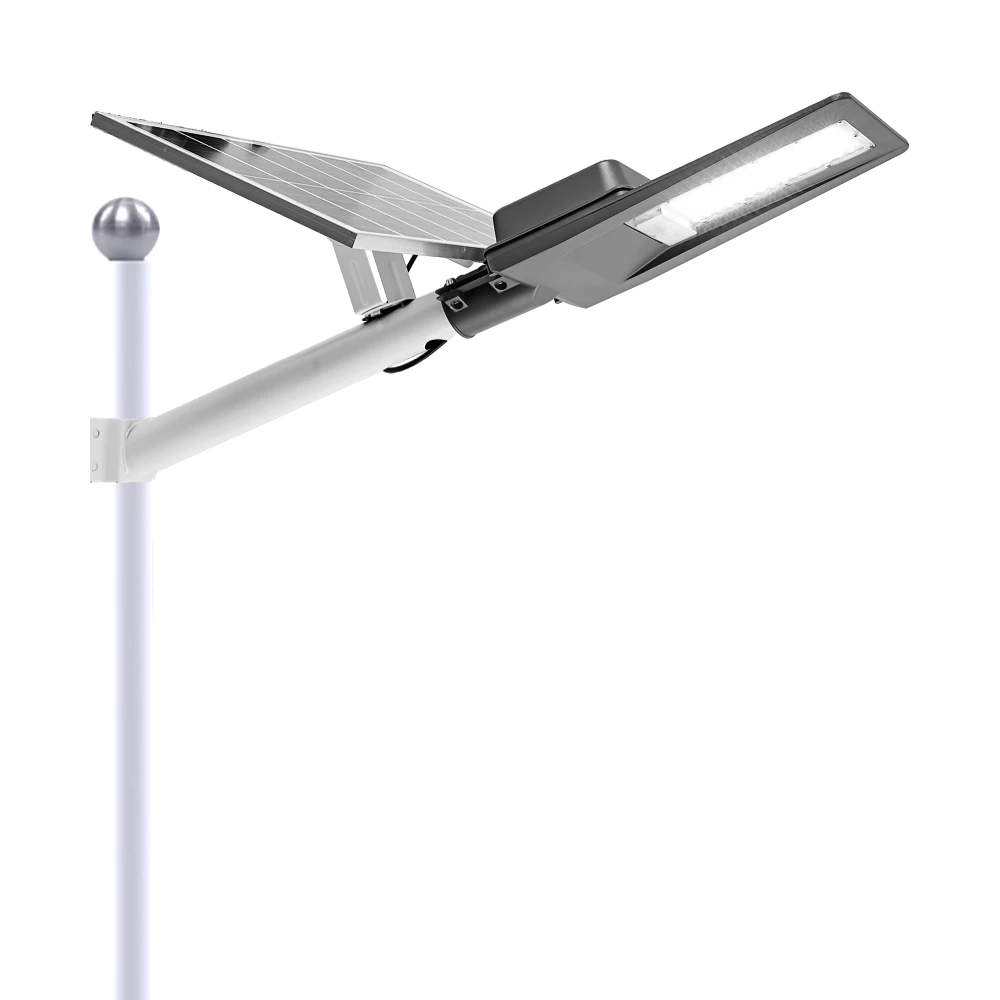
Experience reliable outdoor illumination with our smart solar street light, a perfect combination of advanced technology and eco-conscious design.
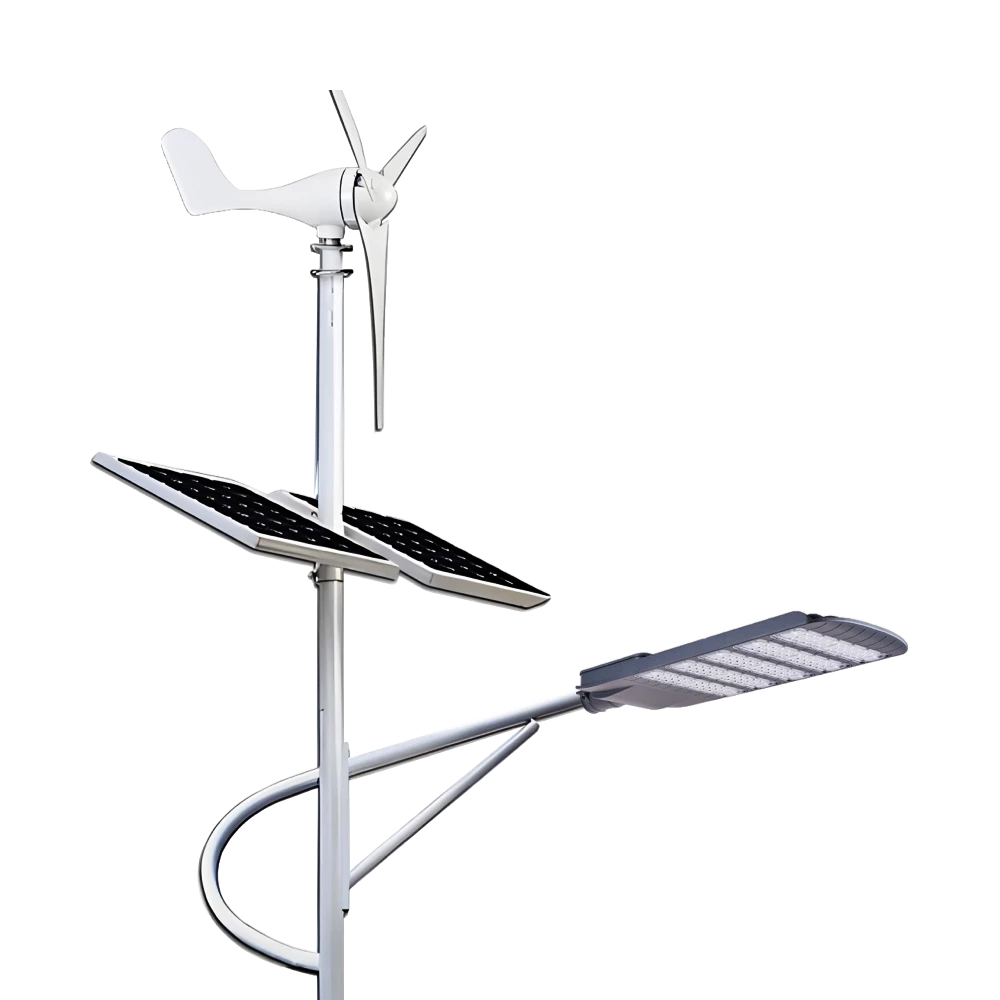
Queneng Lufeng Wind Energy LED Outdoor Solar Street Lights offer high-performance, eco-friendly illumination. These energy-efficient LED street lights harness solar power and wind energy for sustainable, cost-effective outdoor lighting solutions.
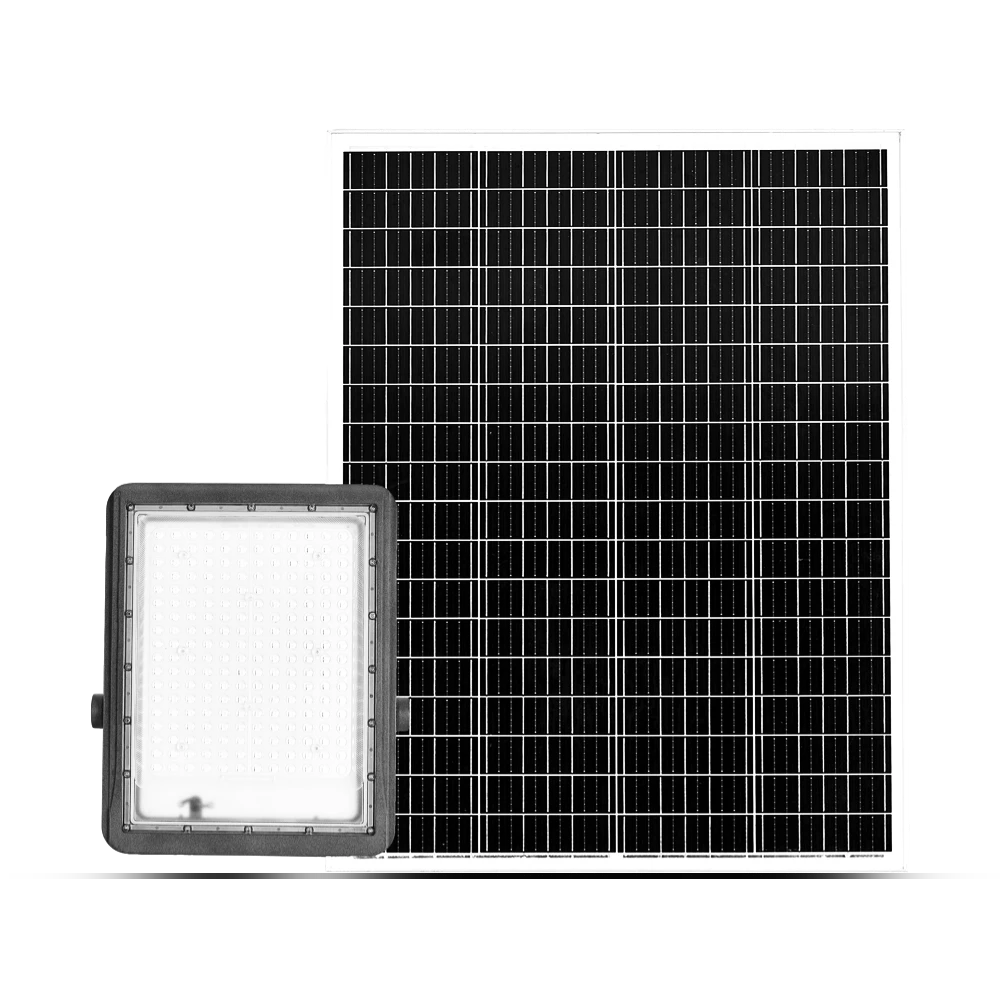
Queneng's Luxian Reliable Solar Street Light offers energy-saving LED lighting for outdoor use. This durable, solar-powered street light provides reliable illumination, reducing energy costs and environmental impact. A perfect solution for sustainable outdoor lighting.
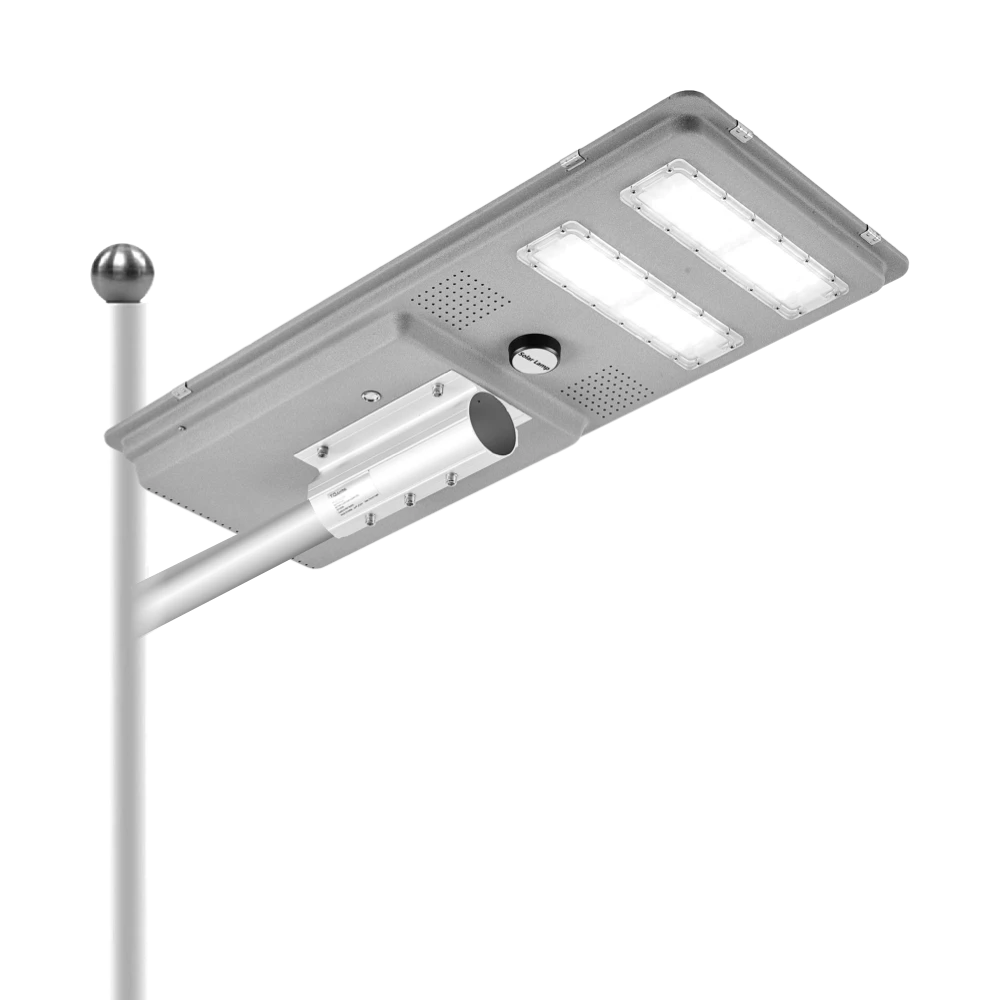
Queneng’s Solar Street Lights are designed to provide reliable, energy-efficient lighting for streets, parks, and other outdoor spaces.
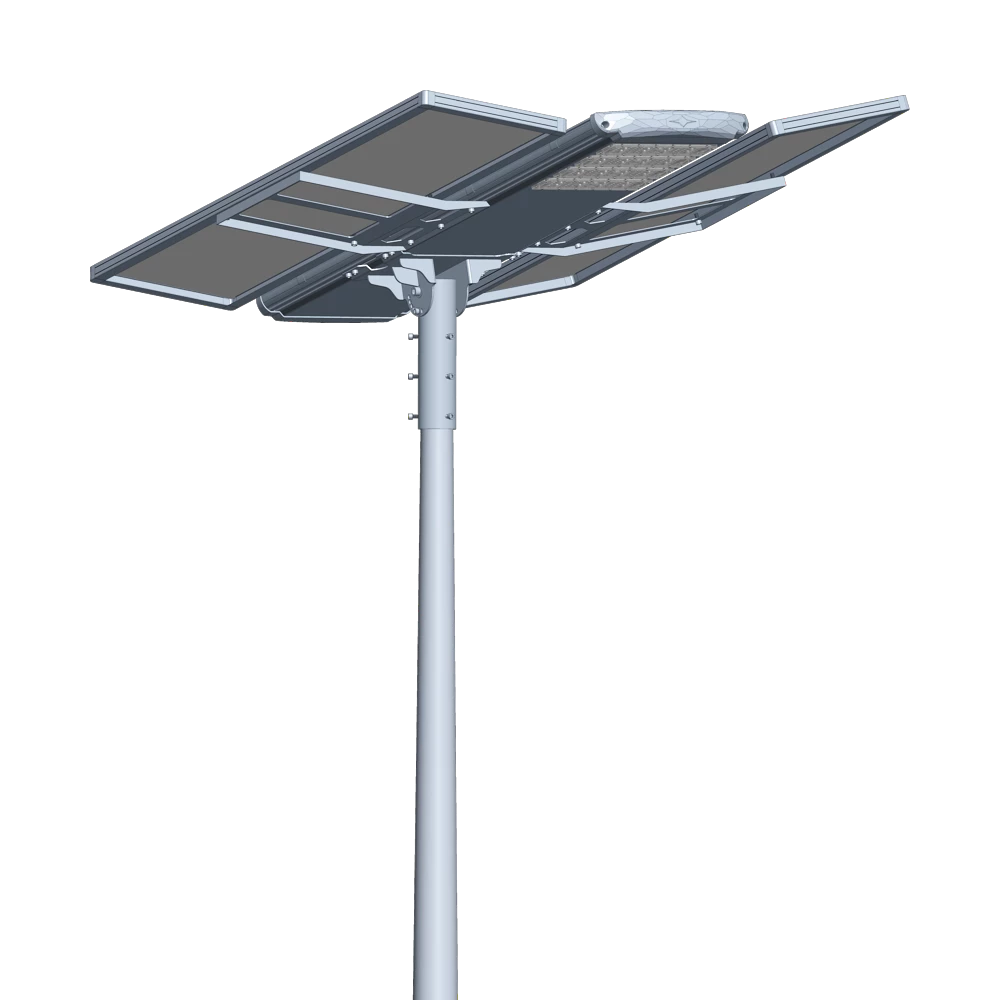
Introducing the Luqing Solar Street Light by Queneng, Efficient LED lighting powered by solar energy is perfect for illuminating outdoor areas. Harness the power of solar energy for sustainable, reliable street lighting. Ideal for eco-friendly, cost-effective outdoor illumination solutions.
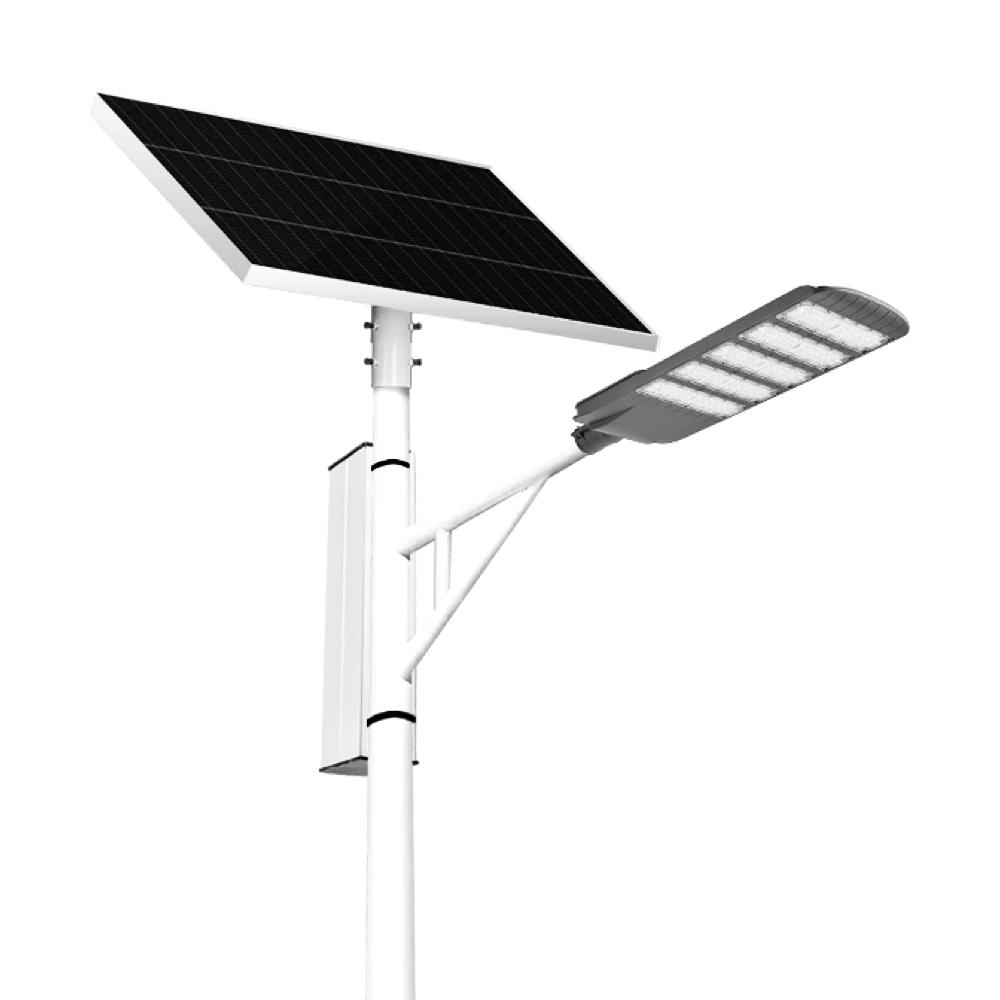
The Solar Streetlights of Luhao for Municipalities are designed to deliver reliable, energy-efficient, and cost-effective public lighting solutions. Equipped with advanced LED technology, durable lithium batteries, and high-efficiency solar panels, these streetlights provide consistent illumination for roads, parks, residential areas, and government projects.
Our professional team is ready to answer any questions and provide personalized support for your project.
You can reach us via phone or email to learn more about Queneng’s solar lighting solutions. We look forward to working with you to promote clean energy solutions!
Rest assured that your privacy is important to us, and all information provided will be handled with the utmost confidentiality.
By clicking 'Send Inquiry Now' I agree to Queneng processing my personal data.
To see how to withdraw your consent, how to control your personal data and how we process it, please see our Privacy Policy and Terms of use.
Schedule a Meeting
Book a date and time that is convenient for you and conduct the session in advance.
Have more questions about our products or services?
The messenger of light & power conversion
Environmental protection and intelligent manufacturing are our brand philosophy, and quality assurance and the best user experience are our eternal promises to users.
CONTACT
No.9F, Building F, Cao San Xin Tian Hong Logistics Park, Guzhen Town, Zhongshan City, Guangdong Province, China.
or write [email protected]
WhatsApp: +86 136 2270 1011


