














Foundation and Pole Types for Solar Street Light Stability
Why Foundation and Pole Design Determines Longevity
Site Assessment for Municipal Solar Street Light — key first step
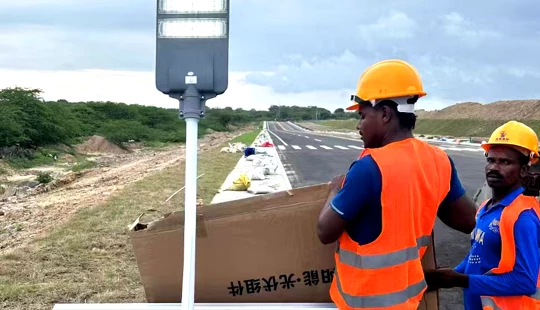
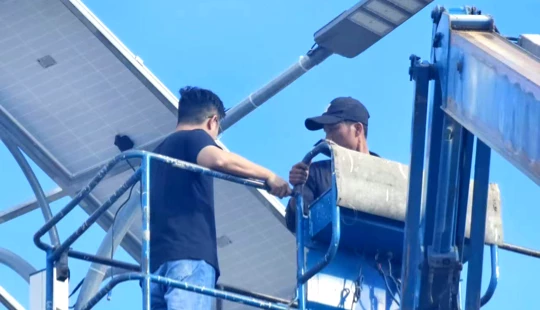
Proper foundation and pole selection begin with a site assessment tailored to the needs of a municipal solar street light installation. The goal is to match the pole/foundation system to local soil conditions, site geometry, expected wind and seismic loads, and maintenance constraints. A poor or generic foundation is the most common cause of premature lean, tilt, or collapse of solar street light installations; conversely, a well-specified foundation yields decades of trouble-free service, maximizes life-cycle value, and lowers total cost of ownership.
Wind and Environmental Loads for Municipal Solar Street Light
Wind is the dominant design driver for poles with solar arrays and luminaires because solar modules increase projected area and add eccentric loads. Municipal solar street light designers must use local design wind speeds (often from national codes or meteorological data) and account for factors such as exposure category, gust factors, and topography. Design standards commonly referenced include ASCE 7 (US), Eurocode EN 1991-1-4 (Europe), and national lighting column guidance (e.g., ILP guidance in the UK). Seismic action, ice accretion and thermal cycling should also be evaluated where relevant.
Pole Material & Types for Municipal Solar Street Light
Pole selection affects strength, maintenance, and cost. Common types used for municipal solar street light projects include:
- Galvanized steel tapered poles — high strength, economical, widely used for heights 4–12 m.
- Aluminum poles — lighter and corrosion-resistant, useful in coastal environments, but higher material cost.
- Concrete poles — very durable and vandal-resistant in some contexts; heavier, requiring different foundation solutions.
- Composite (FRP) poles — non-corroding and lightweight, emerging for specific applications.
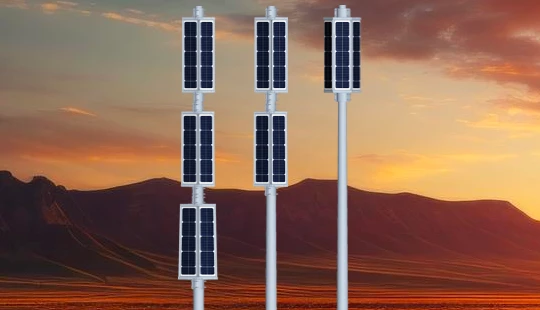
For municipal solar street light systems, poles are often fitted with top-mounted arms for luminaires and solar panels mounted either at the top or on a dedicated bracket. The added area from panels increases overturning moments, so designers often upgrade pole class or increase foundation capacity compared with a traditional electrical streetlight pole.
Common Mounting and Anchoring Methods for Municipal Solar Street Light
Three main mounting/anchoring approaches are used:
- Flanged-base pole bolted to a reinforced concrete foundation (anchor-bolt system) — common for urban installations with controlled access during construction.
- Direct-embed (in-ground) poles — pole shaft extends into concrete that envelopes the lower section; typically used for shorter poles and where cost or aesthetics favor embedded solutions.
- Pile-based foundations (driven piles or helical screw piles) — used in soft soils, high water table, or sites where deep foundations reduce settlement and provide high overturning resistance.
Foundation Options for Municipal Solar Street Light — selection guidance
Choosing the right foundation requires balancing geotechnical conditions, pole height and moment due to wind, available excavation space, construction access, and budget. The most common foundation types for municipal solar street light installations are summarized in the table below.
| Foundation Type | Typical Use Cases | Advantages | Limitations |
|---|---|---|---|
| Reinforced Concrete Pad with Anchor Bolts (flanged base) | Urban streets, medium to tall poles (6–12 m), predictable soil | Easy pole replacement; proven; high stiffness | Requires excavation & formwork; vulnerable to poor bolt setting if QA fails |
| Direct Embed (cast-in-place) | Lower poles (<8 m), areas with lower traffic disruption tolerance | Simple; lower up-front cost | Difficult to replace pole; quality depends on concrete consolidation |
| Helical Screw Piles | Soft soils, high water table, rapid installation sites | Fast installation; immediate loading; minimal excavation | Higher unit cost; requires experienced installer; torque-to-capacity correlation |
| Driven Steel Piles | Weak surface soils with firm strata at depth | High axial and lateral capacity; proven performance | Noisy; vibration; requires piling rig |
| Ballast / Precast Block (temporary or restricted soil) | Short-term installations, retrofit on utilities, or weak substrates | No excavation; relocatable | Bulky; limited capacity; not ideal for high-wind or tall poles |
Design Considerations and Verification for Municipal Solar Street Light
Designers should calculate factored overturning moments from wind loads and compare those to foundation overturning capacity and sliding resistance. Typical verification steps:
- Obtain local wind speed and exposure class (ASCE 7, EN 1991-1-4, national standards).
- Calculate wind pressure on luminaire, pole, and solar array using projected areas and drag coefficients.
- Compute resulting bending moments at the base and required foundation resisting moment with appropriate safety factors.
- Check bearing capacity and settlement against geotechnical report.
- Design concrete reinforcement, anchor bolt layout, or pile capacity per applicable structural codes.
Where possible, use published guidance such as the Institution of Lighting Professionals’ structural design notes or national highway authority standards. For municipal solar street light projects, having a geotechnical report is essential for any foundation deeper than simple shallow footings.
Practical Sizing Examples for Municipal Solar Street Light (Illustrative)
The following are illustrative, not substitute for engineering design. Example assumptions: 8 m pole with 1.2 m2 solar panel area at the top, luminaire and arm weights small by comparison, design wind speed 40 m/s (basic), exposure category B. Approximate overturning moments and foundation guidance may look like:
| Pole Height | Typical Foundation Type | Typical Concrete Volume | Notes |
|---|---|---|---|
| ≤ 6 m | Direct embed or small pad | 0.15–0.25 m³ | Lower moments; embedment depth 0.6–1.0 m typical |
| 6–10 m | Flanged base on reinforced concrete pad | 0.3–0.8 m³ | Pad diameter 0.6–1.2 m typical depending on loads |
| >10 m | Deep pile or large pad | 0.8+ m³ or piles as required | Detailed geotechnical and structural design required |
These ranges are for planning only and are sensitive to wind speed, soil bearing capacity and pole geometry. Final sizing must be performed by a qualified structural engineer using local codes.
Installation Best Practices for Municipal Solar Street Light
Quality-controlled installation is as important as good design. Best practices include:
- Setting anchor bolts using templates and verifying coordinates & levels before concrete pour.
- Curing concrete for specified time before loading—typically 7–28 days depending on concrete strength criteria and rapid-strength mixes.
- Torque-verifying anchor bolts after initial load using calibrated tools.
- Documenting as-built surveys for bolt locations, foundation elevations, and soil conditions encountered.
- Using corrosion protection: hot-dip galvanizing for steel poles, epoxy primer and paint systems, or cathodic protection where needed (coastal areas).
Inspection and Maintenance for Municipal Solar Street Light
Municipalities should institute periodic inspections (e.g., annual visual checks and a structural check every 5–10 years depending on environment). Key focus areas include anchor-bolt integrity, base plate corrosion, concrete cracking or spalling, and tilt/settlement. For solar arrays, ensure that the panel mounting does not loosen over time; loose panels increase dynamic loads. A documented maintenance schedule reduces lifecycle costs and improves safety.
Comparing Foundation Costs and Lifecycle Risks for Municipal Solar Street Light
When procuring municipal solar street light systems, consider lifecycle cost and risk rather than lowest initial price. The table below compares high-level lifecycle considerations.
| Option | Initial Cost | Maintenance Burden | Lifecycle Risk |
|---|---|---|---|
| Shallow pad / embed | Low–Medium | Low | Moderate if soil is good; higher in poor or high-wind sites |
| Flanged base on concrete | Medium | Medium (bolt checks) | Low with proper QA; bolts are replaceable |
| Helical piles / driven piles | Medium–High | Low | Low in soft soils; high reliability if installed to spec |
Standards and Codes to Reference for Municipal Solar Street Light
Design teams should reference applicable structural and lighting column codes during specification and design. Commonly used documents include:
- ASCE 7 — Minimum Design Loads for Buildings and Other Structures (wind actions guidance) (US).
- EN 1991-1-4 — Eurocode 1: Actions on structures — Wind actions (Europe).
- EN 40 — Lighting columns design and verification (Europe).
- National highway or municipal standards for luminaire supports (varies by country).
Why Choose an Experienced Supplier for Municipal Solar Street Light Projects
Selecting a supplier with both product quality and engineering support matters. A reliable supplier offers validated pole/foundation details, certified components (e.g., poles with galvanizing meeting ISO standards), and access to engineering calculations or site-specific input. For municipal solar street light projects that are part of larger civil works, a supplier who can support lighting project design and provide documentation (load calculations, certificates for materials) reduces procurement and instalment risk.
About GuangDong Queneng Lighting Technology Co., Ltd. — Supplier profile for Municipal Solar Street Light
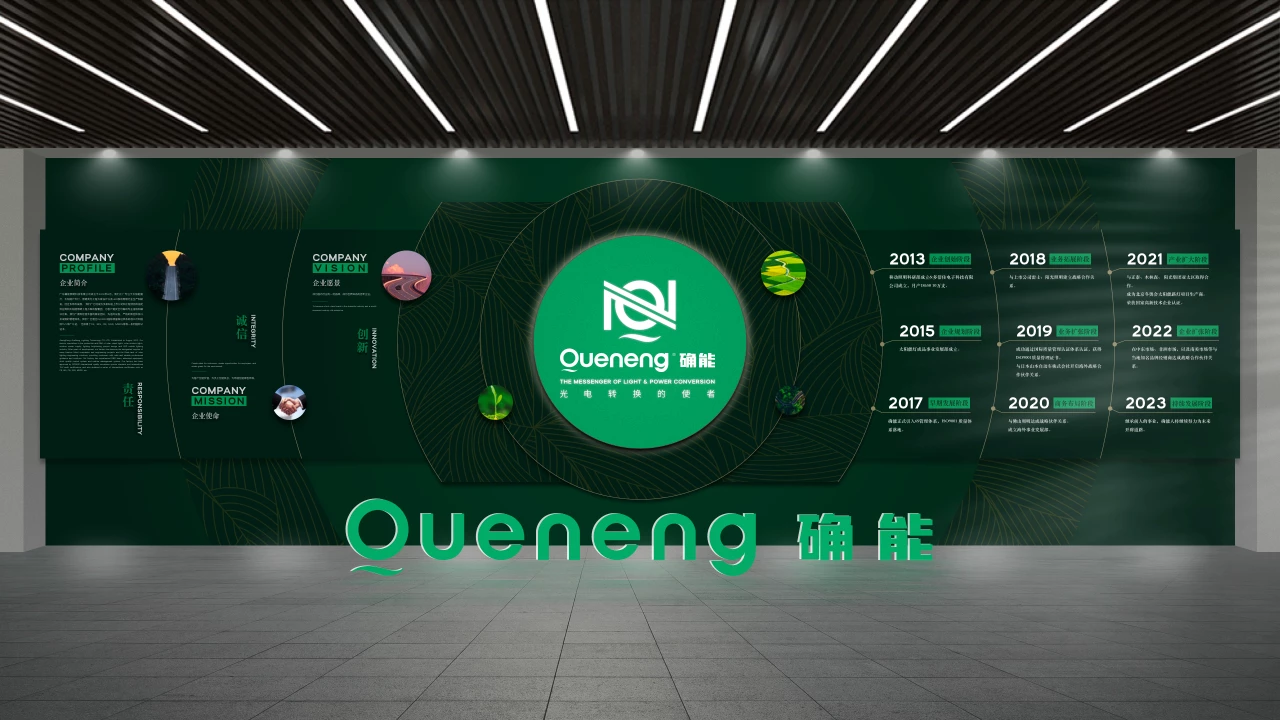
GuangDong Queneng Lighting Technology Co., Ltd. Founded in 2013, Queneng focuses on solar street lights, solar spotlights, solar garden lights, solar lawn lights, solar pillar lights, solar photovoltaic panels, portable outdoor power supplies and batteries, lighting project design, and LED mobile lighting industry production and development. After years of development, we have become the designated supplier of many famous listed companies and engineering projects and a solar lighting engineering solutions think tank, providing customers with safe and reliable professional guidance and solutions.
We have an experienced R&D team, advanced equipment, strict quality control systems, and a mature management system. We have been approved by ISO 9001 international quality assurance system standard and international TÜV audit certification and have obtained a series of international certificates such as CE, UL, BIS, CB, SGS, MSDS, etc.
Queneng’s main products and advantages for municipal solar street light projects:
- Product range: Solar Street Lights, Solar Spot lights, Solar Lawn lights, Solar Pillar Lights, Solar Photovoltaic Panels, Solar Garden Lights — allowing package procurement and design compatibility.
- Engineering capability: Turnkey lighting project design support and site-specific guidance for pole/foundation design when combined with local geotechnical data.
- Quality & certifications: ISO 9001 & TÜV audit plus CE/UL/BIS/CB/SGS attest to manufacturing governance and product compliance for many export markets.
- Experience in large projects: Supplier to listed companies and engineering projects — useful for municipal tenders needing proven partners.
For municipalities seeking a partner who can both supply components and provide engineering guidance for foundations and poles, Queneng is positioned to deliver certified products and documented support that align with national and international design expectations.
Frequently Asked Questions (FAQ) — Municipal Solar Street Light Foundations & Poles
- Q: How do I know which foundation type suits my municipal solar street light site?
A: Commission a geotechnical report as the first step. The report provides bearing capacity, groundwater depth and stratigraphy—critical inputs that determine whether a shallow pad, pile foundation or helical pile is appropriate. Also consider pole height, local wind speeds, traffic loads and lifecycle goals.
- Q: Can I use a standard pole foundation design for all locations?
A: No. Standardized details can be used only where soil and wind conditions match the assumptions. For high-wind areas, coastal sites, or where solar panels increase projected area significantly, site-specific verification is required.
- Q: What is the maintenance frequency for pole foundations?
A: Visual inspections annually; comprehensive structural and corrosion checks every 5–10 years, depending on environment. More frequent checks are recommended in corrosive coastal or industrial locations.
- Q: Are helical piles a good choice for municipal solar street light projects?
A: Yes, especially where minimal excavation is desired, or soil is soft with a high water table. They allow rapid installation and immediate load application, but require an experienced installer and torque-based verification to ensure capacity.
- Q: How should anchor bolts be specified for flanged-base poles?
A: Anchor bolt type, embedment depth, diameter and grade should be specified by structural design and follow applicable standards. Use setting templates, specify concrete strength and curing times, and require torque verification after installation.
- Q: What role does solar panel orientation play in pole/foundation design?
A: Panel orientation and tilt change the projected area and wind loading. East-west facing arrays generally have different wind projections than south-facing arrays; include the worst-case projected area in structural calculations.
- Q: Who should sign off on the final foundation design?
A: A licensed structural engineer and, where required, a geotechnical engineer should review and approve foundation designs for municipal projects.
For specific product details, foundation drawings, or project-level quotations for municipal solar street light solutions, contact GuangDong Queneng Lighting Technology Co., Ltd. or view their product catalog and technical resources to match poles, luminaires and solar modules with appropriate foundation systems.
References and Further Reading
- ASCE 7 — Minimum Design Loads for Buildings and Other Structures, American Society of Civil Engineers. (Reference for wind load methodology). Accessed: https://www.asce.org/ (accessed 2025-12-01)
- EN 1991-1-4 Eurocode 1: Actions on structures — Wind actions. European Committee for Standardization information page. Accessed: https://eurocodes.jrc.ec.europa.eu/showpage.php?id=130 (accessed 2025-12-02)
- Institution of Lighting Professionals (ILP) — Guidance on the structural design of lighting columns. https://theilp.org.uk/ (Technical guidance accessed 2025-11-20)
- ISO 9001 — Quality management systems. International Organization for Standardization. https://www.iso.org/iso-9001-quality-management. (accessed 2025-11-25)
- TÜV SÜD — Testing, certification and auditing services information. https://www.tuv.com/ (accessed 2025-11-25)
- Helical Piles Industry overview and installation principles — example resource: Screw Pile Institute (industry association). https://www.screwpileinstitute.org/ (accessed 2025-10-10)
- Lighting Research Center (LRC), Rensselaer Polytechnic Institute — lighting and pole guidance resources. https://www.lrc.rpi.edu/ (accessed 2025-11-15)
- NOAA / National Weather Service — wind and extreme weather resources. https://www.weather.gov/ (accessed 2025-11-30)
For tailored engineering guidance, foundation drawings, or to request a municipal-scale lighting design package including pole/foundation details and product datasheets, contact GuangDong Queneng Lighting Technology Co., Ltd. — they can provide certified components, engineering support and project references to support municipal procurement and installation.

Have more questions about our products or services?
The latest hot news you might like

Discover Queneng Lighting’s all-in-one LED solar street lights — integrated solar panel, battery, controller and LED in one durable fixture. Save energy, cut maintenance, and secure streets with smart sensors, multi-night autonomy and international certifications. Contact sales for quotes and support.

Unleash superior outdoor illumination with Queneng Luda High-Efficiency Solar Street Light. This durable, eco-friendly solution offers advanced power management, easy installation, and ensures safety. Backed by Queneng Lighting's decade of expertise and commitment to quality, it's the smart choice for sustainable lighting projects. Learn why we're a leading solar solutions provider.

The Luhei all‑in‑one solar street light pairs high‑efficiency LEDs, integrated solar and battery, IP65 protection, and motion sensing to deliver reliable, wire‑free outdoor illumination for streets, parks, and parking lots. Backed by Queneng Lighting’s certifications and support.

FAQ
Tourist Attractions and Resorts
How long does it take to install solar lighting at a resort or tourist attraction?
The installation time for solar lighting systems is typically shorter than conventional electrical lighting. Depending on the size and complexity of the site, installation can usually be completed within a few days to a week.
What is the lifespan of solar lighting systems for tourist attractions and resorts?
The lifespan of solar lighting systems typically ranges from 5 to 10 years, depending on the quality of the materials and the environment in which they are used. Proper maintenance can extend the lifespan significantly.
Battery Performance and Testing
What is self-discharge of secondary batteries?
who we are
What sets Queneng apart from other solar lighting companies?
Our strong focus on innovation, quality, and customer satisfaction sets us apart. We have over a decade of experience in the solar industry and are committed to delivering high-quality, energy-efficient solutions that meet international standards. Our products are designed for durability, and our customer service ensures reliable support at every stage.
Solar Street Light Luqing
How long does the solar street light last?
The lifespan of a solar street light depends on the quality of the components, but typically, the solar panels can last up to 25 years, and the LED lights last 50,000 hours or more. The battery generally lasts between 3-5 years, after which it may need to be replaced.
Battery fundamentals and basic terms
What is the electrochemistry of NiMH batteries?
Nickel-metal hydride batteries use Ni oxide as the positive electrode, hydrogen storage metal as the negative electrode, and alkaline solution (mainly KOH) as the electrolyte, when charging nickel-metal hydride batteries:
Positive reaction: Ni(OH)2 + OH- → NiOOH + H2O-e-
Negative reaction: M+H2O +e-→ MH+ OH-
Nickel-metal hydride battery discharge:
Positive pole reaction: NiOOH + H2O + e- → Ni(OH)2 + OH-
Negative reaction: MH+OH- → M+H2O+e-
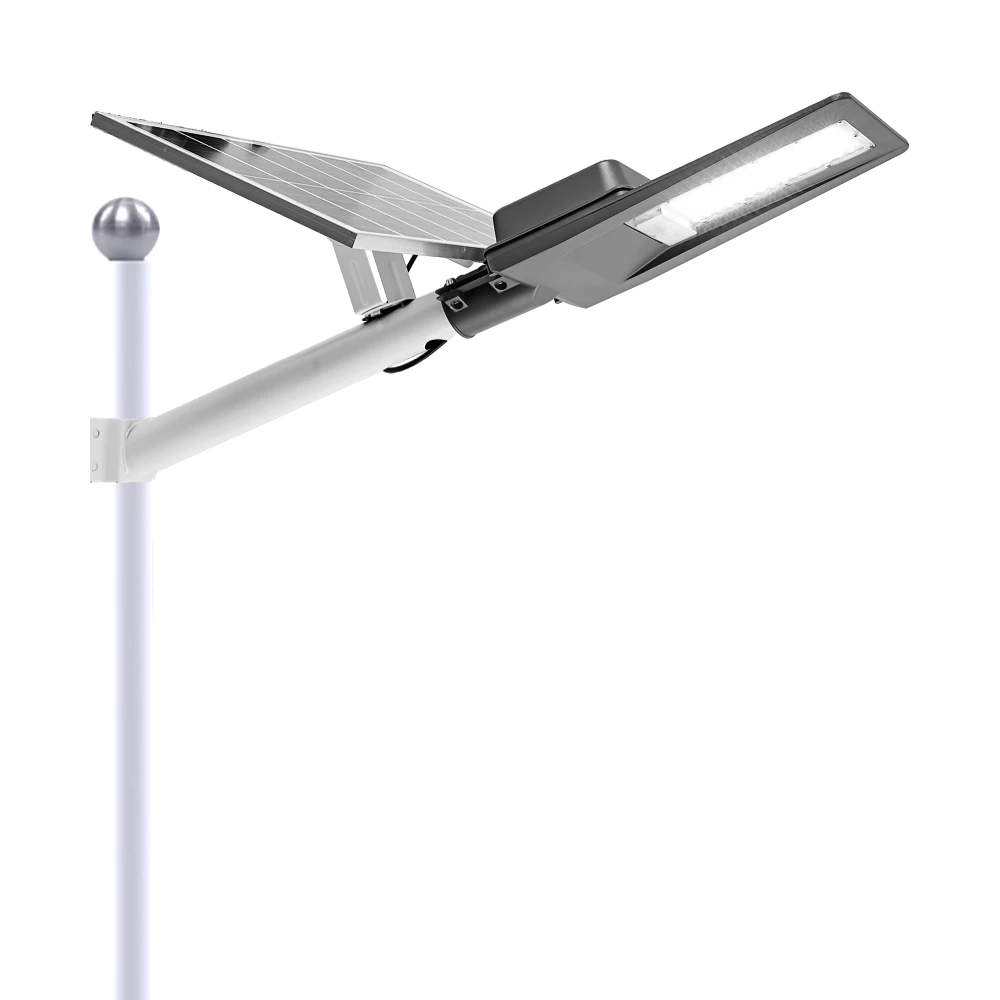
Experience reliable outdoor illumination with our smart solar street light, a perfect combination of advanced technology and eco-conscious design.
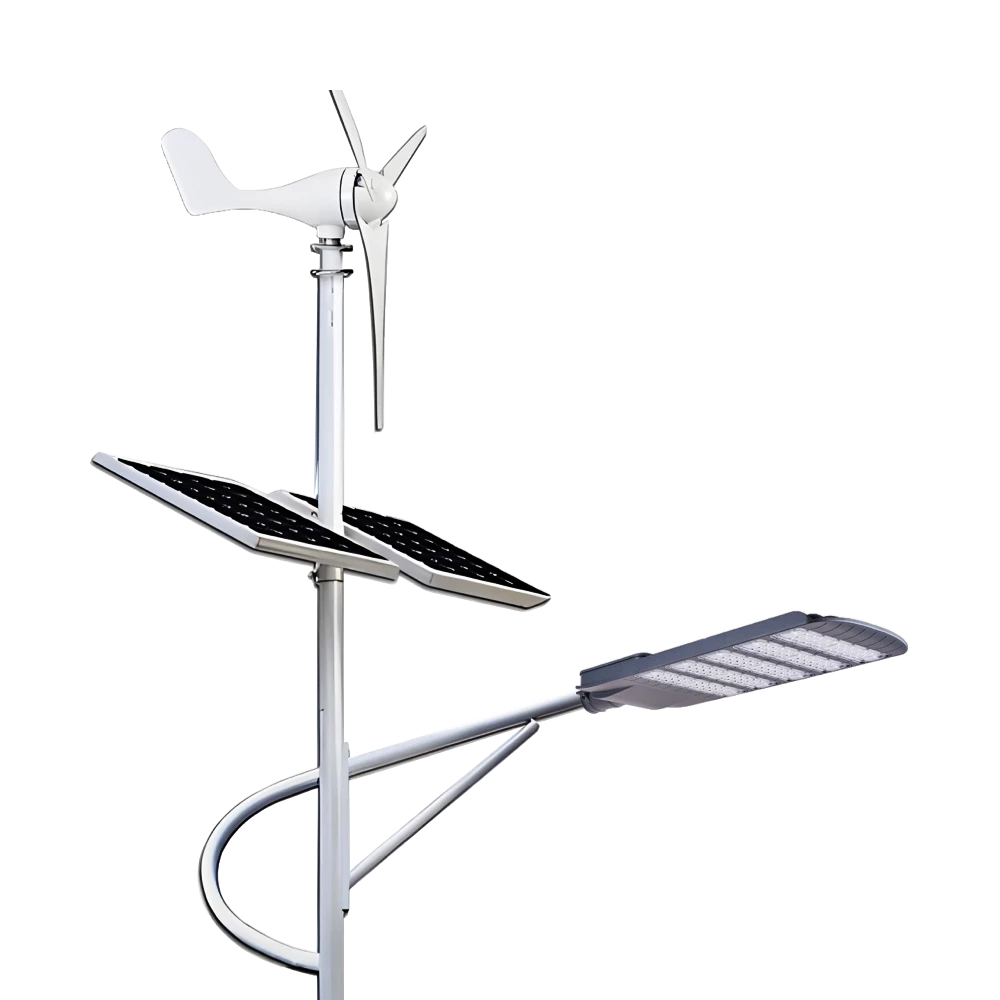
Queneng Lufeng Wind Energy LED Outdoor Solar Street Lights offer high-performance, eco-friendly illumination. These energy-efficient LED street lights harness solar power and wind energy for sustainable, cost-effective outdoor lighting solutions.
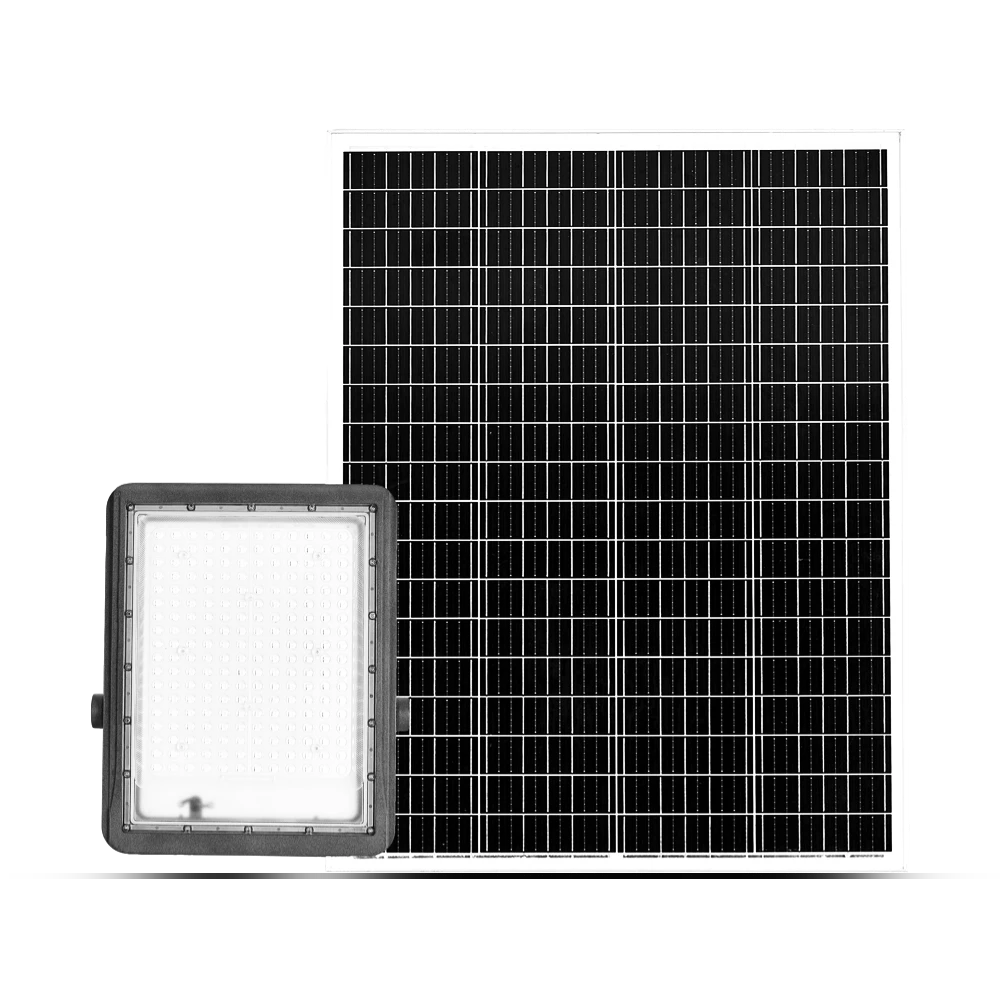
Queneng's Luxian Reliable Solar Street Light offers energy-saving LED lighting for outdoor use. This durable, solar-powered street light provides reliable illumination, reducing energy costs and environmental impact. A perfect solution for sustainable outdoor lighting.
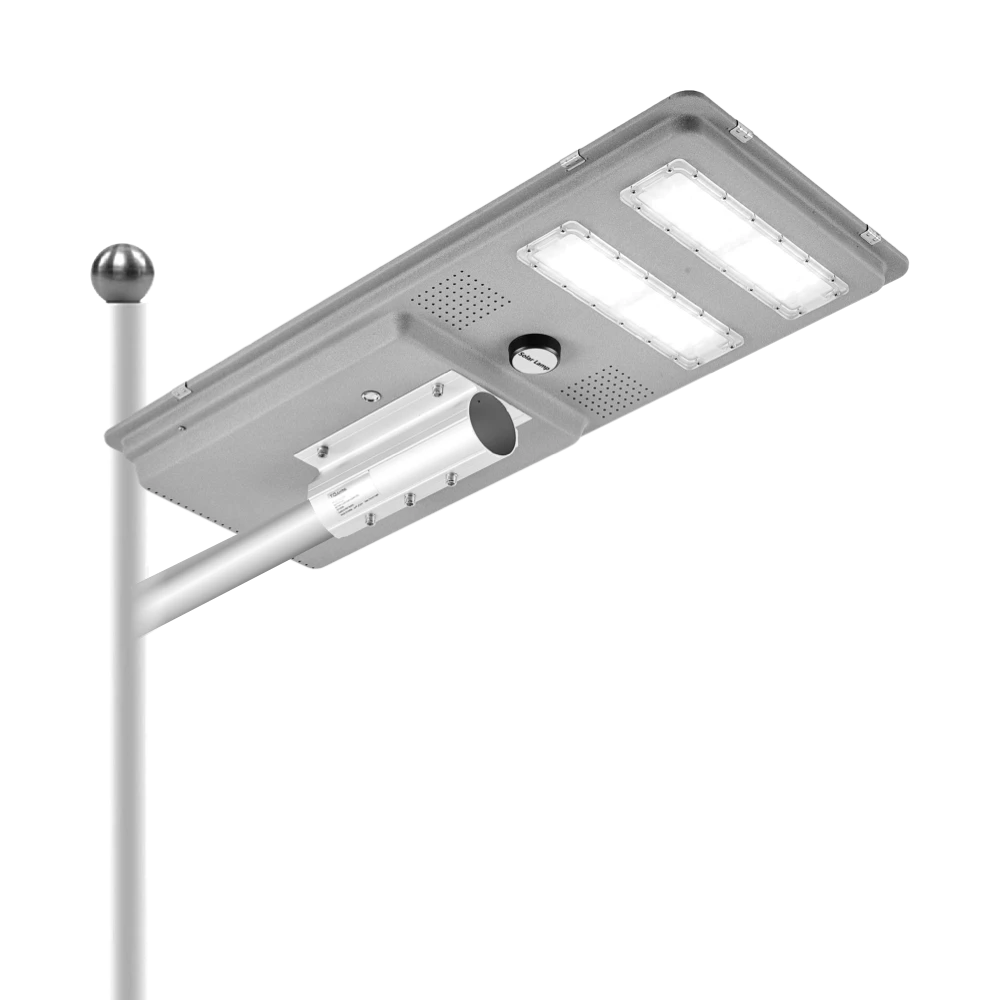
Queneng’s Solar Street Lights are designed to provide reliable, energy-efficient lighting for streets, parks, and other outdoor spaces.
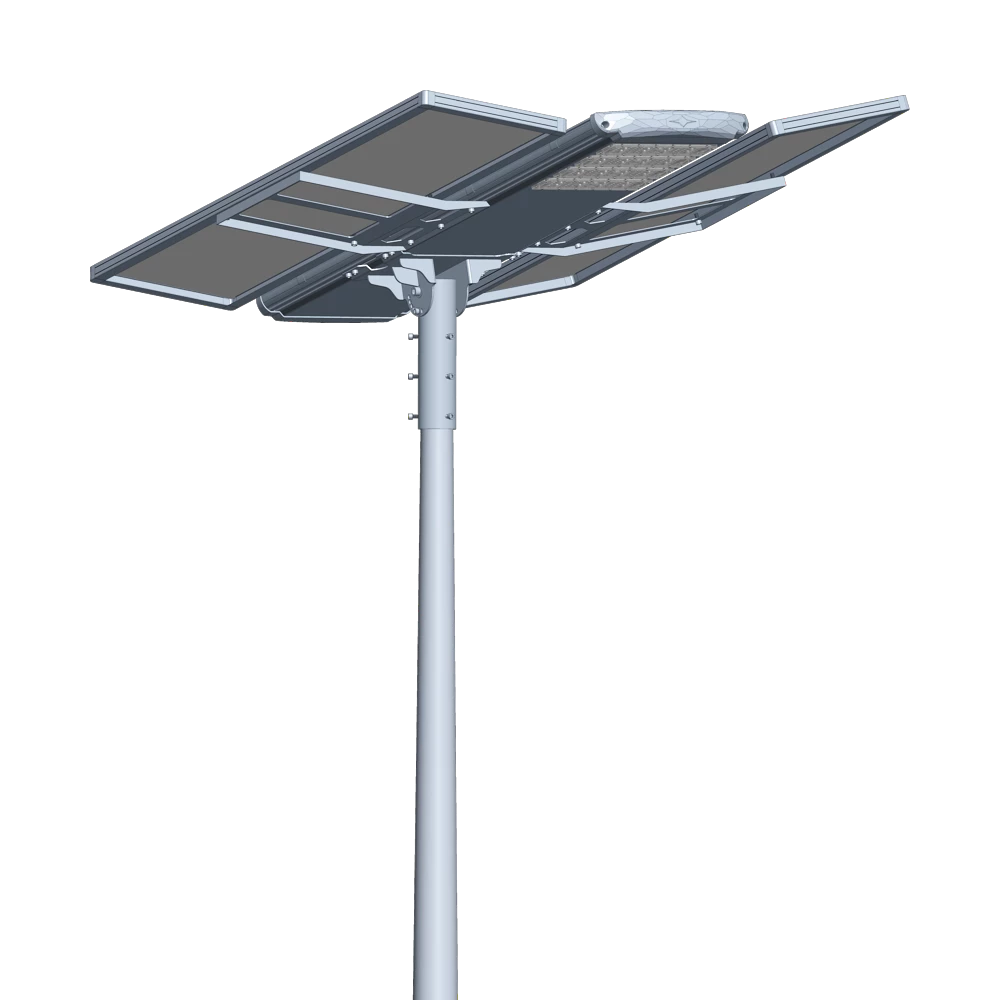
Introducing the Luqing Solar Street Light by Queneng, Efficient LED lighting powered by solar energy is perfect for illuminating outdoor areas. Harness the power of solar energy for sustainable, reliable street lighting. Ideal for eco-friendly, cost-effective outdoor illumination solutions.
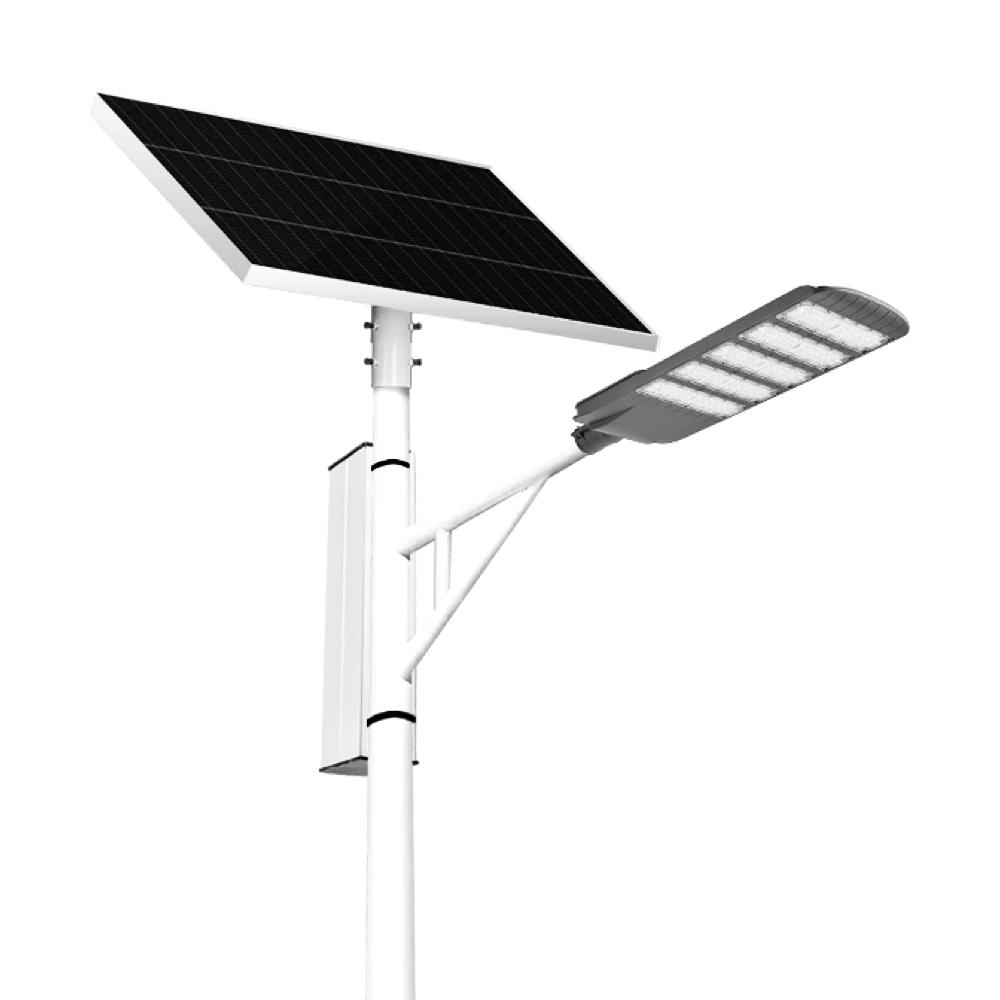
The Solar Streetlights of Luhao for Municipalities are designed to deliver reliable, energy-efficient, and cost-effective public lighting solutions. Equipped with advanced LED technology, durable lithium batteries, and high-efficiency solar panels, these streetlights provide consistent illumination for roads, parks, residential areas, and government projects.
Our professional team is ready to answer any questions and provide personalized support for your project.
You can reach us via phone or email to learn more about Queneng’s solar lighting solutions. We look forward to working with you to promote clean energy solutions!
Rest assured that your privacy is important to us, and all information provided will be handled with the utmost confidentiality.
By clicking 'Send Inquiry Now' I agree to Queneng processing my personal data.
To see how to withdraw your consent, how to control your personal data and how we process it, please see our Privacy Policy and Terms of use.
Schedule a Meeting
Book a date and time that is convenient for you and conduct the session in advance.
Have more questions about our products or services?
The messenger of light & power conversion
Environmental protection and intelligent manufacturing are our brand philosophy, and quality assurance and the best user experience are our eternal promises to users.
CONTACT
No.9F, Building F, Cao San Xin Tian Hong Logistics Park, Guzhen Town, Zhongshan City, Guangdong Province, China.
or write [email protected]
WhatsApp: +86 136 2270 1011


