














Financing Grants and Subsidy Programs for Municipal Buyers
Financing Options for Municipal Solar Street Light Projects
Understanding the capital challenge for municipal solar street light deployments
Municipalities evaluating Municipal Solar Street Light installations face two common finance hurdles: upfront capital expenditure and perceived technical risk. Solar street lights convert a traditionally operating-cost-dominant procurement (fuel, grid electricity, recurrent maintenance) into a capital-intensive, but lower lifecycle cost, asset. Successful projects therefore depend on matching the right financing instrument to the municipality's cash flow, risk appetite, and procurement rules.
Primary financing instruments: grants, subsidies, loans and bonds
Common instruments used by municipal buyers include direct grants and subsidies, concessional loans (from multilateral or national sources), municipal bonds and green bonds, energy performance contracts (EPCs) via ESCOs, leasing and third-party ownership, and specialized programs such as PACE (Property Assessed Clean Energy) where available. Each has trade-offs in cost, speed to deploy, and long-term obligations.
Grant and Subsidy Programs: How to Access Them
Where grants and subsidies typically originate
Grants and subsidies for Municipal Solar Street Light projects commonly come from national energy agencies, regional governments, international development banks (World Bank, EBRD, ADB), climate funds (Green Climate Fund, Global Environment Facility), and specialized national programs (e.g., energy efficiency or rural electrification initiatives). In many countries, utility incentive programs and ratepayer-funded energy efficiency budgets also provide rebates or subsidies.
Eligibility, selection criteria and common application pitfalls
Typical eligibility criteria include clear municipal ownership or partnership, project feasibility studies, measurable energy or CO2 savings, matched co-financing, procurement transparency, and documented operation & maintenance (O&M) plans. Common pitfalls: incomplete technical specifications, underestimating O&M budgets, lack of baseline energy/lighting data, and failure to align procurement processes with grant reporting requirements.
Structuring a Funding Package and Case Comparisons
Building a blended-finance package
Most municipal projects combine multiple sources: a base grant or subsidy to reduce capital cost, a concessional loan or municipal bond for remaining capital, and an ESCO or O&M contract to transfer operational risk. Blended finance can improve bankability and reduce costs of capital, particularly when a development bank provides partial guarantees or technical assistance.
Comparative table of financing instruments (strengths and constraints)
| Instrument | Typical Use | Strengths | Constraints |
|---|---|---|---|
| Direct grant / subsidy | Reduce upfront capex | No repayment; improves affordability | Competitive; often requires co-financing and strict reporting |
| Concessional loan (multilateral/national) | Cover remaining capex | Low interest, longer tenors | Application & procurement complexity; public borrowing limits |
| Municipal / green bonds | Large capital programs | Access to capital markets; favorable pricing for green-labelled bonds | Requires strong credit profile and disclosure |
| ESCO / Performance contract | Transfer performance & O&M risk | Repay from verified energy savings; minimal capex | Complex measurement & verification (M&V); contract duration |
| Leasing / third-party ownership | Speed & off-balance deployment | Limited upfront cost; service models | Long-term service payments; dependency on provider |
Illustrative lifecycle comparison (example)
The following illustrative example shows typical lifecycle savings drivers (figures are illustrative and should be validated by local quotes and lifecycle analysis):
| Item | Conventional Grid/HPS Street Light | Municipal Solar Street Light |
|---|---|---|
| Typical installed unit cost (per pole) | $600–$2,000 (lighting fixture only) | $1,500–$6,000 (integrated solar lumen, battery, pole) |
| Annual energy & maintenance cost | Higher — electricity bills + ballast replacement | Lower — self-generated energy; battery replacement every 5–10 years |
| Useful life | 10–20 years (fixture dependent) | 15–25 years (LED lifetime + PV panel >25 years) |
| Net present cost over 20 years | Depends on energy tariffs; can be higher | Often lower when energy and maintenance are considered |
Note: Use a local lifecycle cost analysis (LCCA) to inform financing — donors and lenders commonly require LCCA as part of application packages.
Practical Steps: Applying for Grants and Managing Compliance
Step-by-step application checklist
- Preliminary feasibility & baseline study (lighting levels, energy consumption, safety needs).
- Develop a technical specification and performance requirements (lumen output, autonomy, IP rating, battery specs).
- Identify funding sources (national, regional, international) and map eligibility.
- Prepare a financing structure: percent grant, loan, or third-party finance; include guaranteed savings or revenue streams if applicable.
- Procurement plan aligned with funder rules (open tenders, technical evaluation criteria, performance bonds).
- Measurement & verification (M&V) plan for energy savings and CO2 reductions.
- Ongoing O&M and warranty schedules; assign responsibilities and budget.
Managing reporting and audit requirements
Grantors and lenders often require periodic technical and financial reporting, third-party verification, and evidence of procurement compliance. Municipalities should plan staff capacity or hire external project managers to meet these obligations. Digital data logging in solar street lights (remote telemetry) simplifies M&V and supports transparent reporting.
Why Partner with an Experienced Supplier: GuangDong Queneng Lighting Case
GuangDong Queneng Lighting: capabilities and certifications
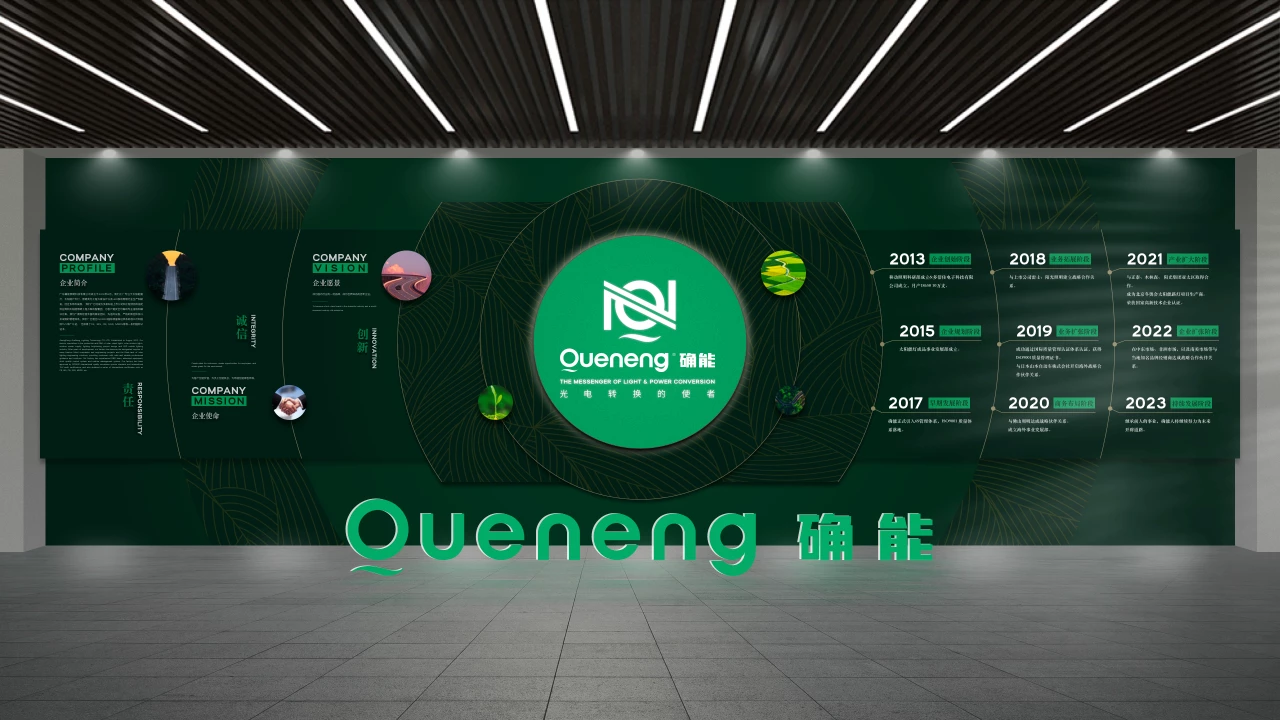
GuangDong Queneng Lighting Technology Co., Ltd., founded in 2013, specializes in solar street lights, solar spotlights, solar garden lights, solar lawn lights, solar pillar lights, solar photovoltaic panels, portable outdoor power supplies and batteries, lighting project design, and LED mobile lighting. After years of development, Queneng has become a designated supplier for several listed companies and engineering projects and acts as a solar lighting engineering solutions think tank, providing safe, reliable guidance and turnkey solutions.
Technical strengths, quality assurance and why that matters to municipal buyers
Queneng maintains an experienced R&D team, advanced production equipment, strict quality control, and mature management systems. The company is ISO 9001 certified and has passed TÜV audits; it holds CE, UL, BIS, CB, SGS and MSDS certificates. For municipalities, these credentials reduce procurement risk, simplify product acceptance, and often satisfy grantor technical compliance requirements.
Typical offerings and differentiators
Queneng's product range applicable to municipal projects includes:
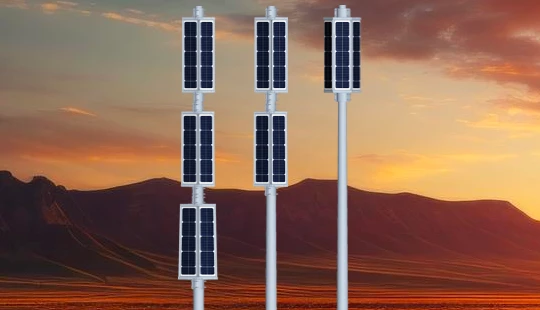
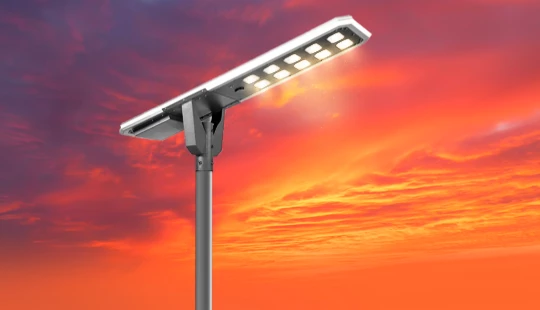
- Solar Street Lights — integrated units with high-efficiency PV panels, LiFePO4 batteries, intelligent controllers and remote monitoring.
- Solar Spot lights and Garden/Lawn Lights — for parks, plazas and pedestrian areas.
- Solar Pillar Lights and Photovoltaic Panels — customized architectural options and standalone panels for microgrids.
- Portable Outdoor Power Supplies and Batteries — for temporary works, events and emergency lighting.
Competitive advantages include turnkey project design, local engineering support for procurement documentation, and experience in meeting international standards required by many grant and loan programs.
Procurement & Implementation Best Practices for Municipalities
Procurement language that enhances grant success
When writing procurement documents for Municipal Solar Street Light projects, include clear technical specs (lumen output, uniformity ratios, autonomy days, IP/IK ratings), warranty terms (panel, battery, fixture), remote monitoring requirements, spare parts strategy, and acceptance testing protocols. Align procurement milestones with grant disbursement schedules to avoid cash flow mismatches.
Operation, maintenance and replacement planning
Budgeting for battery replacements, firmware updates, cleaning of PV modules, and periodic performance testing prevents performance degradation. Many funders require an O&M plan for the period of the grant-supported asset life (commonly 5–10 years). Consider ESCO models or maintenance contracts with suppliers like Queneng to guarantee performance and simplify municipal administration.
FAQ
1. What is a Municipal Solar Street Light and why finance it through grants?
A Municipal Solar Street Light is a self-contained lighting unit integrating photovoltaic panels, battery storage, LEDs and control electronics designed for public roadway and area lighting. Grants lower the upfront cost barrier and accelerate deployment, particularly in municipalities with limited capital budgets.
2. Which funders should municipalities approach first?
Start with national energy or environmental ministries and national grant databases. In the U.S., DSIRE lists state incentives; globally, check local development bank offerings and municipal finance teams at multilateral banks (World Bank, EBRD, ADB). Utilities sometimes have rebate programs for public lighting upgrades.
3. Can an ESCO model eliminate the need for municipal capital?
Yes. Energy Service Companies (ESCOs) can finance, install and operate lighting in return for repayment from verified energy savings. Ensure transparent Measurement & Verification (M&V) protocols and clearly negotiated service terms.
4. What technical documents do grantors typically require?
Common requirements: feasibility study, technical specification, LCCA, environmental impact screening, procurement plan, O&M plan, and M&V plan for energy/CO2 savings.
5. How do I choose between grants vs. green bonds vs. loans?
Use grants to reduce immediate capital; loans or green bonds are suitable for scaling multiple projects when the municipality can assume debt. Green bonds can offer lower-cost capital for creditworthy issuers. Blended finance often yields the best outcome: grants plus concessional loans plus private participation.
6. How long before I see payback from municipal solar street lights?
Payback depends on local electricity tariffs, maintenance costs for incumbent lighting, and the capital cost of the solar solution. With high electricity prices or expensive maintenance for grid-connected fixtures, many projects reach a positive lifecycle cost within 5–15 years. Use local LCCA to get precise figures.
Contact & Next Steps
If your municipality is ready to evaluate grant opportunities, prepare procurement documents, or needs a turnkey proposal for Municipal Solar Street Light deployment, contact GuangDong Queneng Lighting Technology Co., Ltd. for technical consultation, detailed quotes, and assistance aligning your project with relevant grant programs. Queneng provides project design, product samples, and support for grant application documentation to improve fundability and reduce deployment risk.
References and Further Reading
- DSIRE: Database of State Incentives for Renewables & Efficiency — https://www.dsireusa.org/ (accessed 2026-01-04).
- U.S. Department of Energy – Office of Energy Efficiency & Renewable Energy (EERE) — https://www.energy.gov/eere (accessed 2026-01-04).
- World Bank — Urban Development and Municipal Finance resources — https://www.worldbank.org/en/topic/urbandevelopment (accessed 2026-01-04).
- European Investment Bank — Urban and transport financing — https://www.eib.org/en/projects/sectors/transport/urban.htm (accessed 2026-01-04).
- Climate Bonds Initiative — Green Bonds and municipal finance — https://www.climatebonds.net/ (accessed 2026-01-04).
- Global Environment Facility (GEF) — https://www.thegef.org/ (accessed 2026-01-04).
- International Energy Agency (IEA) — reports on lighting and energy efficiency — https://www.iea.org/ (accessed 2026-01-04).
For specific program names, local eligibility and the latest application windows consult the above resources or contact Queneng's project team for tailored, funder-aligned guidance.

Have more questions about our products or services?
The latest hot news you might like

Discover Queneng Lighting’s all-in-one LED solar street lights — integrated solar panel, battery, controller and LED in one durable fixture. Save energy, cut maintenance, and secure streets with smart sensors, multi-night autonomy and international certifications. Contact sales for quotes and support.

Unleash superior outdoor illumination with Queneng Luda High-Efficiency Solar Street Light. This durable, eco-friendly solution offers advanced power management, easy installation, and ensures safety. Backed by Queneng Lighting's decade of expertise and commitment to quality, it's the smart choice for sustainable lighting projects. Learn why we're a leading solar solutions provider.

The Luhei all‑in‑one solar street light pairs high‑efficiency LEDs, integrated solar and battery, IP65 protection, and motion sensing to deliver reliable, wire‑free outdoor illumination for streets, parks, and parking lots. Backed by Queneng Lighting’s certifications and support.

FAQ
Battery Performance and Testing
What is an impact test?
Solar Street Light Lufei
What type of solar panel is used in the solar street light?
Queneng’s solar street lights use high-efficiency monocrystalline or polycrystalline solar panels, which provide better performance and greater energy conversion efficiency than standard panels.
Battery and Analysis
What is over-discharge and what effect does it have on battery performance?
Public Gardens and Landscape Lighting
Do solar lights need wiring?
No, one of the main advantages of solar lights is that they do not require any wiring or electrical connections. They operate independently using solar energy, making installation quick, easy, and cost-effective.
Solar Street Light Luhui
Are Luhui solar street lights adjustable for different lighting needs?
Yes, many models feature adjustable settings, including dimming or motion sensor options, allowing you to customize the lighting based on the specific needs of the area being illuminated.
Solar Street Light Luan
Are Luan solar street lights weatherproof?
Yes, Luan solar street lights are designed to withstand a variety of weather conditions. They are built with weather-resistant materials that can endure rain, snow, high winds, and extreme temperatures. This ensures they can provide consistent performance year-round, even in harsh climates.
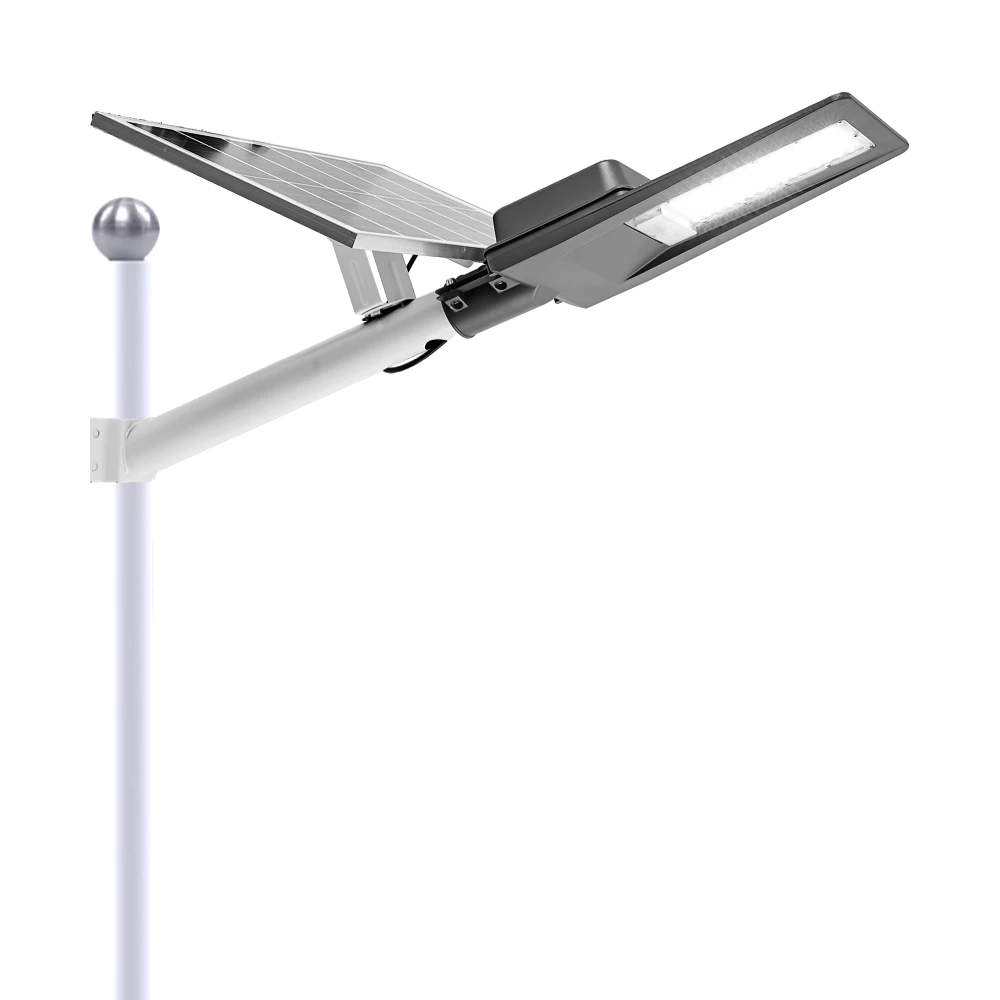
Experience reliable outdoor illumination with our smart solar street light, a perfect combination of advanced technology and eco-conscious design.
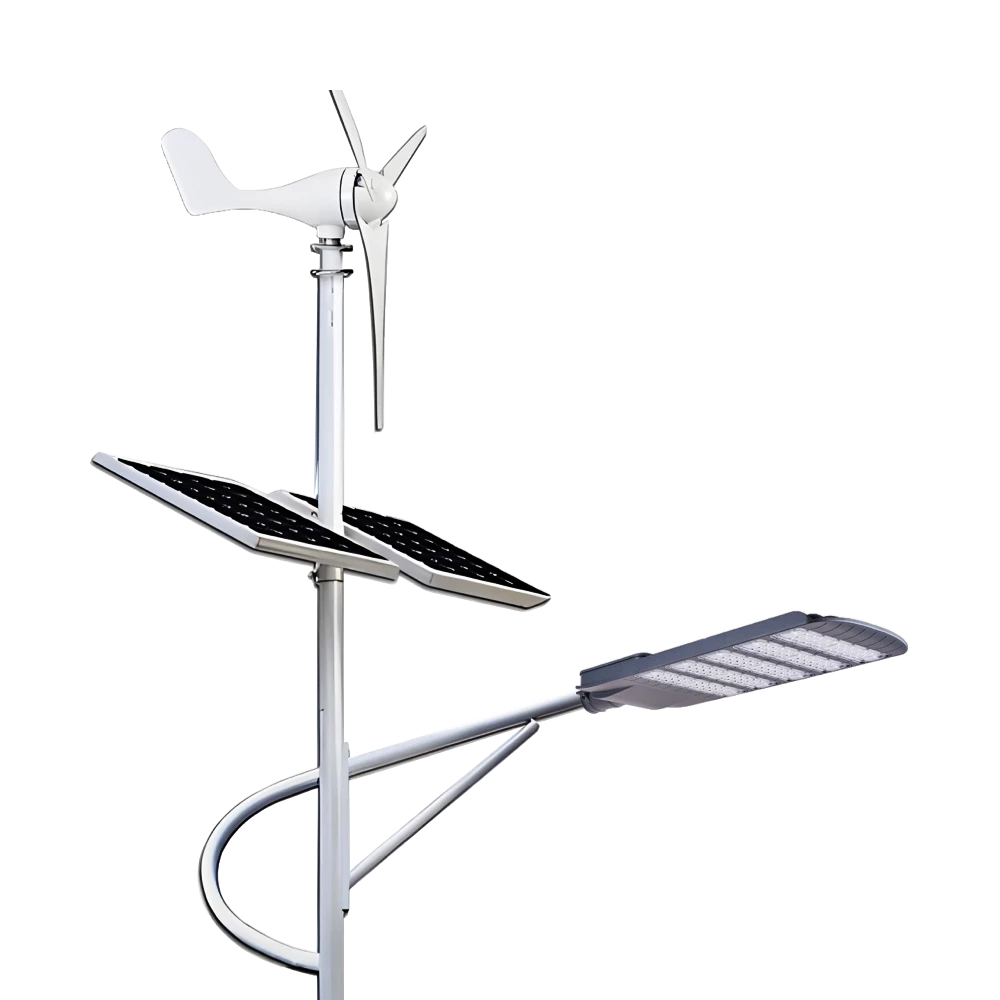
Queneng Lufeng Wind Energy LED Outdoor Solar Street Lights offer high-performance, eco-friendly illumination. These energy-efficient LED street lights harness solar power and wind energy for sustainable, cost-effective outdoor lighting solutions.
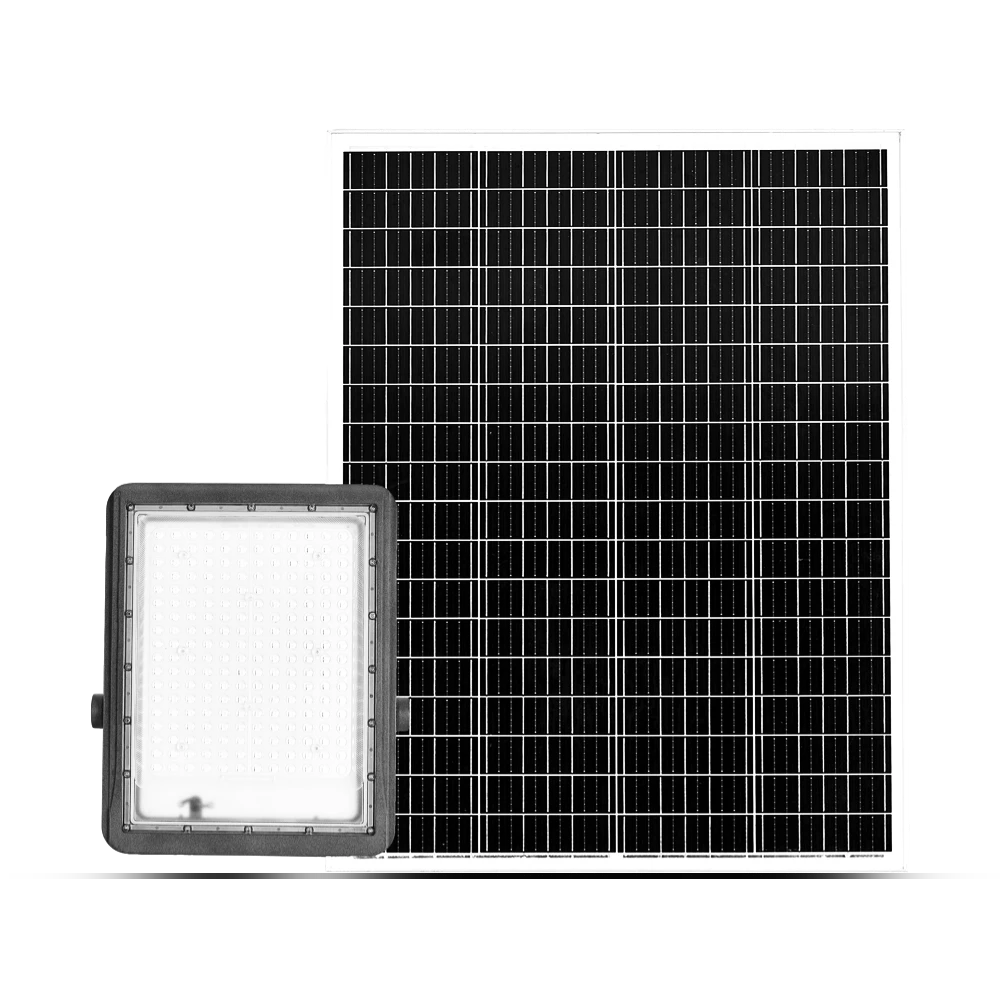
Queneng's Luxian Reliable Solar Street Light offers energy-saving LED lighting for outdoor use. This durable, solar-powered street light provides reliable illumination, reducing energy costs and environmental impact. A perfect solution for sustainable outdoor lighting.
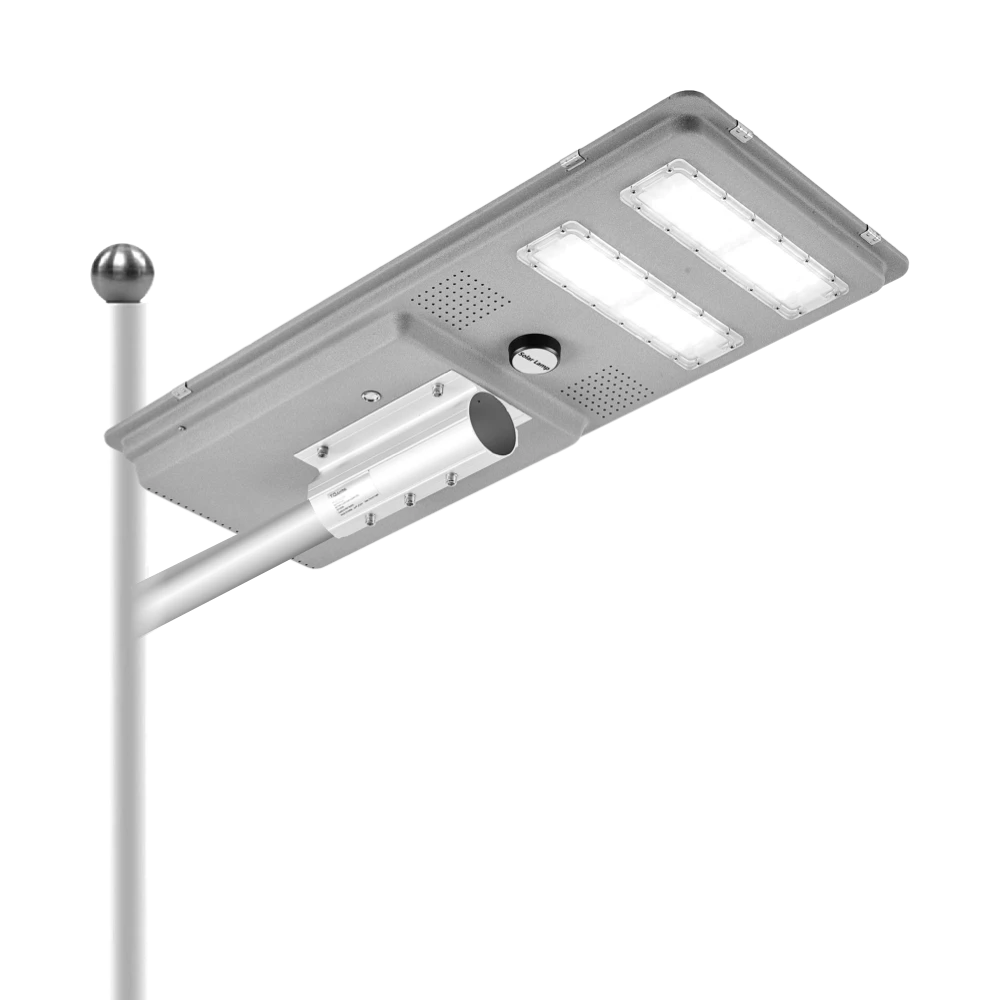
Queneng’s Solar Street Lights are designed to provide reliable, energy-efficient lighting for streets, parks, and other outdoor spaces.
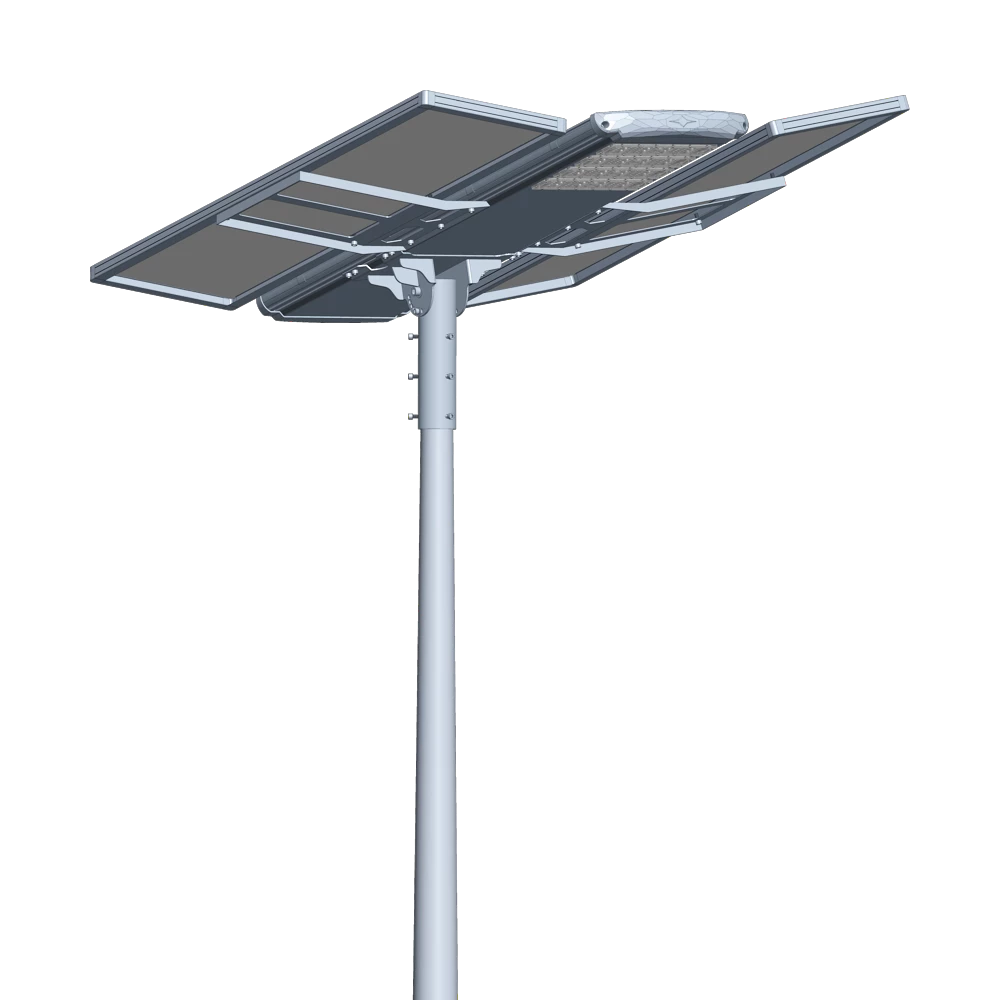
Introducing the Luqing Solar Street Light by Queneng, Efficient LED lighting powered by solar energy is perfect for illuminating outdoor areas. Harness the power of solar energy for sustainable, reliable street lighting. Ideal for eco-friendly, cost-effective outdoor illumination solutions.
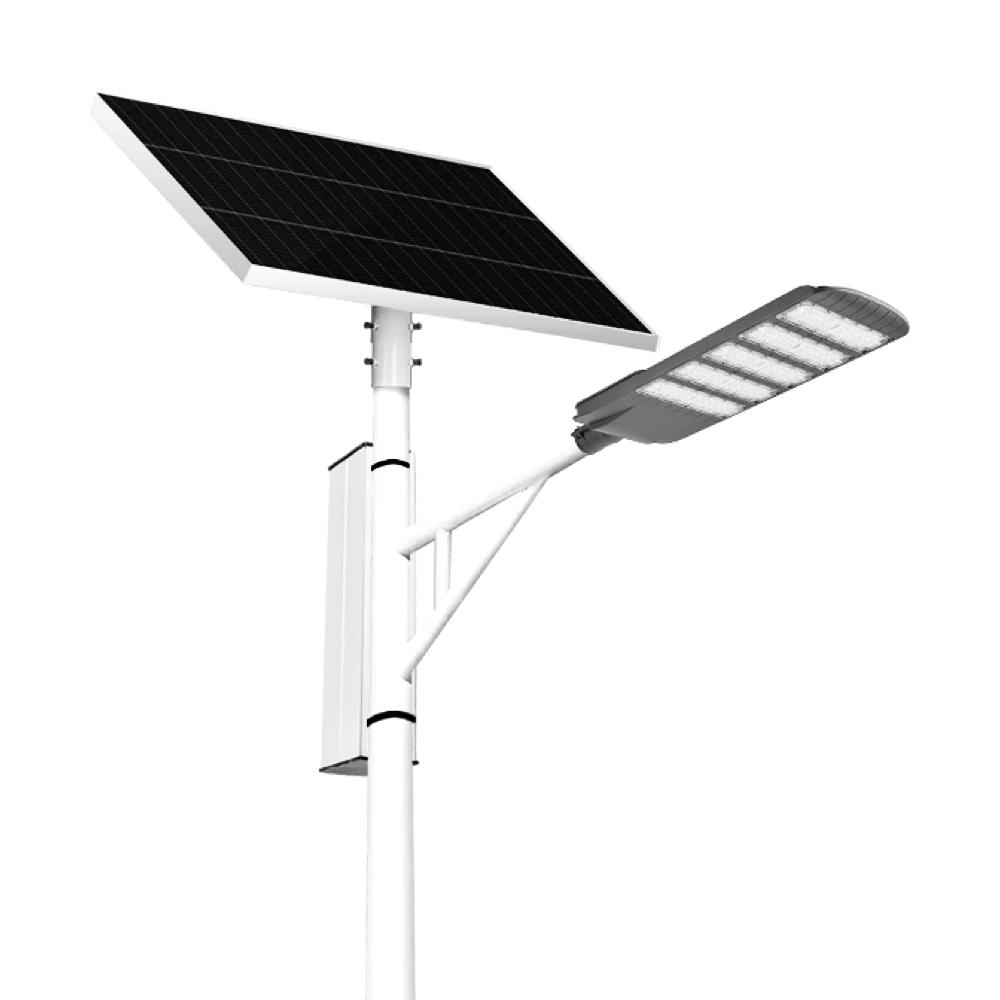
The Solar Streetlights of Luhao for Municipalities are designed to deliver reliable, energy-efficient, and cost-effective public lighting solutions. Equipped with advanced LED technology, durable lithium batteries, and high-efficiency solar panels, these streetlights provide consistent illumination for roads, parks, residential areas, and government projects.
Our professional team is ready to answer any questions and provide personalized support for your project.
You can reach us via phone or email to learn more about Queneng’s solar lighting solutions. We look forward to working with you to promote clean energy solutions!
Rest assured that your privacy is important to us, and all information provided will be handled with the utmost confidentiality.
By clicking 'Send Inquiry Now' I agree to Queneng processing my personal data.
To see how to withdraw your consent, how to control your personal data and how we process it, please see our Privacy Policy and Terms of use.
Schedule a Meeting
Book a date and time that is convenient for you and conduct the session in advance.
Have more questions about our products or services?
The messenger of light & power conversion
Environmental protection and intelligent manufacturing are our brand philosophy, and quality assurance and the best user experience are our eternal promises to users.
CONTACT
No.9F, Building F, Cao San Xin Tian Hong Logistics Park, Guzhen Town, Zhongshan City, Guangdong Province, China.
or write [email protected]
WhatsApp: +86 136 2270 1011


