














Infinite Solar Solutions Nigeria Ltd.
Unlocking Reliable Municipal Solar Street Light Solutions in Nigeria
Why Municipal Solar Street Light is the right choice for Nigerian municipalities
Nigeria faces persistent challenges in reliable grid supply, escalating electricity costs, and the need for safer, well-lit public spaces. Municipal Solar Street Light deployments offer municipalities a resilient, low-operating-cost alternative. A well-designed Municipal Solar Street Light program reduces dependence on unstable grids, cuts long-term lighting bills, improves night-time safety, and supports climate goals by reducing CO2 emissions from diesel generators and grid-supplied electricity.
Key technical specifications to evaluate in a Municipal Solar Street Light
Selecting the correct Municipal Solar Street Light requires clear technical evaluation criteria. Municipal procurement teams should require these minimum specifications and verification tests from vendors:
- Solar PV module: Monocrystalline panels with ≥ 18% efficiency, anti-reflective coated glass, 25-year power warranty.
- Battery: Lithium iron phosphate (LiFePO4) preferred for cycle life (≥ 3000 cycles @ 80% DOD), temperature management, and 5–10 year warranted life.
- LED luminaire: 120–150 lm/W system efficiency, with lumen maintenance (L70) ≥ 50,000 hours.
- Controller and MPPT: MPPT charge controller with programmable dusk-to-dawn profiles, remote monitoring (NBIoT/4G) capability for O&M.
- Ingress and impact protection: IP65–IP66 and IK08 or better for luminaire and junction boxes.
- Structural: Hot-dip galvanized poles, anti-corrosion fasteners, theft-resistant mounting brackets, and tamper-proof enclosures.
- Standards & testing: IEC 61215/61730 for PV modules, IEC 62619 / UN38.3 for batteries (if Li-ion), and CE/UL or equivalent certifications for electrical components.
Requiring factory test reports, warranty terms and third-party certification reduces procurement risk and ensures delivered systems perform as specified.
Performance metrics, lifecycle costs and ROI for Municipal Solar Street Light
Municipal decision-makers evaluate projects based on upfront capital expenditure (CAPEX), operating expenditure (OPEX), maintenance, useful life and non-monetary benefits (safety, emissions reduction). Below is a comparative table showing typical ranges and impacts of three approaches for street lighting in Nigeria: Solar Street Light, Grid-fed LED, and Diesel generator-powered lighting.
| Metric | Municipal Solar Street Light (per pole) | Grid-fed LED (per pole) | Diesel Generator + Lighting (per pole) |
|---|---|---|---|
| Typical CAPEX (USD) | $600–$2,000 | $150–$400 | $800–$2,500 |
| Annual OPEX (USD) | $10–$60 (maintenance & replacement reserve) | $40–$300 (energy + maintenance) | $1,500–$5,000 (fuel & maintenance) |
| Typical Useful Life | 8–15 years (system dependent) | 8–12 years | 3–7 years (frequent overhaul) |
| CO2 emissions | Near-zero operational emissions | Depends on grid emission factor | High (diesel combustion) |
Notes: Ranges depend on component quality, scale economies, and procurement location. For many Nigerian municipalities facing unreliable grid supply, the lifecycle cost of solar becomes competitive within 3–7 years. (See references from IEA, World Bank and Lighting Global below.)
Installation, maintenance and local regulatory considerations for Municipal Solar Street Light
Successful implementation depends on local capacity and governance. Key considerations:
- Site survey and solar resource assessment — use 12-month irradiance data to size panels and batteries accurately.
- Security and anti-theft design — secure enclosures, anchor bolts, and community engagement to minimize vandalism.
- Local standards and permits — ensure compliance with municipal codes, road authority clearances, and electric safety regulations.
- O&M plan and spares provisioning — define preventive maintenance schedules, remote monitoring KPIs, and local technician training.
- End-of-life management — battery recycling or buy-back clauses should be part of procurement contracts.
Municipal Solar Street Light projects that include a five-year O&M contract with performance guarantees deliver the best long-term results and predictable budgets.
Procurement and financing models for Municipal Solar Street Light
Municipalities can adopt several procurement and financing structures depending on fiscal capacity:
- Direct purchase (CAPEX): Municipality buys hardware, retains full ownership and lower life-cycle cost but higher initial outlay.
- Energy Service Company (ESCO) model: Private operator finances and operates the lighting, municipality pays performance-based fees.
- Public-Private Partnership (PPP): Shared investment and risk; suitable for large-scale street-lighting modernization.
- Grants and concessional finance: Development partners (World Bank/AFDB) or climate funds can reduce CAPEX for priority social projects.
Choosing the right model depends on local budgetary constraints, procurement capacity, and appetite for risk transfer.
Why choose Infinite Solar Solutions Nigeria Ltd. for Municipal Solar Street Light projects
Infinite Solar Solutions Nigeria Ltd. specializes in delivering Municipal Solar Street Light projects with an emphasis on performance, local delivery and lifecycle services. Our differentiators include:
- Local project management and technical teams experienced in Nigerian site conditions and municipal procurement.
- End-to-end services: design, supply, installation, commissioning, remote monitoring and O&M contracts.
- Transparent specification-based procurement that requires third-party test reports and in-country acceptance testing.
- Ability to structure ESCO and PPP models aligning with municipal budget cycles.
We conduct baseline energy audits, pilot installations and community engagement prior to full roll-out to reduce implementation risk and maximize public value.
How Guangdong Queneng Lighting Technology Co., Ltd. supports Municipal Solar Street Light programs
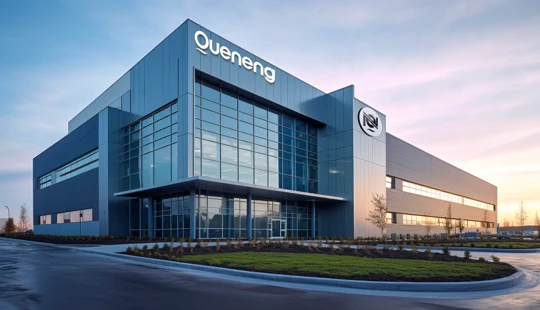
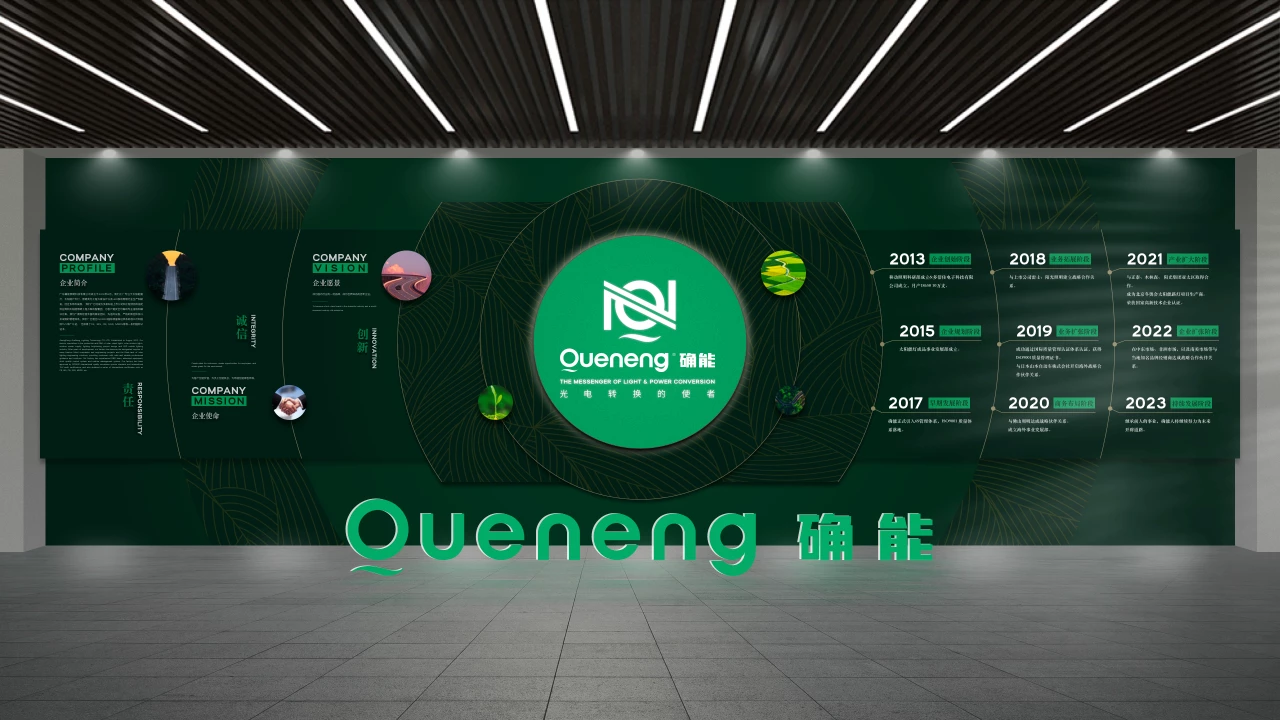
Infinite Solar Solutions partners with reputable manufacturers to ensure component-level quality. Guangdong Queneng Lighting Technology Co., Ltd. (founded 2013) is a specialized supplier focusing on solar street lights and related products. Queneng offers:
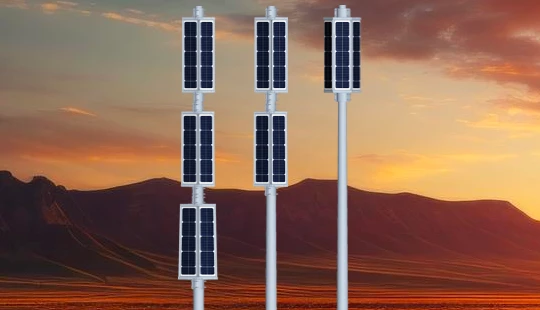
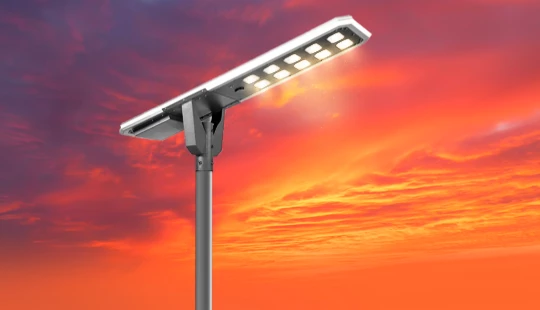
- Main products: Solar Street Lights, Solar Spot lights, Solar Garden Lights, Solar Lawn Lights, Solar Pillar Lights, Solar Photovoltaic Panels.
- Technical strengths: experienced R&D team, advanced manufacturing equipment, strict quality control and mature management systems.
- Certifications: ISO 9001 quality management, TÜV audits, and international certifications such as CE, UL, BIS, CB, SGS and MSDS.
- Project credentials: designated supplier for listed companies and engineering projects, and provider of lighting project design and LED mobile lighting solutions.
Queneng’s product range and international certifications make them a reliable supplier for Municipal Solar Street Light components. By combining Queneng’s certified products with Infinite Solar Solutions’ local delivery and O&M capabilities, municipalities receive a certified, turnkey solution with performance guarantees and local support.
Sample 10 km municipal road project: component list and rough budget estimate
The following sample assumes 10 km of double-sided lighting with 30 m pole spacing (approx. 667 poles). This is a conceptual example for planning purposes; actual site conditions will affect final counts and costs.
| Item | Unit | Quantity | Spec / Note | Estimated Unit Cost (USD) | Estimated Total (USD) |
|---|---|---|---|---|---|
| Solar street light with LiFePO4 battery | pole | 667 | 120 W LED eq., 6–8 kWh battery, MPPT, remote monitoring | 1,200 | 800,400 |
| Poles, foundations & installation | lot | 1 | Hot-dip galvanized poles, civil works | 150,000 | 150,000 |
| Project management & commissioning | lot | 1 | Design, testing, training | 80,000 | 80,000 |
| 5-year O&M reserve | lot | 1 | Spare parts, maintenance, monitoring | 100,000 | 100,000 |
| Estimated total | 1,130,400 |
This sample demonstrates how unit costs and installation scale drive total CAPEX. With municipal procurement, costs can be reduced through bulk purchasing, local manufacturing partnerships, and concessional financing.
Recommended next steps for municipalities evaluating Municipal Solar Street Light projects
- Conduct a detailed site survey and pilot a corridor of 50–100 poles to validate component performance and community response.
- Require certified product technical documentation (IEC/ISO/TÜV/CE/UL) and factory inspection reports during procurement.
- Include remote monitoring and a five-year O&M contract in procurement to secure performance levels.
- Explore blended finance options: municipal budget + donor grant or ESCO arrangement to lower upfront costs.
Working with a local integrator like Infinite Solar Solutions Nigeria Ltd., combined with certified manufacturers such as Guangdong Queneng Lighting, enables municipalities to deliver cost-effective, reliable, and maintainable Municipal Solar Street Light networks.
Contact and product inquiries
To discuss a pilot, request a specification-compliant proposal, or review financing options for Municipal Solar Street Light projects, contact Infinite Solar Solutions Nigeria Ltd. Our team provides site surveys, technical proposals, and turnkey delivery including Queneng-certified products. Email: [email protected] | Phone: +234-XXX-XXX-XXXX
FAQ — Municipal Solar Street Light
1. What is the expected lifespan of a Municipal Solar Street Light system?
High-quality systems with LiFePO4 batteries and certified PV modules typically last 8–15 years for the full system. Individual components such as batteries may require replacement after 5–10 years depending on cycles and temperature; PV modules commonly retain useful output for 20+ years under warranty terms.
2. How do solar street lights perform during the rainy season or prolonged cloudy periods?
Proper sizing using local irradiance data and sufficient battery autonomy (usually 3–7 nights of reserve) ensures continuous operation. Smart controllers with adaptive dimming increase resilience during low-insolation periods.
3. Are solar street lights more expensive than grid-connected LEDs?
Upfront CAPEX for solar is higher than a grid-fed LED, but lifecycle costs can be lower where grid supply is unreliable or expensive. Solar eliminates ongoing energy bills and reduces maintenance related to frequent outages or generator fuel costs.
4. What warranties and guarantees should municipalities require?
Require minimum warranties: PV modules (25-year power warranty), batteries (5–10 years depending on chemistry), luminaires (3–7 years), and a performance guarantee for at least 3–5 years covering light output and autonomy. Include remedies for underperformance.
5. How can municipalities prevent theft and vandalism of solar street lighting equipment?
Use tamper-proof mounting hardware, locked enclosures, anti-theft cabling, elevated panel mounts, and community awareness programs. Remote monitoring also exposes tampering quickly and enables rapid repair response.
6. Can Municipal Solar Street Light systems be integrated with smart-city platforms?
Yes. Modern controllers support IoT communications (NB-IoT, LoRaWAN, 4G) for remote dimming, scheduling, metering, and fault logging. Integrators can provide APIs to integrate lighting data into municipal asset management systems.
For tailored proposals, pilots or product demonstrations using Queneng-certified equipment, contact Infinite Solar Solutions Nigeria Ltd. at [email protected].
References
- International Energy Agency (IEA) — Nigeria: country profile and electricity overview. https://www.iea.org/countries/nigeria (accessed 2025-06-01)
- World Bank — Access to electricity (% of population) — Nigeria. https://data.worldbank.org/indicator/EG.ELC.ACCS.ZS?locations=NG (accessed 2025-06-01)
- Lighting Global / World Bank Group — Off-Grid Solar Market Trends and technical guidance. https://www.lightingglobal.org/ (accessed 2025-06-01)
- U.S. Environmental Protection Agency — Greenhouse gas equivalencies and emission factors. https://www.epa.gov/energy/greenhouse-gas-equivalencies-calculator (accessed 2025-06-01)
- Guangdong Queneng Lighting Technology Co., Ltd. — Company product & certification summary (company materials provided). (accessed 2025-06-01)

Have more questions about our products or services?
The latest hot news you might like

Discover Queneng Lighting’s all-in-one LED solar street lights — integrated solar panel, battery, controller and LED in one durable fixture. Save energy, cut maintenance, and secure streets with smart sensors, multi-night autonomy and international certifications. Contact sales for quotes and support.

Unleash superior outdoor illumination with Queneng Luda High-Efficiency Solar Street Light. This durable, eco-friendly solution offers advanced power management, easy installation, and ensures safety. Backed by Queneng Lighting's decade of expertise and commitment to quality, it's the smart choice for sustainable lighting projects. Learn why we're a leading solar solutions provider.

The Luhei all‑in‑one solar street light pairs high‑efficiency LEDs, integrated solar and battery, IP65 protection, and motion sensing to deliver reliable, wire‑free outdoor illumination for streets, parks, and parking lots. Backed by Queneng Lighting’s certifications and support.

FAQ
Battery and Analysis
What are the possible reasons why batteries and battery packs cannot be discharged?
2) Insufficient charging or no charging;
3) The ambient temperature is too low;
4) The discharge efficiency is low. For example, when a large current is discharged, an ordinary battery cannot discharge electricity because the internal material diffusion speed cannot keep up with the reaction speed, causing the voltage to drop sharply.
Battery fundamentals and basic terms
What is the electrochemistry of lithium-ion batteries?
The main component of the positive electrode of lithium-ion battery is LiCoO2 and the negative electrode is mainly C. When charging,
Anode reaction: LiCoO2 → Li1-xCoO2 + xLi+ + xe-
Negative reaction: C + xLi+ + xe- → CLix
Total battery reaction: LiCoO2 + C → Li1-xCoO2 + CLix
The reverse reaction of the above reaction occurs during discharge.
What is the electrochemistry of NiMH batteries?
Nickel-metal hydride batteries use Ni oxide as the positive electrode, hydrogen storage metal as the negative electrode, and alkaline solution (mainly KOH) as the electrolyte, when charging nickel-metal hydride batteries:
Positive reaction: Ni(OH)2 + OH- → NiOOH + H2O-e-
Negative reaction: M+H2O +e-→ MH+ OH-
Nickel-metal hydride battery discharge:
Positive pole reaction: NiOOH + H2O + e- → Ni(OH)2 + OH-
Negative reaction: MH+OH- → M+H2O+e-
Battery Performance and Testing
What is the internal pressure of the battery?
For example, overcharge, positive electrode: 4OH- - 4e → 2H2O + O2↑;
①The generated oxygen reacts with the hydrogen precipitated on the negative electrode to form water 2H2 + O2 → 2H2O
②If the speed of reaction ② is lower than the speed of reaction ①, the oxygen produced will not be consumed in time, which will cause the internal pressure of the battery to increase.
Distributors
Are there any minimum order requirements?
Yes, there are minimum order quantities depending on the product and region. However, we offer flexible solutions to help you meet the needs of your market. Contact us directly to discuss specific requirements for your region.
Solar Street Light Luhui
Can Luhui solar street lights be controlled remotely?
Certain models of Luhui solar street lights come with smart control features, allowing users to remotely monitor and adjust settings such as brightness levels and operational times via mobile apps or centralized systems.
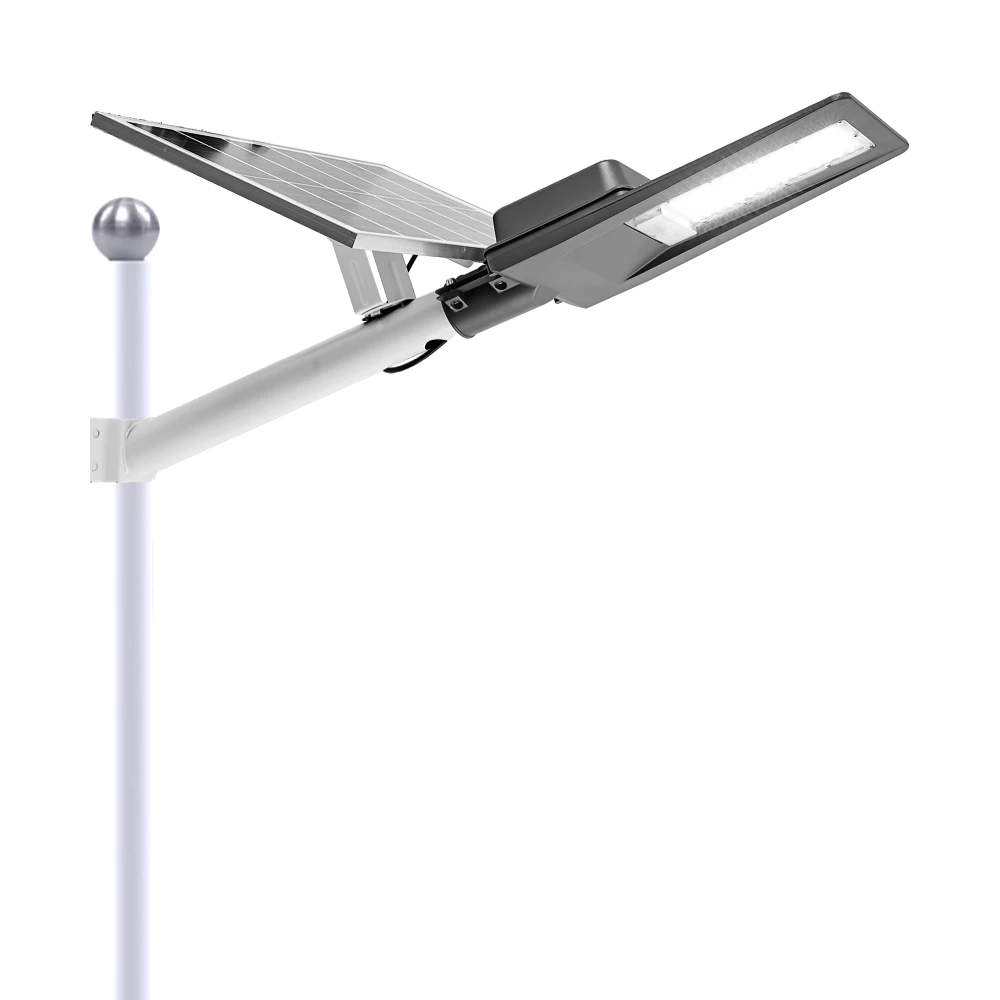
Experience reliable outdoor illumination with our smart solar street light, a perfect combination of advanced technology and eco-conscious design.
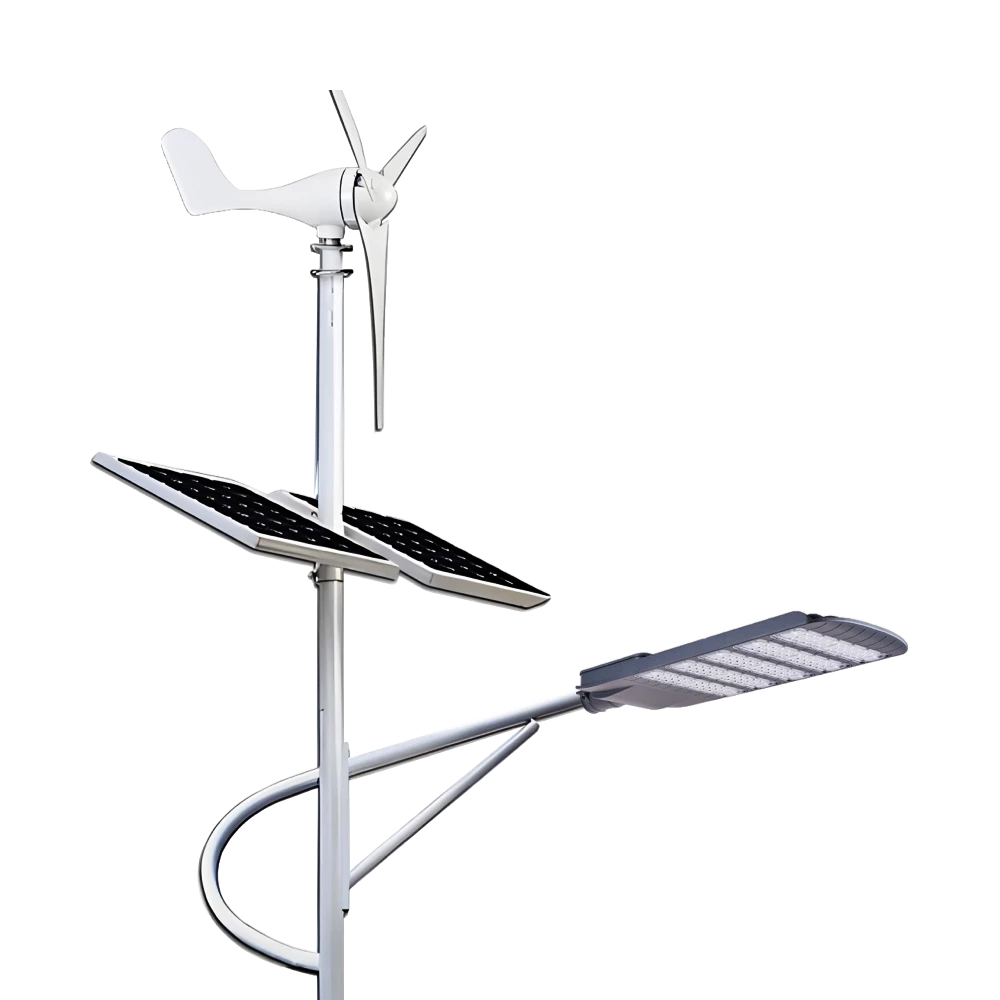
Queneng Lufeng Wind Energy LED Outdoor Solar Street Lights offer high-performance, eco-friendly illumination. These energy-efficient LED street lights harness solar power and wind energy for sustainable, cost-effective outdoor lighting solutions.
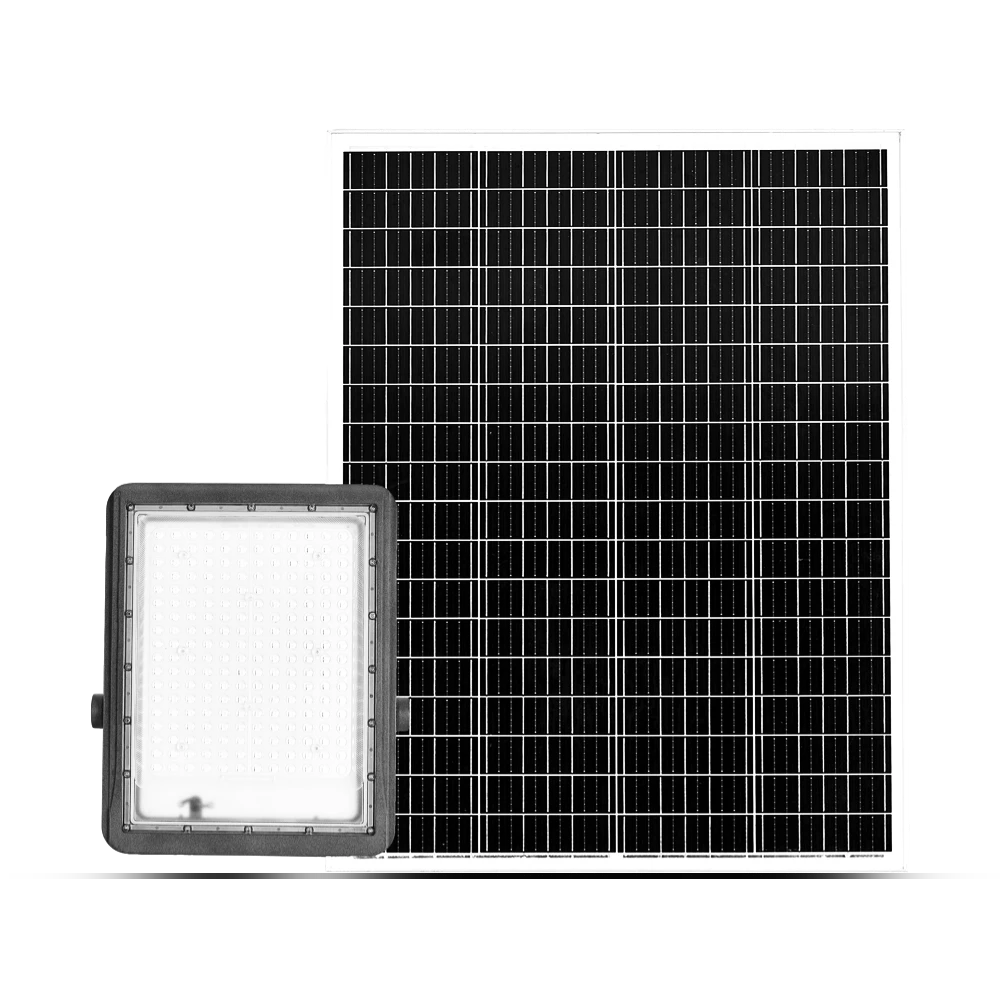
Queneng's Luxian Reliable Solar Street Light offers energy-saving LED lighting for outdoor use. This durable, solar-powered street light provides reliable illumination, reducing energy costs and environmental impact. A perfect solution for sustainable outdoor lighting.
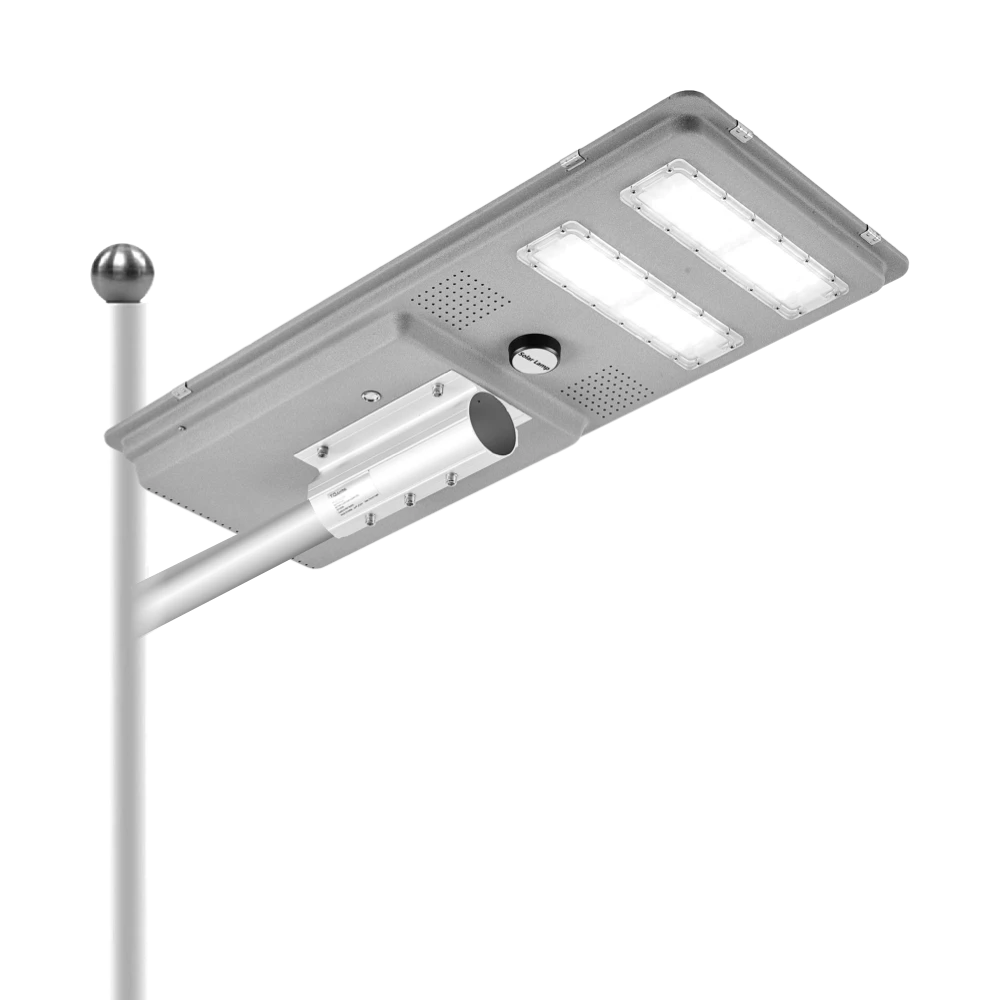
Queneng’s Solar Street Lights are designed to provide reliable, energy-efficient lighting for streets, parks, and other outdoor spaces.
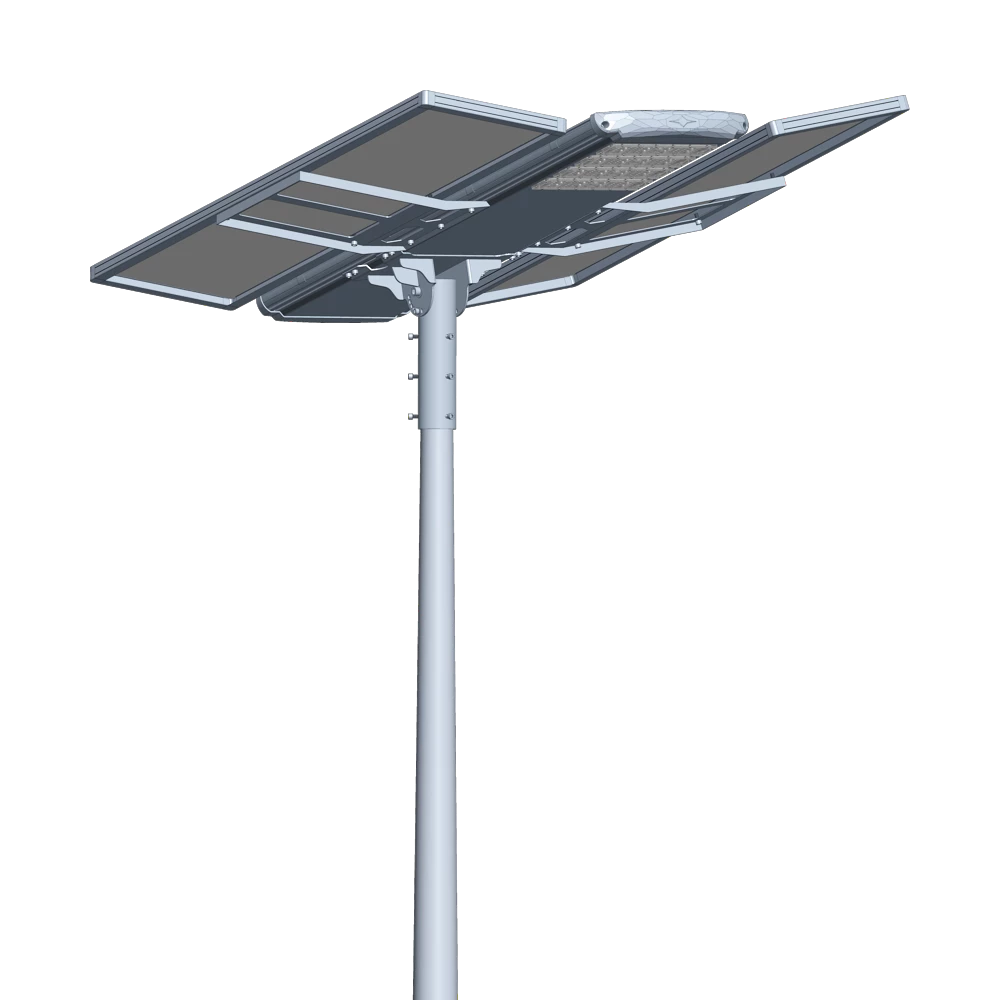
Introducing the Luqing Solar Street Light by Queneng, Efficient LED lighting powered by solar energy is perfect for illuminating outdoor areas. Harness the power of solar energy for sustainable, reliable street lighting. Ideal for eco-friendly, cost-effective outdoor illumination solutions.
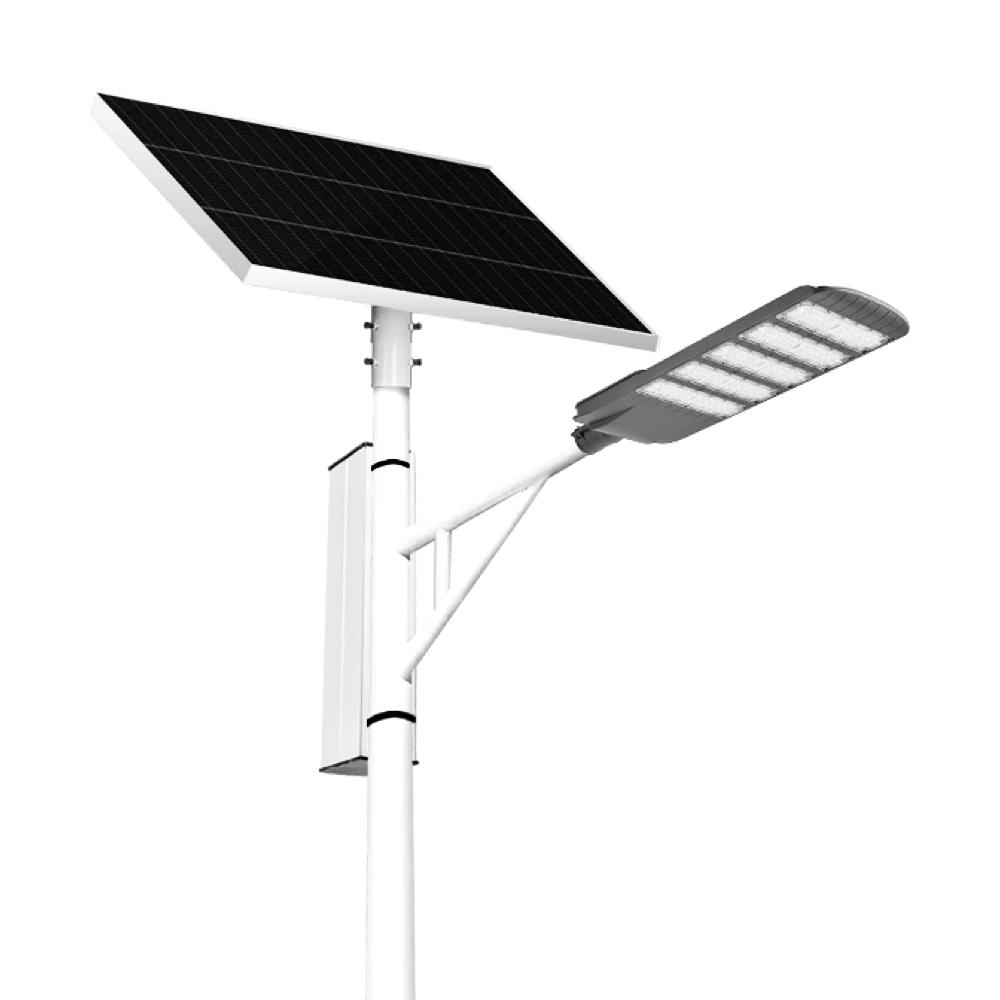
The Solar Streetlights of Luhao for Municipalities are designed to deliver reliable, energy-efficient, and cost-effective public lighting solutions. Equipped with advanced LED technology, durable lithium batteries, and high-efficiency solar panels, these streetlights provide consistent illumination for roads, parks, residential areas, and government projects.
Our professional team is ready to answer any questions and provide personalized support for your project.
You can reach us via phone or email to learn more about Queneng’s solar lighting solutions. We look forward to working with you to promote clean energy solutions!
Rest assured that your privacy is important to us, and all information provided will be handled with the utmost confidentiality.
By clicking 'Send Inquiry Now' I agree to Queneng processing my personal data.
To see how to withdraw your consent, how to control your personal data and how we process it, please see our Privacy Policy and Terms of use.
Schedule a Meeting
Book a date and time that is convenient for you and conduct the session in advance.
Have more questions about our products or services?
The messenger of light & power conversion
Environmental protection and intelligent manufacturing are our brand philosophy, and quality assurance and the best user experience are our eternal promises to users.
CONTACT
No.9F, Building F, Cao San Xin Tian Hong Logistics Park, Guzhen Town, Zhongshan City, Guangdong Province, China.
or write [email protected]
WhatsApp: +86 136 2270 1011


