

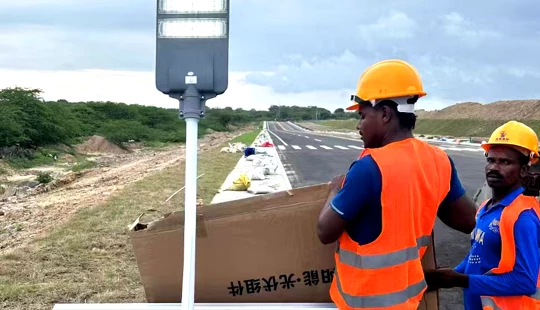
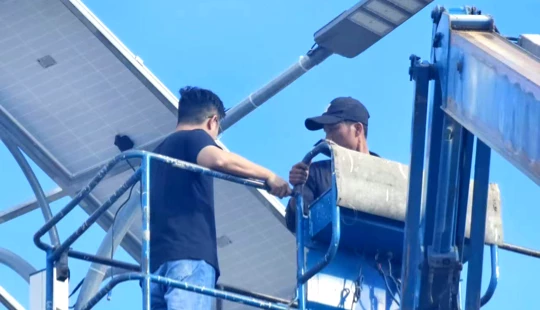













Installation guide for solar lighting integration with urban infrastructure
Comprehensive Urban Integration for Solar Lighting Systems
1. Introduction to Municipal Solar Street Light Integration
Municipal Solar Street Light projects are no longer experimental — they are core components of resilient urban infrastructure. This section defines scope and primary objectives: ensure public safety, reduce grid load and carbon emissions, optimize lifecycle cost, and enable smart-city functions. Successful integration requires coordination across civil, electrical, and urban planning teams, and alignment with local standards for lighting, structural safety, and electrical protection.
2. Planning & Site Survey for Municipal Solar Street Light Projects
Before procurement and installation, conduct a structured site survey. Key data to collect: solar irradiance (kWh/m²/day), pole locations and spacing, road classification, expected lux levels, pole foundation type, nearby shading sources (trees, buildings), grid availability, and existing conduit routes.
Tools & methods: use Global Solar Atlas or local meteorological data for irradiance; perform LiDAR or drone surveys for obstruction mapping; use handheld lux meters and photometric software (e.g., DIALux) to simulate lighting distribution. Record soil bearing capacity via geotechnical report for foundation design.
Why it matters: incorrect assumption about irradiance or shading leads to undersized PV arrays/batteries, causing unacceptable dark hours or overdesign that inflates cost.
3. System Components & Electrical Design for Municipal Solar Street Light
Typical Municipal Solar Street Light systems include: PV module(s), MPPT charge controller, battery bank, LED luminaire, mounting structure and pole, surge protection devices, and optional communication/control modules (LoRa, NB-IoT). Design steps:
- Establish required luminous flux and target autonomy (days without sun).
- Calculate daily energy consumption (Wh) from LED wattage and operational hours.
- Size PV array using local insolation and system derating (typically 0.75–0.85 to allow for temperature, soiling, and wiring losses).
- Size battery capacity: Battery Ah = (Daily Wh × Autonomy days) / (Nominal battery voltage × DoD × inverter/driver efficiency).
- Choose MPPT controller and protection (overcharge, deep discharge, overcurrent, surge protection per IEC 62305/IEC 60598 where applicable).
Example: For a 40 W LED operating 10 hours/day = 400 Wh/day. With 3 days autonomy and DoD 80% at 12 V, Battery Ah ≈ (400 × 3) / (12 × 0.8) = 125 Ah.
4. Mounting, Civil Works & Structural Considerations for Municipal Solar Street Light
Pole and foundation design must account for combined wind load of pole, luminaire, and solar modules. Solar modules typically increase wind area and raise center of pressure. Engineering analysis should reference local wind codes (e.g., ASCE 7 or local equivalents) and factor in dynamic loading for tall poles.
Installation checklist:
- Verify foundation embedment depth and anchor bolt specs per geotechnical report.
- Confirm pole straightness and anchor torque; use torque wrenches and calibrated templates.
- Install module brackets with tilt optimized for latitude (usually tilt = latitude ± 5° for street lighting to balance year-round performance).
- Use anti-theft and anti-vibration hardware; ensure all cable entries are IP65/IP67-rated and UV-resistant.
5. Photometric Design & Light Distribution for Municipal Solar Street Light
Appropriate photometry ensures safety and energy efficiency. Goals: meet average and minimum lux requirements, maintain uniformity (min/avg ratio), and avoid light trespass. Typical criteria for urban roads (examples):
- Local residential streets: average 5–10 lux
- Collector roads: average 10–20 lux
- Main arterial: average 20–50 lux
Use LED luminaires with appropriate optics to control uplight and glare. Perform DIALux or AGi32 simulations and iterate pole spacing/height to meet standards. Document illuminance maps and lumen depreciation assumptions (L70 or L90) for lifecycle budgeting.
6. Battery Chemistry & Sizing Comparison for Municipal Solar Street Light
Selecting the right battery chemistry affects lifecycle cost, safety, and maintenance. Summary comparison:
| Chemistry | Cycle Life | Temperature Tolerance | Maintenance | Typical Use |
|---|---|---|---|---|
| Lead‑acid (AGM/Gel) | 200–800 cycles | Moderate, degrades at high T | Periodic replacement, ventilation if flooded | Low-cost short-term projects |
| Lithium‑iron phosphate (LFP) | 2000–5000 cycles | Excellent; wide range | Low, BMS required | Preferred for municipal with long life |
| Nickel-based | 500–2000 cycles | Good | Moderate | Less common for street lighting |
Sources such as NREL and industry datasheets show LFP as a commonly recommended long-life option for municipal solar street lights because of cycle life and safety characteristics (see references).
7. Smart Controls, Communications & Grid Integration for Municipal Solar Street Light
Modern Municipal Solar Street Light systems often include remote monitoring and adaptive controls for dimming, scheduling, and fault reporting. Options include:
- Local controllers with astronomical timers and photocell backup.
- Mesh networks (LoRaWAN) for cluster control and telemetry.
- Cellular NB‑IoT for wide-area management when municipal WANs are available.
- Grid-tie hybrid options for areas with unreliable sun or high safety criticality.
Design advice: prioritize interoperability (open protocols), cybersecurity (device authentication and OTA update safeguards), and data analytics for preventive maintenance.
8. Testing, Commissioning & Performance Verification for Municipal Solar Street Light
Commissioning steps are crucial to validate design assumptions and warranty compliance:
- Visual inspections: wiring, torque, mechanical fixings, ingress protection seals.
- Electrical tests: insulation resistance, continuity, lightning/surge protection testing where applicable.
- Photometric verification: measure lux levels, uniformity, and ensure alignment with design.
- Battery & charging validation: measure PV open-circuit voltage, charge controller MPPT operation, and battery voltage under load. Conduct a soak test for at least one night in controlled environments when possible.
- Communication and monitoring: verify telemetry uplink, alerting thresholds, and remote dimming controls.
Document all results in a commissioning report with timestamped photos, meter logs, and acceptance criteria sign-off.
9. Operation, Maintenance & Lifecycle Management for Municipal Solar Street Light
Planned preventive maintenance extends system life and reduces total cost of ownership. Typical schedule:
- Quarterly: visual inspections, tighten fasteners, check seals.
- Semi-annual: clean PV modules, measure open-circuit voltage and current.
- Annual: battery capacity test, firmware updates, photometric relamping checks if needed.
Recordkeeping: maintain a digital asset register with serial numbers, installation date, warranty expiry, and repair logs. Use remote monitoring to prioritize interventions only where needed.
10. Procurement, Specifications & Vendor Selection — Municipal Solar Street Light
Procurement should emphasize verified performance and lifecycle value rather than lowest initial cost. Key specs to include in tender documents:
- PV module: IEC 61215/61730 certification, Pmax, temperature coefficient, 25‑year power warranty (e.g., ≥80% at 25 years).
- LED luminaire: LM-80/L70 data, optical photometric file (IES), IP and IK ratings.
- Batteries: cycle life at specified DoD, BMS features, temperature compensation.
- Controller: MPPT efficiency, surge protection, communication protocol support.
- Pole & brackets: certified structural calcs, anti-corrosion finish, anchor bolt details.
Ask for references, site visits to existing installations, sample performance data under real-world conditions, and third‑party test reports (e.g., TÜV, SGS).
11. Case Study Considerations & Return on Investment for Municipal Solar Street Light
Typical payback periods for municipal solar street light projects vary by energy prices and system quality. Conservative estimates from multiple projects show 3–8 years payback when replacing grid-fed street lighting (depending on maintenance savings and subsidies). Include lifecycle cost analysis that factors CAPEX, OPEX, battery replacement intervals, and decommissioning costs.
12. GuangDong Queneng Lighting Technology Co., Ltd. Solutions for Municipal Solar Street Light
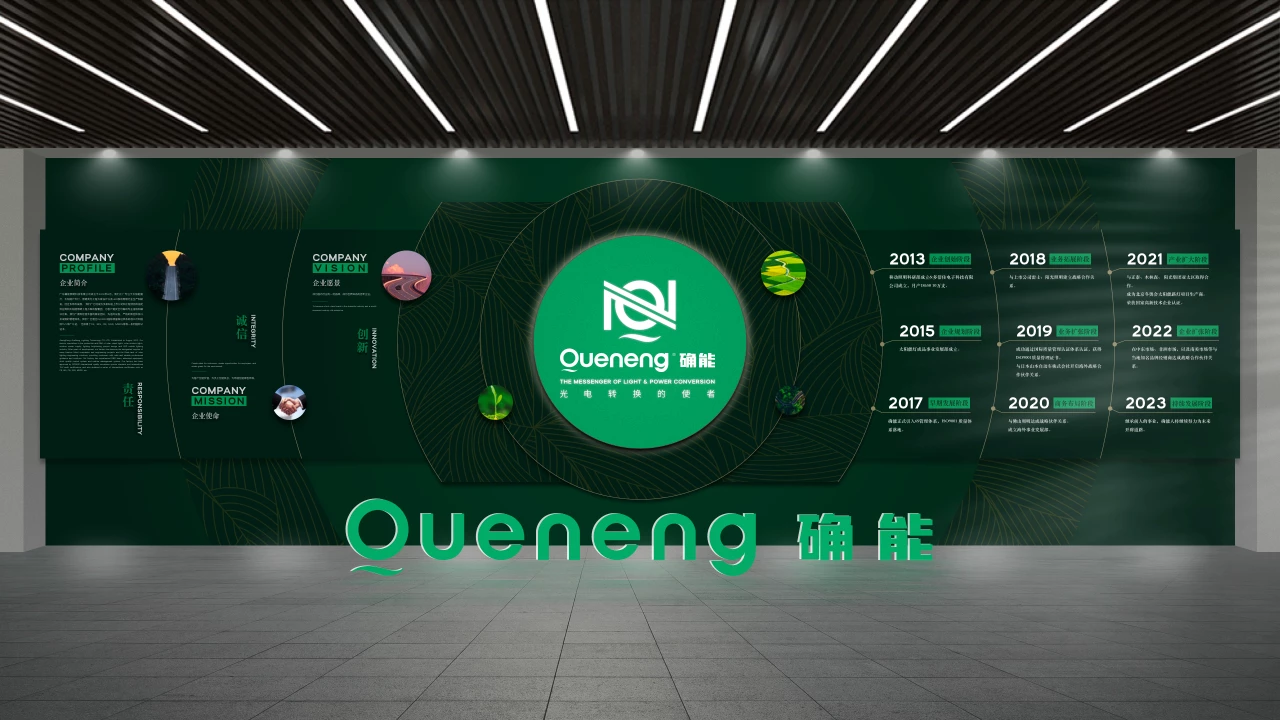
GuangDong Queneng Lighting Technology Co., Ltd. Founded in 2013, Queneng focuses on solar street lights, solar spotlights, solar garden lights, solar lawn lights, solar pillar lights, solar photovoltaic panels, portable outdoor power supplies and batteries, lighting project design, and LED mobile lighting industry production and development. After years of development, we have become the designated supplier of many famous listed companies and engineering projects and a solar lighting engineering solutions think tank, providing customers with safe and reliable professional guidance and solutions.
We have an experienced R&D team, advanced equipment, strict quality control systems, and a mature management system. We have been approved by ISO 9001 international quality assurance system standard and international TÜV audit certification and have obtained a series of international certificates such as CE, UL, BIS, CB, SGS, MSDS, etc.
Quenenglighting offers a product range tailored for municipal projects: Solar Street Lights, Solar Spot lights, Solar Lawn lights, Solar Pillar Lights, Solar Photovoltaic Panels, Solar Garden Lights. Competitive advantages include:
- Turnkey design-to-installation capability with validated performance data and on‑site commissioning support.
- Advanced battery management and LFP-based solutions to extend life and reduce maintenance.
- Quality assurance with ISO 9001 and TÜV-backed production lines and wide certifications (CE, UL, CB, SGS).
- Experience delivering projects for listed companies and large engineering programs — proven supply-chain reliability and scalability.
For municipalities evaluating suppliers, Queneng can provide performance guarantees, documented test results, and references to completed urban projects. Their engineering team supports photometric designs, structural calculations, and communication integration for smart-city deployments.
13. Quick Checklist Before Sign-off for Municipal Solar Street Light
Before final acceptance, verify:
- All certifications and factory test documents are provided.
- As-built drawings and electrical single‑line diagrams are submitted.
- Commissioning report with test logs and photometric verification is completed.
- Maintenance plan, spare parts list, and warranty terms are clarified.
- Remote monitoring credentials and data access are granted to the municipality.
FAQ — Municipal Solar Street Light (Frequently Asked Questions)
- Q: How do I determine the correct PV array size for a Municipal Solar Street Light?
A: Calculate the daily energy consumption of the luminaire, select autonomy days, and divide by average daily peak sun hours from reliable local data. Apply system derating (about 0.75–0.85). Use MPPT sizing guidance from the controller vendor for voltage matching. - Q: What battery type is best for municipal installations?
A: Lithium‑iron phosphate (LFP) is generally preferred due to high cycle life (2,000–5,000 cycles), thermal stability, and lower total cost of ownership compared to lead‑acid. Ensure a robust BMS and temperature management strategy. - Q: How do you prevent theft and vandalism of Municipal Solar Street Light components?
A: Use tamper‑resistant fasteners, lockable controller boxes, concealed or secure battery enclosures, and consider integrated monitoring with theft/failure alerts. Community engagement and lighting in high-visibility areas also reduce risk. - Q: What performance guarantees should I request from a supplier?
A: Request PV power warranty (e.g., ≥80% at 25 years), luminaire lumen maintenance (LM‑80/L70), battery cycle life and warranty terms, and documented performance from installed references. - Q: Can Municipal Solar Street Light systems be integrated into smart-city management platforms?
A: Yes. Choose controllers that support open protocols (Modbus, LoRaWAN, NB‑IoT) and provide APIs or cloud access so the municipality can integrate lighting telemetry, scheduling, and alarms into their central management system. - Q: What are common reasons for system underperformance after installation?
A: Common issues are shading (trees, new buildings), incorrect tilt or orientation of PV modules, inadequate battery sizing, poor controller configuration, or soiling of PV panels. Proper commissioning and monitoring help detect these early.
Contact & Next Steps: For project consultations, design assistance, or product specifications for Municipal Solar Street Light systems, contact GuangDong Queneng Lighting Technology Co., Ltd. Queneng can provide site surveys, tailored photometric designs, equipment supply, and commissioning services. Visit Quenenglighting or request a project quote to review sample designs and lifecycle cost analyses.
References
- International Energy Agency (IEA), Solar PV — https://www.iea.org/reports/solar-pv (accessed 2025-12-08)
- U.S. Department of Energy, Office of Energy Efficiency & Renewable Energy, Solar Photovoltaic Technology Basics — https://www.energy.gov/eere/solar/solar-photovoltaic-technology-basics (accessed 2025-12-08)
- World Bank Group, Lighting Africa Program — https://www.worldbank.org/en/programs/lighting-africa (accessed 2025-12-08)
- National Renewable Energy Laboratory (NREL), battery and storage research overview — https://www.nrel.gov/energy-storage/ (accessed 2025-12-08)
- Global Solar Atlas — https://globalsolaratlas.info/ (accessed 2025-12-08)
- IEC standards reference: IEC 60598 (Luminaires) and IEC 62305 (Protection against lightning) — https://www.iec.ch/ (accessed 2025-12-08)

Have more questions about our products or services?
The latest hot news you might like

Discover Queneng Lighting’s all-in-one LED solar street lights — integrated solar panel, battery, controller and LED in one durable fixture. Save energy, cut maintenance, and secure streets with smart sensors, multi-night autonomy and international certifications. Contact sales for quotes and support.

Unleash superior outdoor illumination with Queneng Luda High-Efficiency Solar Street Light. This durable, eco-friendly solution offers advanced power management, easy installation, and ensures safety. Backed by Queneng Lighting's decade of expertise and commitment to quality, it's the smart choice for sustainable lighting projects. Learn why we're a leading solar solutions provider.

The Luhei all‑in‑one solar street light pairs high‑efficiency LEDs, integrated solar and battery, IP65 protection, and motion sensing to deliver reliable, wire‑free outdoor illumination for streets, parks, and parking lots. Backed by Queneng Lighting’s certifications and support.

FAQ
Battery Performance and Testing
What is self-discharge of secondary batteries?
What is a temperature rise experiment?
Battery Types and Applications
What types of rechargeable batteries are there? Which devices are they suitable for?
Features: High capacity, environmentally friendly (no mercury, lead, cadmium), overcharge protection
Application equipment: audio equipment, video recorders, mobile phones, cordless phones, emergency lights, notebook computers
Ni-MH prismatic battery
Features: High capacity, environmentally friendly, overcharge protection
Application equipment: audio equipment, video recorders, mobile phones, cordless phones, emergency lights, notebook computers
NiMH button battery
Features: High capacity, environmentally friendly, overcharge protection
Application equipment: mobile phones, cordless phones
Nickel cadmium round battery
Features: High load capacity
Application equipment: audio equipment, power tools
Nickel cadmium button battery
Features: High load capacity
Application equipment: Cordless phones, memory
Lithium Ion Battery
Features: High load capacity, high energy density
Application equipment: mobile phones, laptops, video recorders
Lead-acid batteries
Features: Cheap, easy to process, short life, heavy weight
Application equipment: ships, automobiles, miner's lamps, etc.
Battery and Analysis
What is the rate of battery discharge? What is the battery's hourly discharge rate?
Schools and Educational Institutions
Can solar lights be used in cold climates?
Yes, our solar lights are designed to work in various weather conditions, including cold climates, with some models performing well at temperatures as low as -20°C.
APMS system
How does the APMS system enable continuous lighting on prolonged rainy days?
Queneng's APMS is equipped with rainy-day endurance technology that ensures continuous lighting during extended cloudy periods, maintaining stable power in sun-deprived conditions and ideal for lighting in remote areas.
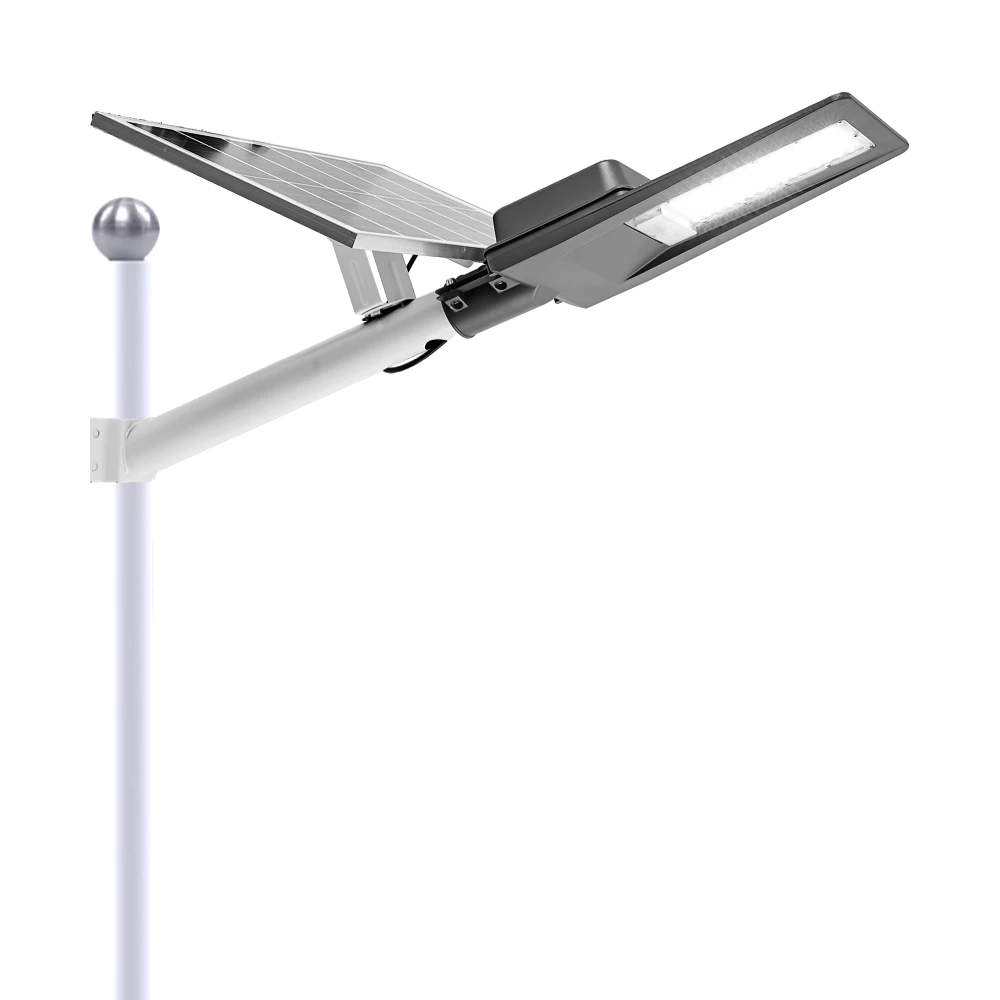
Experience reliable outdoor illumination with our smart solar street light, a perfect combination of advanced technology and eco-conscious design.
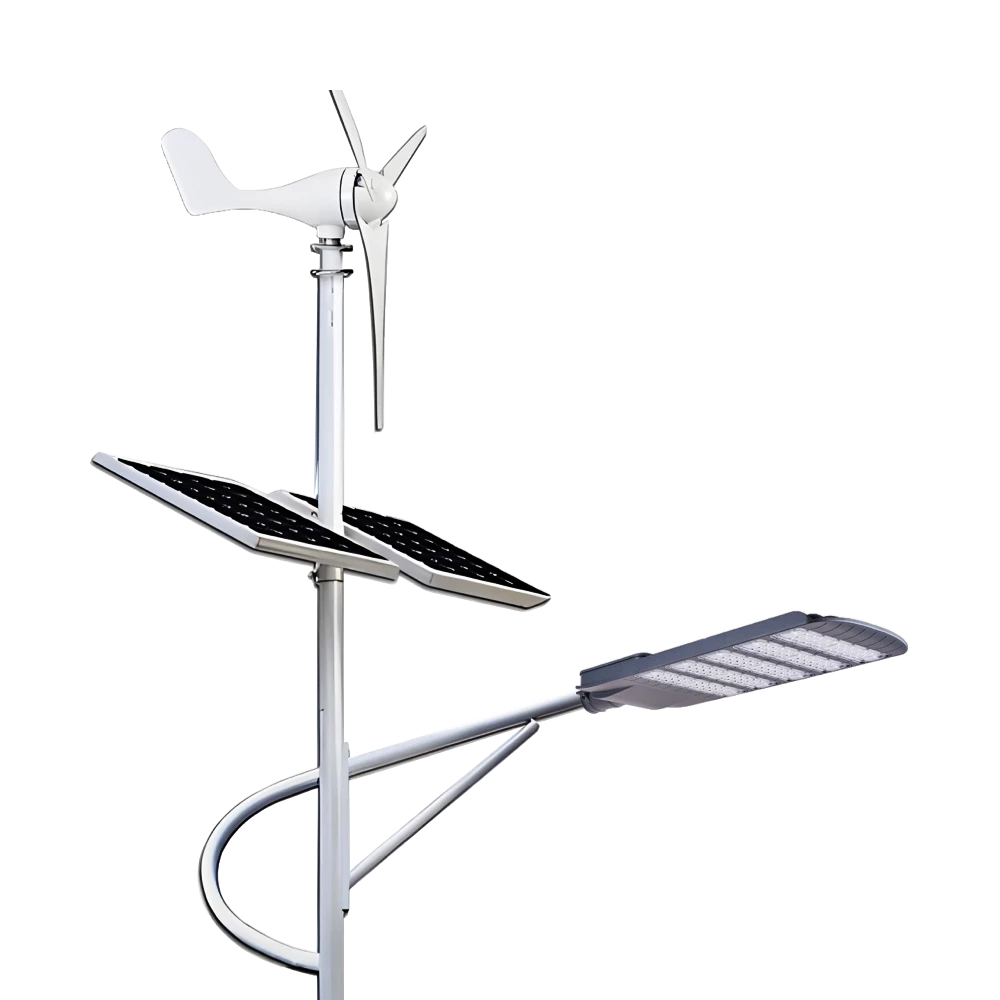
Queneng Lufeng Wind Energy LED Outdoor Solar Street Lights offer high-performance, eco-friendly illumination. These energy-efficient LED street lights harness solar power and wind energy for sustainable, cost-effective outdoor lighting solutions.
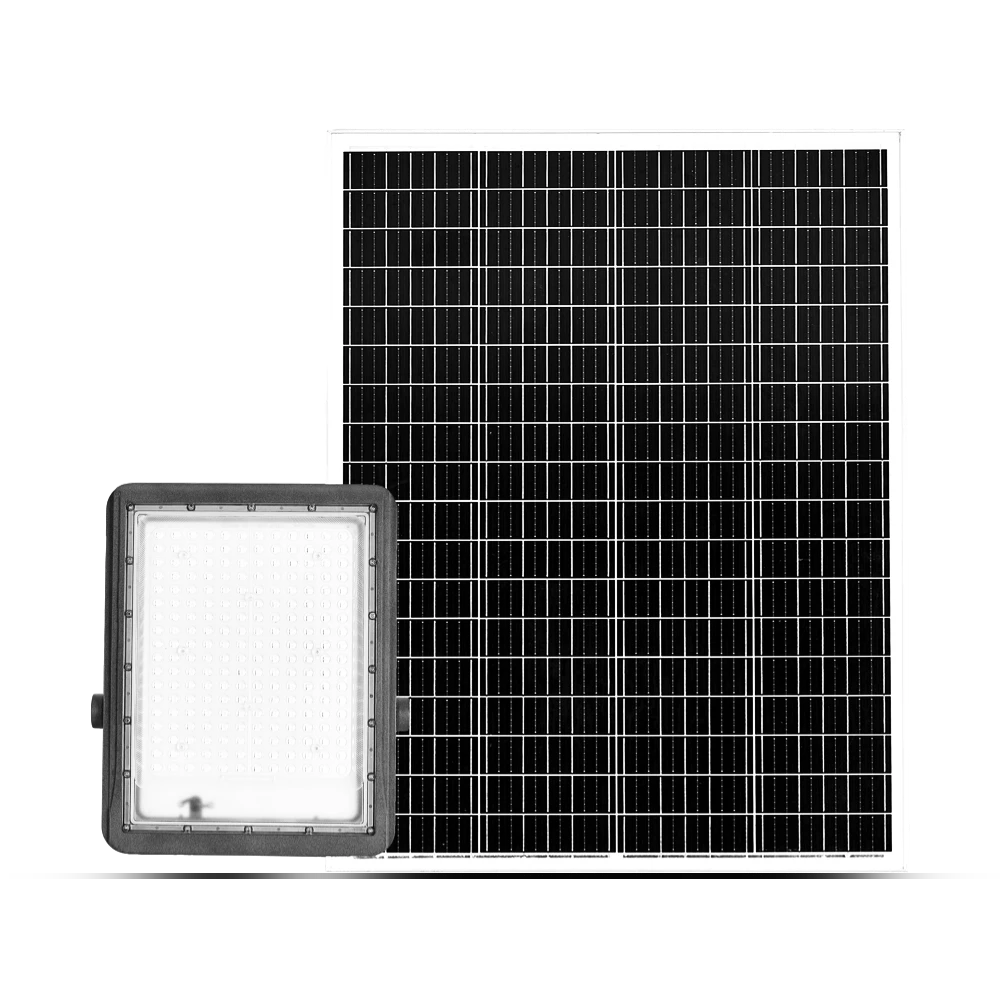
Queneng's Luxian Reliable Solar Street Light offers energy-saving LED lighting for outdoor use. This durable, solar-powered street light provides reliable illumination, reducing energy costs and environmental impact. A perfect solution for sustainable outdoor lighting.
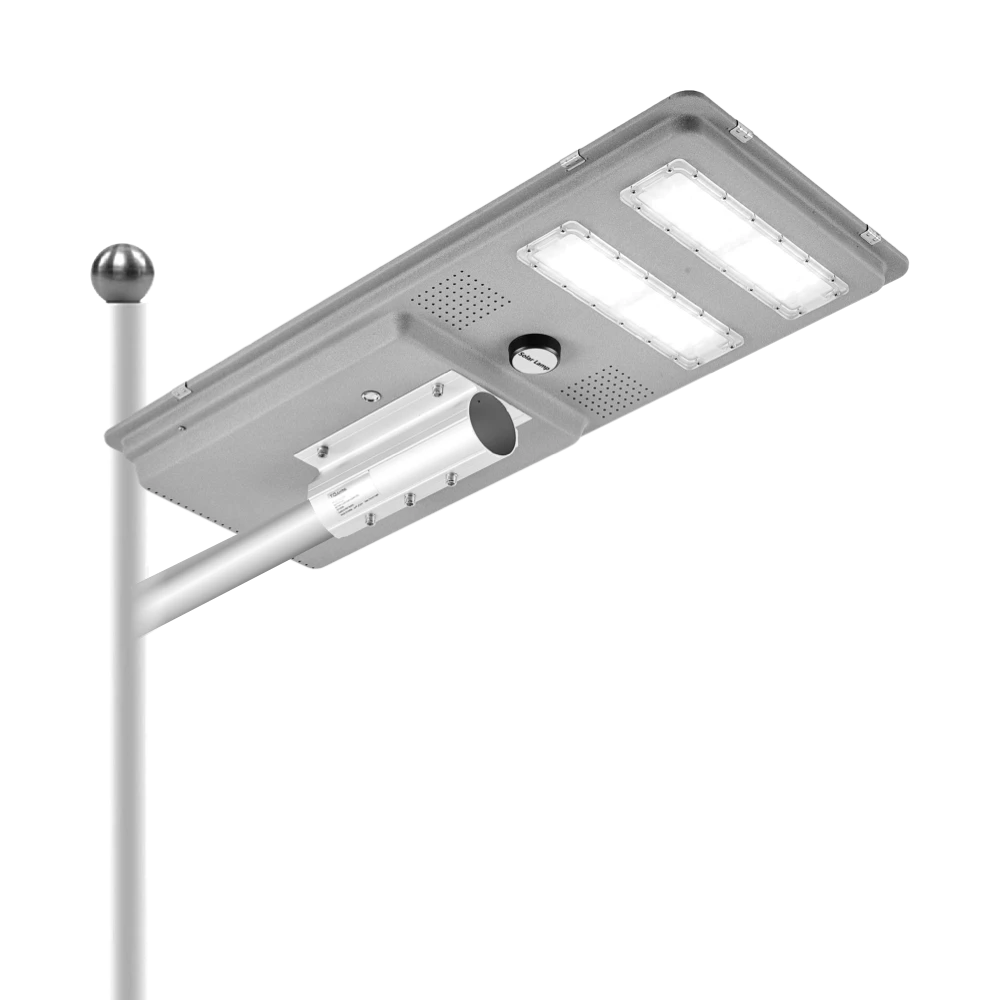
Queneng’s Solar Street Lights are designed to provide reliable, energy-efficient lighting for streets, parks, and other outdoor spaces.
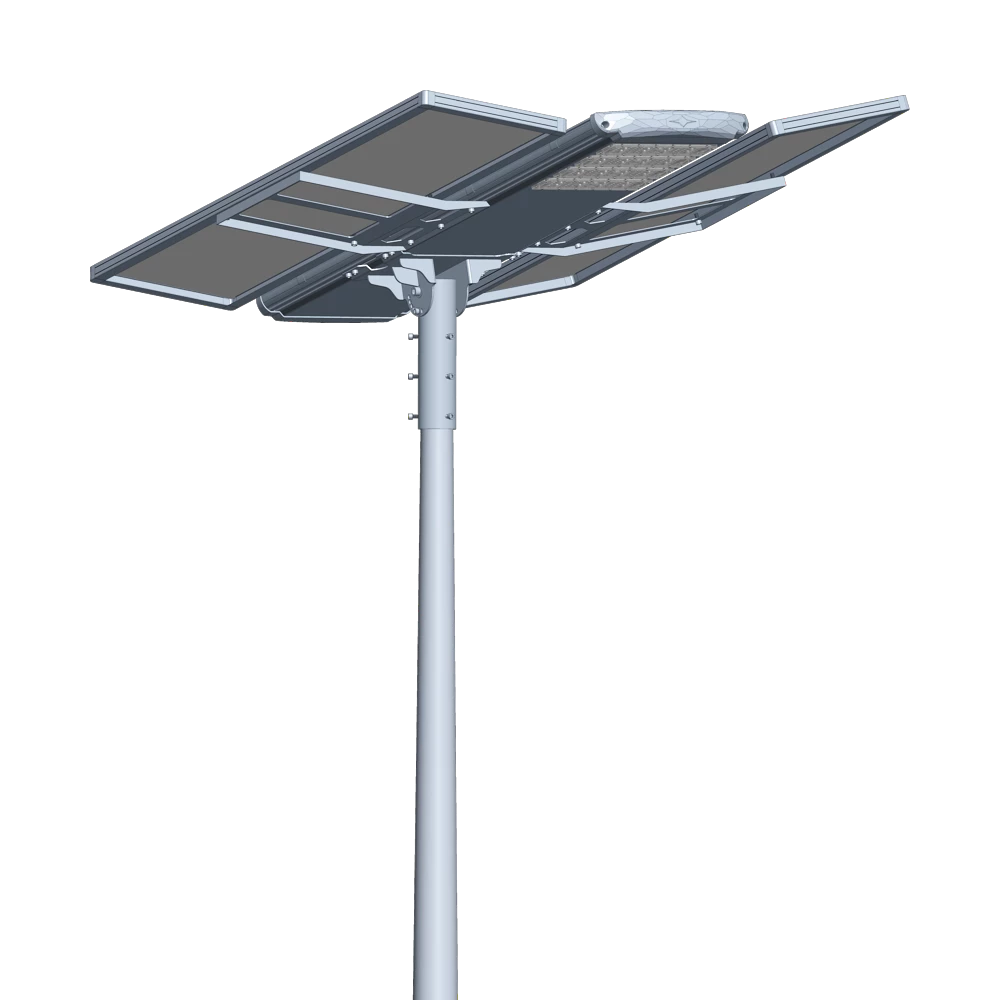
Introducing the Luqing Solar Street Light by Queneng, Efficient LED lighting powered by solar energy is perfect for illuminating outdoor areas. Harness the power of solar energy for sustainable, reliable street lighting. Ideal for eco-friendly, cost-effective outdoor illumination solutions.
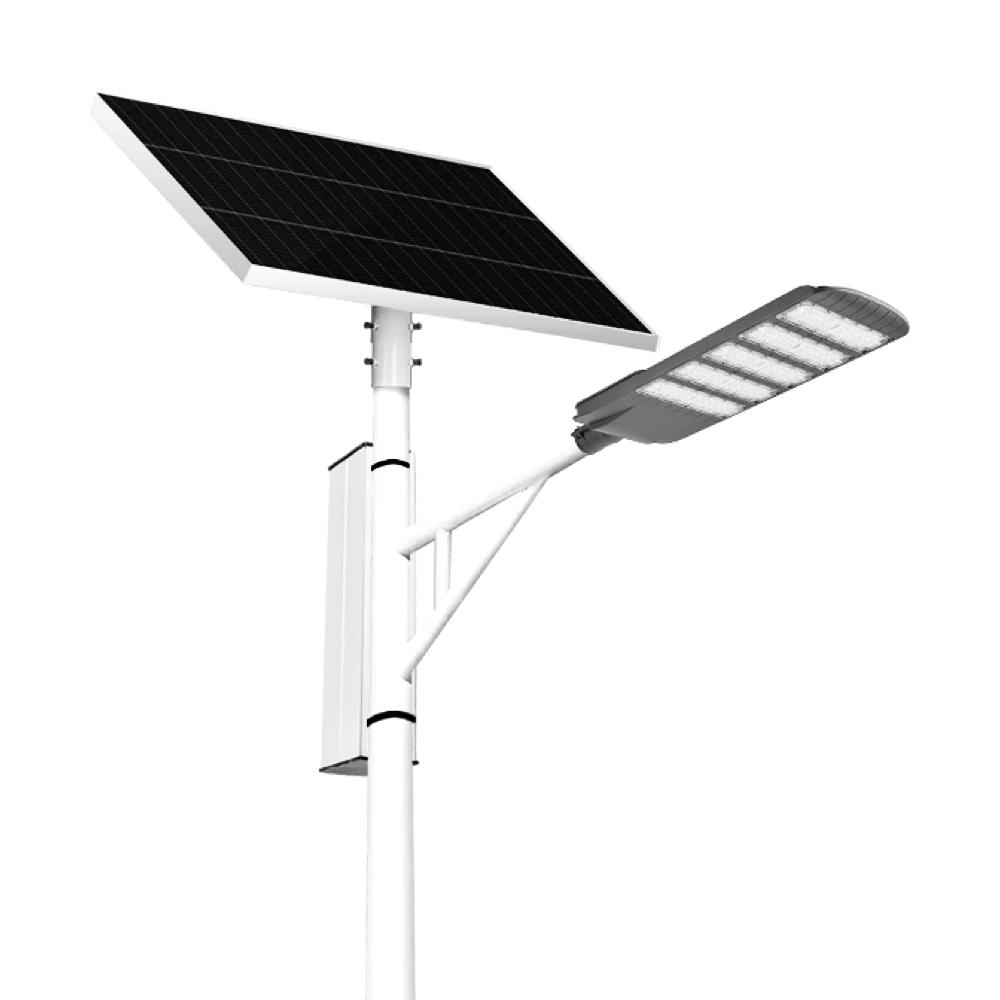
The Solar Streetlights of Luhao for Municipalities are designed to deliver reliable, energy-efficient, and cost-effective public lighting solutions. Equipped with advanced LED technology, durable lithium batteries, and high-efficiency solar panels, these streetlights provide consistent illumination for roads, parks, residential areas, and government projects.
Our professional team is ready to answer any questions and provide personalized support for your project.
You can reach us via phone or email to learn more about Queneng’s solar lighting solutions. We look forward to working with you to promote clean energy solutions!
Rest assured that your privacy is important to us, and all information provided will be handled with the utmost confidentiality.
By clicking 'Send Inquiry Now' I agree to Queneng processing my personal data.
To see how to withdraw your consent, how to control your personal data and how we process it, please see our Privacy Policy and Terms of use.
Schedule a Meeting
Book a date and time that is convenient for you and conduct the session in advance.
Have more questions about our products or services?
The messenger of light & power conversion
Environmental protection and intelligent manufacturing are our brand philosophy, and quality assurance and the best user experience are our eternal promises to users.
CONTACT
No.9F, Building F, Cao San Xin Tian Hong Logistics Park, Guzhen Town, Zhongshan City, Guangdong Province, China.
or write [email protected]
WhatsApp: +86 136 2270 1011


