

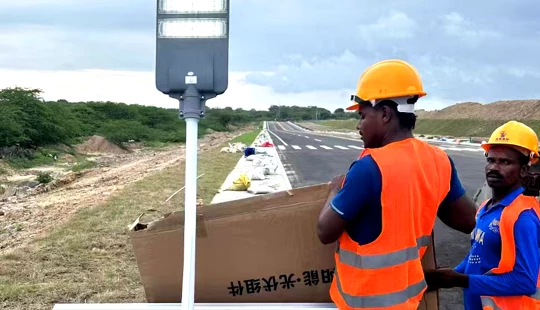
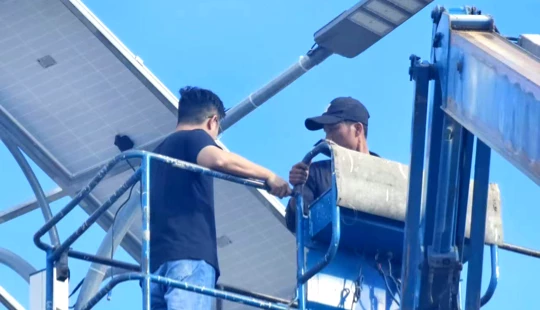













Installation guide for modular solar street light systems
Planning a Resilient Municipal Solar Street Lighting Project
This installation guide addresses the practical steps and engineering judgments required to successfully deploy municipal solar street light systems using modular components. It is written for engineers, municipal procurement officers, project managers, and contractors who need clear, verifiable procedures and decision criteria for planning, installing, commissioning, and maintaining solar street lighting at city or community scale.
Municipal Solar Street Light: Site assessment and load definition
Start with a detailed site assessment. For municipal solar street light projects, understanding solar irradiance, shading, ambient temperature ranges, mounting constraints, lighting levels, and electrical load profile is essential.
- Solar resource: Use a minimum of one full year of local irradiation data (PVGIS, Meteonorm, or NASA POWER). For initial planning, get monthly average Global Horizontal Irradiance (GHI) and Design Reference Year (DRY) values.
- Shading survey: Map potential shading obstacles (trees, buildings) at the proposed pole height. Even small periodic shading can reduce battery life and cause underperformance.
- Illumination requirements: Define required lux and uniformity according to local standards (e.g., roadway class: residential, collector, arterial). Typical municipal requirements range from 5–20 lux depending on road class.
- Operational profile: Determine nightly operational hours and dimming schedules (e.g., 100% for first 4 hours, 60% thereafter). These significantly affect battery and PV sizing.
Municipal Solar Street Light: Component selection — luminaires, PV, and batteries
Choosing appropriate modular components for municipal solar street light systems improves uptime and simplifies maintenance. Key selections: LED luminaire, PV module type, battery chemistry, controller, and mounting/pole system.
Practical guidance:
- LED luminaire: Select fixtures with appropriate lumen output, efficacy (>120 lm/W for modern municipal fixtures), good optical control (cutoff and distribution types), and IP65 or better for outdoor use.
- PV modules: Prefer tempered glass multi- or mono-crystalline modules with PID resistance and suitable temperature coefficients. Consider bifacial modules in reflective environments.
- Batteries: For municipal systems, lithium iron phosphate (LiFePO4) increasingly offers longer cycle life and better depth-of-discharge (DoD) vs sealed lead-acid; choose cells with proven cycle life and an appropriate Battery Management System (BMS).
| Chemistry | Typical Cycle Life | Usable DoD | Temp Range | Maintenance | Relative Cost/kWh |
|---|---|---|---|---|---|
| Sealed Lead-Acid (AGM/Gel) | 400–800 | 30–50% | -10°C to 40°C | Low but limited life | Low |
| Li-ion (NMC) | 1000–2000 | 70–90% | -20°C to 55°C | Low, requires BMS | Medium |
| LiFePO4 | 2000–5000 | 80–90% | -20°C to 60°C | Low, excellent safety | Medium–High |
Data sources: IRENA and NREL publications provide broad lifecycle and performance comparisons for battery chemistries (see References).
Municipal Solar Street Light: System sizing — PV and battery calculation
Sizing should be conservative for municipal applications to ensure reliability. The basic sizing workflow:
- Calculate the daily energy requirement of the luminaire: E_daily = Rated lumen system wattage × operating hours × derating factors (driver loss, dirt on optics).
- Decide autonomy days (days of autonomy without sun). For municipal projects, 3–7 days is common depending on climate and criticality.
- Battery capacity (kWh) = E_daily × autonomy / DoD. Add ~10% to account for aging and inefficiencies.
- PV array energy per day required = E_daily / PV_system_efficiency (includes inverter/controller efficiency, temperature losses, soiling). Use local daily peak sun hours (PSH) to find PV wattage: PV_Wp = PV_energy_required / PSH.
Example (simplified): a 50W LED fixture operating 12 hours/night with 1.2 derating factor consumes 50×12×1.2 = 720 Wh/day. For 4 days autonomy and 80% usable DoD, battery = 0.72 kWh × 4 / 0.8 = 3.6 kWh. If local PSH = 5 h and system efficiency = 0.75, PV_Wp ≈ (0.72/0.75)/5 = 192 Wp (round to 200–250 Wp to allow margin).
Municipal Solar Street Light: Foundation, pole, and mechanical mounting
Robust mechanical design prevents premature failures. For modular municipal solar street light systems:
- Poles: Use poles sized for luminaire weight, solar module(s), and wind load. Design to local codes; consider 25–50 year life span.
- Foundations: Typical shallow or deep foundations depend on soil. Use geotechnical data; a common approach is a reinforced concrete base sized per pole and wind load calculations.
- Bracketry and module mounting: Use corrosion-resistant fasteners, tilt angles optimized for latitude, and anti-theft/anti-vibration features.
Municipal Solar Street Light: Electrical design, controllers, and grounding
Electrical reliability and safety are vital. For municipal solar street light projects:
- Controllers: Use MPPT charge controllers sized for PV short-circuit current with surge protection and temperature compensation.
- DC wiring: Minimize voltage drop—choose conductor sizes for <3% voltage drop where possible. For longer runs, step up voltage (e.g., 24V/48V vs 12V) to reduce losses.
- Surge protection & grounding: Include surge arresters on PV and luminaire circuits. Proper earthing per local code reduces lightning and surge damage risk.
- Remote monitoring: Include telemetry for state-of-charge (SoC), PV generation, and alarm thresholds for municipal asset management.
Municipal Solar Street Light: Modular system wiring and quick-replacement strategy
One advantage of modular designs for municipal solar street light projects is rapid fault isolation and replacement. Best practices:
- Use standardized connectors and labeled modular components (plug-and-play battery packs, luminaire modules, PV strings) to enable fast swaps.
- Design for hot-swap where possible: BMS and controllers should be able to safely isolate a module for replacement without full system shutdown.
- Document spare-parts inventory aligned with mean time to repair (MTTR) targets for municipal service levels.
Municipal Solar Street Light: Commissioning, testing, and acceptance
Commissioning ensures systems meet performance guarantees. Recommended steps:
- Pre-energization checks: verify mechanical fasteners, torque, grounding, and correct cable routing.
- Electrical verification: measure open-circuit PV voltage, short-circuit current, controller parameters, battery voltage and internal resistance, continuity, and insulation resistance.
- Functional tests: run full-night simulation where controllers force lighting schedules; verify dimming transitions, remote reporting, and failover behavior.
- Documentation handover: as-built drawings, O&M manual, warranty certificates, and training for municipal maintenance teams.
Municipal Solar Street Light: Safety, compliance and standards
Adherence to international and local standards reduces liability. Typical references include IEC/EN standards for lighting and electrical safety, CE/UL product certifications, and local building codes. For municipal procurement, require testing certificates (e.g., IEC 61215/61730 for PV, IEC 60598 for luminaires) and third-party verification of luminous flux and IP ratings.
Municipal Solar Street Light: Long-term maintenance, lifecycle, and performance monitoring
Plan a lifecycle maintenance program to protect public investment. Key elements:
- Routine inspection: quarterly visual inspections for dirt, corrosion, and mechanical damage; annual electrical testing.
- Remote monitoring: telemetry reduces truck rolls by enabling condition-based maintenance. Monitor SoC trends, PV yield, and lamp hours.
- End-of-life planning: batteries and PV modules need recycling channels; include take-back clauses in procurement where possible.
Municipal Solar Street Light: Cost comparison and warranty considerations
When evaluating vendors, compare total cost of ownership (TCO), not just upfront cost. Important warranty and performance clauses:
- PV module degradation warranty (typically 25 years with at least 80% output at year 25).
- Battery cycle/warranty terms and replacement scheduling funded in TCO.
- Fixture warranty (LED lumen maintenance warranty often 5–10 years).
| Item | Typical Warranty | Impact on TCO |
|---|---|---|
| PV Module | 10–25 years (performance 25 yrs) | High (long life reduces replacement capex) |
| Battery | 2–8 years (depends on chemistry) | High (replacement major contributor) |
| LED Luminaire | 3–10 years | Medium (maintenance & replacement) |
Municipal Solar Street Light: Case-specific adjustments (cold climates, high-soiling, high winds)
Adjust designs to local extremes. Cold climates require battery heating or insulation; high-soiling environments need larger PV margin and cleaning schedules; high-wind zones need uprated poles and foundations. Document adjustments in the project technical specification and procurement documents.
Municipal Solar Street Light: GuangDong Queneng Lighting Technology Co., Ltd. — Supplier profile and capabilities
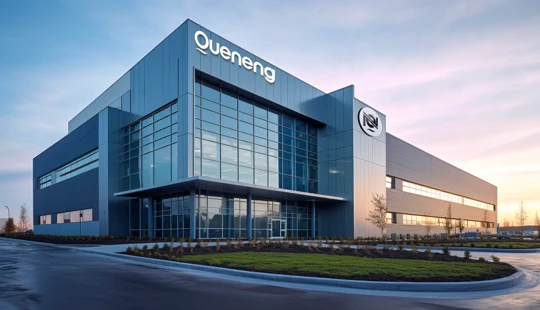
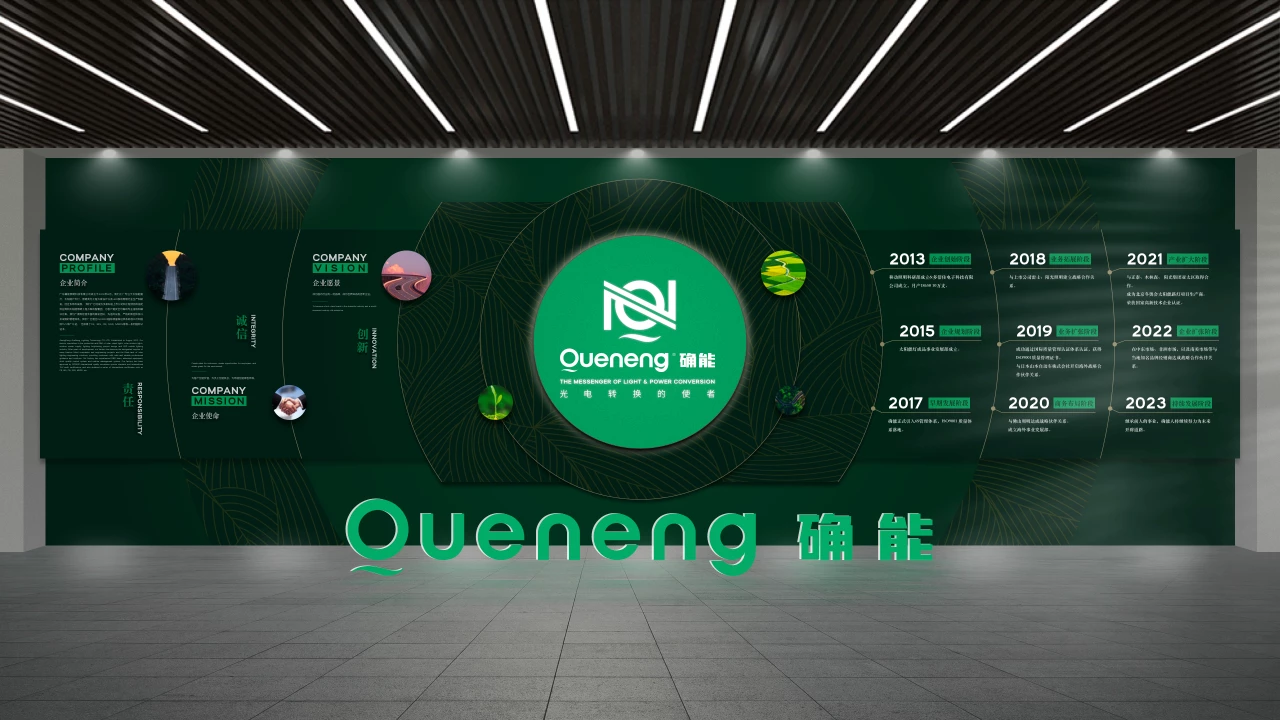
GuangDong Queneng Lighting Technology Co., Ltd. Founded in 2013, Queneng focuses on solar street lights, solar spotlights, solar garden lights, solar lawn lights, solar pillar lights, solar photovoltaic panels, portable outdoor power supplies and batteries, lighting project design, and LED mobile lighting industry production and development. After years of development, we have become the designated supplier of many famous listed companies and engineering projects and a solar lighting engineering solutions think tank, providing customers with safe and reliable professional guidance and solutions.
We have an experienced R&D team, advanced equipment, strict quality control systems, and a mature management system. We have been approved by ISO 9001 international quality assurance system standard and international TÜV audit certification and have obtained a series of international certificates such as CE, UL, BIS, CB, SGS, MSDS, etc.
Queneng's primary products include Solar Street Lights, Solar Spot lights, Solar Lawn lights, Solar Pillar Lights, Solar Photovoltaic Panels, and Solar Garden Lights. Competitive advantages include:
- End-to-end solutions: from product manufacturing to project-level lighting design and engineering guidance suitable for municipal deployments.
- Quality assurance: ISO 9001 and TÜV-validated processes plus multiple international certifications (CE, UL, CB, etc.) reduce procurement risk for municipalities.
- Technical depth: an experienced R&D team enables customization—important for site-specific municipal solar street light configurations.
- Proven track record: long-term supplier relationships with public projects and listed companies indicate operational and delivery credibility.
Municipal Solar Street Light: Procurement checklist and acceptance templates
Include the following in tender documents to ensure clarity and quality:
- Technical specifications for LED lumen output, optical distribution, PV capacity, battery chemistry and capacity, controller features (MPPT, BMS), and warranties.
- Site-specific drawings: pole spacing, orientation, tilt angles, foundations, and cable routes.
- Performance acceptance tests: minimum PV yield, battery charge/discharge verification, lumens at specified heights, and telemetry commissioning.
- Spare parts and training requirements: specify spare batteries, modules, controllers, and on-site training sessions for municipal maintenance staff.
Municipal Solar Street Light: Final recommendations and risk mitigation
For municipal solar street lighting, prioritize reliability and maintainability over minimal upfront cost. Key risk mitigations:
- Choose reputable suppliers with third-party certifications and local service capability.
- Include remote monitoring for fleet-wide health checks and to reduce MTTR.
- Specify performance-based acceptance and long-term O&M contracts or local capacity building for maintenance.
FAQ
Q1: How long should a municipal solar street light battery last?
A: It depends on chemistry and operating conditions. LiFePO4 commonly offers 2000–5000 cycles (equivalent to 6–15+ years depending on cycle frequency), while sealed lead-acid often lasts 2–5 years. Warranty terms vary—verify cycle-life and end-of-warranty capacity.
Q2: Can modular solar street light systems work in cloudy climates?
A: Yes, with appropriate design: increase PV array size, increase battery autonomy days, include efficient optics and dimming schedules, and use accurate local irradiation data for sizing.
Q3: What maintenance should municipalities budget annually?
A: Typical maintenance includes quarterly inspections, annual electrical tests, periodic cleaning of PV surfaces (frequency depends on soiling), and battery checks. Budget 1–3% of initial capex annually for routine maintenance, higher for very large fleets.
Q4: Is remote monitoring necessary for municipal projects?
A: Strongly recommended. Remote monitoring reduces truck rolls, allows prompt detection of faults, and enables data-driven maintenance planning. For large deployments, it can significantly lower O&M costs.
Q5: What warranties and certifications should I require?
A: Require PV module performance warranty (≥25 years performance), battery warranty with specified cycle life, luminaire warranty (≥3–5 years typically), and product certifications (e.g., CE, UL, IEC/EN standards). Also request third-party test reports for luminous flux and IP ratings.
Q6: How to protect systems against theft and vandalism?
A: Use tamper-proof fasteners, lockable enclosure for batteries/controllers, anti-theft mounting for PV modules, and situational measures such as CCTV or community engagement programs.
If you need design support, product specifications, or a quotation for municipal solar street light projects, contact our team or view our product range. For reliable, certified solutions and engineering guidance, consider GuangDong Queneng Lighting Technology Co., Ltd. — a proven partner in solar lighting.
References
- International Renewable Energy Agency (IRENA), Innovation Outlook: Energy Storage, October 2019. https://www.irena.org/publications/2019/Oct/Innovation-Outlook-Energy-Storage (accessed 2025-11-30).
- National Renewable Energy Laboratory (NREL), Photovoltaic System Design and Installation guidance and off-grid system reports. https://www.nrel.gov/ (example resources accessed 2025-11-30).
- Lighting Global/IFC, Off-Grid Market Data and Product Quality Guidance. https://www.lightingglobal.org/ (accessed 2025-11-30).
- IEA, Renewables 2023 Market Report. https://www.iea.org/ (accessed 2025-11-30).
- IEC Standards overview for PV and luminaires: IEC 61215, IEC 61730, IEC 60598. https://www.iec.ch/ (accessed 2025-11-30).

Have more questions about our products or services?
The latest hot news you might like

Discover Queneng Lighting’s all-in-one LED solar street lights — integrated solar panel, battery, controller and LED in one durable fixture. Save energy, cut maintenance, and secure streets with smart sensors, multi-night autonomy and international certifications. Contact sales for quotes and support.

Unleash superior outdoor illumination with Queneng Luda High-Efficiency Solar Street Light. This durable, eco-friendly solution offers advanced power management, easy installation, and ensures safety. Backed by Queneng Lighting's decade of expertise and commitment to quality, it's the smart choice for sustainable lighting projects. Learn why we're a leading solar solutions provider.

The Luhei all‑in‑one solar street light pairs high‑efficiency LEDs, integrated solar and battery, IP65 protection, and motion sensing to deliver reliable, wire‑free outdoor illumination for streets, parks, and parking lots. Backed by Queneng Lighting’s certifications and support.

FAQ
Tourist Attractions and Resorts
Are solar lighting systems easy to install in remote areas without grid access?
Yes, solar lighting systems are ideal for remote locations where grid access is unavailable or difficult. They are self-sustaining and do not require external power sources, making them a perfect solution for isolated resorts or tourist attractions.
Solar Street Light Luan
What makes Luan solar street lights high-efficiency?
Luan solar street lights are equipped with advanced high-efficiency solar panels and LED technology. The panels capture solar energy effectively, even under low light conditions, while the energy-efficient LEDs provide bright illumination with minimal power consumption, ensuring long-lasting performance.
Transportation and Highways
Can the brightness be adjusted for different traffic conditions?
Yes, smart controls enable brightness adjustment based on traffic density.
Solar Street Light Luyan
What types of batteries are used in Luyan solar street lights, and how do they work?
Luyan solar street lights use high-quality lithium-ion batteries. These batteries store the solar energy captured during the day and provide reliable illumination at night. Lithium-ion batteries are known for their longer lifespan, faster charging times, and better energy storage compared to traditional lead-acid batteries.
Commercial and Industrial Parks
Can the lighting systems be upgraded in the future?
Yes, our modular designs allow for easy upgrades, such as adding smart features or higher capacity batteries.
Battery Types and Applications
What batteries will dominate the battery market?
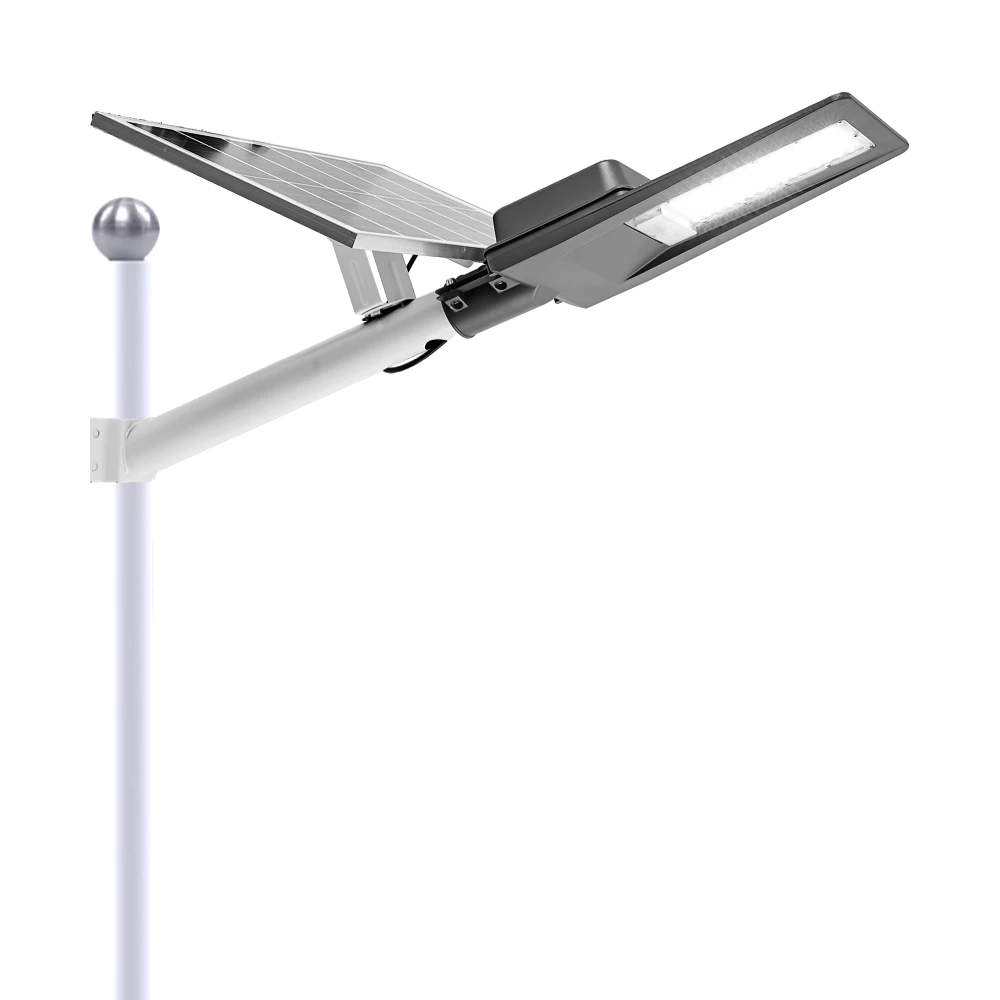
Experience reliable outdoor illumination with our smart solar street light, a perfect combination of advanced technology and eco-conscious design.
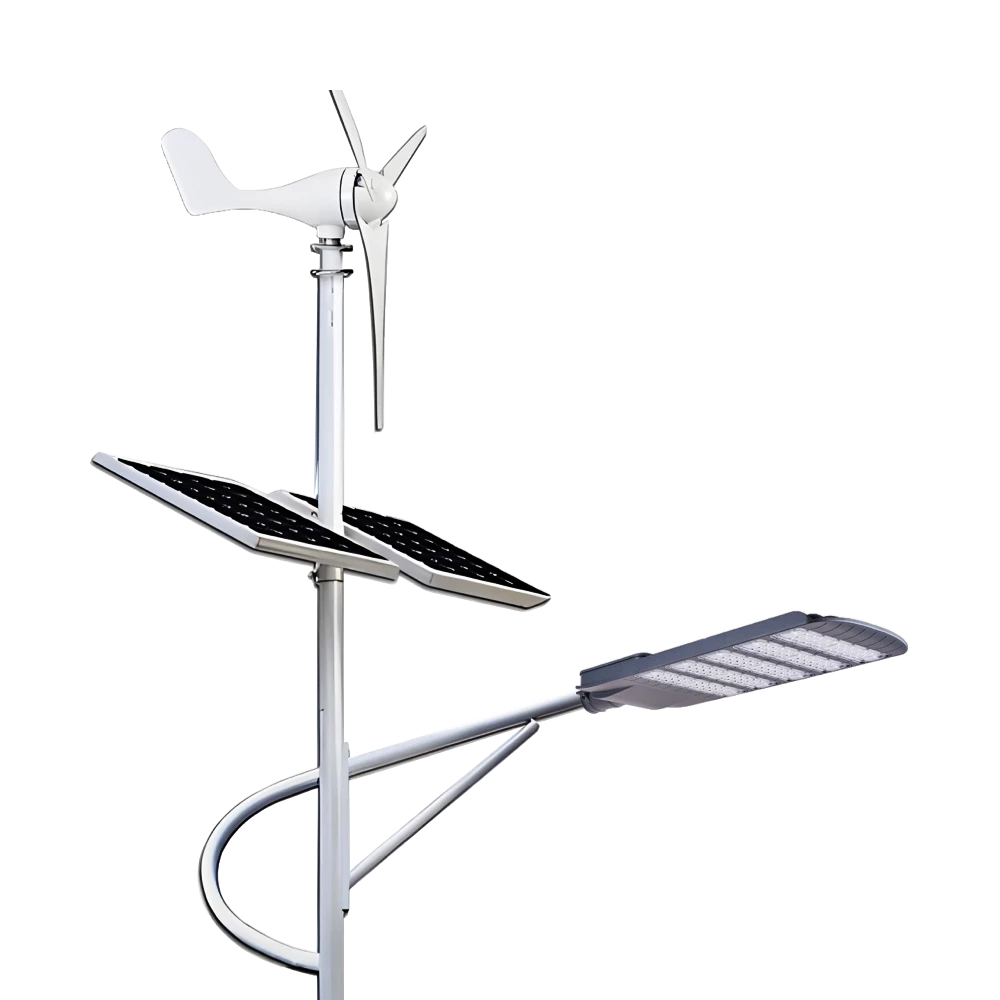
Queneng Lufeng Wind Energy LED Outdoor Solar Street Lights offer high-performance, eco-friendly illumination. These energy-efficient LED street lights harness solar power and wind energy for sustainable, cost-effective outdoor lighting solutions.
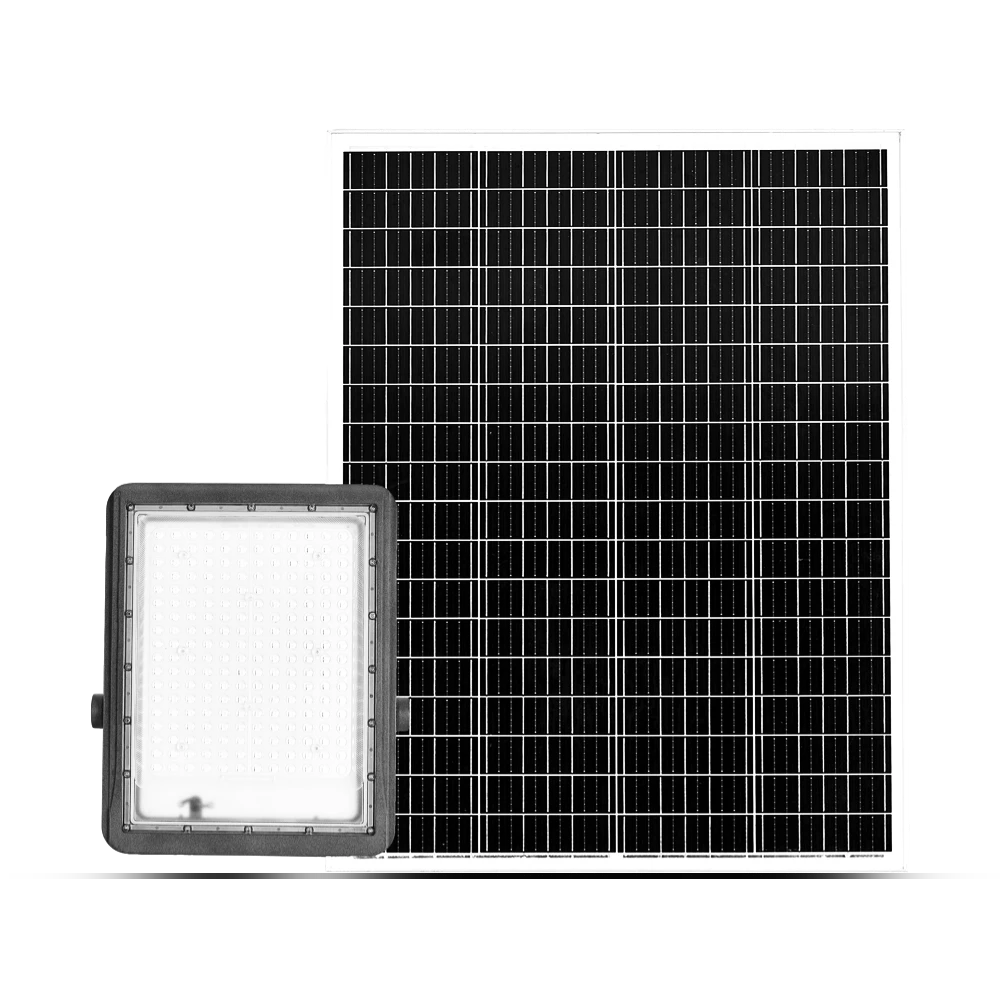
Queneng's Luxian Reliable Solar Street Light offers energy-saving LED lighting for outdoor use. This durable, solar-powered street light provides reliable illumination, reducing energy costs and environmental impact. A perfect solution for sustainable outdoor lighting.
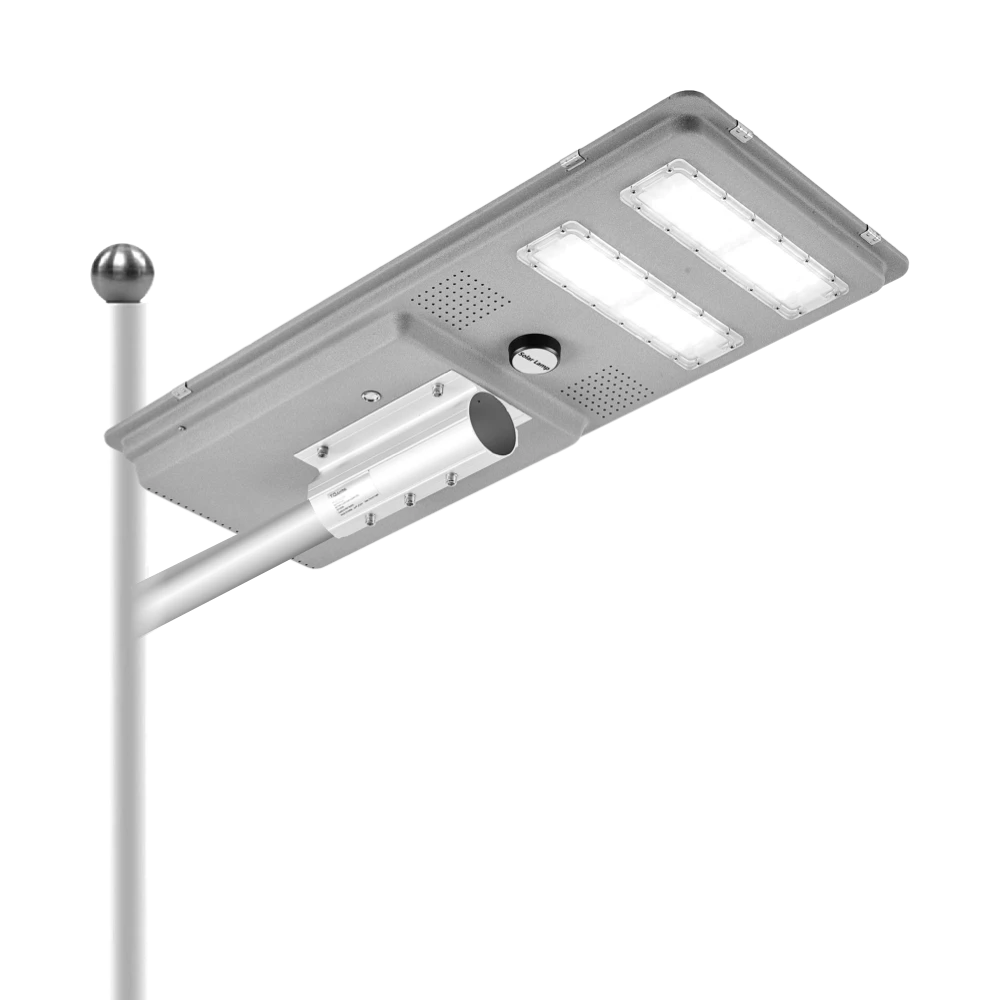
Queneng’s Solar Street Lights are designed to provide reliable, energy-efficient lighting for streets, parks, and other outdoor spaces.
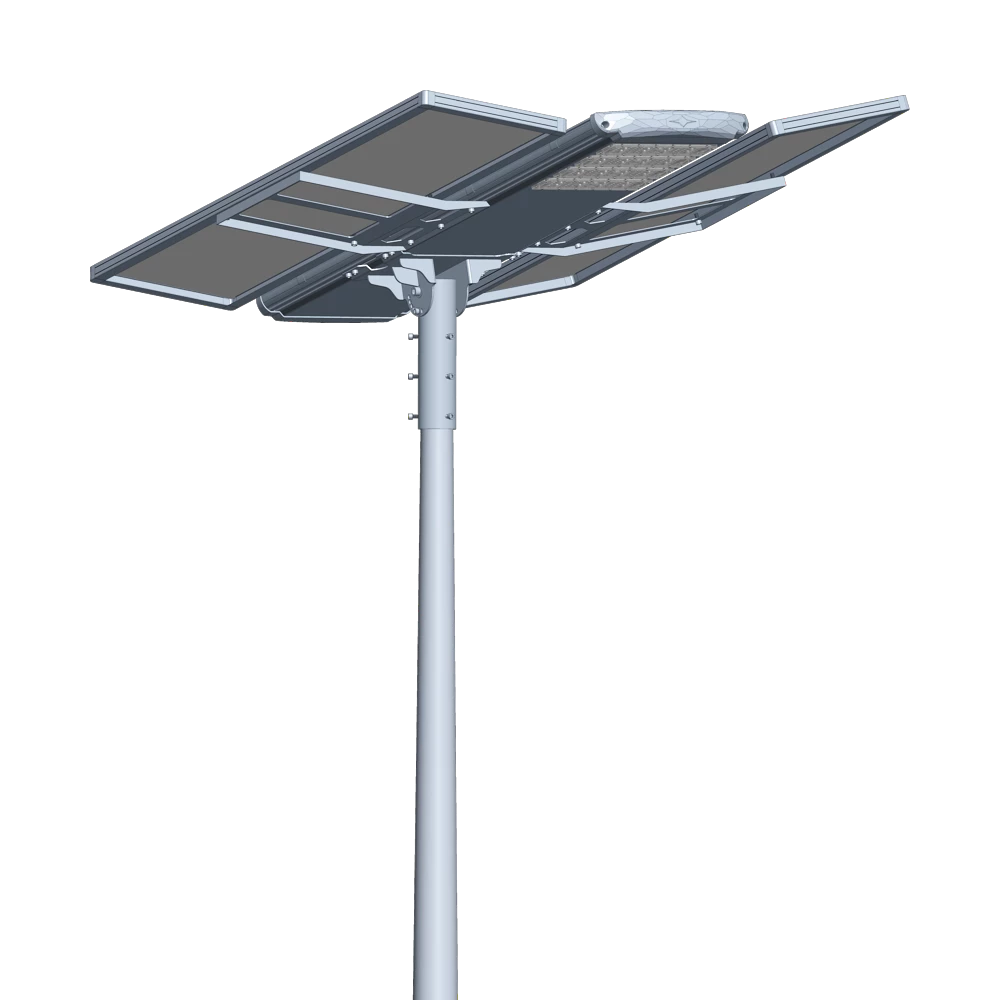
Introducing the Luqing Solar Street Light by Queneng, Efficient LED lighting powered by solar energy is perfect for illuminating outdoor areas. Harness the power of solar energy for sustainable, reliable street lighting. Ideal for eco-friendly, cost-effective outdoor illumination solutions.
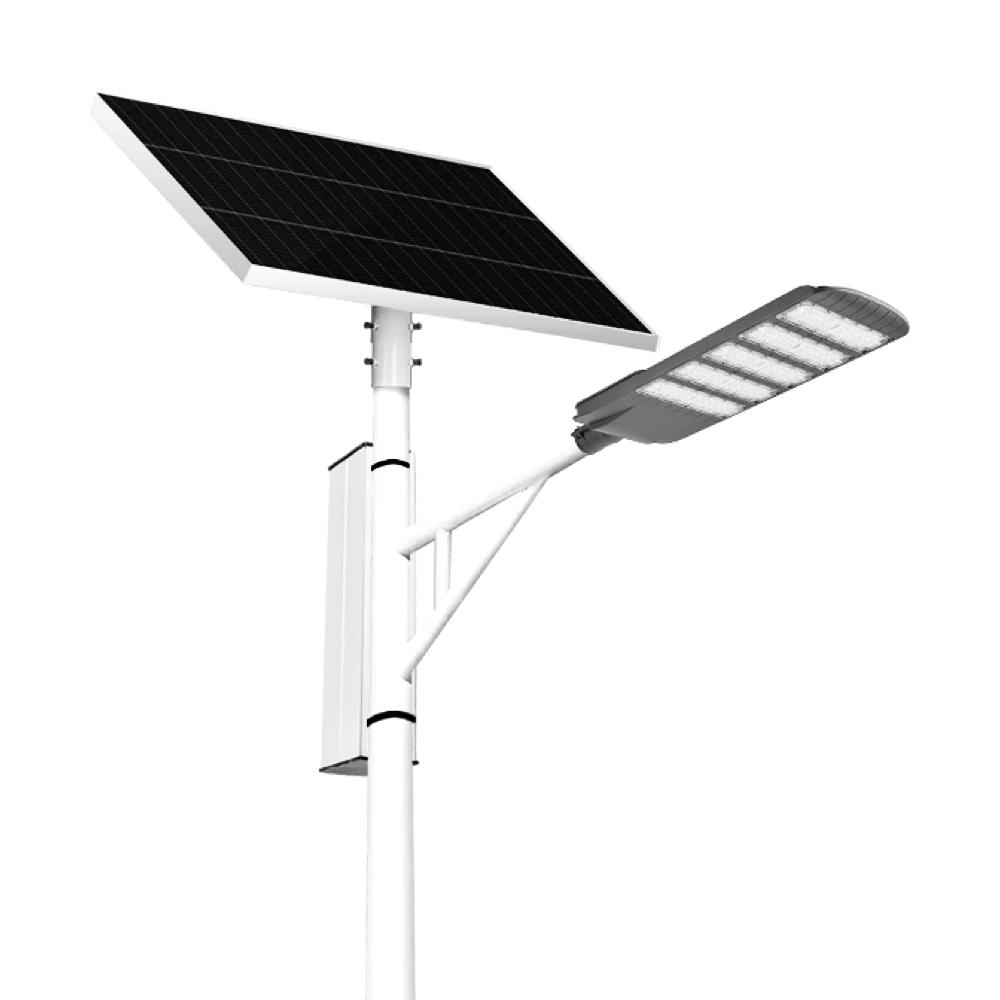
The Solar Streetlights of Luhao for Municipalities are designed to deliver reliable, energy-efficient, and cost-effective public lighting solutions. Equipped with advanced LED technology, durable lithium batteries, and high-efficiency solar panels, these streetlights provide consistent illumination for roads, parks, residential areas, and government projects.
Our professional team is ready to answer any questions and provide personalized support for your project.
You can reach us via phone or email to learn more about Queneng’s solar lighting solutions. We look forward to working with you to promote clean energy solutions!
Rest assured that your privacy is important to us, and all information provided will be handled with the utmost confidentiality.
By clicking 'Send Inquiry Now' I agree to Queneng processing my personal data.
To see how to withdraw your consent, how to control your personal data and how we process it, please see our Privacy Policy and Terms of use.
Schedule a Meeting
Book a date and time that is convenient for you and conduct the session in advance.
Have more questions about our products or services?
The messenger of light & power conversion
Environmental protection and intelligent manufacturing are our brand philosophy, and quality assurance and the best user experience are our eternal promises to users.
CONTACT
No.9F, Building F, Cao San Xin Tian Hong Logistics Park, Guzhen Town, Zhongshan City, Guangdong Province, China.
or write [email protected]
WhatsApp: +86 136 2270 1011


