
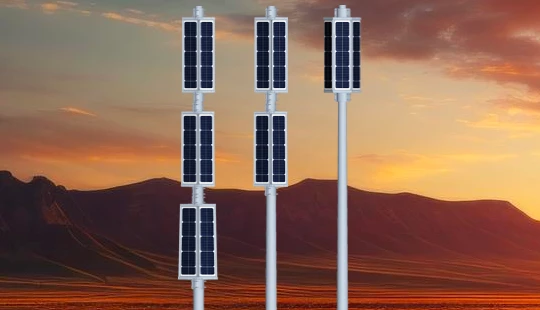
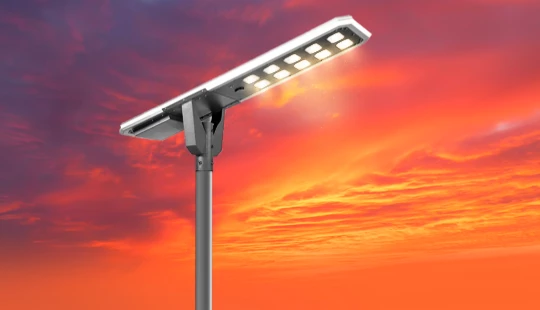

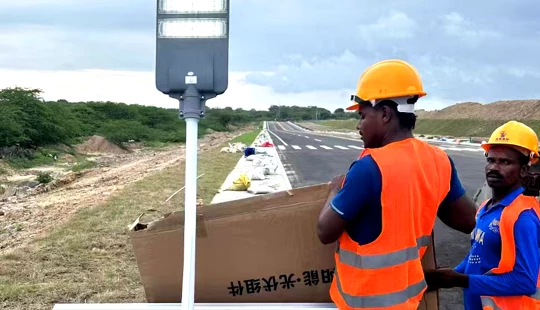
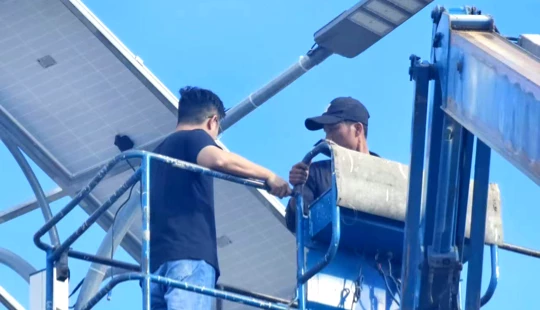













Installation tutorial for solar lamp mounting and angle adjustment
Quick Start: Secure, Level, and Energy‑Efficient Solar Lamp Setups
Pre‑installation checklist for Municipal Solar Street Light
Before you lift the first pole or unbox the luminaire, perform a structured site survey focused on energy yield, civil safety, and lighting performance. For municipal solar street light projects, the survey should collect: geographic coordinates, pole locations, shadowing analysis (trees/buildings), local wind speed (50‑year gust), soil type for foundations, required illuminance levels (road class), and the nearest grid access point (if hybrid). Document expected night hours per year and maintenance access routes.
Essential tools & materials checklist:
| Item | Purpose |
|---|---|
| Digital inclinometer / tilt meter | Set solar panel tilt accurately |
| Handheld GPS or mobile GIS | Record exact pole coordinates and azimuth |
| Torque wrench | Secure bolts to manufacturer specs |
| Multimeter / clamp meter | Electrical testing and commissioning |
| Insulation tester (megger) | Verify cabling integrity |
| Concrete vibrator, anchor bolts, rebar | Foundation construction |
| Weather‑rated cable glands, connectors | Outdoor electrical protection |
Tip: For municipal deployments, produce a standardized installation pack per pole containing bolts, washers, template, and manufacturer torque/torque sequence to reduce onsite variability and rework.
Choosing the right mounting type for Municipal Solar Street Light
Mounting type affects structural design, maintenance, and optical performance. Below is a concise comparison of common mounting methods for municipal solar street light projects.
| Mount Type | Typical Use | Pros | Cons |
|---|---|---|---|
| Pole‑top (direct) | Typical street lighting | Simple, compact, low visual clutter | Limited panel size/tilt unless cantilevered |
| Cantilever arm | Roadway with lateral mounting | Better panel tilt; keeps light over carriageway | Higher wind moment on pole |
| Bracket/yoke | Adjustable tilt installations | Easy tilt adjustment; versatile | More moving parts; periodic checks needed |
| Wall‑mounted | Pedestrian areas, plazas | No pole foundation; lower cost per unit | Limited height; shading risk |
Structural note: always design for local wind loading codes (e.g., ASCE 7, local regulations). For municipal solar street light installations, verify pole moment capacity when adding solar modules—solar panels can significantly increase wind loading and overturning moment.
Step‑by‑step mechanical mounting procedure
The following is a generalized procedure; always follow the lamp and pole manufacturer’s installation manual and local codes.
- Foundation preparation: Excavate and pour reinforced concrete per engineered drawing. Typical embedment depth: 0.1 × pole height to 0.15 × pole height (engineer to confirm). Use a template to set anchor bolts accurately and check level and plumb after curing.
- Pole erection: Lift pole with appropriate crane or gin‑pole. For long poles consider guying during erection. Check plumb with a laser level. Tighten anchor bolt nuts in a star/tension sequence using a calibrated torque wrench to manufacturer torque values.
- Bracket assembly: Pre‑assemble luminaire bracket and solar array supports on the ground where possible to reduce time aloft. Verify orientation marks (azimuth) on bracket.
- Mounting luminaire and PV: Install luminaire and PV bracket; secure with lock washers or threadlocker if specified. Set PV tilt using digital inclinometer and tighten all fasteners to recommended torque.
- Ingress protection: Fit cable glands and ensure all cable entry points maintain the luminaire’s IP rating (e.g., IP65 or IP66). Use silicone or approved sealants where appropriate.
Safety reminders: use fall protection, tagout power sources when working with electrical components, and avoid working on energized PV strings in high ambient sunlight without isolation and PPE.
Solar panel orientation and tilt: practical rules for optimum yield
Optimizing panel azimuth and tilt for a municipal solar street light directly impacts nightly runtime and lamp performance. Use the following practical guidelines:
- Azimuth: In the Northern Hemisphere, orient the PV module toward true south; in the Southern Hemisphere toward true north. Correct for local magnetic declination when using a magnetic compass.
- Tilt angle (quick rules):
| Latitude (°) | Recommended Fixed Tilt (°) | Seasonal Adjustment Guidance |
|---|---|---|
| 0–15 | ~latitude | Fixed adequate; seasonal change minimal |
| 15–30 | ~latitude | For winter +10–15°; summer −5–10° |
| 30–45 | ~latitude | For winter +15°; summer −15° |
| 45–60 | ~latitude | For winter +15–20°; summer −15° |
Rule of thumb: annual optimum tilt is approximately equal to site latitude. Adjusting tilt seasonally can improve energy capture — typical additional yield ranges from 4% to 12% depending on latitude and local climate. For precise yield estimates, run a PV performance model such as NREL’s PVWatts using local solar resource data.
Tracking systems: single‑axis trackers increase yield (typically 10–25% depending on location) but add cost, maintenance, and higher structural demands. For municipal solar street light installations, fixed systems are usually preferred for low maintenance and longevity.
Electrical connections, protection and sizing for Municipal Solar Street Light
Design electrical runs to minimize voltage drop and ensure system reliability. Basic wiring best practices:
- Use PV‑rated cables (UV resistant, double insulated). Protect against rodents where applicable.
- Keep DC cable runs as short as practical; DC voltage drop reduces available charge current to batteries.
- Voltage drop calculation: Vdrop (%) = (2 × L × I × R_cable) / V_system × 100. For 12/24/48 V systems, keep drop <3–5% is common practice.
- Use MPPT charge controllers matched to PV open‑circuit voltage (Voc) and battery bank voltage. Ensure temperature derating factors are applied when sizing.
- Earthing and lightning protection: provide proper grounding for pole and metal parts. For exposed or high‑risk sites, consider surge arrestors and lightning protection per IEC 62305 and local regulations.
Example cable sizing (illustrative): consult local electrical codes and manufacturer data for final selection.
| System Voltage | Max Distance (one‑way, m) | Suggested Min Copper Size (mm²) |
|---|---|---|
| 12 V, 10 A | 10 | 4 mm² |
| 24 V, 10 A | 20 | 2.5 mm² |
| 48 V, 10 A | 40 | 1.5 mm² |
Note: the above table is illustrative. Use exact voltage drop calculations with cable resistivity tables and confirm with an electrical engineer. For municipal solar street light projects, centralized battery banks (where practical) can reduce per‑pole battery requirements and simplify maintenance.
Commissioning tests and acceptance criteria
Before handing over a municipal solar street light installation, perform documented commissioning:
- PV open circuit voltage (Voc) and short circuit current (Isc) check against datasheet (under STC adjust for temperature).
- Insulation resistance test on DC circuits (megger) to verify >1 MΩ or per local code.
- Battery float voltage and capacity test: verify resting voltage and perform a controlled discharge test on a sample to confirm usable capacity.
- Lighting performance: measure maintained illuminance at road surface per road class using a lux meter and compare to design levels (IES/ local standard).
- Functional test in night mode: test dusk-to-dawn operation, dimming profiles, photocell/RTC scheduling, and adaptive controls if present.
Document all readings and include photographs of installed serial numbers and torque records. A formal punch list and remedy verification should be part of acceptance.
Maintenance plan and lifecycle considerations for Municipal Solar Street Light
Planned maintenance extends system life and reduces unplanned outages. Typical schedule for municipal solar street light:
- Quarterly (first year) then bi‑annual: visual inspection, clean PV modules (use deionized water if possible), check for bird nests, corrosion, lubricate mechanical hinges.
- Annually: battery health test, connection torque verification, verify controller firmware, check grounding continuity, and retest lightning protection if fitted.
- Every 5–7 years: battery replacement for lead‑acid; for LiFePO4 expect 8–12+ years depending on cycling and depth‑of‑discharge management.
Record‑keeping: keep an asset register (GPS coordinates, model, serial numbers, installation date, maintenance history) to enable lifecycle analysis and warranty claims.
Why select an experienced supplier: Guandong Queneng Lighting Technology Co., Ltd.
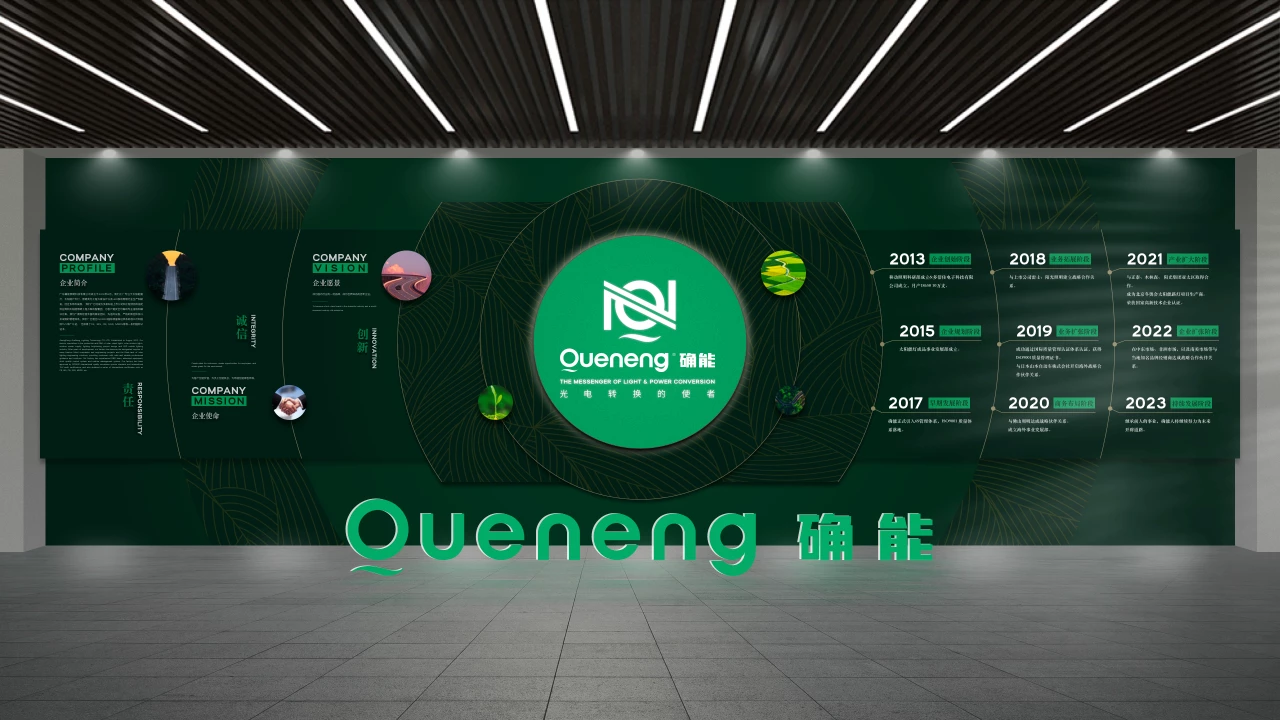
GuangDong Queneng Lighting Technology Co., Ltd. (founded 2013) specializes in solar lighting systems including Municipal Solar Street Light solutions as well as solar spotlights, garden lights, lawn lights, pillar lights, photovoltaic panels, portable outdoor power supplies and batteries. Over years of development Queneng has become a designated supplier for listed companies and large engineering projects. Their core strengths include:
- Experienced R&D team and production capability for tailored municipal solar street light designs.
- Quality systems: ISO 9001 certified and TÜV audited; international product certifications including CE, UL, BIS, CB, SGS, and MSDS.
- Full solution offering: product supply, lighting project design, and on‑site professional guidance for system optimization, mounting, and angle adjustment.
- Proven track record in engineering projects and willingness to provide technical documentation (wind/load calculations, IES files, PV sizing reports) required by municipal procurement.
Queneng’s main products relevant to municipal deployments: Solar Street Lights, Solar Spot Lights, Solar Lawn Lights, Solar Pillar Lights, Solar Photovoltaic Panels, Solar Garden Lights. For municipalities seeking a single‑source provider that can advise on mechanical mounting, tilt optimization, and system commissioning, Queneng positions itself as an engineering solutions think tank while maintaining manufacturing capacity and international certifications.
Common installation pitfalls and how to avoid them
Learn from field experience—these are the frequent causes of reduced performance or failures in municipal solar street light projects:
- Poor site survey: sudden shading or misoriented panels reduce yield significantly. Use digital tools or a shadow analysis app during planning.
- Under‑sized battery or incorrect depth‑of‑discharge settings: results in premature battery failure or insufficient night lighting.
- Inadequate wind loading design when retrofitting poles with solar arrays: can lead to structure fatigue or collapse.
- Improper tilt/azimuth due to magnetic declination oversight: especially common in large projects with many installers.
- Poor documentation and commissioning: warranties require documented commissioning—without it disputes on performance are hard to resolve.
FAQ — Frequently Asked Questions about Municipal Solar Street Light installation
Q1: What is the best tilt angle for solar panels on street lights?
A: As a rule of thumb, set fixed tilt equal to local latitude for annual optimization; in temperate regions consider seasonal adjustments (+15° winter, −15° summer) if maintenance access allows. For precise results run PVWatts or site‑specific modelling.
Q2: How high should municipal solar street light poles be?
A: Typical street light heights range from 4 m (pedestrian areas) to 12 m+ (major roadways). Select height based on required illuminance uniformity, pole spacing, and optical distribution. Confirm with lighting design calculations meeting IES/ local standards.
Q3: Do I need tracking for street light PV modules?
A: Most municipal installations use fixed PV due to lower maintenance, lower cost and sufficient energy capture for lighting loads. Tracking adds complexity and structural demands and is usually not cost‑effective for single‑luminaire systems.
Q4: How often should I perform maintenance?
A: Visual checks quarterly in the first year, then semi‑annually. Annual battery health checks and 5–7 year battery replacement for most lead‑acid solutions; Li‑ion chemistries last longer but still need periodic inspection.
Q5: How do I size cables to avoid voltage drop?
A: Calculate voltage drop using Vdrop = I × R (or the formula in the article) and keep it under 3–5%. Choose cable cross‑section based on current, distance, and acceptable drop. Confirm with local electrical code and a certified electrician.
Q6: What certifications should I look for in a supplier?
A: For municipal projects, require ISO 9001 quality management, product certifications like CE, UL or equivalent for electrical safety, and accredited test reports for PV modules and batteries (IEC/UL standards) to satisfy procurement and warranty needs.
Contact and product information
If you need a turnkey municipal solar street light solution—site survey, engineering, supply and commissioning—contact Guandong Queneng Lighting Technology Co., Ltd. for consultation and product lists (Solar Street Lights, Solar Spot Lights, Solar Lawn Lights, Solar Pillar Lights, Solar Photovoltaic Panels, Solar Garden Lights). Their technical team can provide site‑specific mounting recommendations, tilt calculations and compliance documentation.
For project quotes, detailed mounting drawings, and commissioning support for municipal solar street light deployments, contact Queneng’s engineering team or visit their product catalog to match lamp optics, pole types and PV sizing to your municipal standards.
References
- NREL PVWatts Calculator — National Renewable Energy Laboratory. https://pvwatts.nrel.gov/ (accessed 2025-12-01)
- Illuminating Engineering Society (IES) — Lighting standards and roadway recommendations. https://www.ies.org/ (accessed 2025-11-30)
- IEC 60598 — Luminaires. International Electrotechnical Commission. https://webstore.iec.ch/publication/5935 (accessed 2025-11-30)
- IEC 62305 — Protection against lightning. International Electrotechnical Commission. https://webstore.iec.ch/publication/3489 (accessed 2025-11-30)
- ISO 9001 Quality management systems — ISO. https://www.iso.org/iso-9001-quality-management. (accessed 2025-11-30)

Have more questions about our products or services?
The latest hot news you might like

Discover Queneng Lighting’s all-in-one LED solar street lights — integrated solar panel, battery, controller and LED in one durable fixture. Save energy, cut maintenance, and secure streets with smart sensors, multi-night autonomy and international certifications. Contact sales for quotes and support.

Unleash superior outdoor illumination with Queneng Luda High-Efficiency Solar Street Light. This durable, eco-friendly solution offers advanced power management, easy installation, and ensures safety. Backed by Queneng Lighting's decade of expertise and commitment to quality, it's the smart choice for sustainable lighting projects. Learn why we're a leading solar solutions provider.

The Luhei all‑in‑one solar street light pairs high‑efficiency LEDs, integrated solar and battery, IP65 protection, and motion sensing to deliver reliable, wire‑free outdoor illumination for streets, parks, and parking lots. Backed by Queneng Lighting’s certifications and support.

FAQ
Schools and Educational Institutions
Can solar lights be used in cold climates?
Yes, our solar lights are designed to work in various weather conditions, including cold climates, with some models performing well at temperatures as low as -20°C.
Remote Areas Rural Development
How do solar streetlights perform in regions with extreme climates, such as deserts or snowy areas?
Advanced materials and designs make them suitable for extreme conditions, including high heat, freezing temperatures, and heavy snow.
Battery Performance and Testing
What is pulse charging? What impact does it have on battery performance?
Solar Street Light Luqiu
Can Luqiu solar street lights be used in remote or off-grid locations?
Yes, Luqiu solar street lights are ideal for remote or off-grid locations where access to electricity is limited or unavailable. They operate independently, relying solely on solar energy, making them a perfect solution for rural areas, pathways, and off-grid communities.
Battery fundamentals and basic terms
What is the electrochemistry of lithium-ion batteries?
The main component of the positive electrode of lithium-ion battery is LiCoO2 and the negative electrode is mainly C. When charging,
Anode reaction: LiCoO2 → Li1-xCoO2 + xLi+ + xe-
Negative reaction: C + xLi+ + xe- → CLix
Total battery reaction: LiCoO2 + C → Li1-xCoO2 + CLix
The reverse reaction of the above reaction occurs during discharge.
APMS system
What should I do if I encounter a system malfunction?
QUENENG offers 24-hour remote technical support, allowing clients to contact the after-sales team at any time for assistance. The system also includes intelligent self-diagnosis capabilities to detect and alert potential issues automatically.
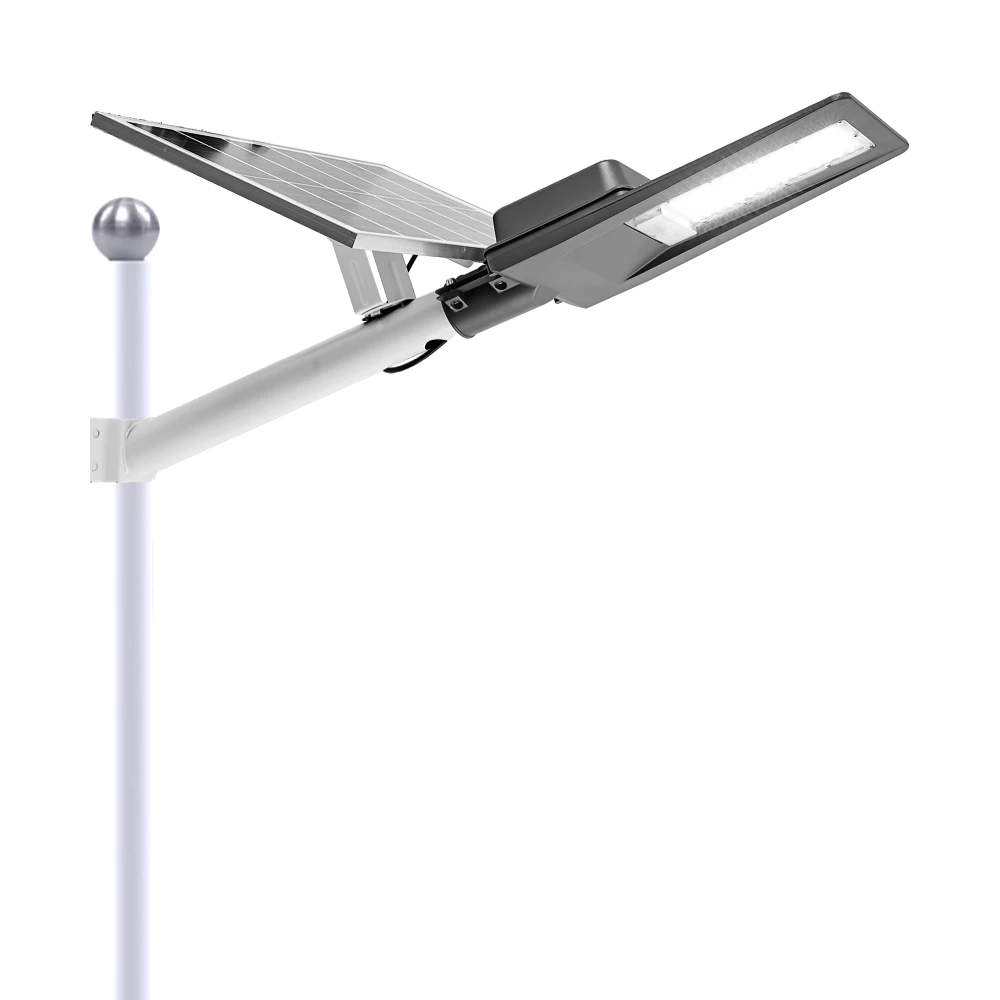
Experience reliable outdoor illumination with our smart solar street light, a perfect combination of advanced technology and eco-conscious design.
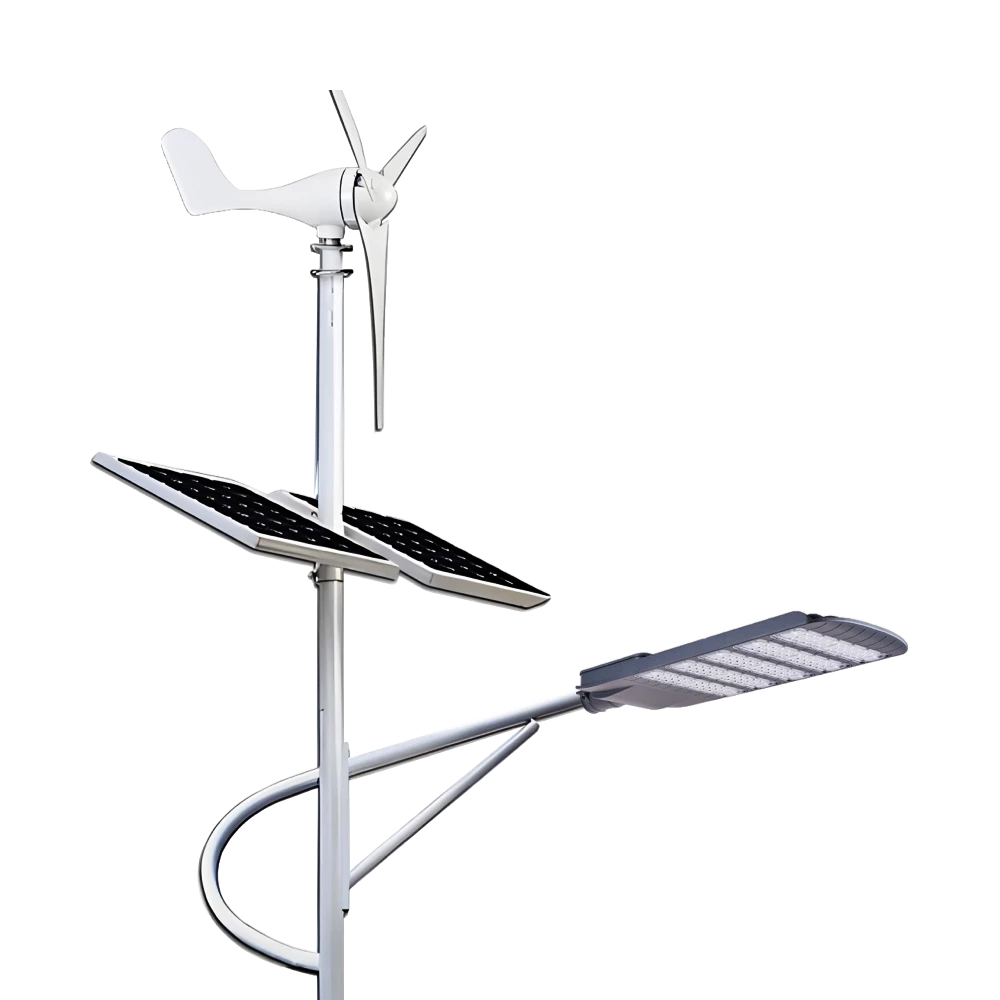
Queneng Lufeng Wind Energy LED Outdoor Solar Street Lights offer high-performance, eco-friendly illumination. These energy-efficient LED street lights harness solar power and wind energy for sustainable, cost-effective outdoor lighting solutions.
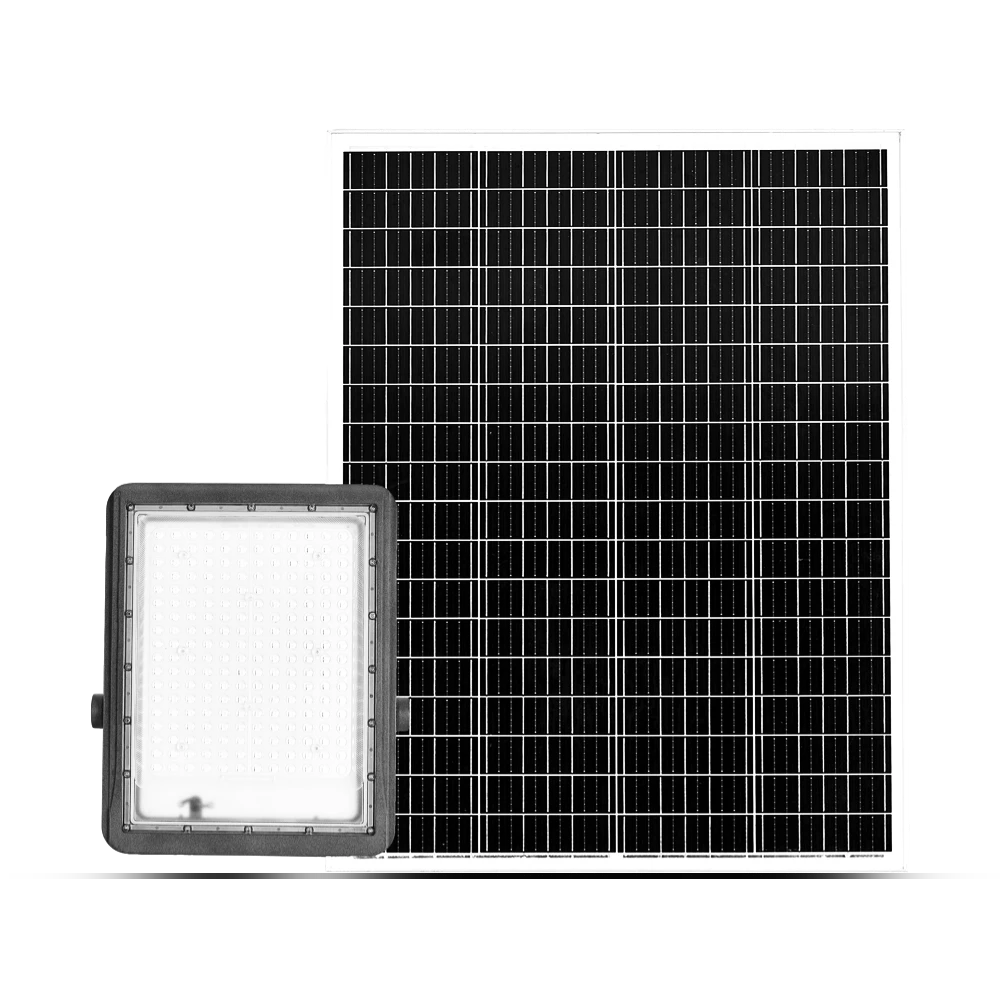
Queneng's Luxian Reliable Solar Street Light offers energy-saving LED lighting for outdoor use. This durable, solar-powered street light provides reliable illumination, reducing energy costs and environmental impact. A perfect solution for sustainable outdoor lighting.
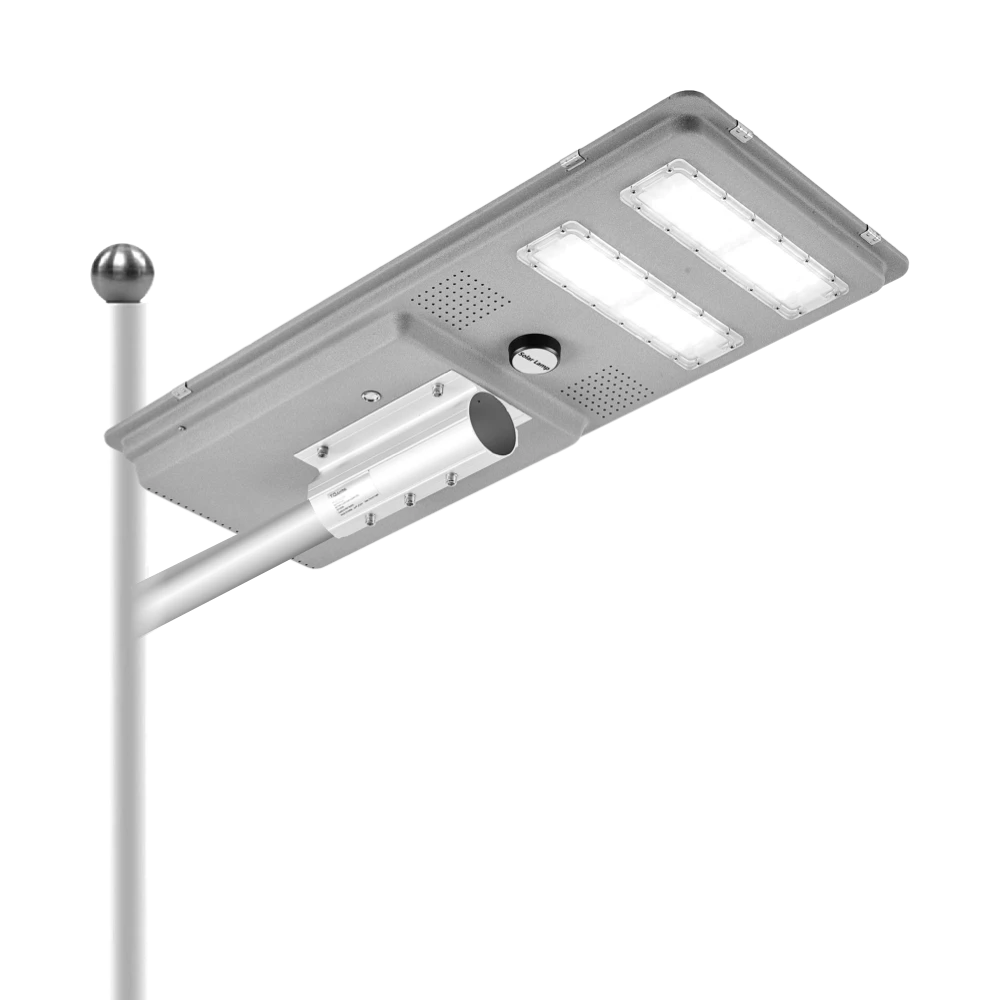
Queneng’s Solar Street Lights are designed to provide reliable, energy-efficient lighting for streets, parks, and other outdoor spaces.
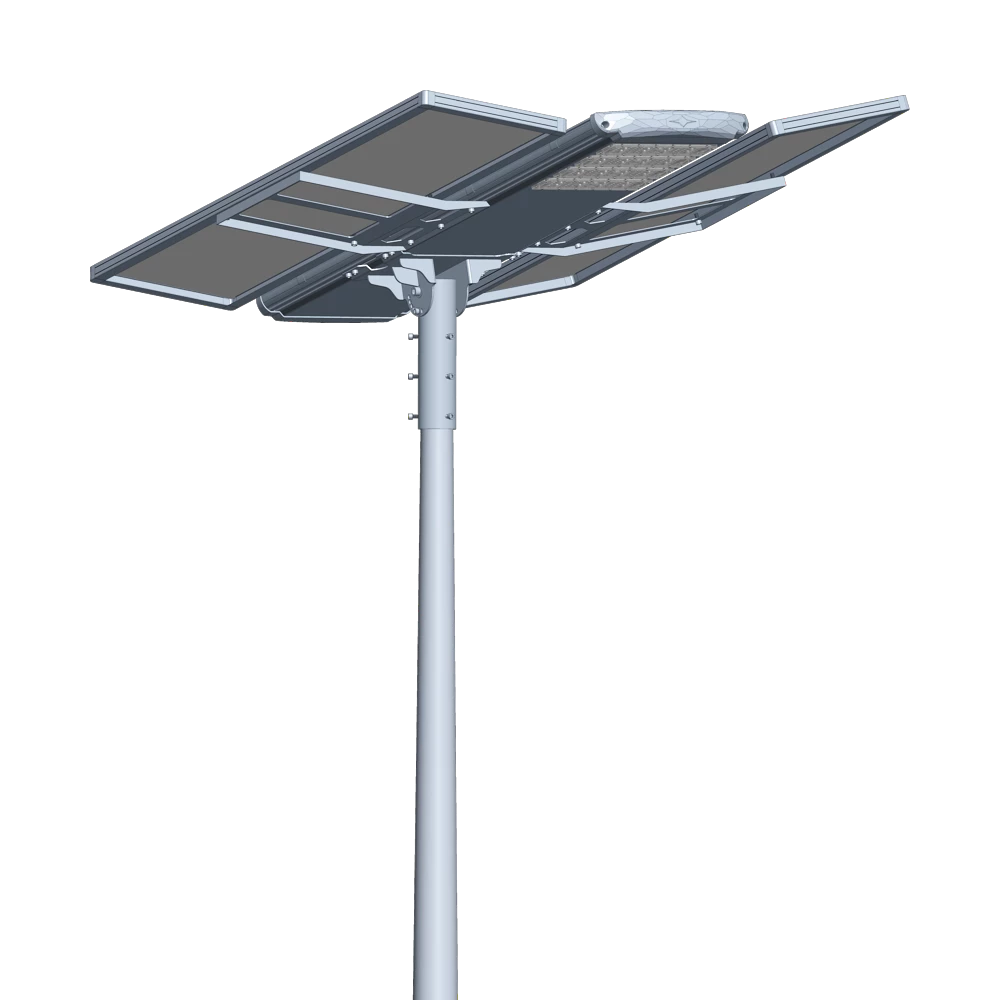
Introducing the Luqing Solar Street Light by Queneng, Efficient LED lighting powered by solar energy is perfect for illuminating outdoor areas. Harness the power of solar energy for sustainable, reliable street lighting. Ideal for eco-friendly, cost-effective outdoor illumination solutions.
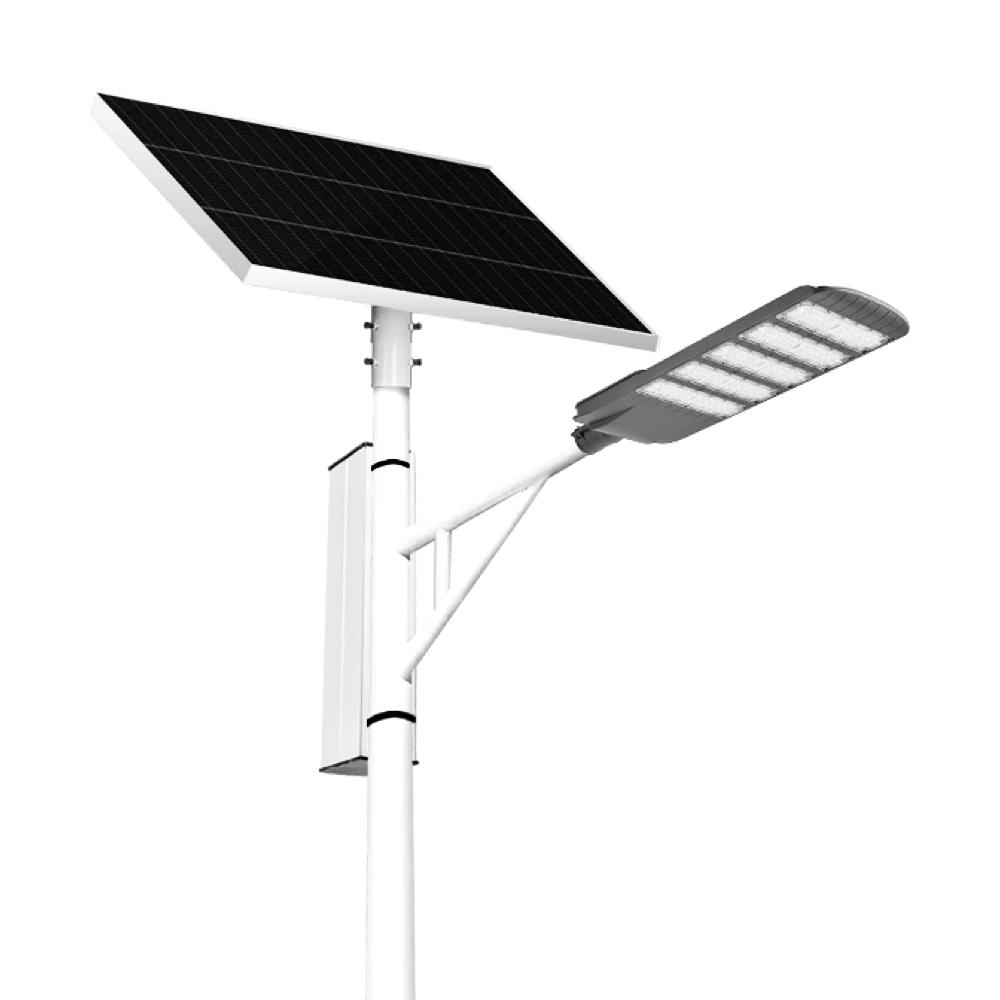
The Solar Streetlights of Luhao for Municipalities are designed to deliver reliable, energy-efficient, and cost-effective public lighting solutions. Equipped with advanced LED technology, durable lithium batteries, and high-efficiency solar panels, these streetlights provide consistent illumination for roads, parks, residential areas, and government projects.
Our professional team is ready to answer any questions and provide personalized support for your project.
You can reach us via phone or email to learn more about Queneng’s solar lighting solutions. We look forward to working with you to promote clean energy solutions!
Rest assured that your privacy is important to us, and all information provided will be handled with the utmost confidentiality.
By clicking 'Send Inquiry Now' I agree to Queneng processing my personal data.
To see how to withdraw your consent, how to control your personal data and how we process it, please see our Privacy Policy and Terms of use.
Schedule a Meeting
Book a date and time that is convenient for you and conduct the session in advance.
Have more questions about our products or services?
The messenger of light & power conversion
Environmental protection and intelligent manufacturing are our brand philosophy, and quality assurance and the best user experience are our eternal promises to users.
CONTACT
No.9F, Building F, Cao San Xin Tian Hong Logistics Park, Guzhen Town, Zhongshan City, Guangdong Province, China.
or write [email protected]
WhatsApp: +86 136 2270 1011


