

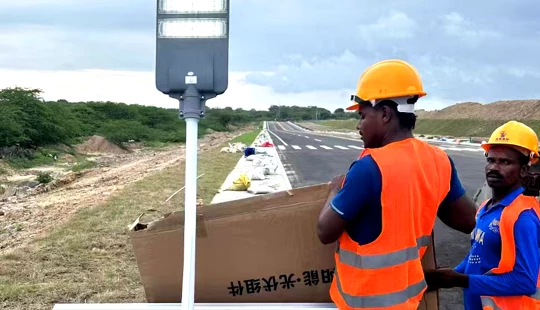
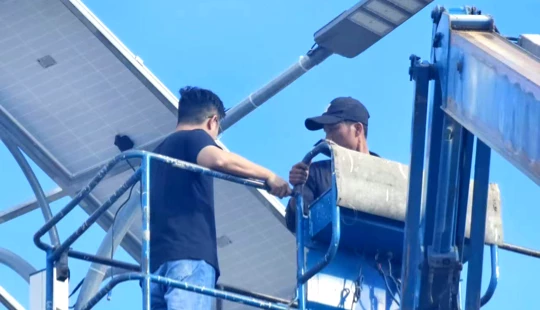













Installation guide for integrating solar lamps with smart city systems
Smart Urban Lighting: An Integration Overview
Why municipal solar street light integration is a priority for modern cities
Municipal solar street light deployments are no longer isolated infrastructure projects; they are components of larger smart city ecosystems that deliver energy savings, improved safety, and data for urban planning. Integrating solar lamps with traffic systems, public Wi‑Fi, environmental sensors and centralized management platforms reduces operating costs and enables remote monitoring for rapid fault response. This guide provides step‑by‑step, field‑tested instructions for installing municipal solar street light systems that interoperate with common smart city technologies while meeting regulatory and quality standards.
Planning and site assessment for Municipal Solar Street Light integration
Site survey, load profile and stakeholder requirements
A successful installation begins with a thorough site assessment. For each proposed municipal solar street light location assess: solar irradiation (PV yield), shading (trees, buildings), pole placement, local grid availability, traffic and pedestrian flows, and communications coverage. Collect stakeholder requirements from traffic departments, public safety, and municipal IT to define control, telemetry, and cybersecurity needs. Use a 12‑month solar insolation dataset (preferred) or at least the typical meteorological year (TMY) for accurate PV sizing.
Component selection: PV, batteries, luminaire and controller for Municipal Solar Street Light
Selecting components for reliability and longevity
Choose components that balance upfront cost with lifecycle reliability. Typical municipal solar street light components include:
- Solar photovoltaic modules (mono‑crystalline recommended for limited roof/pole area)
- Battery storage (LiFePO4 increasingly preferred for cycle life and safety)
- LED luminaire with integrated driver
- Smart controller with MPPT, dimming, scheduling, and comms
- Communications modem (LoRaWAN, NB‑IoT, cellular, or mesh)
Verify IP rating (IP65+ for outdoor), IK impact rating, and certifications (CE, UL, IEC). For municipal projects aim for PV modules with PID resistance, batteries rated for ≥2000 cycles (for LiFePO4), and LED modules with L90 > 60,000 hours under design current.
Electrical design and energy budgeting for Municipal Solar Street Light
Calculate PV size, battery capacity and autonomy days
Design process (simplified):
- Determine required lumen output and night‑time hours (e.g., 12 hours night).
- Estimate daily energy consumption: luminaire wattage × effective on‑time + communications and controller standby.
- Select autonomy (days of operation without sun; municipal projects commonly use 3–5 days minimum).
- Calculate battery capacity = daily consumption × autonomy / DoD (e.g., 80% DoD for LiFePO4).
- Calculate PV array size = (daily consumption / peak sun hours) × system loss factor (1.3–1.5).
Document design assumptions and include safety margins. Keep wiring runs short to limit voltage drop; for long runs consider higher system voltage (48V or higher) to reduce current.
Communications choices: LoRa, NB‑IoT, cellular for Municipal Solar Street Light
Selecting the right network protocol for smart city integration
Choose a communications layer based on coverage, cost, latency and data needs:
| Protocol | Best for | Pros | Cons |
|---|---|---|---|
| LoRaWAN | Low data rate sensor telemetry; municipal private networks | Low power, low cost, long range, private network option | Requires gateway density planning; limited bandwidth |
| NB‑IoT / LTE‑M | Cellular IoT; operator network | Wide coverage, secure SIM management, good penetration | Operator costs, variable latency, subscription-based |
| 4G/5G Cellular | High bandwidth & remote camera integration | High throughput, wide coverage | Higher power draw, higher recurring cost |
| Mesh (Zigbee/Thread) | Short range clusters of lights | Self‑healing networks, low power | Limited range; complex routing at scale |
Consider multi‑radio controllers to provide redundancy. For municipal deployments requiring citywide management and security, NB‑IoT paired with a central IoT platform is common; for pilot neighborhoods, LoRaWAN private networks are cost‑effective.
Installation workflow and mechanical considerations for Municipal Solar Street Light
Practical installation steps to ensure safety and performance
Follow a strict workflow and safety plan:
- Mark out pole locations and verify underground utilities with local authorities.
- Foundations: use engineered concrete footings sized to pole height and wind loading. Municipal standards usually specify wind speed and soil classes—verify local codes.
- Assemble pole, luminaire and PV bracket on the ground if possible; lift with certified lifting gear.
- Make DC connections inside a weatherproof enclosure. Use MC4 or equivalents for PV, and torque connectors per manufacturer torque spec.
- Install battery box with ventilation and thermal management. For cold climates select insulated enclosures or heaters per battery manufacturer guidance.
- Commission controller and configure schedules, dimming curves, and telemetry endpoints before final pole energization.
Keep a commissioning checklist that includes torque checks, polarity, surge protection, and firmware versions. Label all cables and enclosures clearly for future maintenance.
Integration with municipal smart city platforms and cybersecurity for Municipal Solar Street Light
Data models, APIs and secure device management
Smart city integration requires a clear data model and secure device lifecycle management. Use standards and best practices:
- Adopt lightweight telemetry schemas (e.g., SensorThings API, MQTT topic structures) to minimize bandwidth.
- Use mutual TLS and certificate‑based authentication for device to server comms when possible.
- Implement over‑the‑air (OTA) update capability with signed firmware to manage security patches.
- Define data retention, anonymization and access control aligned with municipal privacy policies.
Coordinate with city IT on network segmentation: put street light management on a separate VLAN and restrict access to critical systems. Document escalation paths for cyber incidents and ensure vendor SLAs include security response times.
Commissioning, testing and KPIs for Municipal Solar Street Light
What to test and how to measure success
Commissioning tests should include:
- Functional test: turn lights on/off, dimming levels, sensor triggers.
- Telemetry test: ensure real‑time data is received at the management platform with correct timestamps.
- Power audit: measure PV open‑circuit voltage, controller input/output, battery resting voltage, and end‑to‑end energy flow.
- Environmental test: sensor calibration (if applicable) and response to stray light/false positives.
Define KPIs such as system uptime (>99% target), mean time to repair (MTTR), energy produced vs predicted (variance <15%), and battery state‑of‑health decline per year (<8% depth fade per year for LiFePO4 as a design goal).
Maintenance, troubleshooting and lifecycle management for Municipal Solar Street Light
Routine maintenance schedule and common fault resolutions
Create a preventive maintenance schedule: visual inspection every 6 months, battery checks annually, PV cleaning frequency based on soiling (> annually in dusty environments). Common issues and quick checks:
- Lights not turning on: verify controller schedule, battery voltage, and PV input after dusk.
- Rapid battery capacity loss: check temperature exposure, charge profile, and verify proper battery type.
- Telemetry loss: check antenna position, SIM status (if cellular), and gateway health.
Keep spares for consumables (fuses, connectors, batteries when feasible) and a logbook of firmware updates and replacements to maintain traceability for warranty claims.
Cost, financing and ROI comparison for Municipal Solar Street Light options
Capital vs operational cost tradeoffs and sample ROI table
Municipal solar street lights typically have higher upfront costs versus grid‑connected LED retrofit but deliver lower lifetime operating costs and are ideal where grid extension is expensive. Sample comparison:
| Option | CapEx (per pole) | OpEx (10 yrs) | Typical Payback |
|---|---|---|---|
| Solar standalone (PV + battery + smart) | High ($2,500–$6,000) | Low ($100–$500) | 5–8 years |
| Grid LED + smart | Medium ($1,200–$2,500) | Medium ($500–$1,200) | 4–7 years |
| Grid LED (no smart) | Low ($700–$1,500) | High ($1,000–$2,000) | Varies |
Local electricity tariffs, maintenance regimes, and availability of grants (green funds) strongly affect payback. Document all assumptions in ROI models and include sensitivity analysis for solar yield and battery replacement schedules.
Standards, certifications and procurement for Municipal Solar Street Light
Regulatory compliance to ensure safe, durable deployments
Procurement specifications should require international and local certifications: ISO 9001 quality management, IEC 60598 for luminaires, IEC 62109 for PV safety, CE/UL marking for electrical safety, and independent lab testing (e.g., TÜV, SGS). Require third‑party test reports for PV module IEC 61215, battery UN38.3 transportation compliance, and luminaire photometric LM‑79/LM‑80 data. Include warranty terms covering PV degradation, battery cycle life and controller functionality.
GuangDong Queneng Lighting: partner profile and how Queneng supports Municipal Solar Street Light projects
Queneng capabilities, certifications and product scope
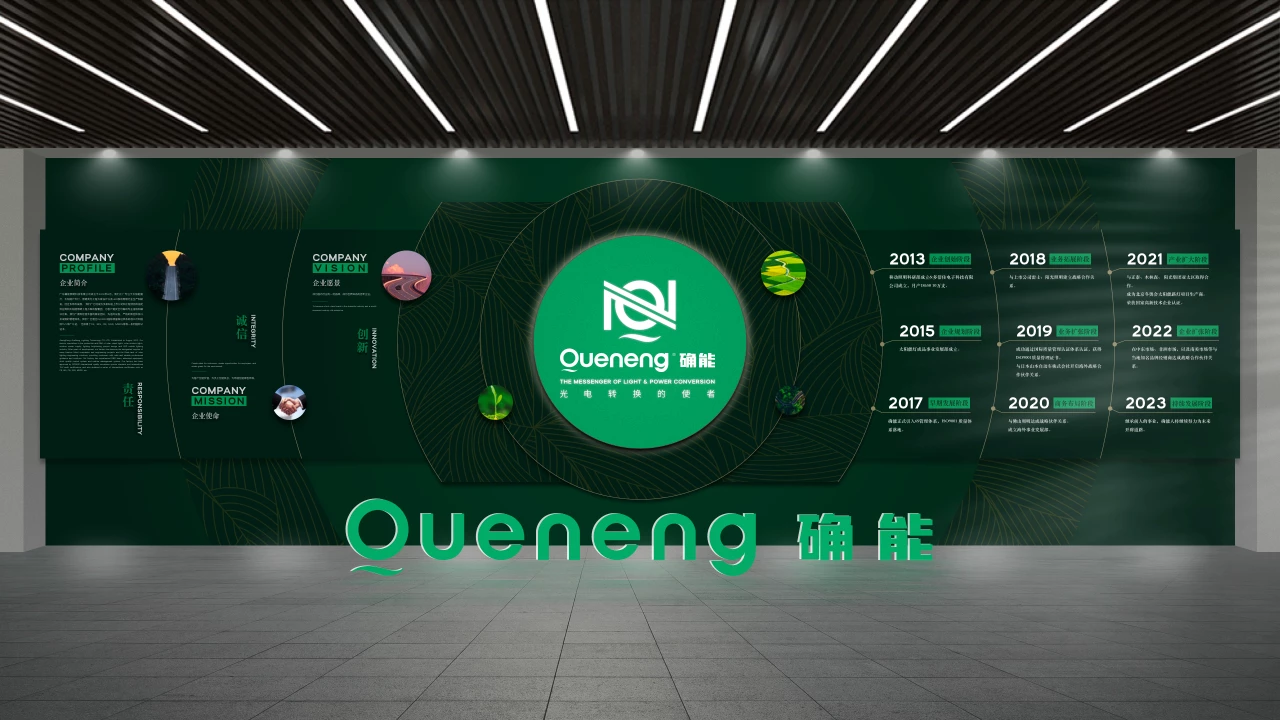
GuangDong Queneng Lighting Technology Co., Ltd. (founded in 2013) specializes in solar street lights, solar spotlights, solar garden lights, solar lawn lights, solar pillar lights, solar photovoltaic panels, portable outdoor power supplies and batteries, lighting project design, and LED mobile lighting production and development. Over years of project delivery, Queneng has become a designated supplier for several listed companies and engineering projects and acts as a solar lighting engineering solutions think tank offering professional guidance and end‑to‑end solutions tailored for municipal projects.
Queneng highlights and competitive advantages:
- Experienced R&D team and advanced manufacturing equipment to customize solutions for local climate and policy needs.
- Stringent quality control and mature management systems; ISO 9001 certified and audited by international TÜV.
- Range of international certifications including CE, UL, BIS, CB, SGS, MSDS—supporting global procurement requirements.
- Product portfolio relevant to municipal installations: Solar Street Lights, Solar Spot Lights, Solar Lawn Lights, Solar Pillar Lights, Solar Photovoltaic Panels, Solar Garden Lights.
Working with Queneng simplifies procurement and technical integration because they supply both hardware and engineering support including siting analysis, energy modelling, and commissioning. For municipalities seeking a single‑source partner for smart, certified municipal solar street light deployments, Queneng presents a low‑risk option backed by manufacturing and certification credibility.
Deployment checklist and final recommendations for Municipal Solar Street Light
Quick checklist before greenlighting installation
- Completed site assessment and PV yield modelling for each location.
- Signed off electrical design with battery sizing and autonomy defined.
- Selected communication protocol and confirmed coverage/gateway placement.
- Procurement specification including certifications, warranties and SLA for telemetry.
- Commissioning plan, KPIs, and maintenance schedule documented contractually.
Start with a pilot area (10–50 poles) to validate assumptions, telemetry, and community acceptance before scaling to citywide deployments. Use pilot learnings to adjust PV sizing, dimming schedules and communications topology.
Frequently Asked Questions (FAQ)
1. What is the typical lifespan of a municipal solar street light?
Lifespan depends on components: LED modules commonly have 60,000+ hours (L90), LiFePO4 batteries 8–12 years depending on cycles and thermal conditions, and PV modules 25+ years with warranty. Total system life typically 10–20 years with component replacements planned.
2. How do I decide between LoRaWAN and NB‑IoT for my municipal deployment?
Choose LoRaWAN if you want a private low‑cost network and control over infrastructure (good for neighborhoods/pilot projects). Choose NB‑IoT if you need operator coverage, SIM management and citywide deployment with robust penetration. Evaluate data rate needs, recurring costs, and IT capabilities.
3. Can solar street lights support additional loads like cameras or EV chargers?
Yes, but this requires larger PV arrays, higher battery capacity and potentially a hybrid grid‑connected design. High‑power loads such as cameras with video streaming or EV chargers significantly increase energy demand and need careful energy budgeting and possible energy prioritization controls.
4. What maintenance is required for batteries and PV panels?
PV panels: clean annually or more in dusty/polluted environments; visually inspect for damage. Batteries: monitor state of charge and state of health via telemetry; check connections; temperature control is critical—insulate or provide heating in cold climates. Replace batteries based on manufacturer cycle life or when SOH drops below municipal thresholds.
5. How do I ensure cybersecurity for smart municipal lighting?
Use certificate‑based authentication, encrypted transport (TLS/MQTT over TLS), device identity management, OTA signed firmware updates, and network segmentation. Work with city IT and vendors to define SLAs and incident response plans.
Contact and product inquiry
For project consultations, product specifications, and customized municipal solutions, contact GuangDong Queneng Lighting Technology Co., Ltd. Their experience with municipal solar street light applications, broad product portfolio and international certifications make them well suited to support pilot and citywide projects. To request a quote or technical workshop, reach out via the company website or your preferred procurement channel.
References and further reading
- Solar street lighting — Wikipedia. Accessed 2025-12-10. https://en.wikipedia.org/wiki/Solar_street_lighting
- Smart city — Wikipedia. Accessed 2025-12-10. https://en.wikipedia.org/wiki/Smart_city
- ISO 9001 — International Organization for Standardization. Accessed 2025-12-10. https://www.iso.org/iso-9001-quality-management.
- CE Marking — European Commission. Accessed 2025-12-10. https://ec.europa.eu/growth/single-market/ce-marking/
- TÜV — Technical Inspection Association. Accessed 2025-12-10. https://www.tuv.com/
- Smart Cities Council — Guidance on smart lighting. Accessed 2025-12-10. https://smartcitiescouncil.com/
- U.S. Department of Energy — Solid-State Lighting. Accessed 2025-12-10. https://www.energy.gov/eere/ssl/solid-state-lighting-program
- Lighting Africa — World Bank/IFC initiative on off‑grid lighting. Accessed 2025-12-10. https://www.lightingafrica.org/

Have more questions about our products or services?
The latest hot news you might like

Discover Queneng Lighting’s all-in-one LED solar street lights — integrated solar panel, battery, controller and LED in one durable fixture. Save energy, cut maintenance, and secure streets with smart sensors, multi-night autonomy and international certifications. Contact sales for quotes and support.

Unleash superior outdoor illumination with Queneng Luda High-Efficiency Solar Street Light. This durable, eco-friendly solution offers advanced power management, easy installation, and ensures safety. Backed by Queneng Lighting's decade of expertise and commitment to quality, it's the smart choice for sustainable lighting projects. Learn why we're a leading solar solutions provider.

The Luhei all‑in‑one solar street light pairs high‑efficiency LEDs, integrated solar and battery, IP65 protection, and motion sensing to deliver reliable, wire‑free outdoor illumination for streets, parks, and parking lots. Backed by Queneng Lighting’s certifications and support.

FAQ
Battery and Analysis
Can batteries of different capacities be combined?
What are the possible reasons for the short discharge time of batteries and battery packs?
2) The discharge current is too large, which reduces the discharge efficiency and shortens the discharge time;
3) When the battery is discharging, the ambient temperature is too low and the discharge efficiency decreases;
Battery Types and Applications
What is a nanobattery?
OEM&ODM
What is your minimum order quantity (MOQ) for OEM services?
Our standard MOQ for OEM solar lights is 100 units. For ODM or special mold development, please contact our team.
Solar Street Light Luhua
What is the environmental impact of installing Luhua solar street lights?
Installing Luhua solar street lights significantly reduces the environmental impact by decreasing reliance on fossil-fuel-powered electricity. By harnessing solar energy, these lights help cut down on carbon emissions, contributing to a greener, more sustainable environment. Additionally, the use of energy-efficient LED lights reduces electricity consumption, further supporting environmental goals.
Solar Street Light Luhao
What type of battery is used in the Luhao solar street light?
The Luhao solar street light uses high-quality lithium-ion batteries that store solar energy efficiently. These batteries offer long-lasting performance and can typically last for 3 to 5 years before needing replacement.
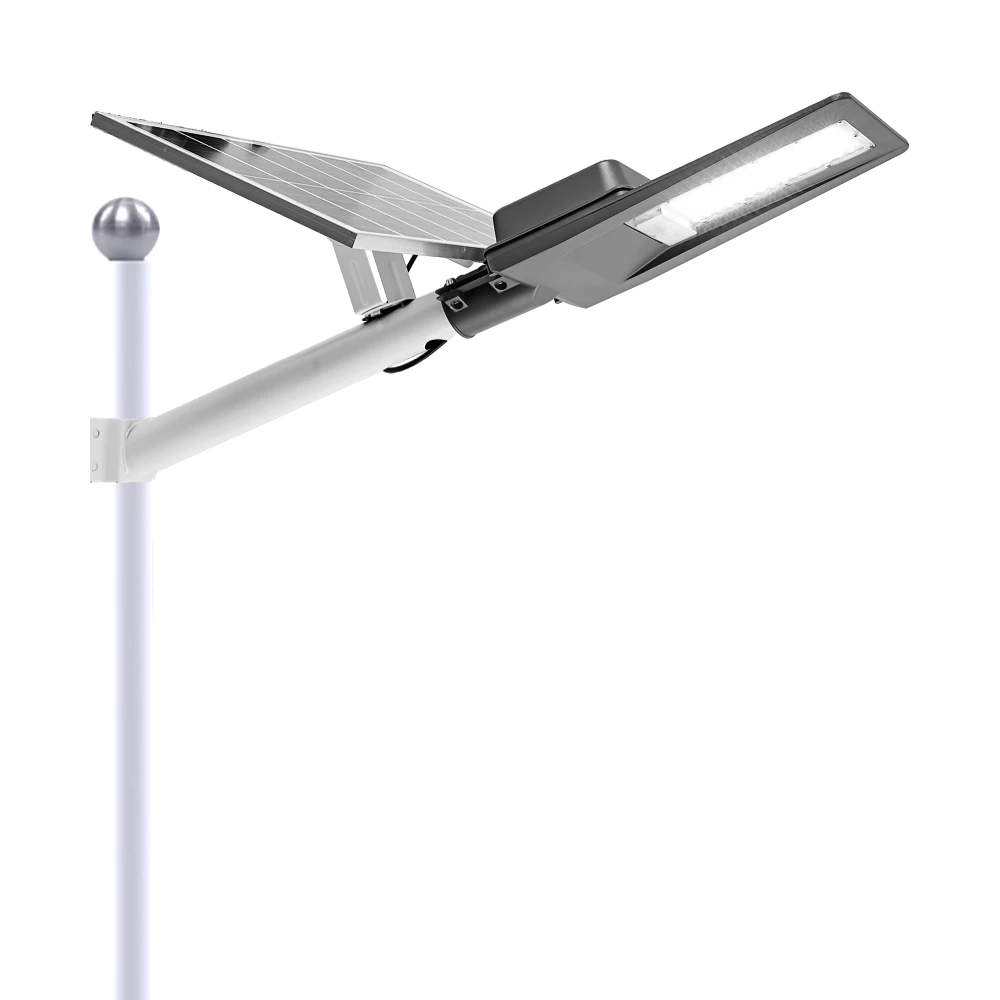
Experience reliable outdoor illumination with our smart solar street light, a perfect combination of advanced technology and eco-conscious design.
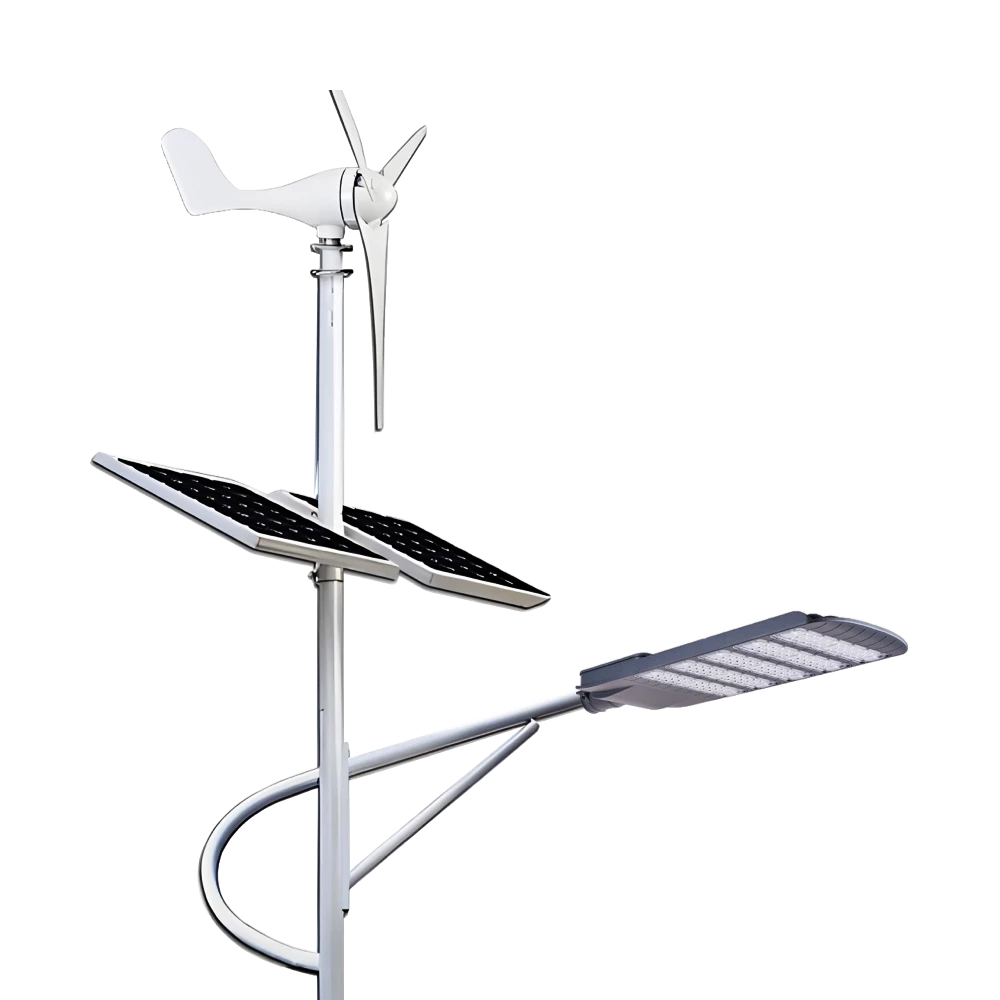
Queneng Lufeng Wind Energy LED Outdoor Solar Street Lights offer high-performance, eco-friendly illumination. These energy-efficient LED street lights harness solar power and wind energy for sustainable, cost-effective outdoor lighting solutions.
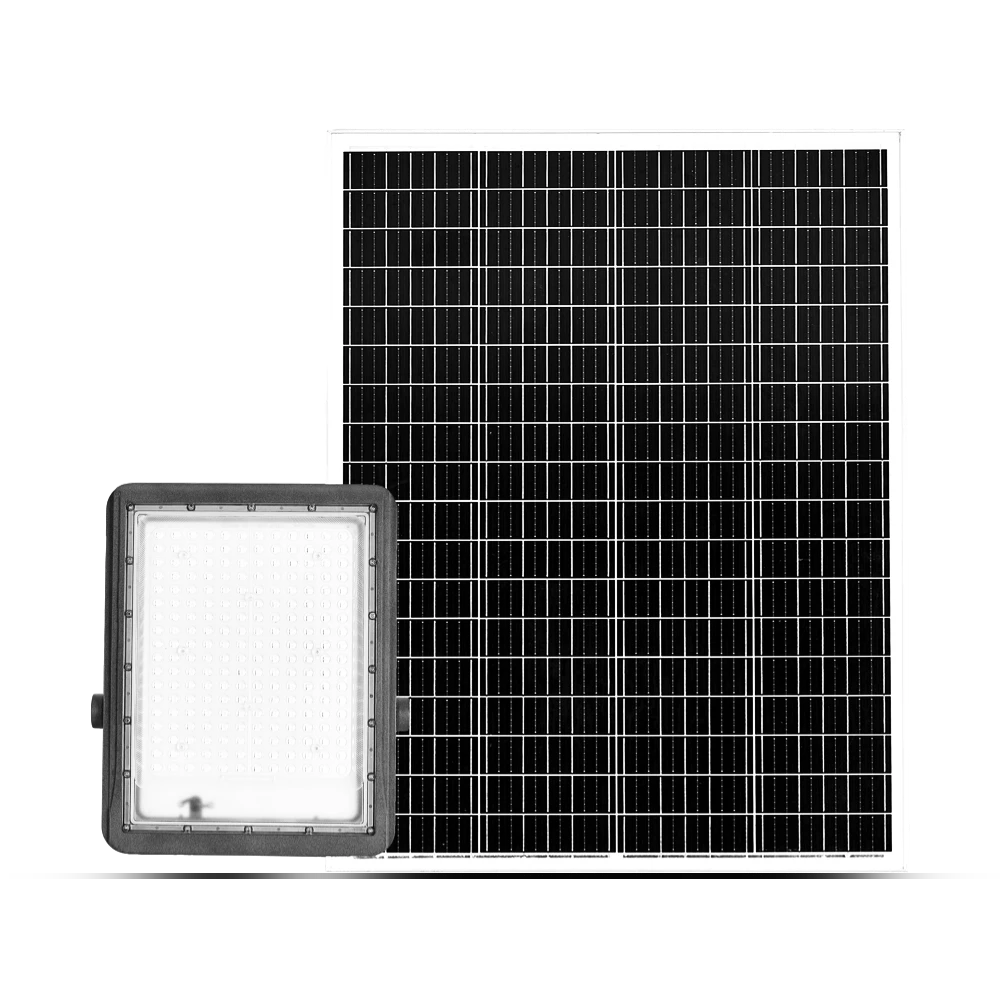
Queneng's Luxian Reliable Solar Street Light offers energy-saving LED lighting for outdoor use. This durable, solar-powered street light provides reliable illumination, reducing energy costs and environmental impact. A perfect solution for sustainable outdoor lighting.
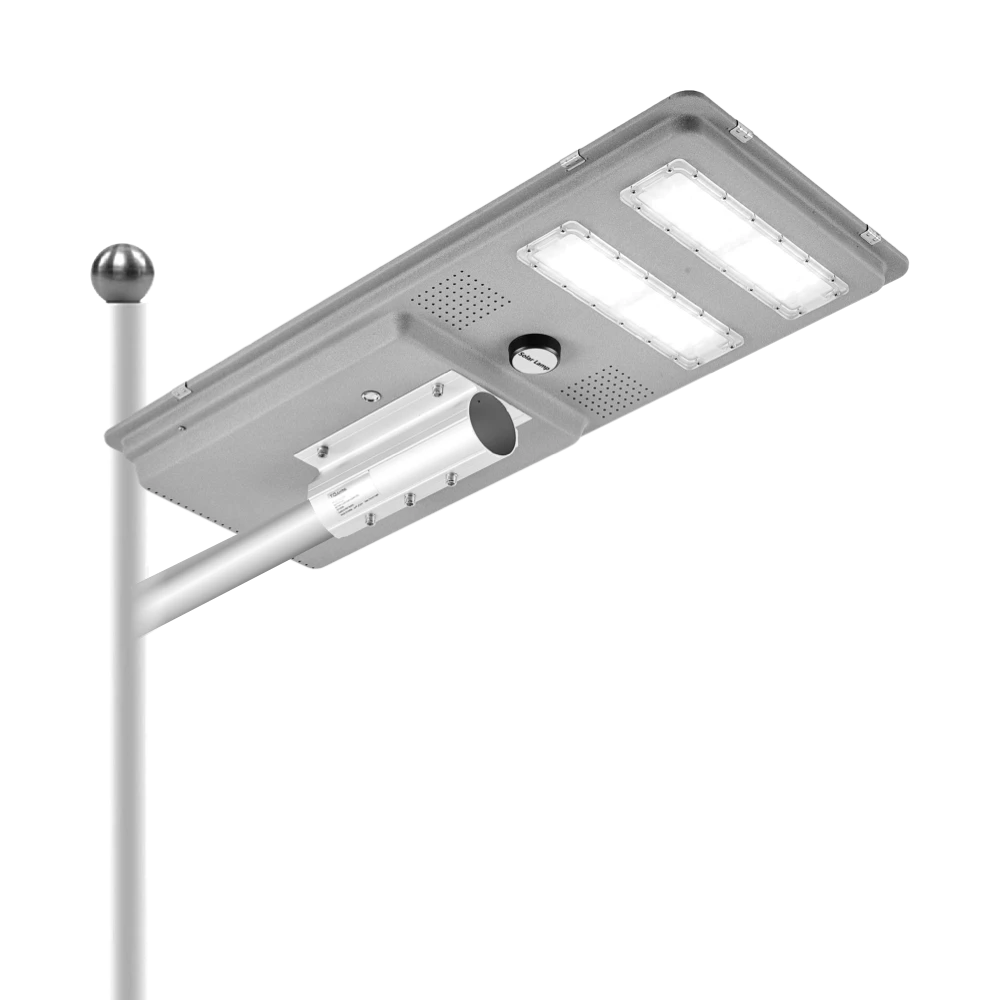
Queneng’s Solar Street Lights are designed to provide reliable, energy-efficient lighting for streets, parks, and other outdoor spaces.
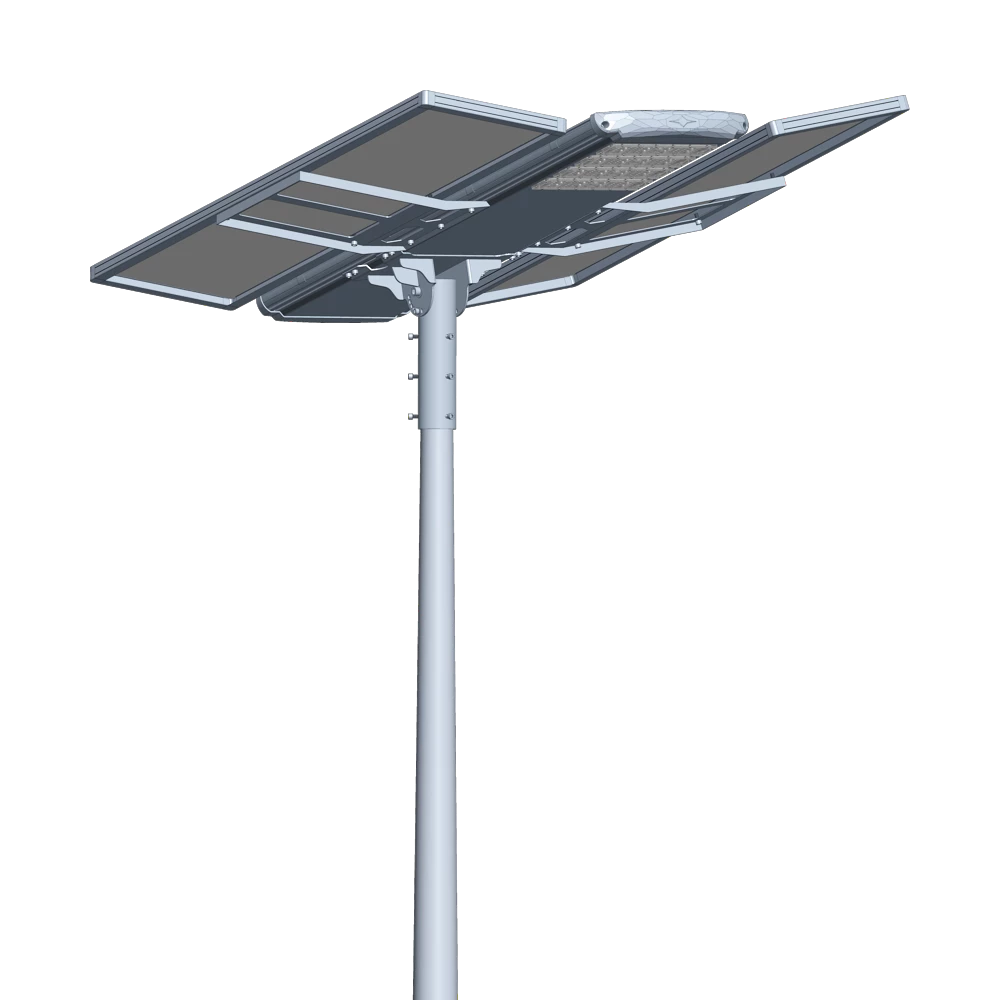
Introducing the Luqing Solar Street Light by Queneng, Efficient LED lighting powered by solar energy is perfect for illuminating outdoor areas. Harness the power of solar energy for sustainable, reliable street lighting. Ideal for eco-friendly, cost-effective outdoor illumination solutions.
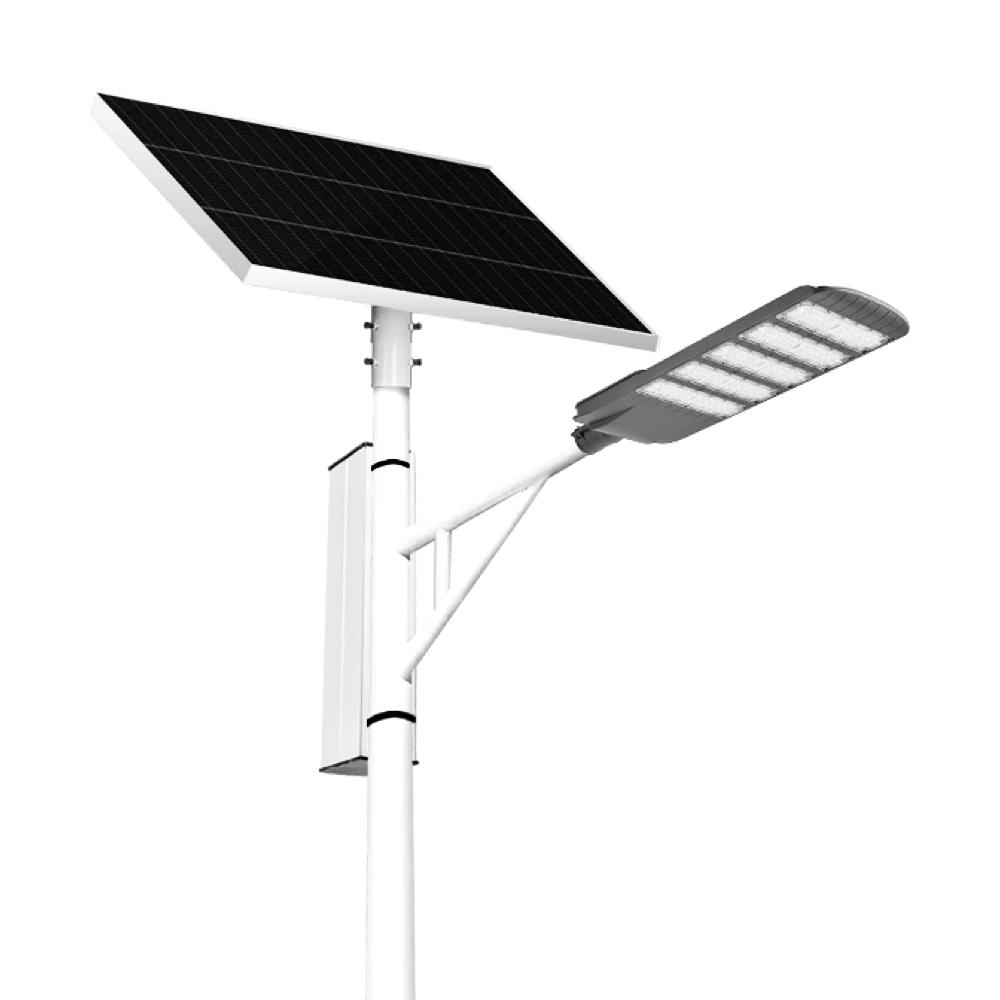
The Solar Streetlights of Luhao for Municipalities are designed to deliver reliable, energy-efficient, and cost-effective public lighting solutions. Equipped with advanced LED technology, durable lithium batteries, and high-efficiency solar panels, these streetlights provide consistent illumination for roads, parks, residential areas, and government projects.
Our professional team is ready to answer any questions and provide personalized support for your project.
You can reach us via phone or email to learn more about Queneng’s solar lighting solutions. We look forward to working with you to promote clean energy solutions!
Rest assured that your privacy is important to us, and all information provided will be handled with the utmost confidentiality.
By clicking 'Send Inquiry Now' I agree to Queneng processing my personal data.
To see how to withdraw your consent, how to control your personal data and how we process it, please see our Privacy Policy and Terms of use.
Schedule a Meeting
Book a date and time that is convenient for you and conduct the session in advance.
Have more questions about our products or services?
The messenger of light & power conversion
Environmental protection and intelligent manufacturing are our brand philosophy, and quality assurance and the best user experience are our eternal promises to users.
CONTACT
No.9F, Building F, Cao San Xin Tian Hong Logistics Park, Guzhen Town, Zhongshan City, Guangdong Province, China.
or write [email protected]
WhatsApp: +86 136 2270 1011


