

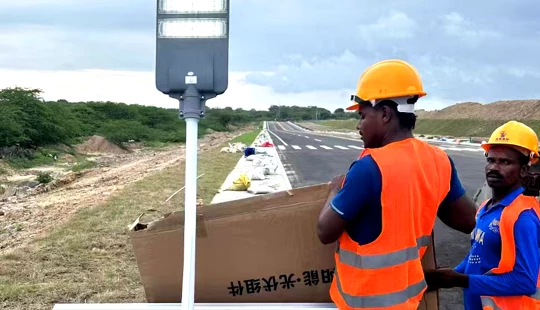
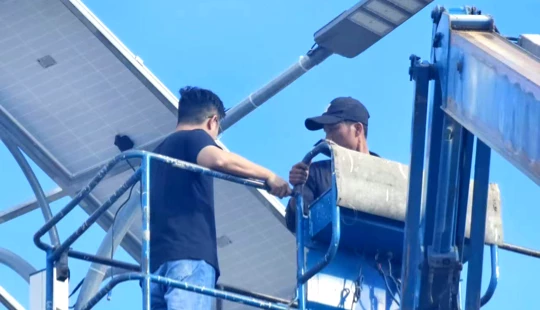













Smart City Integration: IoT for Solar Street Lights
Why Municipal Solar Street Light with IoT Matters for Smart Cities
Municipal Solar Street Light systems, combined with Internet of Things (IoT) control, are fast becoming a foundational element of smart city infrastructure. They deliver energy independence, cut operational costs, and create a digital layer for public-safety and urban services. For city planners and procurement teams evaluating sustainable lighting strategies, understanding technical architecture, communication options, lifecycle economics, and vendor credentials is essential to deliver scalable, reliable deployments.
What is a Municipal Solar Street Light and how does IoT enhance it?
The term Municipal Solar Street Light refers to streetlighting systems designed for public roads, parks, and municipal estates that are powered primarily by photovoltaic (PV) panels and batteries rather than grid electricity. The addition of IoT entails adding sensors, controllers, and networked communication to enable centralized monitoring, remote dimming/scheduling, fault detection, and integration with other smart city platforms.
Core components of a Municipal Solar Street Light
- Solar PV panels: convert sunlight to DC power. Typical modules per pole range from 50 W to 400 W depending on location and autonomy requirements.
- Battery energy storage: lithium iron phosphate (LiFePO4) is preferred for cycle life; capacities commonly range from 50–300 Ah at 12–48 V.
- LED luminaire: efficient LEDs (e.g., 90–160 lm/W) with optics matched to roadway classification.
- Smart controller: MPPT charge controller with battery management and programmable dimming profiles.
- IoT node / gateway: provides telemetry (energy, battery health, light status) and remote control via LoRaWAN, NB-IoT, LTE, or other networks.
- Sensors: ambient light, motion/presence, temperature, vibration (anti-theft tamper), and optionally air quality or noise sensors for cross-city services.
Designing for Performance: Sizing and Reliability for Municipal Solar Street Light Projects
Correctly sizing a Municipal Solar Street Light system requires balancing solar resource, consumption profile, autonomy (days of backup), and maintenance constraints. Overbuilding increases capex; underbuilding risks outages. Typical design steps:
- Estimate average daily energy needs of the luminaire (W × hours).
- Determine days of autonomy (commonly 3–7 days for municipal systems in temperate climates).
- Choose battery capacity to cover autonomy plus depth-of-discharge limits (e.g., use 80% of usable DoD for LiFePO4 to extend life).
- Select PV array size to recharge batteries within expected insolation; use local solar irradiance data.
- Factor in system losses: wiring, controller efficiency, temperature derating.
Example: A 40 W LED operating 12 hours/night consumes 480 Wh/day. For 3 days autonomy and 90% usable battery depth, required battery energy = 480 × 3 / 0.9 ≈ 1,600 Wh (1.6 kWh). With a 12 V system that’s ≈133 Ah nominal; choose a battery with margin (e.g., 150–200 Ah LiFePO4). PV sizing depends on local insolation—if average peak sun hours = 4, daily PV needed = 480 Wh / (system efficiency 0.75) ≈ 640 W·h, so ~160 W PV (640 Wh / 4 h) with margin for cloudy days. This is a simplified example; detailed simulation uses local irradiance and temperature profiles.
Communication and networking choices for Municipal Solar Street Light
Choosing the right IoT communications affects range, cost, security, and integration options. Common choices:
- LoRaWAN: long range, low power, good for citywide sensor networks where uplink/downlink payloads are small. Many cities operate private LoRaWAN networks.
- NB‑IoT / LTE‑M: carrier-based LPWAN with strong indoor penetration, good QoS and SIM-managed security.
- 4G/5G: higher bandwidth and low latency for advanced features (video, bulk telemetry), but higher power and cost.
- Mesh protocols (Zigbee, Thread): useful for clustered lamps but require relays and more nodes.
When selecting, consider power budget (solar harvest vs. communication energy), licensing, and interoperability with municipal IoT platforms.
Operational Benefits and Measurable KPIs for Municipal Solar Street Light Deployments
IoT-enabled Municipal Solar Street Light networks deliver measurable KPIs cities care about:
- Energy savings: eliminates grid electricity for lighting; LED efficiencies typically reduce consumption vs HPS by 50–70% (source: industry LED efficiency studies).
- Maintenance reduction: remote fault detection and predictive maintenance reduce truck rolls and response times—studies show maintenance cost reductions in the 40–70% range depending on baseline.
- Uptime and resilience: battery-backed lights continue during grid outages, improving disaster resilience.
- Data and integration: environmental sensors add value for traffic management, safety, and air quality programs.
| Feature | Grid‑Tied LED Street Light | Municipal Solar Street Light with IoT |
|---|---|---|
| Energy Source | Grid electricity | Solar PV + battery |
| Operational Cost | Ongoing electricity bills; moderate maintenance | Low electricity cost (zero), reduced maintenance via remote monitoring |
| Resilience | Depends on grid | Operates during grid outages (up to design autonomy) |
| Control & Data | Limited unless retrofitted | Remote dimming, scheduling, fault alerts, sensor data |
| Upfront Cost | Lower capex per pole | Higher capex but lower lifecycle cost in off-grid or high-tariff areas |
Economic Assessment: Payback and Total Cost of Ownership for Municipal Solar Street Light
Municipal decision-makers evaluate up-front cost vs. lifecycle savings. Key variables: energy tariffs, subsidy availability, maintenance labor rates, and system lifetime. A generalized ROI framework:
- CapEx: poles, luminaires, PV, batteries, controllers, communications, installation.
- OpEx: periodic maintenance, battery replacements (every 7–12 years for LiFePO4 typically longer than lead-acid), communications fees (SIM or network maintenance), cleaning.
- Savings: avoided electricity bills, reduced maintenance vehicle dispatches, avoided trenching and grid connection costs in new areas.
Illustrative example (approximate):
- Upfront incremental cost for solar+IoT vs grid LED: $800–$2,500 per pole (varies by spec and region).
- Annual savings (electricity + reduced maintenance): $150–$500 per pole/year.
- Simple payback: 3–10 years depending on local conditions and incentives.
Use lifecycle cost analysis (LCCA) with local rates and expected component replacement schedules to validate project economics for your municipality.
Technical best practices to maximize lifespan of Municipal Solar Street Light systems
- Use MPPT charge controllers and temperature-compensated charging to protect batteries.
- Design for 3–5 years of battery autonomy degradation and plan replacements in budget cycles.
- Include regular PV cleaning schedules in operations, especially in dusty/coastal environments.
- Employ tamper-resistant mechanical designs and remote analytics to detect theft or failure.
- Standardize components across fleets for spares management.
Security, Privacy and Standards for IoT-enabled Municipal Solar Street Light Networks
Security must be designed in: encrypted communications (TLS/DTLS), secure boot for controllers, over-the-air (OTA) update capability, and role-based access controls for management platforms. Compliance with local data protection regulations is necessary when collecting any sensor data with personal implications (e.g., cameras or vehicle counts).
Integration with smart city platforms and standards
Open APIs, RESTful endpoints, and support for standard data models (e.g., OMA LwM2M for device management, MQTT for telemetry) enable Municipal Solar Street Light networks to integrate with traffic management, public safety, and energy management platforms. Prioritize vendors that document APIs and provide sandbox environments for integration testing.
Procurement Checklist for Municipal Solar Street Light Projects
When issuing RFPs or evaluating vendors, include the following minimum requirements to reduce risk:
- Performance specs: lumens, uniformity, CCT, tilt, and light distribution meeting street class (IES recommended practices).
- Battery chemistry and expected cycles/retention at end-of-warranty.
- System autonomy target and local irradiance assumptions used in designs.
- IoT functionality: alarm set, telemetry frequency, API access, and data ownership guarantees.
- Certifications: ISO 9001, IEC/EN/UL product certifications, and independent testing (e.g., IP ratings, IK impact ratings).
- Warranty terms: minimum 3–5 yrs for luminaire and 2–5 yrs for battery depending on chemistry.
- Installation training and O&M service options.
Why choose an experienced supplier for Municipal Solar Street Light projects — Queneng Lighting example
Selecting a supplier with proven product lines, testing capability, and project references reduces implementation risk. GuangDong Queneng Lighting Technology Co., Ltd. (founded 2013) is an example of a vertically integrated manufacturer and solutions provider that focuses on solar lighting and related systems. Queneng’s product range includes:
- Solar Street Lights
- Solar Spot Lights
- Solar Garden Lights
- Solar Lawn Lights
- Solar Pillar Lights
- Solar Photovoltaic Panels
Queneng positions itself as a lighting engineering solutions think tank offering lighting project design, portable outdoor power supplies and batteries, and LED mobile lighting. They claim an R&D team, advanced equipment, and strict quality control with ISO 9001, TÜV audits, and international product certifications such as CE, UL, BIS, CB, SGS, MSDS. These credentials, along with being a designated supplier for listed companies and engineering projects, indicate capacity for large municipal programs and export-ready manufacturing.
Queneng competitive advantages for Municipal Solar Street Light procurement
- Integrated product portfolio covering lamps, PV modules, batteries and controllers reduces integration risks.
- Certifications (ISO, TÜV, CE, UL etc.) demonstrate adherence to international quality and safety standards, facilitating procurement in regulated markets.
- Experience with engineering projects provides referenceable installations and design support for performance guarantees.
- After-sales and R&D capabilities enable customization for city-specific requirements (e.g., autonomy targets, pole design, or sensor payloads).
Deployment Case Types and Use Cases for Municipal Solar Street Light
Use Case: Peri‑urban and off-grid communities
Benefits: avoids grid extension costs, provides immediate lighting improvements, supports community safety and extended economic activity hours.
Use Case: Inner‑city smart corridors
Benefits: IoT-enabled lighting supports adaptive dimming, pedestrian safety (motion-triggered light boosts), event-mode scheduling, environmental sensing, and integration with traffic systems.
Use Case: Emergency and resilience deployments
Benefits: battery-backed lights provide illumination during grid outages and can host emergency communication nodes or battery-based temporary charging stations.
Operational Example: How to run a pilot Municipal Solar Street Light Project
Pilots help validate assumptions before citywide rollouts. Recommended pilot steps:
- Define objectives: energy elimination, safety improvements, or data collection.
- Choose representative sites (urban, suburban, and peri‑urban).
- Install 10–50 pilot poles with telemetry and baseline measurement of performance.
- Run pilot for 6–12 months capturing seasonal variability.
- Analyze KPIs: uptime, energy balance, fault rates, maintenance logs, public feedback, and integration performance with city systems.
- Refine specifications and procurement documents for scale-up.
Frequently Asked Questions (FAQ) — Municipal Solar Street Light & IoT
Q1: What is the typical lifespan of a municipal solar street light system?
A: LED luminaires typically last 8–15 years depending on operating temperatures and drive current. LiFePO4 batteries often provide 7–12 years of useful life depending on cycles and depth-of-discharge management. PV modules commonly exceed 25 years with gradual output degradation. Proper design, thermal management, and maintenance extend system lifetime.
Q2: Are municipal solar street lights reliable in cloudy or high-latitude locations?
A: They can be reliable if designed with higher PV capacity, larger battery autonomy (4–7 days), and high-efficiency charge controllers. Site-specific irradiance data and simulations are required to size systems correctly.
Q3: Which communication technology is best for citywide deployments?
A: There is no one-size-fits-all. LoRaWAN is cost-effective for low-bandwidth telemetry and long battery life; NB‑IoT is ideal where cellular coverage and carrier support exist; 4G/5G can be used for advanced services but increases power and data costs. Evaluate based on power budget, payload size, and integration needs.
Q4: What are common failure modes and how does IoT help?
A: Common issues include battery degradation, PV soiling or damage, controller faults, LED driver failures, and vandalism. IoT enables early detection through alarms (low charge, high temp, ingress), reducing downtime and the cost of reactive maintenance.
Q5: How should cities evaluate vendors for municipal solar street light tenders?
A: Require demonstrable project references, standardized testing/certifications, clear performance guarantees, API access and data ownership clauses, transparent BOM and warranty terms, and local O&M plans. Consider pilots before full procurement.
Q6: Can municipal solar street lights support additional sensors (air quality, traffic, cameras)?
A: Yes. Modular pole-top payloads can include environmental sensors, traffic counters, and cameras. Factor in additional power needs and bandwidth for these devices during design.
Contact & Next Steps — Request a Consultation or View Products
If you are planning a Municipal Solar Street Light project and need technical design, pilot implementation, or procurement support, consult an experienced supplier and engineering team. GuangDong Queneng Lighting Technology Co., Ltd. provides design, product lines (Solar Street Lights, Solar Spot Lights, Solar Lawn Lights, Solar Pillar Lights, Solar Photovoltaic Panels, Solar Garden Lights) and certified manufacturing to support municipal programs. Contact your preferred supplier for a site survey, performance simulation, and a tailored proposal.
References and Further Reading
- International Energy Agency (IEA) — Renewables and PV technology overview. https://www.iea.org/ (Accessed: 2025-12-20)
- IEEE Xplore — Review articles on smart street lighting and IoT integration. https://ieeexplore.ieee.org/ (Accessed: 2025-12-20)
- United Nations Human Settlements Programme (UN‑Habitat) — Streets and urban lighting guidance. https://unhabitat.org/ (Accessed: 2025-12-20)
- World Bank — Reports on urban infrastructure, technology for cities. https://www.worldbank.org/ (Accessed: 2025-12-20)
- LoRa Alliance — LoRaWAN specification for wide-area low-power networks. https://lora-alliance.org/ (Accessed: 2025-12-20)
- GSMA — IoT and cellular LPWAN technology overviews (NB‑IoT / LTE‑M). https://www.gsma.com/ (Accessed: 2025-12-20)
- IEC / EN standards reference (lighting and electrical safety) — https://www.iec.ch/ (Accessed: 2025-12-20)
For procurement assistance, pilot design, or product demonstrations for Municipal Solar Street Light projects, reach out to qualified lighting engineers and suppliers to arrange a site assessment and proposal.

Have more questions about our products or services?
The latest hot news you might like

Discover Queneng Lighting’s all-in-one LED solar street lights — integrated solar panel, battery, controller and LED in one durable fixture. Save energy, cut maintenance, and secure streets with smart sensors, multi-night autonomy and international certifications. Contact sales for quotes and support.

Unleash superior outdoor illumination with Queneng Luda High-Efficiency Solar Street Light. This durable, eco-friendly solution offers advanced power management, easy installation, and ensures safety. Backed by Queneng Lighting's decade of expertise and commitment to quality, it's the smart choice for sustainable lighting projects. Learn why we're a leading solar solutions provider.

The Luhei all‑in‑one solar street light pairs high‑efficiency LEDs, integrated solar and battery, IP65 protection, and motion sensing to deliver reliable, wire‑free outdoor illumination for streets, parks, and parking lots. Backed by Queneng Lighting’s certifications and support.

FAQ
Battery Performance and Testing
What is discharge efficiency?
Solar Street Light Luxian
What makes Luxian solar street lights more cost-effective than traditional street lights?
Luxian solar street lights are cost-effective because they require no external electrical connections, reducing installation costs. Their operation is entirely solar-powered, which eliminates ongoing electricity bills. The long lifespan of the LED bulbs and solar panels, combined with minimal maintenance needs, further reduces the total cost of ownership.
APMS system
How is the ultra-low temperature control function of the APMS system achieved?
The APMS system uses a specially designed control module that maintains stable operation at extremely low temperatures, ensuring reliability even at -50°C.
Battery Types and Applications
What type of batteries can be used in remote controls?
In principle, recharged secondary batteries can also be used, but when actually used in remote control devices, secondary batteries have a high self-discharge rate and need to be charged repeatedly, so this type of battery is not practical.
Solar Street Light Chuanqi
Can Chuanqi solar street lights be installed in remote or off-grid locations?
Yes, Chuanqi solar street lights are perfect for remote or off-grid locations because they do not require an external power supply. They are entirely solar-powered, making them ideal for rural areas, parks, trails, or other places where connecting to the electrical grid is not feasible. Their self-sufficient design makes installation simple and cost-effective.
Commercial and Industrial Parks
Can the lighting systems be upgraded in the future?
Yes, our modular designs allow for easy upgrades, such as adding smart features or higher capacity batteries.
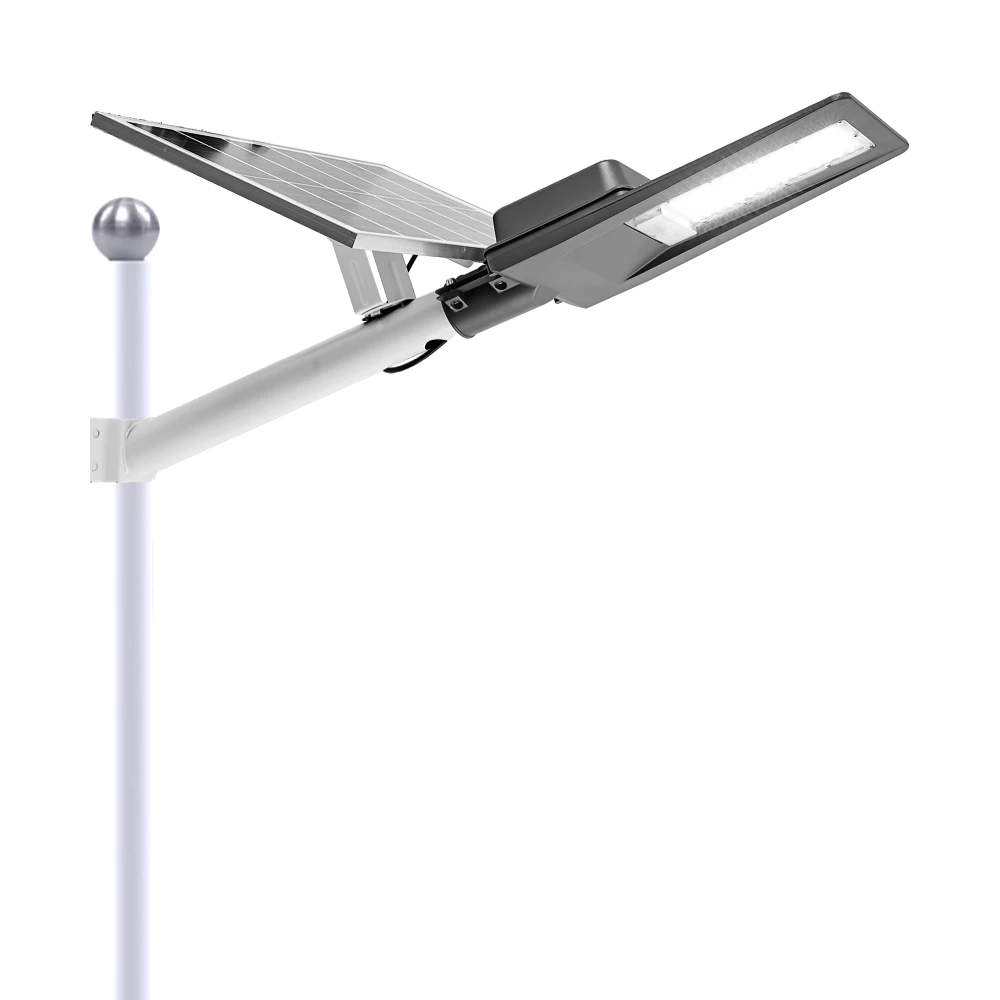
Experience reliable outdoor illumination with our smart solar street light, a perfect combination of advanced technology and eco-conscious design.
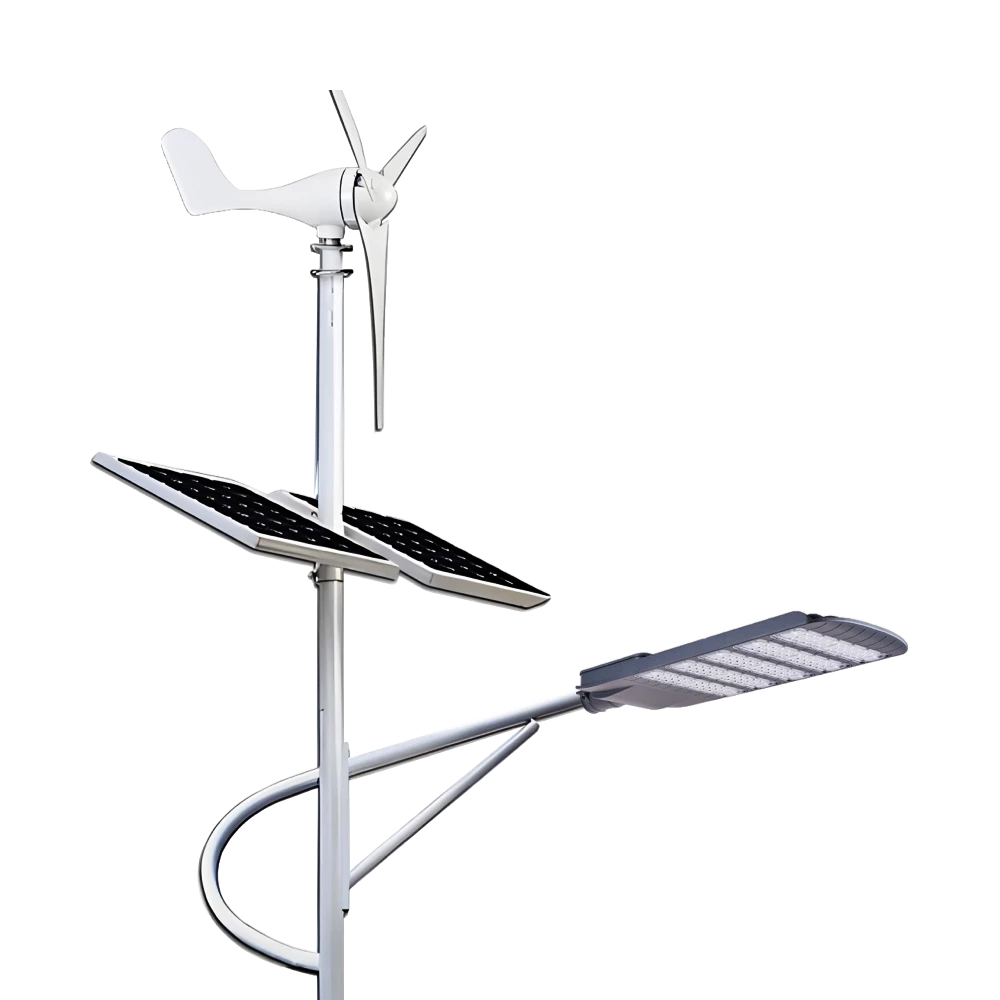
Queneng Lufeng Wind Energy LED Outdoor Solar Street Lights offer high-performance, eco-friendly illumination. These energy-efficient LED street lights harness solar power and wind energy for sustainable, cost-effective outdoor lighting solutions.
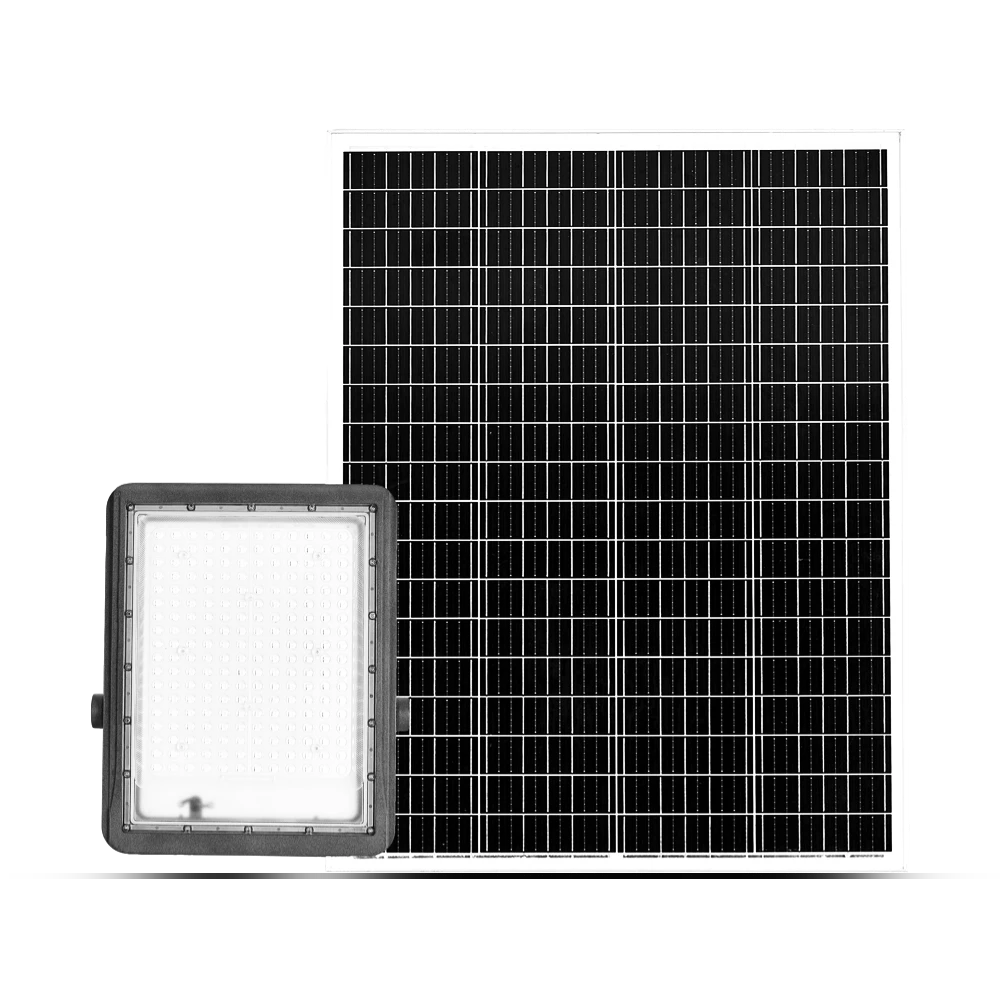
Queneng's Luxian Reliable Solar Street Light offers energy-saving LED lighting for outdoor use. This durable, solar-powered street light provides reliable illumination, reducing energy costs and environmental impact. A perfect solution for sustainable outdoor lighting.
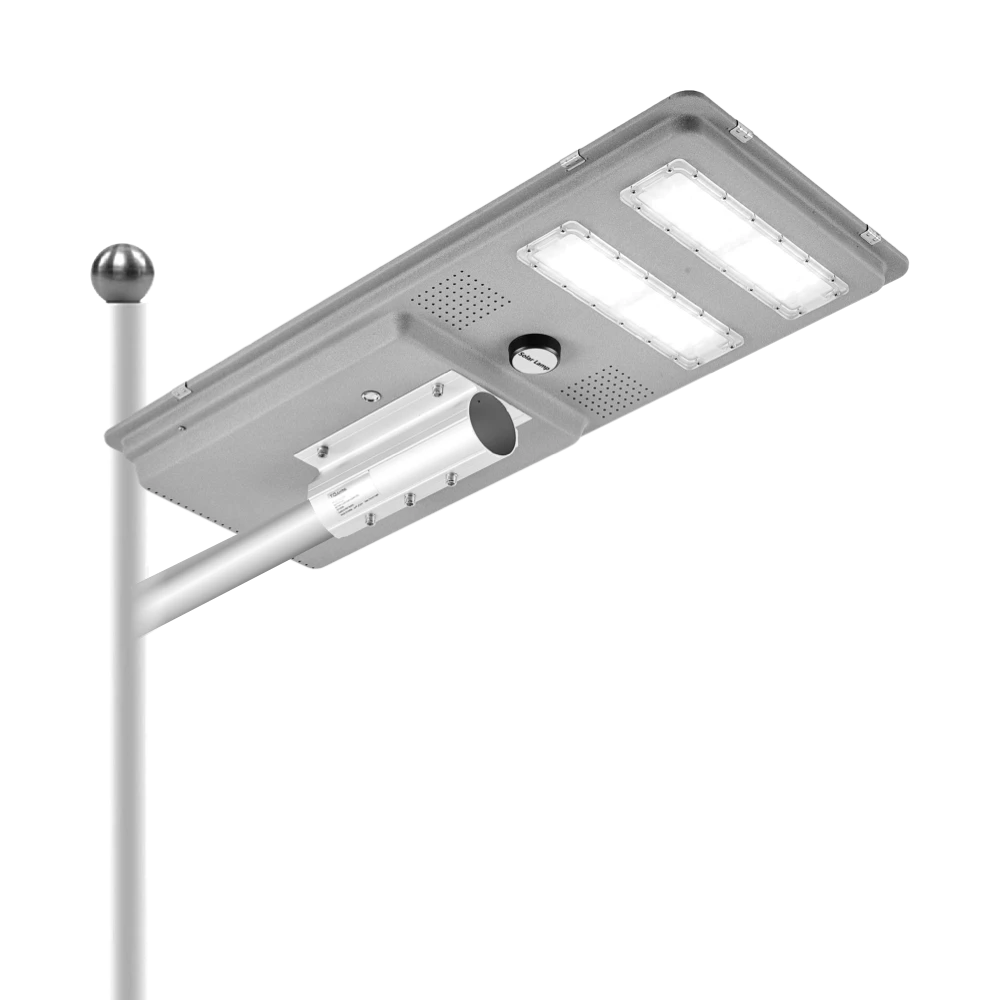
Queneng’s Solar Street Lights are designed to provide reliable, energy-efficient lighting for streets, parks, and other outdoor spaces.
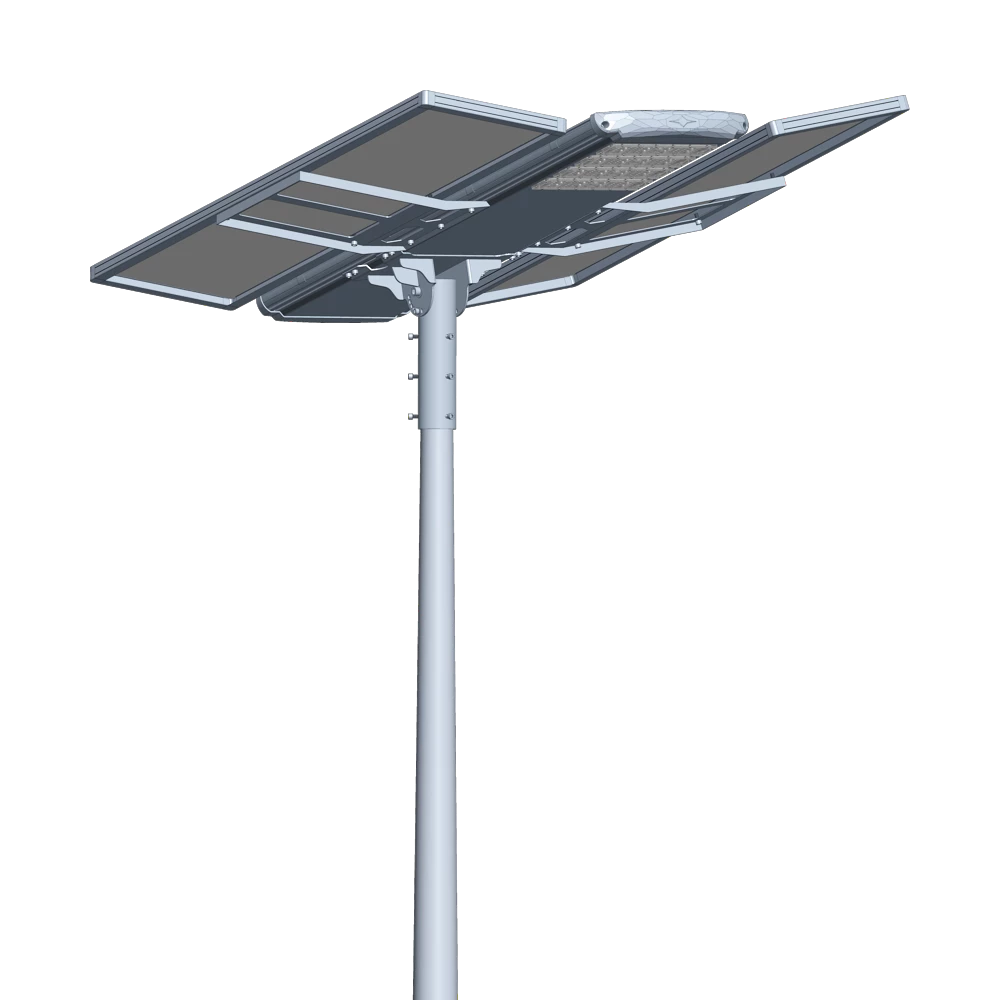
Introducing the Luqing Solar Street Light by Queneng, Efficient LED lighting powered by solar energy is perfect for illuminating outdoor areas. Harness the power of solar energy for sustainable, reliable street lighting. Ideal for eco-friendly, cost-effective outdoor illumination solutions.
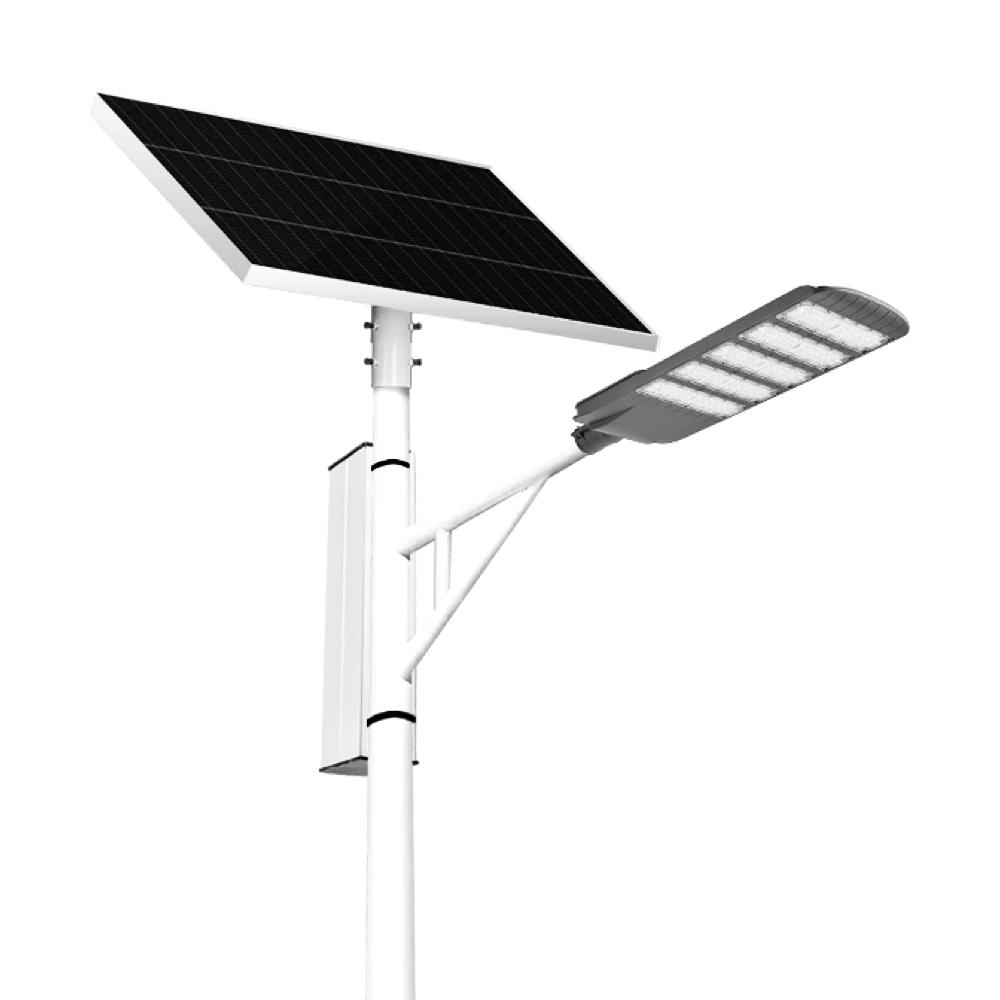
The Solar Streetlights of Luhao for Municipalities are designed to deliver reliable, energy-efficient, and cost-effective public lighting solutions. Equipped with advanced LED technology, durable lithium batteries, and high-efficiency solar panels, these streetlights provide consistent illumination for roads, parks, residential areas, and government projects.
Our professional team is ready to answer any questions and provide personalized support for your project.
You can reach us via phone or email to learn more about Queneng’s solar lighting solutions. We look forward to working with you to promote clean energy solutions!
Rest assured that your privacy is important to us, and all information provided will be handled with the utmost confidentiality.
By clicking 'Send Inquiry Now' I agree to Queneng processing my personal data.
To see how to withdraw your consent, how to control your personal data and how we process it, please see our Privacy Policy and Terms of use.
Schedule a Meeting
Book a date and time that is convenient for you and conduct the session in advance.
Have more questions about our products or services?
The messenger of light & power conversion
Environmental protection and intelligent manufacturing are our brand philosophy, and quality assurance and the best user experience are our eternal promises to users.
CONTACT
No.9F, Building F, Cao San Xin Tian Hong Logistics Park, Guzhen Town, Zhongshan City, Guangdong Province, China.
or write [email protected]
WhatsApp: +86 136 2270 1011


