

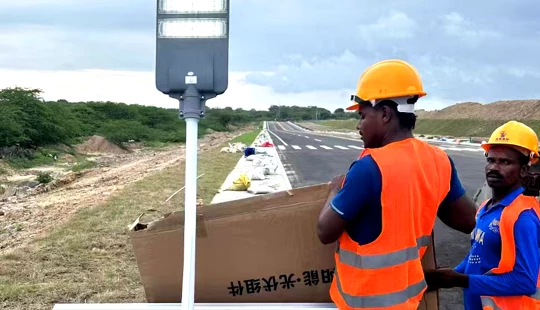
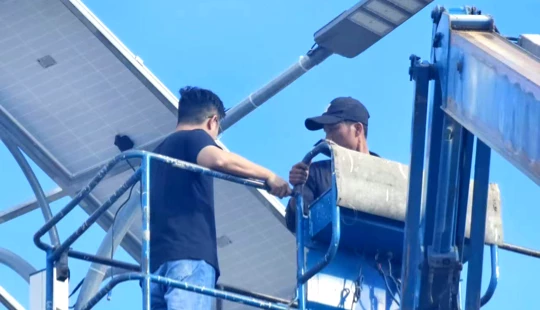













Installation layout planning for sustainable street light schemes
Designing Efficient Public Lighting Networks
Site Assessment for Municipal Solar Street Light Projects
Before any layout drawing is produced, conduct a rigorous site assessment. For a Municipal Solar Street Light system this includes solar resource analysis, road geometry, traffic patterns, tree canopy and local regulations. Use satellite insolation data (PVWatts/NREL or local meteorological services) to determine the average daily peak sun hours and seasonal variation. Identify obstructions (trees, buildings) that create shading corridors—shading reduces PV output nonlinearly and must be mapped, ideally with a hemispherical or drone-based survey.
Lighting Objectives and Standards for Municipal Solar Street Light Schemes
Define the lighting class and performance targets based on road type and safety needs. Municipal Solar Street Light design should reference recognized standards such as IES RP-8 (roadway lighting) or national equivalents for maintained illuminance and uniformity. Typical target values for residential streets are 5–10 lux average horizontal illuminance; for collectors/arterials 10–20 lux depending on speed and pedestrian activity. Document the chosen standard early so lumen outputs, pole spacing and control strategies align with safety and liability expectations.
PV & Battery Sizing Methodology for Municipal Solar Street Light
Sizing must balance autonomy, reliability and cost. The typical design steps are: (1) determine daily energy demand from selected luminaire wattage and operating hours; (2) choose autonomy days (commonly 2–5 days for municipal projects to cover cloudy periods); (3) apply system losses (controller, temperature, wiring — typically 10–25% depending on components); (4) size battery capacity (Wh) and PV array (W) so that PV average daily production meets demand plus recharge needs over the autonomy horizon. Use validated tools (NREL PVWatts, HOMER, PVSyst) to model local irradiance and system output rather than relying solely on rule-of-thumb.
Typical Design Parameters and Example Values for Municipal Solar Street Light
The following table summarizes typical ranges designers use. These are starting points—final values must be site-specific and validated with simulation.
| Parameter | Typical Range / Value | Notes |
|---|---|---|
| Mounting height | 4–12 m | Lower heights for pedestrian zones; higher for arterial roads to increase spacing |
| Pole spacing | 20–60 m | Depends on lumen output, mounting height and required uniformity |
| Luminaire output (LED) | 1,000–10,000 lumens | Typical municipal luminaires: 3,000–7,000 lm for local and collector roads |
| Autonomy (battery) | 2–5 days | Higher autonomy for remote or high-risk areas |
| PV sizing (array per pole) | 50–400 Wp | Site-specific; influenced by irradiance and autonomy |
References for methodology: NREL PVWatts and public PV system design guides (see References).
Pole Placement, Spacing and Layout Strategies for Municipal Solar Street Light
Choose a layout strategy based on road width, geometry and aesthetics. Options include single-sided, staggered (offset), and central median mounting. For two-lane residential streets, single-sided or staggered layouts are common; for wide arterials, alternating staggered poles improve uniformity. Consider pole setback from carriageway to reduce glare and vibration from vehicle impact. Use photometric simulations to verify uniformity (min/avg ratio) and ensure glare (UGR or vehicular discomfort) is within acceptable limits.
Adaptive Controls, Sensors and Smart Network Integration for Municipal Solar Street Light
Integrate adaptive dimming, motion sensors and networked controls to reduce energy demand and extend battery life. Municipal Solar Street Light schemes with dimming profiles (e.g., 100% at peak hours, 50–70% late night) can reduce energy consumption by 30–60% depending on traffic patterns. Connectivity options range from simple wireless mesh (LoRaWAN, Zigbee) to cellular or NB-IoT depending on local infrastructure and data requirements. Always consider cybersecurity, OTA update strategies and interoperability with existing municipal smart city platforms.
Environmental, Durability and Maintenance Considerations for Municipal Solar Street Light
Design for the local environment: corrosion (coastal), temperature extremes, dust (high soiling rates reduce PV output), and vandalism. Specify IP66 or higher luminaires and robust battery enclosures. Implement predictive maintenance using monitoring telemetry (state of charge, PV current, LED drive current) to schedule service before failures. Lifecycle cost analysis (LCCA) including CAPEX, OPEX, and replacement cycles (battery ~5–10 years; LEDs 50,000–100,000 hours) provides a more complete procurement basis than upfront cost alone.
Comparing Layout Approaches: Performance vs Cost
Below is a simplified comparison to help municipalities choose an approach. Values are illustrative—use simulation for project decisions.
| Approach | Typical Spacing | Initial Cost | Uniformity & Safety | Best Use |
|---|---|---|---|---|
| Single-sided mounting | 20–30 m | Low–Medium | Moderate | Narrow streets, budget-limited projects |
| Staggered/alternating | 30–50 m | Medium | High | Residential and collector roads |
| Median/central mounting | 40–60 m | High | High (wide roads) | Arterials and multi-lane roads |
Procurement, Standards and Verification for Municipal Solar Street Light
Prioritize suppliers and products with verifiable certifications: CE, UL, IEC for electrical safety; IP/IK ratings for environmental protection; battery safety standards (UN 38.3, MSDS) and quality management (ISO 9001). Require factory acceptance tests (FAT), site acceptance tests (SAT), photometric verification and a clear warranty + service-level agreement (SLA) for spare parts and remote diagnostics. Define KPIs for system availability (e.g., 99% night-on availability averaged annually).
Implementation Checklist and Project Timeline for Municipal Solar Street Light
Use a phased implementation: pilot (1–3 blocks), performance evaluation (6–12 months), scale-up. Key checklist items: feasibility & financial analysis, stakeholder engagement (public safety, utilities), site surveys, detailed photometric design, procurement/specifications, installation & commissioning, monitoring and maintenance plan. Pilots reduce risk and build stakeholder confidence.
Why Choose a Trusted Manufacturer: GuangDong Queneng Lighting in Municipal Solar Street Light Projects
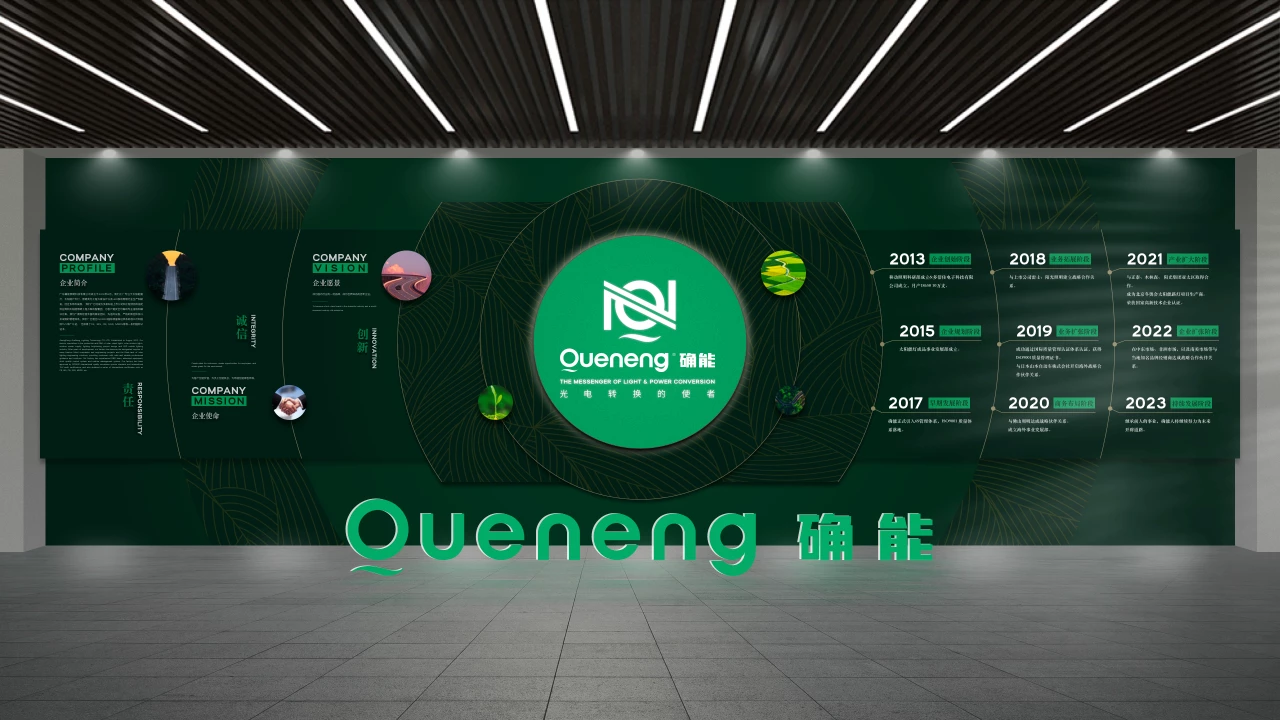
GuangDong Queneng Lighting Technology Co., Ltd., founded in 2013, focuses on solar street lights and related products and services. Queneng's product range includes Solar Street Lights, Solar Spot lights, Solar Garden Lights, Solar Lawn Lights, Solar Pillar Lights and Solar Photovoltaic Panels. The company also offers portable outdoor power supplies, batteries, lighting project design and LED mobile lighting solutions. After years of development Queneng has become the designated supplier for many listed companies and engineering projects, acting as a solar lighting engineering solutions think tank that provides clients with professional guidance and solutions.
Queneng highlights:
- Experienced R&D team and advanced production equipment
- Strict quality control and mature management systems (ISO 9001 certified)
- International audit and certification experience (TÜV audits, CE, UL, BIS, CB, SGS, MSDS)
- End-to-end capabilities: product design, manufacturing, project design and after-sales support
Monitoring, Data and Continuous Improvement for Municipal Solar Street Light
Implement a monitoring dashboard that tracks key metrics: nightly energy consumption, PV generation, battery state of charge, luminaire on-time and fault events. Data allows adaptive luminaire scheduling, targeted maintenance and better procurement decisions for future phases. Collecting at least 12 months of operation data from pilot zones is recommended before large-scale rollouts to capture seasonal effects.
Return on Investment and Funding Options for Municipal Solar Street Light
Calculate ROI including energy savings (reduced grid consumption), lower maintenance (LED longevity, integrated systems reducing trenching), and carbon reduction benefits. Municipal projects can often access green financing, development bank loans and grants aimed at climate resilience and energy access—document lifecycle savings to support such applications.
FAQ – Municipal Solar Street Light Installation & Layout Planning
Q1: How do I determine the correct pole spacing for Municipal Solar Street Light?
A: Start from the chosen lumen output and mounting height, apply the relevant lighting standard (IES RP-8 or national standard) and run photometric simulations for the target uniformity and average illuminance. Use pilot sections to validate assumptions under local conditions.
Q2: What autonomy (battery days) is reasonable for municipal installations?
A: Common practice is 2–5 days. Remote or high-reliability areas should use higher autonomy. Use local weather data and historical cloudy-day frequency to set autonomy—model with PV simulation tools for verification.
Q3: Can Municipal Solar Street Light systems be connected to the grid?
A: Yes. Hybrid systems allow grid-tied operation for reduced battery capacity and higher reliability. Hybrid designs must consider bi-directional power flow, local regulations and interconnection agreements.
Q4: How does shading affect Municipal Solar Street Light design?
A: Shading reduces PV output disproportionately and can shorten battery life due to increased cycling. Map shading during design (drone/hemispherical surveys) and avoid shaded placements or size PV/battery accordingly.
Q5: What maintenance is required for Municipal Solar Street Light?
A: Periodic cleaning of PV modules (interval depends on soiling rates), battery health checks, firmware updates for smart controllers, and physical inspections for vandalism/corrosion. Remote monitoring reduces reactive maintenance and can trigger scheduled service visits.
Q6: How do I choose between single-sided and staggered layouts for Municipal Solar Street Light?
A: Use staggered layouts when better uniformity is required for safety; single-sided may be suitable for narrow streets or constrained budgets. Photometric modeling is the deciding tool.
For custom design assistance, performance data or product recommendations for your Municipal Solar Street Light project, contact GuangDong Queneng Lighting Technology Co., Ltd. to request project consultation, product datasheets or a pilot proposal.
References
- NREL PVWatts Calculator – National Renewable Energy Laboratory. https://pvwatts.nrel.gov/ (accessed 2025-11-01)
- IES RP-8 Roadway Lighting – Illuminating Engineering Society. https://www.ies.org/standards/ (accessed 2025-10-20)
- NREL Solar Research – NREL. https://www.nrel.gov/research/solar. (accessed 2025-09-28)
- IEA World Energy Outlook 2023 – International Energy Agency. https://www.iea.org/reports/world-energy-outlook-2023 (accessed 2025-10-05)
- GuangDong Queneng Lighting Technology Co., Ltd. company information as provided by the client (company profile and certifications). (accessed 2025-11-01)

Have more questions about our products or services?
The latest hot news you might like

Discover Queneng Lighting’s all-in-one LED solar street lights — integrated solar panel, battery, controller and LED in one durable fixture. Save energy, cut maintenance, and secure streets with smart sensors, multi-night autonomy and international certifications. Contact sales for quotes and support.

Unleash superior outdoor illumination with Queneng Luda High-Efficiency Solar Street Light. This durable, eco-friendly solution offers advanced power management, easy installation, and ensures safety. Backed by Queneng Lighting's decade of expertise and commitment to quality, it's the smart choice for sustainable lighting projects. Learn why we're a leading solar solutions provider.

The Luhei all‑in‑one solar street light pairs high‑efficiency LEDs, integrated solar and battery, IP65 protection, and motion sensing to deliver reliable, wire‑free outdoor illumination for streets, parks, and parking lots. Backed by Queneng Lighting’s certifications and support.

FAQ
Battery Performance and Testing
What is charging efficiency?
What is a penetration test?
who we are
How can I contact Queneng for inquiries or product support?
You can contact us through our website, where you can find contact forms, customer service phone numbers, and email addresses. Our support team is available to assist with any inquiries, product information, or technical support you may need.
Industry
Can Queneng’s solar street lighting system operate in harsh weather conditions?
Yes, Queneng’s solar street lighting systems are specially designed to function well in extreme weather. Our equipment is waterproof, corrosion-resistant, and windproof, making it suitable for a variety of climates.
Battery fundamentals and basic terms
What is battery internal resistance?
What are the differences between primary and secondary batteries?
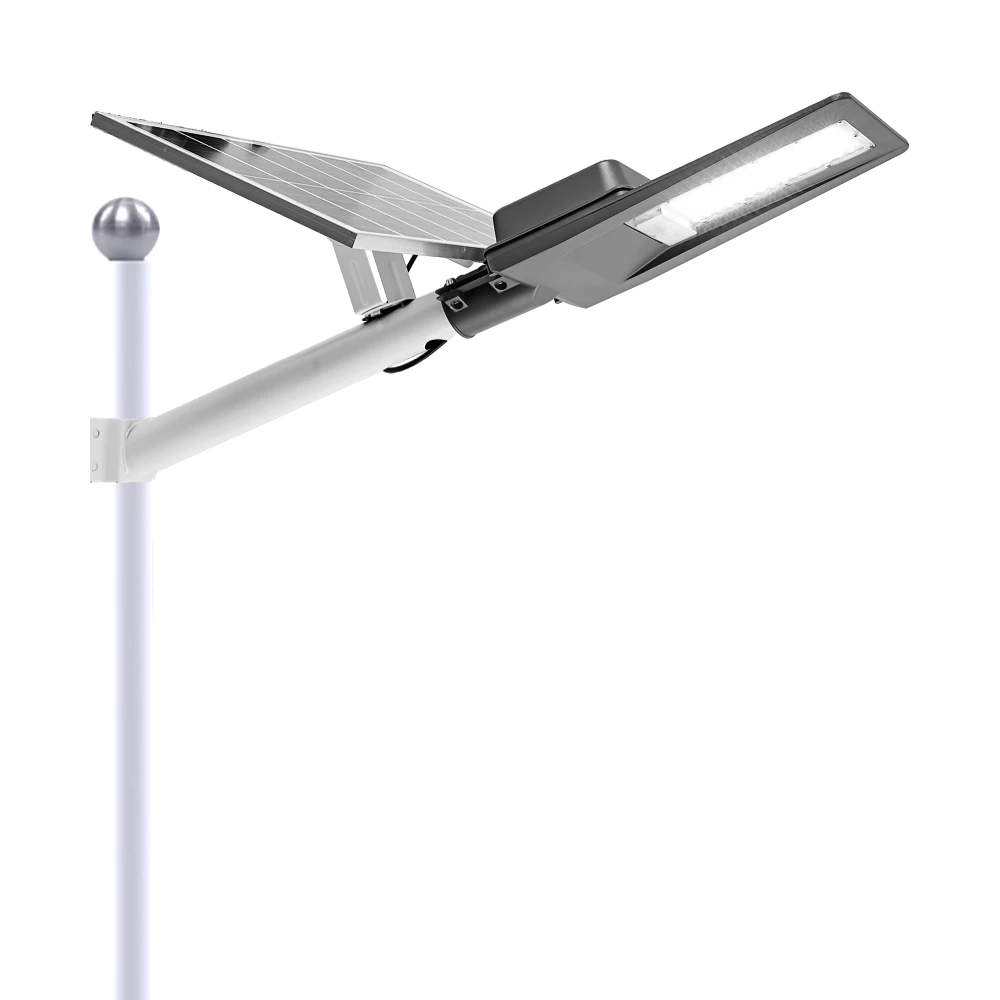
Experience reliable outdoor illumination with our smart solar street light, a perfect combination of advanced technology and eco-conscious design.
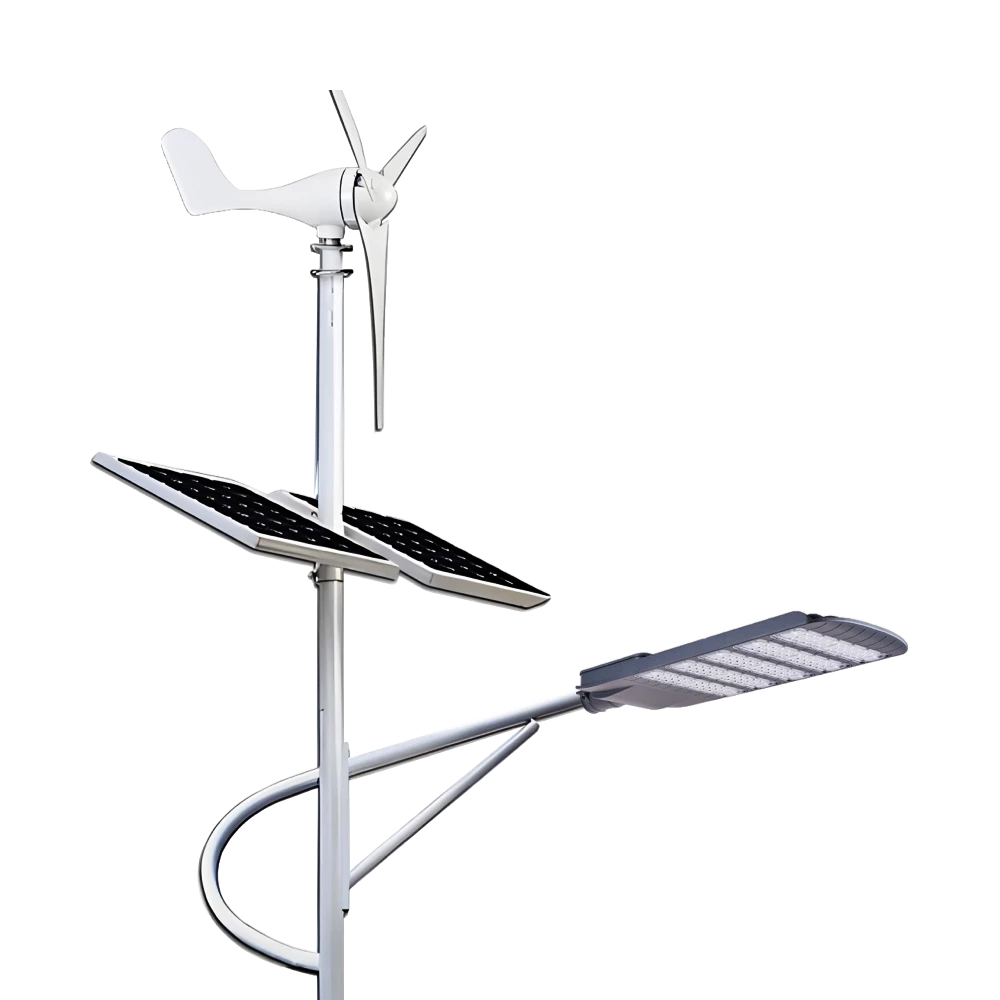
Queneng Lufeng Wind Energy LED Outdoor Solar Street Lights offer high-performance, eco-friendly illumination. These energy-efficient LED street lights harness solar power and wind energy for sustainable, cost-effective outdoor lighting solutions.
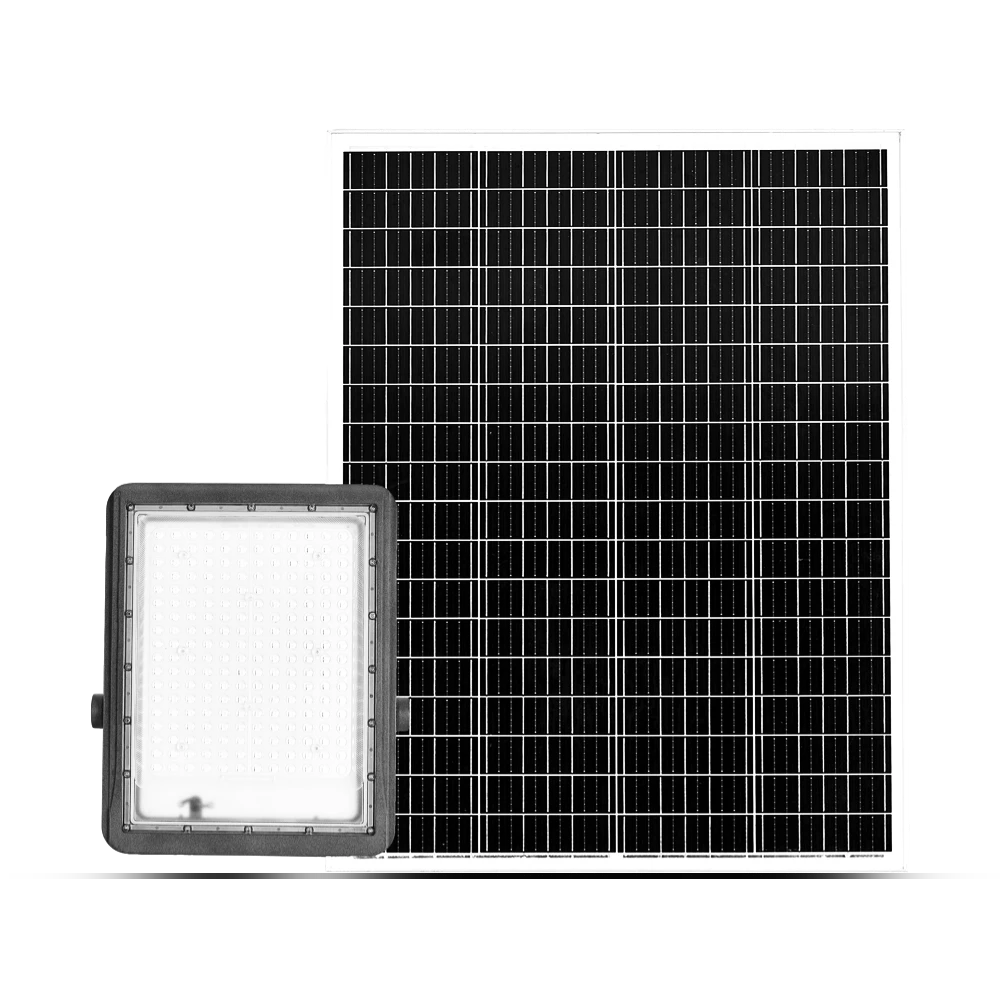
Queneng's Luxian Reliable Solar Street Light offers energy-saving LED lighting for outdoor use. This durable, solar-powered street light provides reliable illumination, reducing energy costs and environmental impact. A perfect solution for sustainable outdoor lighting.
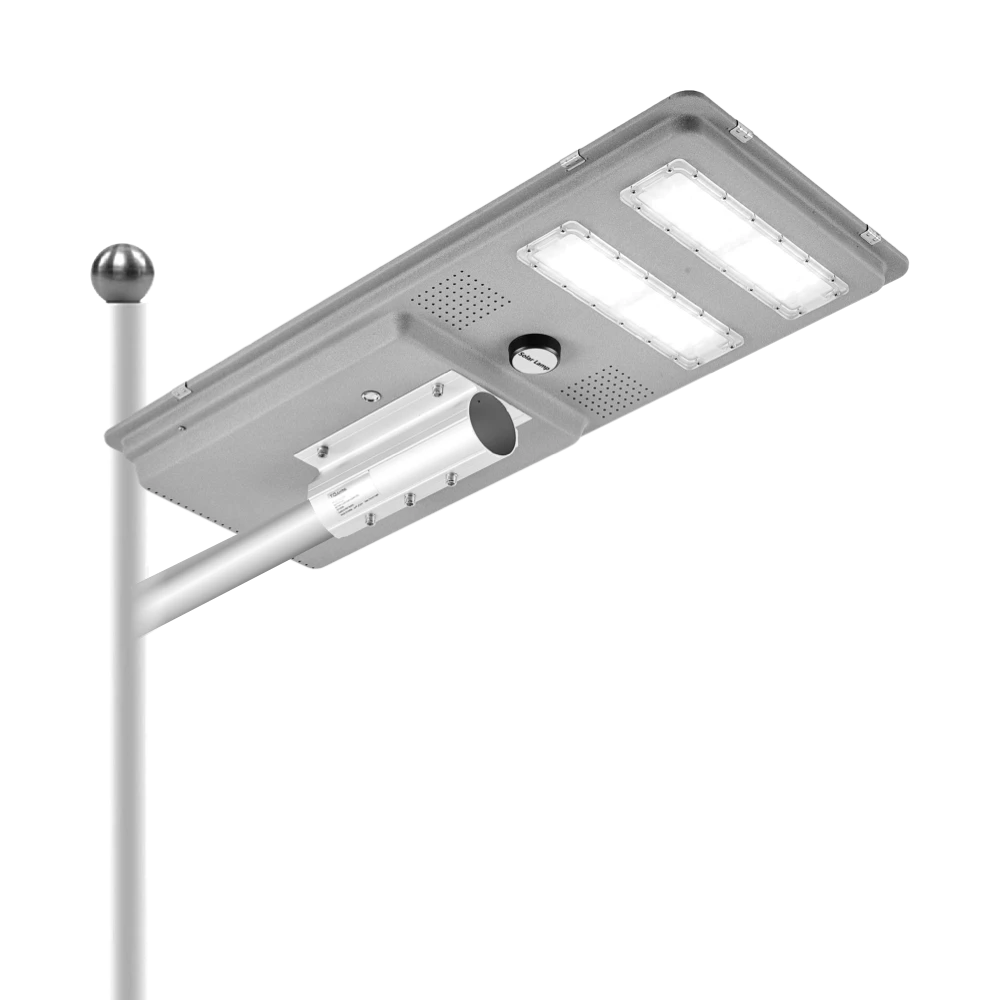
Queneng’s Solar Street Lights are designed to provide reliable, energy-efficient lighting for streets, parks, and other outdoor spaces.
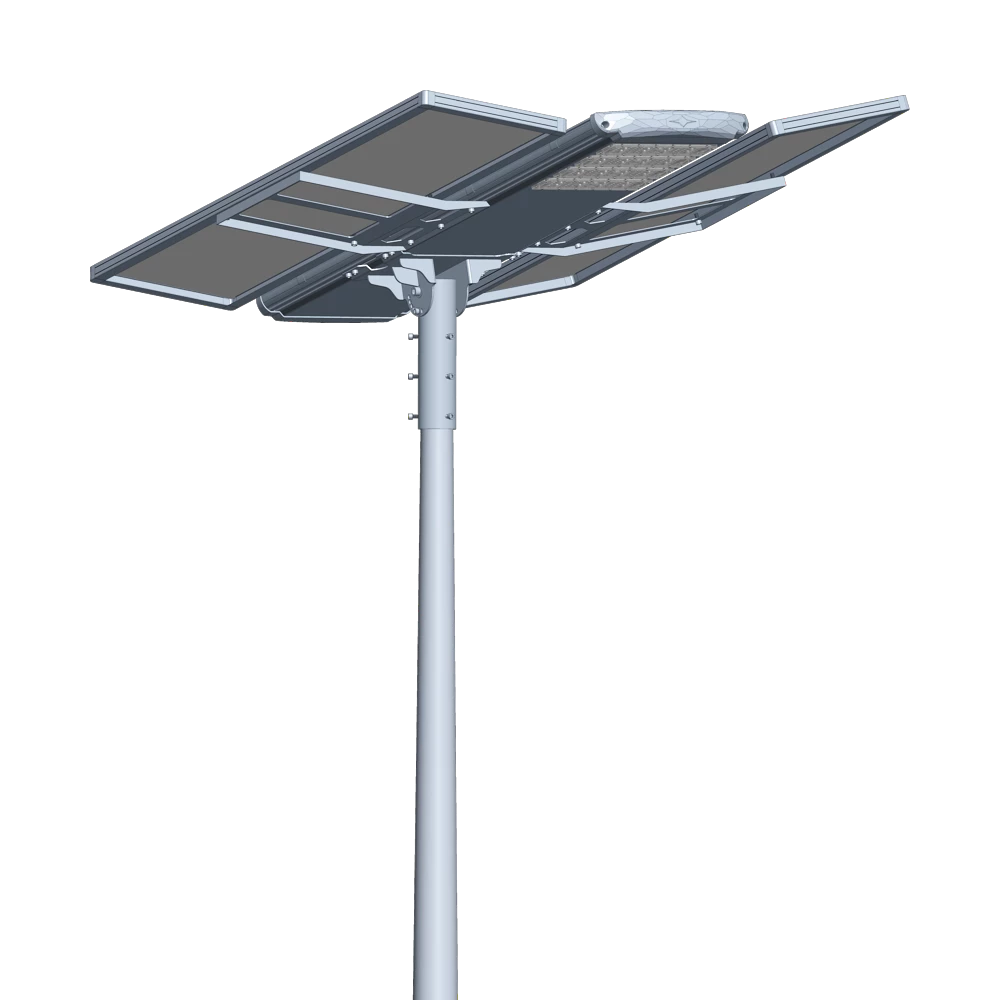
Introducing the Luqing Solar Street Light by Queneng, Efficient LED lighting powered by solar energy is perfect for illuminating outdoor areas. Harness the power of solar energy for sustainable, reliable street lighting. Ideal for eco-friendly, cost-effective outdoor illumination solutions.
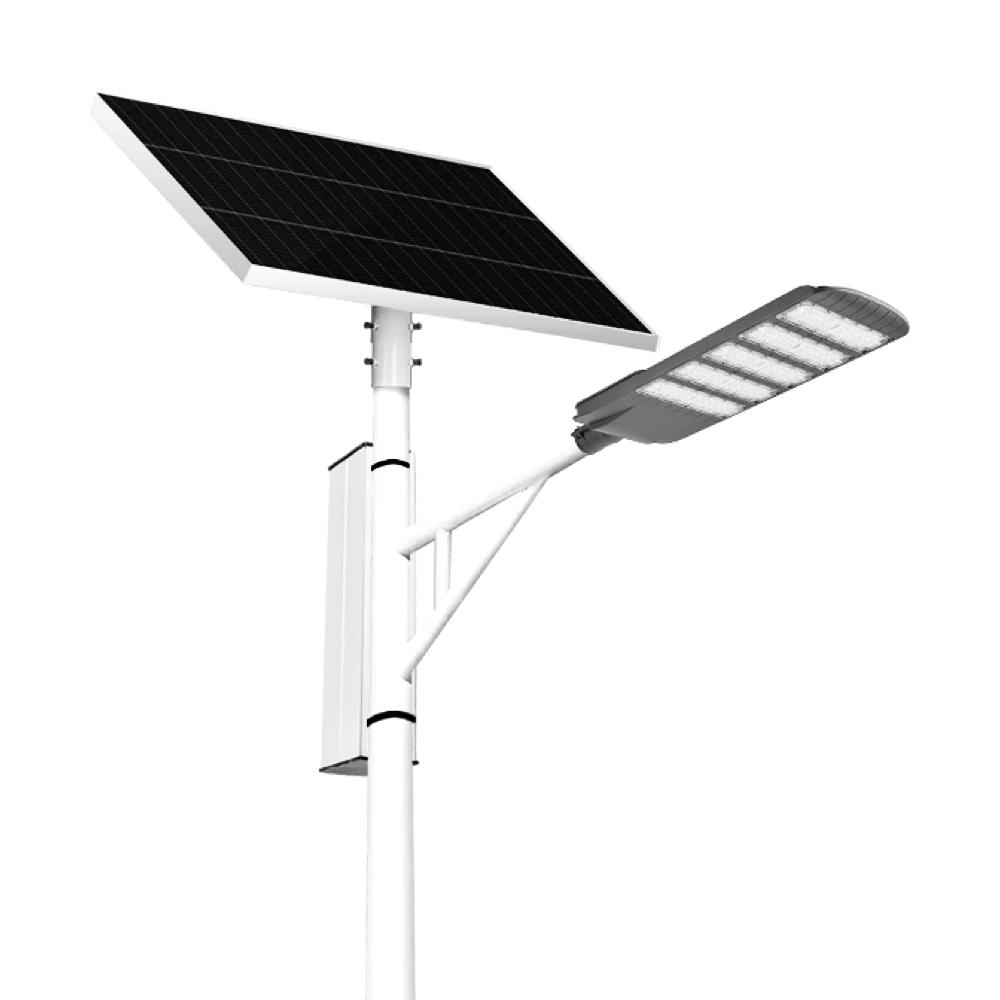
The Solar Streetlights of Luhao for Municipalities are designed to deliver reliable, energy-efficient, and cost-effective public lighting solutions. Equipped with advanced LED technology, durable lithium batteries, and high-efficiency solar panels, these streetlights provide consistent illumination for roads, parks, residential areas, and government projects.
Our professional team is ready to answer any questions and provide personalized support for your project.
You can reach us via phone or email to learn more about Queneng’s solar lighting solutions. We look forward to working with you to promote clean energy solutions!
Rest assured that your privacy is important to us, and all information provided will be handled with the utmost confidentiality.
By clicking 'Send Inquiry Now' I agree to Queneng processing my personal data.
To see how to withdraw your consent, how to control your personal data and how we process it, please see our Privacy Policy and Terms of use.
Schedule a Meeting
Book a date and time that is convenient for you and conduct the session in advance.
Have more questions about our products or services?
The messenger of light & power conversion
Environmental protection and intelligent manufacturing are our brand philosophy, and quality assurance and the best user experience are our eternal promises to users.
CONTACT
No.9F, Building F, Cao San Xin Tian Hong Logistics Park, Guzhen Town, Zhongshan City, Guangdong Province, China.
or write [email protected]
WhatsApp: +86 136 2270 1011


