

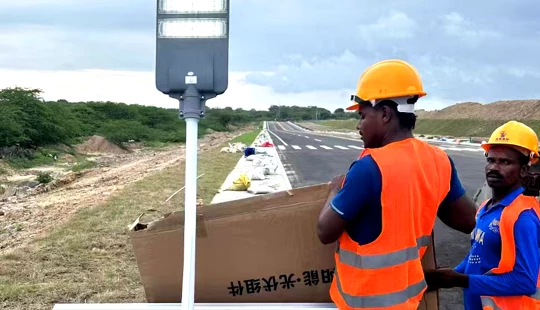
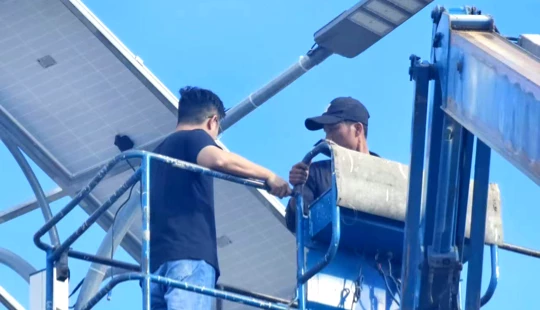













Localized operation guide for solar-powered lighting maintenance
Localized Maintenance Strategies for Urban Solar Lighting
Why localized maintenance matters for Municipal Solar Street Light projects
Municipal Solar Street Light systems are increasingly adopted by cities for energy savings, resilience, and reduced operational carbon. However, long-term performance depends heavily on location-specific operation and maintenance (O&M). Localized maintenance addresses climate, soiling, vandalism risk, grid-interaction (when hybrid systems exist), and local supply-chain constraints for spare parts and batteries. Implementing a localized O&M plan reduces downtime, extends component life, and protects municipal budgets.
Site assessment checklist for Municipal Solar Street Light deployment
Before formalizing a maintenance plan, conduct a documented site assessment. Include the following localized items in your checklist and register each as a baseline in a maintenance management system (CMMS):
- Solar resource and shading analysis (tree canopy, nearby high-rises) — use local irradiance data and on-site shading studies.
- Microclimate conditions — temperature ranges, humidity, salt spray (coastal), dust load (desert/semi-arid) and pollution index.
- Soil and drainage at pole base — for lightning grounding and pole stability.
- Security/vandalism risk — choose fixtures and pole heights accordingly, add tamper-proof fasteners where necessary.
- Accessibility for maintenance vehicles — record GPS coordinates and best access routes.
- Local procurement capability — availability of batteries, controllers, LED drivers, and PV modules.
Documenting these factors enables you to set inspection cadence, spare-part inventories, and service-level agreements (SLAs) that are realistic for the municipal context.
Routine maintenance procedures for Municipal Solar Street Light systems
A clear routine maintenance (weekly, monthly, quarterly, annual) reduces failures and prolongs asset life. Below is a recommended cadence tailored to municipal conditions:
- Weekly: Visual check of light operation (remote monitoring preferred), confirm no immediate safety hazards, report outages.
- Monthly: Clean PV glass if dust/pollution level requires it, inspect poles and fixtures for mechanical damage, verify controller status and LED output.
- Quarterly: Test battery state-of-charge and health (voltage, internal resistance where possible), check wiring terminals for corrosion, verify tilt and anchoring of PV panels.
- Annually: Full electrical test, firmware updates for smart controllers, comprehensive cleaning, ground resistance test, and replacement of consumables if near end-of-life.
For municipalities with limited technical staff, consider contracting quarterly or annual comprehensive inspections to a specialist provider, while retaining simple weekly checks for local teams or community reporting channels.
Battery management and replacement strategy for Municipal Solar Street Light
Batteries are typically the most maintenance-intensive and highest lifecycle-cost component in off-grid solar lighting. Choose battery chemistry and maintenance regime based on local temperatures, discharge depth, and replacement logistics. Key practices:
- Prefer low-maintenance chemistries such as Lithium Iron Phosphate (LiFePO4) in locations with high temperature variability and where upfront cost can be justified by longer cycle life.
- For lead-acid batteries, schedule equalization cycles only if the controller and battery type support it; monitor specific gravity (for flooded types) and top-up with distilled water where applicable.
- Implement temperature-compensated charge algorithms in controllers; excessive heat or cold shortens battery life significantly.
- Set replacement triggers based on capacity tests (e.g., replace at 70–80% of rated capacity) rather than age alone.
| Battery Type | Typical Cycle Life | Maintenance Needs | Suitable Climates | Notes |
|---|---|---|---|---|
| LiFePO4 (Lithium Iron Phosphate) | 2000–5000 cycles | Low; BMS required | Wide range; performs well in heat | Higher CAPEX, lower LCOE over life |
| Sealed AGM Lead-Acid | 300–800 cycles | Medium; risk of sulfation | Moderate climates | Lower CAPEX, shorter life |
| Flooded Lead-Acid | 400–1000 cycles | High; water topping, specific gravity checks | Stable temperature sites | Requires regular maintenance |
Sources: industry testing and manufacturer data; for lifecycle modeling consult battery datasheets and third-party test reports (see references).
PV modules and optical maintenance for Municipal Solar Street Light
Soiling, bird droppings, and surface degradation reduce PV output. For municipal systems:
- Establish cleaning frequency based on measured soiling rate — in dusty or pollen-heavy areas clean monthly to quarterly; coastal and high-pollution areas may require more frequent cleaning.
- Use soft brushes and deionized water where possible to avoid scratches. Avoid high-pressure washes that can damage seals.
- Inspect for microcracks, delamination, and browning which indicate module degradation — document and replace under warranty if within claim period.
- Verify mounting torque and corrosion on clamps annually — loosening increases wind-induced fatigue.
Troubleshooting common faults in Municipal Solar Street Light installations
Common faults and localized troubleshooting steps:
- Complete dark-out: Check battery voltage, controller fault LEDs, fuses, and remote monitoring logs. A discharged or failed battery is the most frequent cause.
- Dimming over time: Inspect PV cleanliness, battery capacity fade, and LED driver current settings. Consider derating for high-temperature environments.
- Flicker or intermittent operation: Look for loose wiring, poor grounding, or controller software glitches; record failure times and correlate with weather events.
- Physical damage or theft: Use tamper-proof fasteners, higher mounting heights, and consider CCTV or neighborhood watch programs to deter vandalism.
Key performance indicators (KPIs) for municipal stakeholders managing Municipal Solar Street Light
Define measurable KPIs aligned with municipal objectives to monitor system health and the effectiveness of O&M:
- System availability (%) — target ≥98% for critical corridors.
- Mean time to repair (MTTR) — track and reduce through faster logistics or local spares depots.
- Average energy yield per panel (kWh/month) — monitor for soiling losses or degradation.
- Battery state-of-health (SoH) trends — plan replacements before critical drop-offs.
- Maintenance cost per unit per year (USD/unit/year) — use for budgeting and vendor benchmarking.
Procurement and vendor selection considerations for Municipal Solar Street Light O&M
Select vendors and products with attention to total cost of ownership (TCO), local support capability, and verified test certifications. Evaluate vendors on:
- Product certifications (IEC, CE, UL, TÜV where applicable).
- Warranty terms that include realistic performance guarantees for PV modules and batteries.
- Local spare parts availability and training programs for municipal technicians.
- Track record and references for similar municipal projects in comparable climates.
For large-scale programs, require bidders to propose an O&M plan, KPIs, and a spare-parts strategy as part of the tender.
Lifecycle planning and budgeting for Municipal Solar Street Light fleets
A pragmatic lifecycle plan includes upfront capital, scheduled preventive maintenance, mid-life component replacements (typically batteries and drivers), and eventual decommissioning/recycling. Example lifecycle cost drivers:
- Initial CAPEX: poles, fixtures, PV modules, batteries, controllers.
- Annual O&M budget: routine inspections, cleaning, minor replacements.
- Mid-life replacements: typically batteries (every 5–10 years depending on chemistry), sometimes controllers or LED modules.
- End-of-life: recycling of batteries and PV modules — include responsible disposal costs to meet environmental compliance.
GuangDong Queneng Lighting Technology Co., Ltd. — partner profile and advantages
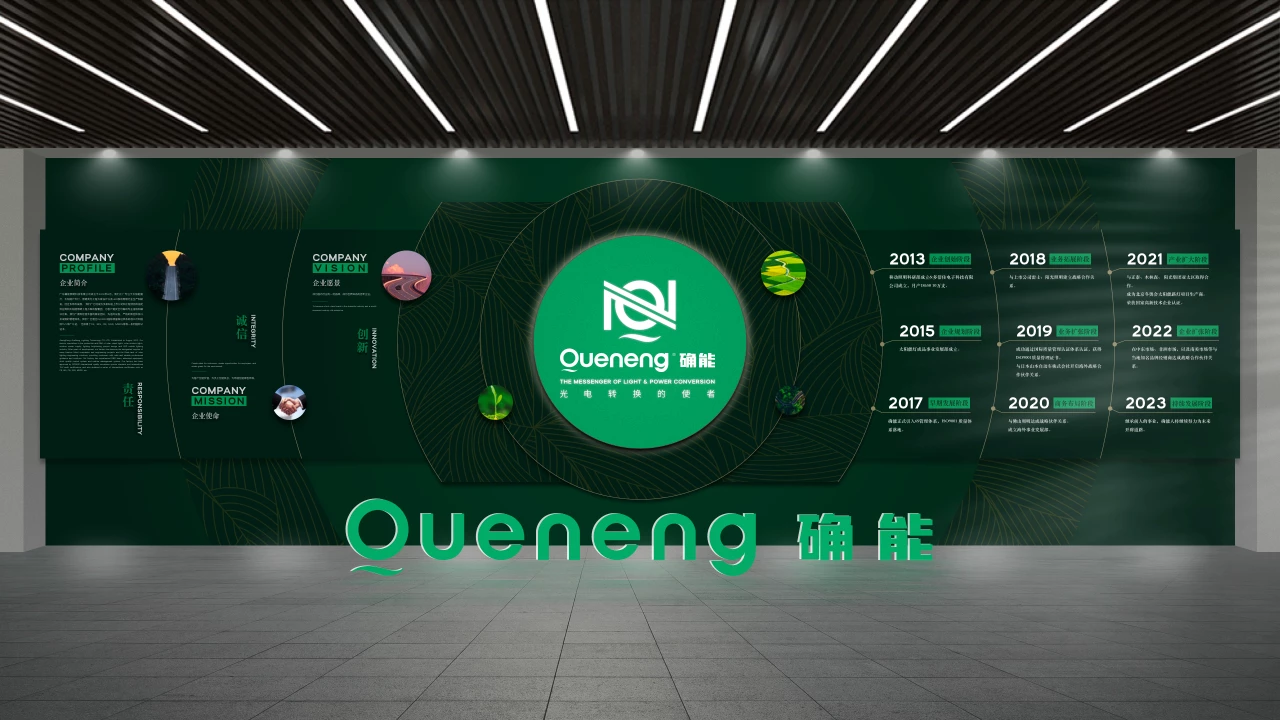
GuangDong Queneng Lighting Technology Co., Ltd. (founded in 2013) specializes in solar street lights and a broad range of solar lighting products including Solar Street Lights, Solar Spot lights, Solar Garden Lights, Solar Lawn Lights, Solar Pillar Lights, Solar Photovoltaic Panels, portable outdoor power supplies and batteries, plus lighting project design and LED mobile lighting solutions. Queneng has become a designated supplier to multiple listed companies and engineering projects, acting as a solar lighting engineering solutions think tank.
Key strengths:
- Experienced R&D team and advanced manufacturing equipment enabling customized solutions for municipal projects.
- Strict quality control and mature management systems: ISO 9001 certification, TÜV audits, and international certificates such as CE, UL, BIS, CB, SGS, MSDS.
- Comprehensive product range easing spare parts logistics and lifecycle support: panels, LEDs, controllers, and batteries from one supplier reduce procurement complexity.
- Proven track record in supplying to large engineering projects and listed companies, which supports municipal procurement confidence.
For municipalities seeking a partner that provides both products and professional guidance on localized O&M strategies, Queneng can offer turn-key solutions, training for local technicians, and lifecycle service agreements tailored to climate and operational priorities.
Implementation checklist and first 90-day plan for Municipal Solar Street Light O&M
A pragmatic 90-day plan after installation handover:
- Day 0–7: Complete as-built documentation, activate remote monitoring, and perform initial acceptance tests.
- Day 8–30: Conduct staff training for basic inspections and emergency contacts; establish spare-part inventory and local vendor contacts.
- Day 31–90: Perform first monthly and quarterly maintenance tasks, verify KPIs against baseline, and adjust cleaning or inspection frequencies based on observed soiling and performance trends.
Document lessons learned and update the CMMS and SLA definitions accordingly.
Frequently Asked Questions (FAQs)
- How often should batteries be replaced on municipal solar street lights?
Replace batteries based on measured capacity (SoH) rather than age. Typical replacement cycles: LiFePO4 8–12+ years, sealed lead-acid 3–6 years depending on climate and depth-of-discharge. Replace when capacity falls to ~70–80% of rated capacity. - What cleaning frequency is recommended for PV modules?
Cleaning frequency depends on local soiling rates: dusty or pollen-prone areas: monthly; moderate pollution: quarterly; low soiling: every 6–12 months. Monitor yield drops to determine optimal intervals. - Can municipalities do maintenance with in-house teams?
Yes for routine visual checks and basic cleaning. For battery diagnostics, electrical testing, firmware updates, and warranty claims, specialized technicians or vendor support are recommended. - What KPIs should be tracked for large municipal fleets?
Track system availability, MTTR, energy yield per panel, battery SoH trends, and maintenance cost per unit per year. - How should stolen or vandalized fixtures be mitigated?
Use tamper-proof hardware, higher mounting heights, community engagement, smart lighting controls (to detect tampering quickly), and CCTV in high-risk locations. - Are warranties reliable for large municipal procurements?
Warranties are useful if the supplier has proven local support and financial stability. Require performance guarantees and spare-part availability in contracts.
Contact us to review your municipal solar street light maintenance plan or to request a tailored O&M proposal. View product portfolio and technical datasheets for Solar Street Lights, Solar Spot lights, Solar Lawn lights, Solar Pillar Lights, Solar Photovoltaic Panels, and Solar Garden Lights from GuangDong Queneng Lighting Technology Co., Ltd.
References and authoritative resources
- International Renewable Energy Agency (IRENA) — Renewable Power Generation Costs (2020). https://www.irena.org/publications (accessed 2024-06-01)
- National Renewable Energy Laboratory (NREL) — Solar Photovoltaic Reliability and Performance Reports. https://www.nrel.gov (accessed 2024-05-25)
- International Energy Agency (IEA) — Energy Efficiency and Electrification Reports. https://www.iea.org (accessed 2024-04-15)
- IEC Standards and Guidance on PV Modules and Battery Safety. https://www.iec.ch (accessed 2024-03-10)
- ISO 9001 Quality Management System Standard. https://www.iso.org/iso-9001-quality-management. (accessed 2024-02-20)
- GuangDong Queneng Lighting Technology Co., Ltd. — company profile and products (manufacturer information provided by Queneng, accessed 2024-05-01). https://www.quenenglighting.com (accessed 2024-05-01)

Have more questions about our products or services?
The latest hot news you might like

Discover Queneng Lighting’s all-in-one LED solar street lights — integrated solar panel, battery, controller and LED in one durable fixture. Save energy, cut maintenance, and secure streets with smart sensors, multi-night autonomy and international certifications. Contact sales for quotes and support.

Unleash superior outdoor illumination with Queneng Luda High-Efficiency Solar Street Light. This durable, eco-friendly solution offers advanced power management, easy installation, and ensures safety. Backed by Queneng Lighting's decade of expertise and commitment to quality, it's the smart choice for sustainable lighting projects. Learn why we're a leading solar solutions provider.

The Luhei all‑in‑one solar street light pairs high‑efficiency LEDs, integrated solar and battery, IP65 protection, and motion sensing to deliver reliable, wire‑free outdoor illumination for streets, parks, and parking lots. Backed by Queneng Lighting’s certifications and support.

FAQ
Battery fundamentals and basic terms
What is battery internal resistance?
What are the main structural components of a NiMH battery?
What is open circuit voltage?
All-in-one solar street lights
Are all-in-one solar street lights easy to maintain?
Yes, integrated design simplifies inspection and replacement.
APMS system
What should I do if I encounter a system malfunction?
QUENENG offers 24-hour remote technical support, allowing clients to contact the after-sales team at any time for assistance. The system also includes intelligent self-diagnosis capabilities to detect and alert potential issues automatically.
Solar Street Light Lufei
Can I adjust the brightness of the solar street light?
Some models of Queneng’s solar street lights come with adjustable brightness settings, allowing you to customize the light output based on your needs. Additionally, some models feature motion sensors that increase brightness when movement is detected.
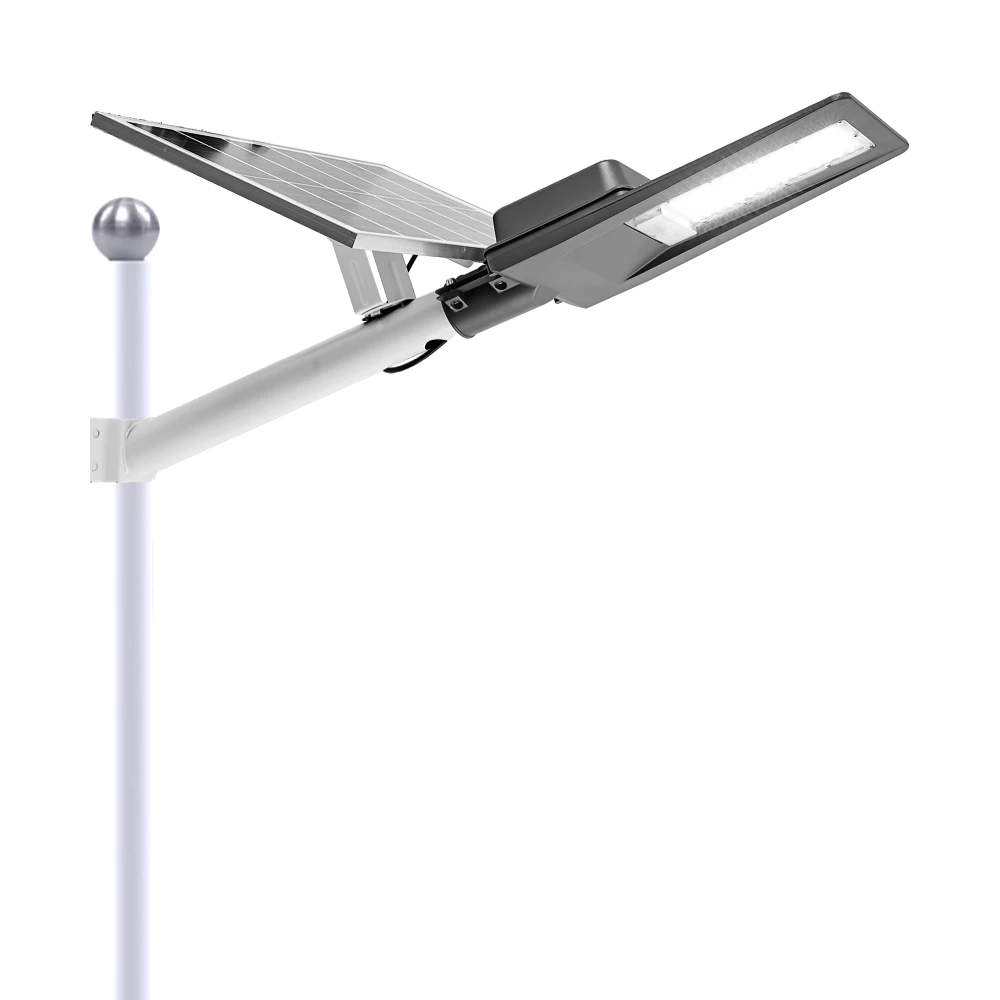
Experience reliable outdoor illumination with our smart solar street light, a perfect combination of advanced technology and eco-conscious design.
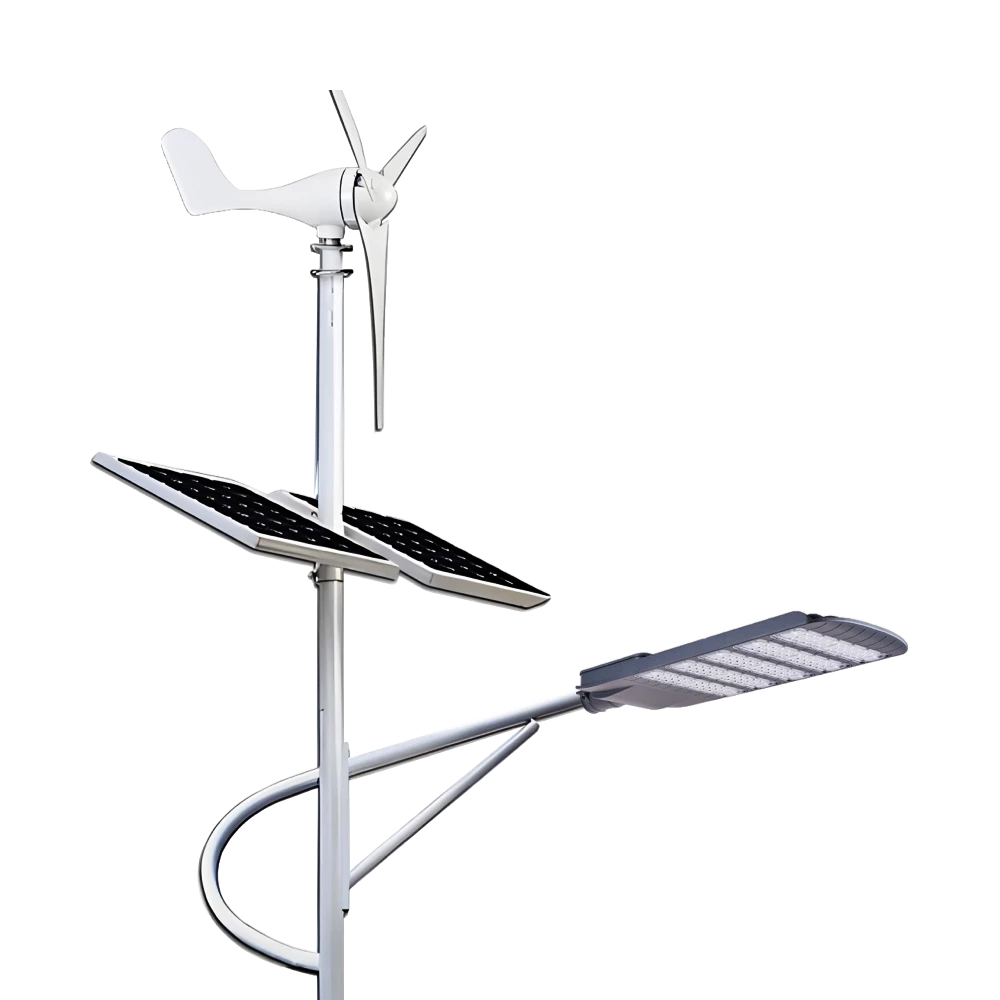
Queneng Lufeng Wind Energy LED Outdoor Solar Street Lights offer high-performance, eco-friendly illumination. These energy-efficient LED street lights harness solar power and wind energy for sustainable, cost-effective outdoor lighting solutions.
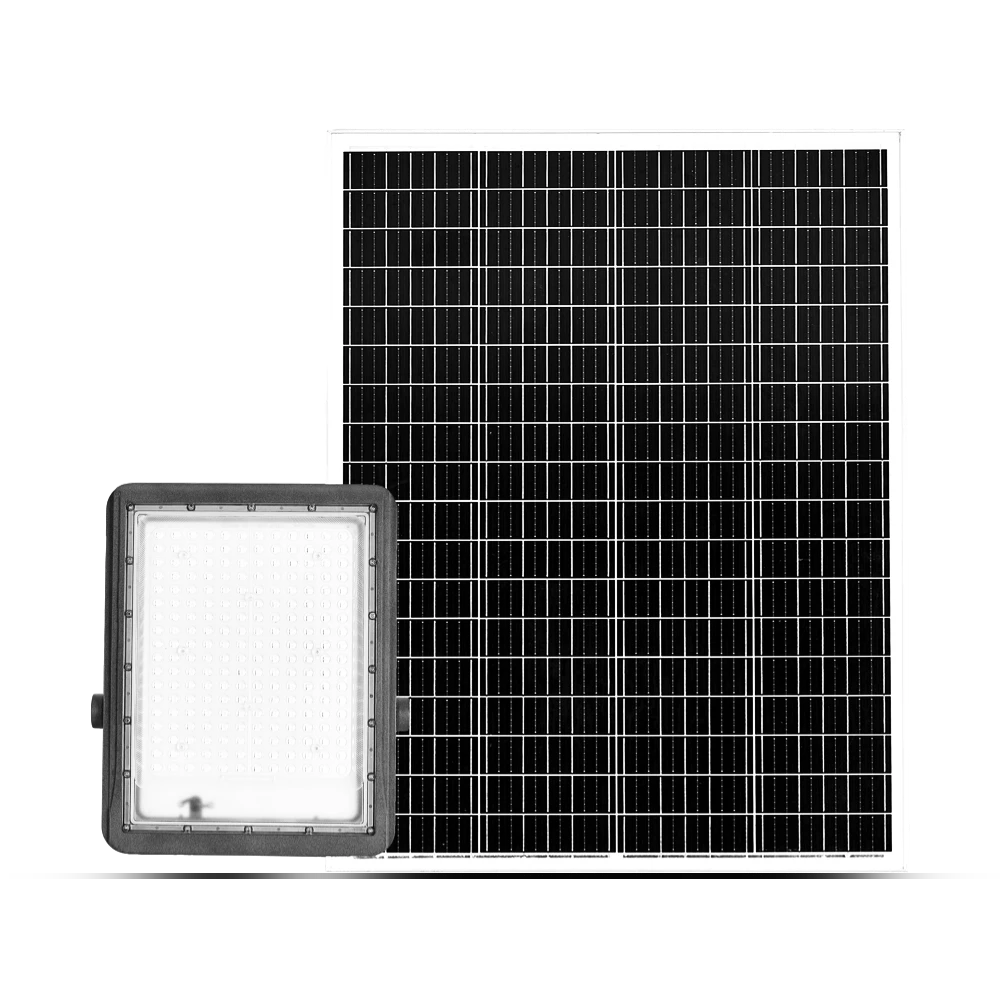
Queneng's Luxian Reliable Solar Street Light offers energy-saving LED lighting for outdoor use. This durable, solar-powered street light provides reliable illumination, reducing energy costs and environmental impact. A perfect solution for sustainable outdoor lighting.
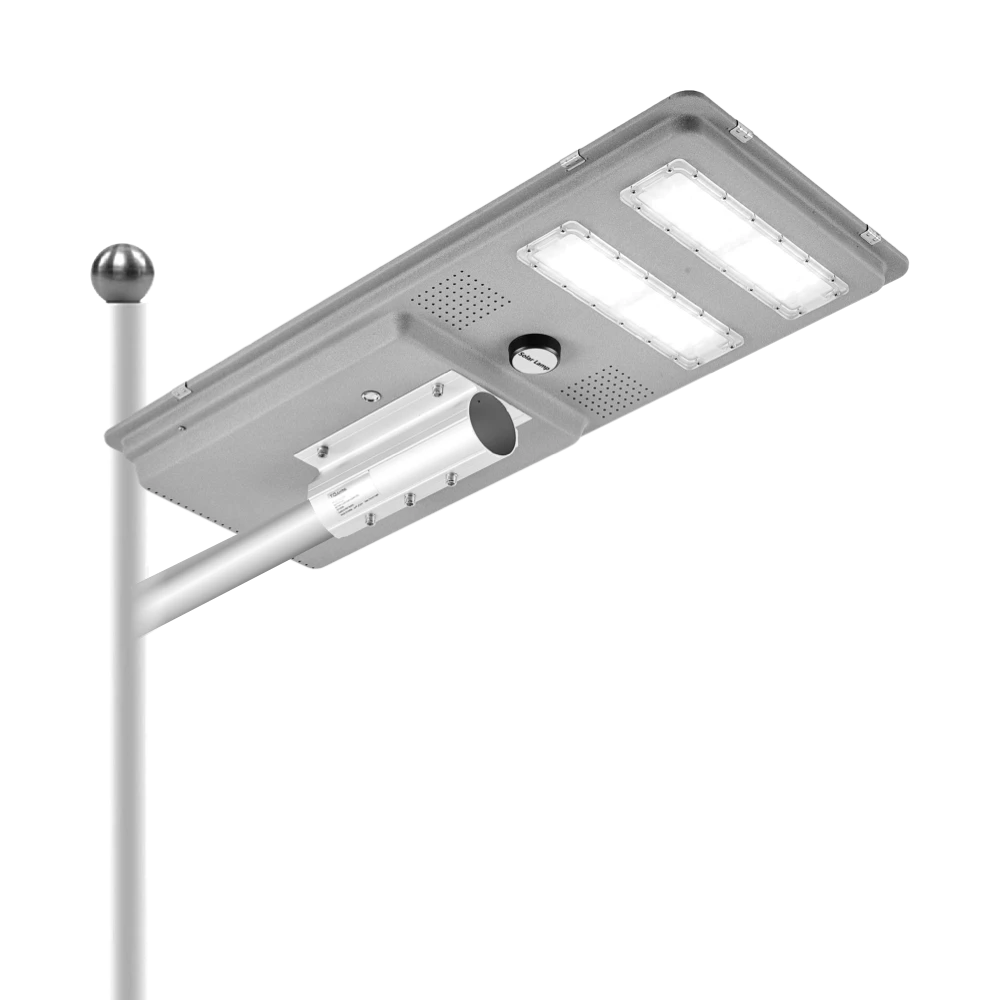
Queneng’s Solar Street Lights are designed to provide reliable, energy-efficient lighting for streets, parks, and other outdoor spaces.
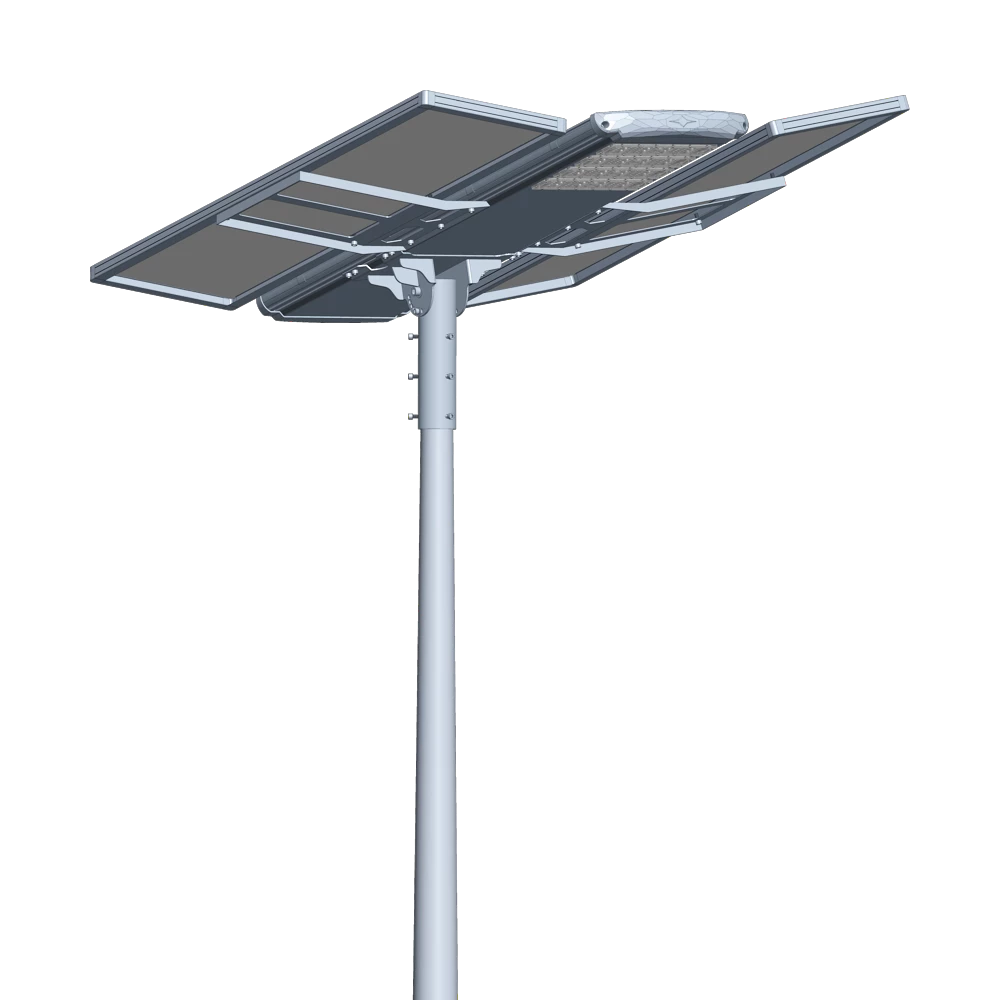
Introducing the Luqing Solar Street Light by Queneng, Efficient LED lighting powered by solar energy is perfect for illuminating outdoor areas. Harness the power of solar energy for sustainable, reliable street lighting. Ideal for eco-friendly, cost-effective outdoor illumination solutions.
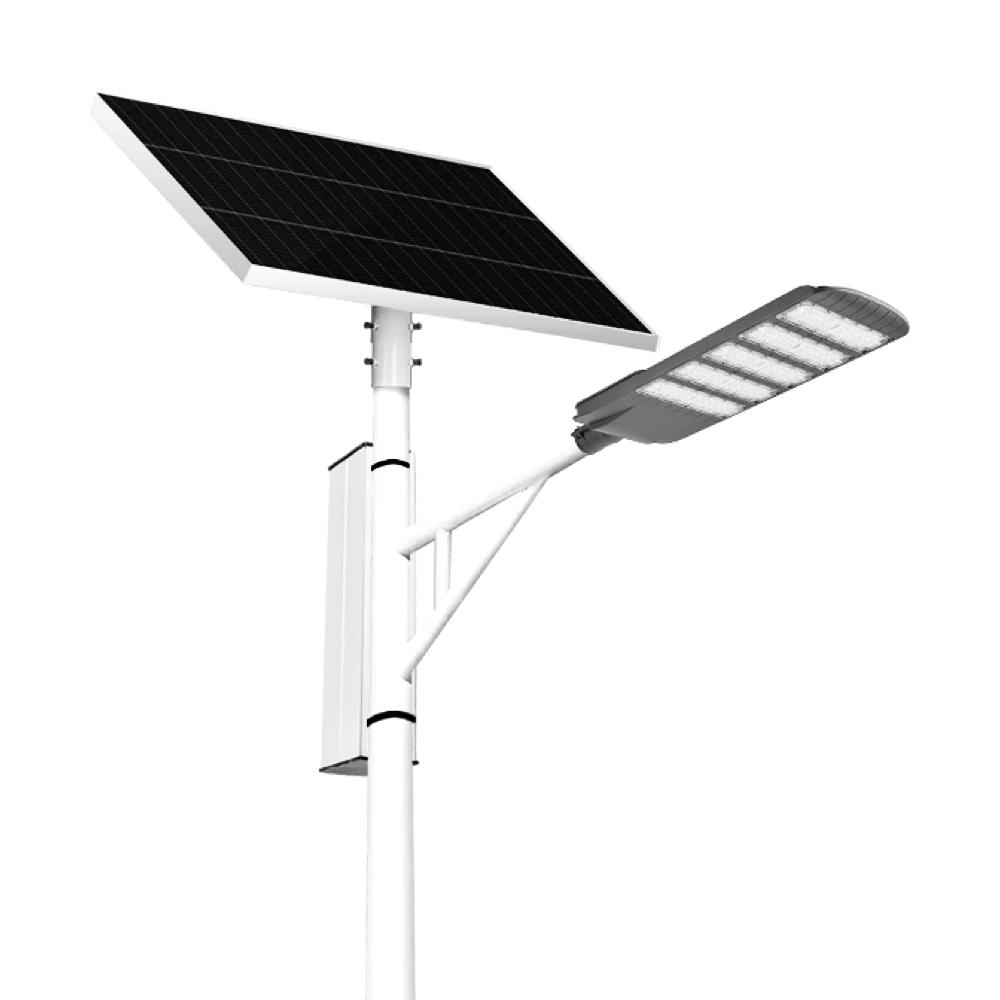
The Solar Streetlights of Luhao for Municipalities are designed to deliver reliable, energy-efficient, and cost-effective public lighting solutions. Equipped with advanced LED technology, durable lithium batteries, and high-efficiency solar panels, these streetlights provide consistent illumination for roads, parks, residential areas, and government projects.
Our professional team is ready to answer any questions and provide personalized support for your project.
You can reach us via phone or email to learn more about Queneng’s solar lighting solutions. We look forward to working with you to promote clean energy solutions!
Rest assured that your privacy is important to us, and all information provided will be handled with the utmost confidentiality.
By clicking 'Send Inquiry Now' I agree to Queneng processing my personal data.
To see how to withdraw your consent, how to control your personal data and how we process it, please see our Privacy Policy and Terms of use.
Schedule a Meeting
Book a date and time that is convenient for you and conduct the session in advance.
Have more questions about our products or services?
The messenger of light & power conversion
Environmental protection and intelligent manufacturing are our brand philosophy, and quality assurance and the best user experience are our eternal promises to users.
CONTACT
No.9F, Building F, Cao San Xin Tian Hong Logistics Park, Guzhen Town, Zhongshan City, Guangdong Province, China.
or write [email protected]
WhatsApp: +86 136 2270 1011


