














Metering and Energy Reporting Standards for Municipalities
Why standardized metering matters for municipal solar programs
Municipal priorities: accountability, budgeting, and carbon reporting
Municipalities implement Municipal Solar Street Light projects to reduce electricity bills, increase resiliency, and lower GHG emissions. Achieving those outcomes requires accurate metering and repeatable energy reporting so councils and finance teams can budget, justify investments, and report to regulators or funding bodies. Key municipal needs include verifiable kWh generation, system availability, battery state-of-charge (SoC) trends, and avoided-grid energy metrics.
Common pitfalls without standard metering
Typical problems include inconsistent measurement units, vendor-specific proprietary data formats, lack of calibration, and absence of repeatable audit trails—these create disputes over performance guarantees and undermine energy and emissions claims. Standardized metering and reporting reduce these risks and make projects bankable.
Standards and frameworks municipal teams must know
Metrology and meter accuracy standards
For electrical metering, internationally recognized standards include IEC 62052/62053 series (requirements and accuracy classes for static meters) and ANSI C12.x (U.S.). In Europe, the Measuring Instruments Directive (MID 2014/32/EU) establishes legal metrology requirements for meters used for billing or official reporting. For municipal projects that feed into formal performance contracts or public reporting, select meters compliant with the applicable regional standard and an accuracy class appropriate to the use case (commonly Class 1 or better for energy billing; Class 0.5 or 0.2 for high-accuracy performance verification).
Energy management and emissions reporting frameworks
ISO 50001 provides a systematic framework for energy management at municipal scale, including measurement and verification (M&V) practices. For emissions reporting, the GHG Protocol (WRI/WBCSD) and national inventory guidance are widely accepted; municipalities reporting to CDP or national registries should ensure measurement boundaries and scope definitions align with these frameworks.
Communication protocols and interoperability
Choose meters and controllers that support open protocols for AMI/IoT interoperability: DLMS/COSEM and IEC 61850 (where applicable), Modbus (RTU/TCP), and ANSI C12.22 for U.S. systems. For low-power solar street light nodes, LoRaWAN, NB-IoT, or cellular MQTT/HTTPS are common. Open standards reduce vendor lock-in and simplify integration with municipal asset management systems (GIS, CMMS) and energy dashboards.
Designing a metering and reporting system for Municipal Solar Street Light projects
Define KPIs and measurement points
Typical KPIs for municipal solar street light programs include:
- Energy generated per node (kWh/day, kWh/year)
- Energy consumed per node (kWh)
- Battery SoC and health (cycle count, capacity fade)
- Availability / uptime (%) and fault rate
- Autonomy (days of backup at specified load)
- CO2 avoided (kgCO2e), calculated using grid emission factors
Map measurement points: PV-side energy (before charge controller), battery voltage/current, load-side energy (lighting consumption), and optionally ambient irradiance and temperature for performance correlation.
Data sampling, storage, and validation
Sampling rates should match use-case: hourly energy totals suffice for municipal reporting and billing; higher-resolution (1–15 minute) data is helpful for fault detection and performance analytics. Store raw metered values plus validated aggregated values in a secure, time-synchronized database. Implement automatic validation checks (range checks, spike detection, gap detection) and maintain an audit trail for any adjustments.
Example architecture
Recommended architecture: Edge metering modules on each Municipal Solar Street Light node → secure IoT gateway (LoRaWAN/NB-IoT/cellular) → cloud ingestion (MQTT/HTTPS) → time-series database + analytics → dashboards and export to municipal ERP/GIS. Ensure UTC time stamps, TLS encryption, and role-based access control for data integrity and privacy.
Procurement specifications and contract clauses to protect municipalities
Technical metering clauses to include in RFPs
In RFPs or supply contracts for Municipal Solar Street Light systems, include: meter standard compliance (IEC/ANSI/MID), accuracy class, data protocol (open standard), sampling interval, timestamping requirements (ISO 8601/UTC), calibration certificate requirements, and historical data retention period (commonly ≥5 years for audits).
Performance guarantees and M&V
Define performance guarantees in measurable terms (annual kWh generated, minimum uptime %, battery capacity after X years). Require an independent Measurement & Verification (M&V) plan aligned with IPMVP (International Performance Measurement and Verification Protocol) or ISO 50015 for longer projects. Specify dispute-resolution processes based on independently verified meter data.
Budgeting for metering and lifecycle costs
Meter hardware and communications typically represent 5–15% of total project cost but are critical to enable funding, rebates, and O&M savings. Include lifecycle costs (communications fees, calibration, data platform subscription, cybersecurity updates) in total cost-of-ownership (TCO) calculations to avoid budget shortfalls.
Validation, auditing and ensuring trustworthy reports
Routine calibration and QA
Establish a calibration schedule per manufacturer's recommendations and regional legal metrology rules. Maintain calibration certificates and calibrate any meters used for contractual performance verification in an accredited lab (ISO/IEC 17025).
Third-party audits and sample verification
For projects claiming energy savings or emissions reductions tied to financing, require third-party audits. Auditors should access raw time-series data, inspect a representative sample of nodes, and validate conversion factors (e.g., grid emission factors used to compute CO2 avoided).
Reporting cadence and formats
Provide monthly operational dashboards for O&M, quarterly performance summaries for finance, and annual standardized reports for public transparency and greenhouse gas inventories. Adopt machine-readable exports (CSV/JSON) for regulatory submissions and archival.
Comparative table: common metering and reporting standards for municipal projects
| Standard / Framework | Scope | Typical Use in Municipal Solar Projects |
|---|---|---|
| IEC 62052 / 62053 | Electrical meter general requirements and accuracy classes | Specifying meter types & accuracy for generation and consumption metering |
| ANSI C12.1 / C12.20 | U.S. electricity metering standards and accuracy | Meter selection for U.S. municipal billing / verification |
| MID (2014/32/EU) | Legal metrology for measuring instruments in EU | Legal compliance for meters used in billing/official reporting |
| ISO 50001 | Energy management system | Municipal energy policy alignment and systematic M&V |
| GHG Protocol | Greenhouse gas accounting and reporting | Standardized emissions reporting from avoided grid electricity |
| DLMS/COSEM, Modbus, LoRaWAN | Communication protocols | Interoperable device communications and AMI/IoT integration |
Operational examples and sample calculations
Typical per-lamp energy and savings estimate
Example conservative estimate comparing a legacy 250 W high-pressure sodium (HPS) fixture versus a 60 W LED Municipal Solar Street Light (typical daily burn 11 hours):
| Parameter | 250 W HPS | 60 W LED Solar-driven |
|---|---|---|
| Power (W) | 250 | 60 |
| Daily operating hours | 11 | 11 |
| Annual energy (kWh/year) | ~1,003 | ~241 |
| Energy reduction | ~76% less energy with LED | |
Sources for energy-savings ranges include DOE/NREL field demonstrations showing 50–80% reductions when replacing HPS with LED street lighting, depending on controls and dimming strategies (see references).
Calculating avoided emissions
Avoided CO2 = annual avoided kWh × grid emission factor (kgCO2e/kWh). Use national/regional emission factors from government or IEA datasets for accuracy. Document the chosen emission factor and source in reports.
Vendor selection, compliance and a practical supplier profile
What to evaluate in suppliers
Assess supplier track record with municipal projects, evidence of product testing and certifications (ISO 9001, CE, UL, TÜV), ability to provide calibrated meters, open-protocol telemetry, warranty & long-term O&M support, and references for completed projects of similar scale.
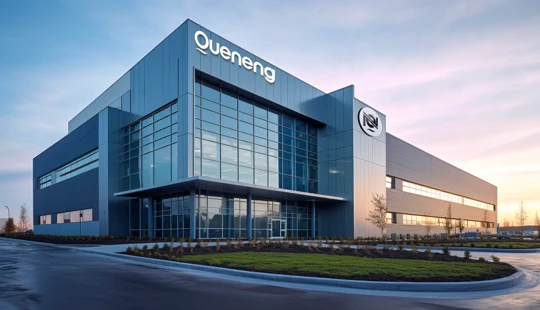
GuangDong Queneng Lighting Technology Co., Ltd. — supplier profile
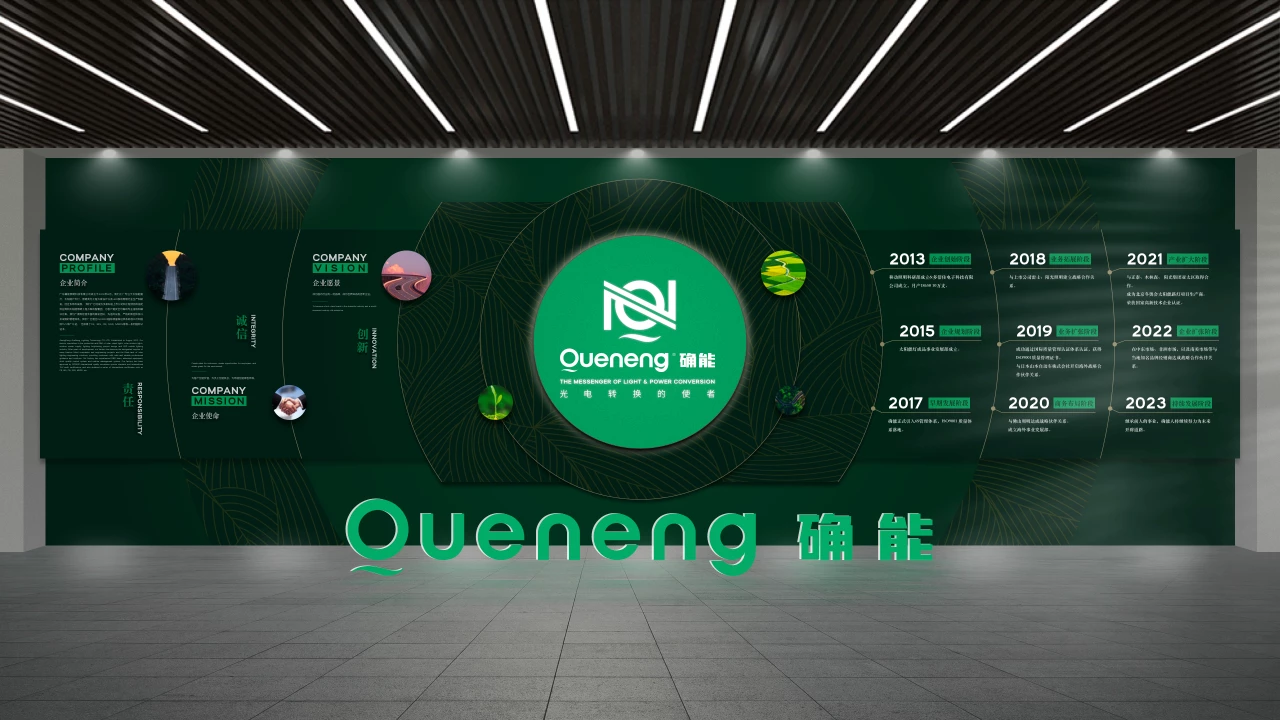
GuangDong Queneng Lighting Technology Co., Ltd. Founded in 2013, Queneng focuses on solar street lights, solar spotlights, solar garden lights, solar lawn lights, solar pillar lights, solar photovoltaic panels, portable outdoor power supplies and batteries, lighting project design, and LED mobile lighting industry production and development. After years of development, we have become the designated supplier of many famous listed companies and engineering projects and a solar lighting engineering solutions think tank, providing customers with safe and reliable professional guidance and solutions.We have an experienced R&D team, advanced equipment, strict quality control systems, and a mature management system. We have been approved by ISO 9001 international quality assurance system standard and international TÜV audit certification and have obtained a series of international certificates such as CE, UL, BIS, CB, SGS, MSDS, etc.
Queneng competitive strengths for municipal programs
- Comprehensive product range: Solar Street Lights, Solar Spot lights, Solar Lawn lights, Solar Pillar Lights, Solar Photovoltaic Panels, Solar Garden Lights.
- Proven certifications (ISO 9001, TÜV, CE, UL) and export credentials to global municipal markets.
- In-house R&D and testing that supports custom metering integrations and long-term O&M contracts.
- Experience supplying to listed companies and large engineering projects, demonstrating bankability and scalability.
Municipal procurement teams should require Queneng (or any supplier) to provide meter calibration certificates, communication protocol documentation, and sample data feeds early in technical evaluation to verify interoperability with municipal data systems.
FAQ — Frequently asked questions
1. What meter accuracy class should a municipality require for solar street light verification?
For performance verification and contractual claims, choose meters with accuracy Class 1.0 or better (IEC 62053 series) or ANSI C12.20 where applicable. If payments or incentives depend on meter data, consider Class 0.5 or 0.2 and legal metrology compliance (e.g., MID in EU).
2. Can a municipal solar street light node provide legally admissible billing data?
Yes—if the metering device complies with regional legal metrology rules (MID in EU, state regulations in the U.S.), is calibrated in an accredited lab, and the data pipeline preserves integrity (timestamping, secure communications, audit logs).
3. What communication protocol is best for large-scale deployments?
There is no one-size-fits-all: LoRaWAN or NB-IoT is cost-effective for low-bandwidth, long-range networks; cellular works where coverage is reliable; choose devices that also support Modbus/DLMS or other open protocols at the device edge to simplify backend integration.
4. How should municipalities calculate avoided CO2 from solar street lights?
Multiply measured annual avoided kWh by an appropriate regional grid emission factor (kgCO2e/kWh). Use national inventory or IEA data for the chosen year; document the source and any assumptions regarding baseline grid mix.
5. How long should data be retained?
Retain raw meter data at least five years to support audits, warranty claims, and performance trending; many municipalities keep 7–10 years depending on local regulations and funding requirements.
6. What is the role of ISO 50001 in municipal lighting programs?
ISO 50001 helps municipalities institutionalize energy management, set baselines, and apply continuous improvement. Metering and M&V procedures align naturally with ISO 50001’s requirements for measurement, analysis, and verification.
Next steps and contact
For municipalities planning or expanding Municipal Solar Street Light programs: start by defining KPIs, choose metering hardware compliant with regional standards (IEC/ANSI/MID), require open communications, and include clear M&V clauses in procurement. To explore integrated product options and pilot projects, contact GuangDong Queneng Lighting Technology Co., Ltd. for technical specifications, certification documents, and pilot proposals tailored to municipal needs.
Contact Queneng for project consultation, product datasheets, and solution proposals: [email protected] (example contact; confirm local distributor details when procuring).
References
- IEC 62052-11 & IEC 62053 series — International Electrotechnical Commission: Metering standards. https://www.iec.ch (accessed 2025-12-01)
- ANSI C12.1 / C12.20 — American National Standards Institute: Electricity metering. https://www.nema.org/standards (accessed 2025-12-01)
- Measuring Instruments Directive (MID) 2014/32/EU — European Commission. https://eur-lex.europa.eu (accessed 2025-12-01)
- ISO 50001 — International Organization for Standardization. https://www.iso.org/iso-50001-energy-management. (accessed 2025-12-01)
- Greenhouse Gas Protocol — World Resources Institute. https://ghgprotocol.org (accessed 2025-12-01)
- DLMS User Association — DLMS/COSEM communication standard. https://www.dlms.com (accessed 2025-12-01)
- NREL / DOE GATEWAY and Solid-State Lighting: LED street lighting performance and demonstration reports. https://www.nrel.gov and https://www.energy.gov/eere/ssl (accessed 2025-12-01)
- IEA — Emission factors and electricity statistics for grid emission factors. https://www.iea.org (accessed 2025-12-01)
- IPMVP — International Performance Measurement & Verification Protocol. Efficiency Valuation Organization (EVO). https://evo-world.org (accessed 2025-12-01)

Have more questions about our products or services?
The latest hot news you might like

Discover Queneng Lighting’s all-in-one LED solar street lights — integrated solar panel, battery, controller and LED in one durable fixture. Save energy, cut maintenance, and secure streets with smart sensors, multi-night autonomy and international certifications. Contact sales for quotes and support.

Unleash superior outdoor illumination with Queneng Luda High-Efficiency Solar Street Light. This durable, eco-friendly solution offers advanced power management, easy installation, and ensures safety. Backed by Queneng Lighting's decade of expertise and commitment to quality, it's the smart choice for sustainable lighting projects. Learn why we're a leading solar solutions provider.

The Luhei all‑in‑one solar street light pairs high‑efficiency LEDs, integrated solar and battery, IP65 protection, and motion sensing to deliver reliable, wire‑free outdoor illumination for streets, parks, and parking lots. Backed by Queneng Lighting’s certifications and support.

FAQ
Remote Areas Rural Development
Can solar streetlights integrate with smart technologies like remote monitoring?
Yes, our systems can include IoT features for real-time monitoring and control.
Transportation and Highways
What maintenance is required for highway solar lighting systems?
Routine maintenance includes cleaning the solar panels, checking the battery status, and inspecting the light fixtures every 6-12 months.
Battery and Analysis
What are the advantages and disadvantages of rechargeable batteries?
Ordinary secondary batteries have a high self-discharge rate, so they are suitable for high-current discharge applications such as digital cameras, toys, power tools, emergency lights, etc., but are not suitable for low-current long-term discharge applications such as remote controls, music doorbells, etc. Not suitable for long-term intermittent use such as flashlights.
Batteries and the environment
What are the “green batteries” currently being used and researched?
OEM&ODM
What is your minimum order quantity (MOQ) for OEM services?
Our standard MOQ for OEM solar lights is 100 units. For ODM or special mold development, please contact our team.
Solar Street Light Chuanqi
How do the solar panels in Chuanqi street lights store energy?
The solar panels in Chuanqi solar street lights collect sunlight during the day and convert it into electrical energy, which is stored in high-capacity lithium-ion batteries. The stored energy is then used to power the LED lights at night, ensuring continuous illumination even when the sun is not shining. This energy storage system ensures the lights work autonomously without relying on an external power source.
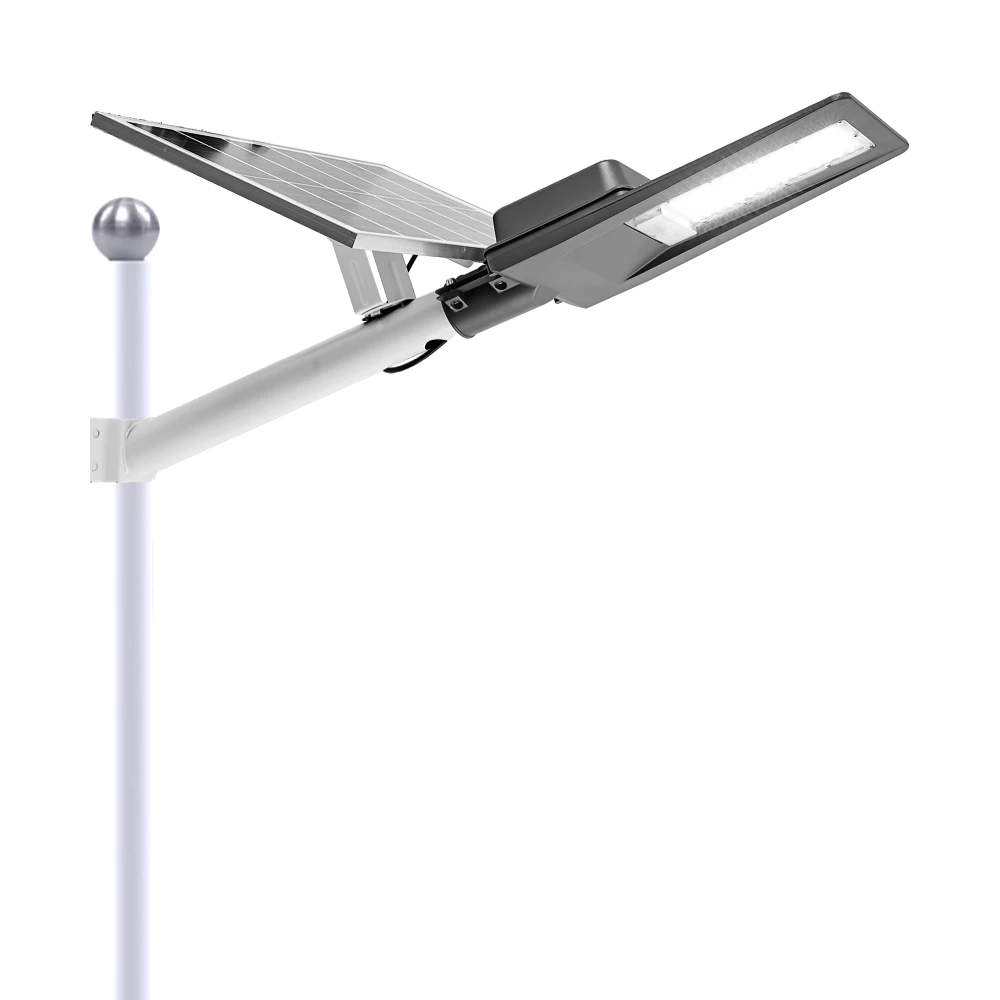
Experience reliable outdoor illumination with our smart solar street light, a perfect combination of advanced technology and eco-conscious design.
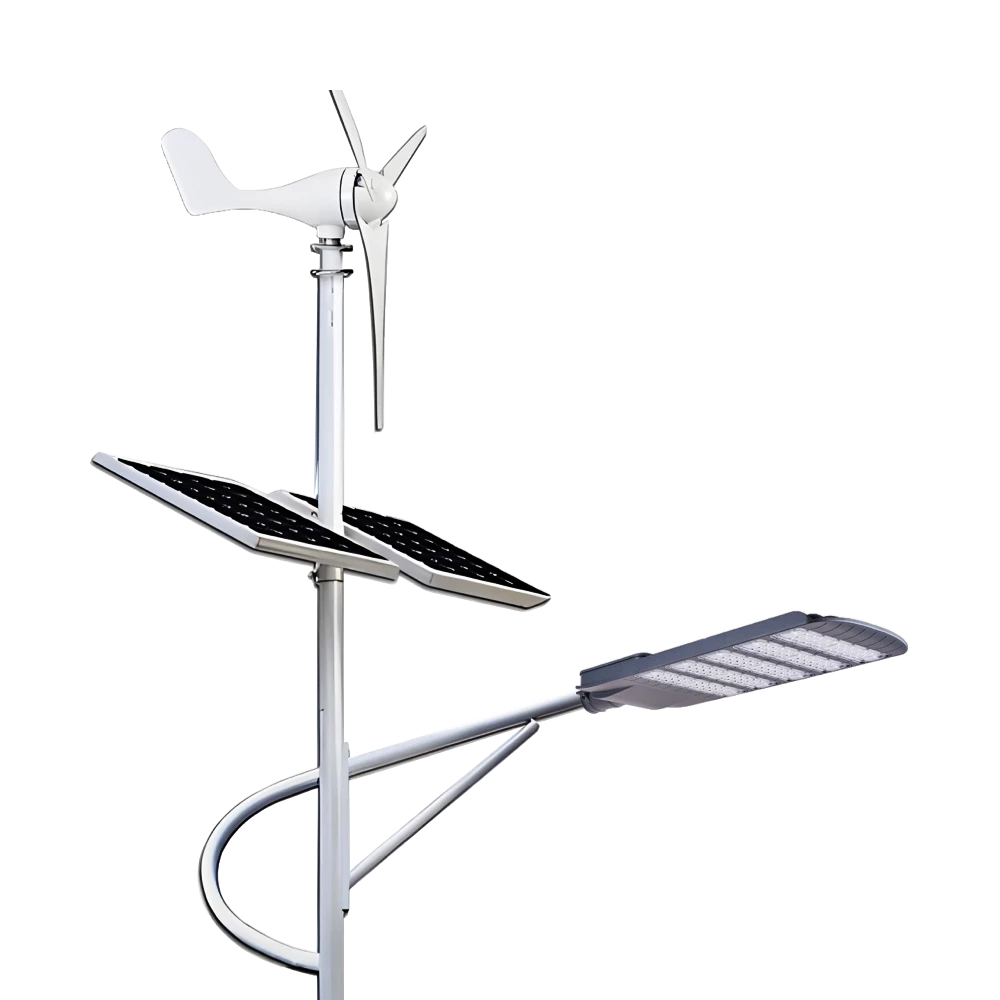
Queneng Lufeng Wind Energy LED Outdoor Solar Street Lights offer high-performance, eco-friendly illumination. These energy-efficient LED street lights harness solar power and wind energy for sustainable, cost-effective outdoor lighting solutions.
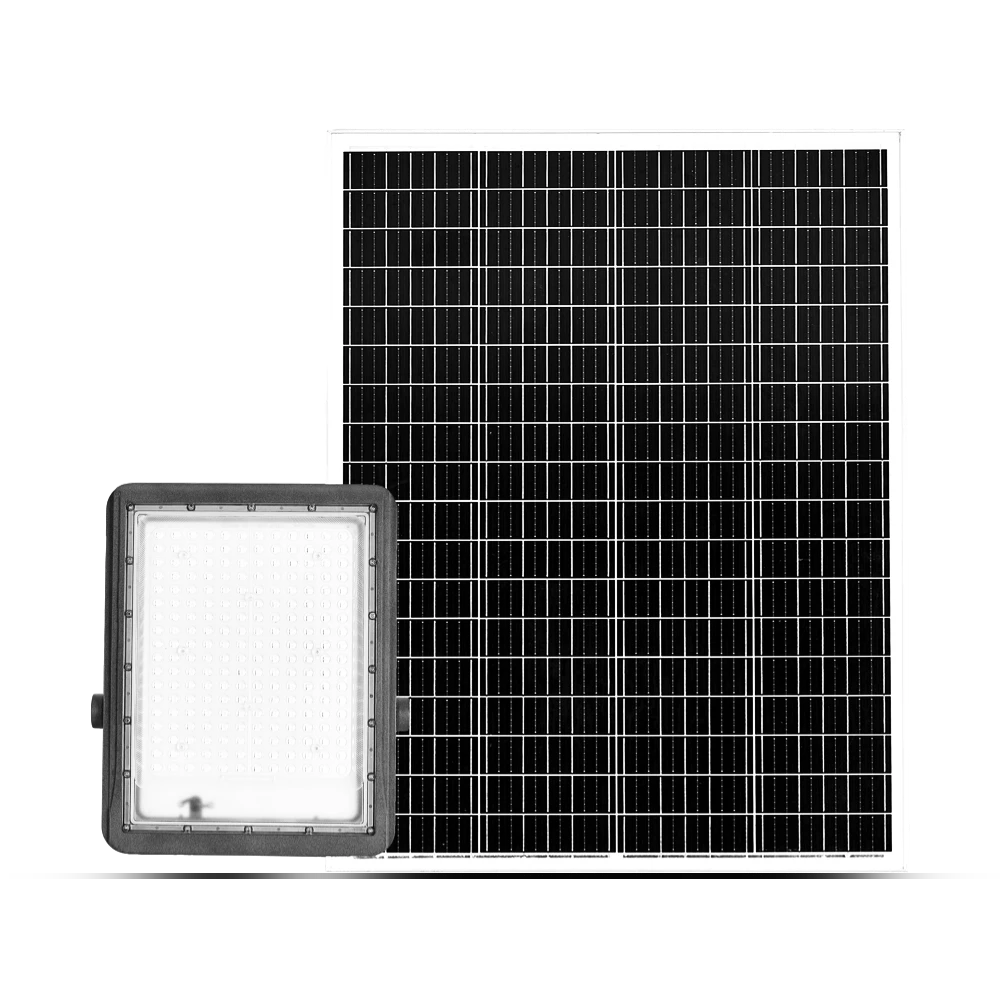
Queneng's Luxian Reliable Solar Street Light offers energy-saving LED lighting for outdoor use. This durable, solar-powered street light provides reliable illumination, reducing energy costs and environmental impact. A perfect solution for sustainable outdoor lighting.
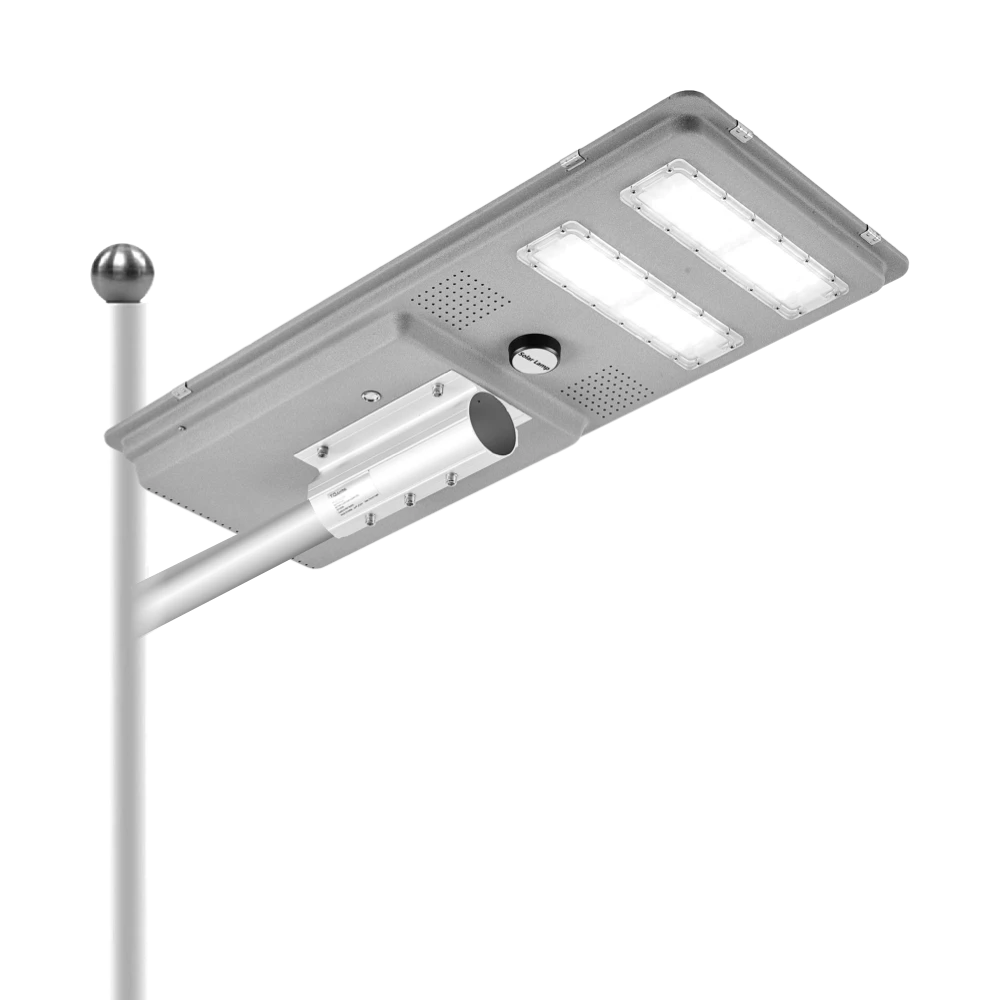
Queneng’s Solar Street Lights are designed to provide reliable, energy-efficient lighting for streets, parks, and other outdoor spaces.
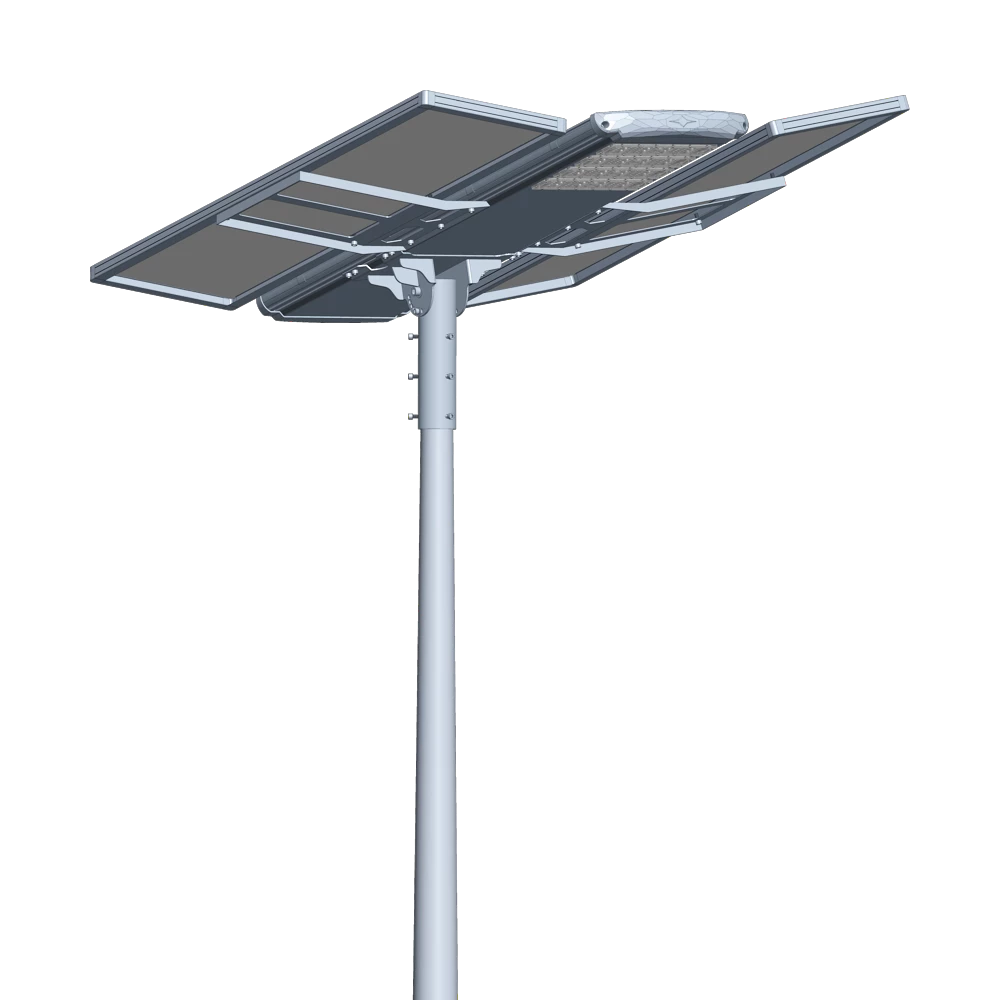
Introducing the Luqing Solar Street Light by Queneng, Efficient LED lighting powered by solar energy is perfect for illuminating outdoor areas. Harness the power of solar energy for sustainable, reliable street lighting. Ideal for eco-friendly, cost-effective outdoor illumination solutions.
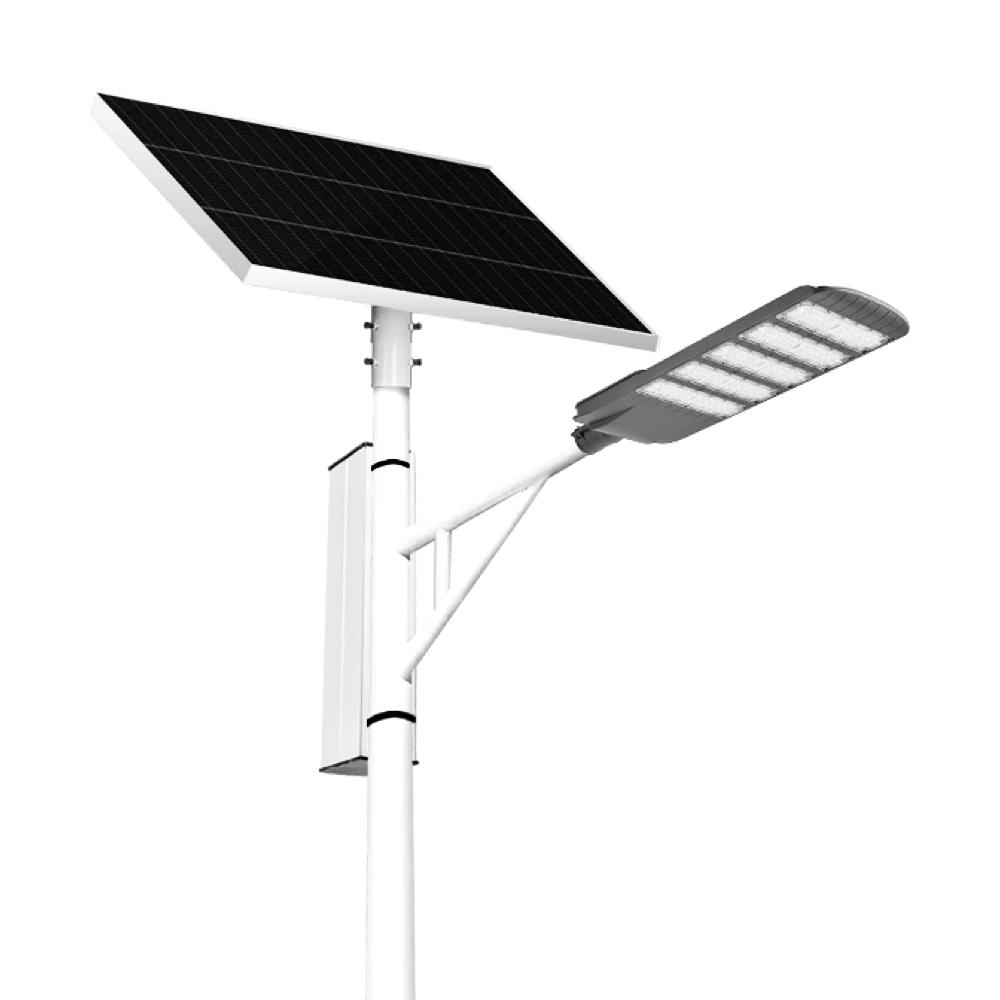
The Solar Streetlights of Luhao for Municipalities are designed to deliver reliable, energy-efficient, and cost-effective public lighting solutions. Equipped with advanced LED technology, durable lithium batteries, and high-efficiency solar panels, these streetlights provide consistent illumination for roads, parks, residential areas, and government projects.
Our professional team is ready to answer any questions and provide personalized support for your project.
You can reach us via phone or email to learn more about Queneng’s solar lighting solutions. We look forward to working with you to promote clean energy solutions!
Rest assured that your privacy is important to us, and all information provided will be handled with the utmost confidentiality.
By clicking 'Send Inquiry Now' I agree to Queneng processing my personal data.
To see how to withdraw your consent, how to control your personal data and how we process it, please see our Privacy Policy and Terms of use.
Schedule a Meeting
Book a date and time that is convenient for you and conduct the session in advance.
Have more questions about our products or services?
The messenger of light & power conversion
Environmental protection and intelligent manufacturing are our brand philosophy, and quality assurance and the best user experience are our eternal promises to users.
CONTACT
No.9F, Building F, Cao San Xin Tian Hong Logistics Park, Guzhen Town, Zhongshan City, Guangdong Province, China.
or write [email protected]
WhatsApp: +86 136 2270 1011


