

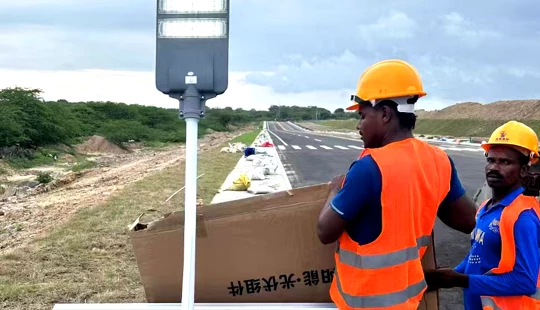
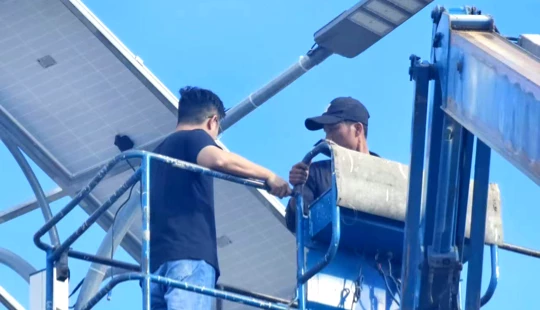













Motion Sensors vs Scheduled Dimming: Procurement Tips
Smart Controls for Solar Street Lighting: Aligning Performance, Safety and Budget
Municipal Solar Street Light projects increasingly rely on intelligent control strategies to balance public safety, energy savings, and lifecycle cost. Two dominant strategies are motion sensors (occupancy/adaptive controls) and scheduled dimming (time-based profiles). Choosing the right approach — or a hybrid — requires careful procurement planning that accounts for local traffic patterns, solar and battery sizing, communications architecture, maintenance capacity, and regulatory requirements. This article offers practical procurement tips and evidence-based comparisons to help municipal buyers select and specify the best control strategy for their Municipal Solar Street Light deployments.
How Motion Sensors Work and When They Suit Municipal Solar Street Light Projects
Motion sensors (passive infrared, microwave, or dual-technology units) detect presence or movement and trigger lights to change state (on, brighten, or return to dim). For Municipal Solar Street Light implementations, sensors are typically integrated into the luminaire or mounted separately and connected to the luminaire controller via a standardized interface.
Advantages:
- High potential energy and battery savings during low-activity hours.
- Adaptive response improves perceived safety—lights brighten when pedestrians or vehicles approach.
- Extends autonomy during consecutive cloudy days by reducing consumption when no activity is present.
Limitations:
- Sensor reliability can be affected by weather, contamination, or false positives/negatives.
- Higher initial hardware costs and potential increase in maintenance actions (sensor cleaning, recalibration).
- Privacy and public perception concerns in some jurisdictions if cameras or advanced analytics are used alongside sensors.
How Scheduled Dimming Works and Its Fit for Municipal Solar Street Light Procurement
Scheduled dimming uses preprogrammed profiles tied to time-of-night or astronomical schedules (sunset/sunrise). Profiles reduce lumen output progressively during predictable low-traffic periods—for example, 100% until 23:00, 60% until 03:00, 30% until sunrise.
Advantages:
- Simple, reliable, low-maintenance—no sensors to fail or clean.
- Predictable energy consumption makes battery and PV sizing easier.
- Lower upfront cost compared with sensor-equipped luminaires.
Limitations:
- Less responsive to real-time activity—lights may be too dim when people or vehicles are present, or consume unnecessarily when areas are empty.
- Suboptimal for heterogeneous or unpredictable usage patterns (e.g., near event venues or shift-change industrial zones).
Comparison Table: Motion Sensors vs Scheduled Dimming (Municipal Solar Street Light)
| Parameter | Motion Sensors (Adaptive) | Scheduled Dimming (Time-based) | Recommended For |
|---|---|---|---|
| Typical energy savings | Variable: commonly 30–70% during low-activity hours (depends on activity profile) | 20–50% depending on dimming levels and duration | Low-traffic residential streets, parks with intermittent use; corridors with irregular activity (motion sensors) |
| Initial hardware cost | Higher (sensors + integration) | Lower (controller-only or preprogrammed driver) | Budget-constrained, high-reliability needs (scheduled dimming) |
| Maintenance burden | Medium–High (sensor upkeep) | Low (less field intervention) | Areas with limited maintenance access (scheduled dimming) |
| Impact on perceived safety | Positive when sensors work; lights brighten for users | Potentially negative if dimming reduces visibility when activity occurs | High-pedestrian zones prefer motion sensors or hybrid approach |
| Integration & scalability | Requires compatible controllers and possible communication network | Easy to scale; can be applied centrally to groups of luminaires | Large deployments with simple schedules (scheduled dimming) |
Procurement Criteria: What Municipalities Should Specify for Solar Street Light Controls
When issuing tenders or RFQs for Municipal Solar Street Light projects, specify objective, testable requirements across the following dimensions:
- Performance & use-case profiling: Require bidders to provide measured or modeled activity profiles and justify the control strategy with local traffic/pedestrian counts. Ask for site-level simulations of PV generation, battery state-of-charge (SoC), and autonomous nights under worst-case weather.
- Energy & autonomy targets: Define minimum autonomy (e.g., 3–7 days) and acceptable minimum SoC thresholds. Require proof that the control strategy (sensor/dimming) helps maintain autonomy targets under defined scenarios.
- Reliability metrics: Mean time between failures (MTBF) for sensors and controllers, ingress protection (IP66/IP67), operating temperature range, and expected MTTR (mean time to repair).
- Interoperability & open standards: Favor drivers/controllers supporting DALI-2, Zhaga, or open wireless protocols (LoRaWAN, NB-IoT) to avoid vendor lock-in and enable remote diagnostics.
- Maintenance & lifecycle costs: Request Total Cost of Ownership (TCO) analysis covering 10–15 years, including replacement parts (batteries, sensors), labor, and communication fees.
- Safety & standards compliance: Require compliance with IEC/EN standards relevant to lighting, batteries, and power electronics, plus certifications (CE/UL/BIS/CB) and quality management (ISO 9001).
- Commissioning & acceptance tests: Specify on-site acceptance tests: sensor trigger radius verification, dimming level accuracy, PV/battery performance verification, and autonomy test under simulated cloud cover.
Technical Selection Tips: Sensors, Controllers, Batteries and PV Sizing for Municipal Solar Street Light
Procurement decisions should avoid treating the control strategy in isolation. Key technical interdependencies include:
- Sensor type selection: Passive infrared (PIR) sensors are energy-efficient and inexpensive but have limited range and are influenced by ambient temperature. Microwave sensors have longer range and better sensitivity for vehicle detection but can be more expensive and may detect through foliage. Consider dual-technology sensors for critical corridors.
- Controller intelligence: Choose controllers that allow flexible logic (e.g., combining scheduled dimming with sensor override), remote firmware updates, and data logging for post-deployment optimization.
- Battery sizing & chemistry: Larger or more efficient batteries (LiFePO4) help absorb variations introduced by adaptive use. When motion sensors are used, factor in worst-case active periods for battery depth-of-discharge (DoD) calculations.
- PV oversizing & tilt/orientation: In cloudy climates or when sensors drive higher peak currents at night, modest PV oversizing (10–25%) can improve resilience. Use site-specific irradiation data for accurate sizing.
Operational and Maintenance Considerations for Long-Term Success
Many Municipal Solar Street Light failures stem not from technology choices but from weak operational models. Procurement documents should define clear responsibilities and KPIs:
- Warranty & spare strategy: Require at least 3–5 years warranty on electronics and 5–8 years on Li-ion batteries, with defined spares pools and replacement lead times.
- Remote monitoring & alerts: Remote fault reporting reduces truck rolls. Define acceptable remote-detection rates for lamp failures, battery state, and sensor faults.
- Maintenance workflow: Specify who calibrates or cleans sensors and how frequently, and ensure access to parts and technical training for city teams.
- Data ownership & cybersecurity: Ensure the municipality retains ownership of operational data and require vendors to follow cybersecurity best practices and data encryption standards.
Cost-Benefit Example: Simple TCO Model (Municipal Solar Street Light)
The table below provides an illustrative 10-year TCO comparison for a representative fixture deployed in a low-traffic residential street. Values are indicative—projects should use local inputs.
| Item | Motion Sensor (Adaptive) | Scheduled Dimming |
|---|---|---|
| Initial hardware | $650 (luminaire + sensor + controller) | $560 (luminaire + controller) |
| Annual energy replacement / battery degradation savings | $45–$90 (dependent on activity) | $25–$60 |
| Maintenance (10 yrs) | $120 (sensor cleaning/replacement) | $80 |
| Expected 10-year TCO (illustrative) | $1,000–$1,200 | $950–$1,100 |
Interpretation: For many low-activity municipal streets, motion sensors can be cost-effective when behavioral patterns create frequent long idle periods. For moderate-to-high baseline activity corridors, scheduled dimming often yields a simpler, lower-cost solution.
Hybrid and Tiered Strategies for Municipal Solar Street Light Networks
A practical procurement approach is to specify a tiered control strategy rather than a single solution for all locations:
- Tier A (High pedestrian/roadway importance): Full brightness + scheduled dimming with sensor override.
- Tier B (Low-traffic residential): Motion-sensor primary with low baseline dimming (e.g., 30%) during night to avoid pitch-black conditions.
- Tier C (Parks & recreational areas): Custom profiles with seasonal adjustments and local stakeholder input.
RFPs should request sample site assignments and justification for chosen tiers based on municipal data (traffic counts, crime/safety data, public feedback).
Vendor Evaluation Checklist Specific to Municipal Solar Street Light Procurements
When evaluating offers, score vendors on:
- Proven experience in municipal solar projects and references with similar scope.
- Certifications: ISO 9001, TÜV, CE/UL/BIS/CB as applicable.
- Clarity of warranty on PV modules, batteries, sensors, and drivers.
- Availability of remote monitoring platform and open API for data export.
- Local service network or clear spare parts logistics plan.
- TCO modelling transparency and sensitivity analysis for varying weather/activity assumptions.
Manufacturer Spotlight: GuangDong Queneng Lighting Technology Co., Ltd. — Why Consider Queneng for Municipal Solar Street Light Projects
Founded in 2013, GuangDong Queneng Lighting Technology Co., Ltd. (Queneng) specializes in solar street lights and a portfolio of solar lighting products including Solar Street Lights, Solar Spot lights, Solar Garden Lights, Solar Lawn Lights, Solar Pillar Lights, Solar Photovoltaic Panels, and portable outdoor power supplies and batteries. Over years of development, Queneng has become a designated supplier for listed companies and engineering projects and positions itself as a solar lighting engineering solutions think tank.
Key competitive advantages and credentials:
- Experienced R&D team and advanced production equipment enabling customization for Municipal Solar Street Light control strategies (sensor integration, scheduled dimming profiles, hybrid controllers).
- Strict quality control and mature management systems with ISO 9001 international quality assurance certification and international TÜV audit certification.
- International product certifications including CE, UL, BIS, CB, SGS, MSDS, supporting cross-border municipal procurement requirements.
- Comprehensive product range enabling single-vendor sourcing for luminaires, PV modules, battery packs and project-level design—reducing integration risk.
Queneng’s product focus and certification profile make it a viable supplier for municipalities that require both product reliability and engineering support to specify the right control strategy—especially when hybrid or custom control logic is needed.
Implementation Roadmap: From Tender to Commissioning for Municipal Solar Street Light Projects
Recommended steps:
- Collect baseline data (traffic counts, usage surveys) across representative locations.
- Develop a tiered policy for control strategies mapped to site types.
- Issue an RFP with clear technical and performance criteria (autonomy, MTBF, open standards, warranty).
- Evaluate vendors using the checklist above and request site-level simulations.
- Pilot implementation (3–6 months) to validate assumptions and tune sensor sensitivity and dimming profiles.
- Scale deployment with defined maintenance contracts, remote monitoring, and KPI reporting cadence.
FAQ — Motion Sensors vs Scheduled Dimming for Municipal Solar Street Light
1. Which control strategy saves more energy for Municipal Solar Street Light projects?
There’s no universal answer: motion sensors can achieve higher savings in locations with long periods of inactivity (savings up to 30–70% during idle hours), whereas scheduled dimming yields predictable savings (roughly 20–50%) with lower maintenance overhead. Use local activity data to decide.
2. Are motion sensors reliable in harsh outdoor environments?
Modern sensors designed for outdoor lighting can be robust (IP66+), but they still require periodic cleaning and calibration. Dual-technology sensors and quality enclosures improve reliability in challenging climates.
3. Can I combine motion sensors with scheduled dimming?
Yes—hybrid controllers allow low baseline dimming with sensor-triggered brightening. This is a common best-practice for municipal projects seeking both safety and energy efficiency.
4. How should I specify battery size when using motion sensors?
Battery sizing must account for worst-case active periods (e.g., multiple nights with heavy activity). Require vendors to provide simulations showing battery state-of-charge under defined scenarios, including consecutive cloudy days.
5. What warranties and certifications should municipalities demand?
Require at minimum ISO 9001 for quality management, and product certifications such as CE, UL, BIS, or CB depending on jurisdiction. Warranties should cover electronics (3–5 years) and batteries (at least 3–5 years, longer preferred for LiFePO4 packs).
6. How can I validate vendor claims before awarding a contract?
Ask for references with contactable sites, independent test reports, and live monitoring access to an existing deployment. Require on-site acceptance tests and a short pilot phase before full rollout.
For procurement support, pilot planning, or to review product options tailored to your municipality, contact our team or view product portfolios.
Contact / View Products: For consultation, technical drawings, or project quotations for Municipal Solar Street Light systems (including sensor-integrated and scheduled dimming solutions), contact GuangDong Queneng Lighting Technology Co., Ltd. or visit their product pages. Queneng provides end-to-end solar lighting solutions, certification-backed products, and engineering support to help municipalities achieve resilient, cost-effective street lighting.
References
- U.S. Department of Energy — Solid-State Lighting (SSL) Program, energy.gov/eere/ssl (accessed 2025-12-01): https://www.energy.gov/eere/ssl/solid-state-lighting
- Lighting Research Center — Lighting Controls and Adaptive Lighting resources (accessed 2025-11-20): https://www.lrc.rpi.edu/programs/transportation/controls/
- International Dark-Sky Association — Lighting Controls information (accessed 2025-11-22): https://www.darksky.org/lighting/lighting-controls/
- ISO — ISO 9001 Quality Management Standard (accessed 2025-12-01): https://www.iso.org/iso-9001-quality-management.
- GuangDong Queneng Lighting Technology Co., Ltd. — company and product information provided by client (company background supplied 2025-12)
Data points referenced (energy savings ranges, TCO assumptions) are illustrative and based on published ranges from the references above and industry case studies. Municipalities should run site-specific simulations and pilot tests as part of procurement.

Have more questions about our products or services?
The latest hot news you might like

Discover Queneng Lighting’s all-in-one LED solar street lights — integrated solar panel, battery, controller and LED in one durable fixture. Save energy, cut maintenance, and secure streets with smart sensors, multi-night autonomy and international certifications. Contact sales for quotes and support.

Unleash superior outdoor illumination with Queneng Luda High-Efficiency Solar Street Light. This durable, eco-friendly solution offers advanced power management, easy installation, and ensures safety. Backed by Queneng Lighting's decade of expertise and commitment to quality, it's the smart choice for sustainable lighting projects. Learn why we're a leading solar solutions provider.

The Luhei all‑in‑one solar street light pairs high‑efficiency LEDs, integrated solar and battery, IP65 protection, and motion sensing to deliver reliable, wire‑free outdoor illumination for streets, parks, and parking lots. Backed by Queneng Lighting’s certifications and support.

FAQ
Schools and Educational Institutions
Can solar lights be used in cold climates?
Yes, our solar lights are designed to work in various weather conditions, including cold climates, with some models performing well at temperatures as low as -20°C.
Tourist Attractions and Resorts
How do solar lights perform in areas with limited sunlight?
Solar lights are designed to work efficiently even in areas with limited sunlight. Modern solar technology uses high-quality solar panels that can store energy even in cloudy or overcast conditions.
Battery and Analysis
What are the advantages of lithium-ion batteries?
2) High working voltage;
3) No memory effect;
4) Long cycle life;
5) No pollution;
6) Light weight;
7) Small self-discharge.
Distributors
Can I get exclusive distribution rights in my region?
-
Exclusive distribution rights are available in select regions based on market conditions and your business capabilities. Please contact us to discuss opportunities for exclusive distribution in your area.
-
Sustainability
What is the lifespan of the solar street light battery?
Queneng solar street light batteries typically last 5–8 years, depending on usage frequency and environmental conditions. The batteries are replaceable, and regular maintenance can help extend their lifespan.
Solar Street Light Lulin
Are Lulin solar street lights weatherproof?
Yes, Lulin solar street lights are designed to be weather-resistant and can function in extreme weather conditions. They are fully protected against water, dust, and other environmental factors, ensuring reliable operation even during heavy rain, snow, or high winds.
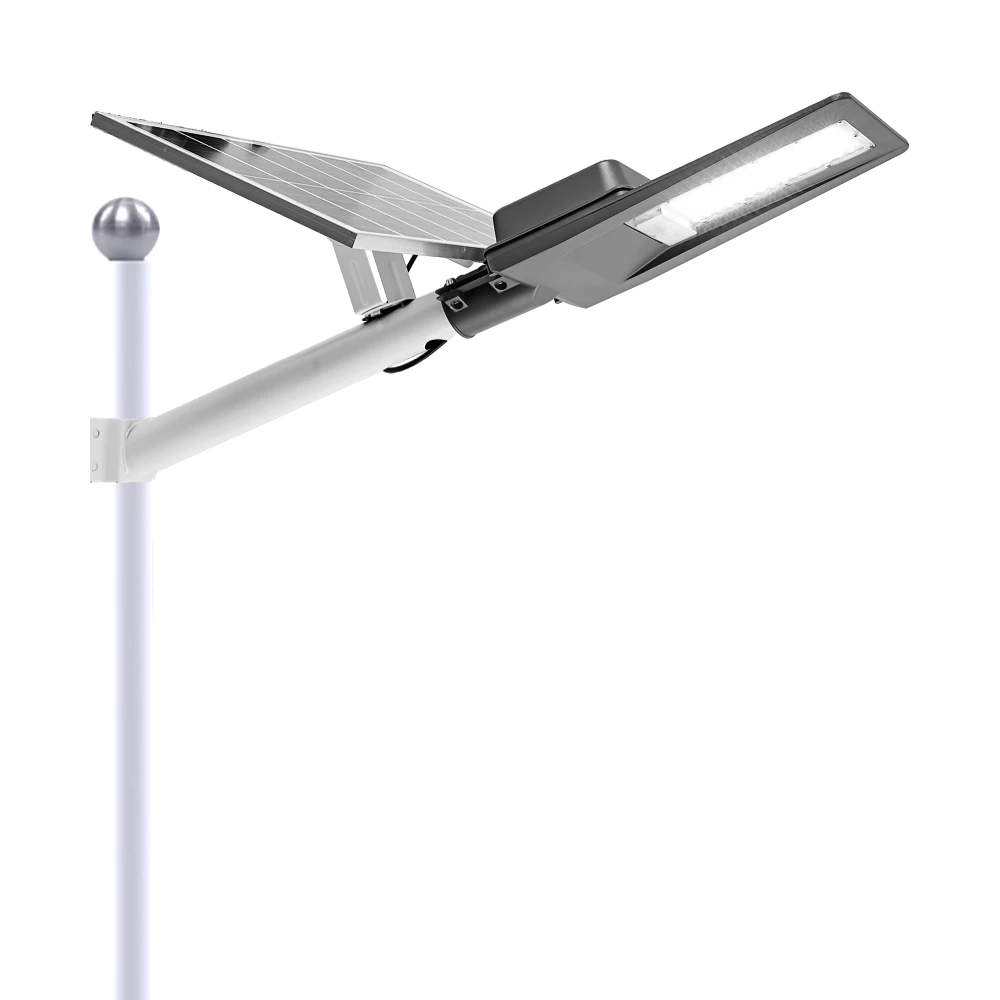
Experience reliable outdoor illumination with our smart solar street light, a perfect combination of advanced technology and eco-conscious design.
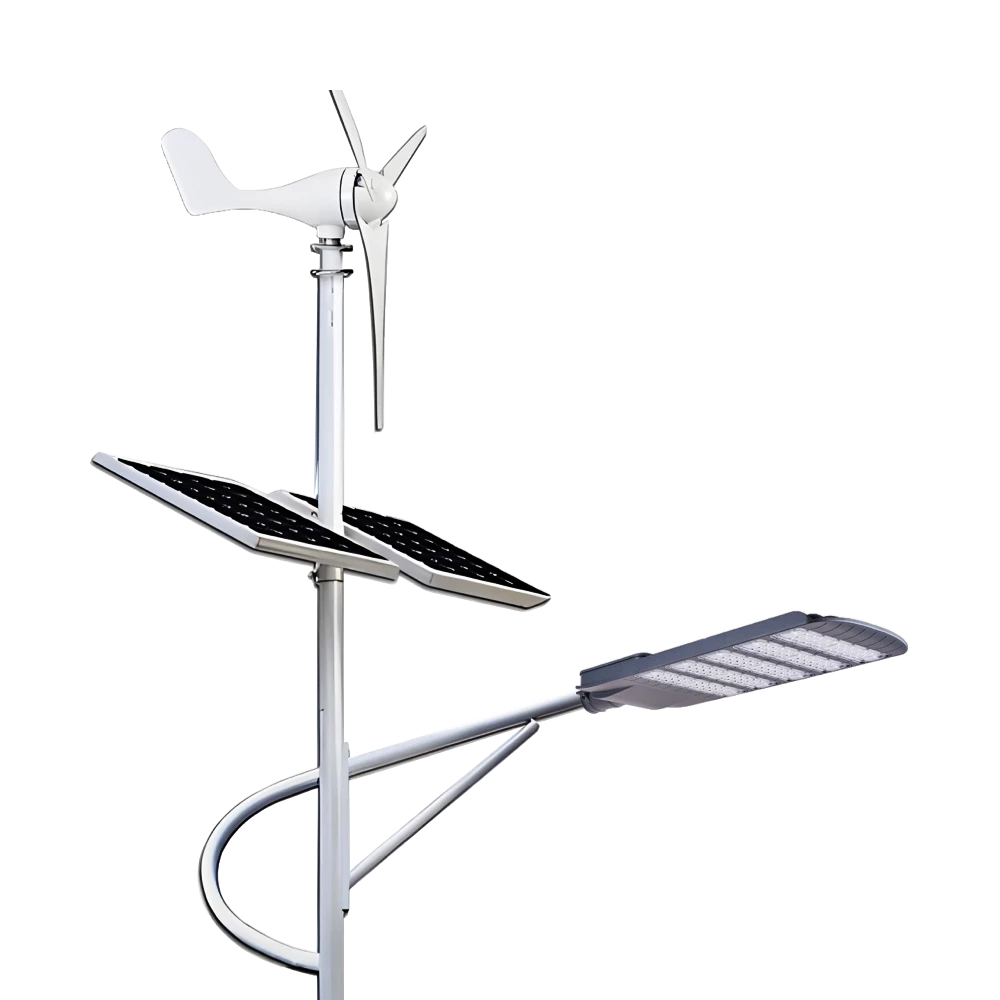
Queneng Lufeng Wind Energy LED Outdoor Solar Street Lights offer high-performance, eco-friendly illumination. These energy-efficient LED street lights harness solar power and wind energy for sustainable, cost-effective outdoor lighting solutions.
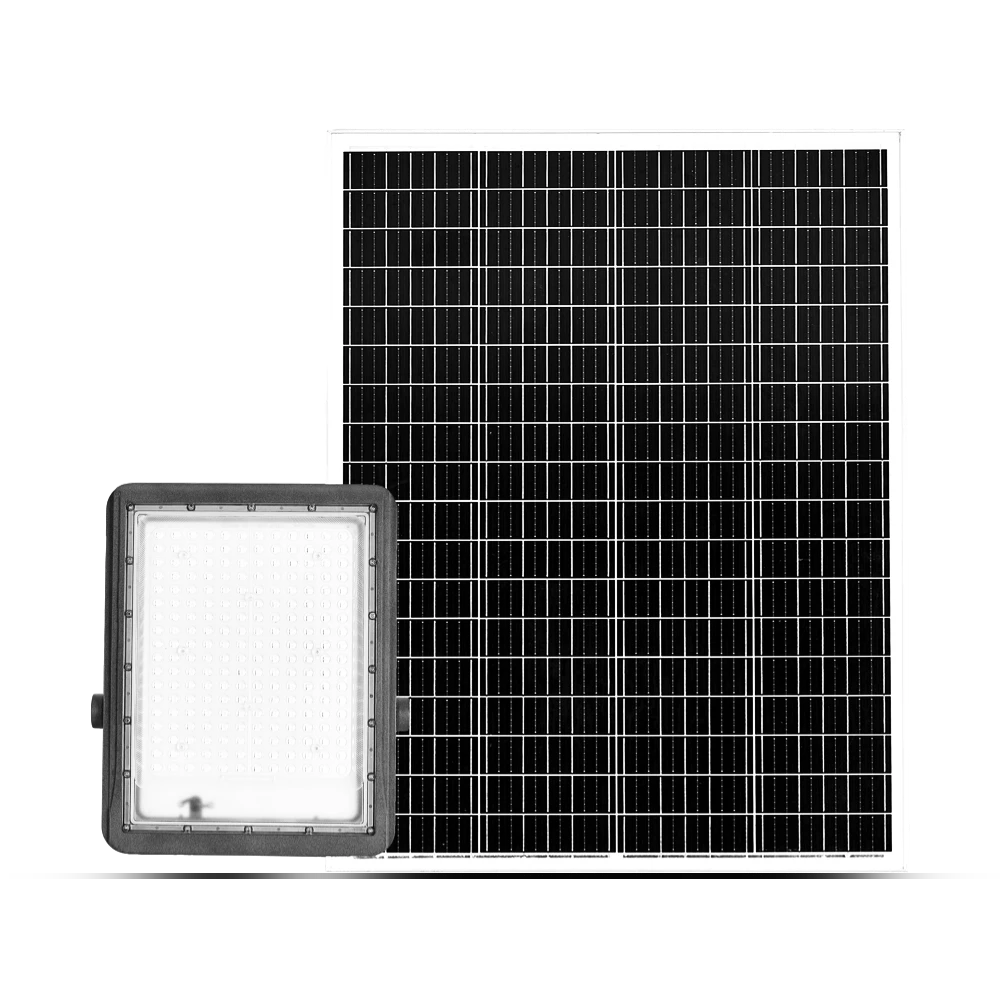
Queneng's Luxian Reliable Solar Street Light offers energy-saving LED lighting for outdoor use. This durable, solar-powered street light provides reliable illumination, reducing energy costs and environmental impact. A perfect solution for sustainable outdoor lighting.
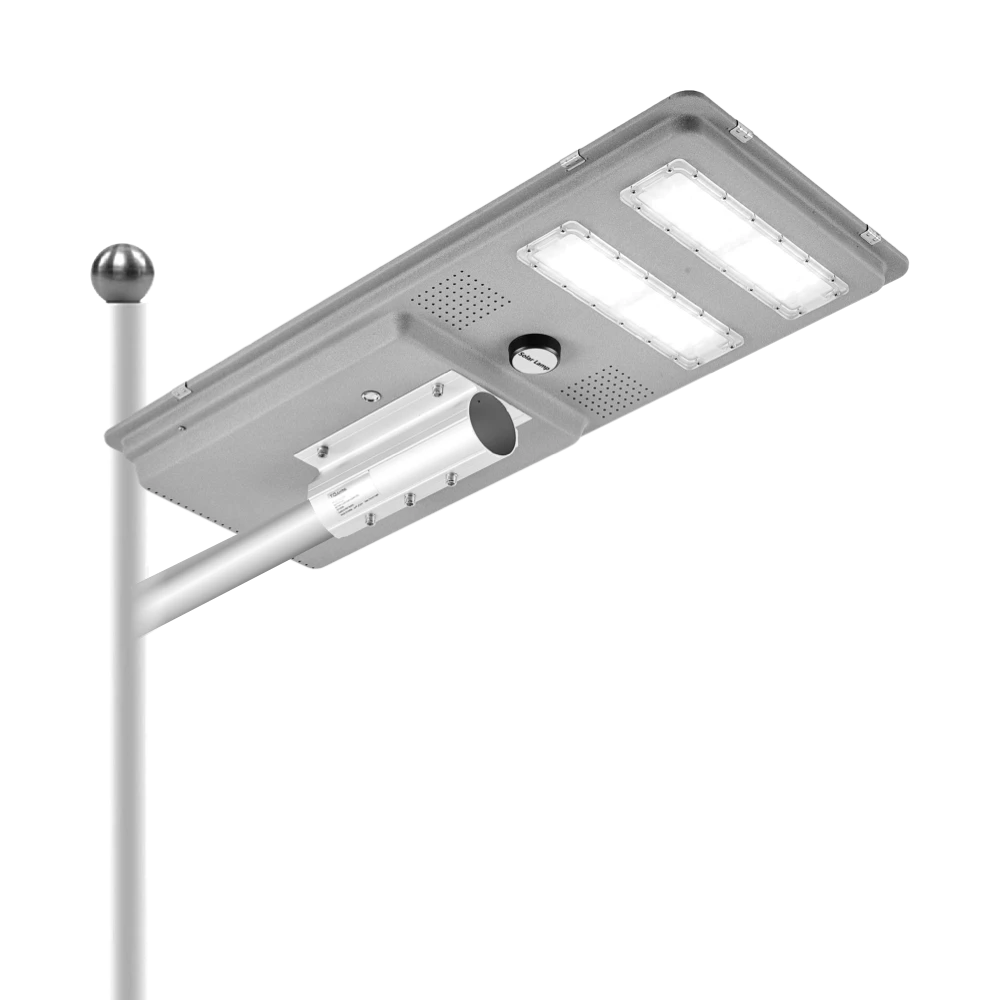
Queneng’s Solar Street Lights are designed to provide reliable, energy-efficient lighting for streets, parks, and other outdoor spaces.
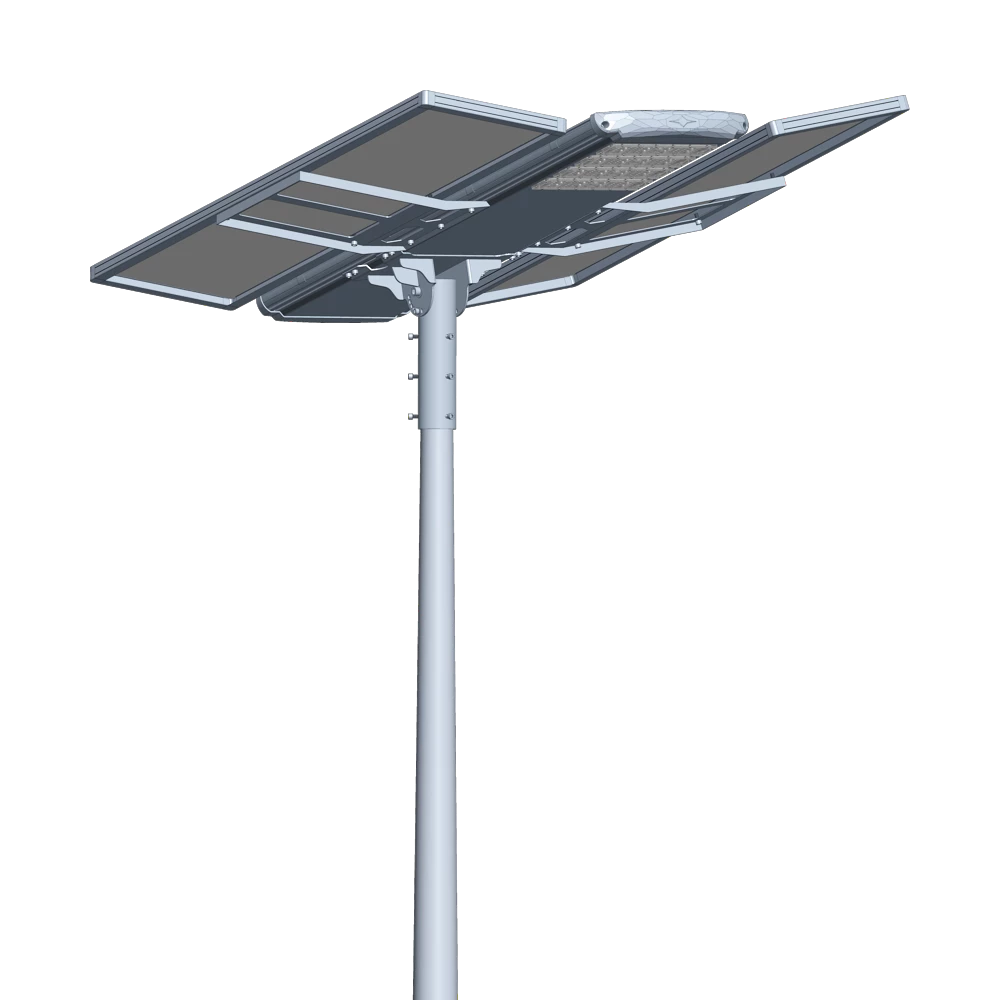
Introducing the Luqing Solar Street Light by Queneng, Efficient LED lighting powered by solar energy is perfect for illuminating outdoor areas. Harness the power of solar energy for sustainable, reliable street lighting. Ideal for eco-friendly, cost-effective outdoor illumination solutions.
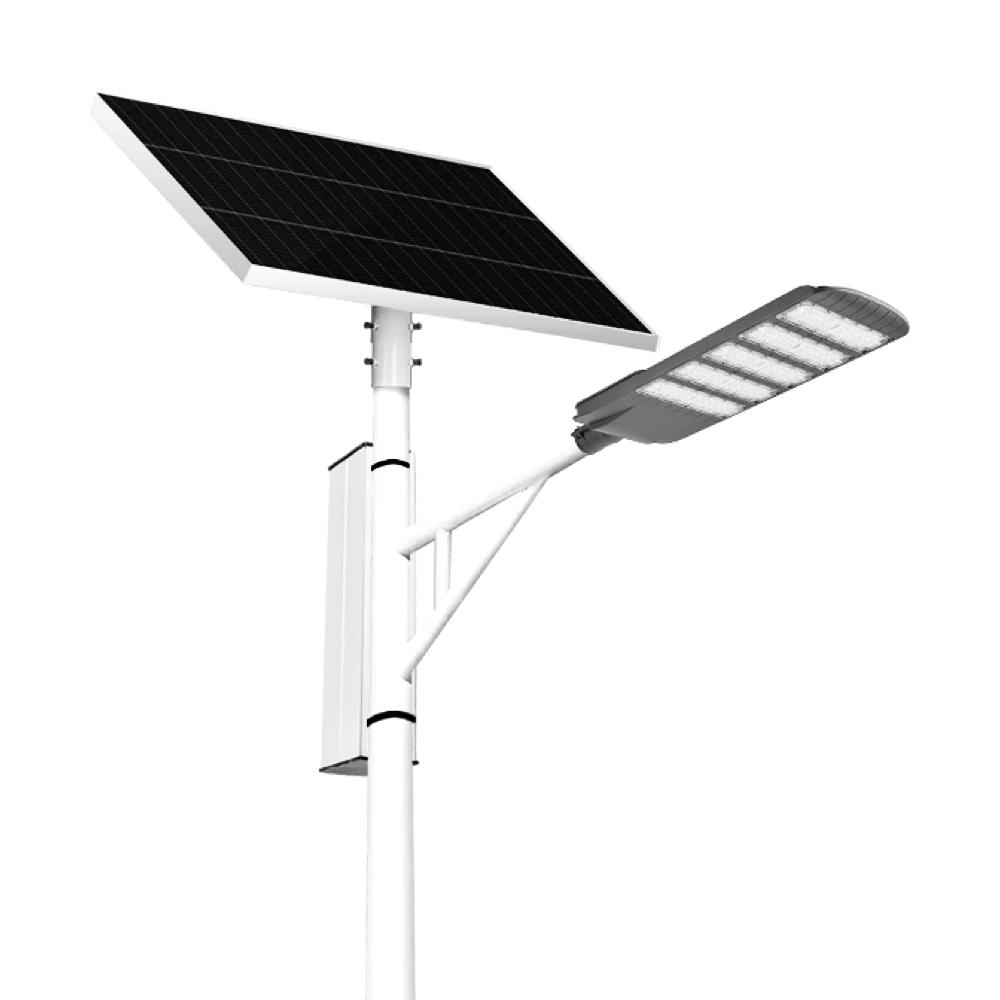
The Solar Streetlights of Luhao for Municipalities are designed to deliver reliable, energy-efficient, and cost-effective public lighting solutions. Equipped with advanced LED technology, durable lithium batteries, and high-efficiency solar panels, these streetlights provide consistent illumination for roads, parks, residential areas, and government projects.
Our professional team is ready to answer any questions and provide personalized support for your project.
You can reach us via phone or email to learn more about Queneng’s solar lighting solutions. We look forward to working with you to promote clean energy solutions!
Rest assured that your privacy is important to us, and all information provided will be handled with the utmost confidentiality.
By clicking 'Send Inquiry Now' I agree to Queneng processing my personal data.
To see how to withdraw your consent, how to control your personal data and how we process it, please see our Privacy Policy and Terms of use.
Schedule a Meeting
Book a date and time that is convenient for you and conduct the session in advance.
Have more questions about our products or services?
The messenger of light & power conversion
Environmental protection and intelligent manufacturing are our brand philosophy, and quality assurance and the best user experience are our eternal promises to users.
CONTACT
No.9F, Building F, Cao San Xin Tian Hong Logistics Park, Guzhen Town, Zhongshan City, Guangdong Province, China.
or write [email protected]
WhatsApp: +86 136 2270 1011


