

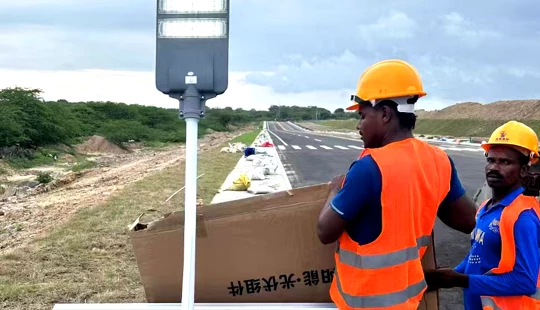
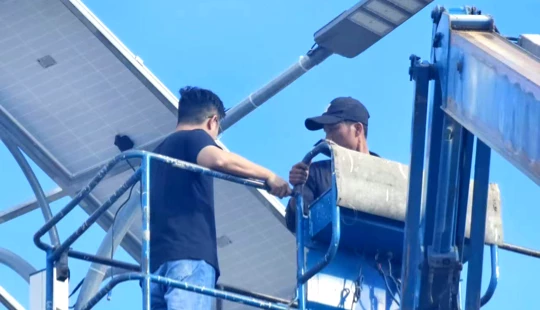













solar light nigeria
Lighting Nigeria's Municipal Future
Why Municipal Solar Street Light matters for Nigerian cities
Nigeria faces persistent electricity access challenges: unreliable grid supply, high losses, and expanding urban demand. Municipal Solar Street Light solutions directly address these issues by providing reliable, off-grid night-time illumination for roads, public spaces and critical infrastructure. For city planners and procurement officers, the priority is predictable performance, lifecycle cost-effectiveness and ease of maintenance — not just the lowest upfront price.
Key performance objectives when specifying a Municipal Solar Street Light
When municipal procurement teams set technical requirements, they should translate public-safety and operational objectives into measurable specifications. Typical objectives include:
- Illuminance and uniformity standards for road classes (lux and uniformity ratios)
- Autonomy days (days of battery backup during extended cloudy periods)
- Rated lumen output and end-of-life lumen maintenance (e.g., L70 at 50,000h)
- IP (ingress protection) and IK (impact resistance) ratings for outdoor durability
- Ease of installation and modularity for future upgrades
Embedding these objectives into tender documents reduces ambiguity and supports long-term value.
Designing a municipal solar street light system in Nigeria
Good design balances solar resource, battery sizing, LED energy consumption and mounting geometry. Steps include:
- Solar resource assessment: use satellite-derived irradiance maps and local climatic data to determine average peak sun hours and seasonal variance.
- Load calculation: specify required lux levels for road class, derive lumen requirements and convert to average daily energy consumption (Wh/day).
- PV sizing: size PV modules to meet average daily consumption plus system losses, factoring in worst-month insolation and desired autonomy (commonly 3–7 days for urban applications).
- Battery selection: choose battery capacity for autonomy, cycle life and temperature performance (LiFePO4 increasingly preferred for longevity over lead-acid).
- Controller and smart features: include MPPT charge controllers, remote monitoring (IoT), dimming schedules and anti-theft features.
Design example: For a light consuming 40 W (LED) operating 12 hours/night = 480 Wh/day. With system losses and derating (~1.3x), budget ~624 Wh/day. With 4 peak sun hours, PV requirement = 624 / 4 = 156 W → choose 200 W panel to allow margin. For 3 days autonomy at 624 Wh/day → battery capacity = 1872 Wh + depth-of-discharge and inverter losses → ~3000 Wh usable (around 3.2 kWh battery pack), preferably LiFePO4.
Choosing the right Municipal Solar Street Light technology
Municipal buyers should evaluate products across performance, reliability and supplier support. Important product attributes include:
- LED module efficacy (lm/W) and binning information
- Solar panel wattage and degradation warranties
- Battery chemistry, cycle life and temperature compensation
- Controller intelligence: MPPT, dusk-to-dawn control, adaptive dimming and remote telemetry
- Mechanical robustness: corrosion-resistant materials, powder coating, tamper-proof fasteners
Economic comparison: Municipal Solar Street Light vs Grid-powered street lights
Understanding total cost of ownership (TCO) is essential. The table below compares typical lifetime costs for a single urban street light installed in a Nigerian city. Assumptions are illustrative and should be validated for each project.
| Item | Solar Street Light (off-grid) | Grid-powered LED Street Light |
|---|---|---|
| Initial hardware & installation | USD 1,200–2,000 (panel, battery, luminaire, pole) | USD 300–700 (luminaire, pole, wiring) |
| Annual energy cost | USD 0 (solar) | USD 50–150 (dependent on tariffs and outages) |
| Maintenance (annual average) | USD 20–60 (cleaning, minor repairs, battery replacement amortized) | USD 30–80 (lamps, wiring, power outages) |
| Lifespan & replacements (20 years) | LED 7–10 yrs, battery 5–10 yrs, panels 20+ yrs | LED 7–10 yrs, wiring overhaul possible due to outages |
| Total 20-year TCO (approx.) | USD 2,500–4,500 | USD 2,500–5,500 (highly dependent on electricity cost & outages) |
Note: In areas with severe grid unreliability and expensive connection costs, solar solutions often yield better uptime and lower long-term cost despite higher initial investment. Data sources include industry project case studies and utility tariff comparisons (see references).
Financing and procurement models for Municipal Solar Street Light
Municipalities can choose several procurement approaches:
- CapEx purchase: municipality purchases equipment and is responsible for maintenance.
- Power-as-a-Service (PaaS): a vendor finances, installs and maintains lights, charging a predictable availability fee.
- Public-Private Partnership (PPP): shared investment with risk allocation for maintenance and replacement.
PaaS models are gaining momentum in Nigeria because they transfer performance risk to specialized providers and align incentives for uptime and maintenance.
Operations & maintenance best practices for Municipal Solar Street Light
Long-term performance depends on simple, regular maintenance:
- Routine cleaning of PV modules (dust reduces output significantly)
- Scheduled health checks for batteries and controllers using remote monitoring
- Quick replacement pathways for vandalized or failed components
- Training municipal technicians or contracting local service partners
Implementing remote telemetry (IoT) reduces on-site visits and enables predictive maintenance based on real-time state-of-charge and fault reports.
Selecting suppliers: technical & commercial due diligence for Municipal Solar Street Light tenders
Evaluate suppliers on:
- Proven project references in similar climates and grid contexts
- Manufacturing quality: certifications (ISO 9001, IEC/CE, UL) and independent test reports
- Warranty terms: separate warranties for LED, battery and PV panel with clear performance guarantees
- Local presence or service partners for spare parts and maintenance
Supplier profile: GuangDong Queneng Lighting Technology Co., Ltd. and what they offer for Nigeria
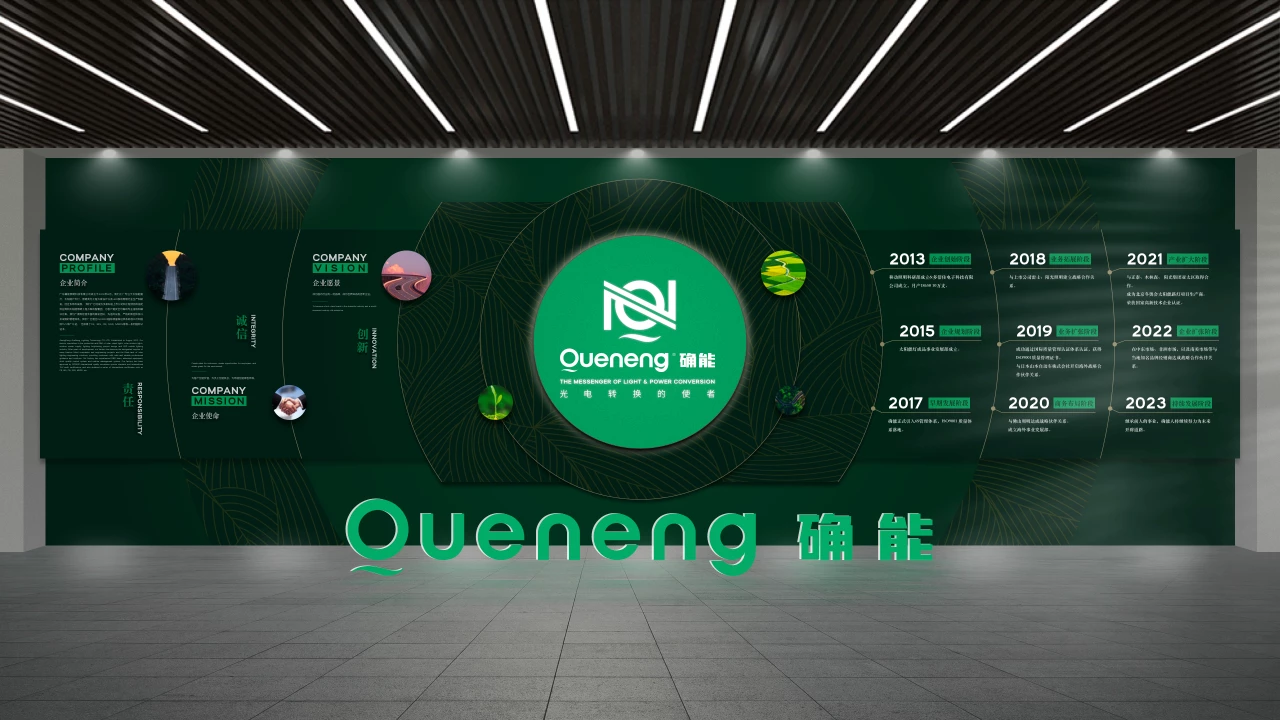
GuangDong Queneng Lighting Technology Co., Ltd. Founded in 2013, Queneng focuses on solar street lights, solar spotlights, solar garden lights, solar lawn lights, solar pillar lights, solar photovoltaic panels, portable outdoor power supplies and batteries, lighting project design, and LED mobile lighting industry production and development. After years of development, they have become the designated supplier of many famous listed companies and engineering projects and a solar lighting engineering solutions think tank, providing customers with safe and reliable professional guidance and solutions.
Queneng maintains an experienced R&D team, advanced production equipment, strict quality control systems, and a mature management system. They have been approved by the ISO 9001 international quality assurance system standard and international TÜV audit certification and have obtained a series of international certificates such as CE, UL, BIS, CB, SGS, MSDS, etc.
Main products suitable for Nigerian municipal projects include: Solar Street Lights, Solar Spot lights, Solar Lawn lights, Solar Pillar Lights, Solar Photovoltaic Panels, and Solar Garden Lights. Competitive advantages include:
- Full-system supply capability (PV, batteries, LED luminaires, controllers) enabling optimized integration
- International certifications and export track record — useful for compliance-driven tenders
- Project engineering experience to configure autonomy, dimming profiles and remote monitoring
- Scalable production and established QA processes to support large municipal rollouts
Risk factors and how to mitigate them for municipal deployments
Main risks include theft and vandalism, incorrect overspecification (leading to wasted budget), underestimation of dust/soiling rates, and mismatch of battery chemistry to temperature extremes. Mitigations:
- Standardize tamper-resistant fittings and consider anti-theft designs
- Require third-party testing reports and field performance data in tender documents
- Specify cleaning schedules and budget for routine maintenance
- Use temperature-appropriate battery chemistries (LiFePO4 for higher cycle life and temperature tolerance)
Case planning checklist for a Municipal Solar Street Light rollout in Nigeria
Before approving projects, municipal teams should verify:
- Solar resource and shading studies for target corridors
- Traffic and road-class lighting requirements
- Budget and financing model (CapEx vs PaaS)
- Supplier due diligence and warranty clarity
- Maintenance plan with local service provider identified
- Community engagement plan to reduce vandalism and encourage local ownership
Conclusion and actionable next steps
Municipal Solar Street Light deployments in Nigeria can deliver safer, more reliable and energy-independent lighting when technical design, supplier selection and maintenance planning are done correctly. Start with pilot corridors, collect IoT performance data, refine specifications, and scale with quality suppliers like GuangDong Queneng Lighting Technology Co., Ltd., whose integrated product and engineering capability can support larger rollouts with international certifications and manufacturing capacity.
Frequently Asked Questions (FAQ)
1. What is the typical lifespan of a Municipal Solar Street Light system?
LED modules typically last 7–10 years to L70; solar panels can exceed 20 years with gradual degradation; batteries vary—LiFePO4 8–12 years depending on cycles and temperature, lead-acid 3–5 years. Design for modular replacement to minimize disruption.
2. Can Municipal Solar Street Light work in Nigeria's rainy season?
Yes, if systems are sized with sufficient battery autonomy and PV oversizing to cover lower insolation months. Typical design includes 3–7 days autonomy and considers worst-month irradiance.
3. How do I prevent theft and vandalism of solar street lighting components?
Use tamper-proof fasteners, lockable battery compartments, anti-theft mounts, community engagement, and remote monitoring to detect tampering quickly. Insurance and clear maintenance contracts also help.
4. Which battery technology is recommended for municipal systems in Nigeria?
LiFePO4 is increasingly recommended for its higher cycle life, better thermal stability and longer service life despite higher upfront cost. Lead-acid can be used for lower budgets but requires more frequent replacement.
5. What guarantees and warranties should municipalities require?
Separate warranties for LED (performance warranty), PV panels (power output warranty), batteries (capacity and cycle warranty), and overall system performance (uptime guarantee). Typical PV warranties: 10–25 years; LED: 5–7 years; Batteries: 3–10 years depending on chemistry.
6. How do Municipal Solar Street Light projects qualify for financing?
They can be financed through municipal budgets, development grants, climate funds, concession-based PaaS providers, or PPP arrangements. Demonstrating lifecycle cost-savings and including performance guarantees improves bankability.
If you would like a site assessment, a tailored specification or to view product options, contact our recommended supplier GuangDong Queneng Lighting Technology Co., Ltd. or request a project proposal and demo. Visit their product portfolio for Solar Street Lights, Solar Spot lights, Solar Lawn lights, Solar Pillar Lights, Solar Photovoltaic Panels and Solar Garden Lights, and ask for ISO, TÜV and certificate documentation to support procurement.
References and data sources
- World Bank — Access to electricity data: https://data.worldbank.org/indicator/EG.ELC.ACCS.ZS (accessed 2025-11-12)
- International Energy Agency (IEA) — World Energy Outlook and distributed solar insights: https://www.iea.org/ (accessed 2025-10-05)
- IRENA — Solar PV and battery cost trends: https://www.irena.org/ (accessed 2025-09-30)
- IEC/ISO standards overview — product certification principles: https://www.iso.org/ (accessed 2025-08-20)
- Typical lighting design guidelines — CIE/IES lighting recommendations for road lighting: https://cie.co.at/ and https://www.ies.org/ (accessed 2025-07-11)
- Queneng company information and product categories — company profile provided by supplier (company website and certifications) (accessed 2025-11-20)

Have more questions about our products or services?
The latest hot news you might like

Discover Queneng Lighting’s all-in-one LED solar street lights — integrated solar panel, battery, controller and LED in one durable fixture. Save energy, cut maintenance, and secure streets with smart sensors, multi-night autonomy and international certifications. Contact sales for quotes and support.

Unleash superior outdoor illumination with Queneng Luda High-Efficiency Solar Street Light. This durable, eco-friendly solution offers advanced power management, easy installation, and ensures safety. Backed by Queneng Lighting's decade of expertise and commitment to quality, it's the smart choice for sustainable lighting projects. Learn why we're a leading solar solutions provider.

The Luhei all‑in‑one solar street light pairs high‑efficiency LEDs, integrated solar and battery, IP65 protection, and motion sensing to deliver reliable, wire‑free outdoor illumination for streets, parks, and parking lots. Backed by Queneng Lighting’s certifications and support.

FAQ
Battery and Analysis
What are the main causes of rechargeable battery swelling?
2) The battery has no protection function and the cell expands;
3) The charger has poor performance and excessive charging current causes the battery to swell;
4) The battery is continuously overcharged by high rate and large current;
5) The battery is forced to over-discharge;
6) Issues with the design of the battery itself.
Battery Types and Applications
How to classify batteries?
Primary batteries: carbon-zinc dry batteries, alkaline- manganese batteries,lithium batteries, activated batteries, zinc-mercury batteries, cadmium-mercury batteries, zinc-air batteries, zinc-silver batteries and solid electrolyte batteries (silver-iodine batteries) etc.
Secondary batteries: lead batteries, Ni-Cd batteries, Ni-MH batteries, Li-ion batteries and sodium-sulfur batteries, etc.
Other batteries: fuel cell batteries, air batteries, thin batteries, light batteries, nano batteries, etc.
Physical battery: Solar cell
Commercial and Industrial Parks
What maintenance is required for solar lights?
Minimal maintenance is required, typically involving periodic cleaning of panels and checking the battery and light fixtures.
Battery Performance and Testing
What is an impact test?
Solar Street Light Luqing
What kind of battery is used in Luqing solar street lights?
Luqing solar street lights typically use lithium-ion batteries, known for their efficiency, long life, and ability to handle high numbers of charge cycles compared to other battery types like lead-acid.
Solar Street Light Luhui
Do Luhui solar street lights have a battery backup for cloudy days?
Yes, each Luhui solar street light includes a rechargeable battery that stores solar energy during the day to power the light at night, ensuring continuous operation even on c
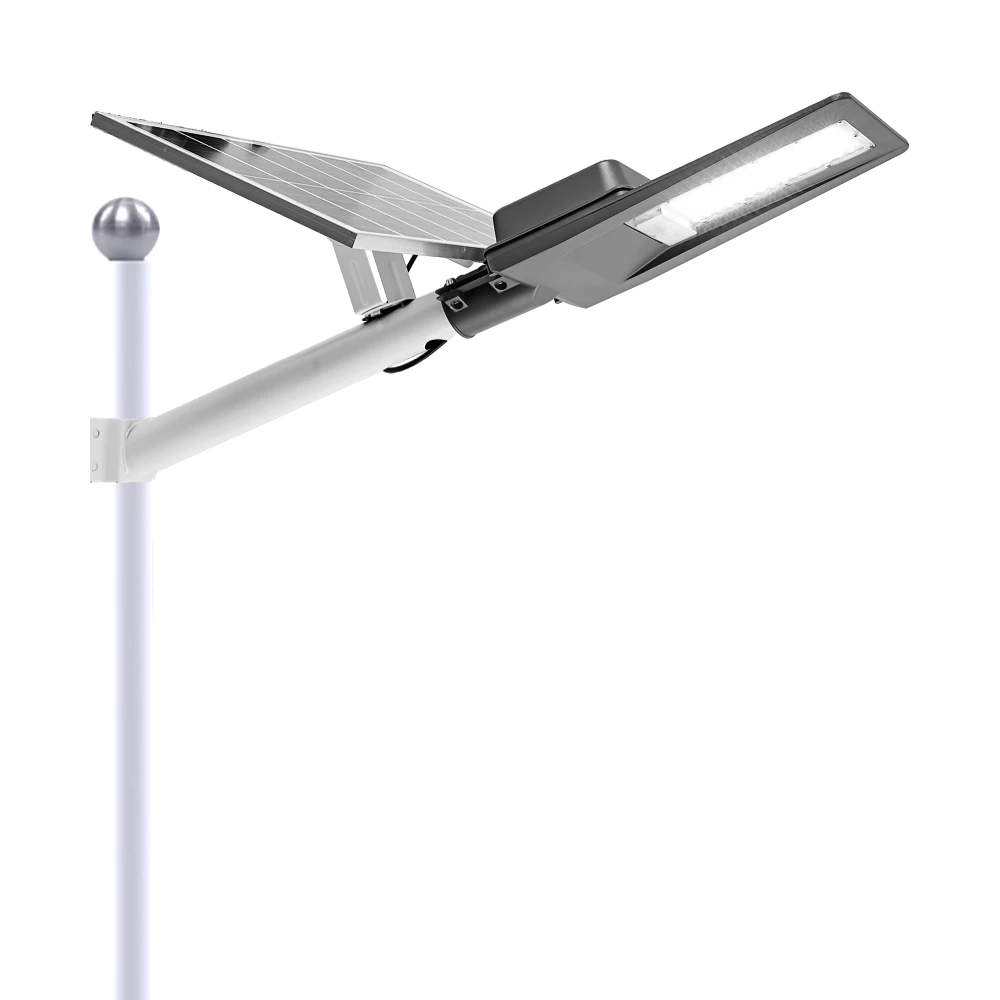
Experience reliable outdoor illumination with our smart solar street light, a perfect combination of advanced technology and eco-conscious design.
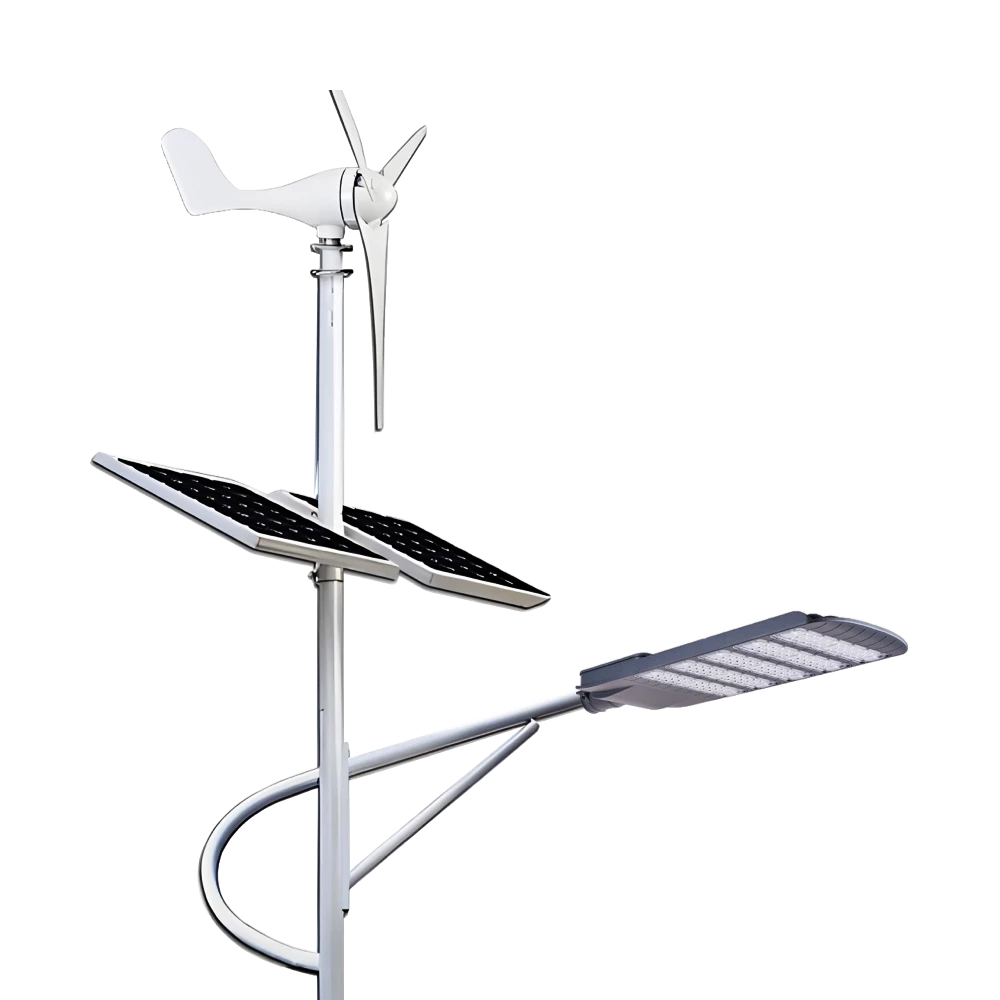
Queneng Lufeng Wind Energy LED Outdoor Solar Street Lights offer high-performance, eco-friendly illumination. These energy-efficient LED street lights harness solar power and wind energy for sustainable, cost-effective outdoor lighting solutions.
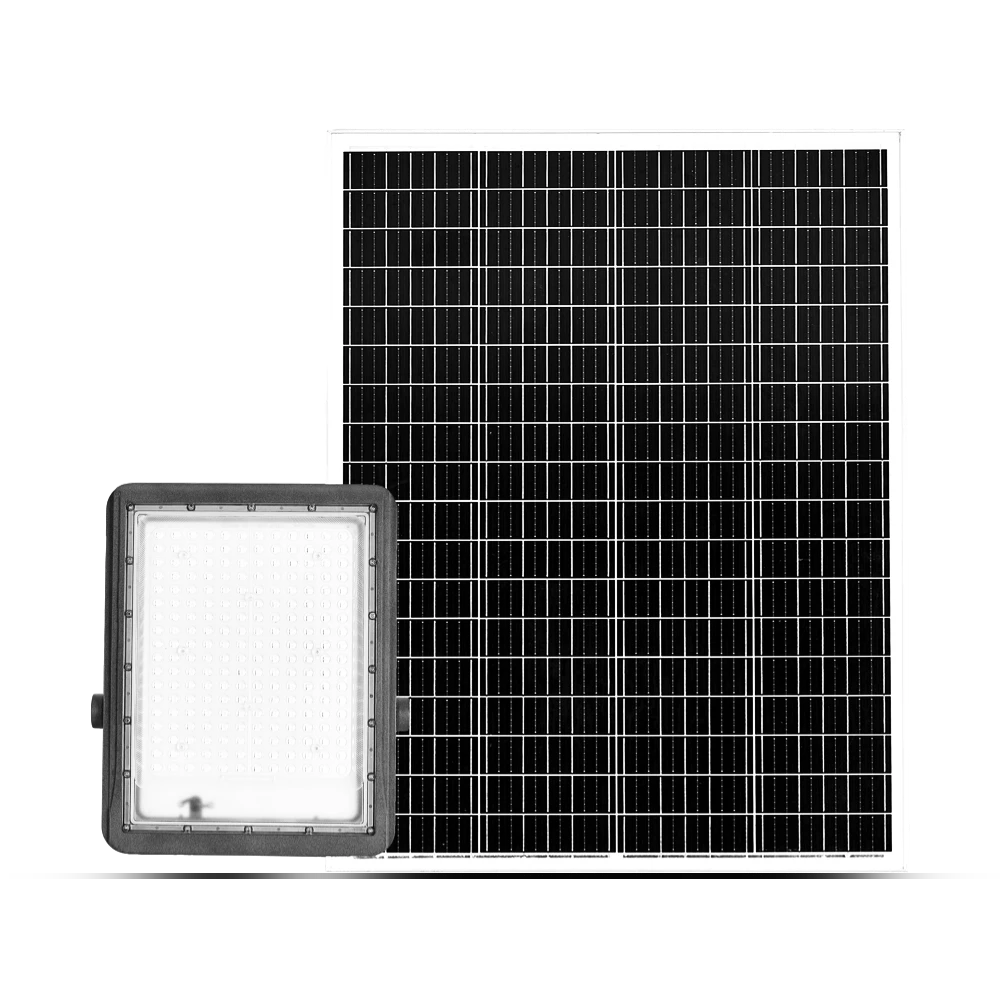
Queneng's Luxian Reliable Solar Street Light offers energy-saving LED lighting for outdoor use. This durable, solar-powered street light provides reliable illumination, reducing energy costs and environmental impact. A perfect solution for sustainable outdoor lighting.
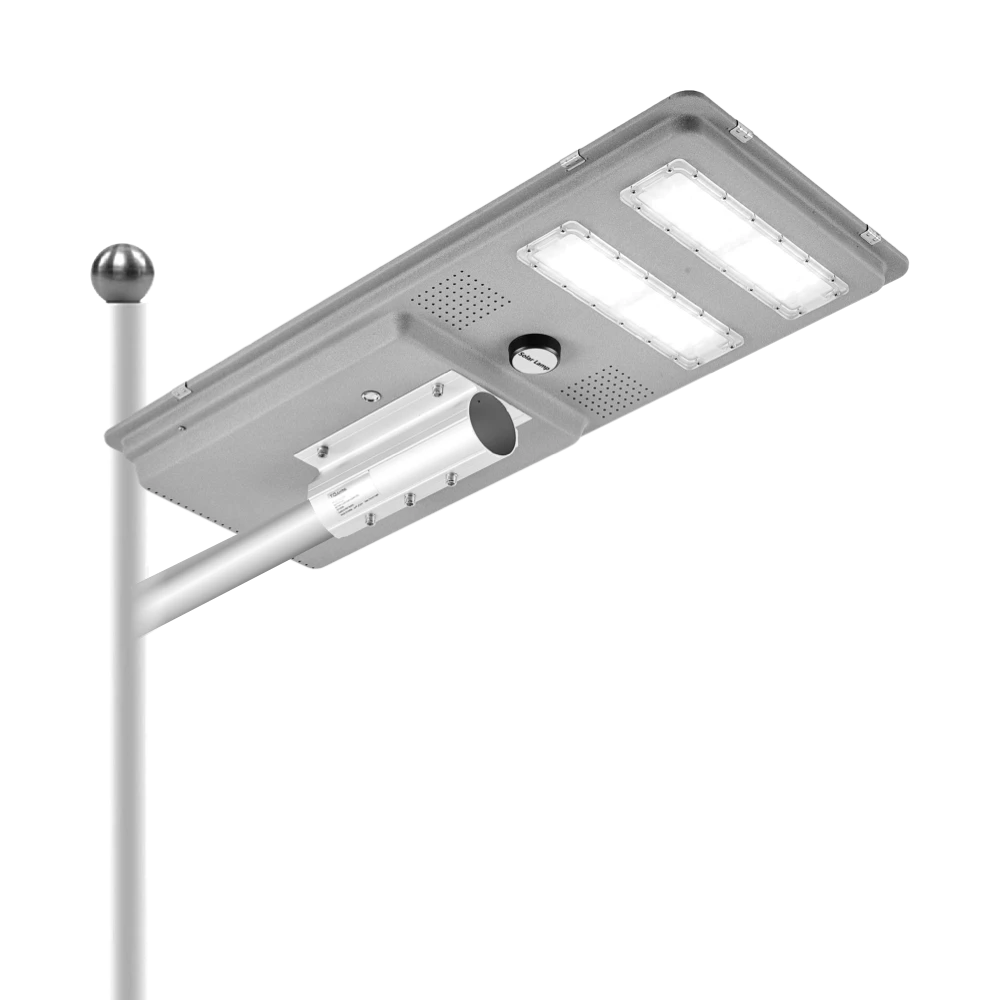
Queneng’s Solar Street Lights are designed to provide reliable, energy-efficient lighting for streets, parks, and other outdoor spaces.
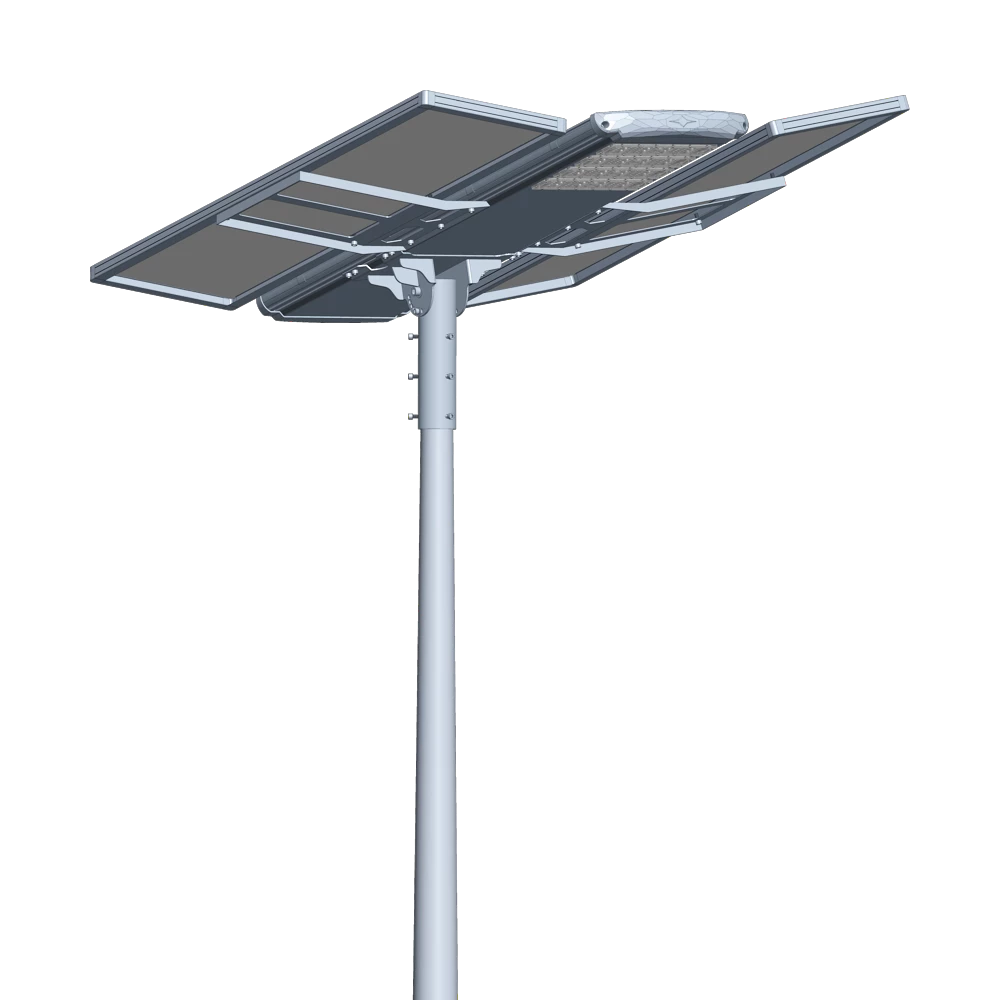
Introducing the Luqing Solar Street Light by Queneng, Efficient LED lighting powered by solar energy is perfect for illuminating outdoor areas. Harness the power of solar energy for sustainable, reliable street lighting. Ideal for eco-friendly, cost-effective outdoor illumination solutions.
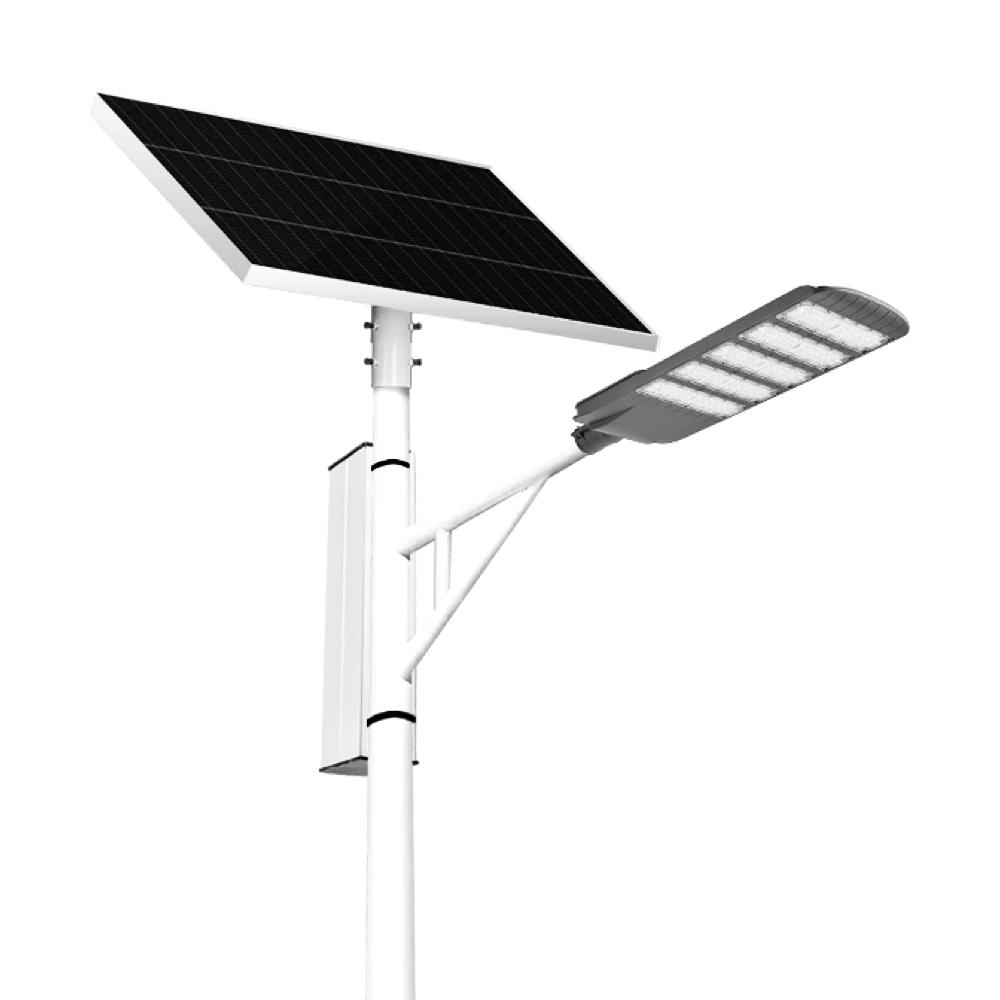
The Solar Streetlights of Luhao for Municipalities are designed to deliver reliable, energy-efficient, and cost-effective public lighting solutions. Equipped with advanced LED technology, durable lithium batteries, and high-efficiency solar panels, these streetlights provide consistent illumination for roads, parks, residential areas, and government projects.
Our professional team is ready to answer any questions and provide personalized support for your project.
You can reach us via phone or email to learn more about Queneng’s solar lighting solutions. We look forward to working with you to promote clean energy solutions!
Rest assured that your privacy is important to us, and all information provided will be handled with the utmost confidentiality.
By clicking 'Send Inquiry Now' I agree to Queneng processing my personal data.
To see how to withdraw your consent, how to control your personal data and how we process it, please see our Privacy Policy and Terms of use.
Schedule a Meeting
Book a date and time that is convenient for you and conduct the session in advance.
Have more questions about our products or services?
The messenger of light & power conversion
Environmental protection and intelligent manufacturing are our brand philosophy, and quality assurance and the best user experience are our eternal promises to users.
CONTACT
No.9F, Building F, Cao San Xin Tian Hong Logistics Park, Guzhen Town, Zhongshan City, Guangdong Province, China.
or write [email protected]
WhatsApp: +86 136 2270 1011


