
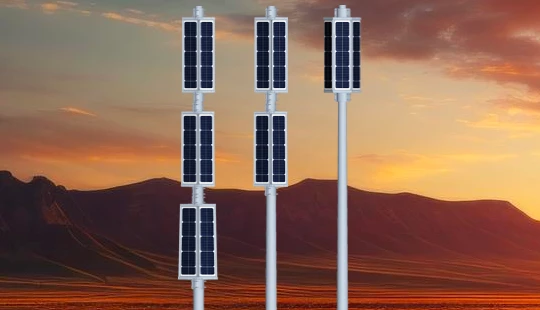
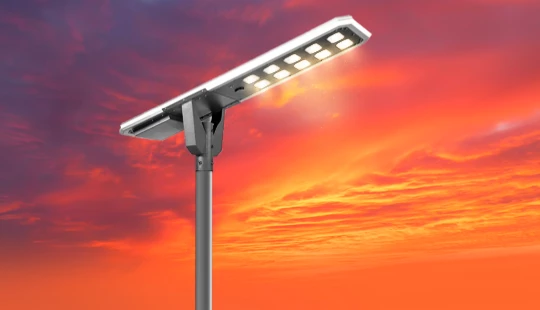

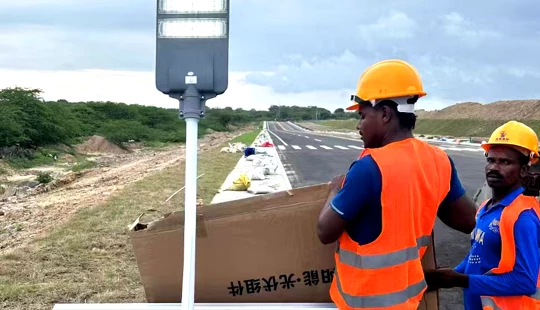
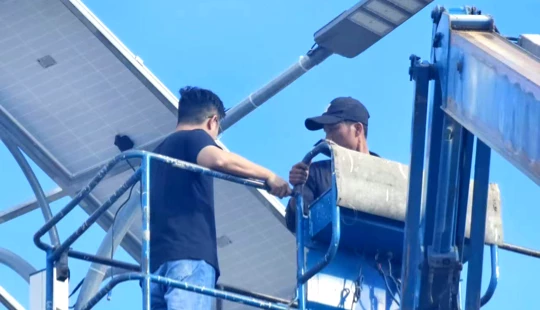













solar security lights in nigeria
Why solar security lights matter in Nigeria
Nigeria continues to face chronic gaps in public lighting: constrained grid coverage, frequent outages, and limited municipal budgets. Solar security lights — deployed as Municipal Solar Street Light systems — provide a practical, low-carbon, and scalable way to improve public safety, extend economic activity into the night, and reduce municipal operating costs. This article explains technical, economic and procurement considerations so cities, local governments and integrators can design robust solar street-lighting projects that deliver measurable security and social benefits.
Understanding Municipal Solar Street Light: components and objectives
A Municipal Solar Street Light is a purpose-engineered assembly combining solar PV modules, LED luminaires, a battery energy storage system (BESS), charge controller or MPPT, pole and mounting hardware, and integrated controls (dusk-to-dawn sensors, motion dimming, remote monitoring). For security-focused deployments, system objectives typically include:
- Consistent luminance along roadways, walkways and public spaces to deter crime and reduce accidents.
- Autonomy to operate through multiple cloudy days without grid dependence.
- Low lifecycle cost and predictable O&M for municipal budgeting.
- Scalable messaging and control (e.g., remote dimming, fault alerts) to support smart-city objectives.
Benefits of Municipal Solar Street Light for Nigerian towns and cities
Municipal Solar Street Light projects directly target both security and socio-economic outcomes. Key benefits include:
- Improved public safety: well-lit streets reduce opportunities for criminal activity and make residents feel safer traveling after dark.
- Energy independence: off-grid solar bypasses unreliable grid infrastructure, ensuring continuous lighting in peri-urban and rural areas.
- Lower operating costs: LED + solar systems dramatically cut energy bills and fuel costs compared with diesel generators or kerosene-based solutions.
- Reduced emissions: replacing fossil-fuel lighting reduces local air pollution and greenhouse gas emissions.
- Rapid deployment: modular solar solutions can be installed faster than grid extensions, accelerating impact.
Design considerations for Municipal Solar Street Light in Nigeria's climate
Designing resilient Municipal Solar Street Light systems for Nigerian climate zones requires attention to solar resource, temperature, dust, and seasonal rainfall. Practical design principles:
- Solar sizing: select PV capacity and battery sizing for at least 3–5 days of autonomy to cover rainy seasons or consecutive cloudy days.
- Thermal management: choose battery chemistries and luminaires rated for high operating temperatures common in many Nigerian regions.
- Ingress protection and corrosion resistance: IP65+ enclosures and corrosion-resistant poles and fasteners extend system life in humid coastal zones.
- Smart controls: motion-activated dimming balances security with energy savings; remote monitoring reduces O&M travel and enables predictive maintenance.
Cost, financing and lifecycle comparison
Municipalities need transparent comparisons to decide between Municipal Solar Street Light systems and alternatives (grid extension, diesel gensets, or kerosene lighting). The following qualitative table summarizes lifecycle attributes which municipalities commonly use in procurement decisions. For each attribute we note typical expectations; precise values depend on system size, site conditions and procurement strategy.
| Attribute | Municipal Solar Street Light | Grid-Powered Street Light | Diesel Generator / Kerosene Lighting |
|---|---|---|---|
| Initial capital cost | Moderate–High (but falling); often offset by grants/financing | Variable (pole & wiring costs high for new areas) | Low initial hardware cost but limited reach |
| Operational cost (20-year horizon) | Low (no fuel; predictable battery replacement) | Medium (electricity tariffs, outages cost) | Very high (fuel, maintenance, replacement) |
| Reliability | High with correct sizing and maintenance | Low in unreliable grids (frequent outages) | Variable; vulnerable to fuel supply |
| Environmental impact | Low (renewable) | Depends on generation mix | High (emissions & pollution) |
| Time to deploy | Short to medium (weeks–months) | Long (months–years for extension) | Short (but operational risks) |
| Security outcomes | High (designed lighting levels, even coverage) | Variable (depends on uptime) | Poor (intermittent, limited coverage) |
For municipalities seeking financing, blended finance, international grants (e.g., Green Climate Fund, World Bank/IFC programs), and performance-based contracts (ESCOs) are common routes to spread capital costs while ensuring performance guarantees.
Installation, maintenance and building local capacity
Long-term success of Municipal Solar Street Light programs depends on realistic O&M planning and local skills development:
- Maintenance schedule: routine cleaning of PV modules, periodic battery health checks, and LED lumen maintenance planning (L70 metrics).
- Spare-part provisioning: batteries, controllers and LED drivers should be standardized across a municipality to simplify stock management.
- Local workforce training: training municipal electrical teams or local SMEs on safe battery handling and fault diagnosis reduces downtime and creates local jobs.
- Remote monitoring: systems with telemetry reduce truck-rolls and enable fault-driven maintenance, improving uptime.
Policy, procurement and municipal implementation strategies
Municipal Solar Street Light procurement benefits from clear technical specifications and performance-based contracting. Recommended practices:
- Adopt minimum technical standards (e.g., IP rating, battery cycle life, L70 for LEDs, MPPT controllers).
- Require performance guarantees and defined service-level agreements (SLAs) for uptime and response times.
- Consider Power Purchase Agreement (PPA) or Lighting-as-a-Service (LaaS) models to reduce upfront municipal expense.
- Coordinate with national programs such as the Rural Electrification Agency (REA) and tap into available donor or concessional financing for off-grid public lighting.
Technical performance expectations and monitoring
Clear performance metrics make projects measurable. Typical KPIs for Municipal Solar Street Light projects include:
- Average nightly uptime (%) — target 95%+
- Average lux level at road surface per design class
- Battery state-of-health (SOH) and replacement intervals
- Response time for faults (hours/days)
Deploying simple IoT monitoring (GSM/LoRa/Wi-Fi) provides near real-time visibility and helps municipalities demonstrate return on investment in safety and economic activity.
How Municipal Solar Street Light helps meet security and economic goals
Evidence from global urban lighting studies shows that reliable public lighting correlates with reduced nighttime crime and increased commercial activity. For Nigerian municipalities, targeted deployment in high-risk corridors, markets and transit hubs can maximize social impact per installed unit. Combining lighting with community engagement and policing strategies yields the best outcomes.
GuangDong Queneng Lighting Technology Co., Ltd: Solar solutions for Nigeria
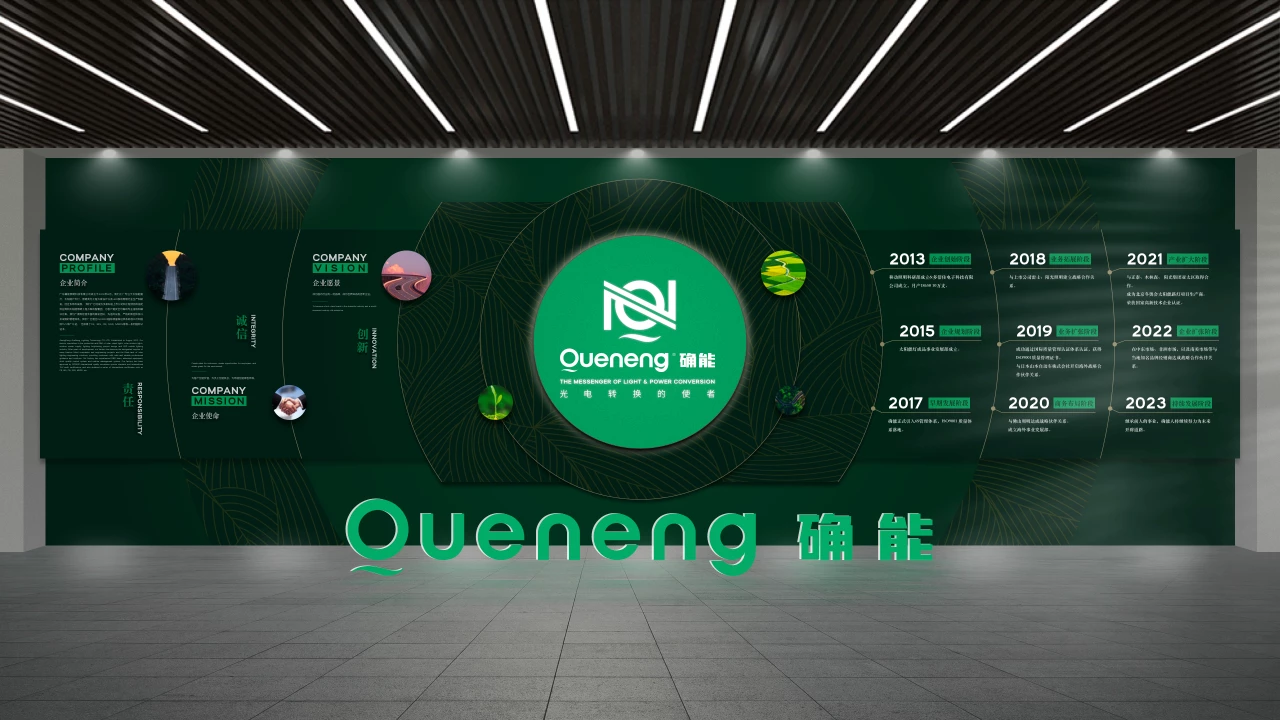
GuangDong Queneng Lighting Technology Co., Ltd., founded in 2013, is a manufacturer and engineering solutions provider focused on solar street lights and a range of solar lighting products. Queneng’s portfolio includes Solar Street Lights, Solar Spotlights, Solar Garden Lights, Solar Lawn Lights, Solar Pillar Lights, Solar Photovoltaic Panels and portable power supplies. The company also provides lighting project design and LED mobile lighting solutions.
Queneng’s competitive strengths for municipal projects
Queneng emphasizes product reliability and project delivery, which are crucial for Municipal Solar Street Light deployments in Nigeria:
- R&D and quality control: An experienced R&D team and advanced manufacturing equipment support product customization and industrial-scale quality control.
- Certifications: Queneng has implemented ISO 9001 quality systems and holds international certificates such as CE, UL, BIS, CB, SGS and MSDS, and has undergone TÜV audit processes—credentials that ease procurement and compliance.
- Project experience: Years of development have positioned Queneng as a supplier to listed companies and engineering projects, acting as a think tank for solar lighting engineering solutions.
- Product range: The company supplies modular solutions suitable for municipal specifications — from high-output Solar Street Lights with integrated monitoring to smaller solar garden and pillar lights for parks and pathways.
How Queneng supports municipal procurement and deployment
Queneng offers end-to-end services: product selection, system design, delivery, installation guidance, and after-sales service. For Nigerian municipalities, Queneng can supply systems pre-configured to meet defined autonomy, lumens distribution and environmental durability requirements, reducing integration risk and accelerating time to operation.
Queneng product highlights
- Solar Street Lights: integrated PV + battery + LED packages with IMU/MPPT controllers and optional remote monitoring.
- Solar Spot Lights & Garden Lights: ideal for public parks, monuments and lighting of building facades.
- Solar Photovoltaic Panels & Batteries: match-grade PV modules and long-cycle batteries for municipal-scale reliability.
- Portable Outdoor Power Supplies: support events, emergency lighting and off-grid power needs.
Why Queneng may be a good fit for Nigerian municipalities
Combined engineering experience, international certifications and a product suite covering both high-output street lighting and smaller site lighting allow Queneng to offer turnkey approaches and technical guarantees often required in municipal tenders. Their focus on quality control and laboratory testing helps satisfy procurement due diligence and durability expectations under Nigeria’s climatic stressors.
FAQs — Municipal Solar Street Light & Solar Security Lights in Nigeria
1. How long do Municipal Solar Street Light systems last?
Typical lifetimes: LED luminaires 7–15 years (depending on L70 rating), PV modules 20–25 years, batteries 3–8 years depending on chemistry and depth-of-discharge management. Total system lifetime planning should include scheduled battery replacement and periodic maintenance.
2. Can solar street lights operate during the rainy season in Nigeria?
Yes—if systems are sized with sufficient PV capacity and batteries sized for multiple days of autonomy (commonly 3–5 days). Proper design that accounts for seasonal insolation and conservative battery sizing ensures reliable operation through rainy periods.
3. What are the main procurement models for municipal solar lighting?
Common models include direct purchase, performance-based contracts with warranties, Lighting-as-a-Service (LaaS) where providers operate and maintain the system, and public-private partnerships (PPPs) leveraging concessional finance to cover upfront costs.
4. How much maintenance is required for solar street lights?
Routine maintenance is limited but essential: cleaning PV modules (frequency depends on dust), battery health checks, verifying controller operations, and replacing failed components. Remote monitoring significantly reduces on-site inspection frequency.
5. Are Municipal Solar Street Lights more expensive than grid lights?
Initial capital cost can be comparable or higher than simple grid fixtures, but when evaluated over a lifecycle (20+ years) including energy and maintenance costs, solar solutions often deliver lower total cost of ownership in areas with unreliable grid service or expensive grid extension costs.
6. How do I choose the right supplier for my municipality?
Prioritize suppliers with proven product certifications (ISO, CE, UL, etc.), local or regional references, performance guarantees, remote monitoring options, and a clear operations & maintenance plan. Ask for sample installations, third-party test reports and service-level agreement (SLA) terms.
Next steps and contact
If you represent a municipality, NGO, or engineering firm seeking to implement Municipal Solar Street Light projects in Nigeria, begin with a site assessment (solar resource, pole spacing, lighting class needs) and a clear procurement specification. GuangDong Queneng Lighting Technology Co., Ltd. can provide technical proposals, product datasheets, testing reports and pilot installations tailored to municipal budgets and security objectives.
To request a proposal or technical consultation, contact Queneng’s project team through their official channels (see company website) and request references, certifications and sample performance data for municipal projects.
References
- World Bank — Access to electricity (% of population), Nigeria. https://data.worldbank.org/indicator/EG.ELC.ACCS.ZS?locations=NG (accessed 2025-12-13)
- International Energy Agency (IEA) — Nigeria country profile. https://www.iea.org/countries/nigeria (accessed 2025-12-13)
- Rural Electrification Agency (REA) — Nigeria. https://rea.gov.ng (accessed 2025-12-13)
- IFC / Lighting Africa — Off-grid solar lighting initiatives. https://www.ifc.org/wps/wcm/connect/industry_ext_content/ifc_external_corporate_site/infra/industries/energy/lighting-africa (accessed 2025-12-13)
- IRENA — Renewable power generation costs and deployment trends. https://www.irena.org/ (accessed 2025-12-13)
- Nigeria Bureau of Statistics — official statistics portal. https://www.nigerianstat.gov.ng (accessed 2025-12-13)
For additional technical support or a customized municipal lighting feasibility study, contact GuangDong Queneng Lighting Technology Co., Ltd. to discuss product options, certifications and pilot programs tailored for Nigerian conditions.

Have more questions about our products or services?
The latest hot news you might like

Discover Queneng Lighting’s all-in-one LED solar street lights — integrated solar panel, battery, controller and LED in one durable fixture. Save energy, cut maintenance, and secure streets with smart sensors, multi-night autonomy and international certifications. Contact sales for quotes and support.

Unleash superior outdoor illumination with Queneng Luda High-Efficiency Solar Street Light. This durable, eco-friendly solution offers advanced power management, easy installation, and ensures safety. Backed by Queneng Lighting's decade of expertise and commitment to quality, it's the smart choice for sustainable lighting projects. Learn why we're a leading solar solutions provider.

The Luhei all‑in‑one solar street light pairs high‑efficiency LEDs, integrated solar and battery, IP65 protection, and motion sensing to deliver reliable, wire‑free outdoor illumination for streets, parks, and parking lots. Backed by Queneng Lighting’s certifications and support.

FAQ
Transportation and Highways
What maintenance is required for highway solar lighting systems?
Routine maintenance includes cleaning the solar panels, checking the battery status, and inspecting the light fixtures every 6-12 months.
Tourist Attractions and Resorts
Can solar lights be used for both functional and decorative purposes?
Yes, solar lighting is versatile and can be used for both functional purposes, such as illuminating pathways and parking lots, and decorative purposes, such as enhancing garden features or architectural details.
Solar Street Light Luda
What are the installation requirements for Luda solar street lights?
Installing Luda solar street lights is straightforward and does not require complex wiring. The lights come with easy-to-follow installation instructions, typically involving mounting the pole, securing the light fixture, and positioning the solar panel for optimal sunlight exposure. Since they don’t require any electrical wiring, the installation is quick and cost-effective.
Battery fundamentals and basic terms
What is the electrochemistry of lithium-ion batteries?
The main component of the positive electrode of lithium-ion battery is LiCoO2 and the negative electrode is mainly C. When charging,
Anode reaction: LiCoO2 → Li1-xCoO2 + xLi+ + xe-
Negative reaction: C + xLi+ + xe- → CLix
Total battery reaction: LiCoO2 + C → Li1-xCoO2 + CLix
The reverse reaction of the above reaction occurs during discharge.
APMS system
What scenarios is the APMS system suitable for?
The APMS system is widely applicable in remote off-grid areas, extremely cold climates, and industrial sites with high energy stability requirements, such as mines and oil fields.
Battery Performance and Testing
What is a temperature cycling experiment?
1) The battery is changed from normal temperature to 66±3℃ and 15±5% for 1 hour.
2) Place it for 1 hour at a temperature of 33±3℃ and a humidity of 90±5℃.
3) Change the condition to -40±3℃ and leave it for 1 hour
4) Leave the battery at 25℃ for 0.5 hours
These 4 steps complete a cycle. After these 27 cycle experiments, the battery should have no leakage, alkali creep, rust or other abnormal conditions.
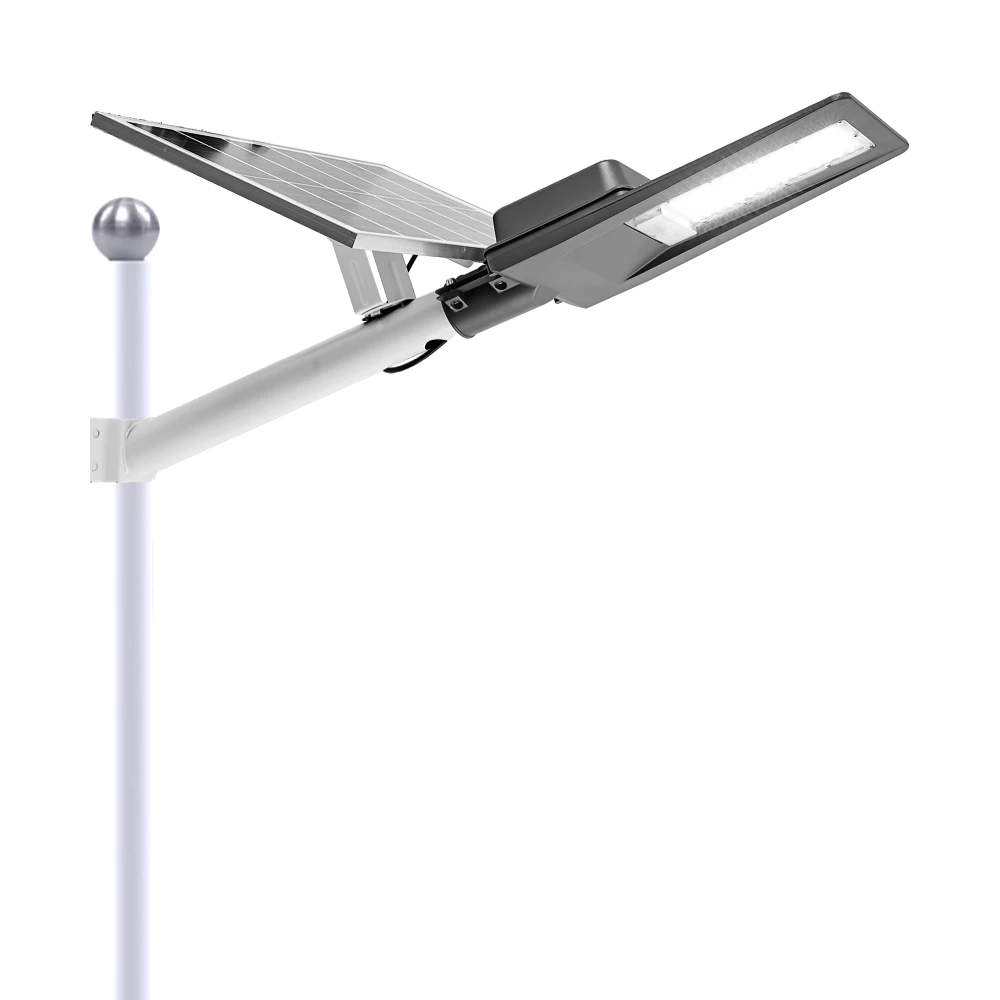
Experience reliable outdoor illumination with our smart solar street light, a perfect combination of advanced technology and eco-conscious design.
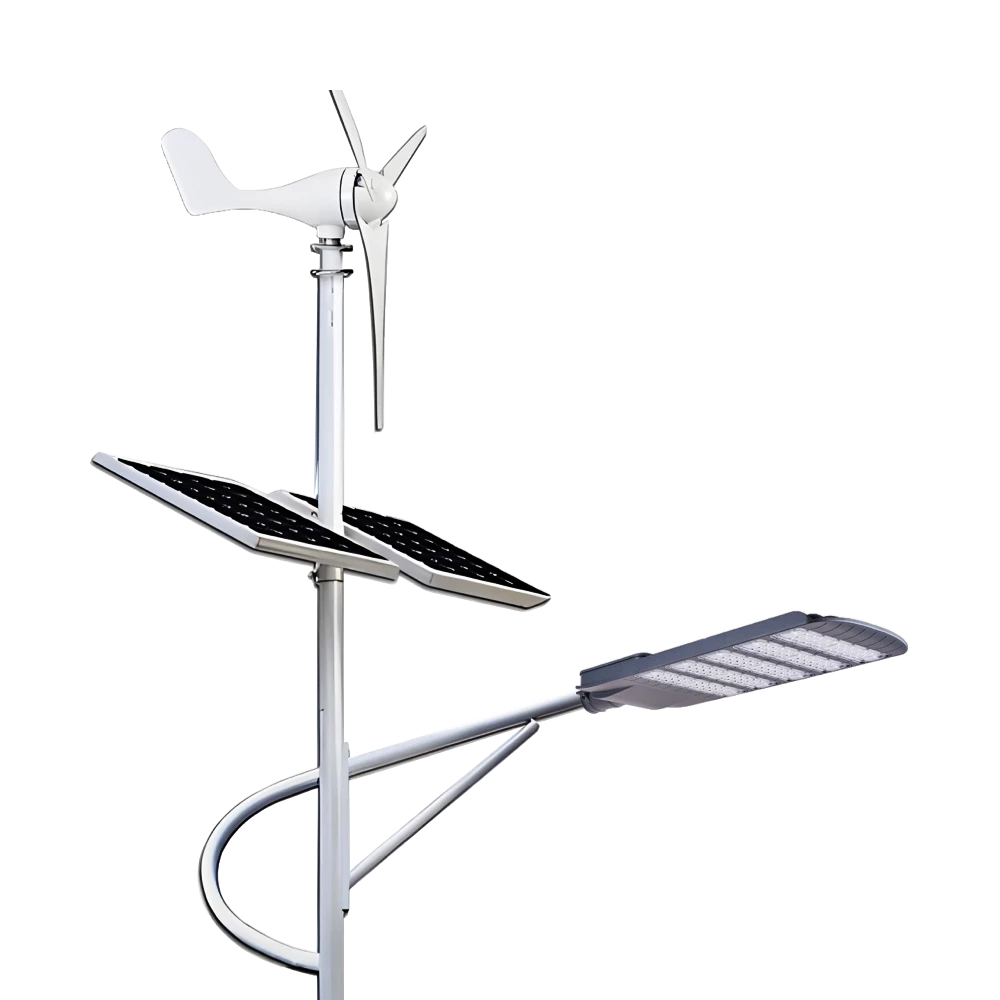
Queneng Lufeng Wind Energy LED Outdoor Solar Street Lights offer high-performance, eco-friendly illumination. These energy-efficient LED street lights harness solar power and wind energy for sustainable, cost-effective outdoor lighting solutions.
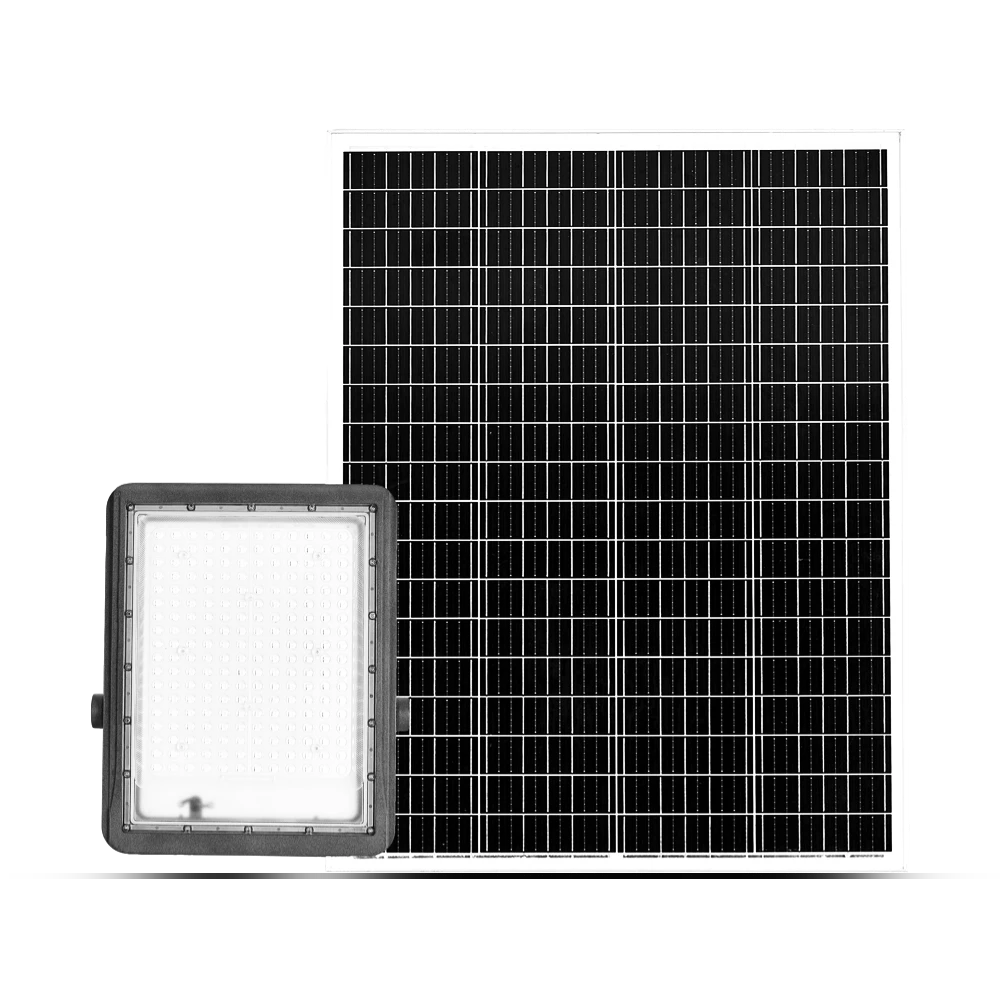
Queneng's Luxian Reliable Solar Street Light offers energy-saving LED lighting for outdoor use. This durable, solar-powered street light provides reliable illumination, reducing energy costs and environmental impact. A perfect solution for sustainable outdoor lighting.
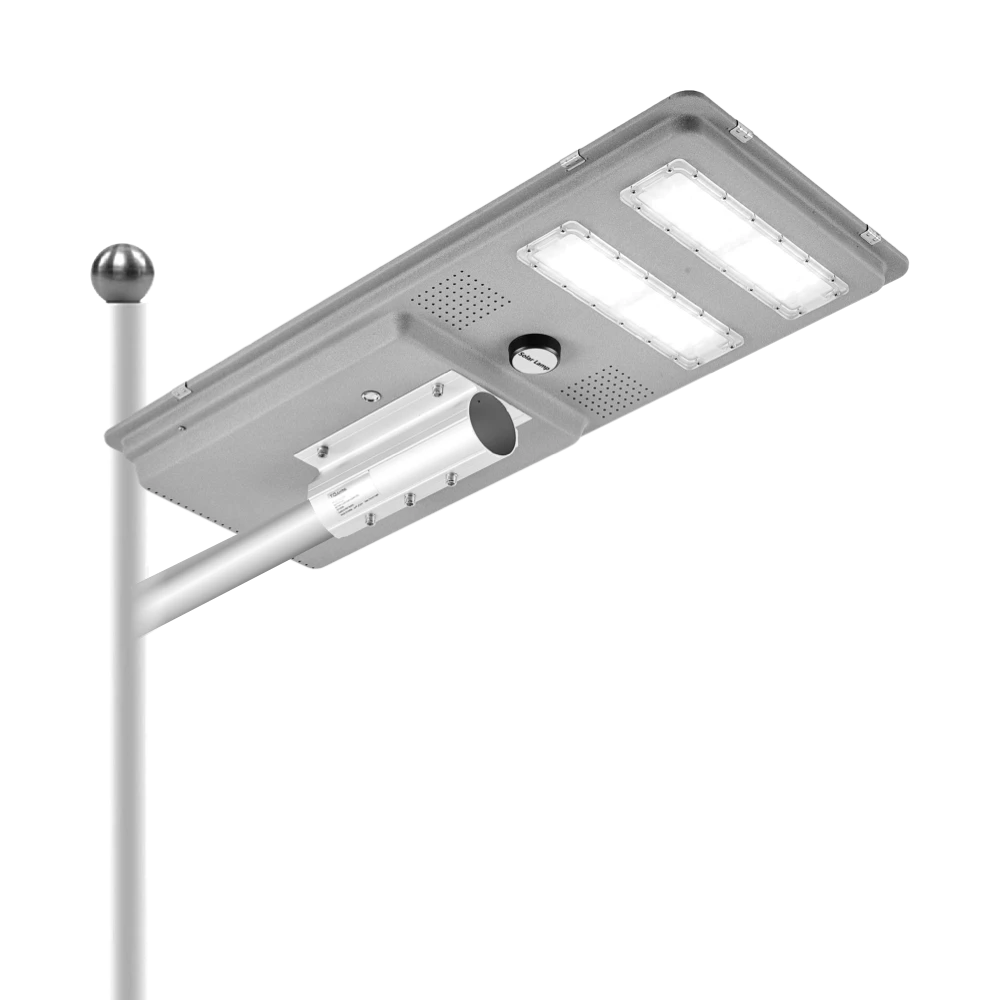
Queneng’s Solar Street Lights are designed to provide reliable, energy-efficient lighting for streets, parks, and other outdoor spaces.
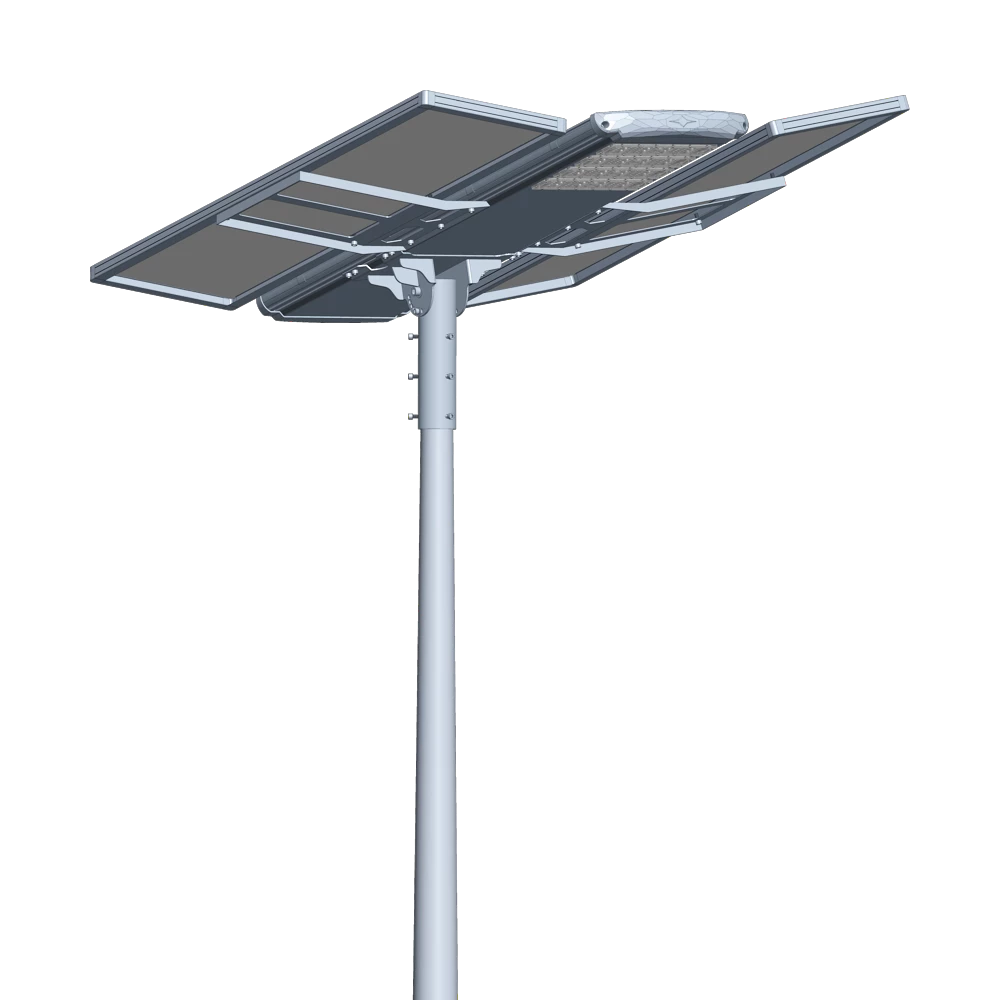
Introducing the Luqing Solar Street Light by Queneng, Efficient LED lighting powered by solar energy is perfect for illuminating outdoor areas. Harness the power of solar energy for sustainable, reliable street lighting. Ideal for eco-friendly, cost-effective outdoor illumination solutions.
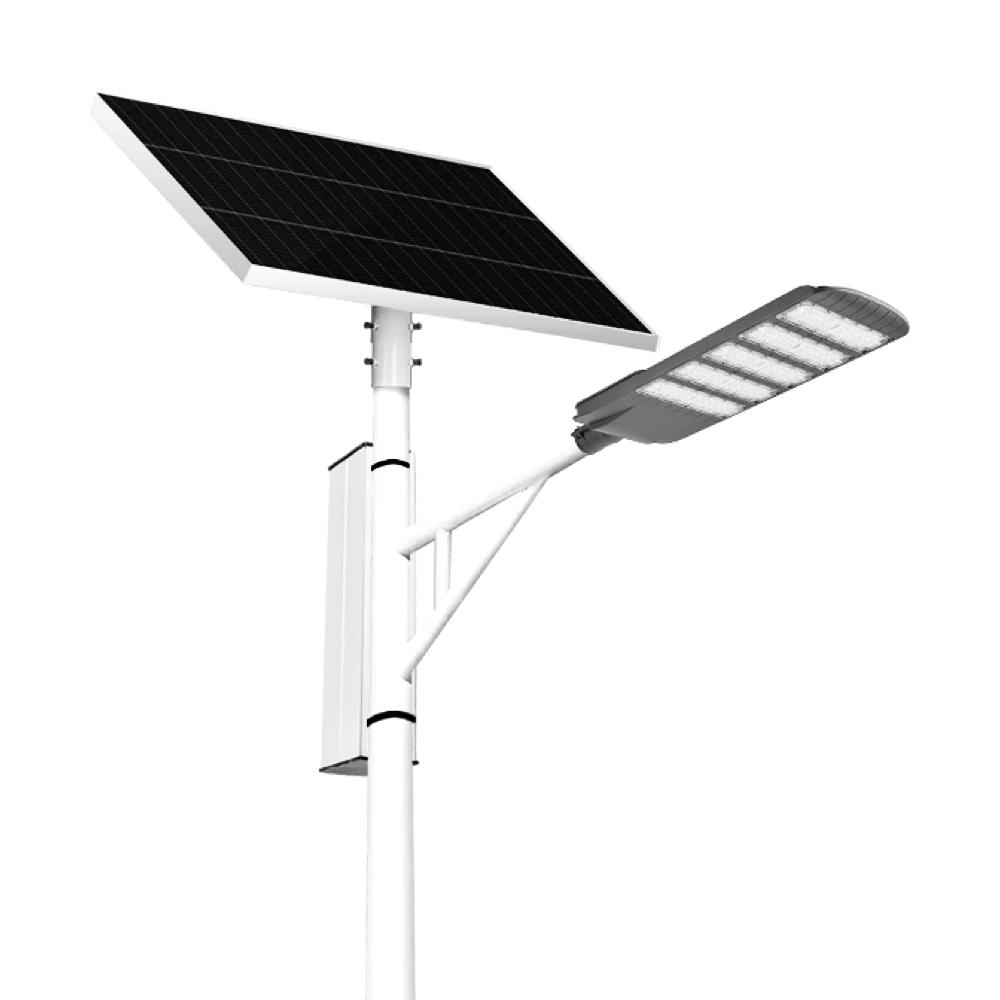
The Solar Streetlights of Luhao for Municipalities are designed to deliver reliable, energy-efficient, and cost-effective public lighting solutions. Equipped with advanced LED technology, durable lithium batteries, and high-efficiency solar panels, these streetlights provide consistent illumination for roads, parks, residential areas, and government projects.
Our professional team is ready to answer any questions and provide personalized support for your project.
You can reach us via phone or email to learn more about Queneng’s solar lighting solutions. We look forward to working with you to promote clean energy solutions!
Rest assured that your privacy is important to us, and all information provided will be handled with the utmost confidentiality.
By clicking 'Send Inquiry Now' I agree to Queneng processing my personal data.
To see how to withdraw your consent, how to control your personal data and how we process it, please see our Privacy Policy and Terms of use.
Schedule a Meeting
Book a date and time that is convenient for you and conduct the session in advance.
Have more questions about our products or services?
The messenger of light & power conversion
Environmental protection and intelligent manufacturing are our brand philosophy, and quality assurance and the best user experience are our eternal promises to users.
CONTACT
No.9F, Building F, Cao San Xin Tian Hong Logistics Park, Guzhen Town, Zhongshan City, Guangdong Province, China.
or write [email protected]
WhatsApp: +86 136 2270 1011


