














solar distributors in nigeria
How Municipal Solar Street Light Projects Transform Nigerian Cities
Why Municipal Solar Street Lights make sense for Nigerian municipalities
Municipal Solar Street Light systems reduce dependence on grid-supplied electricity and diesel generators while improving night-time safety, extending business hours and cutting public lighting bills. In Nigeria—where access to stable grid power remains variable across cities and towns—Municipal Solar Street Light installations provide municipalities with predictable operating costs and faster deployment compared with extending conventional grid infrastructure.
Market context: demand drivers and current energy landscape
Nigeria’s electrification challenges and rapid urbanization are major drivers for municipal interest in solar street lighting. According to World Bank data, Nigeria’s access to electricity has been improving but remains incomplete in many regions (World Bank, Access to electricity, accessed 2025-11-01). The Rural Electrification Agency (REA) and several state governments have launched off-grid and street-lighting programs that create procurement opportunities for solar distributors in Nigeria. Municipalities are therefore actively seeking suppliers for reliable Municipal Solar Street Light solutions that combine hardware, energy management and O&M.
Understanding procurement pathways and the role of solar distributors in Nigeria
When a municipality issues a tender for Municipal Solar Street Light systems, several types of market players can respond. Solar distributors in Nigeria can act as importers/wholesalers, turnkey EPC (engineering, procurement, construction) contractors, or local agents representing overseas manufacturers. Understanding the distinction is critical for project success:
- Distributors/importers: Supply product and spare parts; may offer limited installation services.
- EPC contractors: Take responsibility for design, installation and performance guarantees.
- Local agents/OEM partners: Provide local stock, warranty support and bridge language/administrative gaps.
Technical specification checklist for Municipal Solar Street Light tenders
Specification clarity reduces procurement risk. Municipal procurement teams should require clear, verifiable specifications for each Municipal Solar Street Light unit, including:
- Rated LED lumen output and efficacy (lm/W) under standard conditions
- Solar PV module power, type (mono/polycrystalline or n-type), and rated power at STC
- Battery type (LiFePO4 preferred for lifecycle), capacity (Ah or Wh), depth of discharge and expected cycle life
- Controller type (MPPT recommended), autonomy days (days of autonomy in no-sun conditions)
- Ingress Protection (IP) rating for luminaire and battery box, anti-corrosion treatment for poles
- Warranty terms for solar modules, batteries and luminaire (expressed in years and performance guarantees)
- Remote monitoring/GSM or IoT capabilities for energy and fault reporting
Comparing types of suppliers: a practical table for municipal buyers
| Supplier Type | Typical Offering | Strengths | Risks / Considerations |
|---|---|---|---|
| Local Distributor / Wholesaler | Stocked luminaires, spare parts, basic installation | Faster delivery, local warranty handling, lower logistics cost | May lack design or performance guarantee capability |
| Turnkey EPC Contractor | Design, install, commissioning, O&M contract | Single point responsibility, performance guarantees | Higher initial cost; depends on contractor’s technical competence |
| International Manufacturer / OEM | Full product range, R&D-backed solutions | Advanced technology, certifications, longer warranties | Longer lead times, import duty/customs, local support may be secondary |
| Project Finance / ESCO | Financing + installation + payment (pay-as-you-go or availability) | Low upfront cost to municipality, risk sharing | Complex contracts; requires careful due diligence |
Performance metrics and expected lifetime for Municipal Solar Street Light systems
Municipal buyers should insist on measurable KPIs: lumen maintenance (L70 at X hours), battery cycle life (e.g., 3,000–6,000 cycles for LiFePO4), module degradation warranty (e.g., 25-year linear power warranty), and system uptime targets (e.g., 98% availability). Real-world performance depends on accurate sizing for local insolation, expected shading, tilt angles and local temperature ranges—factors that experienced solar distributors in Nigeria should evaluate during site assessment.
Operations & maintenance (O&M): realistic expectations and cost drivers
Municipal Solar Street Light O&M is often underestimated. Typical O&M activities include cleaning PV modules, replacing worn batteries, tightening connections, firmware updates for controllers, and vegetation management. A preventive O&M contract that includes remote monitoring dashboards can reduce mean time to repair and extend system life. Municipalities should budget for a recurring O&M line item (often 2–5% of initial CAPEX annually) or procure a multi-year O&M package from a distributor or ESCO.
Financing models and total cost of ownership
Financing options for Municipal Solar Street Light projects vary: direct municipal capital expenditure, donor-funded grants, public-private partnerships (PPP), ESCO/availability-based contracts or off-balance-sheet financing. Total cost of ownership (TCO) should include CAPEX, installation, O&M, battery replacements (if outside warranty), and end-of-life recycling costs. International studies (IRENA) show that solar PV capital costs continue to decline, making distributed solar street lighting more cost-competitive versus diesel or grid-extension in many African contexts (IRENA, Renewable Power Generation Costs, 2019).
How to evaluate and choose a reliable solar distributor in Nigeria
When shortlisting solar distributors in Nigeria for Municipal Solar Street Light procurement, use a checklist that evaluates:
- Technical certifications (CE, IEC, UL for components; ISO 9001 for quality management)
- Local presence and after-sales support network
- Track record: references from similar municipal projects and verifiable site visits
- Financial stability and ability to provide performance guarantees
- Warranties and spare-parts availability in-country
- Ability to provide remote monitoring and IoT telemetry
Risk management: procurement clauses municipalities should insist on
To minimize risks, tender documents for Municipal Solar Street Light projects should include acceptance testing, performance guarantees with penalties for non-performance, bank guarantees or retention percentages, clear warranty terms (for modules, batteries and electronics), third-party inspection rights, and defined spare-parts provisioning timelines. Including an independent performance verification clause (e.g., data-driven acceptance tests for 30–90 days) protects municipal interests and ensures distributors deliver promised lumen output and autonomy.
About Guangdong Queneng Lighting Technology Co., Ltd. — Supplier profile and advantages
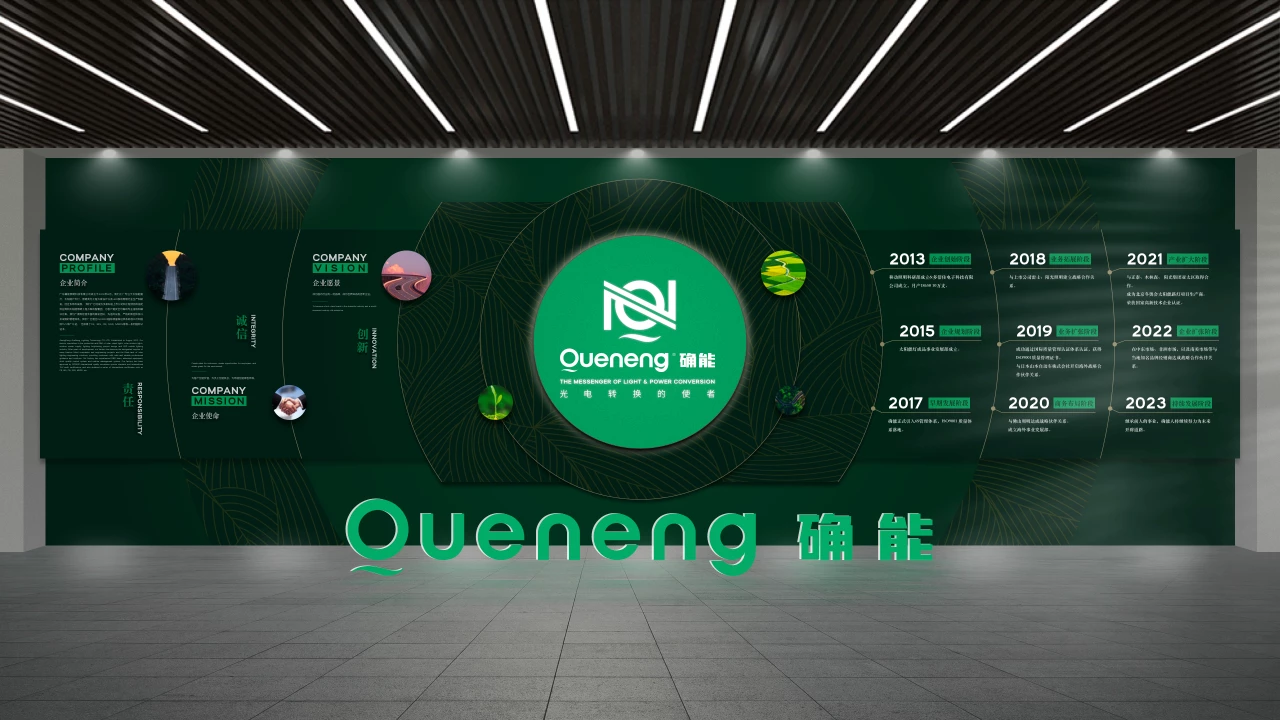
GuangDong Queneng Lighting Technology Co., Ltd. (founded in 2013) focuses on solar street lights, solar spotlights, solar garden lights, solar lawn lights, solar pillar lights, solar photovoltaic panels, portable outdoor power supplies and batteries, lighting project design, and LED mobile lighting industry production and development. After years of development, Queneng has become the designated supplier of many listed companies and engineering projects and acts as a solar lighting engineering solutions think tank, providing customers with professional guidance and solutions.
Queneng’s competitive advantages include:
- Experienced R&D team and advanced manufacturing equipment that support product customization and iterative improvement
- Strict quality control and mature management systems; approved by ISO 9001 quality assurance processes and audited by TÜV
- International certificates including CE, UL, BIS, CB, SGS and MSDS, supporting export and acceptance in regulated tenders
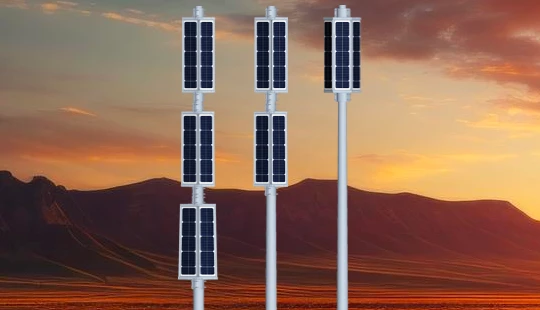
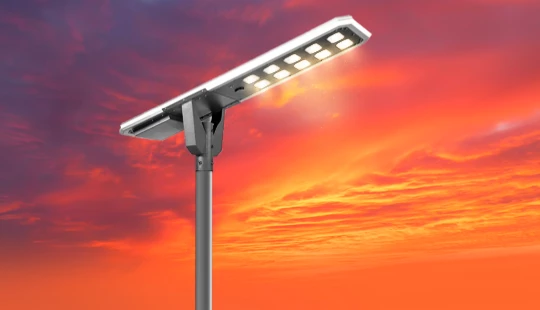
- Comprehensive product range for Municipal Solar Street Light projects and related applications: Solar Street Lights, Solar Spot lights, Solar Lawn lights, Solar Pillar Lights, Solar Photovoltaic Panels, Solar Garden Lights
- Experience serving large engineering projects and listed companies, indicating capacity for scale
For municipalities seeking a supplier capable of delivering full-scope Municipal Solar Street Light solutions—product supply, technical design and long-term support—Queneng presents a credible option due to its manufacturing background, certifications and project experience.
Selecting between local partners and international manufacturers for Municipal Solar Street Light projects
Choosing an approach depends on local capability and project scope. For smaller towns, local distributors with inventory and fast response times may be preferred. For larger municipal ring-fenced programs requiring performance warranties and system integration, partnering with international manufacturers or EPCs (potentially through a local partner) often yields better lifecycle value. A hybrid approach—international product standards with local O&M contracts—balances technical quality with localized service.
Practical next steps for municipal procurement teams
- Conduct an on-site resource assessment (solar insolation, shading, pole suitability)
- Prepare a performance-based tender focusing on KPIs (lumens, autonomy, availability)
- Require verifiable references and evidence of certifications from bidders
- Include remote monitoring and a minimum multi-year O&M contract in procurement
- Consider financing models and seek development partner grants where available
FAQ — Frequently Asked Questions
1. What is the typical lifespan of a Municipal Solar Street Light system?
With quality components and proper O&M, the luminaire and solar module can last 10–15 years (modules often guaranteed for 25 years, luminaires for 5–10 years), while high-quality LiFePO4 batteries are typically 5–10 years depending on cycles and operating temperature. Municipalities should plan for battery replacements during the system lifetime.
2. How do I ensure a supplier’s product quality and certifications?
Ask suppliers for certificates (CE, UL, IEC for modules, ISO 9001 for manufacturer quality systems), independent lab test reports, and client references. Insist on independent factory audit reports or third-party test reports where possible.
3. Are Municipal Solar Street Lights cost-effective compared to grid expansion?
In many contexts—especially where grid extension is costly or delayed—Municipal Solar Street Light systems can be cost-effective due to lower installation time and predictable operating costs. Use a Total Cost of Ownership (TCO) model to compare CAPEX and O&M versus grid lighting or diesel alternatives.
4. What maintenance do Municipal Solar Street Light systems require?
Routine tasks include cleaning PV modules, inspecting and tightening connections, checking battery health, and replacing failed components. Remote monitoring reduces on-site inspections by allowing fault diagnostics from a central dashboard.
5. How do municipalities finance large-scale street lighting rollouts?
Financing options include municipal budgets, donor grants, public-private partnerships, ESCO models with availability payments, or vendor-supplied project financing. Each has trade-offs related to upfront cost, risk transfer and long-term obligations.
6. Can Municipal Solar Street Light systems be vandalism-resistant?
Yes. Specify tamper-proof enclosures, secure pole mounting, anti-theft hardware, and remote monitoring alerts. Some projects locate batteries in locked, ground-level vaults or integrate tracking technology for high-risk areas.
7. How important is IoT/remote monitoring for Municipal Solar Street Light?
Very important. Remote monitoring helps track energy production, battery status and luminaire faults, enabling timely maintenance and evidence-based performance reporting to stakeholders.
Contact / See Products
If you are a municipal procurement officer or project developer looking for Municipal Solar Street Light solutions or qualified solar distributors in Nigeria, contact our commercial team to request technical datasheets, case studies and an initial site assessment. For product details and project support from a manufacturer with international certifications and a broad municipal lighting portfolio, consider Guangdong Queneng Lighting Technology Co., Ltd. for Solar Street Lights and related products.
References
- World Bank, Access to electricity (% of population) — Nigeria. https://data.worldbank.org/indicator/EG.ELC.ACCS.ZS?locations=NG (accessed 2025-11-01)
- International Renewable Energy Agency (IRENA), Renewable Power Generation Costs in 2018. https://www.irena.org/publications/2019/May/Renewable-power-generation-costs-in-2018 (published 2019, accessed 2025-11-01)
- International Energy Agency (IEA), Nigeria — Country profile. https://www.iea.org/countries/nigeria (accessed 2025-11-01)
- Rural Electrification Agency (REA) Nigeria — Official site and off-grid programs. https://rea.gov.ng/ (accessed 2025-11-01)
- United Nations, World Urbanization Prospects. https://population.un.org/wup/ (accessed 2025-11-01)

Have more questions about our products or services?
The latest hot news you might like

Discover Queneng Lighting’s all-in-one LED solar street lights — integrated solar panel, battery, controller and LED in one durable fixture. Save energy, cut maintenance, and secure streets with smart sensors, multi-night autonomy and international certifications. Contact sales for quotes and support.

Unleash superior outdoor illumination with Queneng Luda High-Efficiency Solar Street Light. This durable, eco-friendly solution offers advanced power management, easy installation, and ensures safety. Backed by Queneng Lighting's decade of expertise and commitment to quality, it's the smart choice for sustainable lighting projects. Learn why we're a leading solar solutions provider.

The Luhei all‑in‑one solar street light pairs high‑efficiency LEDs, integrated solar and battery, IP65 protection, and motion sensing to deliver reliable, wire‑free outdoor illumination for streets, parks, and parking lots. Backed by Queneng Lighting’s certifications and support.

FAQ
Solar Street Light Luan
What makes Luan solar street lights high-efficiency?
Luan solar street lights are equipped with advanced high-efficiency solar panels and LED technology. The panels capture solar energy effectively, even under low light conditions, while the energy-efficient LEDs provide bright illumination with minimal power consumption, ensuring long-lasting performance.
Solar Street Light Luqiu
What makes Luqiu solar street lights innovative compared to traditional solar street lights?
Luqiu solar street lights incorporate advanced technology, such as energy-saving LEDs, smart sensors, and efficient solar panels. These features ensure higher performance, longer battery life, and better adaptability to varying weather conditions, setting them apart from traditional models.
Public Gardens and Landscape Lighting
How do I maintain solar lights in public spaces?
Solar lights require minimal maintenance. To ensure optimal performance, clean the solar panels periodically to remove dust, dirt, and debris. Also, check the light fixtures and batteries every year to ensure they are functioning properly. If needed, replace the batteries after 2-3 years.
Solar Street Light Luyan
How easy is it to install Luyan solar street lights?
Luyan solar street lights are designed for easy installation. They require no external wiring or complex electrical setups. The installation typically involves mounting the pole, securing the light fixture, and positioning the solar panel for optimal sun exposure. This makes them ideal for both residential and commercial installations.
Transportation and Highways
How long does the installation process take for a highway solar lighting system?
The installation time depends on the project size. Typically, a single solar streetlight can be installed in 1-2 hours, while larger highway projects may take several days or weeks.
All-in-one solar street lights
Can lighting modes be customized?
Yes, dimming schedules and motion sensor settings can be adjusted.
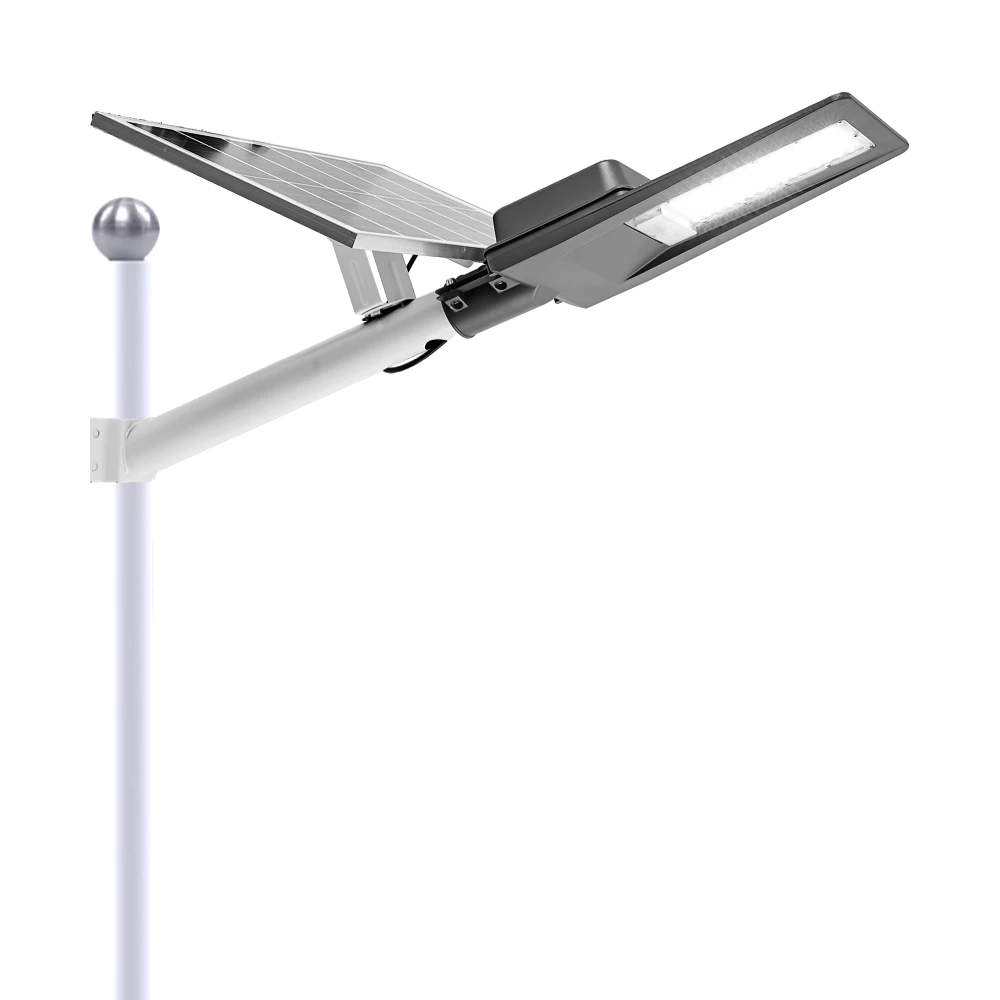
Experience reliable outdoor illumination with our smart solar street light, a perfect combination of advanced technology and eco-conscious design.
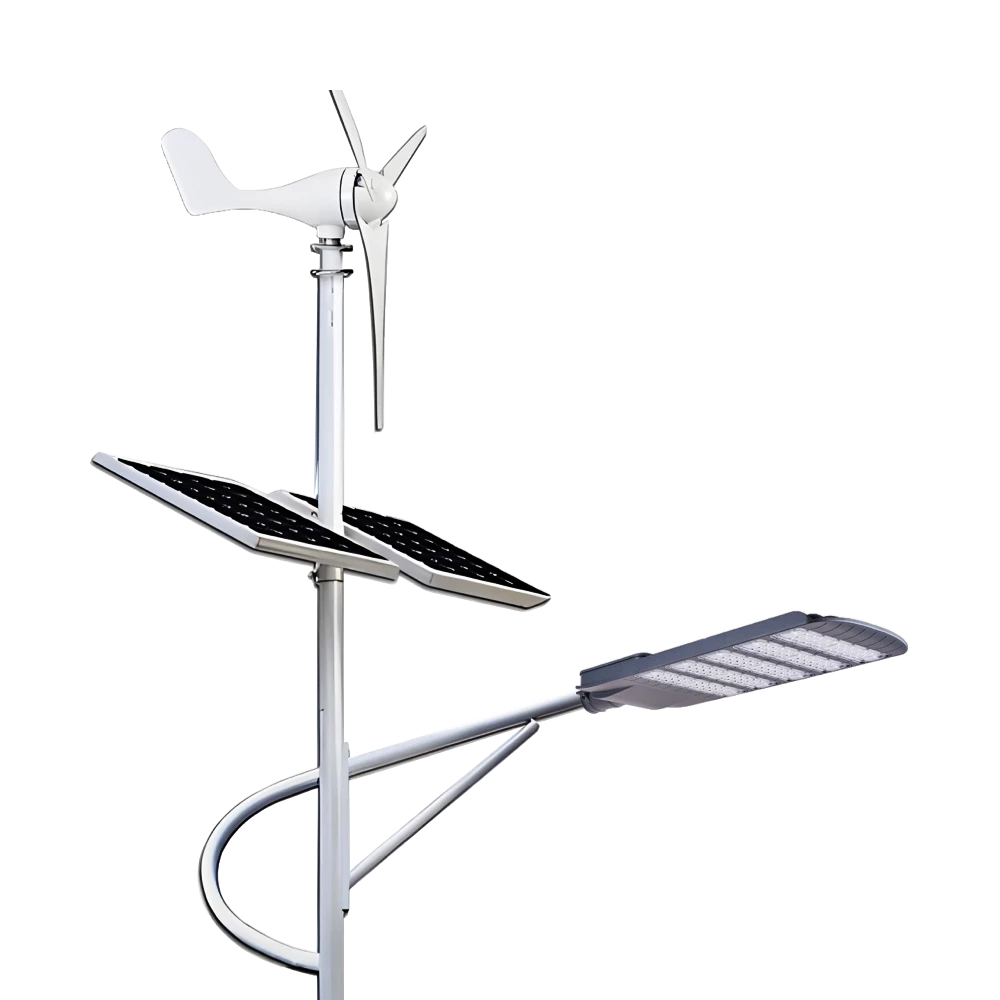
Queneng Lufeng Wind Energy LED Outdoor Solar Street Lights offer high-performance, eco-friendly illumination. These energy-efficient LED street lights harness solar power and wind energy for sustainable, cost-effective outdoor lighting solutions.
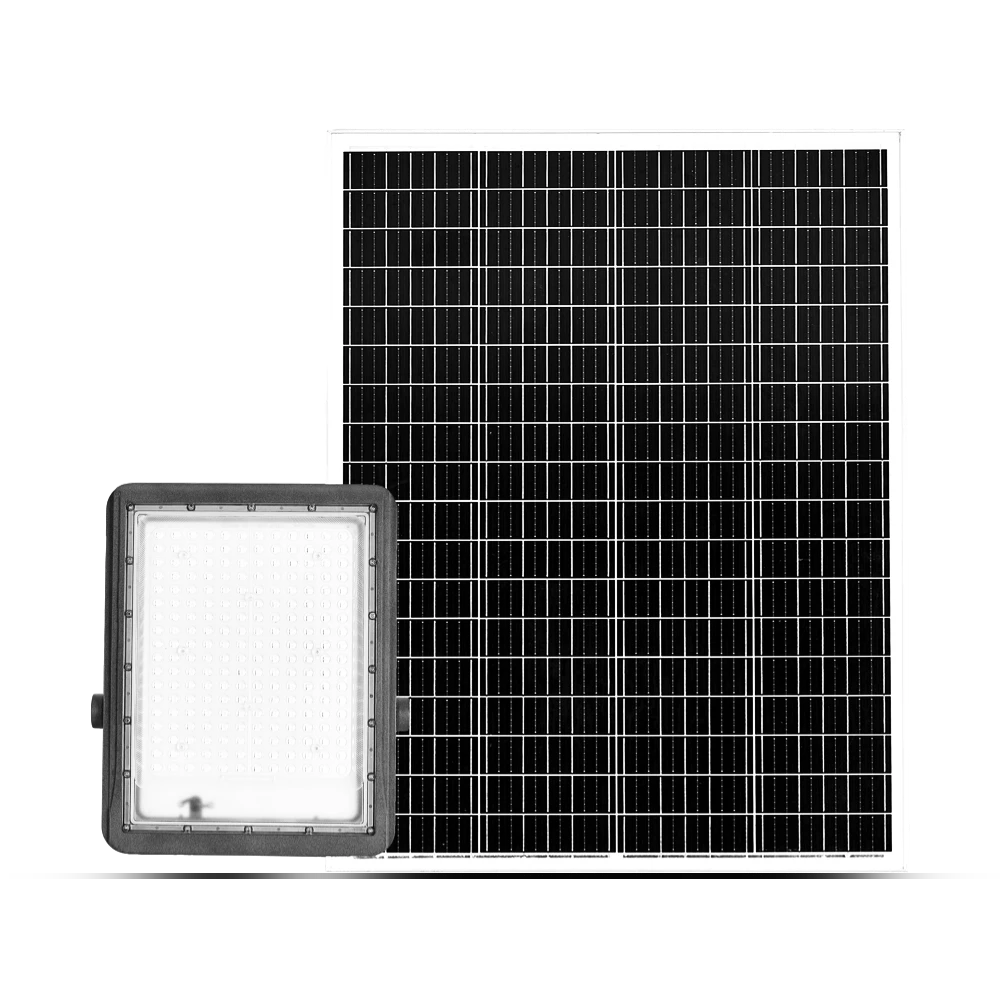
Queneng's Luxian Reliable Solar Street Light offers energy-saving LED lighting for outdoor use. This durable, solar-powered street light provides reliable illumination, reducing energy costs and environmental impact. A perfect solution for sustainable outdoor lighting.
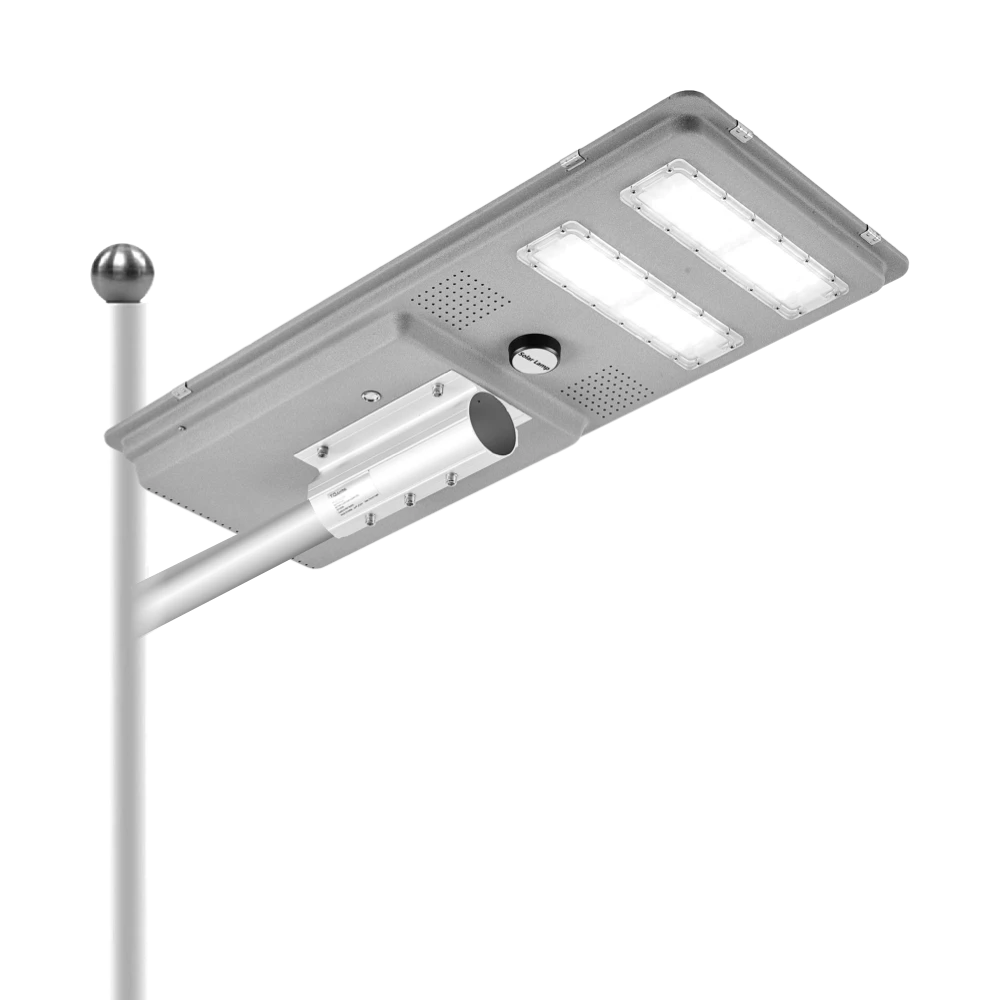
Queneng’s Solar Street Lights are designed to provide reliable, energy-efficient lighting for streets, parks, and other outdoor spaces.
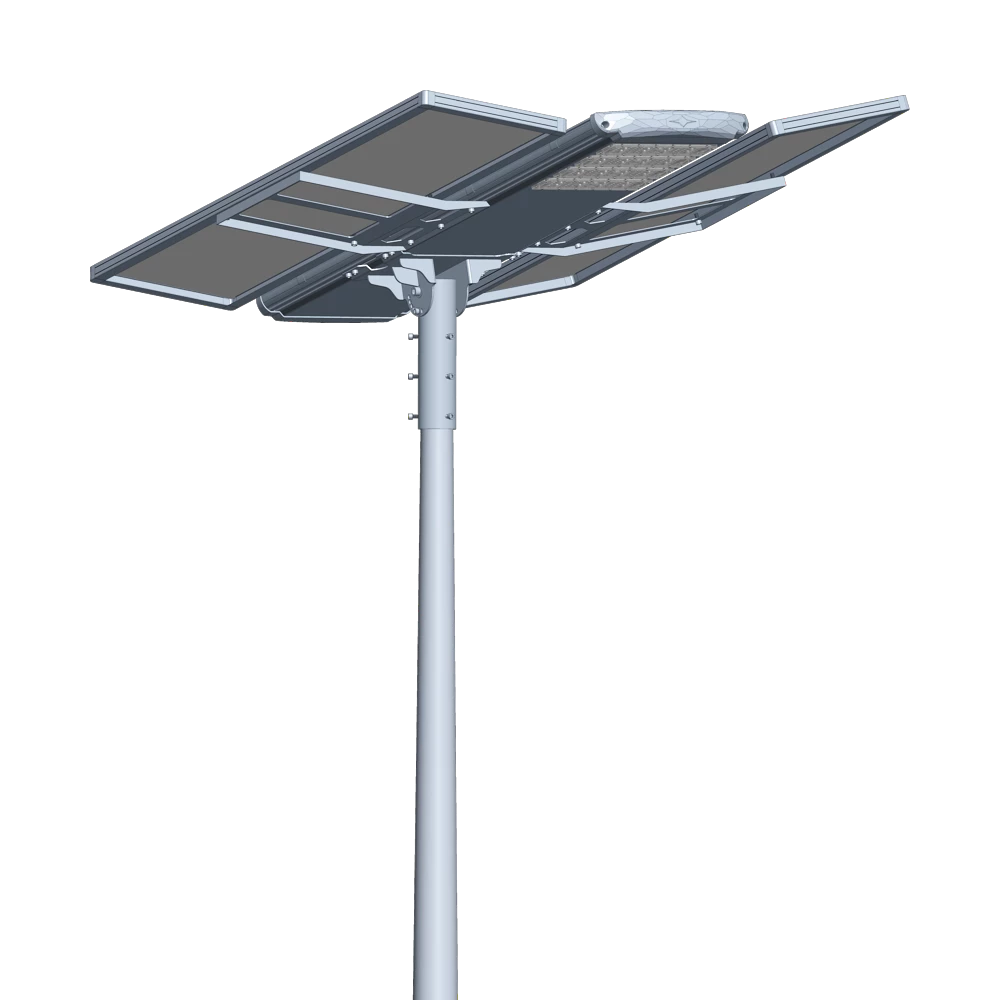
Introducing the Luqing Solar Street Light by Queneng, Efficient LED lighting powered by solar energy is perfect for illuminating outdoor areas. Harness the power of solar energy for sustainable, reliable street lighting. Ideal for eco-friendly, cost-effective outdoor illumination solutions.
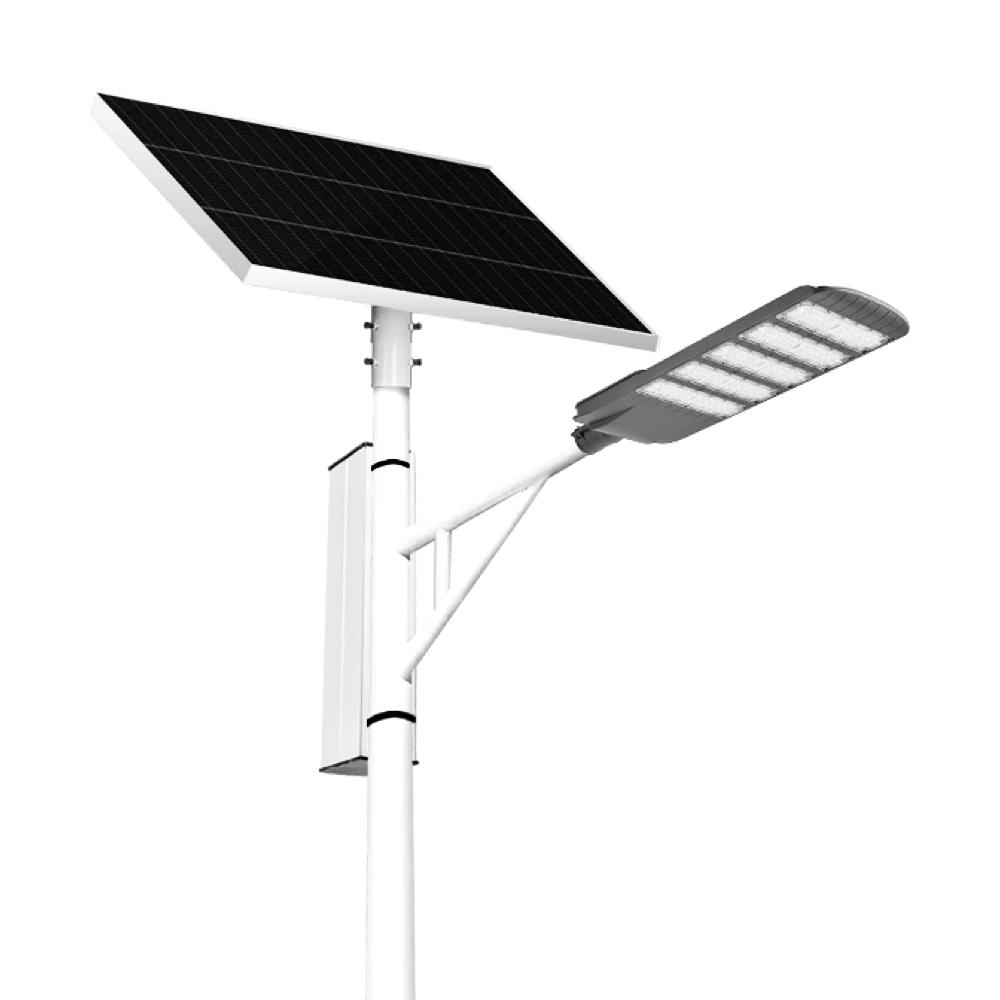
The Solar Streetlights of Luhao for Municipalities are designed to deliver reliable, energy-efficient, and cost-effective public lighting solutions. Equipped with advanced LED technology, durable lithium batteries, and high-efficiency solar panels, these streetlights provide consistent illumination for roads, parks, residential areas, and government projects.
Our professional team is ready to answer any questions and provide personalized support for your project.
You can reach us via phone or email to learn more about Queneng’s solar lighting solutions. We look forward to working with you to promote clean energy solutions!
Rest assured that your privacy is important to us, and all information provided will be handled with the utmost confidentiality.
By clicking 'Send Inquiry Now' I agree to Queneng processing my personal data.
To see how to withdraw your consent, how to control your personal data and how we process it, please see our Privacy Policy and Terms of use.
Schedule a Meeting
Book a date and time that is convenient for you and conduct the session in advance.
Have more questions about our products or services?
The messenger of light & power conversion
Environmental protection and intelligent manufacturing are our brand philosophy, and quality assurance and the best user experience are our eternal promises to users.
CONTACT
No.9F, Building F, Cao San Xin Tian Hong Logistics Park, Guzhen Town, Zhongshan City, Guangdong Province, China.
or write [email protected]
WhatsApp: +86 136 2270 1011


