

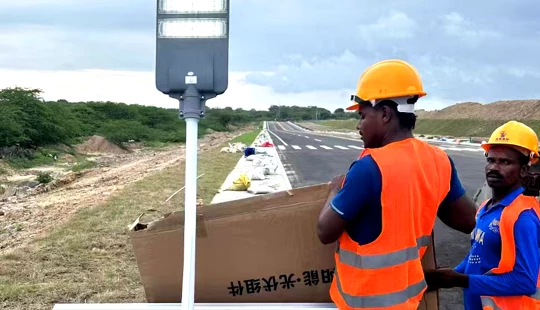
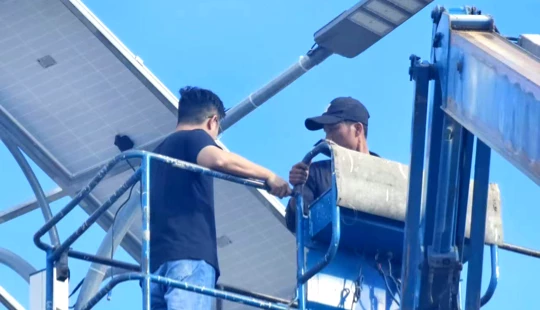













solar lights for home in nigeria
Reliable, efficient solar lighting for Nigerian homes — Municipal Solar Street Light applications
Nigeria's energy mix and unreliable grid supply make solar lighting an increasingly attractive option for households and communities. Municipal Solar Street Light systems are no longer limited to major roads and towns: they can be part of an integrated approach that improves household safety, extends productive hours, reduces fuel costs, and supports local development. This article focuses on practical, evidence-based guidance for choosing, sizing and maintaining solar lights for home use in Nigeria, with special attention to Municipal Solar Street Light solutions and how they intersect with residential needs.
Why Municipal Solar Street Light matters for Nigerian households
Municipal Solar Street Light projects have direct spillover benefits for households. Strategically placed street luminaires increase safety, reduce crime risk, and improve access to evening economic activity. For many Nigerian neighborhoods where grid supply is intermittent, municipal solar lighting complements household systems and reduces dependence on kerosene and noisy generators.
- Electricity access: According to World Bank data, a significant share of Nigeria's population remains underserved by reliable grid electricity, with frequent outages in many urban and peri-urban areas (World Bank, accessed 2024-05-01).
- Solar resource: Nigeria receives high solar irradiance (roughly 4–6 kWh/m2/day depending on location), making photovoltaic (PV) solutions cost-effective when properly designed (Global Solar Atlas, accessed 2024-04-28).
- Public–private synergies: Municipal Solar Street Light installations can be procured or co-funded to provide immediate neighborhood benefits while household systems handle internal demand.
Types of home solar lighting and where Municipal Solar Street Light fits
There is a wide range of solar lighting products relevant to Nigerian homes. Municipal Solar Street Light systems should be considered alongside these household options because they address outdoor, pathway and community lighting needs that household lights do not.
| Product type | Typical use | Typical lumen output | Battery/Autonomy | Where Municipal Solar Street Light adds value |
|---|---|---|---|---|
| Solar home system (SHS) with LED bulbs | Indoor lighting, phone charging | 200–2000 lm (per fixture) | 12–200 Wh to several kWh | Provides indoor lighting; street lights extend safety to outdoors |
| Solar garden/yard lights | Small yard, pathway | 50–400 lm | Integrated small battery, 1–2 nights | Good for private plots; municipal lights cover public walkways |
| Municipal Solar Street Light | Main roads, lanes, community alleys | 2000–15,000 lm (system) | 1–5 kWh system batteries; designed for multi-night autonomy | Delivers broad-area safety, traffic visibility, and durable public lighting |
| Solar spotlights / floodlights | Security, focal illumination | 500–5000 lm | Small to medium batteries; motion-sensor options save energy | Useful for property corners; municipal lights secure public zones |
| Portable solar lamps / lanterns | Low-cost personal lighting, emergency use | 10–500 lm | Small integrated battery, single-night use | Complementary for indoor mobility; not a public-light substitute |
Sources: product category specifications and irradiation data (Global Solar Atlas; market product listings; industry averages). Exact lumen and battery needs depend on local design and usage patterns.
Municipal Solar Street Light as part of a home-focused lighting strategy
For homeowners, Municipal Solar Street Light systems reduce the need for high-powered outdoor security lighting at private expense, support children’s study time in community spaces, and improve access to markets after sunset. When municipalities invest in well-designed solar street networks, they lower aggregate neighborhood energy costs and encourage safer, more active communities.
Design and sizing: selecting Municipal Solar Street Light and home systems
Good sizing is crucial. Oversized systems waste capital; undersized systems fail during cloudy spells. The design process follows clear steps and formulas that can be verified on a per-site basis.
Step-by-step sizing example for household-adjacent street lighting
- Estimate lighting demand: A 30 m street segment with 3 luminaires each needing 4000 lm (LED) at 120 lm/W implies ~33 W LED per luminaire (including driver losses). For three lights: 100 W continuous.
- Nightly energy use: 100 W × 12 hours = 1.2 kWh per night.
- Autonomy requirement: For 3 days autonomy -> 1.2 kWh × 3 = 3.6 kWh usable energy required.
- Account for depth-of-discharge (DoD) and system losses: With LiFePO4 battery and 90% round-trip efficiency, battery capacity = 3.6 kWh / 0.9 / 0.8 (80% DoD) ≈ 5.0 kWh total nominal battery capacity.
- Solar array sizing: Assume average daily solar yield 5 kWh/m2/day × panel yield factor for location = system average 5 kWh/kWp/day. To reliably generate 1.2 kWh/day and recharge battery for autonomy, you need approx. 1.2 kWh / 5 kWh/kWp ≈ 0.24 kWp; but accounting for inefficiencies, charging for autonomy and cloudy days, round to 0.6–1.0 kWp per segment. Final sizing should be verified on-site with irradiance data.
This simplified calculation shows the method; actual designs must use local irradiance data (Global Solar Atlas), temperature derating, wiring loss, inverter/controller efficiency, and anticipated load profiles.
Installation, maintenance and lifespan for Municipal Solar Street Light in Nigeria
Municipal Solar Street Light systems are engineered for durability but require planned maintenance to meet service life expectations.
- PV panels: Typical warranted output >25 years (power warranty ~80–90% at 25 years). Clean panels every 3–6 months in dusty regions improves performance (IEA, PV industry guidance).
- Batteries: Lithium (LiFePO4) 5–10+ years depending on cycles; sealed lead-acid typically 2–4 years. Select batteries with temperature tolerance suitable for local climate.
- LED drivers & electronics: Choose MPPT controllers with surge protection; ensure IP66 weather ratings for outdoor luminaries.
- Anti-theft and vandal-proofing: Tamper-resistant fastenings, secure battery boxes, community buy-in or municipal CCTV can reduce theft and damage.
- Maintenance schedule: Quarterly visual inspections, annual performance tests (battery state-of-health, PV output check), and replacement of consumables per manufacturer guidance.
Typical expected service life: PV modules 20–25+ years, LEDs 10–15 years (light output slowly degrades), batteries 3–10 years depending on chemistry and depth-of-discharge.
Financing, procurement standards and Municipal Solar Street Light compliance
Procurement for municipal and community solar lighting must balance upfront cost, lifecycle cost and quality. Options include direct CAPEX purchase, energy-as-a-service (OPEX) contracts, public–private partnerships, and donor-funded projects.
- Standards and certifications: Choose products meeting IEC, CE, UL or national standards. For Nigeria, engage with Standards Organization of Nigeria (SON) requirements for electrical products (SON, accessed 2024-05-10).
- Quality over lowest price: Products with international certifications (ISO 9001, TÜV, CE, UL, BIS, CB, SGS) demonstrate tested design and manufacturing controls.
- Warranty and service: Ensure battery and solar module warranties are clear. Typical warranty expectations: PV modules (≥25 years performance warranty), batteries (2–10 years depending on chemistry), luminaire (3–5 years minimum).
Why GuangDong Queneng Lighting Technology Co., Ltd. is a strong partner for Municipal Solar Street Light projects
GuangDong Queneng Lighting Technology Co., Ltd. (founded in 2013) focuses on a wide range of solar lighting products and systems, including Municipal Solar Street Light solutions. After years of development, Queneng has become a designated supplier for listed companies and engineering projects, operating as a solar lighting engineering solutions think tank offering design guidance and turnkey solutions.
Key strengths and competitive differentiators:
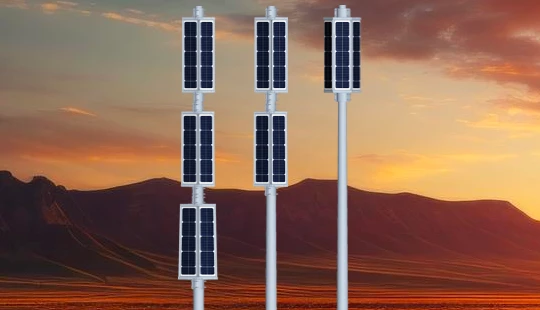
- Broad product portfolio: Solar Street Lights, Solar Spot lights, Solar Lawn lights, Solar Pillar Lights, Solar Photovoltaic Panels, Solar Garden Lights — enabling end-to-end systems across public and private spaces.
- Technical and manufacturing capability: Experienced R&D team, advanced equipment, and strict quality control processes.
- Certifications and compliance: Approved by ISO 9001, audited by TÜV, and holding international certificates such as CE, UL, BIS, CB, SGS, MSDS — supporting procurement compliant with international and national requirements.
- Project and engineering expertise: Proven supplier relationships with large enterprises and engineering projects indicate capacity for large municipal deployments and coordinated maintenance plans.
Queneng's strengths make it well-suited for both municipal projects and household-focused deployments where municipal lighting complements home systems. For municipalities and communities in Nigeria seeking reliable Municipal Solar Street Light solutions, working with an experienced, certified supplier reduces technical risk and lifecycle cost.
Municipal Solar Street Light: cost factors and sample budget considerations
Costs vary widely depending on luminaire size, pole height, battery chemistry, and civil works. The most significant cost components are PV modules, batteries, poles/structure, controllers/MPPT, and installation labor.
| Component | Typical cost drivers | Notes |
|---|---|---|
| PV modules | Watt-peak rating, brand, temperature coefficient | High-quality modules reduce degradation and maintenance over 20+ years |
| Batteries | Chemistry (LiFePO4 vs lead-acid), cycle life, DoD | LiFePO4 higher upfront cost but lower lifecycle cost |
| Poles & civil works | Pole height, foundation, transport, local labor | Often significant in urban retrofits |
| Controllers & electronics | MPPT, protection, smart controls (dimming, remote monitoring) | Remote monitoring reduces O&M cost |
| Installation & O&M | Technical team, training, spares | Include 3–5 years of O&M in project budgeting |
For municipalities and community planners, procuring systems with remote monitoring and quality warranties often yields lower total cost of ownership than cheap, low-quality alternatives.
FAQs — Municipal Solar Street Light for home use in Nigeria
- 1. Can Municipal Solar Street Light systems replace household solar systems?
- Municipal Solar Street Light systems are designed for outdoor public lighting and complement rather than replace household solar systems. Households should still consider stand-alone home solar systems for indoor lighting and appliances.
- 2. How long will a Municipal Solar Street Light run each night?
- Run-time depends on system design: typical municipal systems are designed to provide 10–12 hours per night with multi-day autonomy for cloudy conditions. Dimming strategies and motion sensors can extend operation.
- 3. What battery type is best for Nigeria's climate?
- LiFePO4 (lithium iron phosphate) batteries are preferred for their cycle life, safety, and higher usable DoD. However, cost and local maintenance capabilities must be considered. Proper thermal management is essential in hot climates.
- 4. How do municipalities finance Municipal Solar Street Light projects?
- Financing options include municipal budgets (CAPEX), public–private partnerships, energy-as-a-service contracts, donor/grant funding, and climate finance instruments. Lifecycle cost analysis typically favors higher-quality systems with lower O&M.
- 5. Are there standards I should require in procurement?
- Yes — require module performance warranties (≥25 years performance), battery warranties, and product certifications such as IEC, CE, UL or local equivalents. For Nigeria, ensure compliance with Standards Organization of Nigeria (SON) where applicable.
- 6. How can households request Municipal Solar Street Light installations?
- Households can petition local government, community associations, or seek partnered projects with private suppliers and NGOs. Demonstrating community demand and co-funding options often accelerates municipal uptake.
Want a tailored design or quotation for Municipal Solar Street Light systems that support home and community needs in Nigeria? Contact GuangDong Queneng Lighting Technology Co., Ltd. for consultation and product information. Visit their product lines for Solar Street Lights, Solar Spot lights, Solar Lawn lights, Solar Pillar Lights, Solar Photovoltaic Panels and Solar Garden Lights. Request a project proposal or ROI calculation tailored to your location and load profile.
References and further reading
- World Bank — Access to electricity (% of population) — Nigeria: https://data.worldbank.org/indicator/EG.ELC.ACCS.ZS?locations=NG (accessed 2024-05-01)
- International Energy Agency (IEA) — Nigeria country profile and energy overview: https://www.iea.org/countries/nigeria (accessed 2024-04-30)
- Global Solar Atlas — Nigeria solar resource maps and statistics: https://globalsolaratlas.info/country/nigeria (accessed 2024-04-28)
- Standards Organization of Nigeria (SON): https://son.gov.ng (accessed 2024-05-10)
- Wikipedia — Solar street light (overview of typical components and uses): https://en.wikipedia.org/wiki/Solar_street_light (accessed 2024-03-20)
- GuangDong Queneng Lighting Technology Co., Ltd. — company overview and product capabilities (company-provided information summarized in article)
For project inquiries, specifications, or to request design assistance for Municipal Solar Street Light systems that improve household outcomes across Nigerian communities, contact GuangDong Queneng Lighting Technology Co., Ltd. for certified solutions and engineering support.

Have more questions about our products or services?
The latest hot news you might like

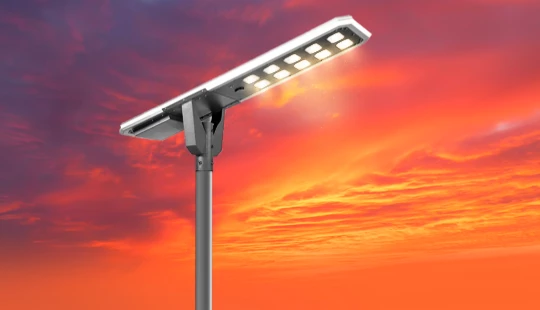
Discover Queneng Lighting’s all-in-one LED solar street lights — integrated solar panel, battery, controller and LED in one durable fixture. Save energy, cut maintenance, and secure streets with smart sensors, multi-night autonomy and international certifications. Contact sales for quotes and support.

Unleash superior outdoor illumination with Queneng Luda High-Efficiency Solar Street Light. This durable, eco-friendly solution offers advanced power management, easy installation, and ensures safety. Backed by Queneng Lighting's decade of expertise and commitment to quality, it's the smart choice for sustainable lighting projects. Learn why we're a leading solar solutions provider.

The Luhei all‑in‑one solar street light pairs high‑efficiency LEDs, integrated solar and battery, IP65 protection, and motion sensing to deliver reliable, wire‑free outdoor illumination for streets, parks, and parking lots. Backed by Queneng Lighting’s certifications and support.

FAQ
Battery Performance and Testing
What is the power output of the battery?
The smaller the internal resistance of the battery, the higher the output power. The internal resistance of the battery should be smaller than the internal resistance of the electrical appliance. Otherwise, the power consumed by the battery itself will be greater than the power consumed by the electrical appliance, which is uneconomical and may damage the battery.
Solar Street Light Luyi
Can Luyi solar street lights function in areas with cloudy or rainy weather?
Yes, Luyi solar street lights are designed to function efficiently even in cloudy or rainy weather. The high-efficiency solar panels can still capture and store energy in low-light conditions, ensuring that the lights remain operational throughout the night. The system is equipped with a large enough battery to store energy for extended periods, making them reliable even on overcast days.
Solar Street Light Luda
What are the key benefits of using LED lights in Luda solar street lights?
LED lights used in Luda solar street lights are highly energy-efficient, providing bright illumination while using less power compared to traditional lighting solutions. LEDs also have a longer lifespan, reducing the need for frequent bulb replacements, and they generate less heat, further enhancing their energy efficiency and performance in outdoor conditions.
Solar Street Light Chuanqi
How do the solar panels in Chuanqi street lights store energy?
The solar panels in Chuanqi solar street lights collect sunlight during the day and convert it into electrical energy, which is stored in high-capacity lithium-ion batteries. The stored energy is then used to power the LED lights at night, ensuring continuous illumination even when the sun is not shining. This energy storage system ensures the lights work autonomously without relying on an external power source.
All-in-one solar street lights
Can these lights operate in rainy seasons?
Properly designed systems can work for several cloudy or rainy days continuously.
APMS system
How does the APMS system enhance battery life?
With its dual-system intelligent management mode, APMS reduces frequent charge-discharge cycles, optimizes energy usage, and significantly extends battery lifespan.
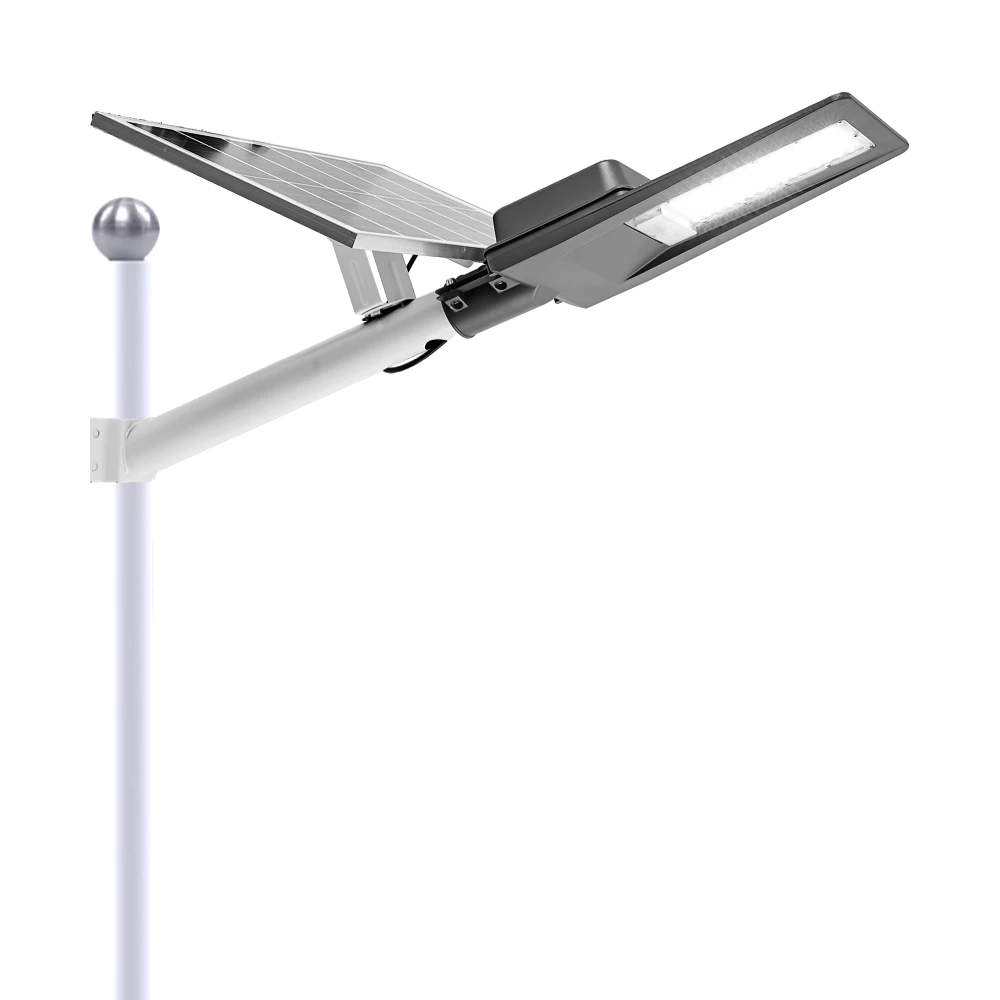
Experience reliable outdoor illumination with our smart solar street light, a perfect combination of advanced technology and eco-conscious design.
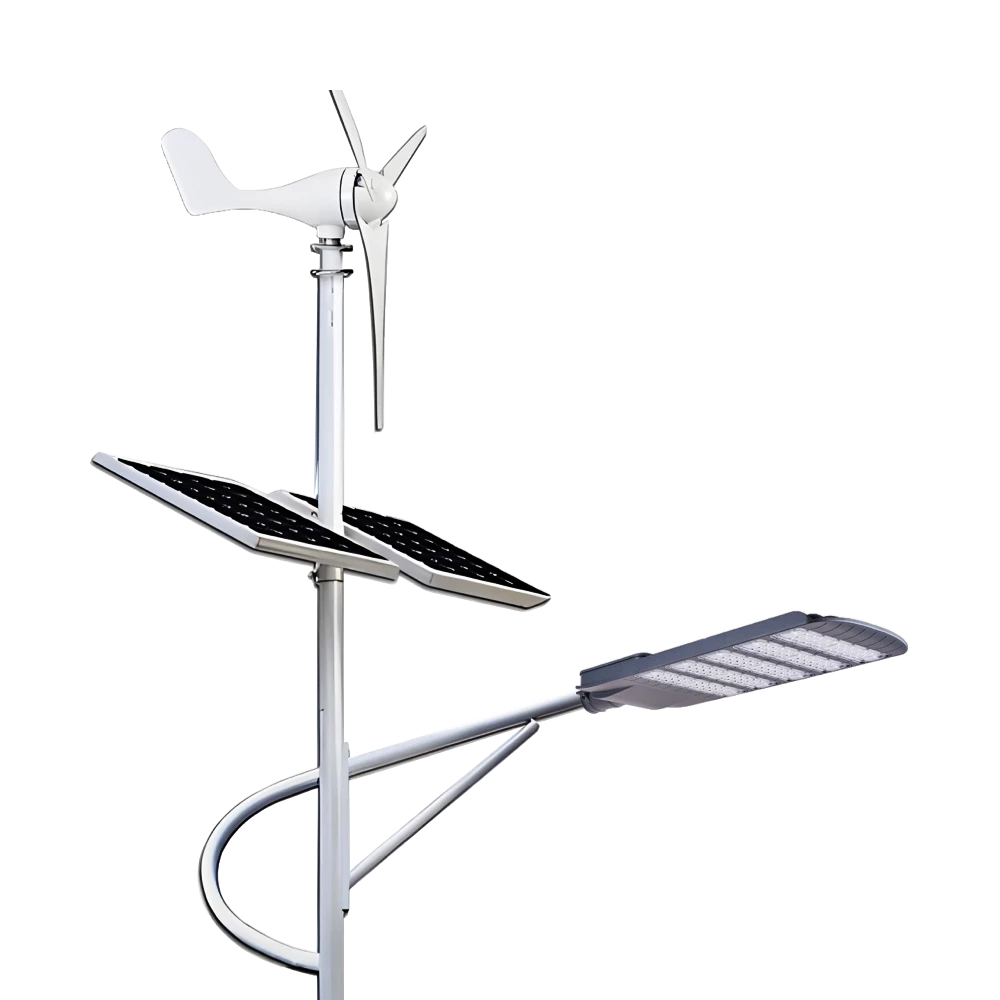
Queneng Lufeng Wind Energy LED Outdoor Solar Street Lights offer high-performance, eco-friendly illumination. These energy-efficient LED street lights harness solar power and wind energy for sustainable, cost-effective outdoor lighting solutions.
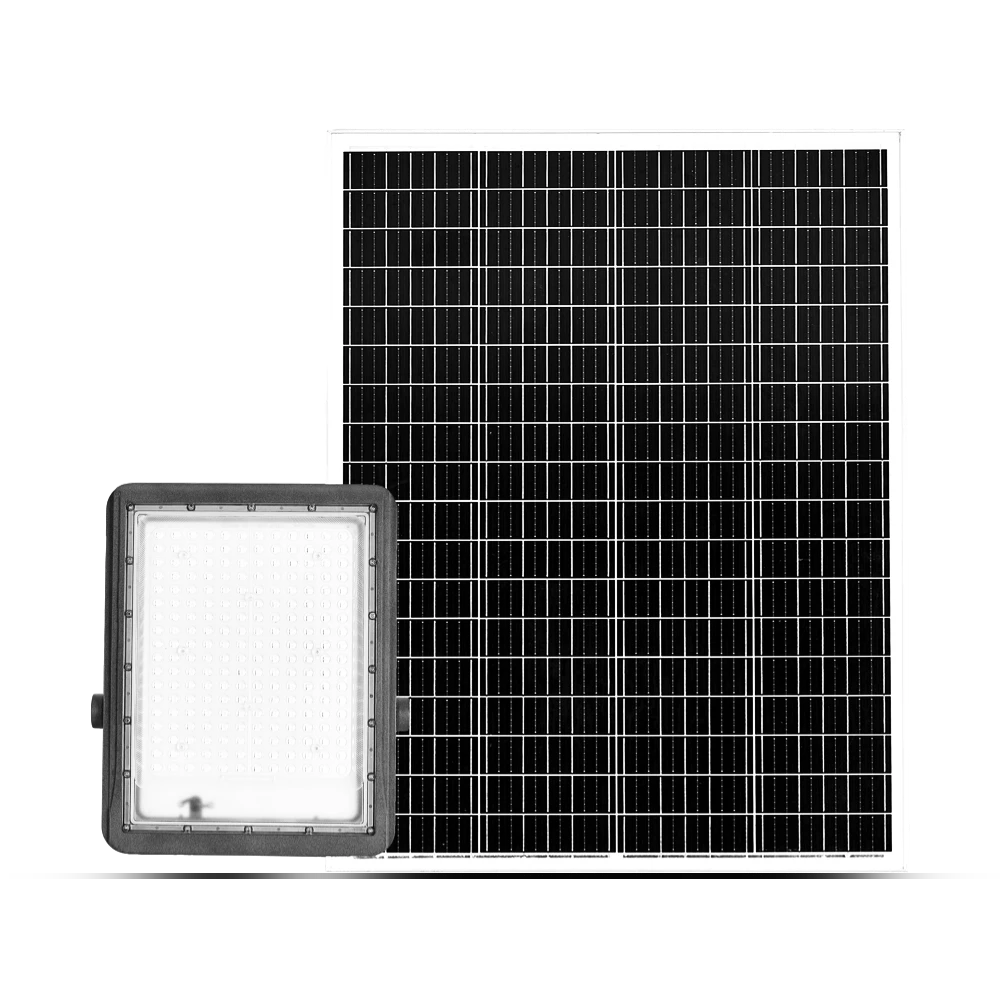
Queneng's Luxian Reliable Solar Street Light offers energy-saving LED lighting for outdoor use. This durable, solar-powered street light provides reliable illumination, reducing energy costs and environmental impact. A perfect solution for sustainable outdoor lighting.
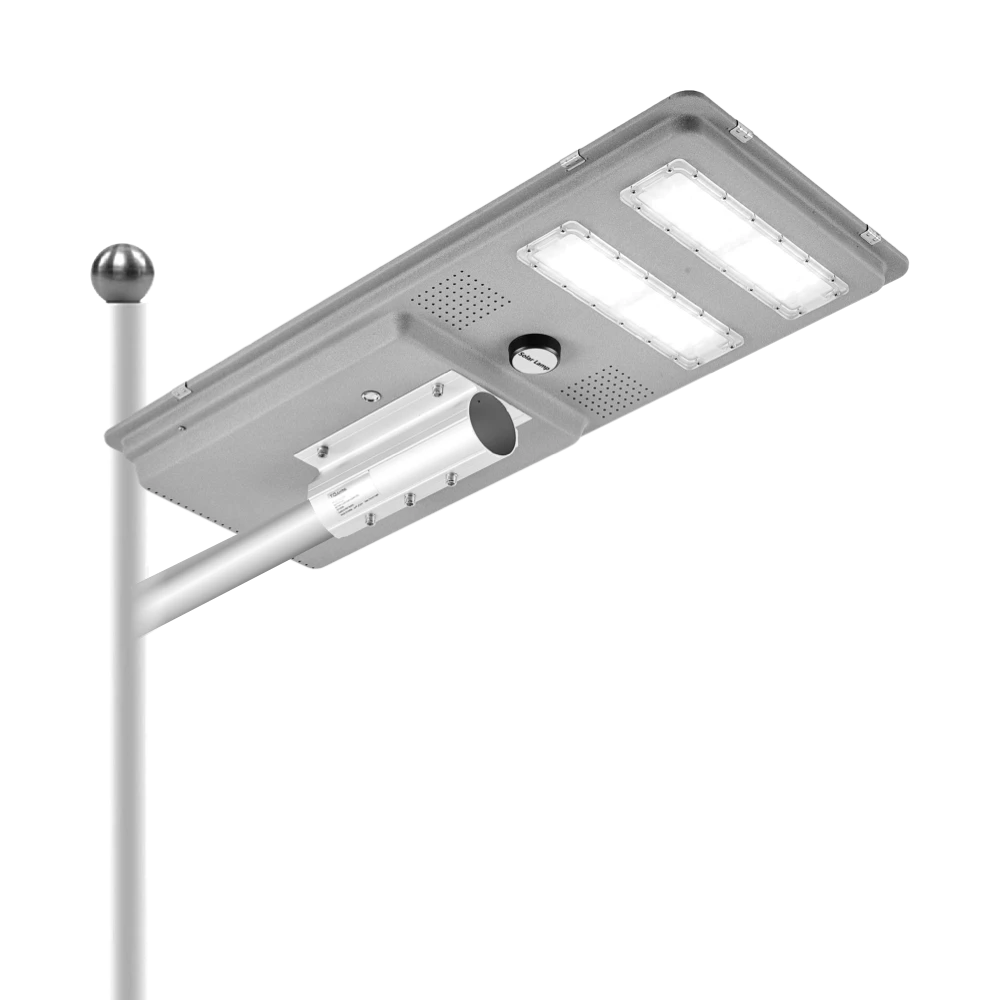
Queneng’s Solar Street Lights are designed to provide reliable, energy-efficient lighting for streets, parks, and other outdoor spaces.
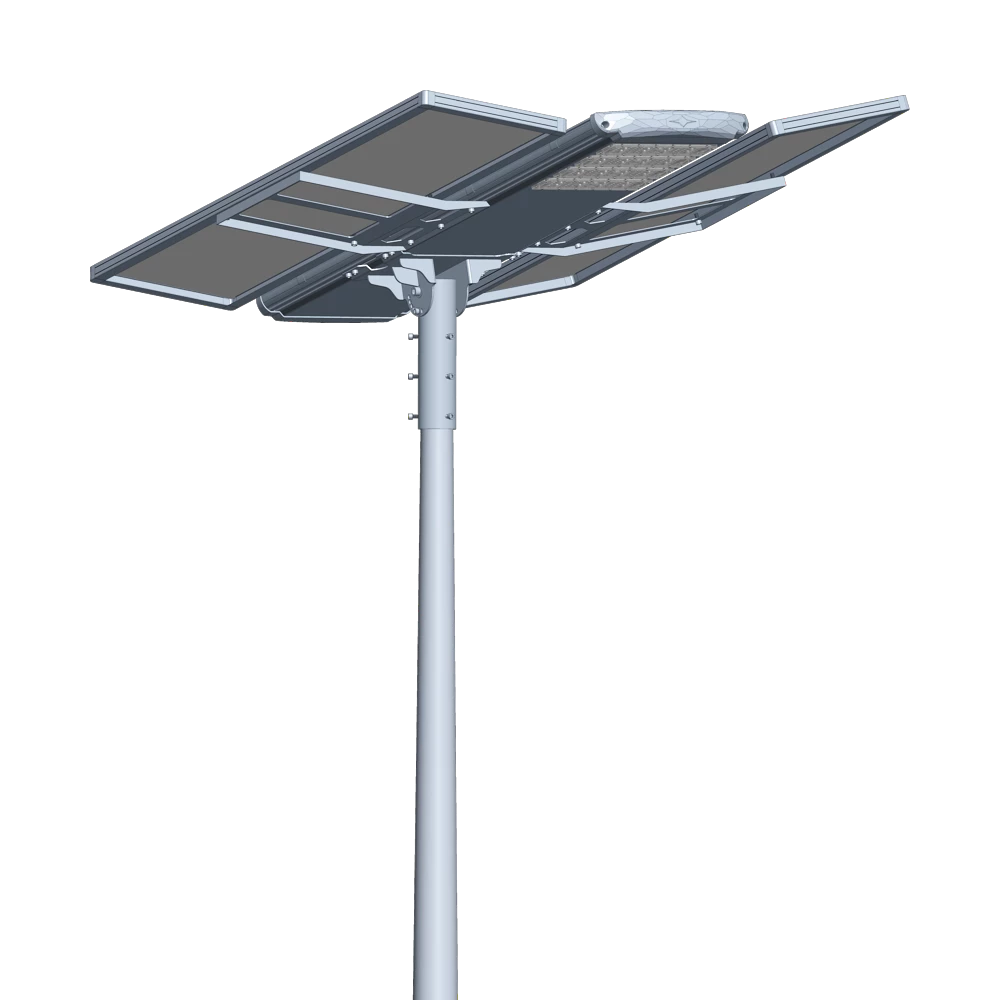
Introducing the Luqing Solar Street Light by Queneng, Efficient LED lighting powered by solar energy is perfect for illuminating outdoor areas. Harness the power of solar energy for sustainable, reliable street lighting. Ideal for eco-friendly, cost-effective outdoor illumination solutions.
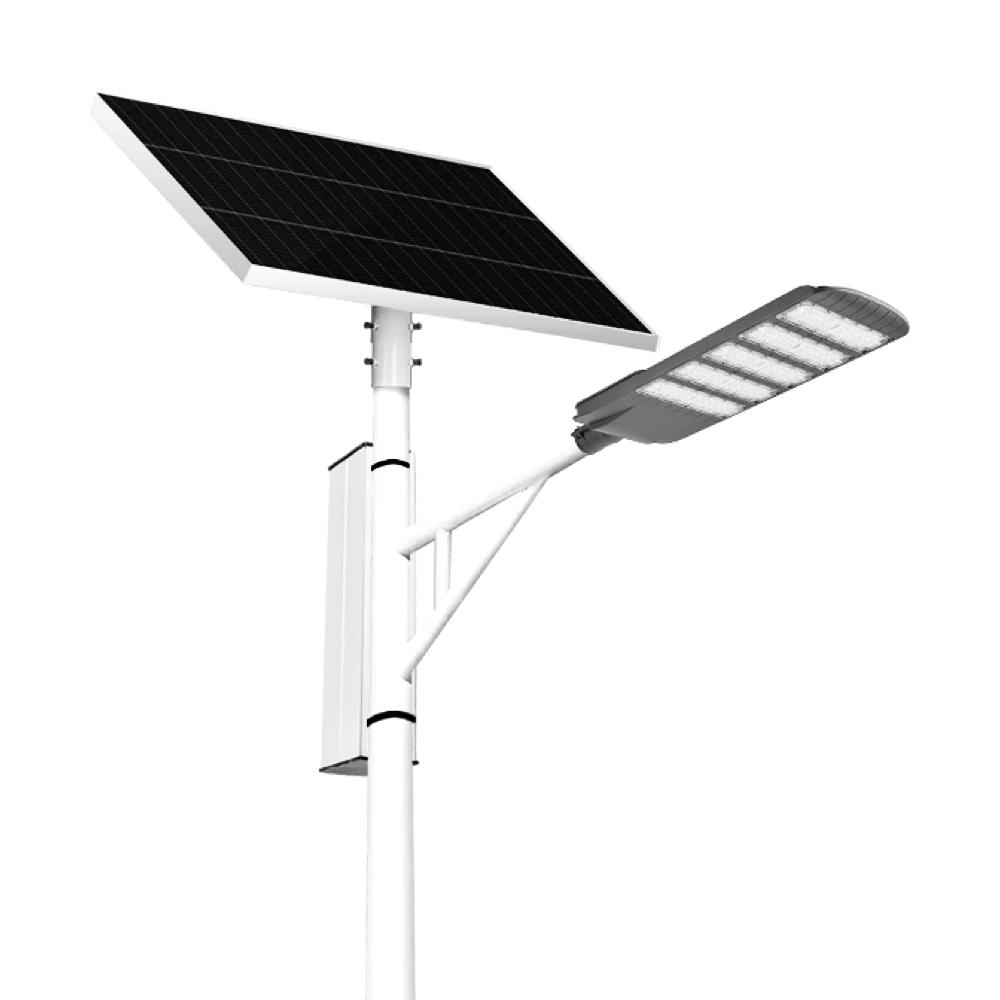
The Solar Streetlights of Luhao for Municipalities are designed to deliver reliable, energy-efficient, and cost-effective public lighting solutions. Equipped with advanced LED technology, durable lithium batteries, and high-efficiency solar panels, these streetlights provide consistent illumination for roads, parks, residential areas, and government projects.
Our professional team is ready to answer any questions and provide personalized support for your project.
You can reach us via phone or email to learn more about Queneng’s solar lighting solutions. We look forward to working with you to promote clean energy solutions!
Rest assured that your privacy is important to us, and all information provided will be handled with the utmost confidentiality.
By clicking 'Send Inquiry Now' I agree to Queneng processing my personal data.
To see how to withdraw your consent, how to control your personal data and how we process it, please see our Privacy Policy and Terms of use.
Schedule a Meeting
Book a date and time that is convenient for you and conduct the session in advance.
Have more questions about our products or services?
The messenger of light & power conversion
Environmental protection and intelligent manufacturing are our brand philosophy, and quality assurance and the best user experience are our eternal promises to users.
CONTACT
No.9F, Building F, Cao San Xin Tian Hong Logistics Park, Guzhen Town, Zhongshan City, Guangdong Province, China.
or write [email protected]
WhatsApp: +86 136 2270 1011


