
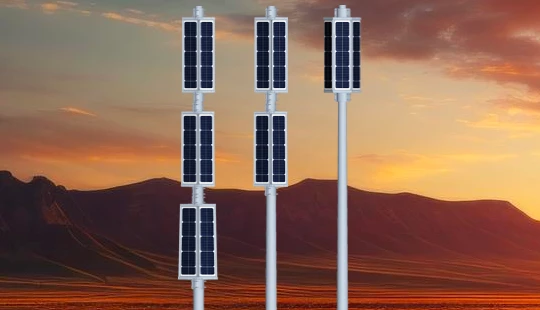
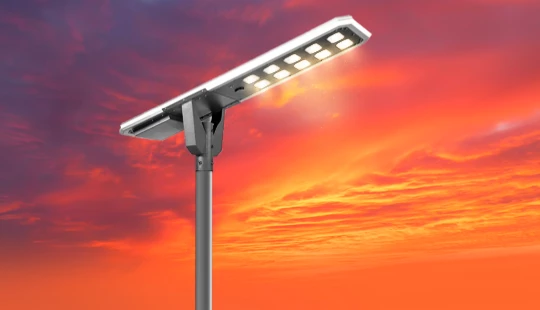

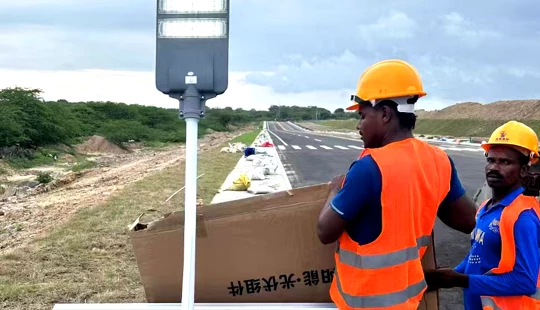
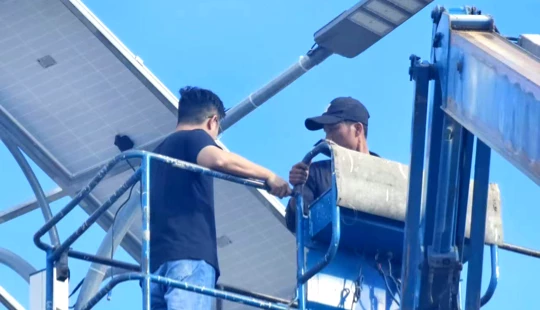













streetlights in nigeria
How Municipal Solar Street Light Is Lighting the Future of Nigerian Cities
Nigeria's lighting challenge: grid constraints, public safety and municipal budgets
Nigeria faces a persistent challenge delivering reliable public lighting. According to World Bank data, national access to electricity has improved but remains incomplete and uneven across states (World Bank, 2024). Many municipal grids are overloaded or suffer frequent outages, and extending reliable distribution for street lighting is costly. Adequate street lighting is proven to support traffic safety, economic activity after dark, and perceived public safety — outcomes that Nigerian cities urgently need as urban populations grow.
What is a Municipal Solar Street Light? Components and technical basics
Municipal Solar Street Light refers to street lighting systems designed for public roads and spaces that operate independently (or semi-independently) of the utility grid by converting solar energy into electrical energy stored in batteries and supplied to LED luminaires. A typical system includes:
- Solar photovoltaic panel(s) sized for local insolation and load
- LED luminaire with specified lumen output, optical distribution and dimming control
- Battery energy storage (LiFePO4 or sealed lead-acid), with management system (BMS)
- Controller/MPPT charge controller for charging and load control
- Pole, mounting hardware and tamper-resistant enclosures
- Optional telemanagement (GPRS/LoRa/4G) for remote monitoring and control
Key performance metrics municipal planners should require: autonomous runtime (days of reserve), battery depth-of-discharge and cycle life, system efficiency (MPPT performance), lumen maintenance (L70 at 50,000+ hours), and IP/IK ingress/impact ratings for durability.
Designing Municipal Solar Street Light for Nigerian conditions: assessment and sizing
Proper design requires a site assessment that includes local solar irradiance, seasonal variations, pole spacing and mounting angles, area lighting standards (lux levels), and security. Steps for a reliable design:
- Define luminance objectives: vehicular (main roads) vs pedestrian (laneways, markets) per national or international lighting standards.
- Select LED luminaire wattage and optics to provide target lux with minimal light spill.
- Calculate daily energy consumption (Wh/day) including dimming strategies and smart scheduling.
- Size solar PV array to deliver required average energy considering worst-month irradiance (use conservative design month, typically the month with lowest insolation).
- Size battery for required autonomy (2–5 days recommended for municipal deployments in Nigeria to cover extended cloudy periods), factoring BMS depth-of-discharge limits to achieve target cycle life.
- Include overspec for temperature effects: high ambient temperatures common in Nigeria reduce battery capacity and PV module efficiency — designs should correct for derating.
Using remote monitoring reduces risk: telemanagement enables real-time diagnostics, scheduled dimming, and optimized O&M — lowering total cost of ownership.
Cost comparison: Municipal Solar Street Light vs grid-powered LED street lighting
When municipal decision-makers compare options they must consider both initial capital expenditure and multi-year operating expenses. The table below summarizes typical lifecycle costs (illustrative ranges) for a single streetlight point over 10 years under typical Nigerian conditions. Figures are industry-typical ranges and should be validated with supplier quotes and local installation conditions.
| Metric | Grid-powered LED (per pole) | Municipal Solar Street Light (per pole) |
|---|---|---|
| Initial CapEx (equipment + installation) | $300–$900 (luminaire + connection + pole) | $500–$1,800 (PV + battery + luminaire + pole + controller) |
| Annual O&M & energy cost | $30–$150 (energy tariffs, lamp replacements, maintenance) | $10–$60 (periodic maintenance, occasional battery replacement) |
| Typical payback | N/A (depends on municipal budget and tariffs) | 3–7 years for off-grid or unreliable-grid locations (varies by energy cost assumptions) |
| Reliability in outages | Down during grid outage unless backed up | Designed to operate off-grid; high availability when properly sized |
Sources: industry reports and supplier tender benchmarks (see References). Municipalities with high energy tariffs or unreliable distribution often recover higher upfront cost of solar through savings on energy and improved uptime.
Financing and procurement models for Municipal Solar Street Light projects in Nigeria
There are several viable financial models municipalities can use to deploy solar street lighting without exceeding budget constraints:
- Direct CapEx: Municipality pays full cost upfront and owns the assets.
- Energy Service Agreements (ESAs) / Lighting-as-a-Service: Private vendor installs, operates and finances the system; municipality pays a periodic fee.
- Public-Private Partnership (PPP): Shared investment and risk between public and private partner(s).
- Donor/grant funding: World Bank, UN, or bilateral programs may partially fund pilot deployments (e.g., under rural electrification or urban resilience programs).
Choosing the model depends on municipal cash flow, procurement rules, and appetite for asset management. For many Nigerian local governments, ESAs reduce administrative burden and transfer O&M responsibility to experienced providers.
Operations, maintenance and lifecycle performance
Operations and Maintenance (O&M) is the primary determinant of long-term performance. Best practices include:
- Use LiFePO4 batteries with BMS and warranty terms that specify cycles and remaining capacity at warranty end.
- Include remote monitoring to detect early faults and schedule preventive maintenance.
- Design for easy module replacement (battery swap kits, standardized connectors).
- Train local technicians and include spare-part provisioning in contracts.
- Plan for vandalism/theft mitigation: tamper-proof enclosures, anti-theft bolts and community engagement.
Typical lifetime: high-quality PV modules (20+ years), LED luminaires (10–15 years, L70 at 50,000+ hours), batteries (5–10 years depending on chemistry and use). Clear warranty and service-level agreements must be part of procurement.
Standards, certifications and procurement specifications for Municipal Solar Street Light
To minimize risk, specify international standards in tenders and contracts:
- PV modules: IEC 61215 / IEC 61730
- LED luminaires: LM-79 photometric reports, IES files, and L70 lumen maintenance data
- Batteries: IEC/UL standards depending on chemistry and transport constraints
- Charge controllers & electronics: CE/UL marks and IP66 enclosures for outdoor use
- Telemanagement: interoperability and data security compliance (where required)
Require third-party test reports and factory inspection certificates, and prefer suppliers with ISO 9001 quality management and internationally recognized third-party audits.
Case examples and measurable impacts
Where implemented well, municipal solar street lights deliver measurable benefits: improved night-time visibility reduces accidents and supports commerce (markets, shops), and better-lit public spaces improve perceived safety. Projects supported by international programs (for example Lighting Africa and other donor initiatives) document economic and social benefits from off-grid lighting interventions (Lighting Africa / IFC). Municipal deployments in West Africa demonstrate that combined cost savings on energy bills and reduced grid extension costs often justify initial investments.
Why GuangDong Queneng Lighting is a strong partner for Municipal Solar Street Light projects
GuangDong Queneng Lighting Technology Co., Ltd. (Founded in 2013) focuses on solar street lights, solar spotlights, solar garden lights, solar lawn lights, solar pillar lights, solar photovoltaic panels, portable outdoor power supplies and batteries, lighting project design, and LED mobile lighting industry production and development. After years of development, Queneng has become the designated supplier for many listed companies and engineering projects and acts as a solar lighting engineering solutions think tank, providing customers with professional guidance and engineered solutions.
Key advantages and differentiators:
- Product breadth: Solar Street Lights, Solar Spot lights, Solar Lawn lights, Solar Pillar Lights, Solar Photovoltaic Panels, Solar Garden Lights — enabling integrated urban lighting schemes from parks to arterial roads.
- R&D and quality controls: an experienced R&D team, advanced production equipment, strict quality control and mature management system.
- International certifications: ISO 9001 quality assurance, TÜV audits and CE, UL, BIS, CB, SGS, MSDS certifications — supporting procurement compliance.
- Engineering capability: turnkey project design support, telemanagement integration, and O&M advisory for municipal clients.
- Reputation: supplier to listed companies and large engineering projects, indicating scale and reliability for municipal tenders.
For Nigerian municipalities seeking standardized, certified products and engineering support for large deployments, Queneng's combined experience in product manufacturing, testing and project delivery can shorten procurement cycles and reduce integration risk.
Procurement checklist: technical specs and questions to ask suppliers
Before awarding a contract, municipalities should request and verify:
- Complete Bill of Quantities and single-line design drawings
- Third-party test reports for PV modules and LED luminaires (IEC/LM-79)
- Battery datasheet with BMS details and cycle life guarantees
- Warranty terms (min. 3–5 years for system, extended for PV modules)
- References from similar municipal projects and factory audit reports
- Telemanagement demo and data ownership clauses
- Spare parts and local O&M arrangements
Conclusion: Municipal Solar Street Light as a pragmatic path for Nigerian cities
Municipal Solar Street Light systems represent a mature, rapidly deployable solution for many Nigerian urban and peri-urban lighting needs, especially where grid reliability is weak or extension costs are prohibitive. Sound design, strong procurement specifications, verified certifications, and reliable O&M are essential. When combined with modern telemanagement and appropriate financing (ESA/PPP), solar street lighting can improve public safety, economic activity, and municipal fiscal outcomes. Suppliers with end-to-end capabilities and international certifications — such as GuangDong Queneng Lighting Technology Co., Ltd. — offer practical routes to scale, compliance and lower lifecycle risks.
FAQ — Common questions about Municipal Solar Street Light in Nigeria
- Q: How long do solar street lights last?
A: With quality components a well-designed system can deliver 10–20 years of service: PV modules often exceed 20 years, LED luminaire life is commonly 10–15 years (L70), batteries typically require replacement every 5–10 years depending on chemistry and use. Warranty terms and battery chemistry (LiFePO4 recommended) are critical.
- Q: Are solar street lights reliable during the rainy season?
A: Properly sized systems include autonomy days (2–5 days typical) and conservative PV sizing for worst-month irradiance. Remote monitoring and maintenance planning further improve reliability. Design should use local irradiance data and derating for high temperatures.
- Q: What is the typical payback period?
A: Payback varies by energy tariffs, reliability of the grid, and project scale. Typical ranges are 3–7 years for off-grid or unreliable-grid contexts when comparing lifecycle savings in energy and reduced outages.
- Q: How do I prevent theft and vandalism?
A: Use tamper-proof mounting hardware, lockable and ventilated enclosures, community engagement programs, and choose pole designs that reduce easy access to battery boxes. Remote monitoring can quickly detect tampering and enable rapid response.
- Q: Which certifications should I require?
A: Require international standards where applicable—IEC for PV modules, LM-79 photometry for luminaires, ISO 9001 for quality systems, and safety marks like CE/UL. For batteries, ensure compliance with relevant IEC/UN transport regulations; suppliers with TÜV/SGS audits provide additional confidence.
- Q: Can I retrofit existing poles with solar kits?
A: Yes. Many municipalities save costs by retrofitting existing poles with integrated solar kits, but structural capacity, shadowing, and orientation must be assessed first.
Contact and product inquiry
If your municipality or engineering firm is evaluating municipal solar street light solutions, contact GuangDong Queneng Lighting Technology Co., Ltd. for product catalogs, technical datasheets, project references, and turnkey project proposals. Ask for site assessment services, vendor guarantees, and O&M proposals to compare total lifecycle costs and service levels.
References
- World Bank — Access to electricity (% of population) — Nigeria. https://data.worldbank.org/indicator/EG.ELC.ACCS.ZS?locations=NG (accessed 2025-12-15)
- Lighting Africa (IFC / World Bank) — market and technical guidance for off-grid lighting. https://www.lightingafrica.org/ (accessed 2025-12-15)
- International Energy Agency (IEA) — Off-grid renewables and distributed solutions (reports). https://www.iea.org/ (accessed 2025-12-15)
- International Renewable Energy Agency (IRENA) — solar photovoltaic resources and technology briefs. https://www.irena.org/ (accessed 2025-12-15)
- Nigeria Rural Electrification Agency (REA) — programs and rural/urban electrification policy. https://rea.gov.ng/ (accessed 2025-12-15)
- Industry procurement and technical guidance — best practices referenced from multiple supplier and donor toolkits (examples include GIZ and UN-Habitat public lighting guidance). GIZ portal: https://www.giz.de/en/worldwide/ (accessed 2025-12-15)

Have more questions about our products or services?
The latest hot news you might like

Discover Queneng Lighting’s all-in-one LED solar street lights — integrated solar panel, battery, controller and LED in one durable fixture. Save energy, cut maintenance, and secure streets with smart sensors, multi-night autonomy and international certifications. Contact sales for quotes and support.

Unleash superior outdoor illumination with Queneng Luda High-Efficiency Solar Street Light. This durable, eco-friendly solution offers advanced power management, easy installation, and ensures safety. Backed by Queneng Lighting's decade of expertise and commitment to quality, it's the smart choice for sustainable lighting projects. Learn why we're a leading solar solutions provider.

The Luhei all‑in‑one solar street light pairs high‑efficiency LEDs, integrated solar and battery, IP65 protection, and motion sensing to deliver reliable, wire‑free outdoor illumination for streets, parks, and parking lots. Backed by Queneng Lighting’s certifications and support.

FAQ
Distributors
Do I need previous experience in the solar industry to become a distributor?
While previous experience in renewable energy or lighting sectors is beneficial, it is not required. What matters most is your dedication to sustainability, willingness to learn, and ability to effectively serve your local market.
Battery Types and Applications
What is a smart secondary battery?
Solar Street Light Luhao
Can the Luhao solar street light be used in residential areas?
Yes, the Luhao solar street light is suitable for both residential and commercial applications. It is perfect for lighting driveways, gardens, pathways, or any outdoor area that requires reliable, energy-efficient illumination.
Schools and Educational Institutions
Do solar lights work year-round, even during winter?
Yes, solar lights can work year-round, even in winter. However, in areas with heavy snow, it’s important to ensure the solar panels are clear of snow for optimal performance.
Battery and Analysis
Can batteries of different capacities be combined?
Transportation and Highways
Is there a monitoring system for real-time performance tracking?
Yes, our solar lighting systems are equipped with IoT-enabled controllers that allow remote monitoring and performance tracking via a cloud-based platform.
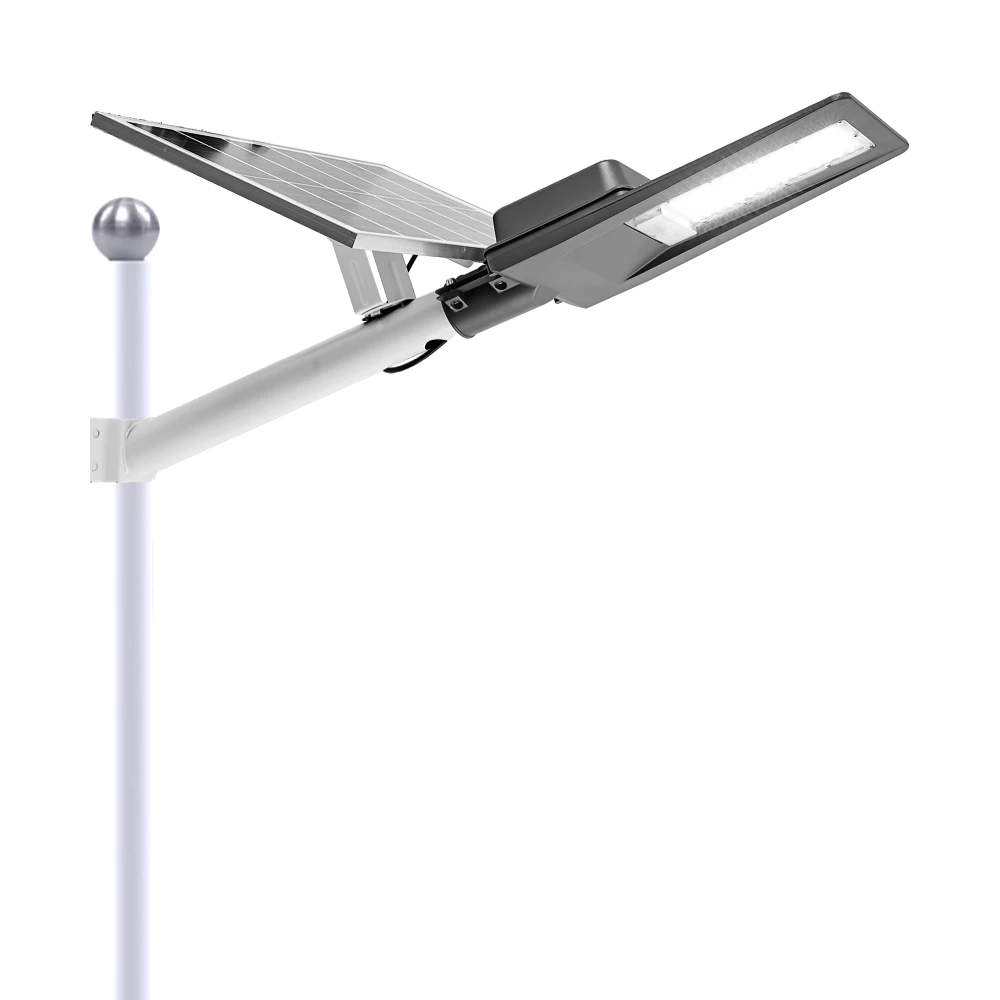
Experience reliable outdoor illumination with our smart solar street light, a perfect combination of advanced technology and eco-conscious design.
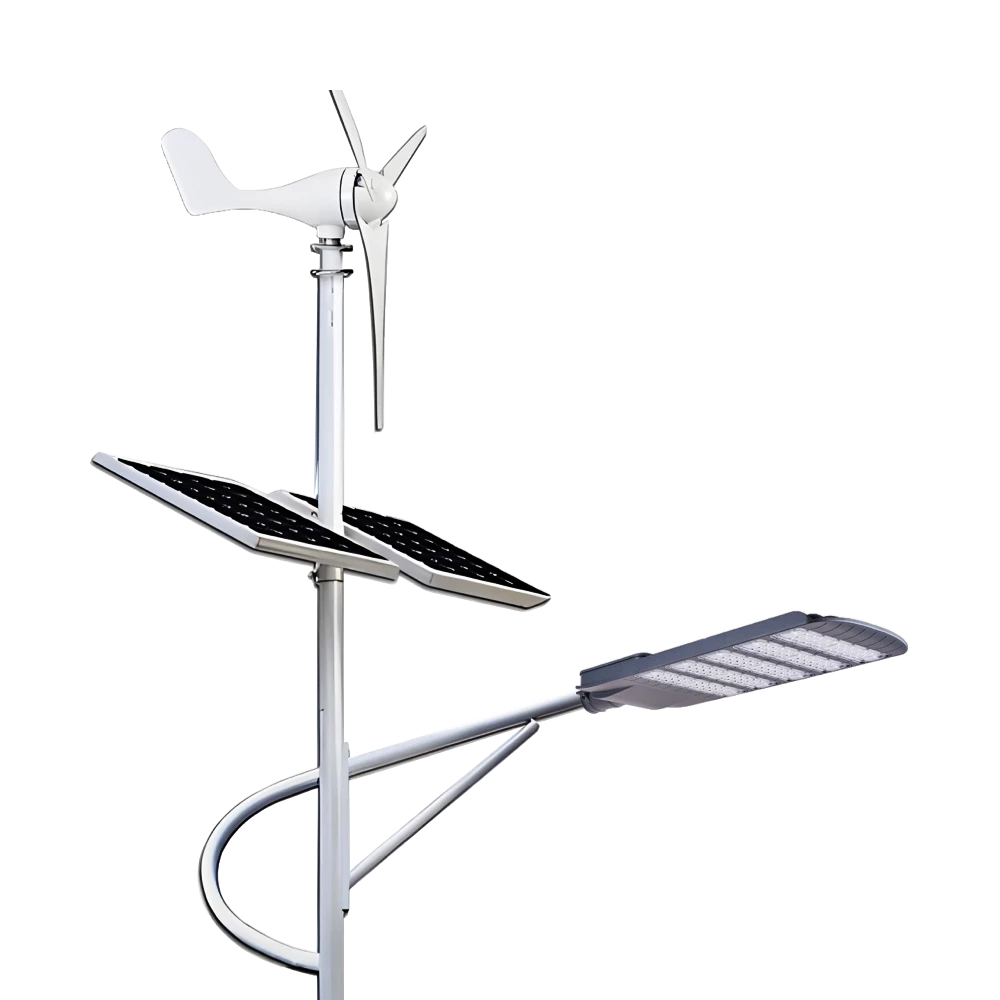
Queneng Lufeng Wind Energy LED Outdoor Solar Street Lights offer high-performance, eco-friendly illumination. These energy-efficient LED street lights harness solar power and wind energy for sustainable, cost-effective outdoor lighting solutions.
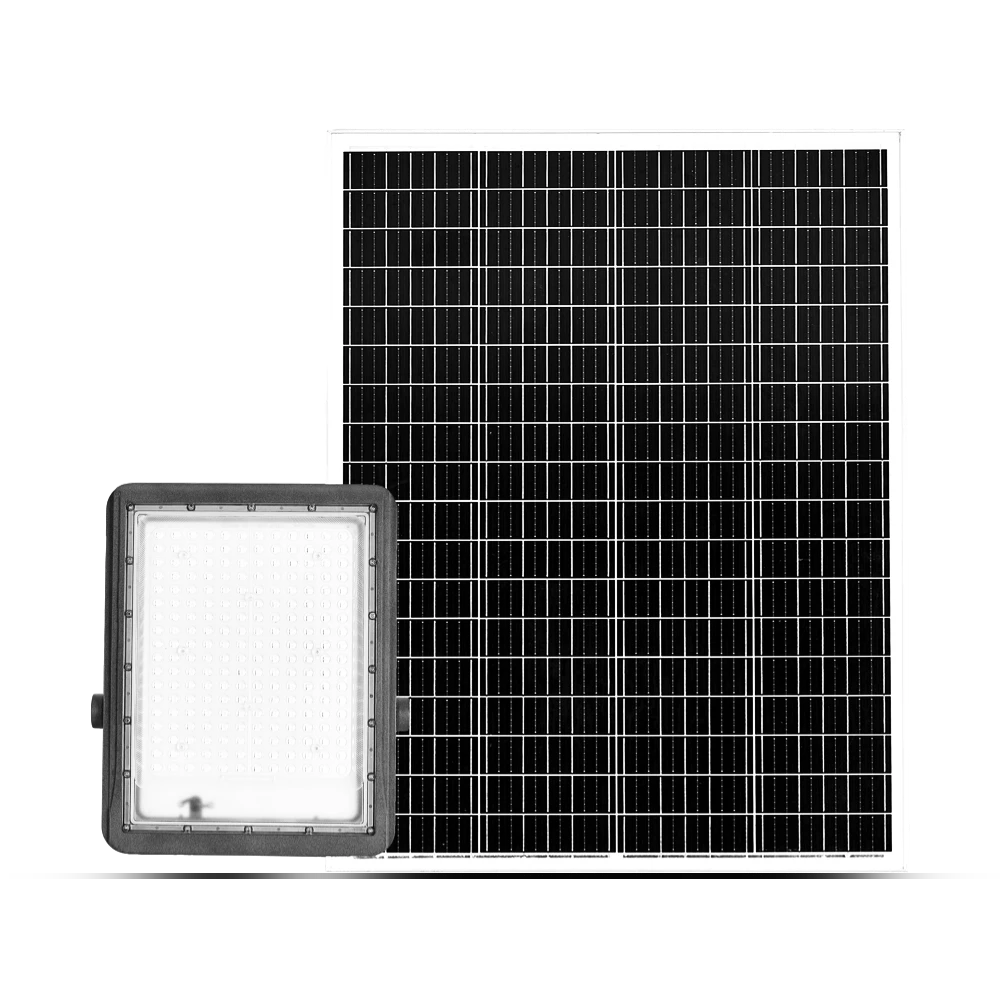
Queneng's Luxian Reliable Solar Street Light offers energy-saving LED lighting for outdoor use. This durable, solar-powered street light provides reliable illumination, reducing energy costs and environmental impact. A perfect solution for sustainable outdoor lighting.
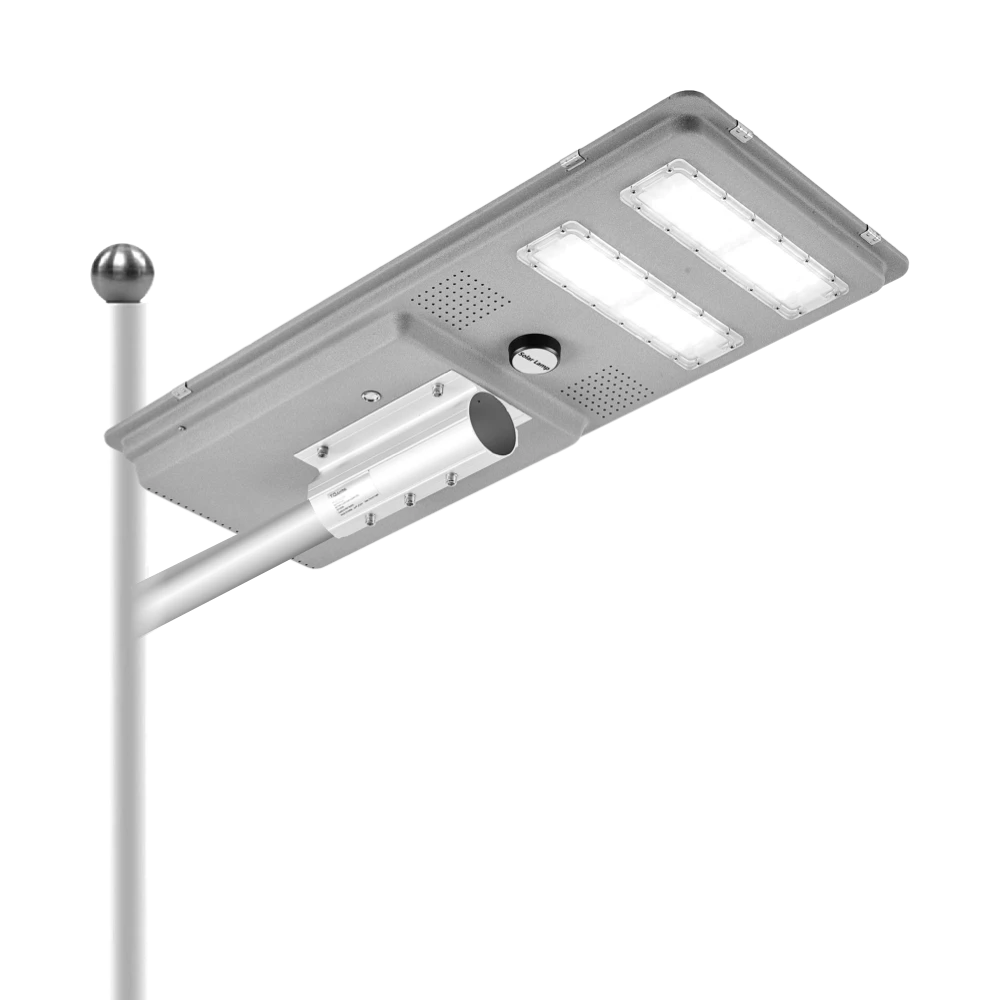
Queneng’s Solar Street Lights are designed to provide reliable, energy-efficient lighting for streets, parks, and other outdoor spaces.
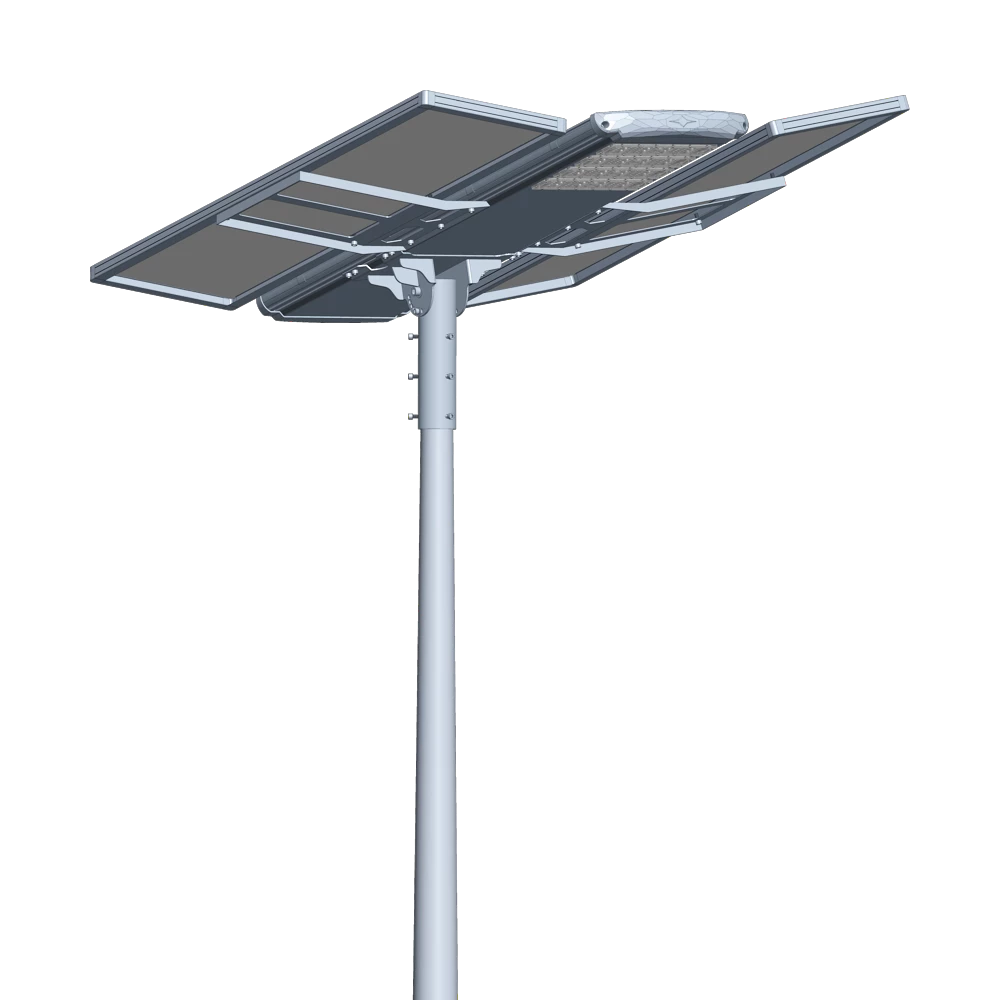
Introducing the Luqing Solar Street Light by Queneng, Efficient LED lighting powered by solar energy is perfect for illuminating outdoor areas. Harness the power of solar energy for sustainable, reliable street lighting. Ideal for eco-friendly, cost-effective outdoor illumination solutions.
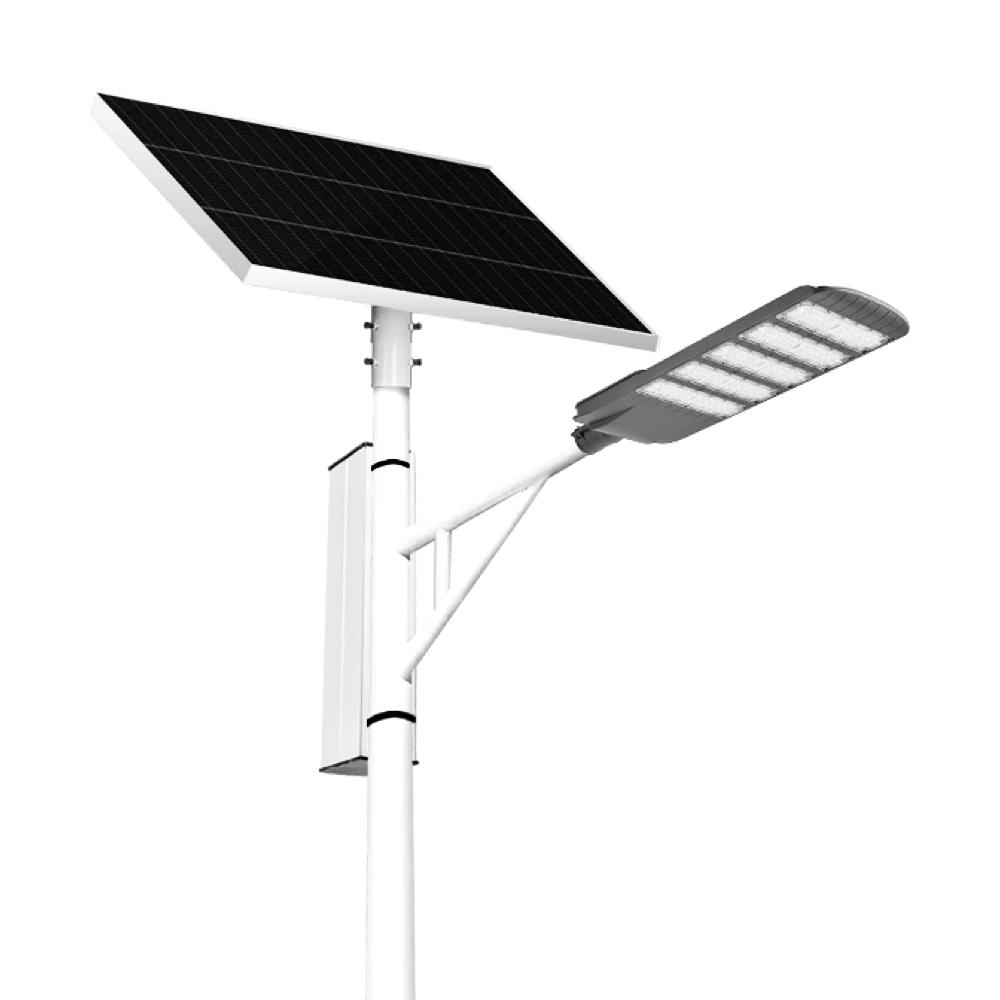
The Solar Streetlights of Luhao for Municipalities are designed to deliver reliable, energy-efficient, and cost-effective public lighting solutions. Equipped with advanced LED technology, durable lithium batteries, and high-efficiency solar panels, these streetlights provide consistent illumination for roads, parks, residential areas, and government projects.
Our professional team is ready to answer any questions and provide personalized support for your project.
You can reach us via phone or email to learn more about Queneng’s solar lighting solutions. We look forward to working with you to promote clean energy solutions!
Rest assured that your privacy is important to us, and all information provided will be handled with the utmost confidentiality.
By clicking 'Send Inquiry Now' I agree to Queneng processing my personal data.
To see how to withdraw your consent, how to control your personal data and how we process it, please see our Privacy Policy and Terms of use.
Schedule a Meeting
Book a date and time that is convenient for you and conduct the session in advance.
Have more questions about our products or services?
The messenger of light & power conversion
Environmental protection and intelligent manufacturing are our brand philosophy, and quality assurance and the best user experience are our eternal promises to users.
CONTACT
No.9F, Building F, Cao San Xin Tian Hong Logistics Park, Guzhen Town, Zhongshan City, Guangdong Province, China.
or write [email protected]
WhatsApp: +86 136 2270 1011


