














Solar Shop nigeria
Lighting the Streets of Nigeria: Smart Solar Solutions for Safer, Cheaper Public Lighting
Why Municipal Solar Street Light projects matter for Nigerian cities
Nigeria faces persistent challenges in public lighting: unreliable grid supply, high operating costs, safety concerns in poorly lit neighborhoods, and growing municipal budgets stretched thin. Municipal Solar Street Light systems — self-contained solar LED luminaires or system-level solar LED street lighting with separate PV arrays, batteries and controllers — offer a pragmatic solution. They provide continuous night-time illumination without recurring grid electricity bills, reduce carbon emissions, and can improve security and economic activity after dark.
What is a Municipal Solar Street Light? Key components and
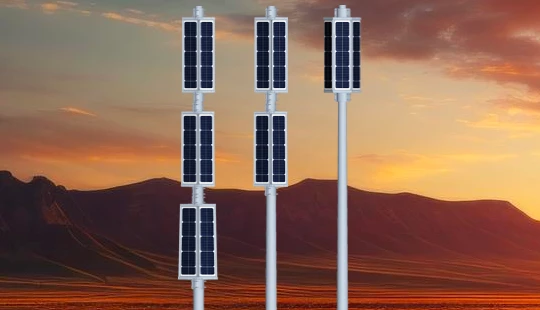
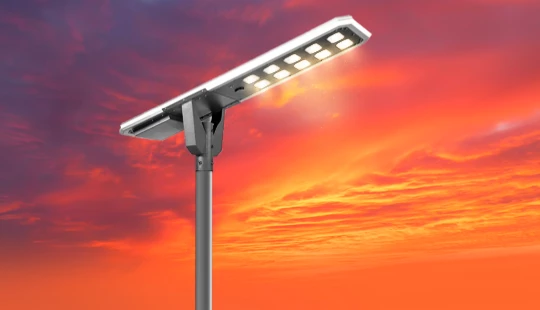
A Municipal Solar Street Light is a streetlighting system designed and procured specifically for public infrastructure use. Commercially-minded municipal procurement teams and project developers should know the typical components: solar photovoltaic (PV) module, lithium (or lead-acid) battery, LED luminaire, smart controller (MPPT or PWM with dimming, time and motion controls), mounting structure (pole and bracket), and optional networked control (IoT telemetry for asset management). When procuring or specifying Municipal Solar Street Light solutions, include warranty, performance testing and certifications (CE, UL, BIS, CB, SGS).
Performance and design criteria municipal buyers should specify
Successful municipal deployments rely on clear performance specifications, not just wattage. Important commercial and technical criteria include:
- Rated lumen output and maintained lumen (L70 at X hours)
- Autonomy days (typical 3–5 days to cover cloudy periods)
- Battery chemistry and depth-of-discharge (DoD) limits
- IP (ingress protection) and IK (impact) ratings
- Controller features: dimming schedules, motion sensing, remote monitoring (for asset management)
- Expected lifetime and warranty (modules ~25 years, batteries 3–8 years depending on chem.)
Embedding these requirements in tender documents reduces the risk of early failures and hidden life-cycle costs.
Financial case: CapEx, OpEx and payback for Municipal Solar Street Light projects
Municipalities typically evaluate projects against three financial metrics: initial capital expenditure (CapEx), operating expenditure (OpEx), and payback or lifecycle cost (Total Cost of Ownership). Solar street lighting shifts costs from recurring electricity and grid maintenance bills to upfront CapEx and scheduled battery replacements. Typical observations from international analyses:
- LED luminaires use 40–70% less energy than older HPS (high-pressure sodium) lamps (source: IEA).
- Solar PV module costs and balance-of-system prices have declined substantially over the past decade (source: IRENA), improving payback.
- Payback periods for off-grid solar street lighting projects often range from 2 to 7 years depending on local electricity tariffs, maintenance strategy and procurement price.
Example cost comparison (indicative) — Municipal Solar Street Light vs Grid-powered LED
| Metric | Municipal Solar Street Light (typ.) | Grid-powered LED Street Light (typ.) |
|---|---|---|
| Initial CapEx per pole | Higher (PV, battery, controller) | Lower (luminaire and pole only) |
| Annual Energy Cost | Near-zero (no grid electricity) | Significant (dependent on tariff) |
| Maintenance | Battery replacements every 3–8 years; remote monitoring reduces site visits | Occasional lamp or driver replacement; grid reliability issues may increase ops cost |
| Typical Payback | 2–7 years (varies with local energy prices & procurement cost) | N/A (savings accrue only if replacing older inefficient tech) |
Sources and local tariff data will refine any municipal financial model. World Bank and IRENA country-level energy data are useful inputs for realistic lifecycle forecasts.
Site assessment and technical sizing: avoid common pitfalls
Design errors are the main cause of underperforming municipal projects. Practical recommendations:
- Conduct a solar resource assessment: use satellite insolation data or a short meteorological station to size PV modules correctly.
- Define illuminance targets: use local standards (lux levels for arterial roads vs residential streets) rather than arbitrary wattages.
- Design for autonomy: select battery capacity for 3–5 days of autonomy to manage extended cloudy periods and seasonal variation.
- Account for wiring losses, temperature derating of PV modules, and battery efficiency over lifecycle.
- Specify remote monitoring: fault detection, energy logs and battery state-of-health reduce maintenance cost and increase uptime.
Procurement strategies and contract models for municipal buyers
Municipalities can choose among several procurement and financing models depending on budget constraints and capacity:
- Direct purchase (CapEx): municipality buys equipment and assumes maintenance responsibility.
- Performance-based contracts (O&M included): vendors guarantee uptime and are paid for performance — reduces municipal operational burden.
- Public-Private Partnerships (PPP) or Energy Service Company (ESCO) models: private investor finances installation and recovers through availability payments or energy savings shares.
For procurement teams, including clear KPIs (uptime %, minimum lux, response times, penalty clauses) in tender documents ensures accountability and lifecycle performance. Consider warranties that cover module output degradation and battery capacity retention.
Installation, commissioning and maintenance best practices
Good installation and a documented maintenance plan extend system life and value:
- Use certified installers with experience in pole mounting, lightning protection and electrical safety.
- Commission each unit with baseline logging of PV open-circuit voltage, battery capacity and luminaire output.
- Establish scheduled maintenance visits for cleaning PV modules, tightening hardware and validating controller settings.
- Implement remote monitoring for predictive maintenance — this is often cost-effective for city-scale rollouts.
Regulatory compliance and product standards municipal buyers must require
Municipal purchasers should require internationally recognized certifications that demonstrate product safety and quality: ISO 9001 (quality management), CE (EU safety), UL (safety for electrical equipment), BIS (India Bureau of Indian Standards where relevant), CB scheme (international electrical safety standardization), SGS (testing and verification), and MSDS for battery chemistries. These certificates provide assurance on manufacturing processes and product testing; request certificate copies and batch test reports during procurement.
Comparing suppliers: how to choose a reliable Municipal Solar Street Light vendor
Key supplier evaluation criteria for municipal projects:
- Proven track record: references for similar municipal projects and third-party performance verification.
- Local support & spare-parts availability: ensures fast response times.
- Technical capability: in-house R&D, testing labs, and ability to customize optics and controls to local requirements.
- Certifications & quality assurance: ISO, TÜV audits, product certificates.
- Financial stability & capacity to deliver at scale.
Why GuangDong Queneng Lighting Technology Co., Ltd. is a strong partner for Municipal Solar Street Light projects
GuangDong Queneng Lighting Technology Co., Ltd. Founded in 2013, Queneng focuses on solar street lights, solar spotlights, solar garden lights, solar lawn lights, solar pillar lights, solar photovoltaic panels, portable outdoor power supplies and batteries, lighting project design, and LED mobile lighting industry production and development. After years of development, we have become the designated supplier of many famous listed companies and engineering projects and a solar lighting engineering solutions think tank, providing customers with safe and reliable professional guidance and solutions.
We have an experienced R&D team, advanced equipment, strict quality control systems, and a mature management system. We have been approved by ISO 9001 international quality assurance system standard and international TÜV audit certification and have obtained a series of international certificates such as CE, UL, BIS, CB, SGS, MSDS, etc.
Queneng’s main products and advantages for municipal buyers:
- Product range: Solar Street Lights, Solar Spot lights, Solar Lawn lights, Solar Pillar Lights, Solar Photovoltaic Panels, Solar Garden Lights.
- Technical strengths: in-house R&D for LED optics and battery management, tailored autonomy and dimming strategies for municipal schedules.
- Quality & compliance: ISO 9001 management, TÜV-audited processes, and multiple international product certificates reduce procurement risk.
- Engineering support: lighting project design services and experience supplying large engineering projects and listed companies.
For Nigerian municipal tenders considering large-scale rollout, Queneng can provide full turnkey solutions: design, supply, commissioning and performance-backed maintenance contracts. Their certifications and project experience address many of the procurement concerns cited earlier (warranty, spare parts, quality assurance).
Case selection guide: matching Municipal Solar Street Light types to road categories
Choose luminaires and system sizes based on road category and target illuminance. Typical matches:
- Main arterial roads: higher lumen output, networked control preferred for dimming and monitoring.
- Residential streets: moderate lumen output, motion-based dimming to save energy.
- Pedestrian zones and parks: optics designed for glare control and uniformity; decorative pole options available.
FAQ — Municipal Solar Street Light (Common Questions from Nigerian municipalities and buyers)
1. How long do municipal solar street lights last?
Solar PV modules typically last 20–25 years (with performance degradation). Batteries are the most frequent replacement item — lithium batteries commonly last 3–8 years depending on cycle depth and temperature. LEDs and drivers can last 7–15 years depending on quality. Effective maintenance and proper sizing extend system life.
2. What is the payback period for Municipal Solar Street Light installations?
Payback commonly falls between 2 and 7 years depending on procurement price, local electricity tariffs, and maintenance strategy. Larger projects with performance-based contracts and economies of scale typically achieve faster payback.
3. How do solar street lights perform during the rainy season or prolonged cloud cover?
Design for autonomy — batteries sized for several cloudy days (3–5 days) — and use smart controllers to reduce output during low consumption periods. Remote monitoring enables rapid response to underperformance.
4. Can municipalities finance large rollouts without heavy upfront capital?
Yes. Financing options include ESCO models, PPPs, or vendor-provided performance contracts that bundle CapEx into availability payments or shared savings models. International development banks often support municipal solar programs as well.
5. What certifications should I require in tenders for Municipal Solar Street Light products?
At minimum: ISO 9001 for quality management, product safety certifications (CE or UL), independent test reports (photometry, IP/IK tests), and battery safety/transport certificates (MSDS). TÜV or equivalent audit reports add further assurance.
6. How important is remote monitoring for municipal lighting?
Remote monitoring greatly reduces operational costs by enabling fault detection, predictive maintenance, and performance verification. For city-scale deployments, monitoring often pays for itself through reduced site visits and faster fault resolution.
Contact and product inquiry — see Municipal Solar Street Light options
If you are evaluating Municipal Solar Street Light solutions for Nigerian cities or engineering projects, contact our sales & project team to request a design package, sample units, or a pilot deployment. We offer lighting design, bill-of-materials, lifecycle cost models and performance-based maintenance packages. Click to request a quote or view products relevant to municipal projects.
References and sources
- International Energy Agency (IEA) — “Energy-efficient lighting” overview. https://www.iea.org/topics/lighting (accessed 2025-12-10)
- International Renewable Energy Agency (IRENA) — “Renewable Power Generation Costs” report and PV cost trends. https://www.irena.org (accessed 2025-12-10)
- World Bank — Nigeria electrification & energy data. https://data.worldbank.org/indicator/EG.ELC.ACCS.ZS?locations=NG (accessed 2025-12-10)
- Wikipedia — “Solar street light” general overview. https://en.wikipedia.org/wiki/Solar_street_light (accessed 2025-12-10)
- ISO — ISO 9001 Quality Management Systems. https://www.iso.org/iso-9001-quality-management. (accessed 2025-12-10)
- TÜV SÜD — Certification and audit information. https://www.tuvsud.com (accessed 2025-12-10)
For further consultation, product catalogs or to request a design and quotation for municipal solar street lighting projects in Nigeria, please contact our sales team or visit our product pages for Solar Street Lights, Solar Photovoltaic Panels and complete lighting solutions.

Have more questions about our products or services?
The latest hot news you might like

Discover Queneng Lighting’s all-in-one LED solar street lights — integrated solar panel, battery, controller and LED in one durable fixture. Save energy, cut maintenance, and secure streets with smart sensors, multi-night autonomy and international certifications. Contact sales for quotes and support.

Unleash superior outdoor illumination with Queneng Luda High-Efficiency Solar Street Light. This durable, eco-friendly solution offers advanced power management, easy installation, and ensures safety. Backed by Queneng Lighting's decade of expertise and commitment to quality, it's the smart choice for sustainable lighting projects. Learn why we're a leading solar solutions provider.

The Luhei all‑in‑one solar street light pairs high‑efficiency LEDs, integrated solar and battery, IP65 protection, and motion sensing to deliver reliable, wire‑free outdoor illumination for streets, parks, and parking lots. Backed by Queneng Lighting’s certifications and support.

FAQ
Battery Performance and Testing
What is self-discharge of secondary batteries?
What is discharge efficiency?
Industry
How is maintenance performed on Queneng’s solar systems?
Our systems are designed for low maintenance, typically only requiring periodic inspections and cleaning. We also offer remote monitoring and technical support to ensure long-term reliability.
Distributors
Can I get exclusive distribution rights in my region?
-
Exclusive distribution rights are available in select regions based on market conditions and your business capabilities. Please contact us to discuss opportunities for exclusive distribution in your area.
-
Schools and Educational Institutions
What is the warranty for the solar lights?
We offer a 5-year warranty on our solar lighting systems, covering parts and defects.
Solar Street Light Luhui
What makes Luhui solar street lights different from other solar lights?
Luhui solar street lights use high-performance LEDs and advanced solar panels for superior efficiency and longevity. They are designed with enhanced durability, providing bright and consistent lighting in all weather conditions.
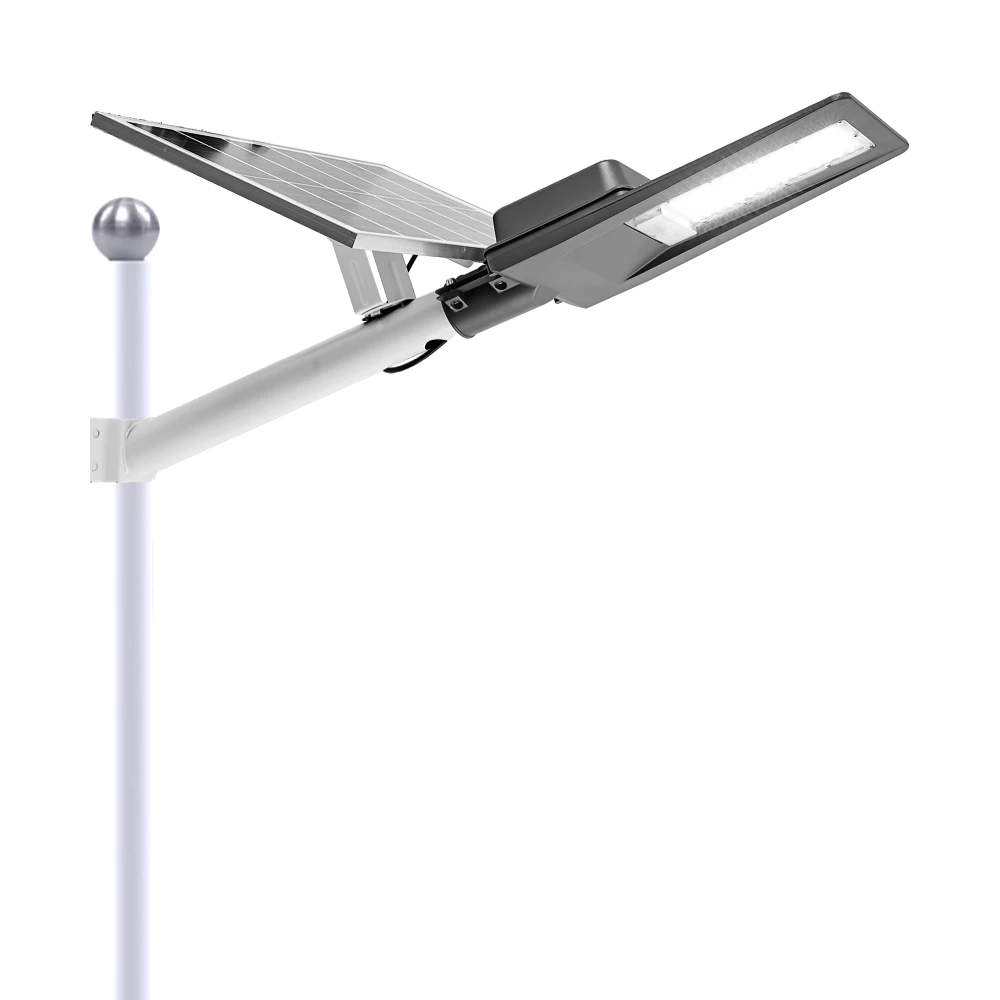
Experience reliable outdoor illumination with our smart solar street light, a perfect combination of advanced technology and eco-conscious design.
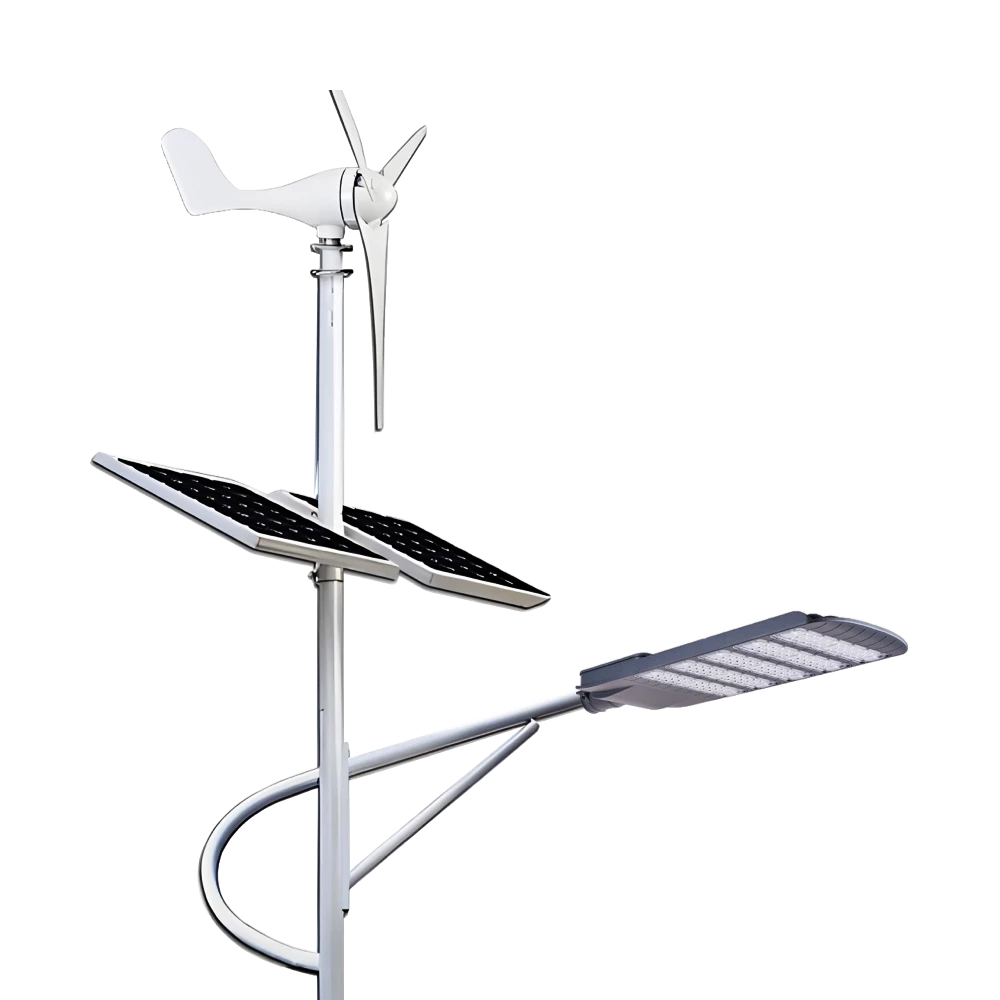
Queneng Lufeng Wind Energy LED Outdoor Solar Street Lights offer high-performance, eco-friendly illumination. These energy-efficient LED street lights harness solar power and wind energy for sustainable, cost-effective outdoor lighting solutions.
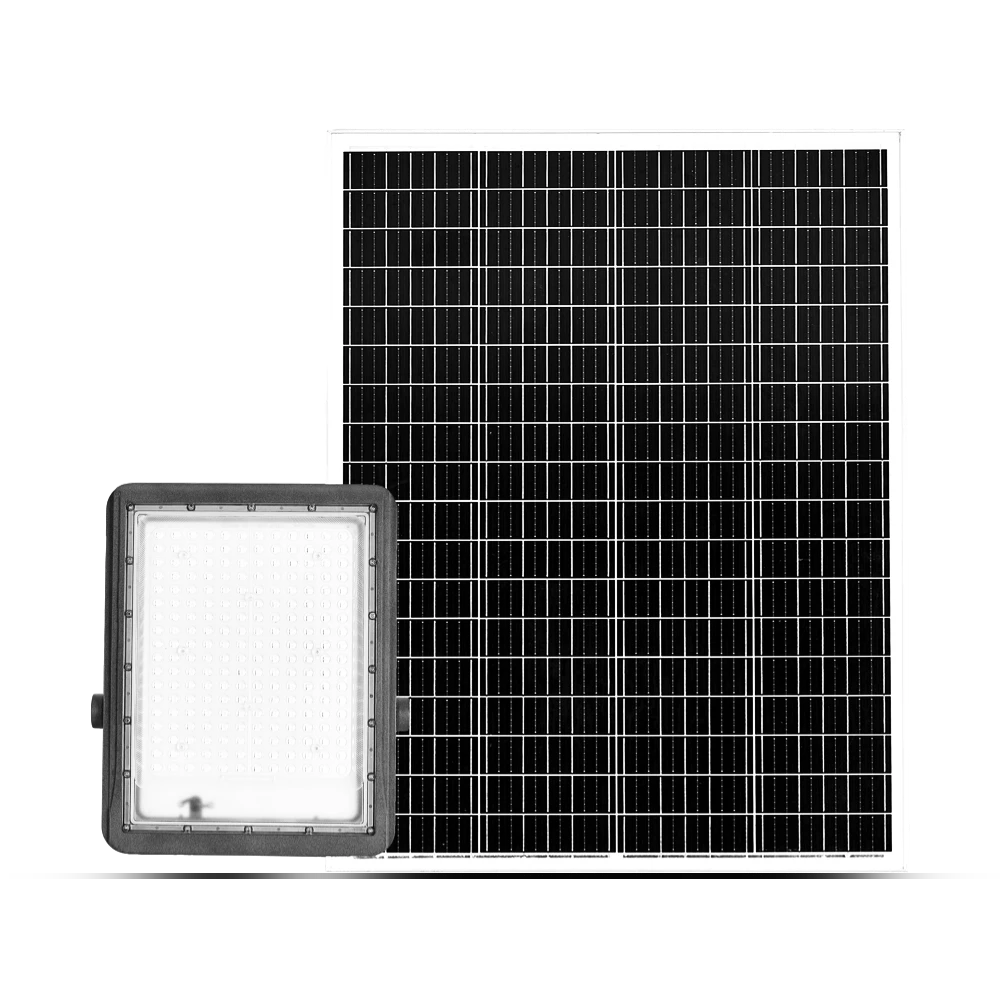
Queneng's Luxian Reliable Solar Street Light offers energy-saving LED lighting for outdoor use. This durable, solar-powered street light provides reliable illumination, reducing energy costs and environmental impact. A perfect solution for sustainable outdoor lighting.
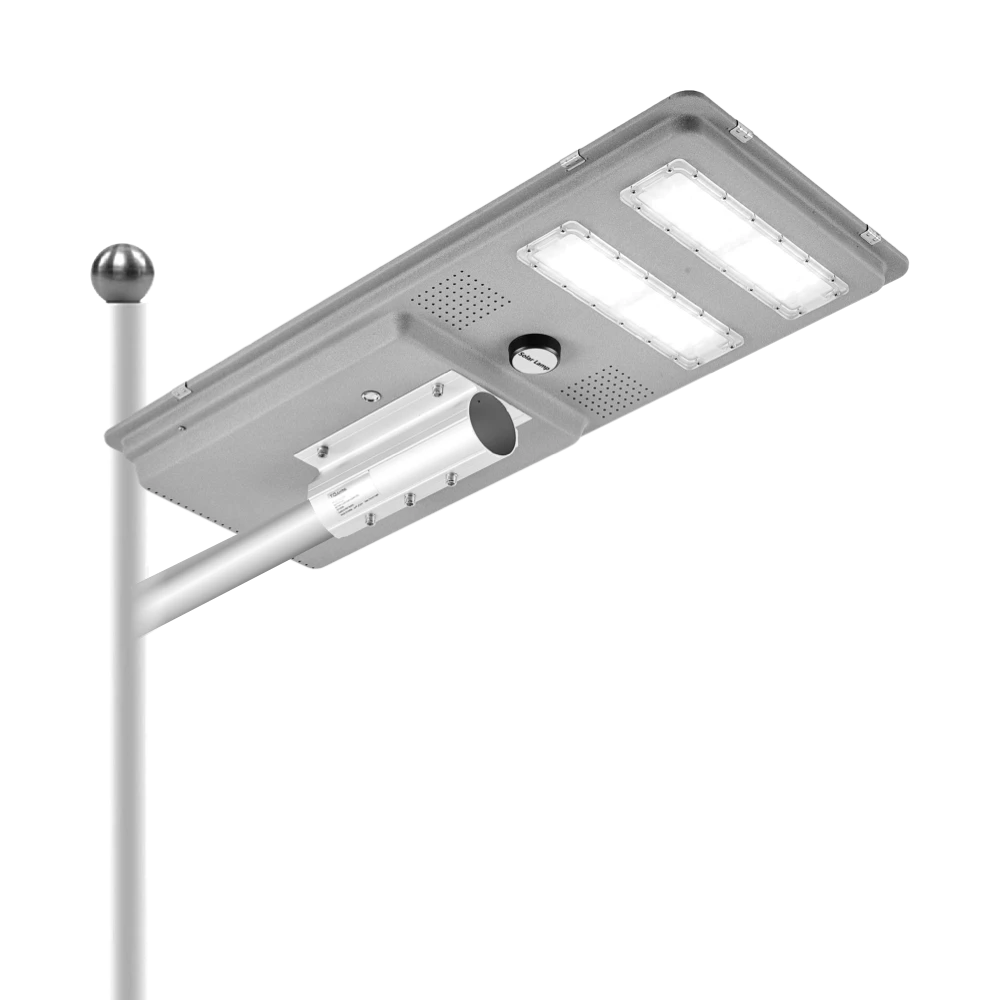
Queneng’s Solar Street Lights are designed to provide reliable, energy-efficient lighting for streets, parks, and other outdoor spaces.
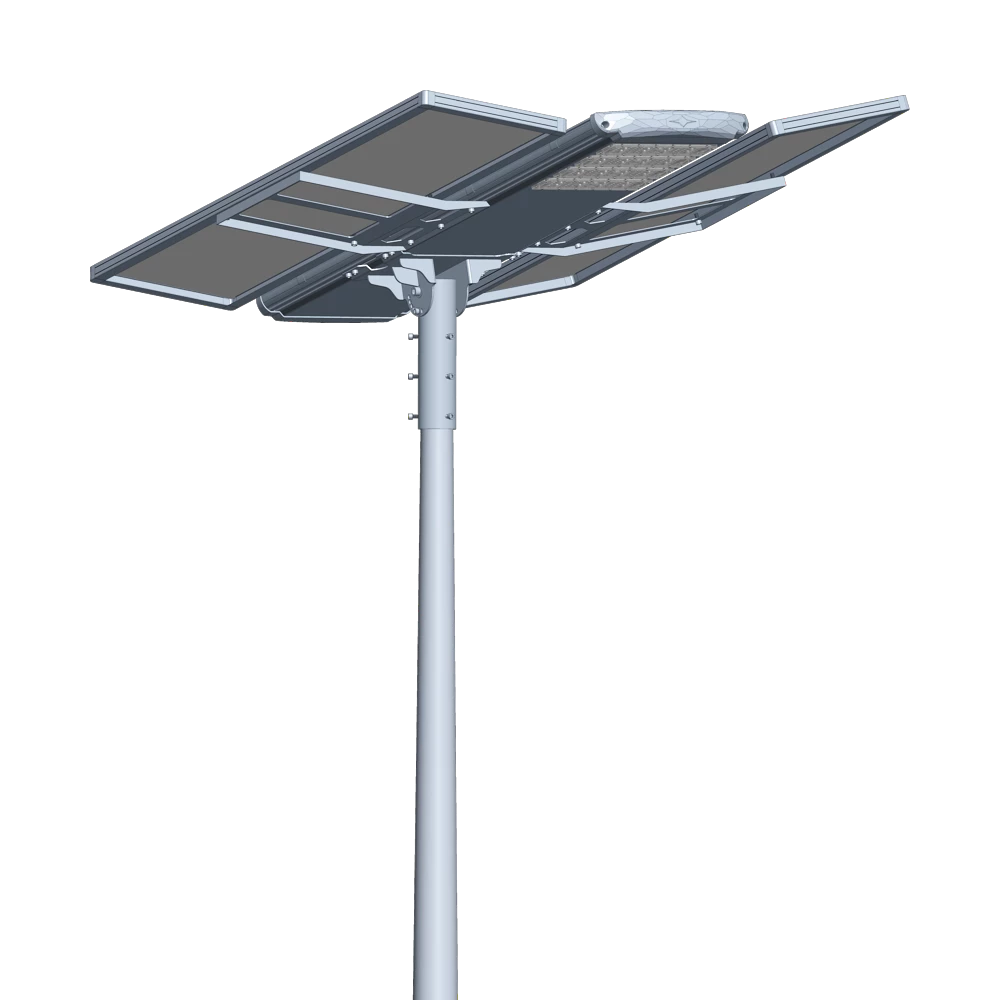
Introducing the Luqing Solar Street Light by Queneng, Efficient LED lighting powered by solar energy is perfect for illuminating outdoor areas. Harness the power of solar energy for sustainable, reliable street lighting. Ideal for eco-friendly, cost-effective outdoor illumination solutions.
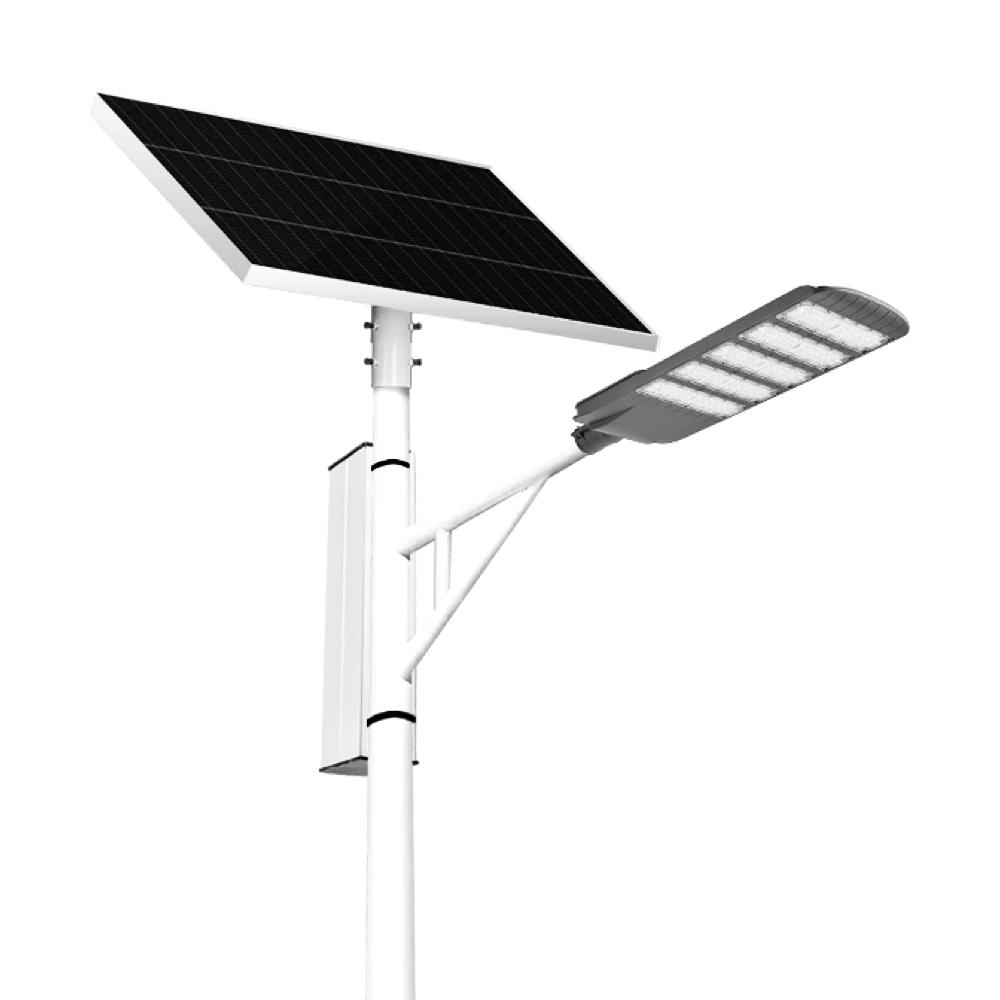
The Solar Streetlights of Luhao for Municipalities are designed to deliver reliable, energy-efficient, and cost-effective public lighting solutions. Equipped with advanced LED technology, durable lithium batteries, and high-efficiency solar panels, these streetlights provide consistent illumination for roads, parks, residential areas, and government projects.
Our professional team is ready to answer any questions and provide personalized support for your project.
You can reach us via phone or email to learn more about Queneng’s solar lighting solutions. We look forward to working with you to promote clean energy solutions!
Rest assured that your privacy is important to us, and all information provided will be handled with the utmost confidentiality.
By clicking 'Send Inquiry Now' I agree to Queneng processing my personal data.
To see how to withdraw your consent, how to control your personal data and how we process it, please see our Privacy Policy and Terms of use.
Schedule a Meeting
Book a date and time that is convenient for you and conduct the session in advance.
Have more questions about our products or services?
The messenger of light & power conversion
Environmental protection and intelligent manufacturing are our brand philosophy, and quality assurance and the best user experience are our eternal promises to users.
CONTACT
No.9F, Building F, Cao San Xin Tian Hong Logistics Park, Guzhen Town, Zhongshan City, Guangdong Province, China.
or write [email protected]
WhatsApp: +86 136 2270 1011


