

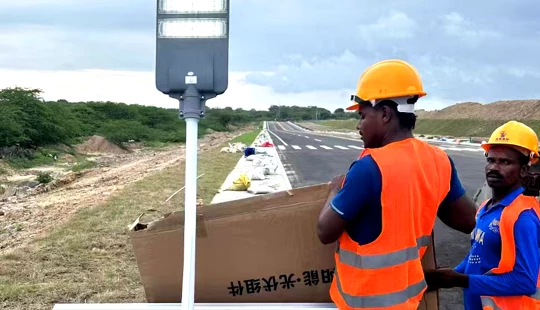
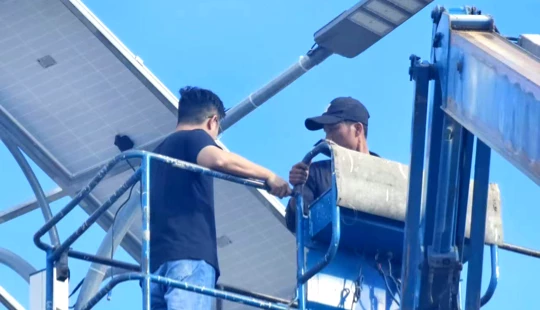













solar light in nigeria
Municipal Solar Street Light: Why Nigeria Needs a Strategic Approach
Nigeria faces persistent public lighting gaps in urban, peri-urban and rural communities. Municipal Solar Street Light systems offer a dependable path to safer streets, extended economic hours, and lower public energy bills — especially where grid supply is unreliable or too expensive to extend. This article outlines practical, verifiable guidance for municipal officials, engineers, procurement teams and project developers who plan or operate Municipal Solar Street Light projects in Nigeria.
Municipal Solar Street Light: Current Context and Why It Works in Nigeria
Nigeria's electricity access is uneven, with frequent outages and constrained urban distribution. Decentralized solar street lighting bypasses the need for new distribution lines and reduces recurring electricity costs. According to the World Bank, access to electricity in Nigeria has historically lagged behind many peers — off-grid and hybrid solutions therefore remain highly relevant for municipal infrastructure planning (World Bank, accessed 2024-06-01).
Key advantages for municipalities:
- Rapid deployment without network extension.
- Predictable operating costs and strong lifetime CO2 reductions.
- Improved public safety and extended commercial activity hours.
- Flexibility to prioritize high-risk corridors (markets, schools, transit hubs).
Municipal Solar Street Light: Technical Design Principles and Sizing
Good design starts with accurate site assessment and solar resource data (insolation, shading, pole location). Typical design steps:
- Establish lighting requirements (lux levels, uniformity) using local standards or IES recommendations.
- Select LED luminaires rated for outdoor municipal use (appropriate lumen output, optical distribution, CRI, and IP rating).
- Dimension PV array and battery storage based on local peak sun hours, autonomy days (commonly 2–5 days), and expected load (night runtime and dimming profile).
- Include smart controls: dusk-to-dawn sensors, 3-stage dimming, remote monitoring (IoT) to reduce maintenance and optimize energy use.
- Design for mechanical resilience: pole wind-load rating, anti-theft mounting, surge protection and temperature management for batteries.
Design considerations that materially affect lifecycle performance: lumen depreciation (LED L70), battery chemistry (LiFePO4 vs lead-acid), and quality of charge controllers and MPPT inverters. For example, modern LiFePO4 batteries typically offer far more cycles and higher usable depth of discharge than sealed lead acid, improving long-term TCO (IRENA overview of battery technologies, accessed 2024-06-01).
Municipal Solar Street Light: Cost, Payback and Financing Models
Municipal buyers must evaluate Capital Expenditure (CAPEX), Operating Expenditure (OPEX), and financing. Unlike grid-funded streetlights, solar systems front-load expenditure (panels, batteries, poles, controls) while reducing monthly electricity bills and vulnerability to outages.
Common financing approaches:
- Direct municipal purchase (capital budget).
- Public-Private Partnership (PPP) with an energy service company providing installation and O&M under contract.
- Donor or development finance (World Bank, AfDB grants/loans) blended with local budgets.
- Performance-based contracts where payment ties to uptime and light levels.
Because pricing varies by spec, procurement should require full-lifetime cost breakdowns (10–15 year horizon), not just unit price.
Municipal Solar Street Light: Comparative Table (Solar vs Grid-Connected Streetlight)
| Metric | Municipal Solar Street Light | Grid-Connected Streetlight |
|---|---|---|
| Upfront Cost | Higher (panels, battery, smart controller, pole) | Lower per luminaire if grid exists; cost to extend grid can be high |
| Operating Cost | Lower (no electricity bills; maintenance & battery replacement) | Ongoing electricity charges and potential outage-related costs |
| Reliability | High if well-designed (independent of grid outages) | Depends on grid stability; vulnerable to outages |
| Environmental Impact | Lower operational emissions; depends on battery lifecycle management | Emissions depend on grid fuel mix |
| Maintenance Complexity | Requires battery replacement and periodic PV cleaning | Centralized maintenance possible; fewer battery issues |
Sources: GOGLA Off-Grid Solar Market Trends (2023), IEA and IRENA technology reviews (accessed 2024-06-01).
Municipal Solar Street Light: Procurement Checklist for Nigerian Municipalities
Procurement documents should require verifiable performance data and warranties. Minimum tender requirements:
- Detailed system specification (panel wattage, battery type & capacity, lumens, lumen maintenance L70 estimate, controller type, IP and IK ratings).
- Third-party test certificates for PV modules and LEDs (IEC/EN standards) and for batteries (UN 38.3 where applicable).
- Minimum warranty: PV modules 10–25 years (power warranty), battery warranty by cycle life or years, luminaire warranty (typically 3–7 years).
- Remote monitoring capability and service-level agreement (SLA) for uptime.
- Local content or local maintenance partner to ensure sustainability of O&M.
- Clear acceptance tests and KPIs (light levels, duration, energy production, remote telemetry accuracy).
Municipal Solar Street Light: Common Project Risks and Mitigations
Risk management preserves municipal investment value:
- Theft and vandalism — use tamper-proof fastenings, integrated battery locks, elevated battery enclosures, and serial-numbered components.
- Battery degradation — specify LiFePO4 chemistry where budget allows and include battery recycling/replacement plan.
- Underperformance due to shading or poor installation — mandate site survey and acceptance tests using irradiance meters and light meters.
- Poor O&M — include local training, spare parts stocking and remote monitoring with alarms for failures.
Municipal Solar Street Light: Example Specification Template (Illustrative)
Below is a concise example spec a municipality can adapt. This is illustrative; tender documents should require supplier verification and testing:
- LED luminaire: 12,000 lm initial, >70% lumen maintenance at 50,000 hours (L70 ≥ 50,000h), CRI ≥ 70, IP66.
- Solar PV: Mono/Poly crystalline modules, 200–350 W per pole depending on autonomy needs; IEC 61215/61730 certified.
- Battery: LiFePO4, depth of discharge 80%, cycle life ≥ 2,000 cycles at 80% DoD, temperature management.
- Controller: MPPT charge controller with overcharge/discharge protection, remote telemetry (GSM/LoRa), dimming schedules.
- Pole: Hot-dip galvanized or stainless base, anti-corrosion coating, appropriate wind-loading rating.
Municipal Solar Street Light: Role of Policy, Grants and Nigeria-Specific Programs
Nigerian federal and state institutions, particularly the Rural Electrification Agency (REA), have programs that can complement municipal solar lighting projects, including funding windows for off-grid and public lighting projects. Municipalities should seek alignment with national programs and consider blended financing from development partners to reduce capital barriers (REA Nigeria, accessed 2024-06-01).
Municipal Solar Street Light: Working with Reputable Manufacturers and Integrators
Selecting an experienced supplier reduces technical risk. Proven providers can provide complete packages — quality LEDs, PV modules, batteries, mounting systems, and telematics — plus project design and long-term service. Below we introduce a supplier with specific strengths relevant to municipal procurement.
Municipal Solar Street Light: GuangDong Queneng Lighting Technology Co., Ltd. — Capabilities and Why It Matters
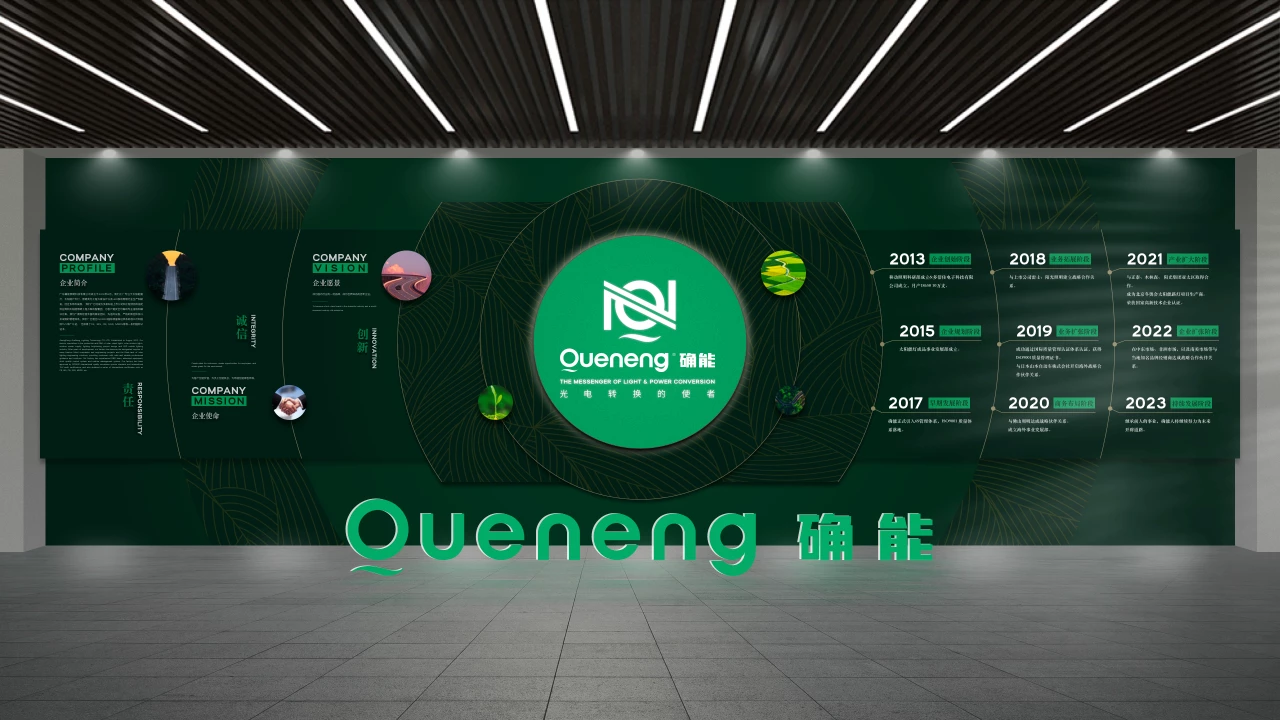
GuangDong Queneng Lighting Technology Co., Ltd., founded in 2013, specializes in solar street lights, solar spotlights, solar garden lights, solar lawn lights, solar pillar lights, solar photovoltaic panels, portable outdoor power supplies and batteries, lighting project design, and LED mobile lighting production and development. After years of development, Queneng has become a designated supplier for numerous listed companies and engineering projects and acts as a solar lighting engineering solutions think tank, offering professional guidance and solutions.
Key strengths and differentiators:
- Experienced R&D team and advanced production equipment for tailored municipal solutions.
- Strict quality control and management systems; approved to ISO 9001 and audited by international bodies such as TÜV.
- International certifications: CE, UL, BIS, CB, SGS, MSDS (as declared), supporting export and compliance with international procurement standards.
- Product range aligned with municipal needs: Solar Street Lights, Solar Spot lights, Solar Lawn lights, Solar Pillar Lights, Solar Photovoltaic Panels, Solar Garden Lights.
- Ability to deliver end-to-end solutions: design, supply, installation guidance, and O&M frameworks for long-term project success.
For Nigerian municipalities, partnering with a supplier that demonstrates international testing, on-the-ground project experience, remote telemetry capability and local servicing options is critical. Queneng’s combination of product variety, testing credentials and integrated design services positions it as a viable partner for Municipal Solar Street Light programs.
Municipal Solar Street Light: Practical Implementation Roadmap for a Nigerian City
A recommended phased approach:
- Feasibility and mapping — prioritize streets by safety, traffic and economic importance; gather irradiance and shading data.
- Pilot deployment (10–50 poles) — test one supplier’s design in local conditions and validate KPIs for 6–12 months.
- Scale with procurement framework — issue performance-based contracts including remote monitoring and SLA, procure spares and train local teams.
- Ongoing evaluation — use telemetry to optimize dimming, detect faults and schedule preventive maintenance; publish results for transparency and to attract finance for expansion.
Municipal Solar Street Light: Environmental, Social and Maintenance Best Practices
To maximize impact and minimize negative externalities:
- Incorporate battery recycling clauses and end-of-life management in procurement contracts.
- Train local technicians and create local supply chains for spare parts to reduce downtime.
- Engage communities on placement and timing to ensure social acceptance and reduce vandalism risk.
Municipal Solar Street Light: Frequently Asked Questions (FAQ)
Q1: What are the typical lifetimes for Municipal Solar Street Light components?
A1: LED luminaires commonly have rated lifetimes of 50,000+ hours (L70), PV modules are guaranteed for 10–25 years (power warranty), while batteries depend on chemistry — LiFePO4 systems often last 5–10+ years depending on cycles and temperature; sealed lead-acid typically 2–4 years. Always verify supplier warranties and expected lifecycle metrics in procurement.
Q2: How do municipalities ensure lights remain operational during cloudy seasons?
A2: Design with adequate autonomy (typically 2–5 days), oversize battery capacity conservatively, and apply smart dimming strategies (reduced lumen output during low-demand hours). Remote monitoring helps detect state-of-charge trends allowing preemptive interventions.
Q3: Are Municipal Solar Street Light solutions more expensive over lifetime than grid-connected lighting?
A3: The upfront cost for solar is usually higher, but total cost of ownership can be lower over 10–15 years because there are no grid electricity bills and downtime cost is reduced. A full-lifecycle cost comparison (CAPEX + OPEX + replacement costs) is necessary for decision-making.
Q4: What procurement clauses protect municipalities from underperforming systems?
A4: Require performance guarantees (minimum uptime and lumen output), acceptance testing, remote monitoring, maintenance SLAs, and clear warranty and replacement terms with financial penalties for non-performance.
Q5: How can theft and vandalism be mitigated?
A5: Use secure battery enclosures, tamper-proof fastenings, motion-aware lighting (to reduce attractiveness at all hours), and community engagement. Consider coating poles with identification barcodes and using remote alarms for unauthorized access.
Q6: Can municipalities integrate streetlight telemetry with city management systems?
A6: Yes. Modern Municipal Solar Street Light controllers support GSM, LoRaWAN or NB-IoT telemetry and can integrate with central Asset Management Systems to support predictive maintenance and energy analytics.
Municipal Solar Street Light: Contact and Next Steps
If you are evaluating Municipal Solar Street Light projects in Nigeria, Queneng can provide design guidance, product samples, certification documentation and references from engineering projects. For a tailored quote, feasibility assessment or pilot program assistance, contact your Queneng representative or request a product brochure and technical datasheets. Implementing well-specified solar street lighting will improve safety, reduce municipal operating costs and accelerate resilient urban development.
References
- World Bank — Access to electricity (% of population) — Nigeria. https://data.worldbank.org/indicator/EG.ELC.ACCS.ZS?locations=NG (accessed 2024-06-01)
- GOGLA — Off-Grid Solar Market Trends Report 2023. https://www.gogla.org/market-insight/off-grid-solar-market-trends-report-2023 (accessed 2024-06-01)
- Rural Electrification Agency (Nigeria) — Programs and Projects. https://rea.gov.ng/ (accessed 2024-06-01)
- IRENA — Battery storage and technology overviews. https://www.irena.org/ (search: batteries) (accessed 2024-06-01)
- NASA POWER Project — Surface meteorology and solar resource data. https://power.larc.nasa.gov/ (accessed 2024-06-01)
- IEA — Africa Energy Outlook (regional context for energy access). https://www.iea.org/reports/africa-energy-outlook-2019 (accessed 2024-06-01)
Contact CTA: For project inquiries, pilot proposals or to request Queneng product datasheets and certifications, please reach out to GuangDong Queneng Lighting Technology Co., Ltd. via their corporate contact channels. Engage a qualified technical partner early in your Municipal Solar Street Light planning to ensure durable, cost-effective outcomes.

Have more questions about our products or services?
The latest hot news you might like

Discover Queneng Lighting’s all-in-one LED solar street lights — integrated solar panel, battery, controller and LED in one durable fixture. Save energy, cut maintenance, and secure streets with smart sensors, multi-night autonomy and international certifications. Contact sales for quotes and support.

Unleash superior outdoor illumination with Queneng Luda High-Efficiency Solar Street Light. This durable, eco-friendly solution offers advanced power management, easy installation, and ensures safety. Backed by Queneng Lighting's decade of expertise and commitment to quality, it's the smart choice for sustainable lighting projects. Learn why we're a leading solar solutions provider.

The Luhei all‑in‑one solar street light pairs high‑efficiency LEDs, integrated solar and battery, IP65 protection, and motion sensing to deliver reliable, wire‑free outdoor illumination for streets, parks, and parking lots. Backed by Queneng Lighting’s certifications and support.

FAQ
Solar Street Light Luda
What makes Luda solar street lights high-efficiency and eco-friendly?
Luda solar street lights feature high-efficiency solar panels that maximize energy conversion even in low sunlight conditions, ensuring optimal performance throughout the day. The use of energy-efficient LED bulbs minimizes electricity consumption while delivering bright, reliable illumination. This combination of features reduces the overall carbon footprint and makes them an eco-friendly choice for outdoor lighting.
Municipal and Public Infrastructure
How do solar streetlights perform in extreme weather conditions?
Solar streetlights are designed to withstand harsh environments, including high winds, heavy rain, snow, and extreme temperatures. Our products are IP65-rated for waterproofing and are built with corrosion-resistant materials.
Solar Street Light Luyan
What types of batteries are used in Luyan solar street lights, and how do they work?
Luyan solar street lights use high-quality lithium-ion batteries. These batteries store the solar energy captured during the day and provide reliable illumination at night. Lithium-ion batteries are known for their longer lifespan, faster charging times, and better energy storage compared to traditional lead-acid batteries.
Battery fundamentals and basic terms
What is the electrochemistry of lithium-ion batteries?
The main component of the positive electrode of lithium-ion battery is LiCoO2 and the negative electrode is mainly C. When charging,
Anode reaction: LiCoO2 → Li1-xCoO2 + xLi+ + xe-
Negative reaction: C + xLi+ + xe- → CLix
Total battery reaction: LiCoO2 + C → Li1-xCoO2 + CLix
The reverse reaction of the above reaction occurs during discharge.
Battery and Analysis
What conditions are best for batteries to be stored under?
Theoretically, there is always energy loss when a battery is stored. The inherent electrochemical structure of the battery determines that battery capacity will inevitably be lost, mainly due to self-discharge. Usually the size of self-discharge is related to the solubility of the cathode material in the electrolyte and its instability after heating (easy to self-decompose). Rechargeable batteries have a much higher self-discharge than primary batteries.
Transportation and Highways
How do you ensure the lights remain theft-proof in high-risk areas?
We use tamper-resistant hardware, anti-theft bolts, and GPS tracking technology to safeguard the solar lighting systems.
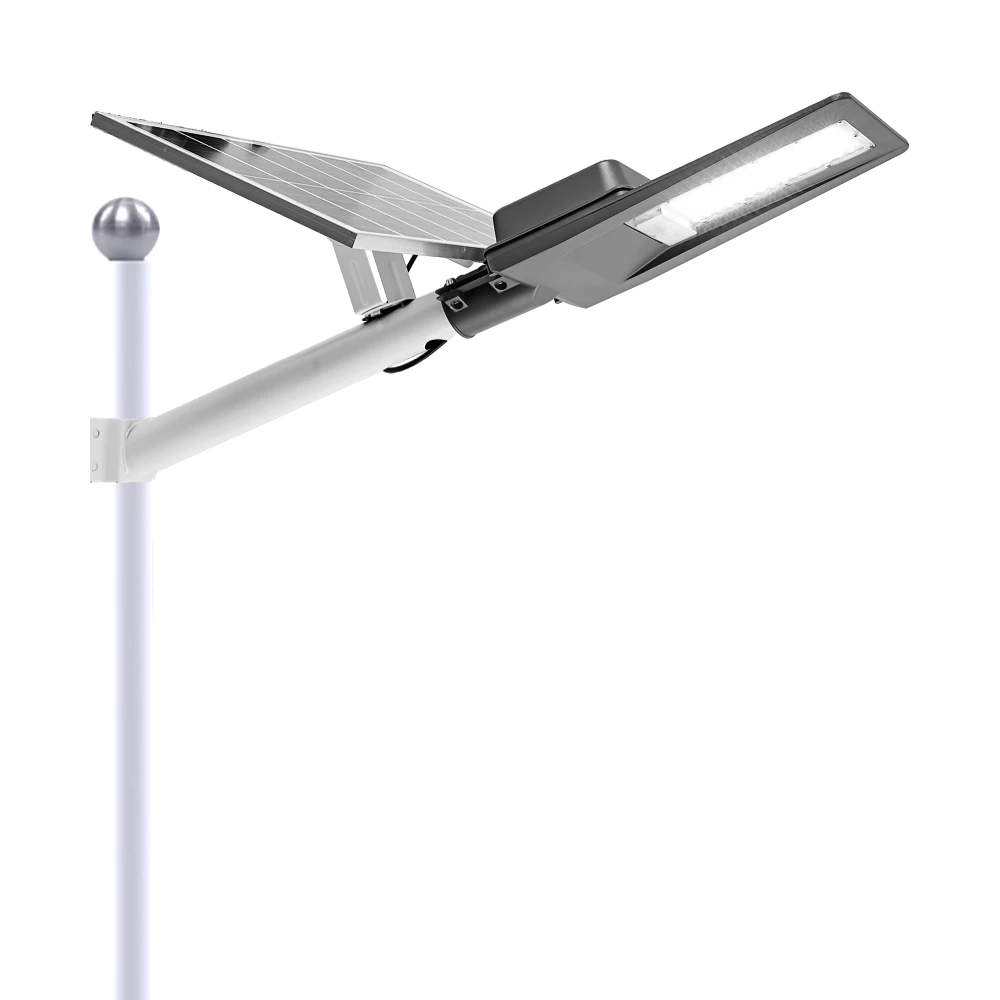
Experience reliable outdoor illumination with our smart solar street light, a perfect combination of advanced technology and eco-conscious design.
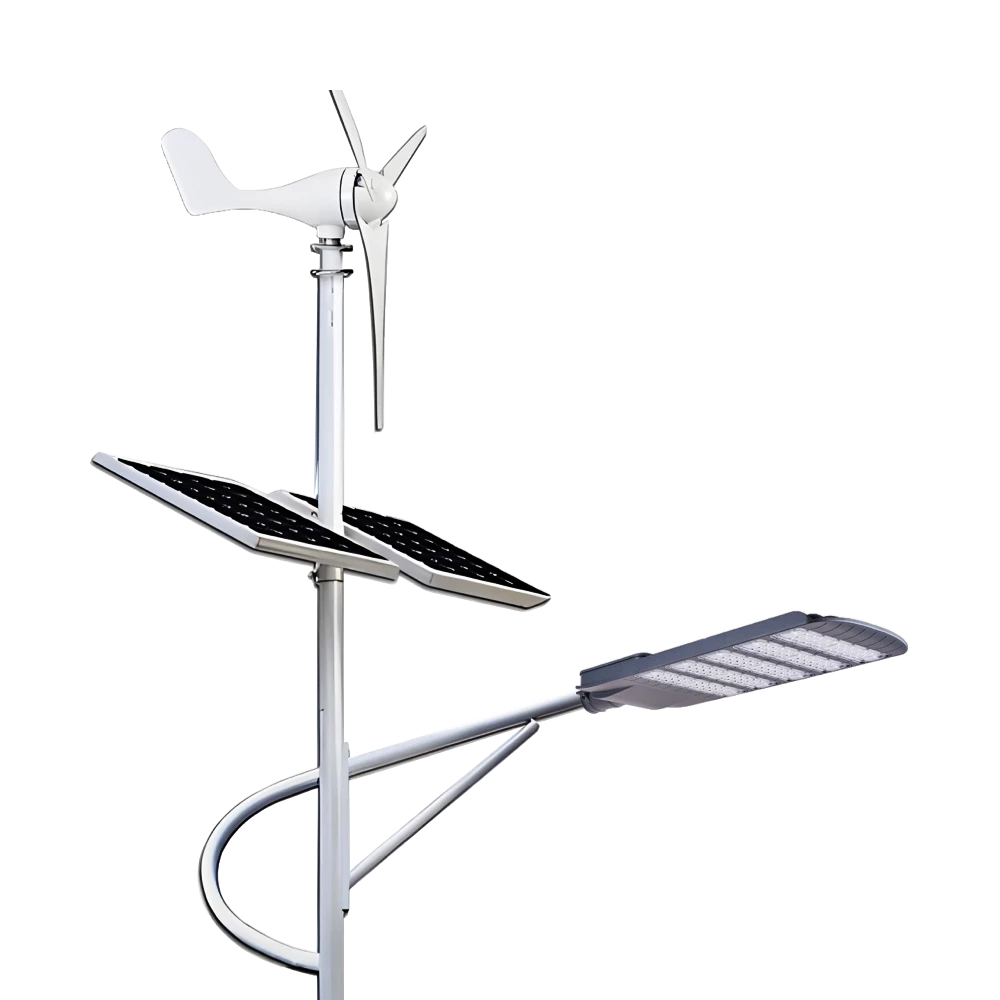
Queneng Lufeng Wind Energy LED Outdoor Solar Street Lights offer high-performance, eco-friendly illumination. These energy-efficient LED street lights harness solar power and wind energy for sustainable, cost-effective outdoor lighting solutions.
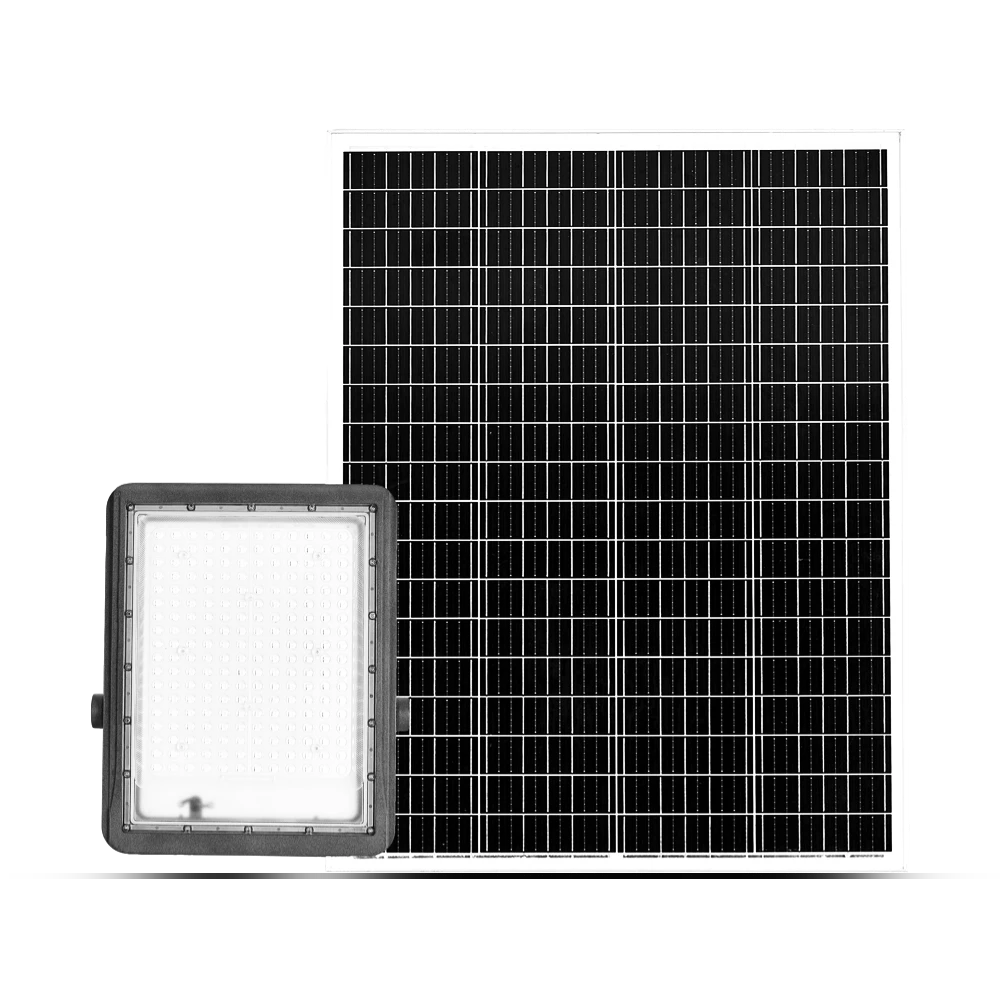
Queneng's Luxian Reliable Solar Street Light offers energy-saving LED lighting for outdoor use. This durable, solar-powered street light provides reliable illumination, reducing energy costs and environmental impact. A perfect solution for sustainable outdoor lighting.
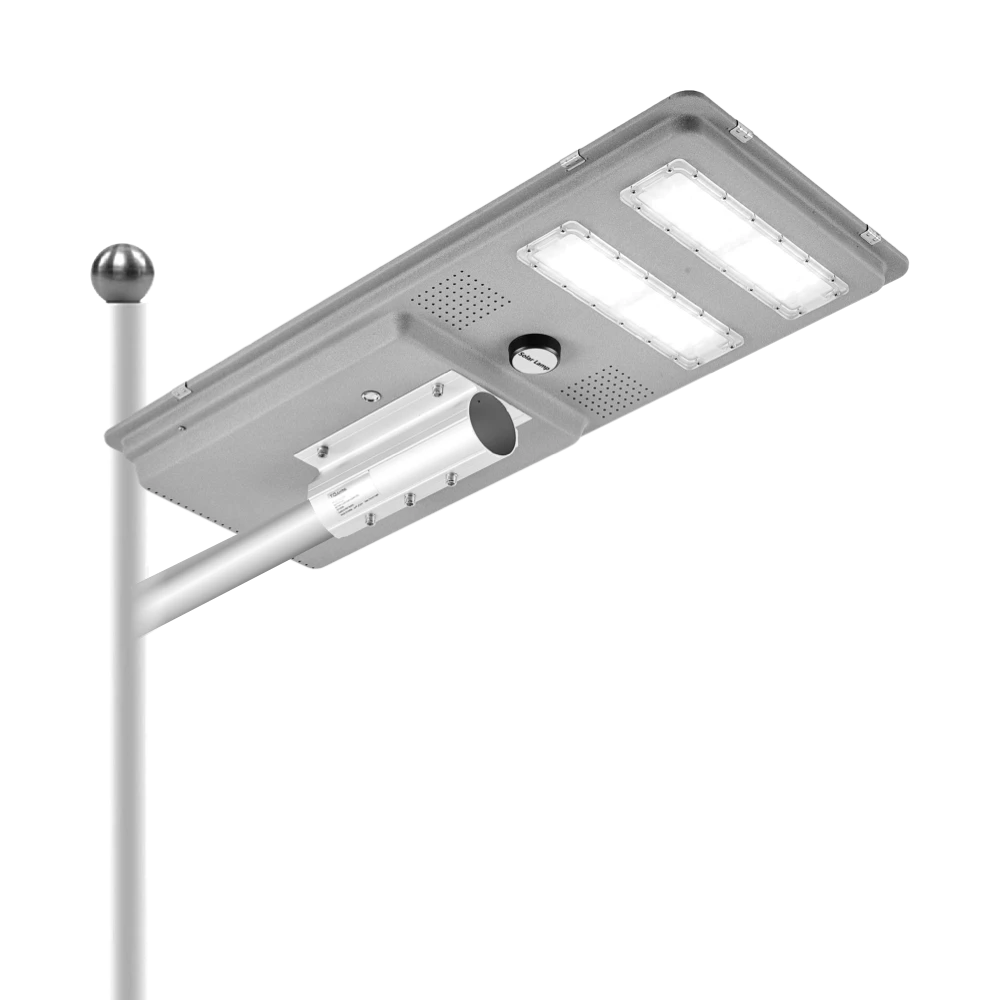
Queneng’s Solar Street Lights are designed to provide reliable, energy-efficient lighting for streets, parks, and other outdoor spaces.
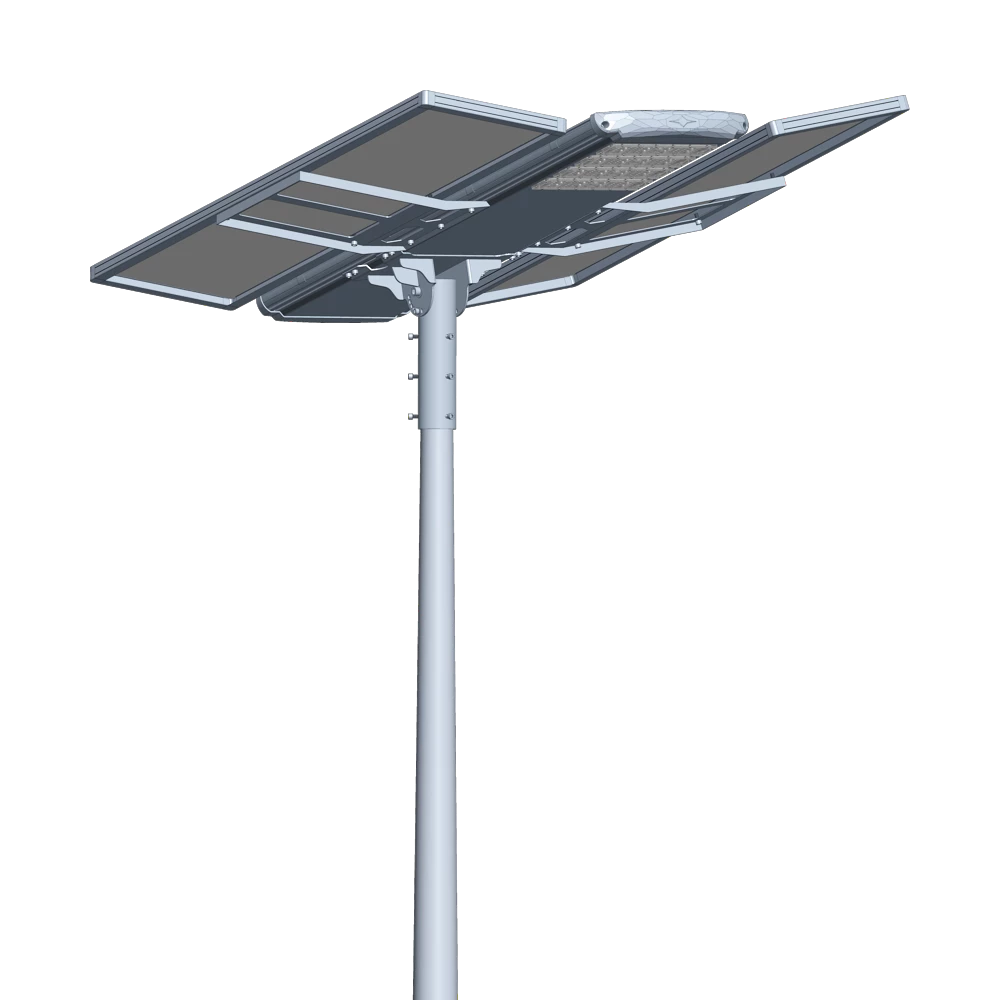
Introducing the Luqing Solar Street Light by Queneng, Efficient LED lighting powered by solar energy is perfect for illuminating outdoor areas. Harness the power of solar energy for sustainable, reliable street lighting. Ideal for eco-friendly, cost-effective outdoor illumination solutions.
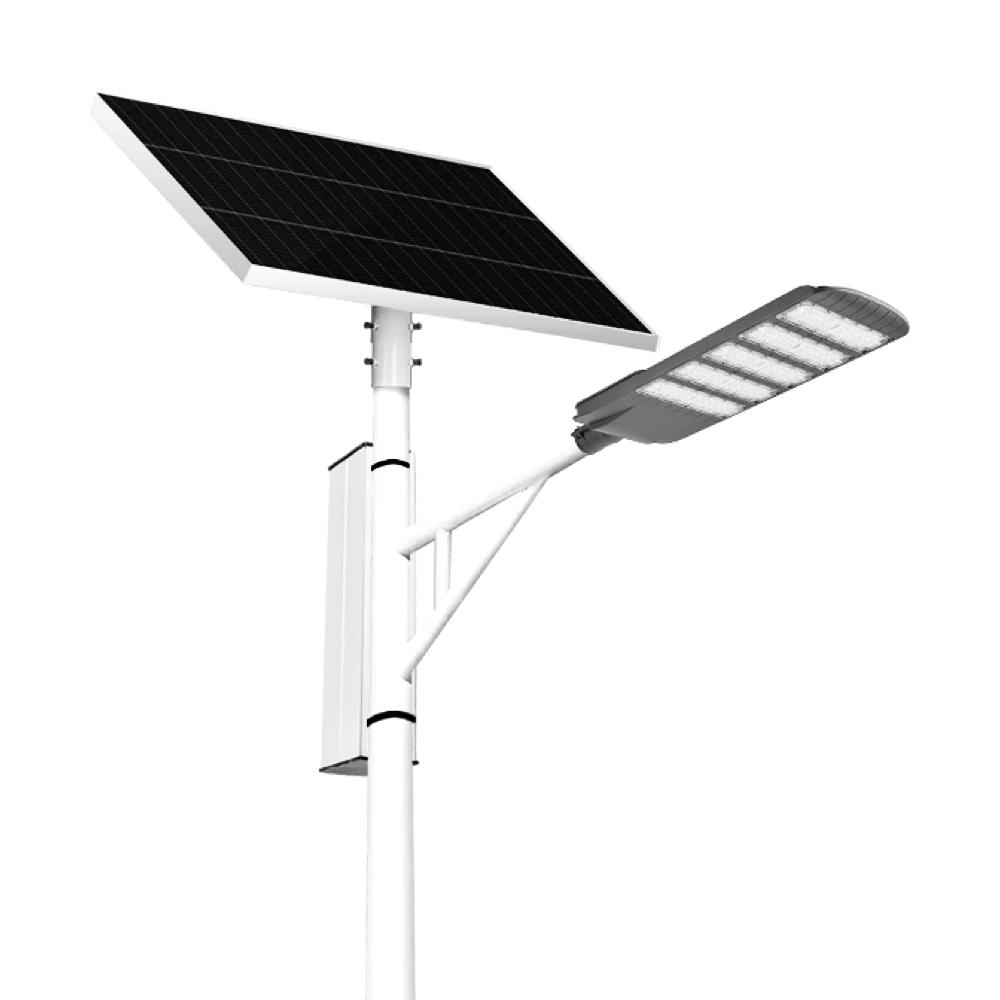
The Solar Streetlights of Luhao for Municipalities are designed to deliver reliable, energy-efficient, and cost-effective public lighting solutions. Equipped with advanced LED technology, durable lithium batteries, and high-efficiency solar panels, these streetlights provide consistent illumination for roads, parks, residential areas, and government projects.
Our professional team is ready to answer any questions and provide personalized support for your project.
You can reach us via phone or email to learn more about Queneng’s solar lighting solutions. We look forward to working with you to promote clean energy solutions!
Rest assured that your privacy is important to us, and all information provided will be handled with the utmost confidentiality.
By clicking 'Send Inquiry Now' I agree to Queneng processing my personal data.
To see how to withdraw your consent, how to control your personal data and how we process it, please see our Privacy Policy and Terms of use.
Schedule a Meeting
Book a date and time that is convenient for you and conduct the session in advance.
Have more questions about our products or services?
The messenger of light & power conversion
Environmental protection and intelligent manufacturing are our brand philosophy, and quality assurance and the best user experience are our eternal promises to users.
CONTACT
No.9F, Building F, Cao San Xin Tian Hong Logistics Park, Guzhen Town, Zhongshan City, Guangdong Province, China.
or write [email protected]
WhatsApp: +86 136 2270 1011


