














Solar Panel Types and Performance for Street Lighting
Choosing the Right Solar Technology for Public Street Lighting
Introduction: Why PV choice matters for municipal solar street light projects
Municipal Solar Street Light projects require reliable performance, predictable maintenance, and cost-effective lifecycle economics. The choice of solar panel type and its performance characteristics determine how well a system powers LED luminaires through cloudy seasons, supports battery charging, and meets the longevity expectations of public infrastructure. This article breaks down the commonly used photovoltaic (PV) technologies, compares their real-world performance for municipal applications, explains how to size systems, and gives procurement and operational guidance from an industry perspective.
Common solar panel types used in municipal solar street light systems
Municipal Solar Street Light schemes most often use a small set of commercially mature PV technologies. Each has trade-offs in efficiency, cost, temperature sensitivity, and lifespan. Understanding these differences will help municipal engineers and procurement teams specify the right module for site conditions and budget.
PV technologies overview and comparison
| Type | Typical Commercial Efficiency | Key Strengths | Key Limitations | Best Use in Municipal Solar Street Light |
|---|---|---|---|---|
| Monocrystalline silicon | 18% - 22% | High efficiency, compact area, long life | Higher unit cost than polycrystalline | Urban sites with limited roof/pole area, higher performance demands |
| Polycrystalline silicon | 15% - 18% | Lower cost, mature supply chain | Lower efficiency, larger area required | Large-area installations with tight budgets |
| Thin-film (CdTe, CIGS) | 10% - 14% | Better low-light and high-temperature behavior (some types), flexible form factors | Lower efficiency, generally shorter warranty life | Special cases where weight/flexibility is required |
| Bifacial crystalline modules | 18% - 22% (plus rear gain up to 10-30%) | Higher energy yield per module area where albedo is favorable | More site-sensitive; requires mounting to capture rear irradiance | Open municipal plazas or corridors with reflective ground surfaces |
Sources for efficiency and technology descriptions include NREL and Fraunhofer ISE, which detail research and commercially available ranges for PV modules.
Key performance metrics and why they matter for municipal solar street light reliability
Specifying a Municipal Solar Street Light system requires attention to several measurable PV module attributes that affect operational reliability and lifecycle cost.
Efficiency, temperature coefficient, and degradation rate
- Efficiency: Determines how much electrical power is produced per unit area. Higher efficiency is valuable where pole- or rooftop-mount footprint is constrained.
- Temperature coefficient: Negative coefficient means output falls with rising temperature. In hot climates a lower negative coefficient preserves charge capability during summer peak temperatures.
- Annual degradation rate: Modules lose output over time. Standard warranties may guarantee 80-85% of nameplate after 25 years; selecting modules with low degradation improves long-term energy availability for street lighting.
Designers should request tested temperature coefficients and long-term degradation test reports from manufacturers and prefer modules with measured field data or third-party test certifications.
Environmental and site factors that influence PV selection for Municipal Solar Street Light
Local climate, available sunlight (insolation), shading patterns, and ground albedo determine which panel type performs best in practice.
Assess solar resource and shading before selecting panels
Use local insolation data (daily peak sun hours) to size arrays. Many municipal projects use 3 to 6 peak sun hours as conservative design assumptions depending on latitude and weather. For accurate predictions, employ tools such as NREL PVWatts or local meteorological data. Shading from trees, buildings, or poles can reduce output dramatically; consider microinverters, module-level power electronics, or string design that minimizes shading impact.
Sizing a municipal solar street light system: a practical example
This worked example demonstrates how panel type and system losses affect required PV area and battery capacity for a typical Municipal Solar Street Light installation.
Example: 40 W LED luminaire designed for 10 hours nightly
Assumptions:
- LED power: 40 W continuous
- Operating hours per night: 10 hours — energy need = 40 W x 10 h = 400 Wh/day
- System losses (controller, wiring, temperature): 25%
- Battery depth of discharge target: 80% for lithium systems
- Design autonomy: 3 cloudy days
- Peak sun hours: 4 (typical temperate city)
Required daily energy accounting for losses: 400 Wh / (1 - 0.25) = 533 Wh/day.
PV array energy required per day = 533 Wh. With 4 peak sun hours, needed PV power = 533 Wh / 4 h = 133 W. Adding 20% contingency for mismatch and seasonal variation gives ~160 W PV. A single 160 W monocrystalline module or two 80 W modules could be used — note that actual commercial modules are larger, so designers usually integrate higher-power modules or combine modules to match charge controller MPPT ranges.
Battery capacity for 3 days autonomy: 533 Wh/day x 3 = 1599 Wh. With 80% DOD usable, battery size = 1599 / 0.8 = 2000 Wh = 2 kWh. For a 12 V battery, that is ~167 Ah (2000 Wh / 12 V = 166.7 Ah).
Takeaway: Module efficiency directly affects physical array size. In constrained pole-mount installations, higher-efficiency monocrystalline or bifacial modules (where rear gain is feasible) reduce pole size and visual impact.
Battery and system component choices for municipal solar street lights
Batteries, controllers, and LED drivers are as critical as PV modules for system uptime and maintenance schedule.
Battery chemistry comparison
| Battery Type | Cycle Life | Cost | Maintenance | Suitability for Municipal Solar Street Light |
|---|---|---|---|---|
| Lead-acid (sealed AGM/Gel) | 300-800 cycles | Lower upfront cost | Minimal (sealed) | Shorter life, higher replacement frequency; suitable for low-budget, low-lifetime-expectation projects |
| Lithium-ion (LiFePO4) | 2000-5000 cycles | Higher upfront cost | Low | Preferred for municipal deployments due to long life, higher usable DOD, and lower lifecycle cost |
Select batteries with proven thermal management, BMS protection, and environmental ratings appropriate for outdoor pole enclosures. Lithium-ion with IP-rated enclosures is now the standard for new municipal deployments, thanks to longevity and reduced maintenance.
Cost, warranties, and lifecycle considerations for municipalities
Municipal procurement should evaluate total cost of ownership rather than only upfront price. Key factors include module warranty (power and product), battery warranty and cycle life, expected maintenance visits, and availability of local service partners.
Comparing lifecycles and warranties
| Component | Typical Warranty | Useful Life (expected) |
|---|---|---|
| PV module | 10-year product; 25-year performance (80-85% power) | 20-30 years |
| Battery (LiFePO4) | 3-10 years depending on cycles | 7-15 years |
| LED luminaire and driver | 3-10 years | 5-15 years |
Choose modules with third-party test certifications and settle warranties that include minimum performance assurances. Consider contracting for periodic performance inspections and replacing batteries on a scheduled plan to avoid lamp outages.
Procurement, certification and quality control for municipal solar street light projects
Procurement specifications should require independent test reports, certifications, and detailed BOMs. Municipalities should evaluate vendors on project experience, QA processes, and references from similar public-lighting projects.
Quality markers and documentation to require
- PV module IEC/UL certifications and third-party test reports for power and degradation
- Battery safety certifications, BMS specifications, and cycle test reports
- Pre-delivery and factory acceptance test (FAT) procedures
- Detailed maintenance plan and spare parts availability
- Certifications such as ISO 9001 for manufacturing quality management
Queneng Lighting: capabilities, certifications and suitability for municipal projects
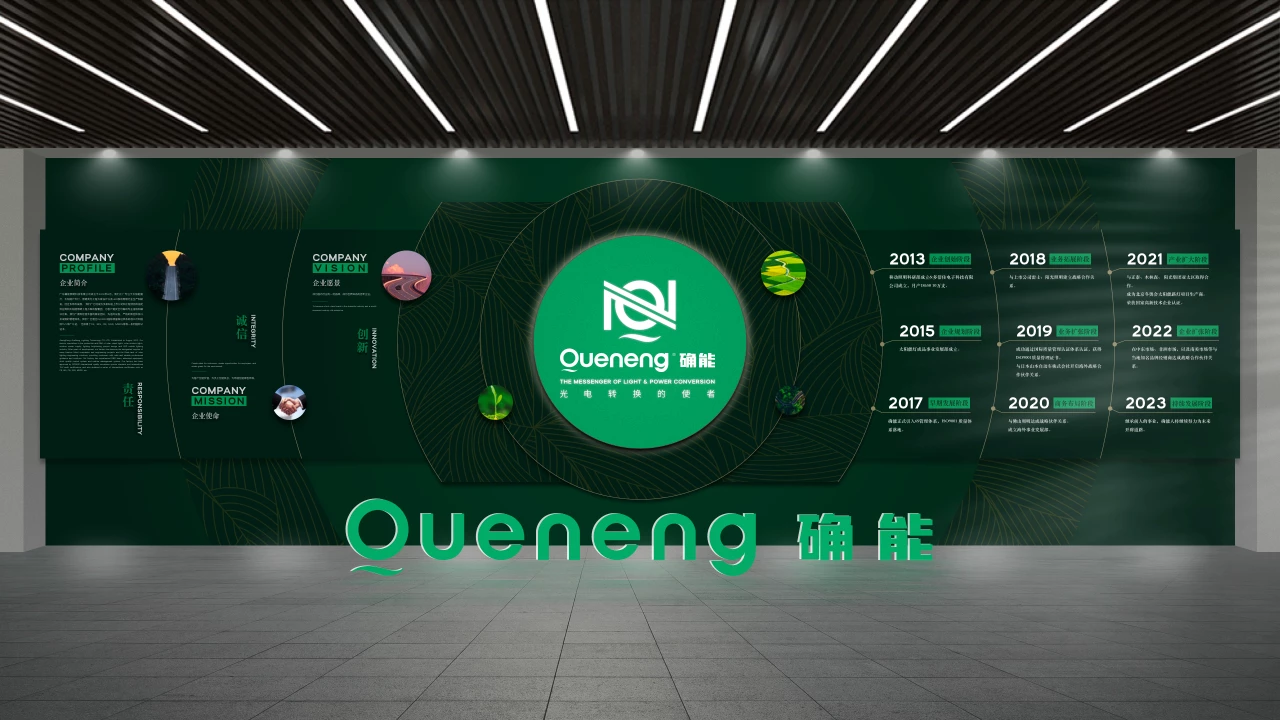
GuangDong Queneng Lighting Technology Co., Ltd. Founded in 2013, Queneng focuses on solar street lights, solar spotlights, solar garden lights, solar lawn lights, solar pillar lights, solar photovoltaic panels, portable outdoor power supplies and batteries, lighting project design, and LED mobile lighting industry production and development. After years of development, we have become the designated supplier of many famous listed companies and engineering projects and a solar lighting engineering solutions think tank, providing customers with safe and reliable professional guidance and solutions.
Queneng lighting strengths and product focus for Municipal Solar Street Light projects
Queneng combines an experienced R&D team, advanced equipment, strict quality control systems, and a mature management system. The company has been approved by ISO 9001 international quality assurance system standard and international TUV audit certification and has obtained a series of international certificates such as CE, UL, BIS, CB, SGS, MSDS, etc. Queneng supplies core products and solutions including Solar Street Lights, Solar Spot lights, Solar Lawn lights, Solar Pillar Lights, Solar Photovoltaic Panels, and Solar Garden Lights. For municipal customers, Queneng highlights:
- Project engineering experience and end-to-end design capability for public lighting.
- Wide product portfolio allowing matched component selection (PV module, battery, controller, luminaire).
- International certifications and factory QA processes reducing procurement risk.
- Customized solutions for urban pole-mount limits, tamper-resistant enclosures, and integrated controllers with remote monitoring.
These attributes make Queneng a competitive partner when municipalities need supplier accountability, tested components, and turnkey delivery for solar street lighting projects.
Operational best practices and maintenance recommendations for municipal deployments
To maximize uptime, municipalities should plan routine inspections, remote monitoring, and scheduled battery replacements.
Maintenance checklist and monitoring
- Remote telemetry (preferred) for real-time monitoring of battery state-of-charge, PV charge current, and LED operation.
- Regular physical inspections for vandalism, water ingress, or soiling of PV modules—cleaning frequency depends on local dust and pollution.
- Replace batteries based on cycle-life forecast rather than waiting for failure to minimize dark poles.
- Retain spare driver and controller units in municipal stores for quick field replacement.
Frequently Asked Questions (FAQ)
Below are common questions municipal engineers and procurement officers search for when planning solar street lighting.
1. What solar panel type is best for Municipal Solar Street Light installations?
Monocrystalline modules are often best for pole-mounted municipal projects because they offer the highest commercial efficiency for limited area. Bifacial modules can add yield where rear irradiance exists. Polycrystalline or thin-film can be viable when area is abundant and budget constraints dominate.
2. How do I size panels and batteries for a 40 W LED municipal street light?
Estimate nightly energy need (W x hours), account for system losses (~20-30%), determine local peak sun hours, and calculate PV size accordingly. For batteries, size for required autonomy days and available DOD. See the worked example earlier in this article for a step-by-step approach.
3. How long do municipal solar street light systems typically last?
PV modules can last 20-30 years; LED luminaires and batteries typically require service or replacement every 5-15 years depending on component choices. Lifecycle depends heavily on battery chemistry, component quality, and maintenance program.
4. What certifications and documentation should we require from suppliers?
Require IEC/UL certifications for modules, third-party performance test reports, battery cycle test data and safety certifications, ISO 9001 factory quality management, and product warranties covering power and product defects.
5. Are municipal solar street lights cost-effective compared to grid lighting?
Cost-effectiveness depends on local electricity tariffs, grid availability, and maintenance costs. In off-grid or remote deployments, solar street lights often provide fast payback and lower operational cost. For grid-connected urban areas, hybrid or grid-tied options may be preferable. Conduct a site-specific total cost of ownership analysis to decide.
6. Can solar street lights operate reliably in cloudy or high-latitude locations?
Yes, with appropriate oversizing of panels and battery storage and using PV technologies tolerant of diffuse light. Design should account for the worst-month insolation and include sufficient autonomy days to prevent outages during extended cloudy periods.
Contact and next steps
If you are planning or procuring Municipal Solar Street Light projects and need application-specific design, component selection, or procurement support, contact Queneng Lighting for consultations, BOM support, performance testing data, and turnkey solutions. View product catalogs for Solar Street Lights, Solar Spot lights, Solar Garden Lights, Solar Lawn lights, Solar Pillar Lights, and Solar Photovoltaic Panels, and request a site assessment to receive a tailored proposal and ROI analysis.
References and authoritative sources
- National Renewable Energy Laboratory (NREL), PV Research and resources, https://www.nrel.gov/pv/, accessed 2025-12-23
- NREL, Best Research-Cell Efficiency Chart, https://www.nrel.gov/pv/cell-efficiency., accessed 2025-12-23
- International Energy Agency (IEA), Solar PV Report, https://www.iea.org/reports/solar-pv, accessed 2025-12-23
- Fraunhofer ISE, Photovoltaics Research Data and Module Index, https://www.ise.fraunhofer.de/en/solar-energy/research-data/module-index., accessed 2025-12-23
- U.S. Department of Energy, Solar Photovoltaic Cell Basics, https://www.energy.gov/eere/solar/solar-photovoltaic-cell-basics, accessed 2025-12-23
- Wikipedia, Solar panel, https://en.wikipedia.org/wiki/Solar_panel, accessed 2025-12-23
- PVWatts, NREL solar performance estimation tool, https://pvwatts.nrel.gov/, accessed 2025-12-23
- Battery University, Battery technology and cycle life information, https://batteryuniversity.com/, accessed 2025-12-23
- International Organization for Standardization (ISO), ISO 9001 Quality Management, https://www.iso.org/iso-9001-quality-management., accessed 2025-12-23
- TUV Rheinland global site information, https://www.tuv.com/world/en/, accessed 2025-12-23
- European Commission, CE marking information, https://ec.europa.eu/growth/single-market/ce-marking/, accessed 2025-12-23
For detailed product specifications, testing certificates, and project references from Queneng Lighting, request the vendor pack through their sales channels to validate test reports, BOMs, and warranty terms before final procurement.

Have more questions about our products or services?
The latest hot news you might like

Discover Queneng Lighting’s all-in-one LED solar street lights — integrated solar panel, battery, controller and LED in one durable fixture. Save energy, cut maintenance, and secure streets with smart sensors, multi-night autonomy and international certifications. Contact sales for quotes and support.

Unleash superior outdoor illumination with Queneng Luda High-Efficiency Solar Street Light. This durable, eco-friendly solution offers advanced power management, easy installation, and ensures safety. Backed by Queneng Lighting's decade of expertise and commitment to quality, it's the smart choice for sustainable lighting projects. Learn why we're a leading solar solutions provider.

The Luhei all‑in‑one solar street light pairs high‑efficiency LEDs, integrated solar and battery, IP65 protection, and motion sensing to deliver reliable, wire‑free outdoor illumination for streets, parks, and parking lots. Backed by Queneng Lighting’s certifications and support.

FAQ
Transportation and Highways
How does the system handle extreme weather conditions, such as snow or hurricanes?
Our systems are designed to withstand harsh weather, with components that are waterproof, wind-resistant, and capable of operating in temperatures ranging from -40°C to 60°C.
Solar Street Light Luzhou
What is the brightness level of Luzhou solar street lights?
Luzhou solar street lights provide bright, high-quality illumination that is comparable to traditional street lighting. The LEDs used in these lights are designed to provide focused, powerful lighting that enhances visibility and safety in outdoor spaces.
Distributors
What are the benefits of becoming a Queneng distributor?
As a Queneng distributor, you will gain access to high-quality, customizable solar lighting products, competitive pricing, marketing support, and exclusive distribution rights in some regions. We provide comprehensive training, technical support, and reliable logistics to help grow your business.
Tourist Attractions and Resorts
Will solar lights stay on throughout the night?
Yes, solar lights are designed to stay on all night long, provided they are installed in areas that receive adequate sunlight during the day. The solar panels charge during daylight hours and power the lights after dark.
Battery Performance and Testing
What is the IEC standard cycle life test?
After the battery is discharged to 1.0V/support at 0.2C
1. Charge at 0.1C for 16 hours, then discharge at 0.2C for 2 hours and 30 minutes (one cycle)
2. Charge at 0.25C for 3 hours and 10 minutes, discharge at 0.25C for 2 hours and 20 minutes (2-48 cycles)
3. Charge at 0.25C for 3 hours and 10 minutes, then discharge to 1.0V at 0.25C (49th cycle)
4. Charge at 0.1C for 16 hours, leave for 1 hour, discharge at 0.2C to 1.0V (50th cycle). For nickel-metal hydride batteries, after repeating 1-4 for a total of 400 cycles, the 0.2C discharge time should be greater than 3 hours; for nickel-cadmium batteries, repeating 1-4 for a total of 500 cycles, the 0.2C discharge time should be greater than 3 hours.
Solar Street Light Lufei
What type of solar panel is used in the solar street light?
Queneng’s solar street lights use high-efficiency monocrystalline or polycrystalline solar panels, which provide better performance and greater energy conversion efficiency than standard panels.
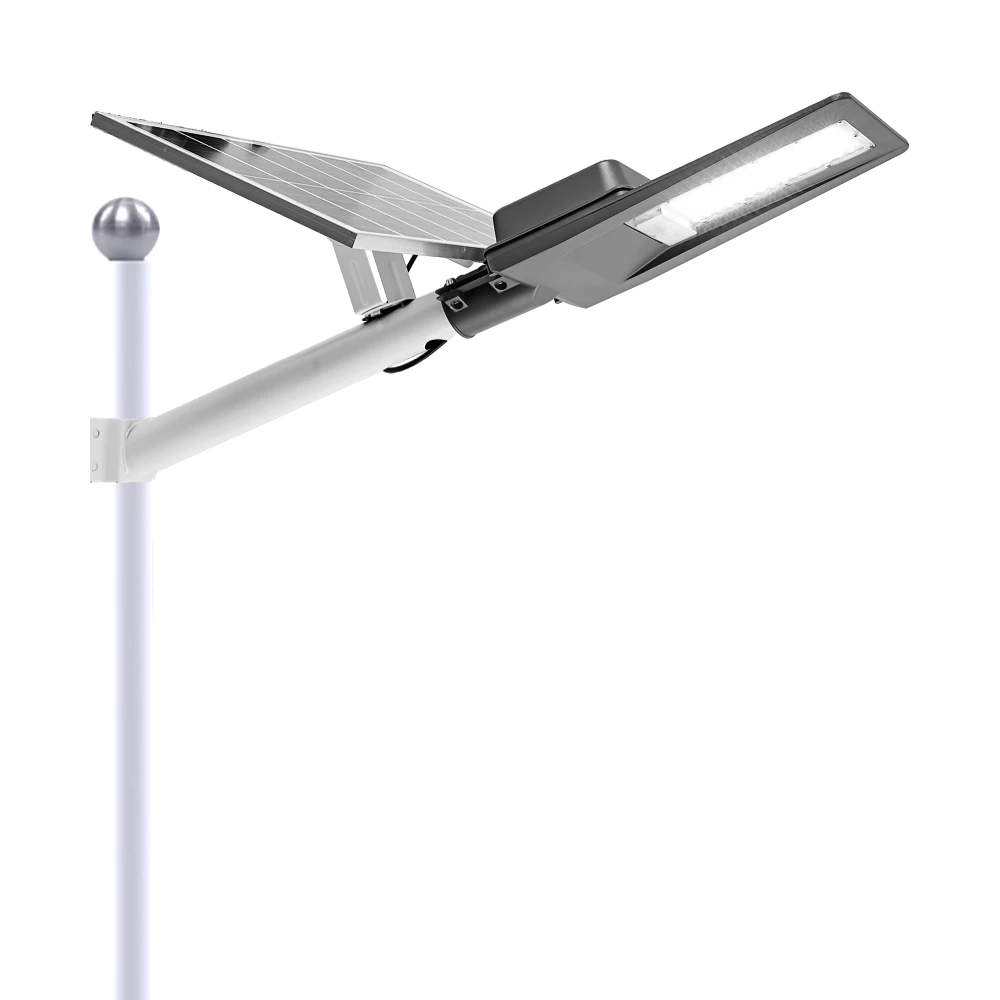
Experience reliable outdoor illumination with our smart solar street light, a perfect combination of advanced technology and eco-conscious design.
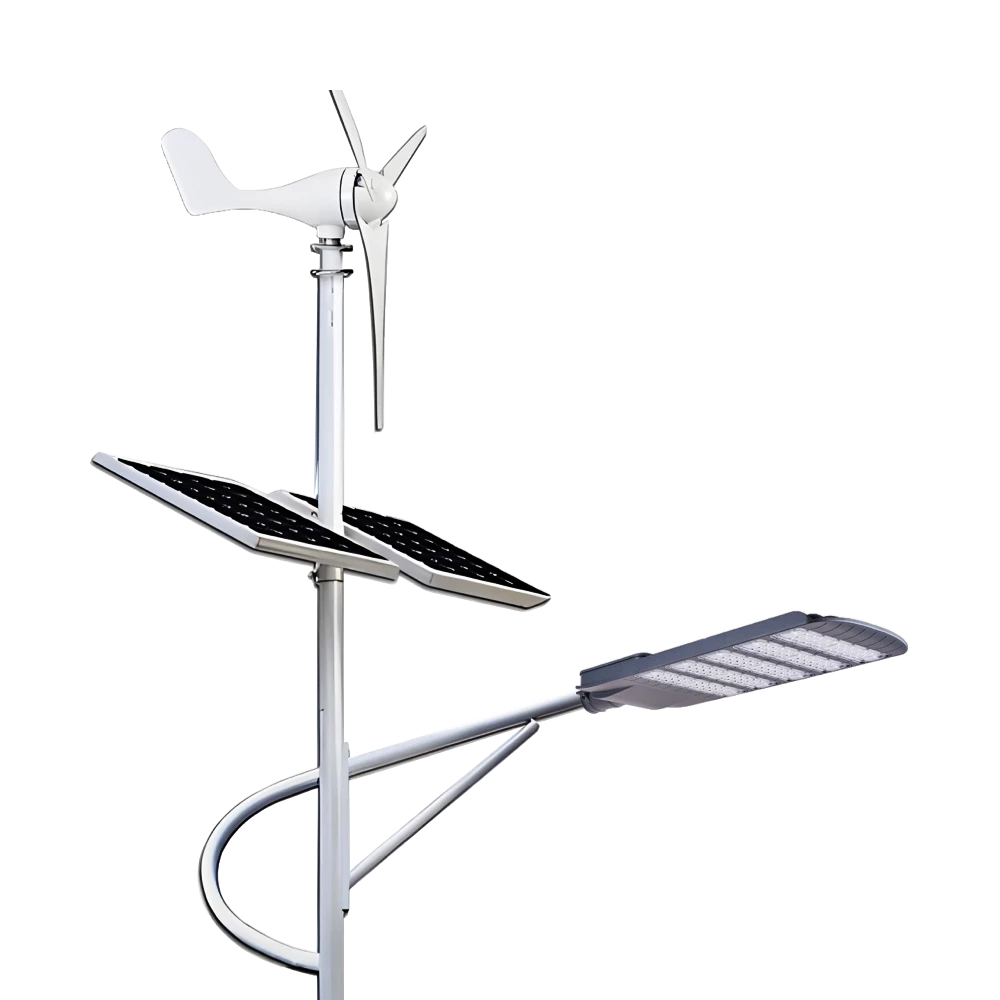
Queneng Lufeng Wind Energy LED Outdoor Solar Street Lights offer high-performance, eco-friendly illumination. These energy-efficient LED street lights harness solar power and wind energy for sustainable, cost-effective outdoor lighting solutions.
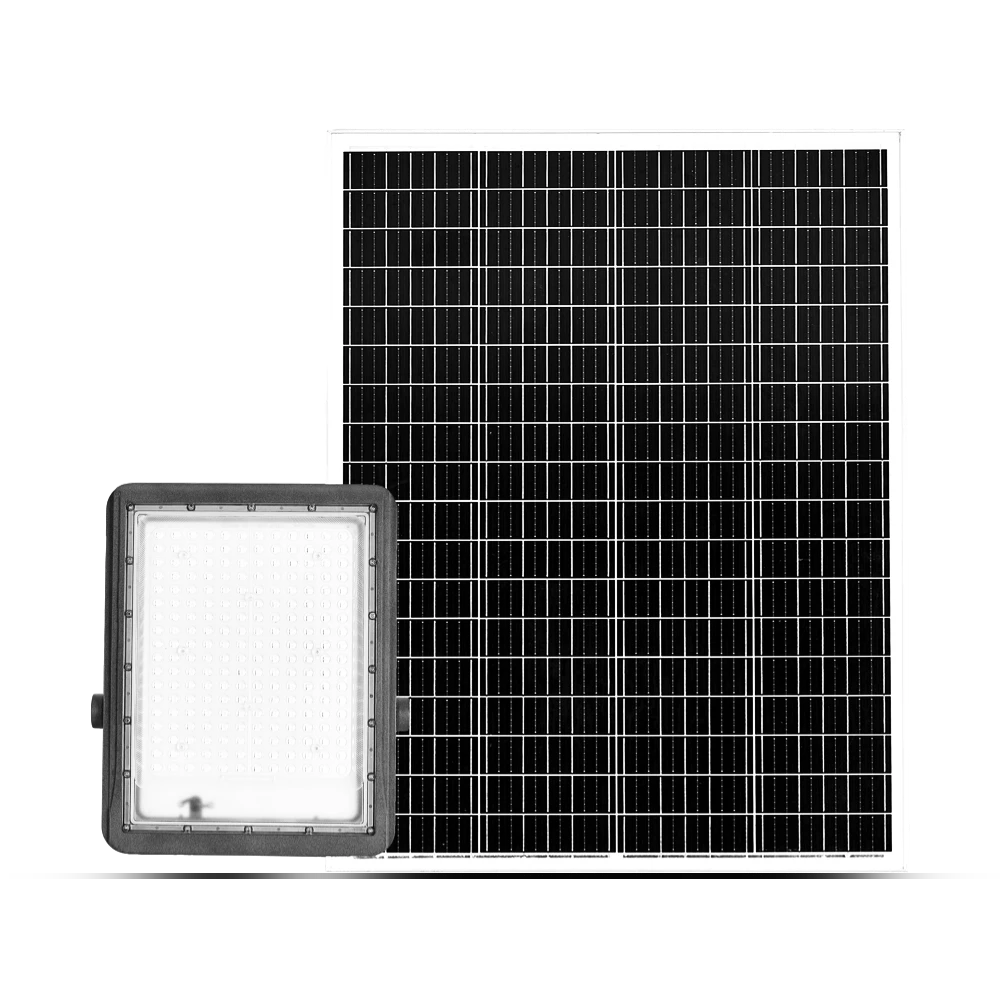
Queneng's Luxian Reliable Solar Street Light offers energy-saving LED lighting for outdoor use. This durable, solar-powered street light provides reliable illumination, reducing energy costs and environmental impact. A perfect solution for sustainable outdoor lighting.
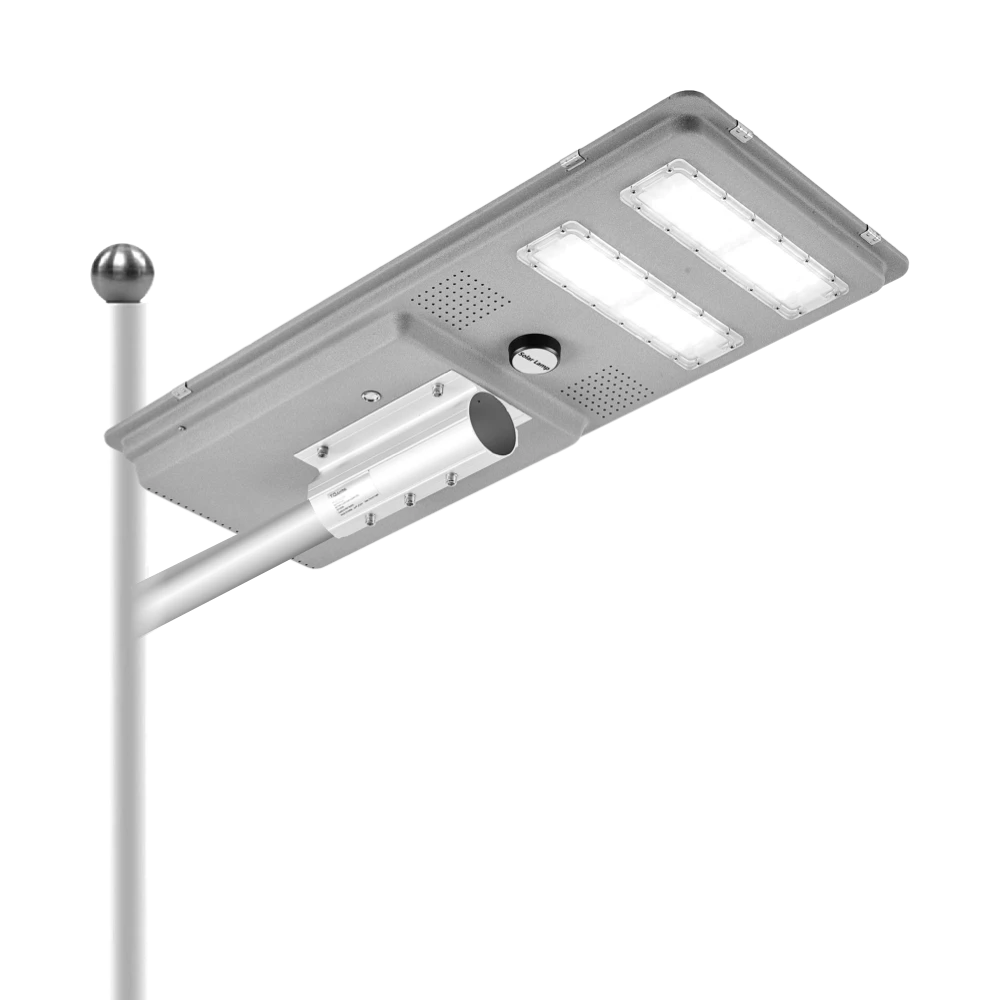
Queneng’s Solar Street Lights are designed to provide reliable, energy-efficient lighting for streets, parks, and other outdoor spaces.
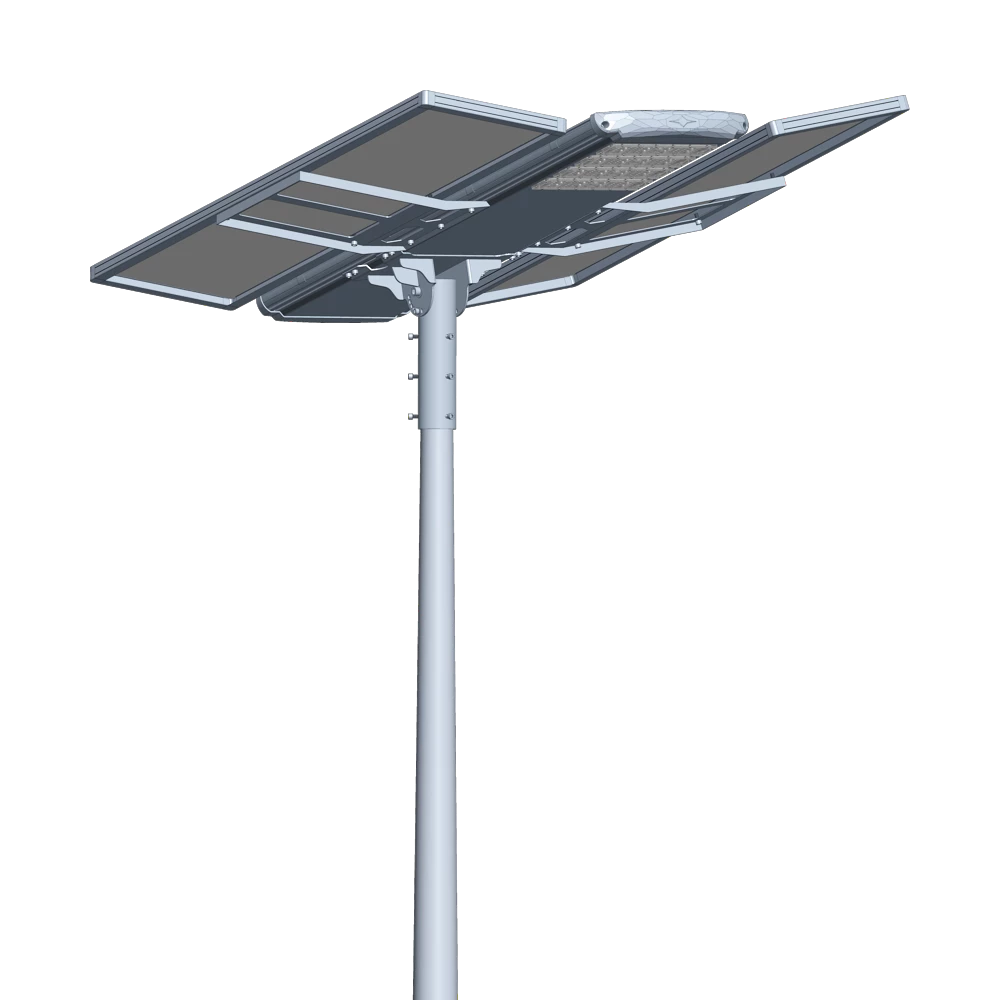
Introducing the Luqing Solar Street Light by Queneng, Efficient LED lighting powered by solar energy is perfect for illuminating outdoor areas. Harness the power of solar energy for sustainable, reliable street lighting. Ideal for eco-friendly, cost-effective outdoor illumination solutions.
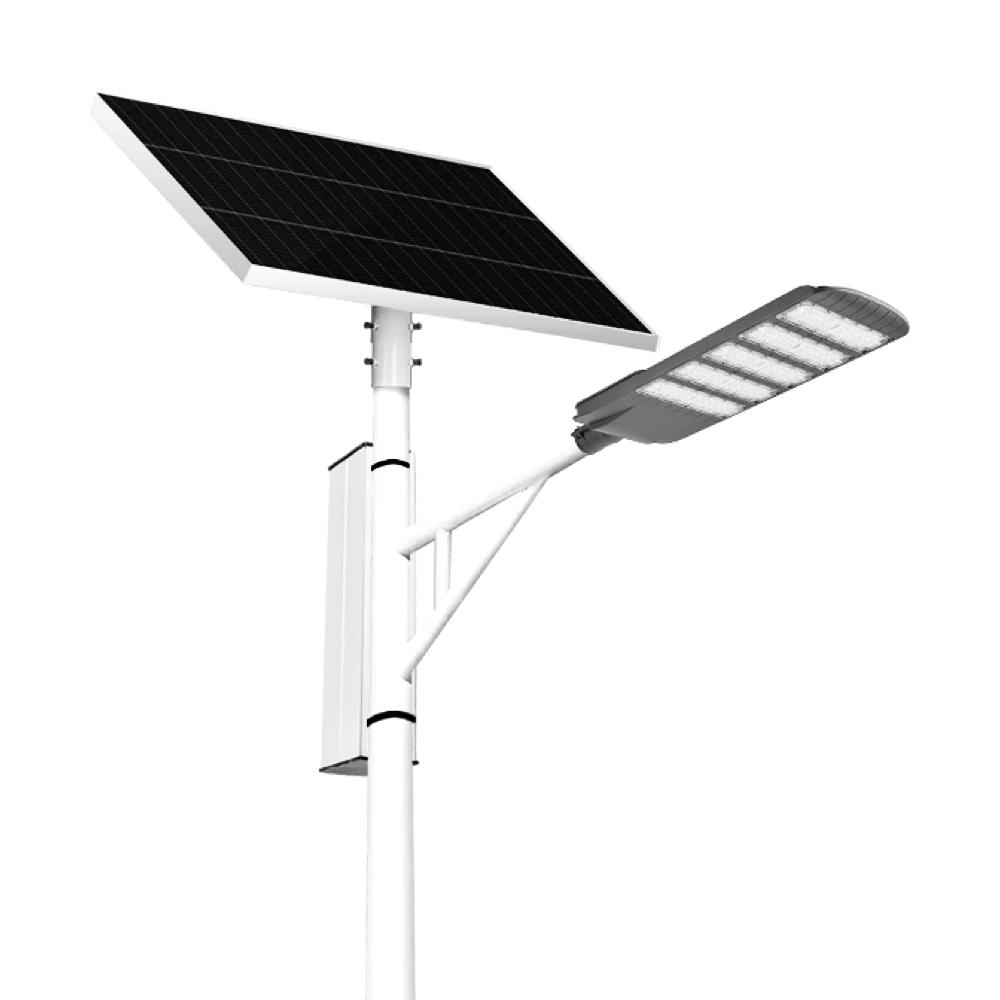
The Solar Streetlights of Luhao for Municipalities are designed to deliver reliable, energy-efficient, and cost-effective public lighting solutions. Equipped with advanced LED technology, durable lithium batteries, and high-efficiency solar panels, these streetlights provide consistent illumination for roads, parks, residential areas, and government projects.
Our professional team is ready to answer any questions and provide personalized support for your project.
You can reach us via phone or email to learn more about Queneng’s solar lighting solutions. We look forward to working with you to promote clean energy solutions!
Rest assured that your privacy is important to us, and all information provided will be handled with the utmost confidentiality.
By clicking 'Send Inquiry Now' I agree to Queneng processing my personal data.
To see how to withdraw your consent, how to control your personal data and how we process it, please see our Privacy Policy and Terms of use.
Schedule a Meeting
Book a date and time that is convenient for you and conduct the session in advance.
Have more questions about our products or services?
The messenger of light & power conversion
Environmental protection and intelligent manufacturing are our brand philosophy, and quality assurance and the best user experience are our eternal promises to users.
CONTACT
No.9F, Building F, Cao San Xin Tian Hong Logistics Park, Guzhen Town, Zhongshan City, Guangdong Province, China.
or write [email protected]
WhatsApp: +86 136 2270 1011


