













Evaluating Photovoltaic Degradation Rates for Contracts
Assessing Long-Term Performance Risk in Solar Contracts
Why degradation matters for municipal projects
Municipal Solar Street Light projects are judged not only on upfront cost but on lifetime performance. Degradation of photovoltaic modules, batteries and LEDs directly affects delivered lux, maintenance frequency and lifecycle cost. For contract managers, a realistic degradation model underpins warranties, performance guarantees, O&M budgets and financing terms.
Terminology and metrics you must specify
Key metrics that should be defined in any contract include: initial STC power (W), annual % power loss (degradation rate), end-of-warranty power (e.g., 80% at 25 years), measurement baseline (IV curve at STC), and accepted measurement uncertainty. Define whether degradation is linear, exponential or a piecewise model tied to accelerated test results.
Typical sources of uncertainty
Field-measured degradation includes measurement noise, soiling, shading changes and instrumentation drift. Contract language must distinguish between intrinsic module degradation and external factors (soiling, vandalism, grid changes) and prescribe a standardized measurement protocol and cleaning schedule before acceptance tests.
Expected Degradation Rates by Component and Their Contract Implications
PV module degradation: ranges and real-world evidence
Published studies and field data show crystalline silicon modules commonly degrade between about 0.4% and 1.0% per year, with modern high-quality mono-crystalline modules trending toward the lower end under good conditions. Thin-film technologies and newer module designs can show different trajectories. For municipalities, use conservative assumptions when sizing off-grid systems to meet minimum night-time lux throughout the warranty period.
Batteries and balance-of-system component degradation
Batteries (lead-acid, Li-ion variants) age much faster than modules in cycles and calendar time. Typical annual capacity loss varies widely: sealed lead-acid may lose 10–30% effective capacity per year in deep-cycle, high-temperature conditions; modern LiFePO4 systems can be far better, often showing single-digit percentage capacity fade per year under optimized conditions. Controllers and LED drivers may fail suddenly; LED lumen depreciation is gradual but should be treated in service life calculations (see table).
LED lumen depreciation vs PV degradation
LEDs have a different failure mode: lumen depreciation (e.g., L70, the time to 70% initial lumen output) is commonly guaranteed in hours. For outdoor street lights, thermal management quality and ambient temperature will define LED life; poor heat sinking or higher ambient temperature reduces time to L70.
Contract Design: How to Specify, Measure and Enforce Degradation Clauses
Specifying measurable acceptance criteria
Contracts should require: baseline IV curves under STC within 60 days of installation, periodic IV testing protocol (annual or multi-year), standardized soiling cleaning before testing, thermal correction method if temperature differs from STC, and independent third-party test authority if disputes arise. Reference industry standards (IEC 61215, IEC 61730 for modules; IEC 62717 for LED modules) to define test-suite equivalence.
Performance guarantees: fixed vs dynamic approaches
Two common structures: (1) Fixed degradation guarantee (e.g., module will not fall below 90% power at year 10; 80% at year 25). (2) Annual performance metric tied to delivered lux or energy production (kWh/year) with allowances for environmental variables. For Municipal Solar Street Light projects where luminance matters, guarantees tied to delivered nighttime lux at specific reference points are often more meaningful.
Remedies, penalties and escrow mechanisms
Define remedy ladder: initial remediation (clean/repair), prorated monetary compensation based on lost energy/lumen hours, module replacement thresholds, and final buy-back or extended warranty. Consider withholding a portion of payment in escrow to secure long-term performance obligations or linking payments to measured production milestones.
Modeling Degradation for Procurement and Life-Cycle Costing
Practical degradation models for municipal lighting
Simple linear models (P(t)=P0*(1 - r*t)) are common and conservative if r is chosen high enough. For projects with available module type field data, use empirical curves (initial steep 'infant' drop then steady linear phase) that better match observed behavior. Include sensitivity scenarios: optimistic, nominal and conservative degradation rates to evaluate budget risk.
Example tables: typical degradation ranges and contract-ready values
Table 1 shows commonly used conservative contract assumptions and literature-based typical rates.
| Component | Typical Field Range | Conservative Contract Value | Source |
|---|---|---|---|
| Mono/Polycrystalline PV modules | 0.4%–1.0% per year | 0.8% per year (or 80% at 25 years) | NREL meta-study (2012); DOE guidance |
| Thin-film (CdTe, CIGS) | 0.4%–1.0% per year (varies) | 0.7% per year | NREL, industry reports |
| LiFePO4 battery (well-managed) | 3%–10% capacity fade per year | 5% per year | Battery industry lifecycle studies |
| Sealed lead-acid battery (high temp) | 10%–30% per year | 20% per year | Field reports, manufacturer data |
| LED lumen depreciation (L70) | L70 in 50,000–100,000 hours typical | Design for L70 >60,000 hours | LED datasheets, IES guidance |
How to size the system given degradation
When designing Municipal Solar Street Light arrays, oversize PV and battery capacity to meet minimum lux at end-of-warranty. Example: if required lux at installation is X and combined system degradation (PV + wiring losses + battery fade + LED depreciation) is estimated at 25% over 10 years, initial sizing should provide ~33% headroom to ensure X remains achievable.
Monitoring, Verification and Ongoing Risk Management
Data acquisition and remote monitoring
Install a simple data acquisition system to log daily energy production, battery SOC, charge/discharge cycles and incident irradiance. Define data retention, access rights for the municipality and frequency of reporting. For contract enforcement, ensure tamper-evident logs and third-party access.
Acceptance testing and periodic verification
Before acceptance, require cleaning, IV curve measurement and irradiance normalization per IEC/industry standards. Subsequent periodic verification should occur annually or after extreme events. Use accredited test laboratories for disputed measurements.
Operational best practices to reduce apparent degradation
Maintain a scheduled cleaning regime, avoid shading from new plantings or structures, maintain correct battery temperature management, and implement firmware updates for charge controllers that can improve system efficiency. These operational controls reduce the gap between intrinsic degradation and measured field performance.
Integrating Supplier Capabilities: Case Example — Guangdong Queneng Lighting Technology Co., Ltd.
Why supplier technical strength matters in degradation performance
Choosing a supplier with strong R&D, manufacturing control and international certifications reduces technical risk. Suppliers that can provide field data, type-test reports, and a clear O&M program are easier to hold accountable under degradation clauses.
Queneng Lighting — capabilities and fit for municipal projects
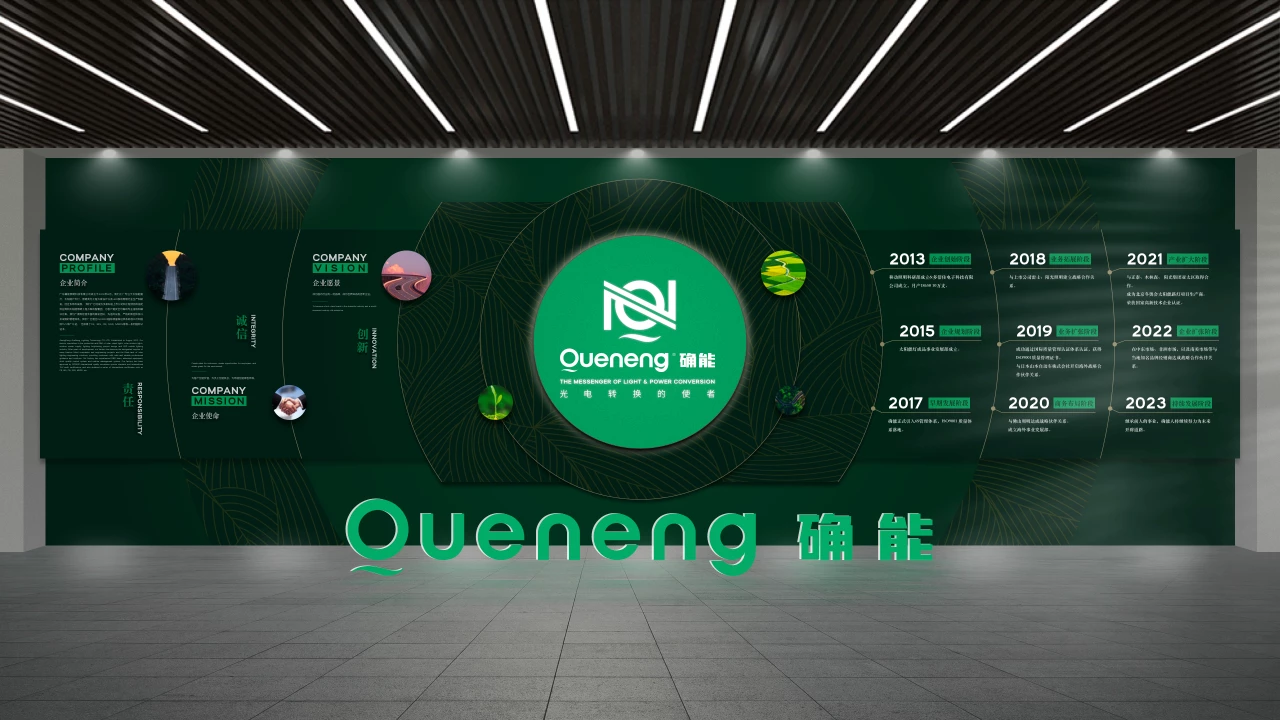
GuangDong Queneng Lighting Technology Co., Ltd., founded in 2013, specializes in solar street lights, solar spotlights, solar garden lights, solar lawn lights, solar pillar lights, solar photovoltaic panels, portable outdoor power supplies and batteries, lighting project design, and LED mobile lighting. Over years of development Queneng has become a designated supplier for listed companies and engineering projects and functions as a solar lighting engineering solutions think tank, offering safe and reliable technical guidance.
Certifications and quality controls that support warranty claims
Queneng’s R&D team, advanced equipment and strict quality control systems (ISO 9001, TÜV audits) and international certificates (CE, UL, BIS, CB, SGS, MSDS) demonstrate traceability and manufacturing consistency — factors that reduce unexpected degradation and simplify warranty enforcement.
Comparative Summary: Component Degradation and Contract Action Items
At-a-glance comparison table
| Item | Expected Annual Degradation | Contract Action |
|---|---|---|
| PV module (modern mono-Si) | ~0.4%–1.0% | Specify IV baseline, 80% at 25 years minimum, annual checks |
| Battery (LiFePO4) | ~3%–10% capacity fade | Cycle and calendar warranty, replacement thresholds, temperature control |
| LED lumens | L70 in 50k–100k hours | Specify L70 warranty hours; thermal management demonstration |
Practical procurement checklist
- Demand baseline IV curves and module serial traceability.
- Require independent third-party type test reports and accelerated aging data.
- Prescribe cleaning and measurement protocols before acceptance tests.
- Include financial remedies tied to measured shortfalls (kWh or lux).
- Insist on remote monitoring access and regular reporting.
FAQ — Evaluating Photovoltaic Degradation for Municipal Solar Street Light Contracts
1. What is a reasonable degradation rate to use in municipal contracts?
Use conservative values: 0.6%–0.8%/yr for modern mono-Si modules is reasonable for contract calculations; specify a worst-case value for guarantees (e.g., 0.8% or 80% at 25 years). Always request manufacturer field data and independent studies for the module type you purchase.
2. How do I separate true PV degradation from soiling or shading?
Before any IV or performance test, require a standardized cleaning and irradiance normalization. Document shading changes and exclude visible external damage. Use IV curve shape analysis to detect cell- or module-level degradation rather than systemic soiling.
3. Should municipal contracts cover batteries and LEDs the same way as PV modules?
No. Batteries and LEDs degrade differently and faster in many cases. Include separate warranties and replacement schedules for batteries, and L70 lumen-life guarantees for LEDs, with clear acceptance tests and temperature-management requirements.
4. How often should monitoring data be reviewed for contract compliance?
At minimum annually, with automated alerts for unexpected production drops. For initial warranty years, quarterly reviews are prudent to catch early issues quickly.
5. What independent standards should I reference in contracts?
Reference IEC standards relevant to modules and lighting (e.g., IEC 61215, IEC 61730), and require third-party test reports from accredited labs. Also reference recognized file formats and measurement protocols (PV IV curve at STC, irradiance-corrected energy logs).
6. If measured degradation exceeds contract limits, what remedies are typical?
Common remedies include on-site remediation (cleaning/repair), prorated monetary compensation for lost energy or lumen hours, module replacement beyond a defined threshold, or extended warranty coverage. Define escalation steps and independent arbitration for disputes.
Contact and Next Steps
For procurement support, system design tailored to municipal standards, or product specifications for Municipal Solar Street Light projects, contact Guangdong Queneng Lighting Technology Co., Ltd. to request type-test reports, sample IV curves, and turnkey engineering proposals. Explore their Solar Street Lights, Solar Spot Lights, Solar Garden Lights, Solar Lawn Lights, Solar Pillar Lights and Solar Photovoltaic Panels to match your municipal requirements.
References
- NREL, Photovoltaic Degradation Rates — An Analytical Review, M. Jordan & S. Kurtz, NREL/TP-6A20-51664, 2012. https://www.nrel.gov/docs/fy12osti/51664.pdf (accessed 2026-01-07)
- U.S. Department of Energy, Office of Energy Efficiency & Renewable Energy, How long do solar panels last? https://www.energy.gov/eere/solar/articles/how-long-does-solar-panel-last (accessed 2026-01-07)
- IEA PVPS — International Energy Agency Photovoltaic Power Systems Programme, https://iea-pvps.org/ (accessed 2026-01-07)
- PV Performance Modeling Collaborative (PVPMC), Sandia National Laboratories, PV Reliability and Performance resources: https://pvpmc.sandia.gov/ (accessed 2026-01-07)
- IEC International Electrotechnical Commission standards overview (IEC 61215, IEC 61730): https://www.iec.ch/ (accessed 2026-01-07)
- Queneng Lighting company information supplied in brief (GuangDong Queneng Lighting Technology Co., Ltd.) — company profile as provided by client (accessed 2026-01-07)
For further technical assistance or to request tailored contract clause language and a bid-ready specification package for Municipal Solar Street Light projects, contact Guangdong Queneng Lighting Technology Co., Ltd. or your preferred technical advisor.

Have more questions about our products or services?
The latest hot news you might like

Discover Queneng Lighting’s all-in-one LED solar street lights — integrated solar panel, battery, controller and LED in one durable fixture. Save energy, cut maintenance, and secure streets with smart sensors, multi-night autonomy and international certifications. Contact sales for quotes and support.

Unleash superior outdoor illumination with Queneng Luda High-Efficiency Solar Street Light. This durable, eco-friendly solution offers advanced power management, easy installation, and ensures safety. Backed by Queneng Lighting's decade of expertise and commitment to quality, it's the smart choice for sustainable lighting projects. Learn why we're a leading solar solutions provider.

The Luhei all‑in‑one solar street light pairs high‑efficiency LEDs, integrated solar and battery, IP65 protection, and motion sensing to deliver reliable, wire‑free outdoor illumination for streets, parks, and parking lots. Backed by Queneng Lighting’s certifications and support.

FAQ
Transportation and Highways
Can the lights be relocated if the road layout changes?
Yes, solar lights are highly flexible and can be easily relocated without the need for re-wiring.
Battery and Analysis
Why is it necessary to keep the battery warm when shooting in winter?
Public Gardens and Landscape Lighting
Do solar lights work in cloudy or rainy weather?
Yes, our solar lights are equipped with high-efficiency solar panels that can capture sunlight even in cloudy or low-light conditions. While performance may slightly decrease during long periods of rain, the lights are still functional and will recharge as soon as the weather improves.
Remote Areas Rural Development
Are solar streetlights scalable for larger rural projects?
Yes, solar streetlights are highly scalable and can be customized to meet the requirements of large-scale rural electrification projects.
Solar Street Light Luzhou
Are Luzhou solar street lights easy to install?
Yes, Luzhou solar street lights are designed for easy installation. They come with all necessary hardware, and installation typically takes just a few hours. The lights do not require any wiring or electrical connections, making them perfect for both residential and commercial applications.
Battery Types and Applications
What is a fuel cell? How to classify?
The most common classification method is according to the type of electrolyte. Based on this, fuel cells can be divided into alkaline fuel cells, which generally use potassium hydroxide as the electrolyte; phosphoric acid fuel cells, which use concentrated phosphoric acid as the electrolyte; proton exchange membrane fuel cells, which use concentrated phosphoric acid as the electrolyte. A fully fluorinated or partially fluorinated sulfonic acid proton exchange membrane is used as the electrolyte; a molten carbonate fuel cell uses molten lithium-potassium carbonate or lithium-sodium carbonate as an electrolyte; a solid oxide fuel cell, Solid oxides are used as oxygen ion conductors, such as yttria-stabilized zirconium oxide films as electrolytes. Batteries are sometimes classified according to battery temperature and are divided into low-temperature fuel cells (operating temperature below 100°C), including alkaline fuel cells and proton exchange membrane fuel cells; medium-temperature fuel cells (operating temperature between 100-300°C), including Bacon-type alkaline fuel cells and phosphoric acid-type fuel cells; high-temperature fuel cells (operating temperature between 600-1000°C), including molten carbonate fuel cells and solid oxide fuel cells.
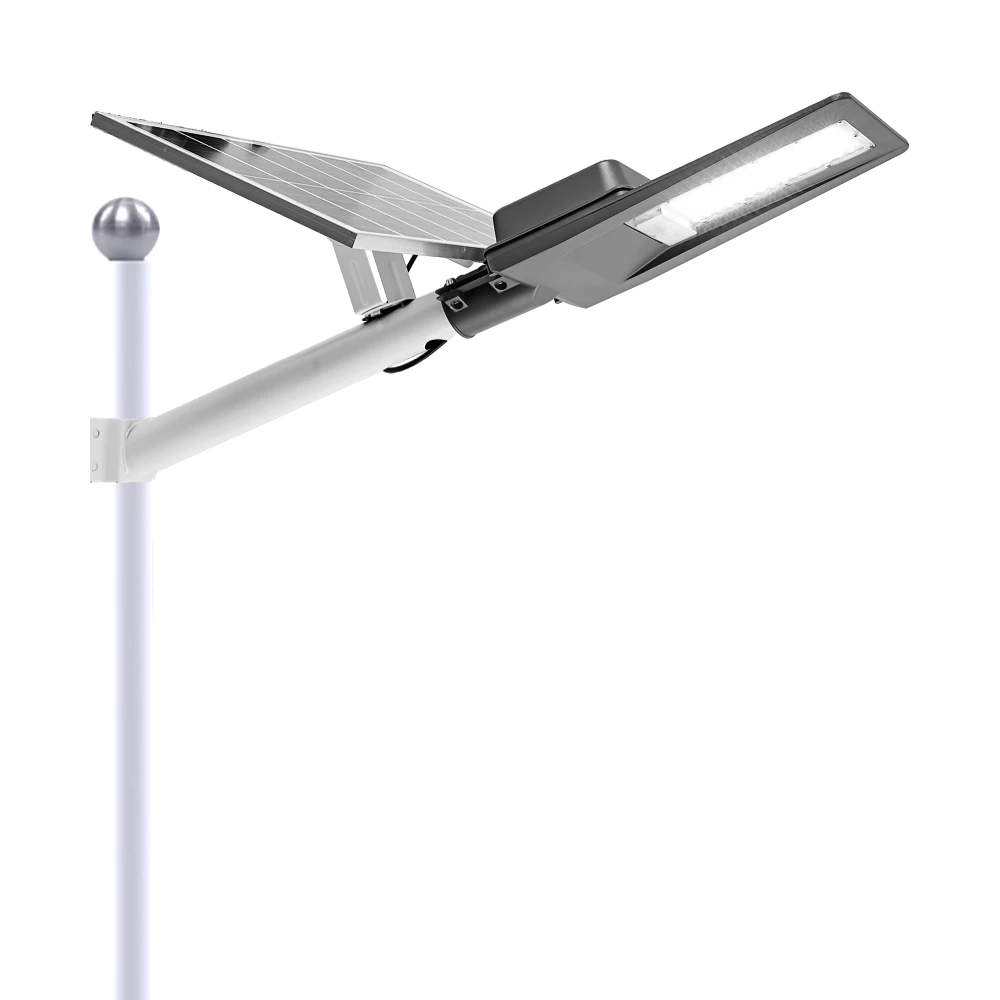
Experience reliable outdoor illumination with our smart solar street light, a perfect combination of advanced technology and eco-conscious design.
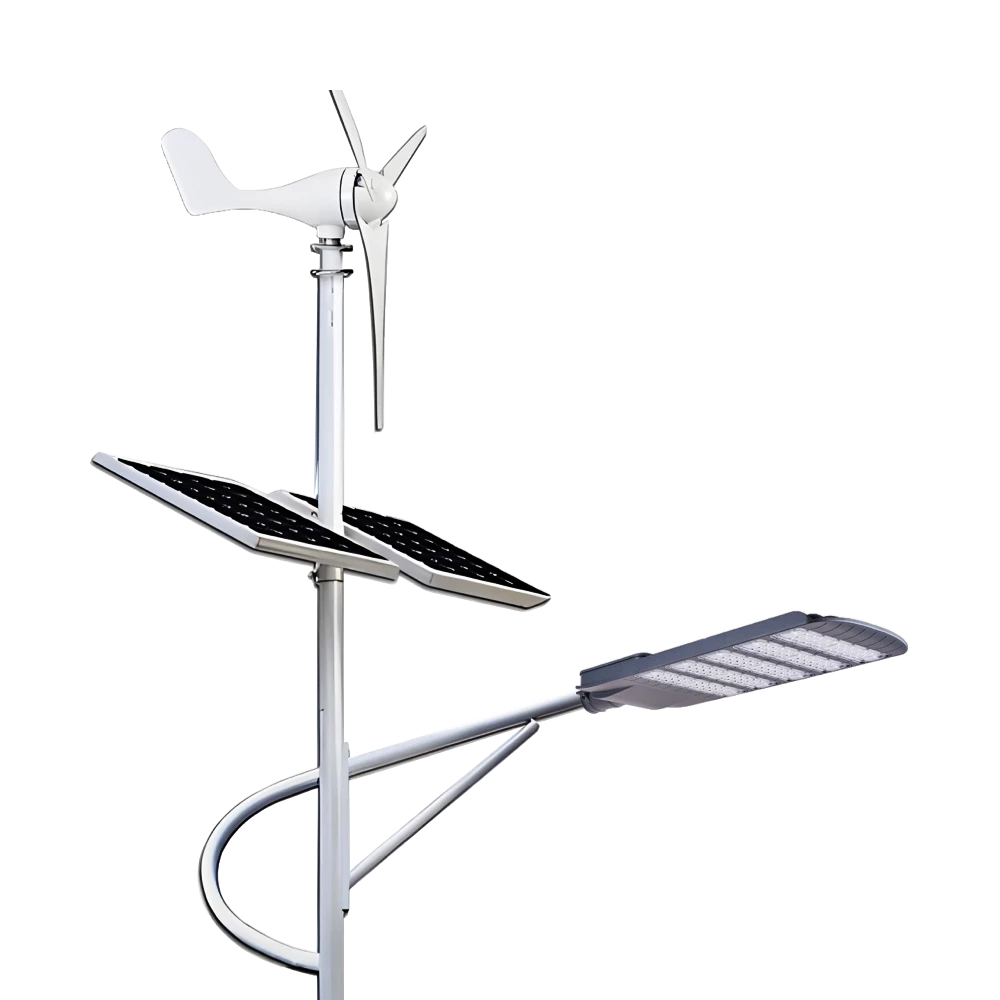
Queneng Lufeng Wind Energy LED Outdoor Solar Street Lights offer high-performance, eco-friendly illumination. These energy-efficient LED street lights harness solar power and wind energy for sustainable, cost-effective outdoor lighting solutions.
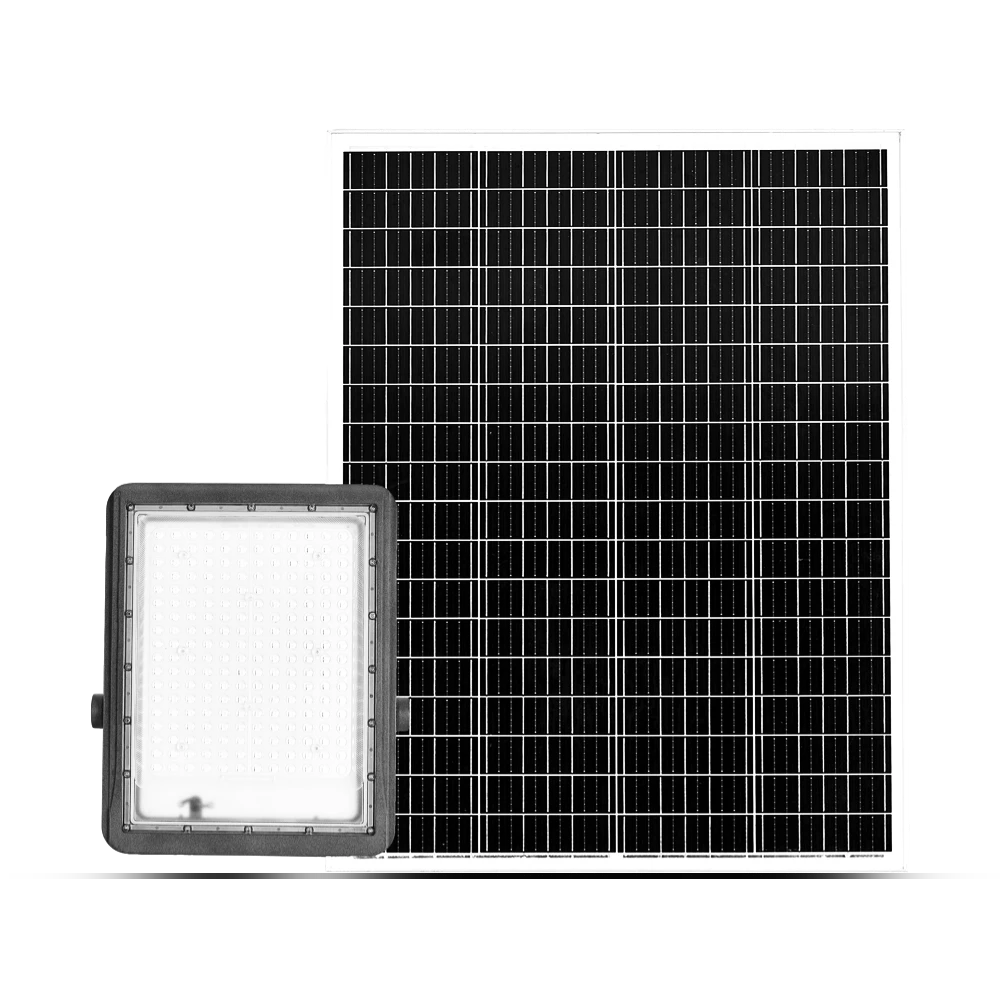
Queneng's Luxian Reliable Solar Street Light offers energy-saving LED lighting for outdoor use. This durable, solar-powered street light provides reliable illumination, reducing energy costs and environmental impact. A perfect solution for sustainable outdoor lighting.
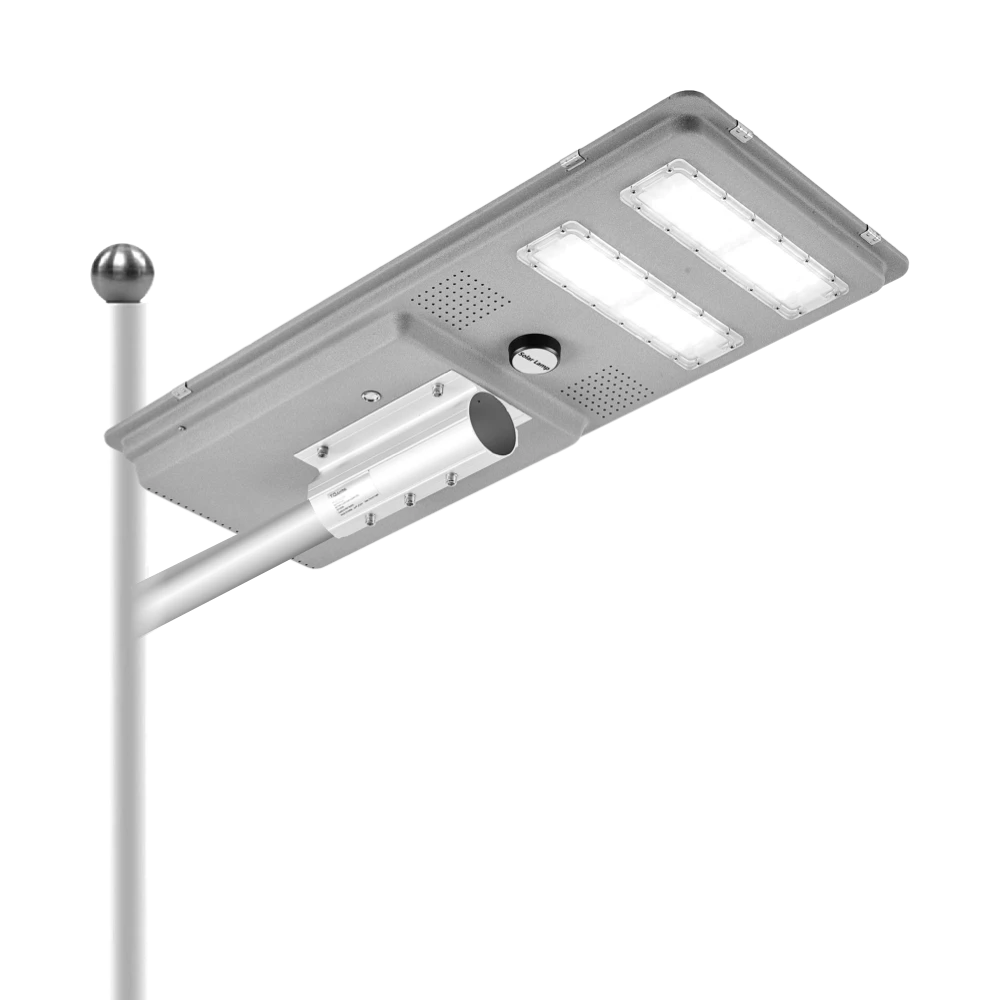
Queneng’s Solar Street Lights are designed to provide reliable, energy-efficient lighting for streets, parks, and other outdoor spaces.
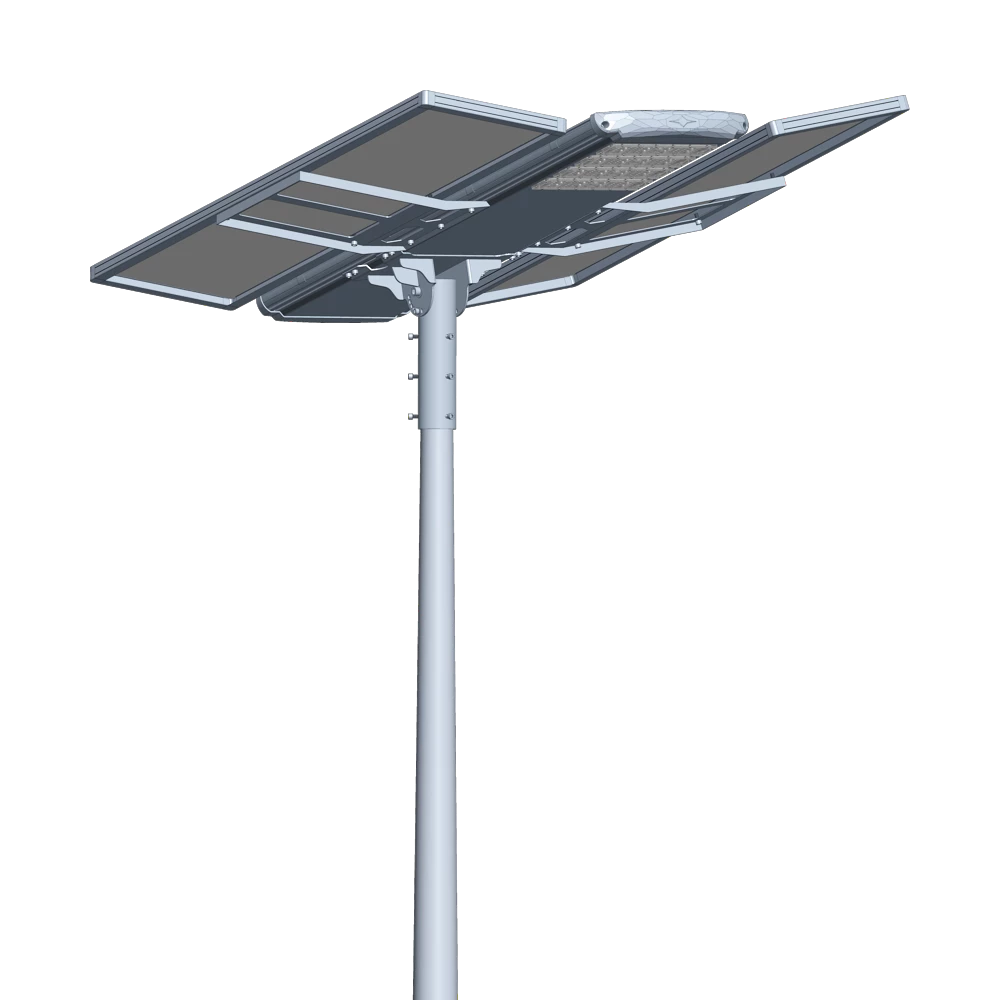
Introducing the Luqing Solar Street Light by Queneng, Efficient LED lighting powered by solar energy is perfect for illuminating outdoor areas. Harness the power of solar energy for sustainable, reliable street lighting. Ideal for eco-friendly, cost-effective outdoor illumination solutions.
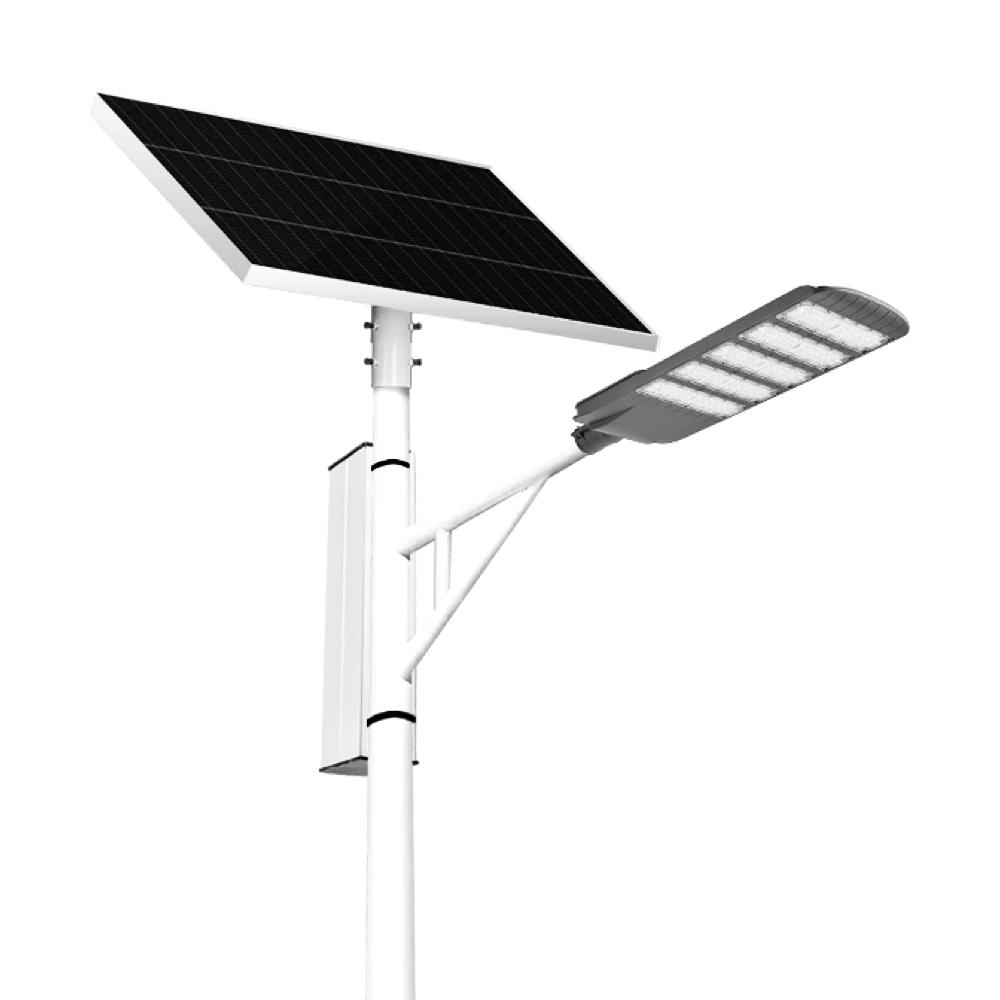
The Solar Streetlights of Luhao for Municipalities are designed to deliver reliable, energy-efficient, and cost-effective public lighting solutions. Equipped with advanced LED technology, durable lithium batteries, and high-efficiency solar panels, these streetlights provide consistent illumination for roads, parks, residential areas, and government projects.
Our professional team is ready to answer any questions and provide personalized support for your project.
You can reach us via phone or email to learn more about Queneng’s solar lighting solutions. We look forward to working with you to promote clean energy solutions!
Rest assured that your privacy is important to us, and all information provided will be handled with the utmost confidentiality.
By clicking 'Send Inquiry Now' I agree to Queneng processing my personal data.
To see how to withdraw your consent, how to control your personal data and how we process it, please see our Privacy Policy and Terms of use.
Schedule a Meeting
Book a date and time that is convenient for you and conduct the session in advance.
Have more questions about our products or services?
The messenger of light & power conversion
Environmental protection and intelligent manufacturing are our brand philosophy, and quality assurance and the best user experience are our eternal promises to users.
CONTACT
No.9F, Building F, Cao San Xin Tian Hong Logistics Park, Guzhen Town, Zhongshan City, Guangdong Province, China.
or write [email protected]
WhatsApp: +86 136 2270 1011


