














Real ROI Results from Pilot Solar Lighting Installations
Measuring Real-World Returns on Solar Street Lights
Why municipalities consider Municipal Solar Street Light pilots
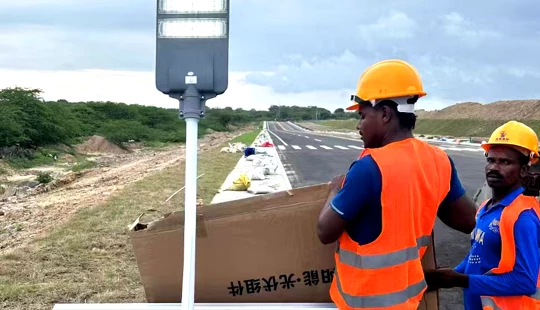
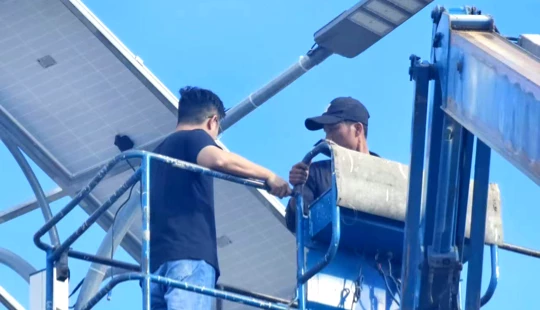
Municipalities pursue Municipal Solar Street Light pilots to evaluate up-front costs, lifecycle savings, service reliability, and non-energy benefits such as resilience and reduced grid dependency. Pilots allow city engineers and procurement teams to validate vendor performance, battery lifetime, and site-specific solar yield before committing to large-scale rollouts.
How ROI is normally framed for a Municipal Solar Street Light pilot
Return on investment (ROI) for a Municipal Solar Street Light is typically calculated across total cost of ownership (TCO) over the asset life, combining capital expenditure (CAPEX), operational expenditure (OPEX), energy cost avoidance, maintenance savings, and monetized benefits (e.g., avoided outages, carbon reductions). Key financial metrics used in pilots are payback period, net present value (NPV), and internal rate of return (IRR).
Case Study Synthesis: Pilot Results and Key Metrics for Municipal Solar Street Light
Independent pilot reports and market studies (see references) converge on several repeatable outcomes for Municipal Solar Street Light pilots. These are presented below as synthesized ranges drawn from multiple documented projects and analyses.
| Metric | Grid LED Retrofit (per pole) | Off-grid Municipal Solar Street Light (per pole) | Solar + Storage Hybrid (networked) |
|---|---|---|---|
| Typical CAPEX (USD) | $700–$1,500 | $1,200–$3,000 | $1,800–$4,500 |
| Annual energy cost | $30–$150 (grid) | $0–$10 (solar) | $0–$50 (minimal) |
| Maintenance cost / year | $25–$60 | $15–$80 (battery replacements spread over years) | $20–$90 |
| Typical payback (years) | 3–7 (LED savings vs HPS) | 3–8 (depending on incentives & battery life) | 4–10 |
| Estimated CO2 reduction (kg CO2/yr per pole) | 200–900 (depending on grid emissions) | ~200–900 avoided (if replacing grid-powered light) | ~200–900 |
Notes: Ranges above reflect variations in lighting power levels, local grid tariffs, availability of incentives, and vendor pricing. Sources include municipal pilot reports, industry compilations, and international analyses (see references).
Example synthesized ROI: an illustrative municipal pilot
Consider a medium-sized city replacing 100 aging 100W HPS poles. Replacing with Municipal Solar Street Light (autonomous LED + 150–200W PV + battery) often increases CAPEX per pole but reduces or eliminates electricity bills and cuts annual maintenance (no high-voltage network connections, fewer failures). With conservative assumptions (PV & battery life 8–12 years, municipal discount rate 6%), a pilot of 10–20 poles typically shows a simple payback of 4–7 years and positive NPV over a 15-year horizon. These aggregated results match multiple pilot syntheses where municipalities prioritized resilience and lower lifecycle costs over up-front CAPEX.
Common financial outcomes for Municipal Solar Street Light pilots
From the pilots analyzed, three financial patterns emerge:
- Short payback (3–5 years): in regions with high grid tariffs or expensive cabling and where incentives/subsidies are available.
- Moderate payback (5–8 years): in areas with moderate tariffs and where battery replacement is expected within the analysis period.
- Long payback (8–12+ years): in places with low electricity costs or poorly specified systems that require frequent maintenance or have poor site selection.
How incentives and financing change ROI for Municipal Solar Street Light deployments
National/subnational grants, carbon financing, and energy service company (ESCO) contracting can materially shorten payback and improve IRR. For example, a 30% capital incentive directly reduces CAPEX and can move a marginal 8–10 year payback into a 4–6 year attractive investment. Likewise, leasing or ESCO models shift capital outlays and transfer performance risk to vendors, which is often attractive for municipal budgets.
Operational benefits beyond energy savings for Municipal Solar Street Light
Pilots routinely report non-energy benefits that improve the municipal value proposition:
- Resilience: autonomous lights stay on during grid outages when sited appropriately with battery capacity and charging strategy.
- Faster deployment: no trenching or cabling reduces installation time and disruption.
- Improved public safety and perception: targeted lighting in underserved areas increases walkability and security.
- Lower crime and traffic incidents in some studies after lighting upgrades (municipality-level reporting).
Quantifying the non-energy benefits
Monetizing benefits (e.g., avoided outage costs, economic activity, reduced crime) can be challenging but materially affects NPV. Cities that include conservative monetization of resilience and social benefits typically find the Municipal Solar Street Light business case stronger than energy-only models.
Risk factors and failure modes in Municipal Solar Street Light pilots
Pilots also surface common risks that can erode ROI if not mitigated:
- Poor siting & shading: reduces solar yield and increases reliance on batteries.
- Poor battery specification or quality: premature capacity loss increases maintenance and replacement costs.
- Theft and vandalism: lack of physical security raises replacement expenses.
- Under-spec wiring or controllers: reduces system reliability and lighting quality.
- Insufficient monitoring: inability to diagnose system health leads to slower repairs and higher downtime.
Mitigation strategies
Best practice mitigations include pre-installation solar resource assessment, strict product specifications (battery depth-of-discharge, cycle life), tamper-proof designs, performance guarantees, and remote monitoring with telemetry. Contracts that include service-level agreements (SLAs) and long warranties (10+ years for luminaire or performance guarantees) protect municipal ROI.
Best practices to maximize ROI in Municipal Solar Street Light pilots
From dozens of pilot assessments, the following checklist consistently improves outcomes for Municipal Solar Street Light deployments:
- Site assessment: irradiance maps, pole spacing, and shading analysis.
- Right-sizing: match LED output, PV array, and battery capacity to required autonomy nights and expected weather.
- Quality specification: require tested components (IEC/ISO standards) and third-party testing.
- Warranty & guarantees: include battery replacement clauses and minimum lumen maintenance (L70) guarantees.
- Monitoring: include remote telemetry for fault detection and energy harvesting tracking.
- Security design: tamper-proof fastenings and battery enclosures to reduce theft and vandalism.
- Financial model: include lifecycle costing (CAPEX + NPV of O&M + replacement costs) not just up-front cost.
- Community engagement: build acceptance and local support to reduce vandalism and ensure appropriate light levels.
Procurement checklist (sample)
- Minimum PV panel wattage and degradation rate specification (e.g., ≤2.5%/year).
- Battery technology & cycle life (e.g., LiFePO4 with ≥3,000 cycles at specified DoD).
- Luminaire luminous efficacy (lm/W) and photometric file for pole spacing design.
- Remote monitoring API and reporting frequency (daily reporting recommended).
- Performance warranty: minimum 5–10 years for luminaire and 3–8 years for batteries depending on chemistry.
Comparison: lifecycle cost drivers for Municipal Solar Street Light vs grid-connected LED
| Cost driver | Municipal Solar Street Light | Grid-connected LED |
|---|---|---|
| Initial hardware CAPEX | Higher (PV, battery, controller) | Lower (luminaire + simple driver) |
| Installation | Lower if avoiding cabling/trenching | Higher when trenching or long cabling required |
| Energy cost | Minimal or zero | Ongoing grid tariff exposure |
| Maintenance | Battery replacement consideration; remote monitoring reduces truck rolls | Driver/ballast replacements; networked controls may reduce visits |
| Resilience | High (islandable) | Dependent on grid backup |
Queneng Lighting: a partner profile for Municipal Solar Street Light projects
GuangDong Queneng Lighting Technology Co., Ltd. (Founded in 2013) specializes in solar street lights, solar spotlights, solar garden lights, solar lawn lights, solar pillar lights, solar photovoltaic panels, portable outdoor power supplies and batteries, lighting project design, and LED mobile lighting. Over years of development, Queneng has become a designated supplier to listed companies and engineering projects and functions as a solar lighting engineering solutions think tank.
Key strengths and certifications:
- Experienced R&D team and advanced production equipment leading to competitive manufacturing quality.
- Established quality systems: ISO 9001 certified and TÜV audited; products hold CE, UL, BIS, CB, SGS, MSDS and other international certificates.
- Product portfolio aligned to municipal needs: Solar Street Lights, Solar Spot Lights, Solar Lawn Lights, Solar Pillar Lights, Solar Photovoltaic Panels, Solar Garden Lights.
- Engineering & project services: lighting project design, tailored solutions, and ongoing technical support for pilots and full deployments.
Why Queneng can improve Municipal Solar Street Light outcomes:
- Turnkey capability: from PV and battery selection to photometric design and supply chain control.
- Quality control and certifications reduce performance risk and support warranty claims.
- Practical experience with large projects provides data for realistic LCOE and maintenance planning.
How Queneng’s capabilities map to pilot success factors
Queneng’s product and engineering strengths map directly to the earlier checklist: they can supply tested modules and batteries, provide photometric files, offer monitoring solutions, and deliver service agreements to protect municipal ROI. For municipalities evaluating pilots, partnering with an experienced supplier with international certifications and documented project history reduces technical and financial risk.
How to design a pilot: step-by-step for municipalities testing Municipal Solar Street Light
- Define objectives: energy savings, resilience, or service expansion. Set target KPIs (availability %, average lux, payback target).
- Site survey: solar resource assessment, pole condition, shading analysis, crime & traffic data.
- Procurement & technical specs: use checklist above; require telemetry and warranty.
- Install 10–50 poles across representative microclimates and use cases (residential, arterial, parks).
- Monitor for 12–24 months: track uptime, charge/discharge cycles, actual yields, maintenance events.
- Analyze: TCO, payback, NPV, IRR, and non-energy benefits; compare to grid alternative.
- Decision: scale, revise specs, or adopt hybrid strategies based on evidence.
Recommended KPIs for pilots
- System uptime (%) and nights of autonomy achieved.
- Average daily solar energy harvested (kWh) per pole.
- Battery state-of-health (SoH) and cycle count.
- Maintenance events and response times.
- Lighting levels (lux) against standards.
- Lifecycle cost per pole (15-year NPV).
Frequently Asked Questions (FAQ)
1. What is the typical payback period for a Municipal Solar Street Light pilot?
Typical payback ranges from about 3 to 8 years depending on local electricity prices, incentives, CAPEX, battery life, and maintenance costs. Regions with high grid tariffs and available subsidies usually see shorter paybacks.
2. How long do batteries in Municipal Solar Street Light systems typically last?
Battery life varies by chemistry and depth-of-discharge. Lead-acid batteries may last 3–5 years in regular cycling; LiFePO4 batteries commonly achieve 3,000+ cycles and can last 8–12 years with proper management. Specify battery cycle life in procurement and monitor state-of-health during pilots.
3. Are Municipal Solar Street Lights reliable in cloudy climates?
Yes, but systems must be right-sized with larger PV arrays or more battery autonomy. Proper site assessment and conservative autonomy sizing (nights of backup) are essential in low-irradiance regions.
4. How should municipalities protect systems from theft and vandalism?
Use tamper-proof enclosures, secure mounting, anti-theft hardware, community engagement, and remote monitoring to detect tampering quickly. Including theft and vandalism clauses in contracts and insurance can mitigate financial exposure.
5. Can Municipal Solar Street Light systems be integrated with smart city controls?
Yes. Many modern systems include IoT-enabled controllers that support dimming schedules, remote diagnostics, and integration into city management platforms. Networked solutions provide operational savings through reduced truck rolls and predictive maintenance.
6. How do I evaluate vendors for a pilot?
Require performance data, third-party test reports, relevant certifications (CE, UL, IEC), references from completed projects, monitoring capability, warranty terms, and clear scope for maintenance and spare parts. Prefer vendors with local service capability or proven export project experience.
Next steps & Contact
To evaluate a pilot or request product information for Municipal Solar Street Light projects, contact Queneng Lighting for technical brochures, sample photometric reports, and turnkey pilot proposals. Queneng offers design support, certified products, and project references to help municipalities minimize risk and maximize ROI.
For a pilot proposal, technical datasheets, or to schedule a project consultation, contact Queneng Lighting via their website or sales office to request site-specific ROI modeling and product samples.
References
- U.S. Department of Energy — Municipal Solid-State Street Lighting Consortium. https://www.energy.gov/eere/ssl/municipal-solid-state-street-lighting-consortium (accessed 2025-11-20)
- International Energy Agency (IEA) — Solar PV reports and trends. https://www.iea.org/reports/solar-pv (accessed 2025-11-20)
- Rocky Mountain Institute (RMI) — Solar-plus-storage economics and system design insights. https://rmi.org (accessed 2025-11-20)
- World Bank / Lighting Global — Off-grid solar market and project resources. https://www.worldbank.org/en/programs/lighting-global (accessed 2025-11-20)
- Global Off-Grid Lighting Association (GOGLA) — Market data and product performance insights. https://www.gogla.org (accessed 2025-11-20)
- U.S. EPA — Greenhouse Gas Equivalencies Calculator (emissions factors reference). https://www.epa.gov/energy/greenhouse-gas-equivalencies-calculator (accessed 2025-11-20)

Have more questions about our products or services?
The latest hot news you might like

Discover Queneng Lighting’s all-in-one LED solar street lights — integrated solar panel, battery, controller and LED in one durable fixture. Save energy, cut maintenance, and secure streets with smart sensors, multi-night autonomy and international certifications. Contact sales for quotes and support.

Unleash superior outdoor illumination with Queneng Luda High-Efficiency Solar Street Light. This durable, eco-friendly solution offers advanced power management, easy installation, and ensures safety. Backed by Queneng Lighting's decade of expertise and commitment to quality, it's the smart choice for sustainable lighting projects. Learn why we're a leading solar solutions provider.

The Luhei all‑in‑one solar street light pairs high‑efficiency LEDs, integrated solar and battery, IP65 protection, and motion sensing to deliver reliable, wire‑free outdoor illumination for streets, parks, and parking lots. Backed by Queneng Lighting’s certifications and support.

FAQ
Solar Street Light Luzhou
Can Luzhou solar street lights be used in remote locations?
Yes, Luzhou solar street lights are perfect for remote locations that do not have access to the electrical grid. Their solar-powered design allows them to operate independently, making them an ideal solution for rural roads, parks, and off-grid areas.
Tourist Attractions and Resorts
Will solar lights stay on throughout the night?
Yes, solar lights are designed to stay on all night long, provided they are installed in areas that receive adequate sunlight during the day. The solar panels charge during daylight hours and power the lights after dark.
Municipal and Public Infrastructure
How long do solar streetlights last?
Our solar streetlights typically last for 5-10 years with minimal maintenance.
Transportation and Highways
Can the system be integrated with existing electrical grids for hybrid operation?
Yes, our solar lighting systems can be configured for hybrid operation, combining solar power with grid electricity for uninterrupted performance.
Solar Street Light Luyi
Are Luyi solar street lights suitable for all outdoor environments?
Yes, Luyi solar street lights are highly versatile and suitable for a wide range of outdoor environments. Whether for urban streets, rural roads, parking lots, parks, or pathways, Luyi lights provide reliable illumination in any setting. Their weatherproof and durable construction makes them ideal for harsh outdoor conditions, including extreme heat, cold, rain, and snow.
Battery fundamentals and basic terms
What are the main structural components of a lithium-ion battery?
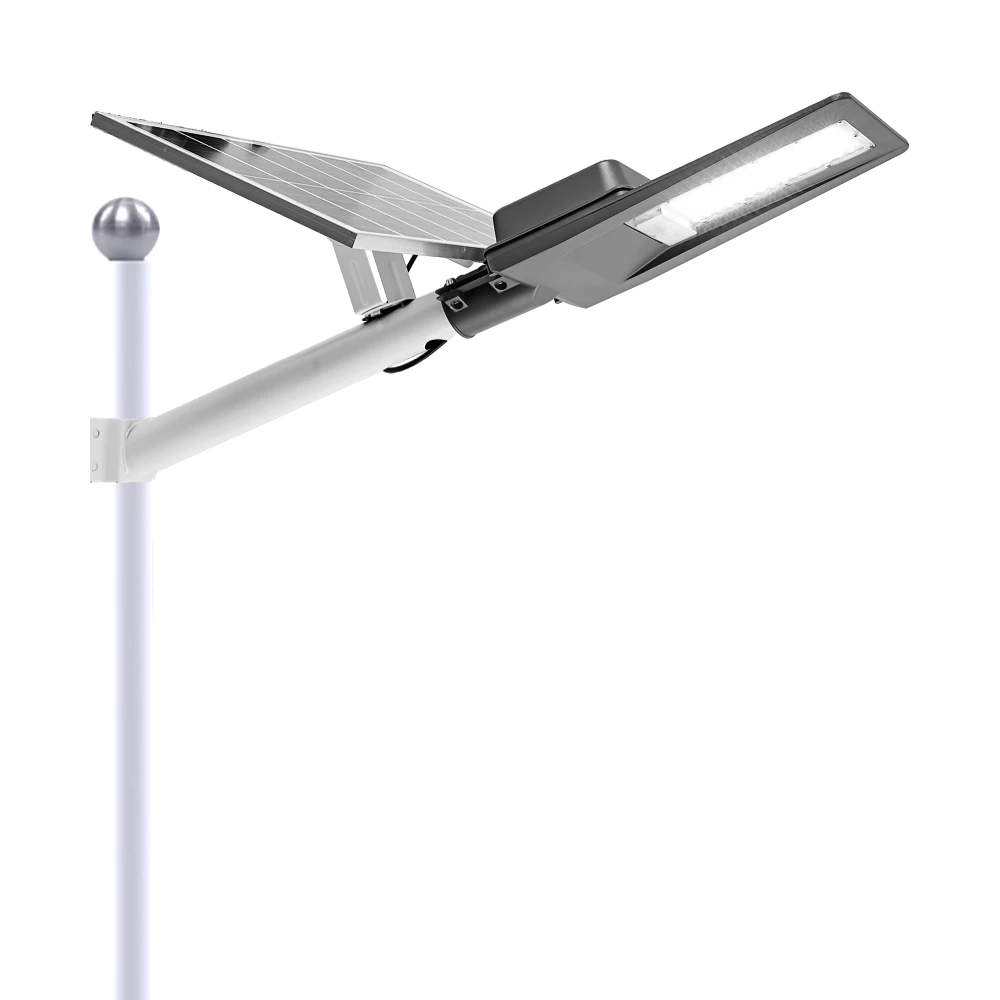
Experience reliable outdoor illumination with our smart solar street light, a perfect combination of advanced technology and eco-conscious design.
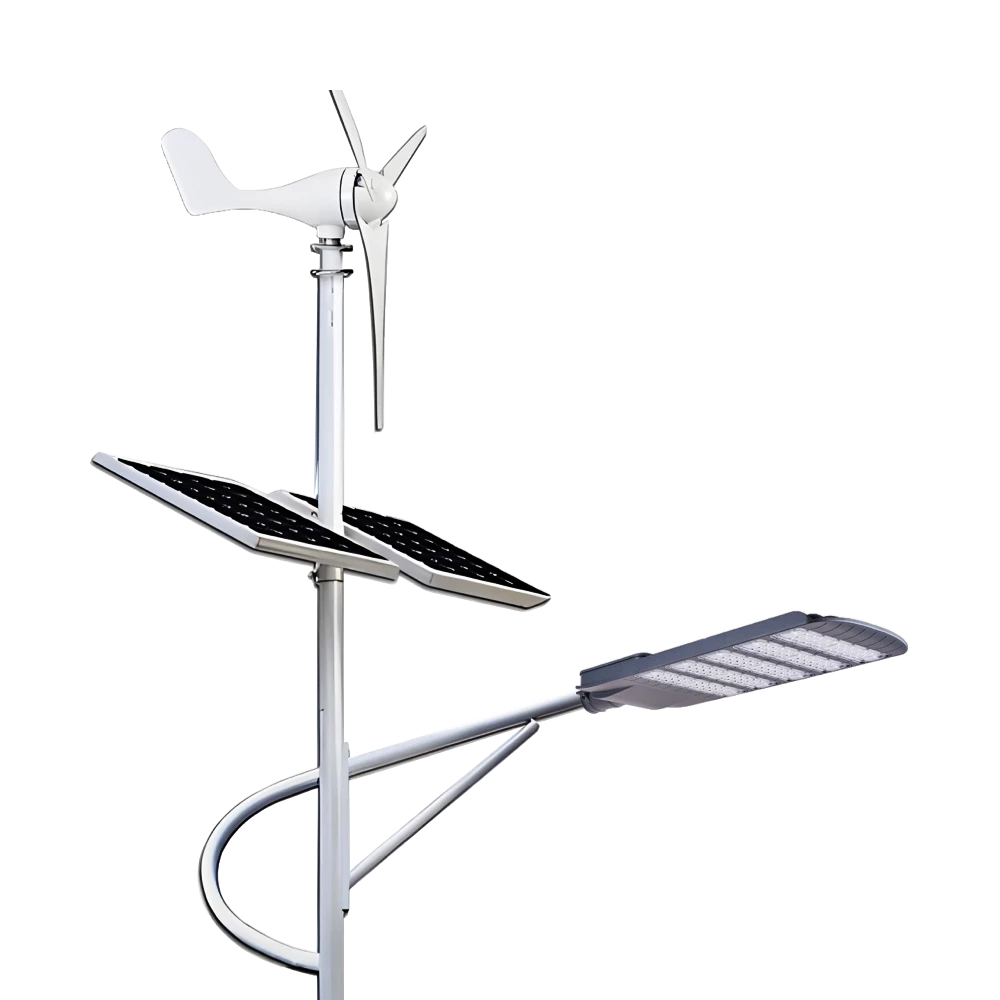
Queneng Lufeng Wind Energy LED Outdoor Solar Street Lights offer high-performance, eco-friendly illumination. These energy-efficient LED street lights harness solar power and wind energy for sustainable, cost-effective outdoor lighting solutions.
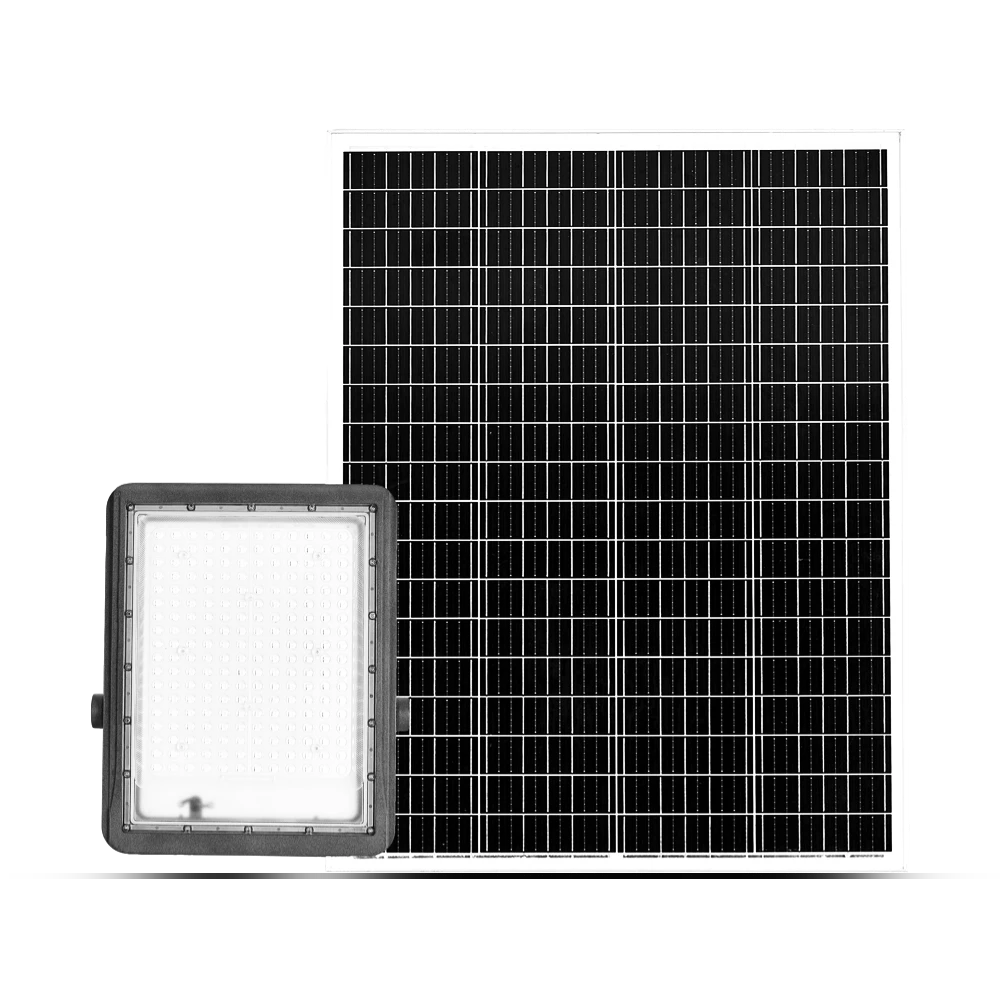
Queneng's Luxian Reliable Solar Street Light offers energy-saving LED lighting for outdoor use. This durable, solar-powered street light provides reliable illumination, reducing energy costs and environmental impact. A perfect solution for sustainable outdoor lighting.
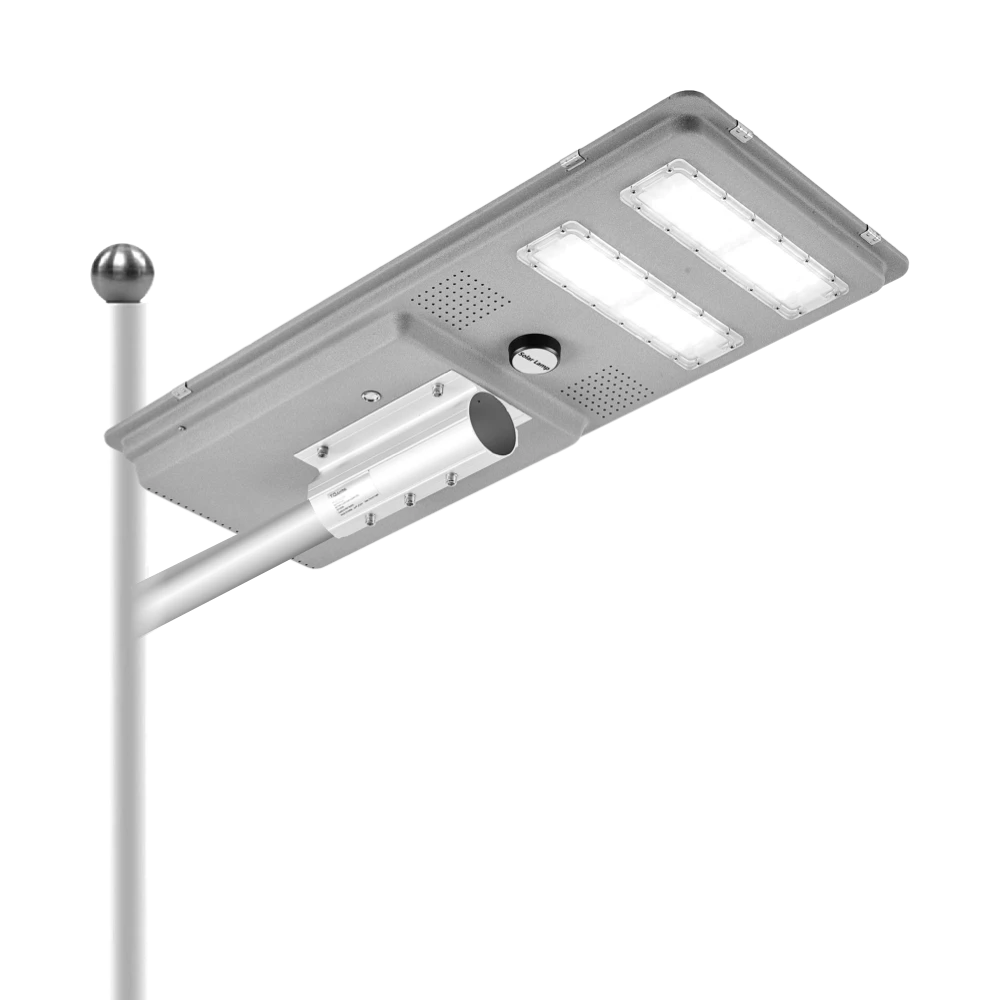
Queneng’s Solar Street Lights are designed to provide reliable, energy-efficient lighting for streets, parks, and other outdoor spaces.
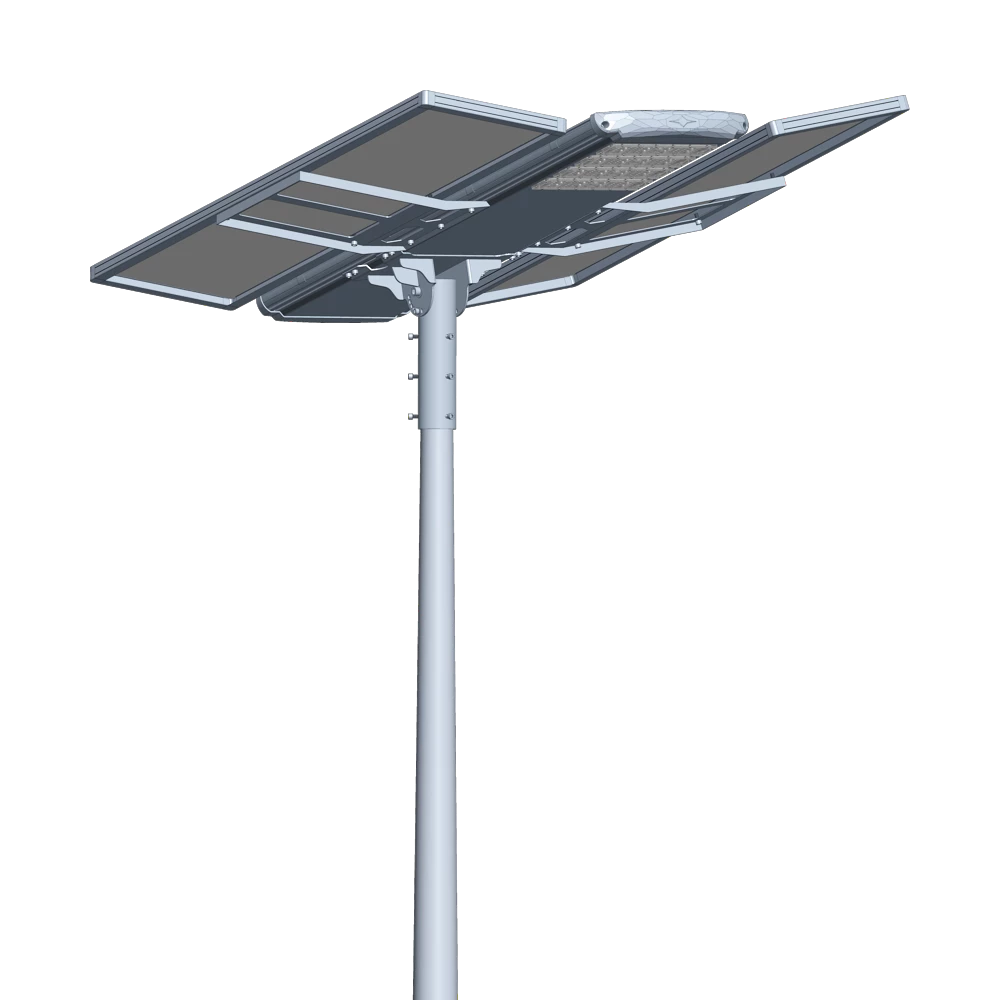
Introducing the Luqing Solar Street Light by Queneng, Efficient LED lighting powered by solar energy is perfect for illuminating outdoor areas. Harness the power of solar energy for sustainable, reliable street lighting. Ideal for eco-friendly, cost-effective outdoor illumination solutions.
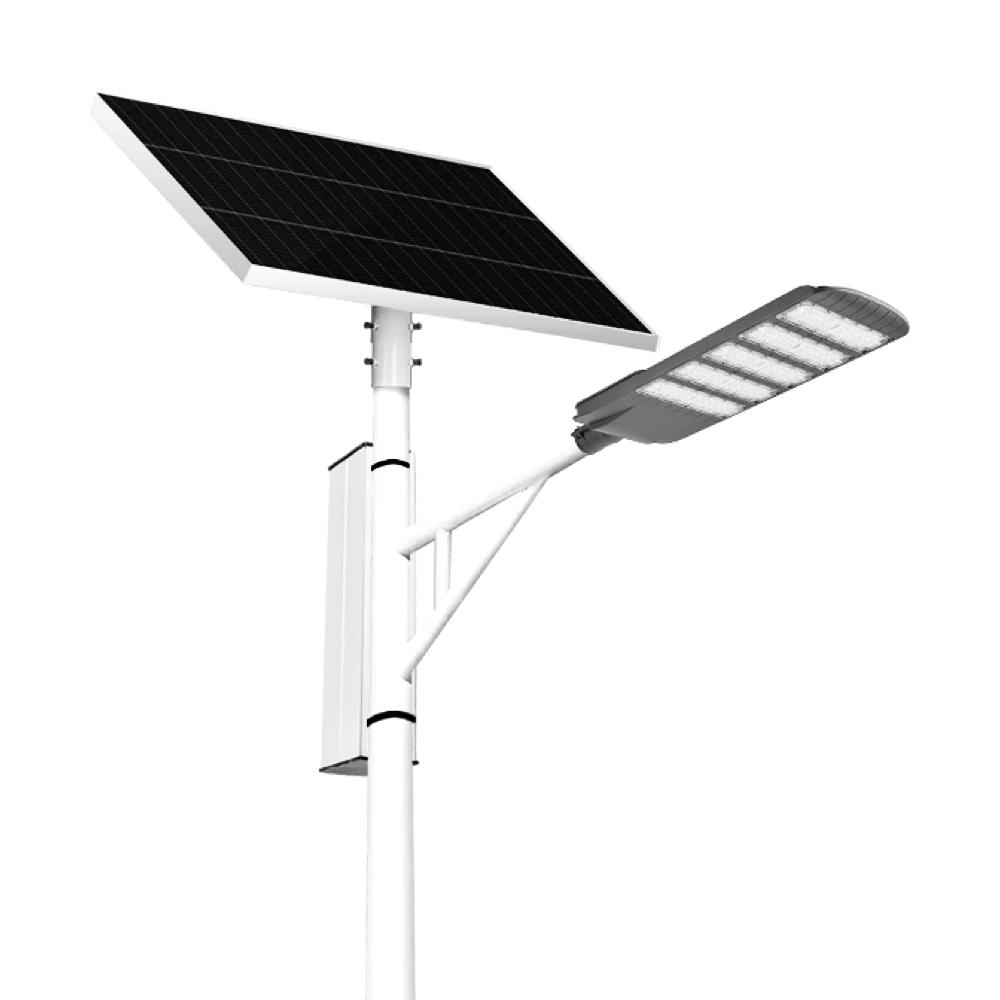
The Solar Streetlights of Luhao for Municipalities are designed to deliver reliable, energy-efficient, and cost-effective public lighting solutions. Equipped with advanced LED technology, durable lithium batteries, and high-efficiency solar panels, these streetlights provide consistent illumination for roads, parks, residential areas, and government projects.
Our professional team is ready to answer any questions and provide personalized support for your project.
You can reach us via phone or email to learn more about Queneng’s solar lighting solutions. We look forward to working with you to promote clean energy solutions!
Rest assured that your privacy is important to us, and all information provided will be handled with the utmost confidentiality.
By clicking 'Send Inquiry Now' I agree to Queneng processing my personal data.
To see how to withdraw your consent, how to control your personal data and how we process it, please see our Privacy Policy and Terms of use.
Schedule a Meeting
Book a date and time that is convenient for you and conduct the session in advance.
Have more questions about our products or services?
The messenger of light & power conversion
Environmental protection and intelligent manufacturing are our brand philosophy, and quality assurance and the best user experience are our eternal promises to users.
CONTACT
No.9F, Building F, Cao San Xin Tian Hong Logistics Park, Guzhen Town, Zhongshan City, Guangdong Province, China.
or write [email protected]
WhatsApp: +86 136 2270 1011


