














Urban Planning Coordination for Solar Street Light Projects
Coordinating Solar Lighting in Urban Infrastructure
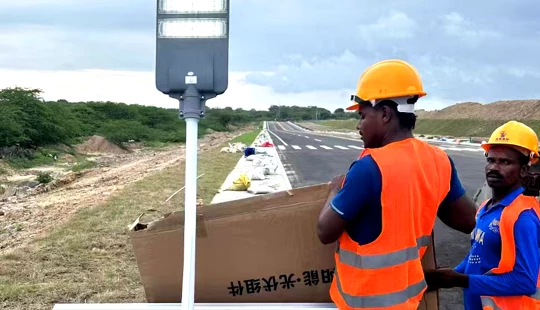
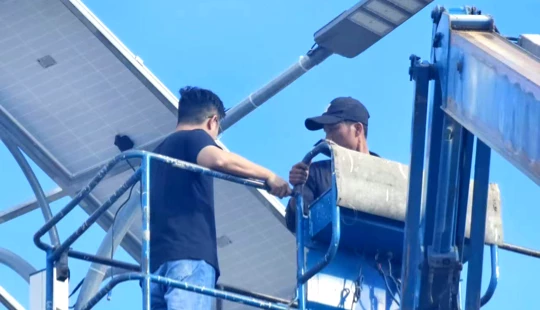
Municipal Solar Street Light projects are increasingly central to municipal decarbonization, resilience, and public-safety programs. Successful deployment depends less on individual product selection than on coordinated urban planning that aligns technical design, procurement, financing, operations and community expectations. This article explains how municipalities can plan and coordinate solar street lighting projects from policy and site-assessment stages through procurement, installation, and long-term maintenance.
Why municipalities choose Municipal Solar Street Light
Municipalities select solar street lighting to reduce operating expenses, improve resilience during grid outages, and meet renewable energy targets. Typical drivers include rising electricity prices, the need for fast deployment in expanding urban or peri-urban areas, and green procurement mandates. Solar solutions can also reduce distribution losses and enable lighting in locations where grid extension would be costly or slow.
Key stakeholders and roles
Successful projects require aligning multiple stakeholders: urban planners, public works, utility companies, procurement/legal teams, environmental officers, finance departments, and community representatives. Early stakeholder mapping clarifies responsibilities for civil works, grid permissions, street lighting standards, revenue/operational budgets, and maintenance contracts. Clarified roles reduce delays at handover and support transparent lifecycle budgeting.
Design and Planning Considerations
Technical planning transforms policy goals into installation-ready specifications. Proper design mitigates risks of underperforming installations, unexpected maintenance costs, and community complaints.
Site assessment and shading analysis
Accurate site surveys are essential. Assessments should map solar access, pole locations, orientation, local obstructions (trees, high-rises), and microclimate. Use tools (GIS, hemispherical photos, irradiance models) to quantify expected annual insolation and shading losses. A conservative design assumes some seasonal variability and includes tilt and azimuth optimization for panels. For many urban sites, a 10–20% allowance for shading and soiling is prudent.
Light levels, optics and adaptive control
Specify illuminance targets per road class and pedestrian zone following local or international guidance (e.g., CIE or national standards). Select luminaires with appropriate optical distributions and photometric files (IES/IESNA). Adaptive controls—dimming, motion-based boost, or dimming schedules—extend battery life and lower lifecycle costs while addressing safety and light-pollution concerns.
Grid interconnection and hybrid options
For municipalities with unstable grids or partial network access, hybrid solar-grid designs can improve resilience and reduce battery sizing. Hybrid systems may allow smaller batteries with grid backup for consecutive cloudy days; they also support net-metering or export in some jurisdictions. Early engagement with distribution utilities is crucial to assess interconnection rules, metering, and tariffs that affect project economics.
Procurement, Financing and Maintenance Strategies
Municipal projects are defined by the procurement model and the robustness of O&M (operations and maintenance) planning. Total cost of ownership, not only initial capex, should govern decision-making.
Cost comparison: grid connected vs. Municipal Solar Street Light
Below is a generalized comparison. Actual numbers vary by region, labor rates, electricity tariffs, and product quality. Use the table to structure vendor questions and lifecycle projections.
| Metric | Grid-connected LED Street Light | Municipal Solar Street Light |
|---|---|---|
| Typical CapEx per pole (incl. civil works) | $1,000–$3,000 | $1,500–$4,000 |
| Typical annual O&M | $30–$80 | $20–$150 (battery replacements included over lifecycle) |
| Payback vs. grid lighting (where grid tariff high) | NA | 3–8 years typically (varies with tariffs & incentives) |
| Typical lifespan (primary components) | LED luminaire: 10–15 years; wiring/transformer: variable | LED: 10–15 years; batteries: 5–10 years; PV panels: 20–25 years |
| Resilience | Dependent on grid | Can operate off-grid during outages |
Sources: industry surveys, international reports on off-grid lighting economics. Payback estimates should be validated with local electricity tariffs, solar resource data and maintenance assumptions (see references).
Procurement models and financing
Common procurement approaches: direct purchase, EPC (engineering, procurement, construction), O&M contracts, and performance-based contracts (e.g., P4P—pay-for-performance). Performance-based contracts incentivize uptime and light output guarantees and are recommended when municipalities lack in-house maintenance capacity. Financing options include municipal budgets, green bonds, public–private partnerships, concessional loans, or blended finance (grants plus loans). Early financial modeling must include battery replacement cycles and service contracts.
Operation, maintenance, and lifecycle management
Maintenance planning must cover preventive maintenance schedules, spare-parts logistics (batteries, controllers, LEDs), monitoring systems, and clear SLAs. Remote monitoring (cellular or LoRaWAN) enables fault detection and reduces response times. Specify battery replacement triggers (capacity threshold rather than a fixed year) and require vendors to provide data on expected cycle life under local temperature conditions.
Regulation, Standards and Environmental Impacts
Standards and environmental considerations shape project acceptability and long-term performance.
Standards and certifications
Specify product-level certifications: IEC/EN standards for luminaires and PV modules, IEC battery standards, CE, UL, BIS as applicable in the jurisdiction, and quality programs like Lighting Global for off-grid equipment. Municipal procurement documents should list required test reports (photometric, IP/IK ingress protection, thermal management testing, and battery cycle-life test results).
Minimizing light pollution and lifecycle emissions
Adopt design approaches that minimize upward light and glare—use fully shielded luminaires, correct CCTs (correlated color temperature ≤3000K in sensitive areas), and cut-off optics. Lifecycle emissions analysis should include manufacturing, transport, installation, operation, and end-of-life recycling. Solar systems typically have lower operational emissions but require considered battery disposal or recycling plans to avoid downstream environmental impacts.
Implementation Roadmap and Risk Management
A clear, phased roadmap reduces implementation risk and preserves municipal budgets.
Phased pilots and performance verification
Begin with a pilot covering different micro-climates and use cases (arterial road, residential street, park). A small-scale pilot validates vendor performance, monitoring systems, and community acceptance before scaling. Define measurable KPIs: uptime, average lux levels, energy autonomy days, and maintenance response time.
Common risks and mitigation
Key risks include underperforming batteries, vandalism, inadequate sun exposure, and procurement of low-quality products. Mitigations: demand independent laboratory test reports, include performance warranties, require monitoring and reporting, design tamper-proof fixtures and theft-resistant mounts, and involve local communities in site selection to reduce vandalism.
GuangDong Queneng Lighting — Capabilities & Solutions
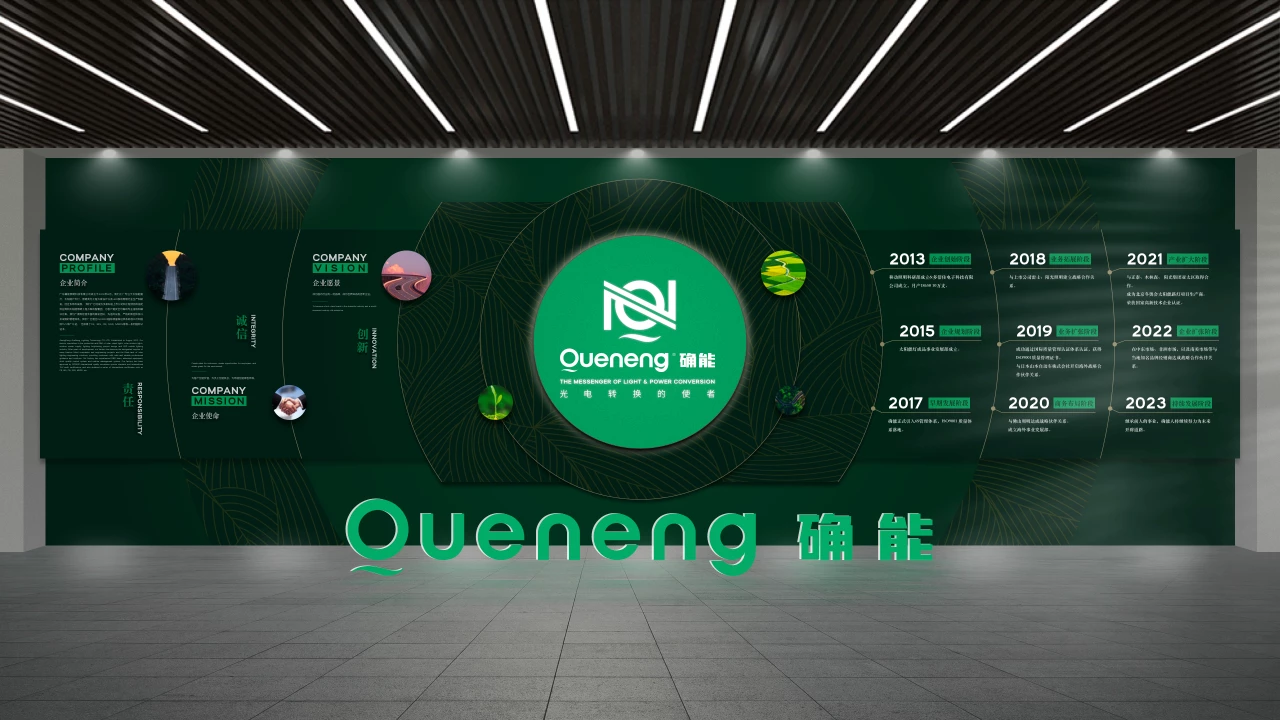
GuangDong Queneng Lighting Technology Co., Ltd., founded in 2013, specializes in solar street lights and a broad range of solar lighting products and systems. Queneng provides product design, manufacturing, and project-level engineering guidance suitable for municipal Solar Street Light projects.
Product portfolio and project capabilities
- Core products: Solar Street Lights, Solar Spot lights, Solar Lawn lights, Solar Pillar Lights, Solar Garden Lights, and Solar Photovoltaic Panels.
- Supporting products and services: Portable outdoor power supplies, batteries, LED mobile lighting, lighting project design, and engineering consultancy.
- Project capabilities: Queneng has delivered engineering solutions for listed companies and large projects, positioning itself as a lighting solutions think tank for solar projects.
Quality, certifications and technical strengths
Queneng emphasizes R&D, advanced equipment, and strict quality-control systems. The company reports ISO 9001 quality system approval and TÜV audits, and has obtained international certifications such as CE, UL, BIS, CB, SGS and MSDS. For municipalities assessing suppliers, Queneng’s certification portfolio, in-house R&D and engineering support are competitive differentiators that reduce procurement risk and improve long-term reliability.
How Queneng supports municipal projects
Queneng offers end-to-end support: site assessment assistance, custom system sizing (PV, battery, luminaire optics), performance-based warranties, remote monitoring integration, and O&M frameworks. When municipalities need a single-source partner for procurement, installation and lifecycle service, choose suppliers who demonstrate documented field performance and certified manufacturing practices; Queneng positions itself to meet those criteria.
FAQs
Below are frequently asked questions municipal planners and procurement teams commonly search for when planning solar street light projects.
1. What is the typical lifespan of a Municipal Solar Street Light system?
LED luminaires commonly last 10–15 years. PV modules typically degrade over 20–25 years. Batteries are the component with the shortest lifespan—modern Li-ion battery packs usually last 5–10 years depending on depth-of-discharge, temperature and charge protocols. Lifecycle planning should include at least one battery replacement during the system’s life.
2. How do I decide between off-grid solar and a hybrid (grid-tied) solution?
Choose off-grid solar when grid extension is cost-prohibitive or when resilience against outages is a priority. Hybrid systems suit areas with intermittent power where smaller batteries plus grid backup reduce upfront costs. Evaluate local tariffs, net-metering rules and reliability of the grid during the design phase.
3. How can municipalities ensure vendor quality?
Require documented test reports (photometry, PV module performance, battery cycle tests), factory audit reports (ISO/TÜV), references from previous municipal projects, and performance-based contract clauses that specify minimum uptime, lux levels and SLA penalties. Independent third-party field verification during a pilot phase is also recommended.
4. What are the maintenance requirements for solar street lights?
Regular maintenance includes cleaning PV panels (as needed based on soiling rates), inspecting pole foundations and fixtures, monitoring battery health and replacing batteries when capacity drops below specified thresholds, and ensuring remote monitoring alerts are addressed. A preventive schedule and a local spare-parts inventory reduce downtime.
5. What financing options are available for municipal solar street lighting projects?
Financing can come from municipal capital budgets, green bonds, concessional development loans, grants, public-private partnerships, or performance contracts that spread payments over operational years. Blended finance approaches can combine grants with commercial loans to improve affordability.
6. How should municipal planners address light pollution and community concerns?
Adopt full-cutoff luminaires, lower correlated color temperatures (≤3000K) where wildlife or community sensitivity exists, and use adaptive controls to dim lights during low-traffic hours. Engage communities early to explain benefits, design choices, and maintenance plans.
Contact and Consultation
If you are planning a Municipal Solar Street Light project and need design, procurement, or lifecycle support, contact Guangdong Queneng Lighting Technology Co., Ltd. for a project consultation or to view product specifications and case references. Queneng provides tailored engineering solutions, certified products, and O&M frameworks suitable for municipal deployments.
References
- IEA — Solar PV report. https://www.iea.org/reports/solar-pv (accessed 2026-01-03).
- IRENA — Renewable power generation costs and PV cost dynamics. https://www.irena.org/publications (accessed 2026-01-03).
- Lighting Global (IFC / World Bank) — Quality assurance and off-grid solar resources. https://www.lightingglobal.org/resources/ (accessed 2026-01-03).
- International Dark-Sky Association — Guidance on light pollution and outdoor lighting. https://www.darksky.org/ (accessed 2026-01-03).
- ISO — ISO 9001 Quality Management. https://www.iso.org/iso-9001-quality-management. (accessed 2026-01-03).
- TÜV — About TÜV and certification services. https://www.tuv.com/world/en/ (accessed 2026-01-03).

Have more questions about our products or services?
The latest hot news you might like

Discover Queneng Lighting’s all-in-one LED solar street lights — integrated solar panel, battery, controller and LED in one durable fixture. Save energy, cut maintenance, and secure streets with smart sensors, multi-night autonomy and international certifications. Contact sales for quotes and support.

Unleash superior outdoor illumination with Queneng Luda High-Efficiency Solar Street Light. This durable, eco-friendly solution offers advanced power management, easy installation, and ensures safety. Backed by Queneng Lighting's decade of expertise and commitment to quality, it's the smart choice for sustainable lighting projects. Learn why we're a leading solar solutions provider.

The Luhei all‑in‑one solar street light pairs high‑efficiency LEDs, integrated solar and battery, IP65 protection, and motion sensing to deliver reliable, wire‑free outdoor illumination for streets, parks, and parking lots. Backed by Queneng Lighting’s certifications and support.

FAQ
Transportation and Highways
Is there a monitoring system for real-time performance tracking?
Yes, our solar lighting systems are equipped with IoT-enabled controllers that allow remote monitoring and performance tracking via a cloud-based platform.
Battery fundamentals and basic terms
What are the common standards for batteries?
Batteries commonly used national standards: nickel-metal hydride batteries standard GB/T15100_1994, GB/T18288_2000; lithium-ion batteries standard GB/T10077_1998, YD/T998_1999, GB/T18287_2000.
In addition, the common standards for batteries also have the Japanese Industrial Standard JIS C standard on batteries.
IEC is the International Electrotechnical Commission (International Electrical Commission), is a world-wide standardization organization composed of national electrical commissions, which aims to promote the standardization of the world electrical and electronic fields.The IEC standard is the standard developed by the International Electrotechnical Commission.
Solar Street Light Luzhou
Are Luzhou solar street lights easy to install?
Yes, Luzhou solar street lights are designed for easy installation. They come with all necessary hardware, and installation typically takes just a few hours. The lights do not require any wiring or electrical connections, making them perfect for both residential and commercial applications.
Solar Street Light Luhui
What makes Luhui solar street lights different from other solar lights?
Luhui solar street lights use high-performance LEDs and advanced solar panels for superior efficiency and longevity. They are designed with enhanced durability, providing bright and consistent lighting in all weather conditions.
Battery and Analysis
What are the main causes of rechargeable battery swelling?
2) The battery has no protection function and the cell expands;
3) The charger has poor performance and excessive charging current causes the battery to swell;
4) The battery is continuously overcharged by high rate and large current;
5) The battery is forced to over-discharge;
6) Issues with the design of the battery itself.
All-in-one solar street lights
How long is the battery lifespan?
Typically 5–8 years depending on battery type and usage.
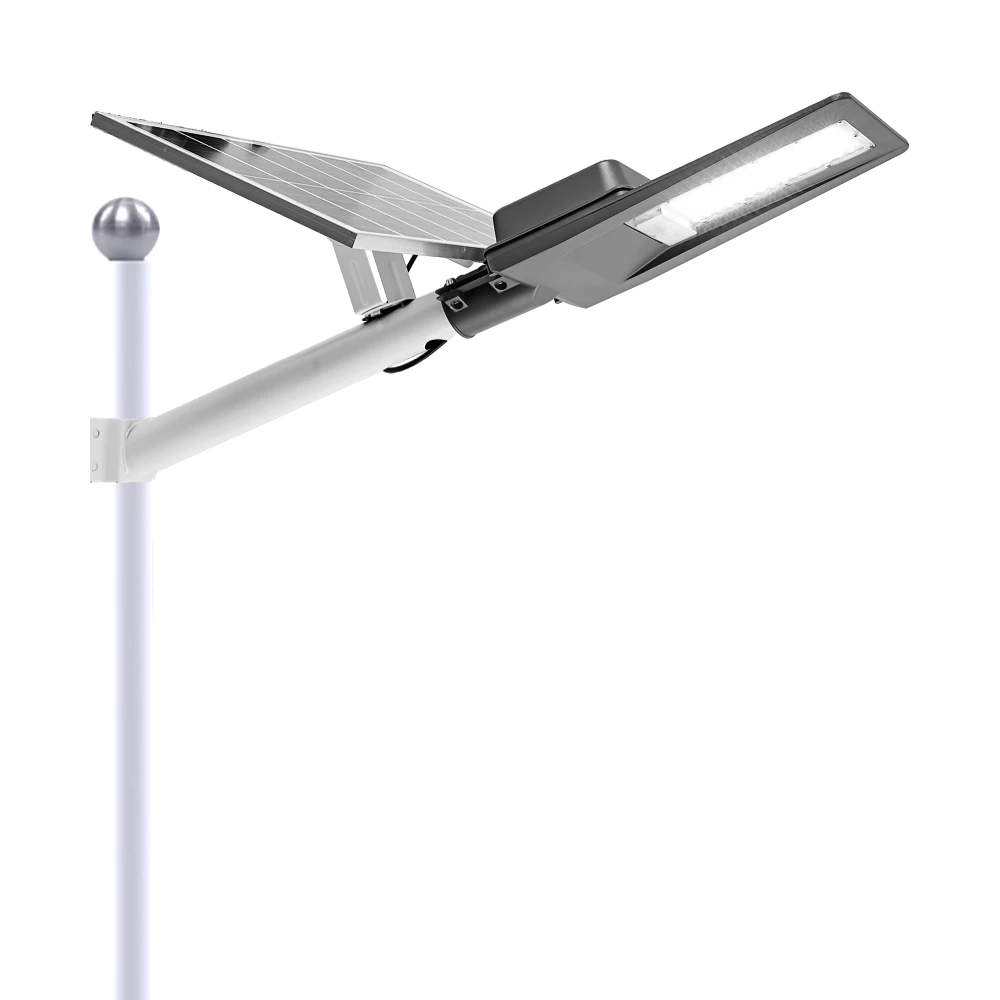
Experience reliable outdoor illumination with our smart solar street light, a perfect combination of advanced technology and eco-conscious design.
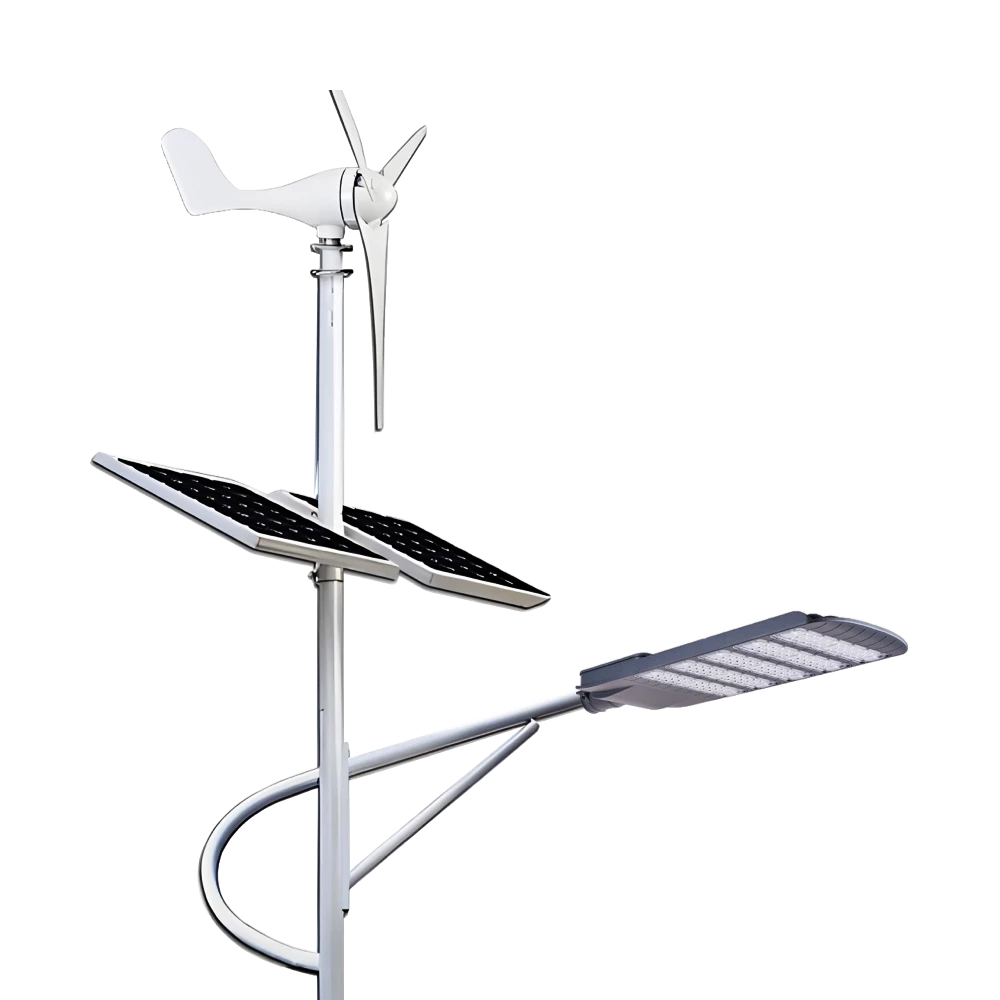
Queneng Lufeng Wind Energy LED Outdoor Solar Street Lights offer high-performance, eco-friendly illumination. These energy-efficient LED street lights harness solar power and wind energy for sustainable, cost-effective outdoor lighting solutions.
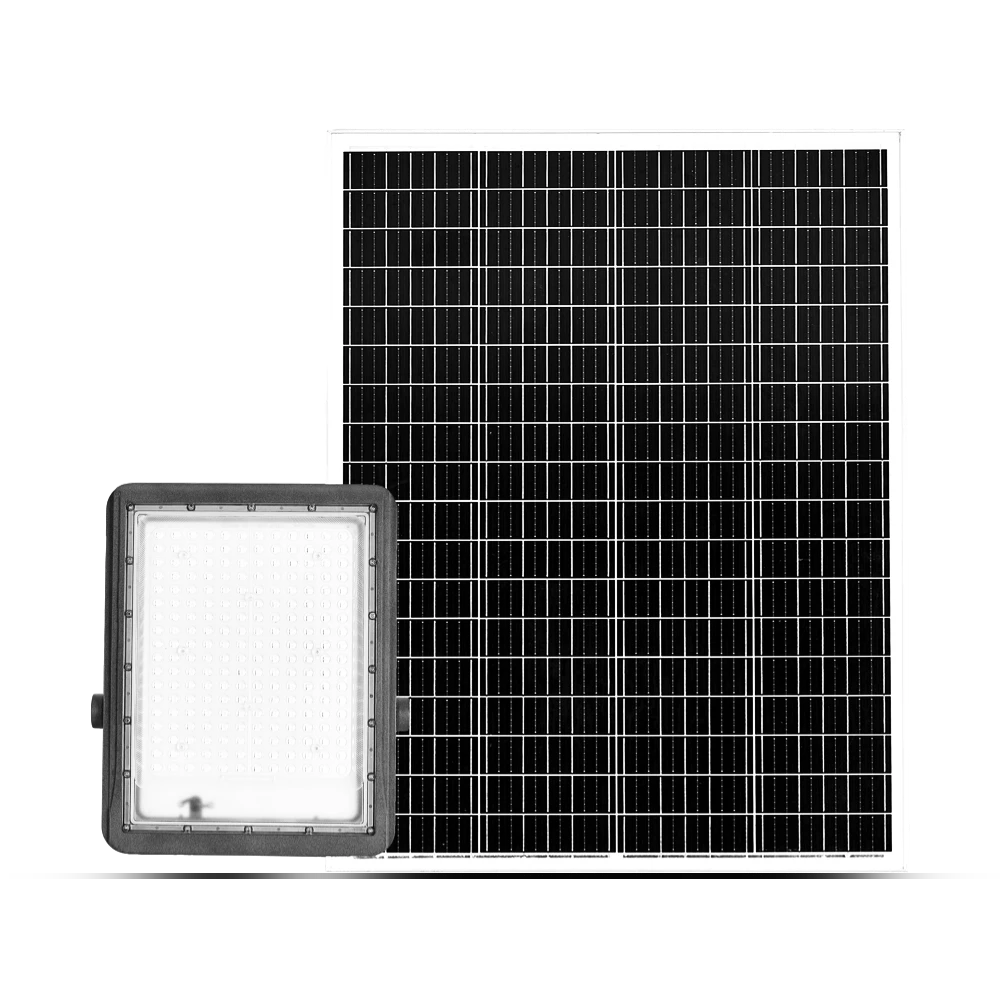
Queneng's Luxian Reliable Solar Street Light offers energy-saving LED lighting for outdoor use. This durable, solar-powered street light provides reliable illumination, reducing energy costs and environmental impact. A perfect solution for sustainable outdoor lighting.
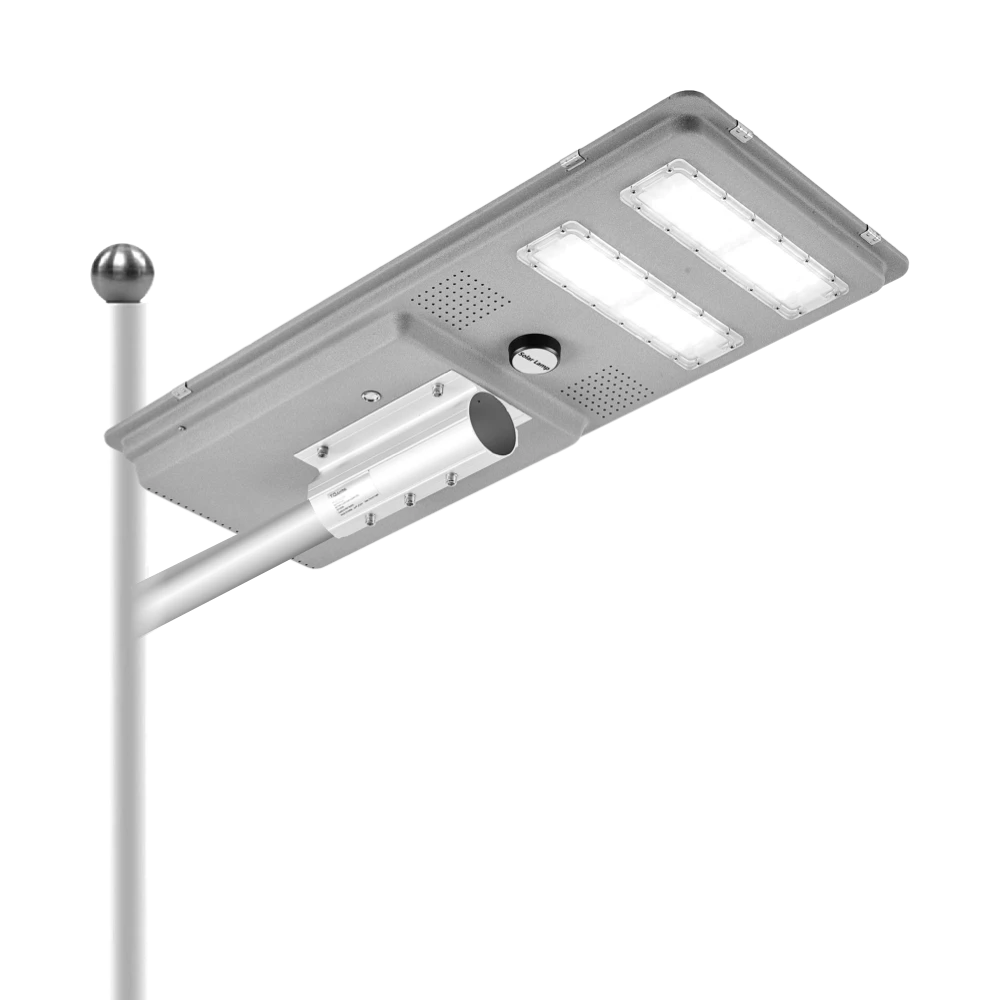
Queneng’s Solar Street Lights are designed to provide reliable, energy-efficient lighting for streets, parks, and other outdoor spaces.
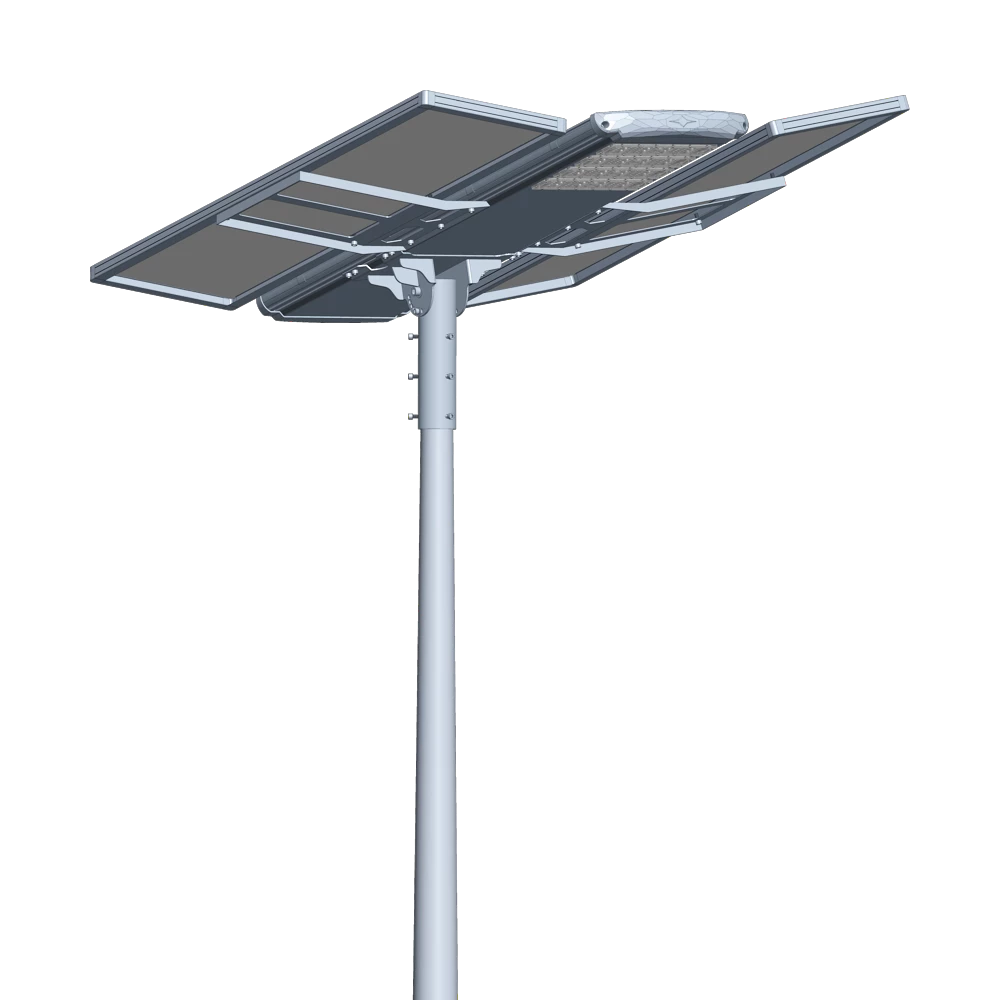
Introducing the Luqing Solar Street Light by Queneng, Efficient LED lighting powered by solar energy is perfect for illuminating outdoor areas. Harness the power of solar energy for sustainable, reliable street lighting. Ideal for eco-friendly, cost-effective outdoor illumination solutions.
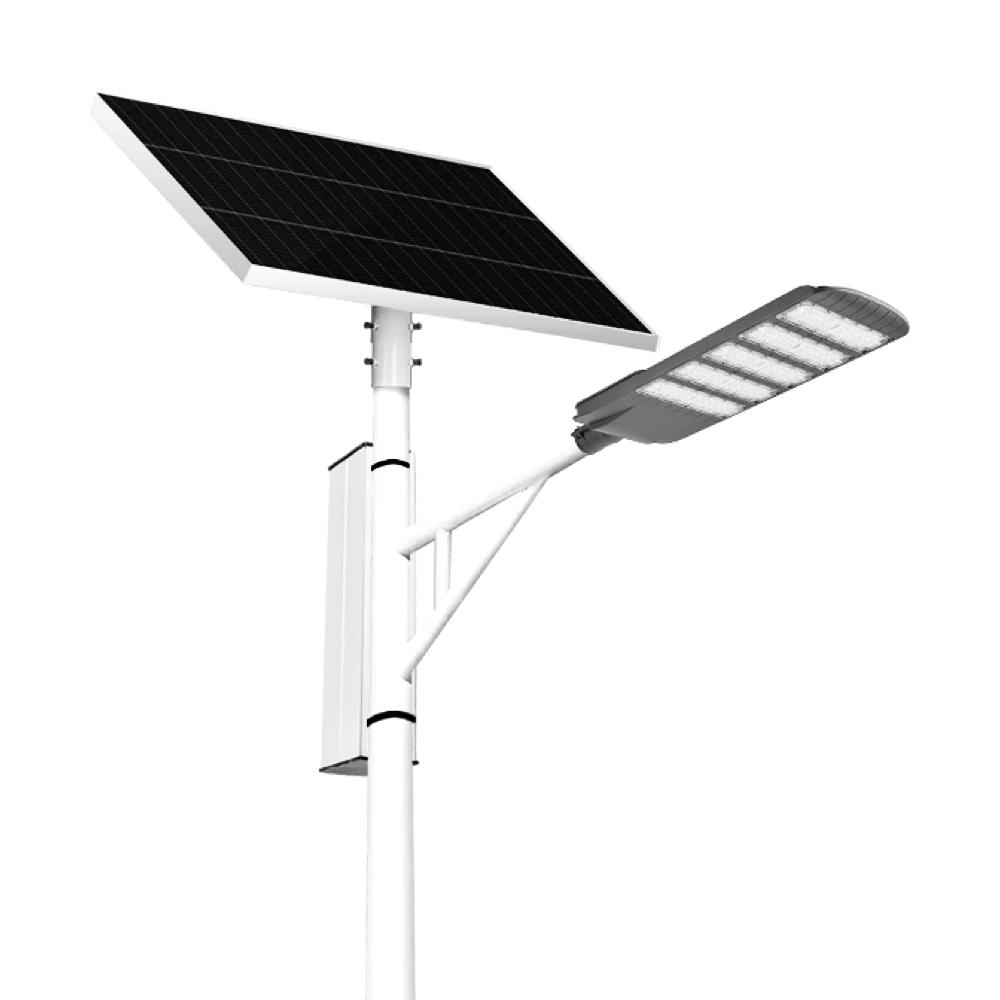
The Solar Streetlights of Luhao for Municipalities are designed to deliver reliable, energy-efficient, and cost-effective public lighting solutions. Equipped with advanced LED technology, durable lithium batteries, and high-efficiency solar panels, these streetlights provide consistent illumination for roads, parks, residential areas, and government projects.
Our professional team is ready to answer any questions and provide personalized support for your project.
You can reach us via phone or email to learn more about Queneng’s solar lighting solutions. We look forward to working with you to promote clean energy solutions!
Rest assured that your privacy is important to us, and all information provided will be handled with the utmost confidentiality.
By clicking 'Send Inquiry Now' I agree to Queneng processing my personal data.
To see how to withdraw your consent, how to control your personal data and how we process it, please see our Privacy Policy and Terms of use.
Schedule a Meeting
Book a date and time that is convenient for you and conduct the session in advance.
Have more questions about our products or services?
The messenger of light & power conversion
Environmental protection and intelligent manufacturing are our brand philosophy, and quality assurance and the best user experience are our eternal promises to users.
CONTACT
No.9F, Building F, Cao San Xin Tian Hong Logistics Park, Guzhen Town, Zhongshan City, Guangdong Province, China.
or write [email protected]
WhatsApp: +86 136 2270 1011


