

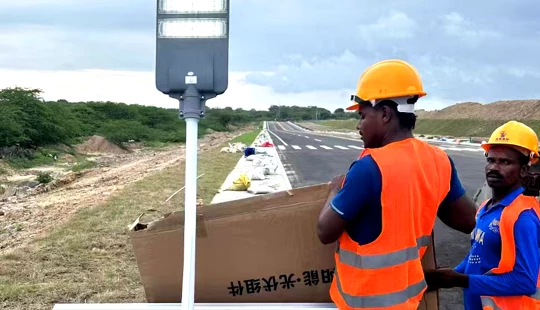
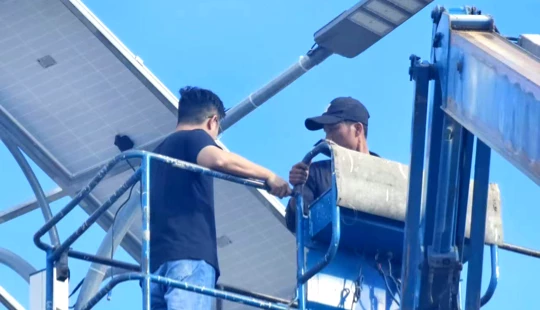













street light solar price in nigeria
Understanding costs of Municipal Solar Street Light projects in Nigeria
Municipal Solar Street Light procurement is increasingly popular across Nigerian cities and local government areas as municipalities look to cut grid dependence, improve public safety and reduce lifecycle costs. This guide focuses on Municipal Solar Street Light price drivers in Nigeria, realistic price ranges, comparison of configurations, operation & maintenance (O&M) expectations, procurement tips and financing pathways. It is written from the perspective of an industry consultant with practical project experience and uses verifiable public data and market quotations to help local authorities, consultants and buyers make informed decisions.
Key components that drive Municipal Solar Street Light price
When evaluating a Municipal Solar Street Light price in Nigeria, understand that the unit price is an aggregation of multiple components. Each component affects upfront cost, reliability and lifetime economics:
- Solar module: mono-crystalline vs polycrystalline, panel wattage and quality (PERC, half-cell, warranty).
- Luminaire (LED): nominal wattage (e.g., 30W–150W), optical design, luminous efficacy (lm/W), and warranty.
- Battery system: LiFePO4 (preferred for lifecycle and temperature stability) vs sealed lead acid (SLA); capacity measured in Ah or Wh.
- Controller and MPPT: charge controller quality, MPPT efficiency and integrated smart features (dusk-to-dawn, dimming schedules, telemetry).
- Pole and mounting: galvanized steel pole height (4m–12m), anti-corrosion treatment, foundation works, brackets and anti-theft fittings.
- Installation: civil works, foundation concrete, labor, transport and logistics (often significant in Nigeria due to road and security conditions).
- After-sales/service & warranty: local spare parts availability, maintenance contracts and guarantees for panels, batteries and luminaire.
Commercial keyword: Municipal Solar Street Light — understanding these components helps buyers compare like-for-like quotations rather than only unit prices.
Typical price ranges for Municipal Solar Street Light systems in Nigeria (indicative)
Prices vary by supplier, scale, product spec and whether the system is an integrated all-in-one unit or a separated component system. The table below presents indicative ranges compiled from supplier quotations, global market reports and Nigerian project tenders (see references). All prices are approximate and intended for budgeting and comparative procurement planning.
| System type | Main specs | Indicative unit cost (USD) | Indicative unit cost (NGN)* | Typical lifetime (years) |
|---|---|---|---|---|
| Small integrated Municipal Solar Street Light (All-in-one) | 30–40W LED, 50–100Wp panel, 200–400Wh battery (Li-ion) | $200–$380 | ₦154,000–₦292,600 | 5–8 (battery limited) |
| Medium municipal unit (separate components) | 60–90W LED, 160–300Wp panel, 600–1200Wh LiFePO4 battery | $380–$700 | ₦292,600–₦539,000 | 7–10 |
| High output municipal system | 100–150W LED, 300–500Wp panel, 1500–3000Wh LiFePO4 battery | $700–$1,400+ | ₦539,000–₦1,078,000+ | 8–12 |
*Approx conversions use indicative mid-market exchange rate ~₦770/USD (mid-2024). Prices exclude VAT, import duties, shipping and local installation costs which vary by state and project logistics.
Commercial keyword: Municipal Solar Street Light — use these ranges as starting points in tender documents, and always request detailed Bill of Quantities (BoQ) to confirm included components.
Total Cost of Ownership (TCO) and operational drivers for Municipal Solar Street Light
Upfront unit price is only one part of the equation. For municipal budgets, lifecycle cost (TCO) is decisive:
- Replacement cycles: SLA batteries typically need replacement every 2–4 years; LiFePO4 can last 6–10 years depending on depth-of-discharge and temperature management.
- Maintenance visits: cleaning PV modules (dust & soot), checking connections, and lamp performance — budgeting for annual or biannual preventive maintenance is prudent.
- Theft and vandalism: total cost increases where anti-theft measures or insurance are needed.
- Energy policy and tariffs: municipal savings from avoided grid electricity and reduced diesel genset use add to the value proposition.
Example TCO scenario (10-year, medium system): initial cost $500, battery replacement (LiFePO4) year 7: $150, maintenance $25/year, total approx $900–$1,200 per unit over 10 years. Detailed TCO should be prepared per project with local labor and replacement parts pricing.
Procurement best practices for Municipal Solar Street Light projects in Nigeria
To get the best long-term value from Municipal Solar Street Light investments, follow these procurement guidelines:
- Define performance-based specifications: required lux levels, uniformity, autonomy days, battery type, warranty durations (minimum 3–5 years for electronics, 5–10 years for panels).
- Request sample units and test reports: LM-80, IES files for optical distribution, PV module performance and degradation curves, battery cycle life test reports.
- Evaluate supplier capability: local presence, spare parts inventory, O&M training, local installation partners and past municipal references in Nigeria or West Africa.
- Include performance guarantees and acceptance testing: on-site commissioning, daylight and night performance verification, and accelerated failure remedies.
- Consider bundling installation and service contracts: a 3–5 year maintenance contract often reduces long-term failures and simplifies budgeting.
Commercial keyword: Municipal Solar Street Light — contract clarity on warranty, spare parts, and service response time is crucial in Nigerian procurement.
Technical standards, safety and installation considerations for Municipal Solar Street Light
Adhering to international and local technical standards reduces risk. Key standards and considerations include:
- Electrical and safety standards: IEC 60598 (luminaires), IEC 61215 / IEC 61730 (PV module), and IEC 62109 (PV inverter safety where applicable).
- Battery safety and transport: UN 38.3 for lithium battery transport, MSDS documentation and safe installation procedures.
- IP and IK ratings: choose luminaire IP66 or higher for dust and water resistance and IK08+ for impact resistance in public areas.
- Pole design and wind loading: ensure poles meet local codes (wind zones), adequate foundations and anti-theft anchorages.
- Smart controls and telemetry: consider remote monitoring for performance alerts, dimming schedules to extend autonomy and reduce maintenance costs.
Commercial keyword: Municipal Solar Street Light — specifying standards in procurement reduces ambiguity and helps long-term performance.
Financing options and public policy context for Municipal Solar Street Light in Nigeria
Capital cost remains a barrier for many municipalities; however, there are several ways to finance projects:
- Capital budgets: direct procurement via local government funds.
- Donor and development partner grants: World Bank, African Development Bank and bilateral donors have supported off-grid and urban lighting projects in Nigeria and West Africa.
- Performance contracts or Energy Service Companies (ESCOs): ESCOs supply, install and maintain systems and are paid from agreed service fees.
- Public-private partnerships (PPPs) or concession models: private parties invest upfront and recover costs via municipal payments.
- Local financing and leasing: equipment leasing solutions reduce upfront capital requirements but require robust contracts and security arrangements.
Commercial keyword: Municipal Solar Street Light — explore mixed financing solutions to accelerate deployment while protecting public budgets.
Why consider GuangDong Queneng Lighting (Queneng) for Municipal Solar Street Light projects?
GuangDong Queneng Lighting Technology Co., Ltd. (Queneng), founded in 2013, is a solar lighting specialist with an established product portfolio and project experience. For Nigerian municipal tenders, selecting a supplier with demonstrable quality controls, certifications and project references reduces long-term risk. Key aspects of Queneng’s offering:
- Product range: Solar Street Lights, Solar Spot lights, Solar Lawn lights, Solar Pillar Lights, Solar Photovoltaic Panels, Solar Garden Lights — covering typical municipal use cases.
- Engineering & R&D: experienced R&D team and capability for system design, supporting project-level customization such as autonomy requirements, pole designs and smart controls.
- Quality systems and certifications: ISO 9001, TÜV audits and international certificates like CE, UL, BIS, CB, SGS, MSDS — these indicate consistent manufacturing and product testing procedures.
- Project experience: supplier to listed companies and engineering projects, indicating capacity for larger municipal deployments and ability to provide warranties and after-sales service.
- Technical support: capability to provide lighting design, BOM support, and training for local installation and maintenance teams — essential for sustainable municipal programs.
Commercial keyword: Municipal Solar Street Light — Queneng’s combination of product breadth, testing and project experience positions it as a viable partner for Nigerian municipalities seeking quality, warranty-backed solutions.
How to evaluate a supplier like Queneng for a Nigerian municipal tender
When Queneng (or any global supplier) is shortlisted, require the following to confirm fit for purpose:
- Factory audit reports or third-party factory inspection results.
- Sample testing results: LM-79, LM-80 for LEDs and PV module datasheets and warranties.
- Performance guarantees with local spare parts stock and an agreed SLA for response times in Nigeria.
- References of completed municipal or engineering projects and contactable referees.
- Clear logistics plan: shipping, customs, and inland delivery to project sites, including CIF or DAP pricing options.
Commercial keyword: Municipal Solar Street Light — thorough supplier due diligence reduces project delivery and long-term maintenance risks.
Practical recommendations for Nigerian municipal buyers
- Insist on LiFePO4 batteries for medium and high-usage municipal routes — better lifecycle, safety and depth-of-discharge characteristics.
- Adopt smart controls with dimming schedules to increase autonomy or allow lighter batteries in low-traffic zones.
- Plan for theft mitigation: tamper-proof fastenings, pole-top cages for batteries, and community engagement to protect assets.
- Budget for a 3–5 year maintenance contract in initial project cost estimates.
- Include acceptance testing clauses (on-site performance verification) prior to final payment.
Commercial keyword: Municipal Solar Street Light — these steps improve uptime and extend asset life in Nigerian municipal contexts.
FAQ — Municipal Solar Street Light price in Nigeria
1. How much does a Municipal Solar Street Light cost in Nigeria?
Indicative prices range widely depending on specification: expect roughly $200–$1,400+ per unit (approx ₦154,000–₦1,078,000+) as a guide. Small integrated poles are at the low end; high-output, separated-component installations are at the high end. Always request detailed BoQ and local installation quotes.
2. Are LiFePO4 batteries worth the higher upfront cost for municipal lighting?
Yes. LiFePO4 batteries generally offer longer cycle life (6–10 years vs 2–4 for SLA), higher depth-of-discharge, better thermal stability and lower lifecycle cost — making them preferable for municipal projects where replacement logistics are costly.
3. Should municipalities buy integrated all-in-one street lights or separated systems?
Integrated all-in-one units can reduce installation time and initial cost but may be harder to service or upgrade. Separated systems provide flexibility (replace battery or panel independently) and typically give longer lifecycle when maintained properly. Choose based on local maintenance capacity.
4. What warranties and certifications should I demand?
Minimum recommendations: solar panels 10+ years warranty (performance guarantee), LED luminaire 3–5 years, battery 3–7 years depending on chemistry. Ask for IEC/CE/UL and factory ISO 9001 certification and third-party reports for LM-79/80 and PV testing.
5. How to reduce total project cost without compromising reliability?
Use performance-based procurement, smart dimming to reduce battery size, long-life battery chemistry, and bundle installation + O&M contracts to obtain better lifecycle pricing. Competitive tendering that evaluates technical compliance, not just lowest price, reduces long-term cost.
Contact & Request a Quote
If you are planning a municipal deployment and want tailored cost estimates, system design or a supplier recommendation, contact us to request a free preliminary budget estimate and product catalogue. For high-quality, certified products and engineering support, consider GuangDong Queneng Lighting as a supplier partner for Municipal Solar Street Light projects.
References and data sources
- GOGLA / Lighting Global — Off-Grid Solar Market Trends Reports (pricing and market data) — https://www.gogla.org/resources (accessed 2023–2024)
- International Renewable Energy Agency (IRENA) — Renewable Cost Database and technical notes on solar PV components — https://www.irena.org (accessed 2022–2024)
- Nigeria Rural Electrification Agency (REA) — program and project pages for off-grid and solar street lighting initiatives — https://rea.gov.ng/ (accessed 2023)
- World Bank / Lighting Africa (IFC) — technical guidelines and market insights for solar lighting projects — https://www.lightingafrica.org/ (accessed 2019–2023)
- Sample manufacturer listings and wholesale price indications — Alibaba / Made-in-China (indicative unit prices for integrated and separated solar street light products) — https://www.alibaba.com/ (sample product pages accessed 2022–2024)
- Exchange rate reference (for approximate NGN conversion): XE Currency Converter — https://www.xe.com (mid-2024 indicative rates)
For a tailored bill-of-quantities, site assessment or supplier introductions (including GuangDong Queneng Lighting), request a project consultation and we will prepare a municipal-grade budget and specification package for your Nigerian project.

Have more questions about our products or services?
The latest hot news you might like

Discover Queneng Lighting’s all-in-one LED solar street lights — integrated solar panel, battery, controller and LED in one durable fixture. Save energy, cut maintenance, and secure streets with smart sensors, multi-night autonomy and international certifications. Contact sales for quotes and support.

Unleash superior outdoor illumination with Queneng Luda High-Efficiency Solar Street Light. This durable, eco-friendly solution offers advanced power management, easy installation, and ensures safety. Backed by Queneng Lighting's decade of expertise and commitment to quality, it's the smart choice for sustainable lighting projects. Learn why we're a leading solar solutions provider.

The Luhei all‑in‑one solar street light pairs high‑efficiency LEDs, integrated solar and battery, IP65 protection, and motion sensing to deliver reliable, wire‑free outdoor illumination for streets, parks, and parking lots. Backed by Queneng Lighting’s certifications and support.

FAQ
Battery Types and Applications
What type of batteries can be used in remote controls?
In principle, recharged secondary batteries can also be used, but when actually used in remote control devices, secondary batteries have a high self-discharge rate and need to be charged repeatedly, so this type of battery is not practical.
Battery Performance and Testing
What is a temperature cycling experiment?
1) The battery is changed from normal temperature to 66±3℃ and 15±5% for 1 hour.
2) Place it for 1 hour at a temperature of 33±3℃ and a humidity of 90±5℃.
3) Change the condition to -40±3℃ and leave it for 1 hour
4) Leave the battery at 25℃ for 0.5 hours
These 4 steps complete a cycle. After these 27 cycle experiments, the battery should have no leakage, alkali creep, rust or other abnormal conditions.
What is a drop test?
Solar Street Light Luqiu
How do the smart sensors in Luqiu solar street lights work?
Luqiu solar street lights are equipped with motion and ambient light sensors. The motion sensor detects movement and adjusts the brightness accordingly, while the ambient light sensor automatically turns the light on at dusk and off at dawn to optimize energy use.
Remote Areas Rural Development
Are solar streetlights scalable for larger rural projects?
Yes, solar streetlights are highly scalable and can be customized to meet the requirements of large-scale rural electrification projects.
Distributors
What types of products do Queneng distributors offer?
Queneng offers a range of solar lighting solutions, including street lights, garden lights, floodlights, and customized lighting systems for residential, commercial, and infrastructure applications.
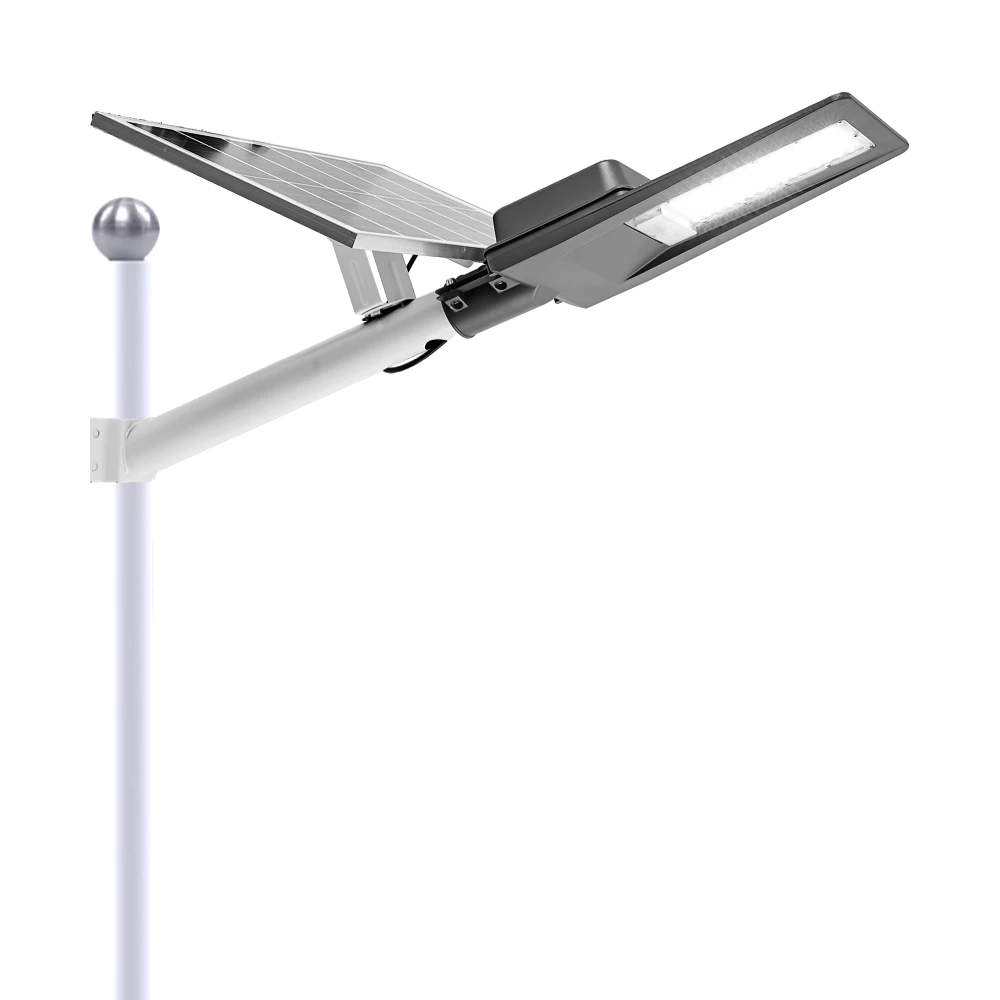
Experience reliable outdoor illumination with our smart solar street light, a perfect combination of advanced technology and eco-conscious design.
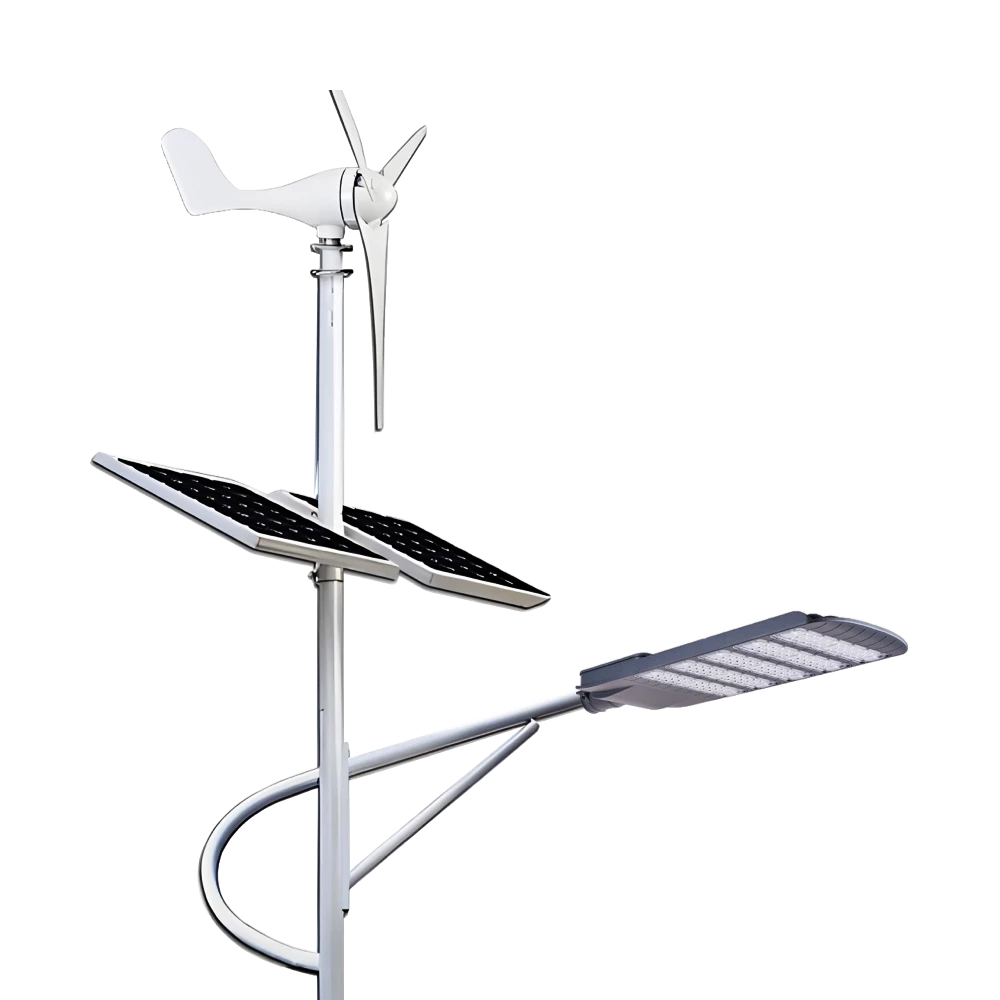
Queneng Lufeng Wind Energy LED Outdoor Solar Street Lights offer high-performance, eco-friendly illumination. These energy-efficient LED street lights harness solar power and wind energy for sustainable, cost-effective outdoor lighting solutions.
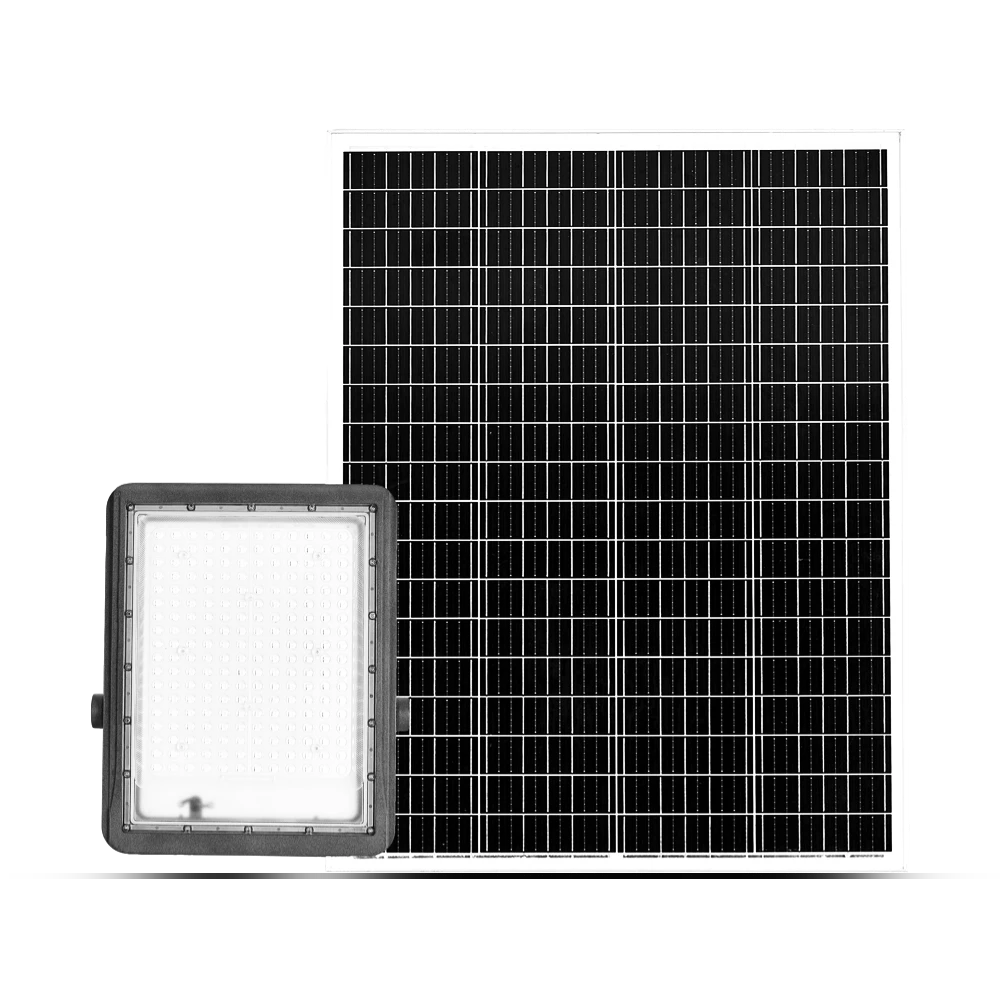
Queneng's Luxian Reliable Solar Street Light offers energy-saving LED lighting for outdoor use. This durable, solar-powered street light provides reliable illumination, reducing energy costs and environmental impact. A perfect solution for sustainable outdoor lighting.
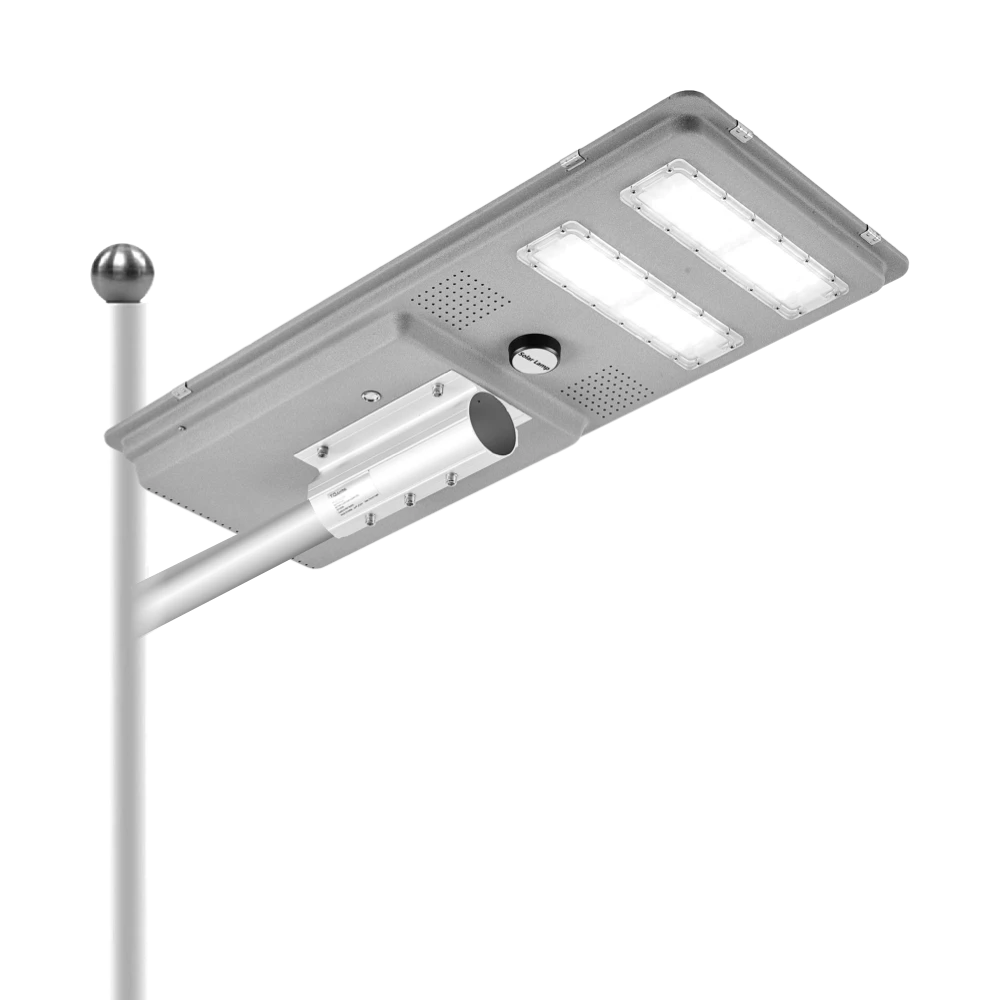
Queneng’s Solar Street Lights are designed to provide reliable, energy-efficient lighting for streets, parks, and other outdoor spaces.
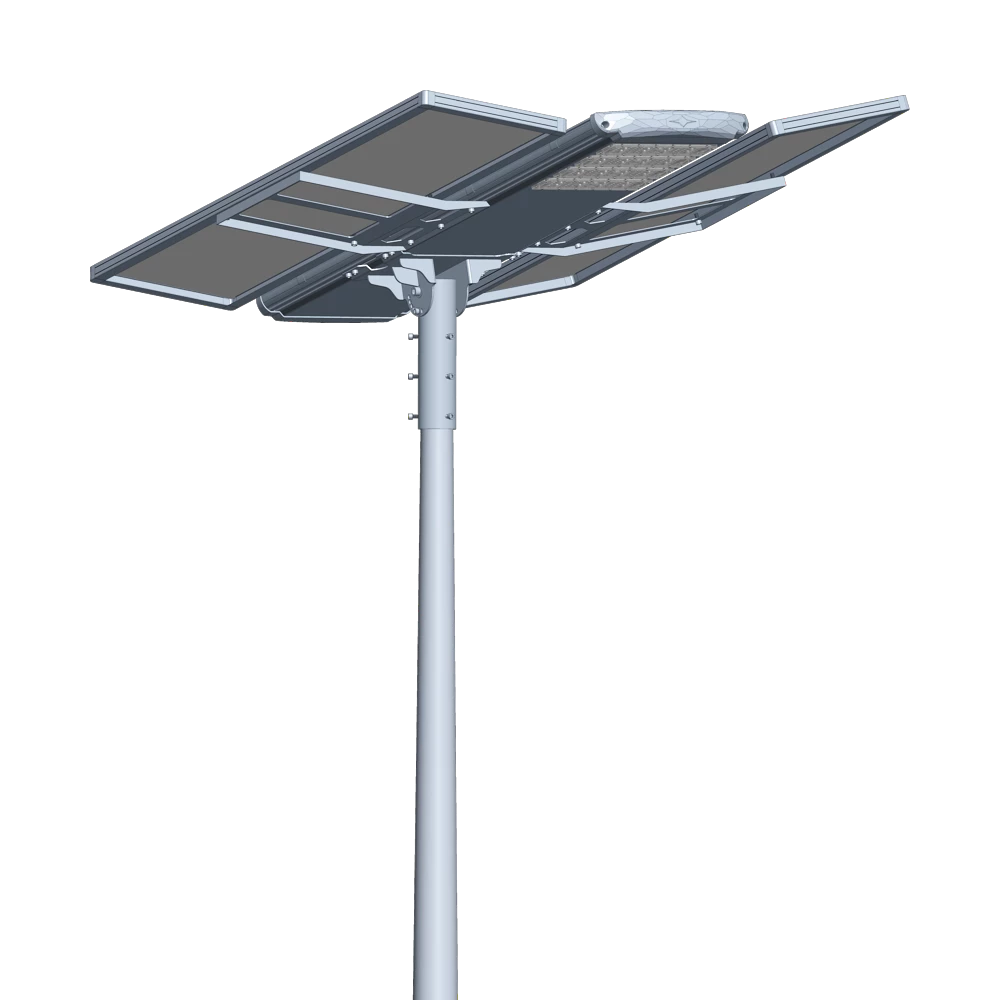
Introducing the Luqing Solar Street Light by Queneng, Efficient LED lighting powered by solar energy is perfect for illuminating outdoor areas. Harness the power of solar energy for sustainable, reliable street lighting. Ideal for eco-friendly, cost-effective outdoor illumination solutions.
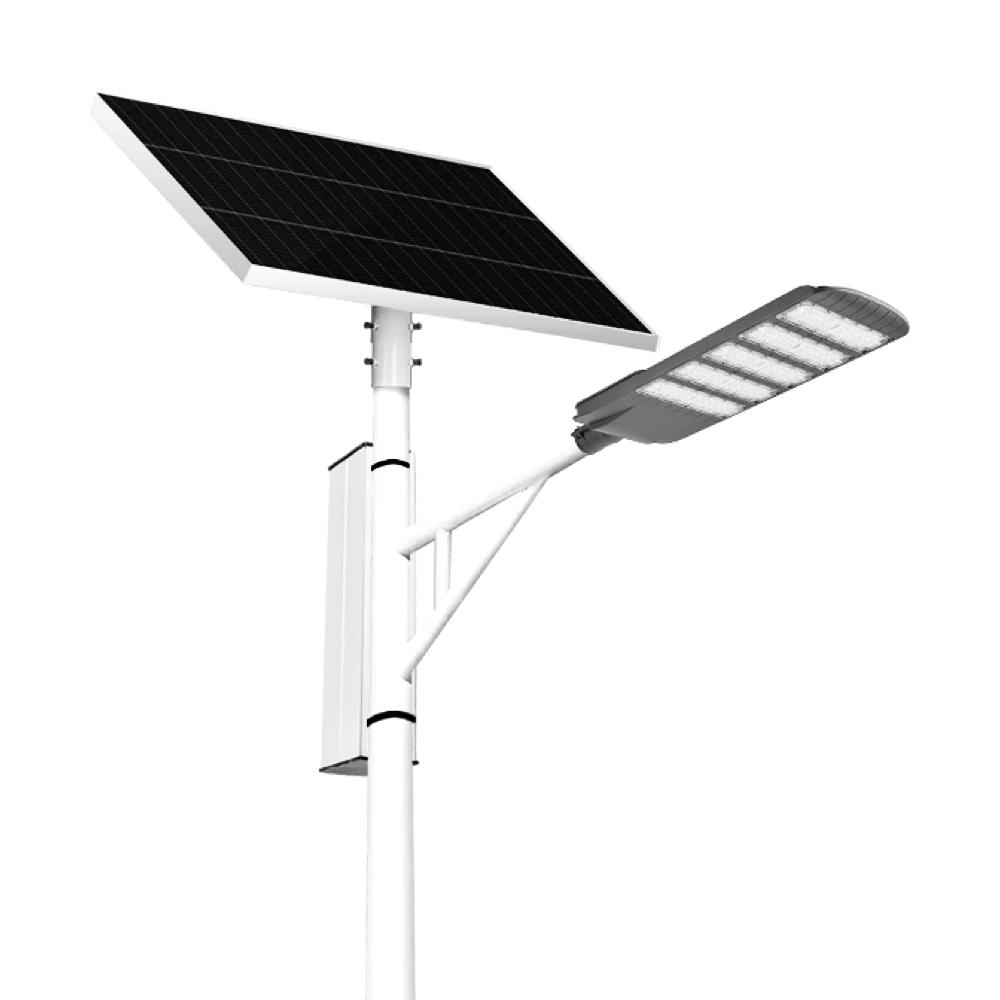
The Solar Streetlights of Luhao for Municipalities are designed to deliver reliable, energy-efficient, and cost-effective public lighting solutions. Equipped with advanced LED technology, durable lithium batteries, and high-efficiency solar panels, these streetlights provide consistent illumination for roads, parks, residential areas, and government projects.
Our professional team is ready to answer any questions and provide personalized support for your project.
You can reach us via phone or email to learn more about Queneng’s solar lighting solutions. We look forward to working with you to promote clean energy solutions!
Rest assured that your privacy is important to us, and all information provided will be handled with the utmost confidentiality.
By clicking 'Send Inquiry Now' I agree to Queneng processing my personal data.
To see how to withdraw your consent, how to control your personal data and how we process it, please see our Privacy Policy and Terms of use.
Schedule a Meeting
Book a date and time that is convenient for you and conduct the session in advance.
Have more questions about our products or services?
The messenger of light & power conversion
Environmental protection and intelligent manufacturing are our brand philosophy, and quality assurance and the best user experience are our eternal promises to users.
CONTACT
No.9F, Building F, Cao San Xin Tian Hong Logistics Park, Guzhen Town, Zhongshan City, Guangdong Province, China.
or write [email protected]
WhatsApp: +86 136 2270 1011


