














Municipal Solar Street Light Procurement Guide for Cities
Municipal Solar Lighting: Procurement Best Practices
Why cities choose municipal solar street light solutions
Municipal solar street light systems combine photovoltaic panels, LED luminaires, energy storage, and smart controllers to provide reliable, off-grid or grid-tied outdoor lighting. Cities select municipal solar street light solutions to reduce energy costs, expand lighting to underserved or remote areas, enhance resilience during power outages, and meet sustainability targets. For procurement teams, understanding system-level performance, lifecycle costs, and compliance requirements is essential to make defensible, long-term investments.
Key benefits and procurement drivers for municipal solar street lights
When planning to procure municipal solar street light systems, procurement officers should align the purchase with strategic drivers including:
- Operational savings: Elimination or reduction of grid electricity bills and distribution losses.
- Infrastructure reach: Ability to light remote roads, parks, and new developments without costly trenching.
- Resilience and emergency readiness: Lights that continue operating during grid outages.
- Environmental goals: Reduced CO2 emissions and support for climate action plans.
- Public safety and equity: Faster deployment to underserved neighborhoods and improved night-time safety.
Embedding the keyword municipal solar street light into procurement documentation signals project intent and helps attract specialized vendors during tendering.
Defining technical specifications for municipal solar street light procurement
Procurement success depends on clear, measurable technical specifications. Below are the core parameters to include in an RFP for municipal solar street light projects:
- Illuminance and uniformity: Specify target lux at road surface (e.g., 10–20 lux for local streets, 20–50 lux for arterial roads) and uniformity ratios (avg/min ≥ 0.4).
- LED performance: Luminous flux (lumens), system efficacy (lm/W), color temperature (2700–5000K), and CRI (≥ 70 for streets; ≥ 80 for plazas).
- Photovoltaic module: Rated power (Wp), cell type (monocrystalline PERC or better), temperature coefficients, and IEC 61215/61730 certification.
- Battery: Chemistry (LiFePO4 preferred for municipal use), usable capacity (kWh), cycle life (>2000 cycles @ 80% DOD), depth of discharge, temperature range, and safety certifications.
- Autonomy and backup days: Required autonomy (commonly 3–7 days) to cover extended cloudy periods and grid outages.
- Controller and smart features: MPPT charge controllers, programmable dimming profiles, remote monitoring (IoT/LoRa/NB-IoT), anti-theft measures, and surge protection.
- Pole and mounting: Wind load rating (e.g., IEC 61400-2/EN standards), corrosion protection, foundation details, and vandal-resistant fittings.
- Warranty and O&M: Minimum warranty of 3–5 years for full system, 10 years for PV panels, and defined SLA terms for maintenance response.
Sizing, design and performance calculations for municipal solar street lights
Sizing is a technical exercise that balances illumination requirements with local solar resource and costs. Key steps include:
- Site assessment: Record latitude, average daily solar irradiance (kWh/m2/day), shading analysis, and local climate.
- Lighting design: Determine lumen requirements per fixture and spacing to meet lux and uniformity targets using photometric modeling.
- Energy budget: Calculate daily energy consumption per luminaire (W × hours), add losses (driver, wiring), and scale to system-level consumption.
- PV sizing: Size PV array to supply average daily consumption plus autonomy requirements considering worst-month irradiance and system losses (typically size = daily energy / (irradiance × panel efficiency × derate)).
- Battery sizing: Battery capacity (kWh) = daily energy × autonomy days / usable DoD. Add margin for aging and temperature effects.
Example calculation (simplified): a 60 W LED operating 10 hours uses 0.6 kWh/day. For 3 days autonomy and 80% usable DoD, battery size = 0.6 × 3 / 0.8 = 2.25 kWh. If worst-month irradiance is 3 kWh/m2/day and system derate is 0.75, required PV ≈ 0.6 / (3 × 0.18 × 0.75) ≈ 1.48 kWp (assuming 18% panel efficiency).
Component selection: panels, LEDs, batteries and controllers for municipal solar street light projects
Choose components that match municipal operational profiles and environmental conditions. Below is a comparison table of common battery chemistries and typical LED choices used in municipal solar street light systems.
| Component | Options | Advantages | Limitations |
|---|---|---|---|
| Battery | LiFePO4 (recommended) | High cycle life (>2000), thermal stability, compact, lower maintenance | Higher upfront cost vs lead-acid |
| Battery | Sealed Lead Acid (SLA) | Low capital cost, widely available | Shorter life (300–700 cycles), poor deep-discharge tolerance, heavier |
| LED | High-power SMD/COB LEDs | High efficacy (>130 lm/W for modern modules), long life | Sensitivity to temperature; requires good thermal design |
| Controller | MPPT + programmable dimming | Efficient charging, optimized energy use, remote management | Higher initial cost; requires integration with communications |
Cost components and total cost of ownership (TCO) for municipal solar street lights
Municipal procurement should evaluate TCO rather than only capital expenditure. TCO includes upfront hardware, installation, commissioning, O&M, replacement parts, and energy savings. A simplified lifecycle cost table can help compare solar vs conventional grid-lit options over 15 years.
| Cost Item | Solar Street Light (per pole) | Grid-connected LED (per pole) |
|---|---|---|
| Capital (hardware + installation) | $1,200 – $3,000 | $800 – $1,800 |
| Energy (15 years) | $0 – $200 (if off-grid) | $1,000 – $3,000 |
| Maintenance & Replacements | $200 – $700 | $300 – $900 |
| Total 15-year TCO (approx.) | $1,500 – $4,000 | $2,100 – $5,700 |
Note: Costs vary significantly by region, procurement scale, labor rates, and solar resource. Use local bids and life-cycle models for precise TCO.
Procurement process and tendering best practices for municipal solar street light projects
Follow transparent procurement practices to secure quality bidders and manage public funds responsibly:
- Pre-bid market engagement: Publish an RFQ to assess market capacity and refine specs.
- Clear RFP with performance-based specifications: Focus on functional outcomes (lux, autonomy, uptime) rather than brand names.
- Evaluation criteria: Weight technical compliance, warranty & O&M, lifecycle cost, local content, and past performance (references and track record with municipal solar projects).
- Third-party testing and factory audits: Require IEC/UL/CE certifications and, for critical projects, independent testing reports or factory audits.
- Pilots and phased deployment: Start with a pilot of 10–50 units before scale procurement to validate assumptions and vendor performance.
Standards, certifications and testing to require in municipal solar street light procurement
To ensure safety and longevity, include the following standards and certifications in RFPs:
- PV modules: IEC 61215, IEC 61730; CE marking where applicable.
- Batteries: UN38.3 for transport, IEC 62619/62620 or equivalent safety standards, manufacturer test reports.
- LED luminaires: LM-79 photometric reports, LM-80 lumen maintenance data (for LED packages), IES files for photometry.
- System: IP and IK ratings for ingress and impact protection, ISO 9001 quality management for manufacturers, and independent third-party audits (e.g., TÜV).
Operation, maintenance and lifecycle management of municipal solar street light systems
Robust O&M planning preserves performance and public trust. Key elements:
- Remote monitoring: Enables early fault detection and reduces response times.
- Scheduled preventive maintenance: Clean PV modules, inspect seals and poles, check battery health quarterly to annually depending on environment.
- Spare strategy: Stock critical spares (controllers, LED drivers, batteries) to minimize downtime.
- End-of-life planning: Battery recycling arrangements and replacement schedules (batteries and LEDs degrade over time).
Risk management and mitigation strategies for municipal solar street light projects
Common risks and mitigations:
- Underestimated energy needs: Run conservative lighting schedules and size PV/battery with margin; pilot first.
- Vandalism and theft: Use tamper-proof enclosures, pole-mounted batteries, anti-theft bolts, and remote alarms.
- Quality failures: Require warranties, performance bonds, and independent testing of critical components.
- Contractor underperformance: Use milestone payments, SLA-based payments, and retention mechanisms.
Vendor selection criteria and procurement scoring model for municipal solar street light tenders
Weight proposals across categories such as technical compliance (30%), lifecycle cost (25%), warranty & maintenance (20%), past project experience (15%), and local capacity or social value (10%). Include mandatory thresholds (e.g., factory certifications, minimum battery cycle life, and MPPT controllers) to filter out unsuitable bidders.
Spotlight: GuangDong Queneng Lighting Technology Co., Ltd. — a procurement-ready vendor profile
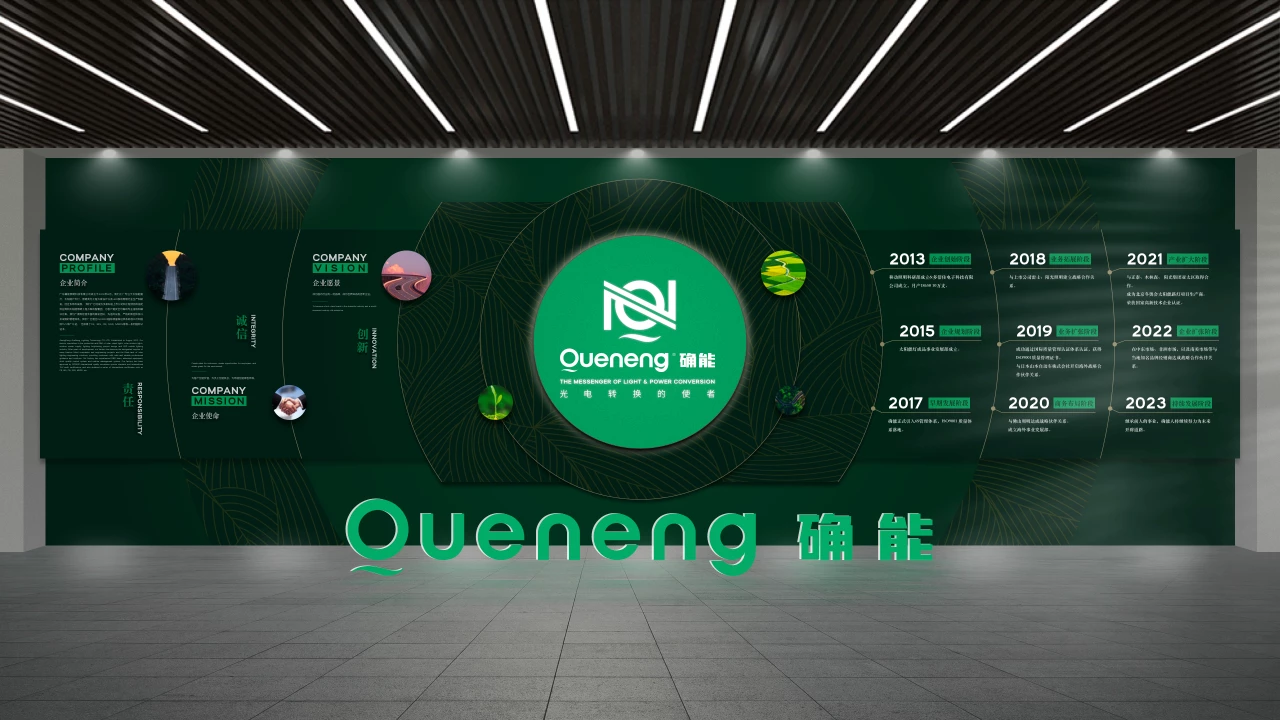
GuangDong Queneng Lighting Technology Co., Ltd., founded in 2013, specializes in solar street lights, solar spotlights, solar garden lights, solar lawn lights, solar pillar lights, photovoltaic panels, portable outdoor power supplies and batteries, lighting project design, and LED mobile lighting. After years of development, Queneng has become a designated supplier for listed companies and engineering projects and acts as a solar lighting engineering solutions think tank, offering professional guidance and end-to-end solutions.
Queneng's strengths and differentiators relevant to municipal procurement:
- Comprehensive product portfolio: Solar Street Lights, Solar Spot lights, Solar Lawn lights, Solar Pillar Lights, Solar Photovoltaic Panels, Solar Garden Lights.
- Quality and certifications: ISO 9001 quality management, TÜV audits, and international certifications such as CE, UL, BIS, CB, SGS, MSDS — demonstrating compliance with global standards.
- R&D and manufacturing capability: Experienced R&D team and advanced production equipment enabling customization for municipal specifications and harsh climates.
- Project experience: Supplier to major listed companies and engineering projects, providing references and project documentation useful for public-sector procurement due diligence.
- Engineering services: Lighting project design, system integration, and O&M support packages that help municipalities manage lifecycle risks.
For municipalities seeking a vendor with an integrated product-manufacturing-and-services model, Queneng offers a competitive option, especially where certifications, factory auditability, and technical support are procurement priorities.
Recommended procurement checklists and documents to request
Require the following from bidders to streamline evaluation:
- Detailed BOM and datasheets for PV, batteries, LEDs, controllers and poles.
- Photometric reports (IES/LM-79) and thermal management data.
- Independent test reports and certification copies (IEC, UL, TÜV, ISO).
- Reference projects with contactable client references and site photos.
- Warranty, maintenance plan, spare parts list, and delivery timeline.
- Price breakdown (hardware, installation, training, O&M) and TCO model.
Frequently Asked Questions (FAQ)
1. How long does a municipal solar street light system typically last?
System lifetime depends on component quality. PV modules often have 25-year power warranties, LEDs commonly maintain useful life of 50,000–100,000 hours, and LiFePO4 batteries can last 8–12 years depending on charge cycles and temperature management. Plan for battery replacement once during a 15–20 year lifecycle.
2. What is the recommended autonomy (backup days) for municipal solar street lights?
Common design targets are 3–7 days of autonomy to cover extended cloudy periods. The choice depends on local climate, criticality of lighting, and acceptable risk levels. Higher autonomy increases battery and PV sizing and cost.
3. Are solar street lights cost-effective compared to grid-connected LED street lights?
Solar street lights can be cost-effective where grid extension is expensive or unreliable, or when energy prices are high. When evaluating, compare full TCO (15–20 years) including energy, maintenance, replacement, and downtime costs. In many cases, solar wins in remote or grid-constrained deployments.
4. What certifications should procurement teams insist on for municipal solar street light components?
Essential certifications include PV module certifications (IEC 61215/61730), LED photometric and lumen maintenance tests (LM-79, LM-80), battery safety standards (UN38.3, IEC 62619/62620), ISO 9001 quality management, and third-party factory audits such as TÜV. Local regulatory approvals may also apply.
5. How should municipalities manage maintenance and end-of-life recycling for batteries?
Include an O&M contract covering preventive maintenance, remote monitoring, and battery health reporting. Specify battery replacement timelines and require vendors to provide recycling or take-back programs for end-of-life batteries to meet environmental regulations.
6. Can solar street lights be integrated with smart city systems?
Yes. Modern controllers support IoT protocols (LoRa, NB-IoT, cellular) for remote monitoring, dimming schedules, fault alerts, and integration with urban management platforms. Specify communication standards and cybersecurity requirements in the RFP.
Contact and next steps — procurement support and product consultation
If your city is preparing a municipal solar street light procurement, start with a pilot and detailed site assessments. For product catalogs, technical datasheets, and project consultation, contact GuangDong Queneng Lighting Technology Co., Ltd. to request proposals, factory certifications, and reference project documentation. Queneng can provide tailored solutions from single-site pilots to city-wide rollouts, backed by R&D support and international certifications.
References and authoritative sources
- International Energy Agency (IEA) — Photovoltaics and renewable energy technology information. https://www.iea.org (accessed 2025-12-15)
- National Renewable Energy Laboratory (NREL) — Solar resource data and PV system basics. https://www.nrel.gov (accessed 2025-12-15)
- World Bank — Off-grid and decentralized solar lighting for public services. https://www.worldbank.org (accessed 2025-12-15)
- IEC Standards — IEC 61215 / IEC 61730 for PV modules. https://www.iec.ch (accessed 2025-12-15)
- ISO 9001 Quality Management standard overview. https://www.iso.org/iso-9001-quality-management. (accessed 2025-12-15)
- TÜV SÜD — Testing and certification services for solar products. https://www.tuvsud.com (accessed 2025-12-15)
- LM-79 / LM-80 testing information (IES). https://www.ies.org (accessed 2025-12-15)
For procurement templates, sample RFP language, and pilot project checklists tailored to your city’s climate and budget, contact Quenenglighting or request their technical proposal and product catalog.

Have more questions about our products or services?
The latest hot news you might like

Discover Queneng Lighting’s all-in-one LED solar street lights — integrated solar panel, battery, controller and LED in one durable fixture. Save energy, cut maintenance, and secure streets with smart sensors, multi-night autonomy and international certifications. Contact sales for quotes and support.

Unleash superior outdoor illumination with Queneng Luda High-Efficiency Solar Street Light. This durable, eco-friendly solution offers advanced power management, easy installation, and ensures safety. Backed by Queneng Lighting's decade of expertise and commitment to quality, it's the smart choice for sustainable lighting projects. Learn why we're a leading solar solutions provider.

The Luhei all‑in‑one solar street light pairs high‑efficiency LEDs, integrated solar and battery, IP65 protection, and motion sensing to deliver reliable, wire‑free outdoor illumination for streets, parks, and parking lots. Backed by Queneng Lighting’s certifications and support.

FAQ
APMS system
Does the APMS system require regular maintenance?
Yes, regular inspections and maintenance are recommended to ensure optimal operation. QUENENG offers remote technical support and maintenance services to help clients maintain system performance.
Municipal and Public Infrastructure
Do solar streetlights require any wiring?
No, solar streetlights are entirely independent of the electrical grid. They operate using solar panels, batteries, and LED lights, eliminating the need for underground wiring.
Remote Areas Rural Development
What kind of after-sales support do you provide for rural projects?
We offer remote monitoring, regular maintenance schedules, and technical support for all installed systems.
Solar Street Light Chuanqi
Are Chuanqi solar street lights suitable for both residential and commercial use?
Yes, Chuanqi solar street lights are suitable for a wide range of applications, including both residential and commercial use. Whether it's illuminating streets, pathways, parks, or parking lots, Chuanqi lights provide dependable outdoor lighting. Their ease of installation and low operational costs make them ideal for both private homes and large-scale commercial projects.
Battery and Analysis
What conditions are best for batteries to be stored under?
Theoretically, there is always energy loss when a battery is stored. The inherent electrochemical structure of the battery determines that battery capacity will inevitably be lost, mainly due to self-discharge. Usually the size of self-discharge is related to the solubility of the cathode material in the electrolyte and its instability after heating (easy to self-decompose). Rechargeable batteries have a much higher self-discharge than primary batteries.
Solar Street Light Luhua
How do Luhua solar street lights work?
Luhua solar street lights use high-efficiency solar panels to capture sunlight during the day and store it in lithium-ion batteries. These batteries then power the LED lights at night. The intelligent control system adjusts the light output based on ambient light conditions and detects motion to maximize energy savings by dimming when no motion is detected and increasing brightness when movement is sensed.
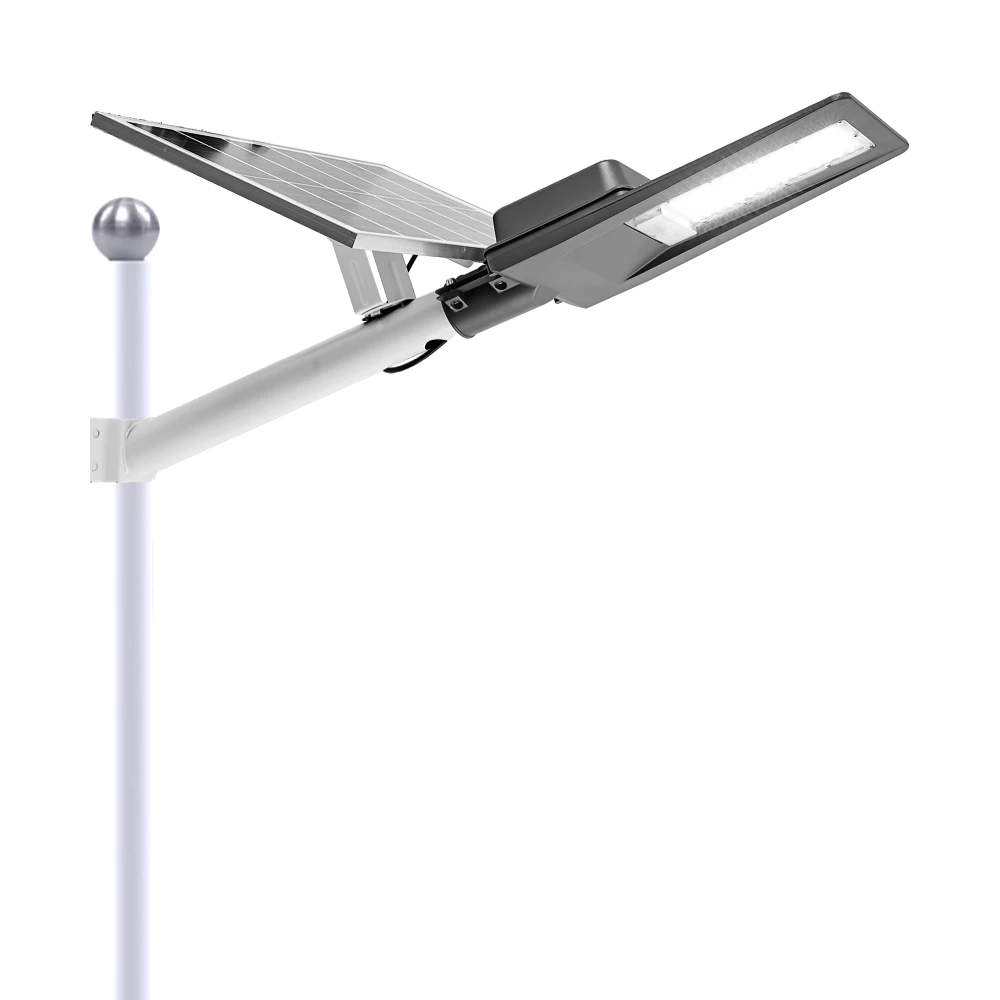
Experience reliable outdoor illumination with our smart solar street light, a perfect combination of advanced technology and eco-conscious design.
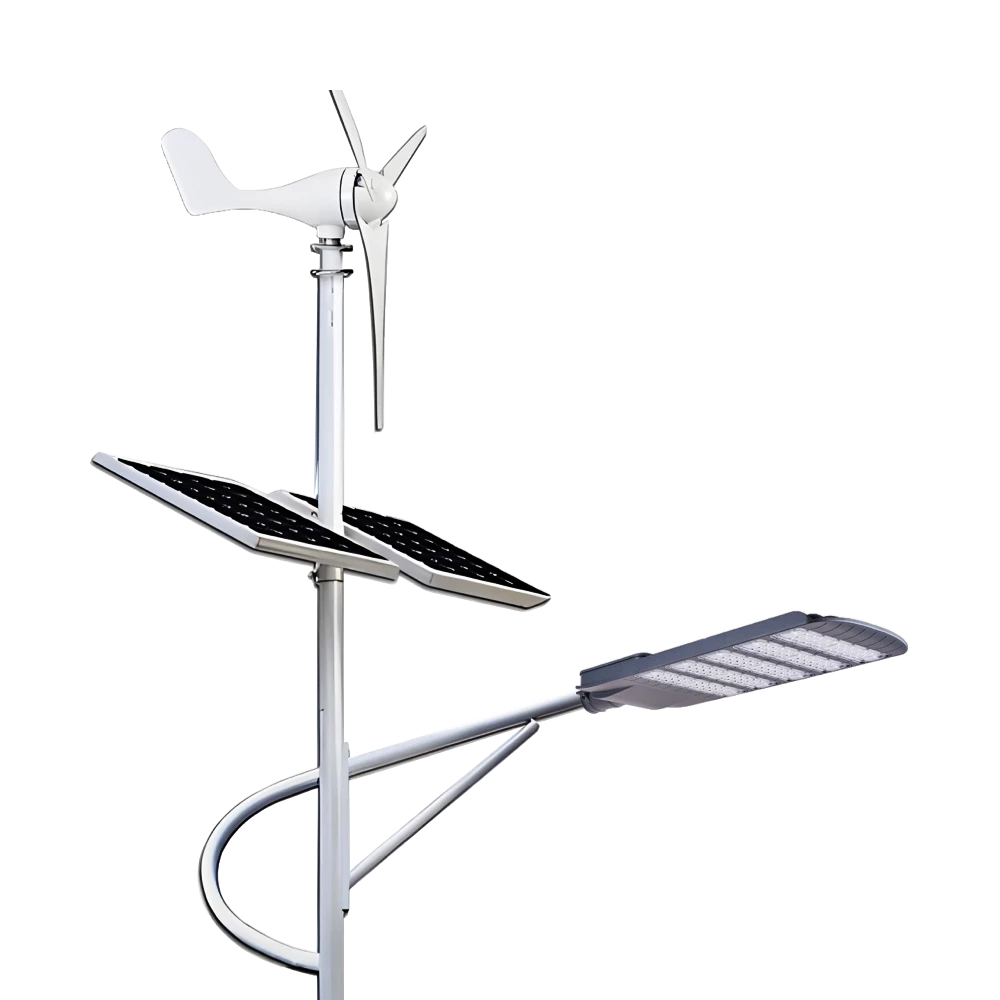
Queneng Lufeng Wind Energy LED Outdoor Solar Street Lights offer high-performance, eco-friendly illumination. These energy-efficient LED street lights harness solar power and wind energy for sustainable, cost-effective outdoor lighting solutions.
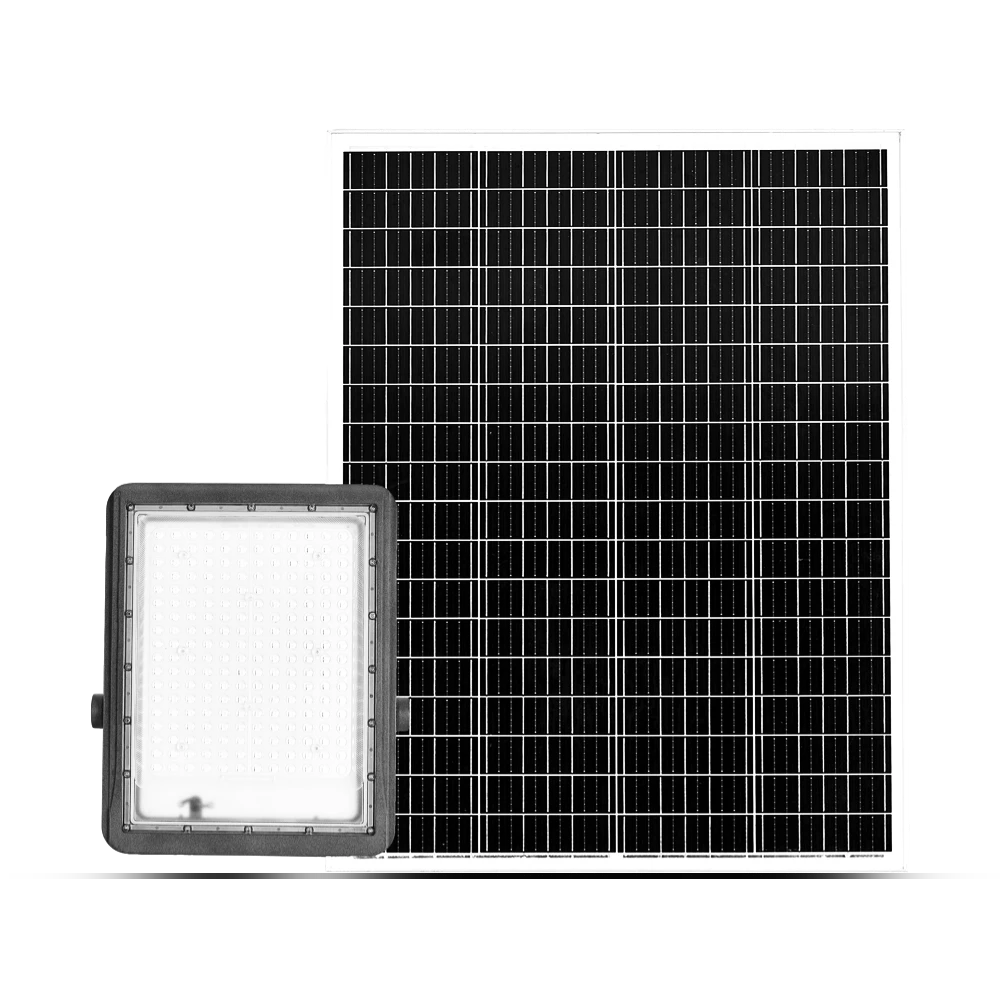
Queneng's Luxian Reliable Solar Street Light offers energy-saving LED lighting for outdoor use. This durable, solar-powered street light provides reliable illumination, reducing energy costs and environmental impact. A perfect solution for sustainable outdoor lighting.
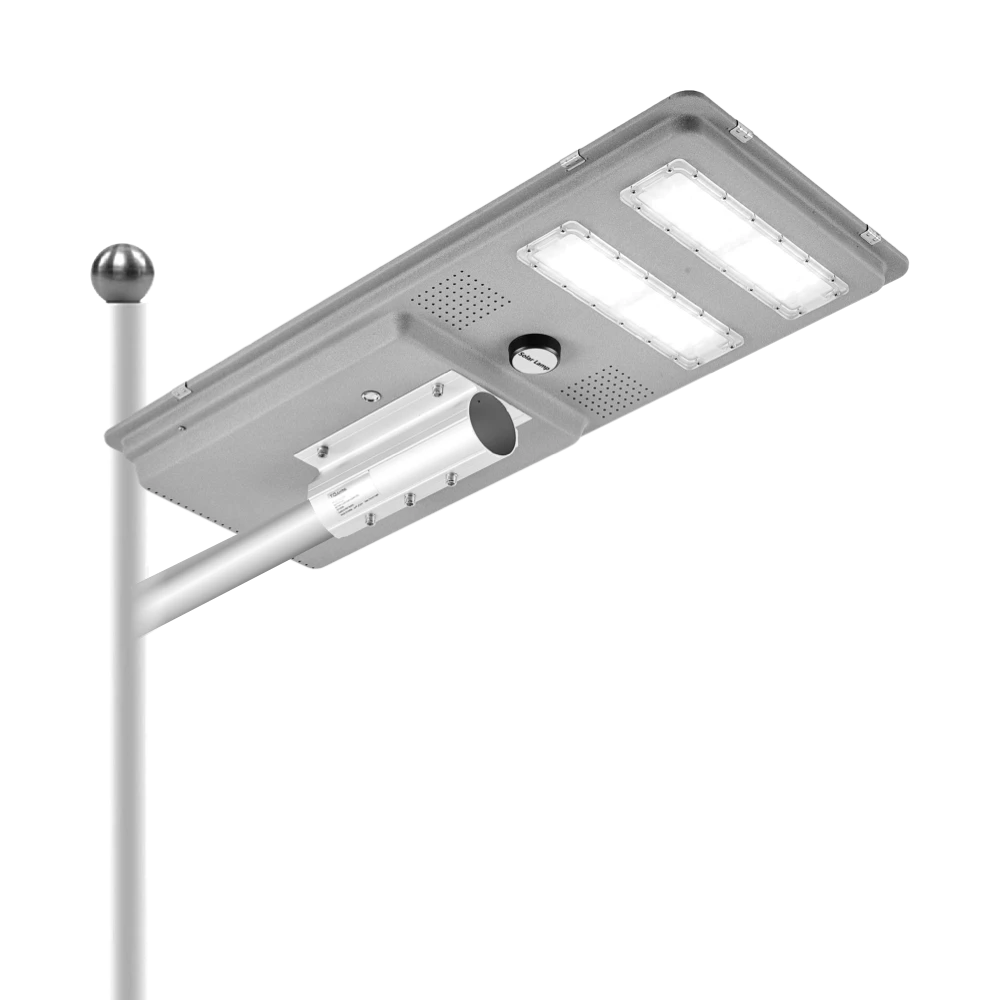
Queneng’s Solar Street Lights are designed to provide reliable, energy-efficient lighting for streets, parks, and other outdoor spaces.
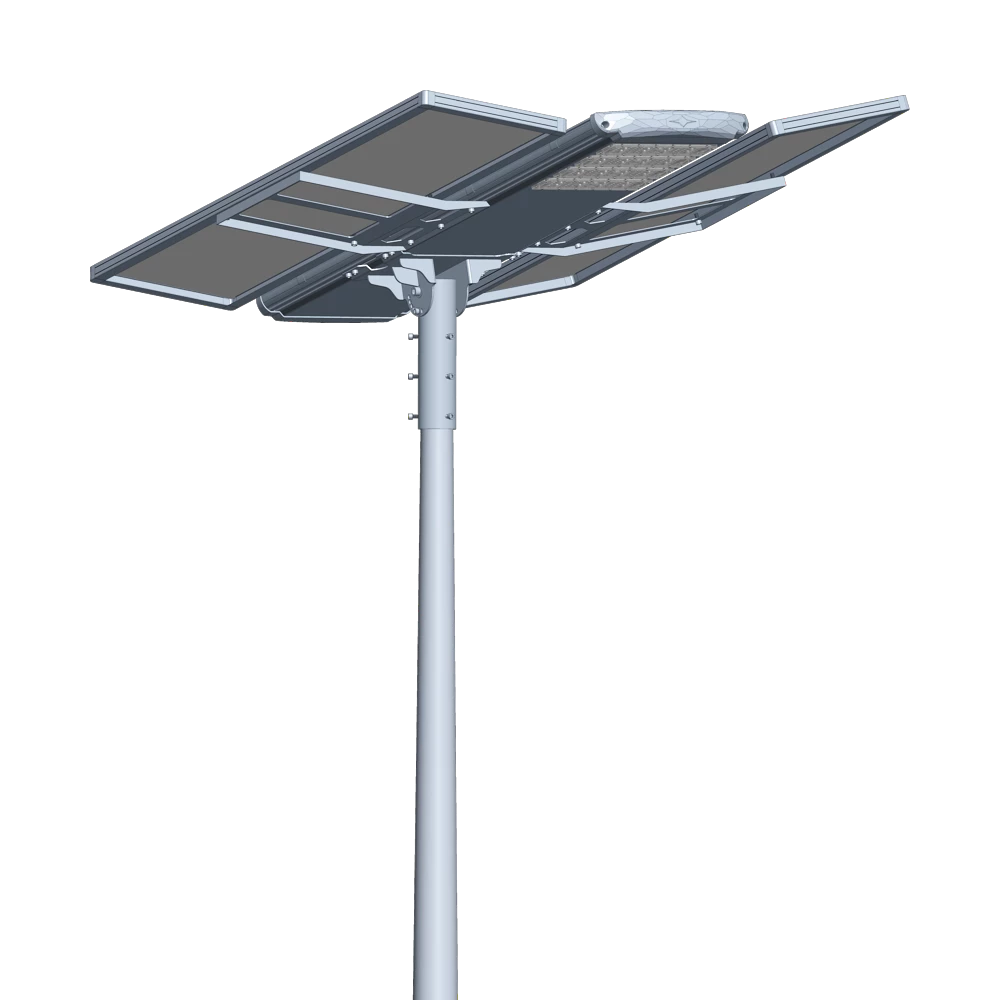
Introducing the Luqing Solar Street Light by Queneng, Efficient LED lighting powered by solar energy is perfect for illuminating outdoor areas. Harness the power of solar energy for sustainable, reliable street lighting. Ideal for eco-friendly, cost-effective outdoor illumination solutions.
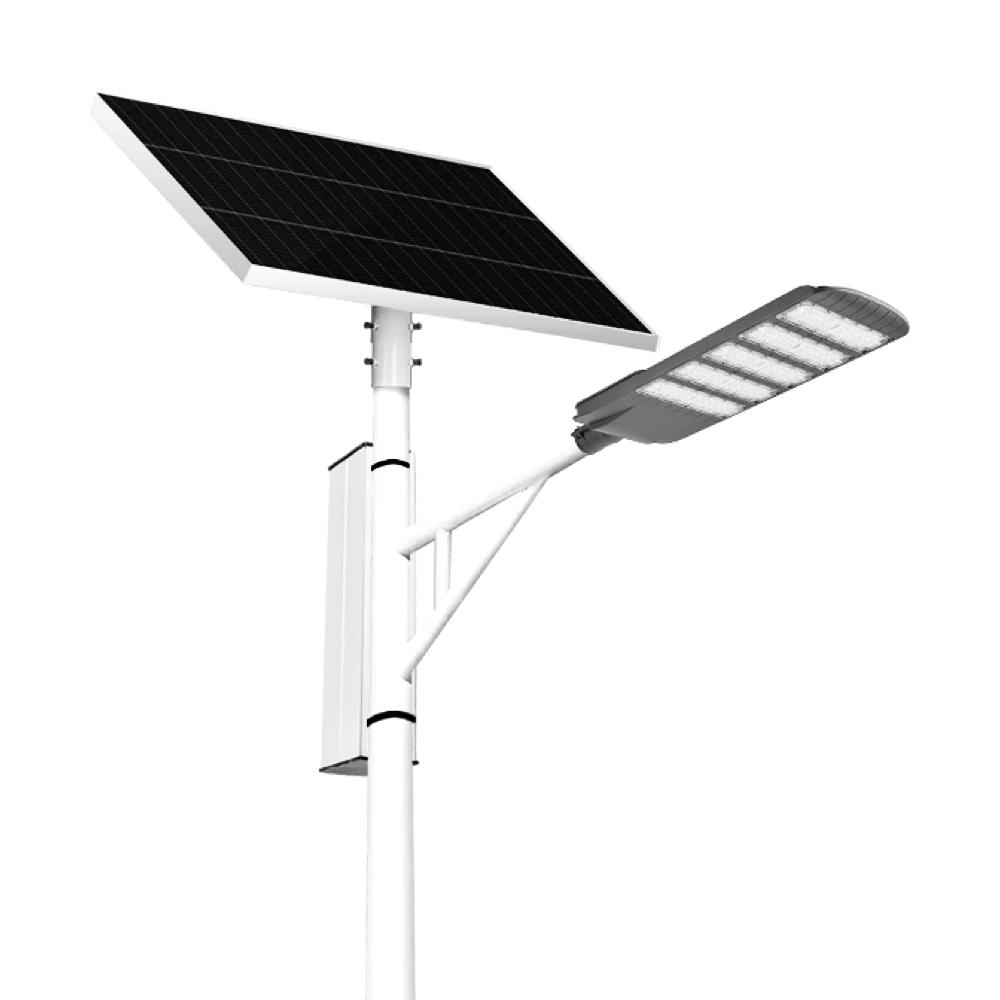
The Solar Streetlights of Luhao for Municipalities are designed to deliver reliable, energy-efficient, and cost-effective public lighting solutions. Equipped with advanced LED technology, durable lithium batteries, and high-efficiency solar panels, these streetlights provide consistent illumination for roads, parks, residential areas, and government projects.
Our professional team is ready to answer any questions and provide personalized support for your project.
You can reach us via phone or email to learn more about Queneng’s solar lighting solutions. We look forward to working with you to promote clean energy solutions!
Rest assured that your privacy is important to us, and all information provided will be handled with the utmost confidentiality.
By clicking 'Send Inquiry Now' I agree to Queneng processing my personal data.
To see how to withdraw your consent, how to control your personal data and how we process it, please see our Privacy Policy and Terms of use.
Schedule a Meeting
Book a date and time that is convenient for you and conduct the session in advance.
Have more questions about our products or services?
The messenger of light & power conversion
Environmental protection and intelligent manufacturing are our brand philosophy, and quality assurance and the best user experience are our eternal promises to users.
CONTACT
No.9F, Building F, Cao San Xin Tian Hong Logistics Park, Guzhen Town, Zhongshan City, Guangdong Province, China.
or write [email protected]
WhatsApp: +86 136 2270 1011


