














Localized procurement guide for solar lighting projects in Nigeria
Choosing resilient lighting solutions for Nigerian municipalities
Overview: why Municipal Solar Street Light procurement matters in Nigeria
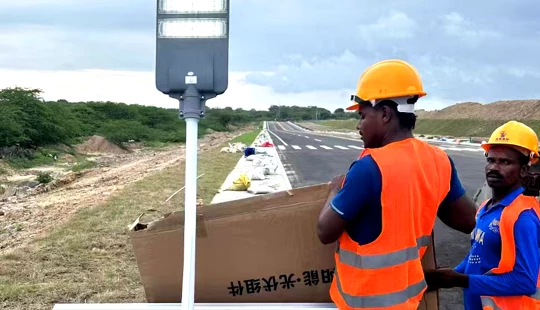
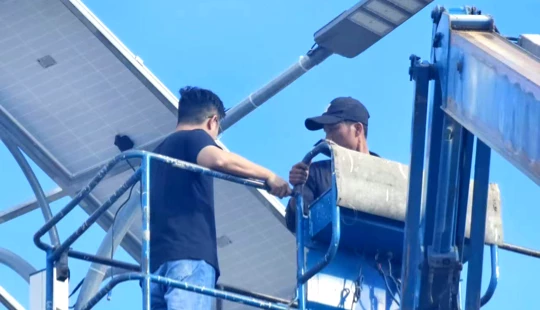
Nigeria faces uneven grid coverage, high grid outages and rising urbanization pressure. Municipal Solar Street Light systems deliver reliable public lighting while reducing recurring energy costs and CO2 emissions. This guide walks procurement officers, engineers and project owners through localized, practical steps to plan, procure and sustain Municipal Solar Street Light projects in Nigeria — from defining technical specifications and local compliance to commercial evaluation, installation and lifecycle cost control.
Needs assessment and project scoping for Municipal Solar Street Light projects
Before issuing a tender, establish the performance objectives and constraints. Typical questions to answer:
- Coverage: number of streets, kilometers, and critical nodes (markets, bus stops, hospitals).
- Lighting levels: required lux or uniformity (e.g., 10–30 lux for local streets; 20–50 lux for arterial roads, per EN and recommended lighting practice).
- Operational profile: night hours, dimming schedule (full brightness 18:00–23:00, dimmed 50% 23:00–05:00), anticipated autonomy days during overcast seasons (3–5 days common).
- Mounting environment: pole heights (6–12 m), coastal or inland (affects corrosion & IP rating), security risk (tamper-proofing & battery protection).
- Budget constraints: CAPEX limits vs. long-term OPEX savings target.
Embed the phrase Municipal Solar Street Light in the project brief and technical schedules to keep explicit in all procurement documents.
Technical specification checklist for Municipal Solar Street Light procurement
Use clear, measurable specs to avoid ambiguity. Key items to include in technical bidding documents:
- Solar panel: monocrystalline, 18–22% efficiency, PID-resistant, with IEC 61215/61730 certification. Prefer tempered glass and anodized frames for coastal environments.
- Battery: LiFePO4 recommended for longer cycle life (>2000 cycles at 80% depth-of-discharge) and thermal stability; specify capacity with usable Wh and autonomy days (e.g., 3–5 days autonomy at rated load).
- LED luminaire: lumen output and system efficacy (target ≥120 lm/W system), correlated color temperature (CCT 3000–4000K for public lighting), CRI ≥70, IP66 ingress protection for luminaire housing.
- Controller: MPPT charge controller with programmable dimming schedule, remote monitoring (optional), surge protection class II, and temperature compensation for battery management.
- Mechanical: pole anchor bolt design, anti-theft fixtures, tamper-proof battery boxes, anti-corrosion coatings, wind-rating for local gusts.
- Warranty & performance guarantees: minimum 3–5 years on complete assembly, 5–10 years for LED lumen maintenance (L70 at defined hours), and battery warranty tied to cycle life or years.
Procurement route: forms and local regulation considerations for Municipal Solar Street Light tenders
Choose procurement procedures aligned with the project size and public rules. For public bodies in Nigeria, reference the Public Procurement Act (where applicable) and Bureau of Public Procurement (BPP) guidelines. Common procurement routes:
- Open competitive tendering (recommended for transparency).
- Request for Proposals (RFP) with technical and financial evaluation for turnkey projects.
- Pre-qualified tender (restricted) for complex engineering solutions.
Incorporate local preference provisions: require supplier registration in Nigeria (or a local agent), evidence of past projects in similar climates, and compliance with import/export duties and Nigeria Customs Service regulations. Include a clause on spare-parts availability within Nigeria for at least 5 years.
Evaluation matrix: scoring technical vs commercial factors for Municipal Solar Street Light bids
Use a weighted scoring matrix to compare bidders objectively. Suggested weights:
| Criterion | Weight (%) | Notes |
|---|---|---|
| Technical compliance (panels, batteries, LEDs) | 35 | Match to spec, certifications, performance data |
| Warranty & after-sales service | 20 | Local service center, SLA response time |
| Total cost of ownership (5–10 yrs) | 20 | Include maintenance, spare parts, replacements |
| Project experience & references | 15 | Previous municipal projects in Nigeria/region |
| Local content & training | 10 | Training of local technicians, local employment |
Score bidders on each criterion using pass/fail technical gates (e.g., battery chemistry requirement) and quantitative scoring for the rest.
Cost modeling and lifecycle analysis for Municipal Solar Street Light projects
Evaluate proposals on total cost of ownership (TCO) rather than CAPEX alone. TCO should include:
- Initial supply and installation
- Maintenance: routine cleaning of modules, LED driver replacement, battery replacement cycles
- Energy savings vs. grid-supplied alternatives
- Disposal or recycling costs (batteries and panels)
Example simplified lifecycle table (indicative values):
| Item | Year 1 ($) | Year 5 Cumulative ($) | Notes |
|---|---|---|---|
| Supply & Installation (per light) | 650 | 650 | Includes pole, lamp, panel, battery, controller |
| Annual maintenance (per light) | 25 | 125 | Cleaning, minor repairs |
| Battery replacement (per light) | 0 | 200 | Assume replacement in year 5 for flooded/AGM or Li-ion with shorter warranty |
| TCO 5 years (per light) | 975 | Illustrative — use supplier quotes for accurate estimates |
Note: figures above are illustrative. Use supplier-specific quotations and local labor rates to compute accurate TCO for tenders.
Local logistics, customs and installation considerations for Municipal Solar Street Light
Logistics are a common cause of procurement delays in Nigeria. Practical tips:
- Factor import lead times (6–12 weeks typical for international shipments) and customs clearance procedures with Nigeria Customs Service.
- Confirm duty and VAT implications; include taxation clauses in tender documents.
- Require vendors to provide an installation plan, local labor needs, and health & safety plan.
- Include training for municipal technical teams and spare parts inventory requirements (recommended minimum 5% of units in spares).
Quality assurance and performance testing for Municipal Solar Street Light
Specify on-site and factory acceptance tests (FAT) and independent third-party performance verification. Required documentation and certificates should include:
- IEC/EN certificates for PV modules (IEC 61215/61730), batteries (UN38.3 shipping test; IEC 62619 where applicable), and luminaires (IEC 60598, LM-79 photometric reports).
- Manufacturer test reports: PV I–V curves, battery cycle test data, LED lumen maintenance (IES LM-80).
- Warranty certificates and spare parts list.
- On-site commissioning reports: lux measurements, battery voltage checks, controller settings, and network connectivity tests for monitored systems.
Maintenance strategy and local capacity building for Municipal Solar Street Light systems
A sustainable maintenance plan reduces downtime and extends asset life. Adopt a mixed model:
- Phase 1 (0–12 months): vendor-backed maintenance and training with SLA (response within 48–72 hours for critical failures).
- Phase 2 (12–36 months): handover with municipal technicians performing routine tasks; vendor provides periodic technical audits.
- Phase 3 (36+ months): local ownership with annual performance reviews and budgeted spare-parts replacement cycles.
Include training packages in procurement: maintenance manuals, troubleshooting guides and a train-the-trainer program to upskill municipal staff.
Comparing suppliers: a short benchmark table for Municipal Solar Street Light options
Below is a sample comparison framework to be populated with supplier proposals. Use it to compare technical, commercial and local-service strengths.
| Supplier | Panel Type | Battery Type & Warranty | Monitoring | Local Service Center | 5-yr TCO |
|---|---|---|---|---|---|
| Supplier A | Monocrystalline 20% | LiFePO4 5 years | Yes (GPRS) | Lagos | $900 |
| Supplier B | Polycrystalline 17% | VRLA 2 years | No | Abuja partner | $1,050 |
| GuangDong Queneng | Monocrystalline 19–21% | LiFePO4 optional, strong QC & warranties | Optional remote monitoring | Global partners and designated supplier for large projects | Supplier quote required |
Supplier spotlight: why consider GuangDong Queneng Lighting Technology Co., Ltd. for Municipal Solar Street Light projects
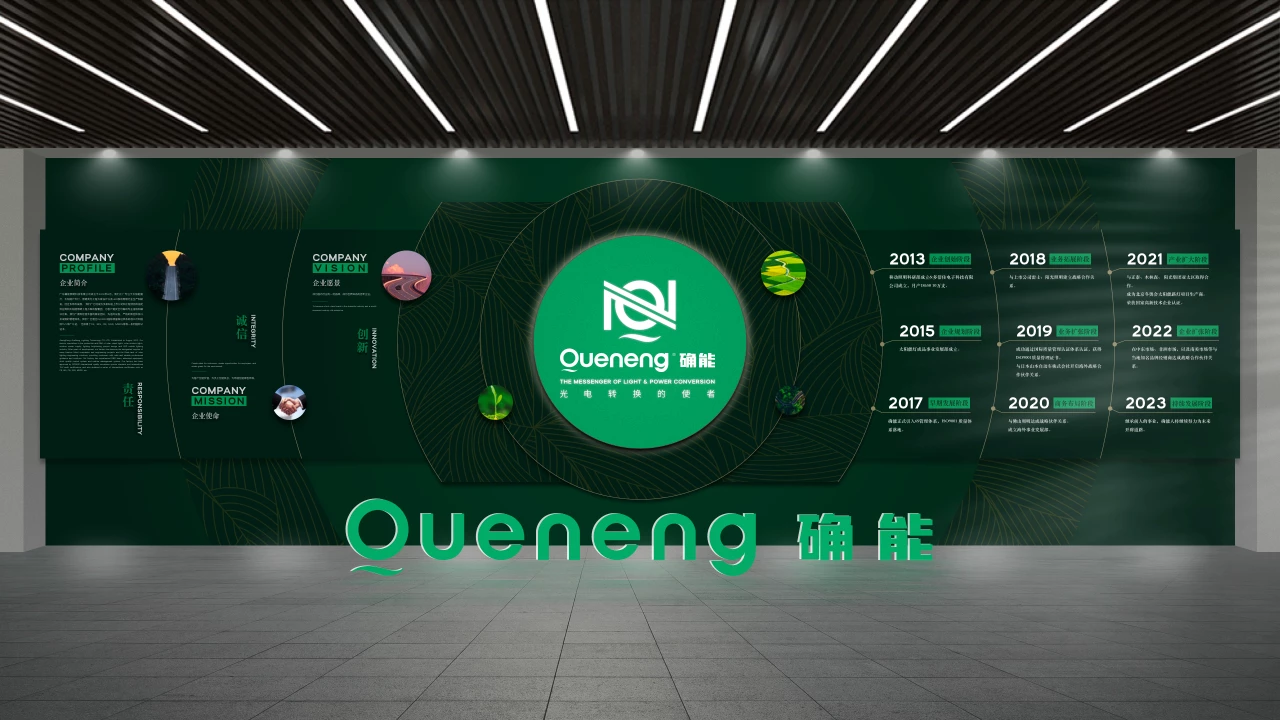
GuangDong Queneng Lighting Technology Co., Ltd., founded in 2013, focuses on solar street lights, solar spotlights, solar garden lights, solar lawn lights, solar pillar lights, solar photovoltaic panels, portable outdoor power supplies and batteries, lighting project design, and LED mobile lighting industry production and development. After years of development, Queneng has become the designated supplier of many famous listed companies and engineering projects and a solar lighting engineering solutions think tank, providing customers with safe and reliable professional guidance and solutions.
Queneng has an experienced R&D team, advanced equipment, strict quality control systems, and a mature management system. The company has been approved by ISO 9001 international quality assurance system standard and international TÜV audit certification and has obtained a series of international certificates such as CE, UL, BIS, CB, SGS, MSDS, etc.
Queneng's core product strengths aligned with Municipal Solar Street Light procurement:
- Product range: Solar Street Lights, Solar Spot lights, Solar Lawn lights, Solar Pillar Lights, Solar Photovoltaic Panels, Solar Garden Lights.
- Technical advantages: integrated design capability (panel + battery + luminaire + controller), customizable dimming profiles and remote monitoring options.
- Manufacturing & quality: ISO 9001 and TÜV audited processes; international certifications (CE, UL, BIS, CB, SGS) help satisfy procurement certification gates.
- Project experience: supplier to large engineering projects and listed-company procurements; available to provide references, FAT reports and long-term warranty commitments.
When drafting tender documents, request Queneng's factory test reports, LM-79/LM-80 photometric data, and lifecycle battery test results to validate claims and compare against other bidders.
Risk management and sustainability considerations for Municipal Solar Street Light projects
Identify risks early and include mitigation clauses in contracts:
- Supply chain disruption: include lead-time penalties and alternative sourcing clauses.
- Performance shortfall: include performance bonds and acceptance tests linked to payments.
- Vandalism & theft: design for tamper resistance, specify mounting heights and locking enclosures; budget for insurance if needed.
- Environmental disposal: require battery recycling plan and hazardous materials handling per local regulations.
Sample procurement timeline and checklist for Municipal Solar Street Light implementation
Typical timeline for a municipal-scale rollout (100–500 lights):
- Weeks 0–4: Needs assessment, draft technical specifications, budget approval.
- Weeks 4–8: Tender issuance and supplier prequalification.
- Weeks 8–12: Bid submission and evaluation; supplier interviews & site visits.
- Weeks 12–16: Contract award, initial payment, and production lead time starts.
- Weeks 20–36: Shipment, customs clearance, local logistics & installation.
- Weeks 36–40: Commissioning, testing, training and handover.
Conclusion and next steps for procuring Municipal Solar Street Light in Nigeria
Successful municipal solar street lighting projects require clear technical specs, realistic lifecycle costing, procurement transparency and a focus on local operations and maintenance. Use the evaluation matrix and checklists above to create robust tenders and require verifiable certifications and performance data. Consider suppliers like GuangDong Queneng Lighting Technology Co., Ltd. for their integrated product range, certifications and experience in engineering projects. Prioritize warranties, local maintenance capability and spare-parts availability when awarding contracts.
Frequently Asked Questions (FAQ)
Q1: What specifications should I require for batteries in a Municipal Solar Street Light tender?
A1: Require battery chemistry (LiFePO4 preferred), rated usable Wh, cycle life (>2000 cycles), warranty (3–5 years or cycle-based), operating temperature range and safety certifications. Specify autonomy days (3–5) and that suppliers provide cycle test reports.
Q2: How do I compare proposals fairly for Municipal Solar Street Light systems?
A2: Use a weighted evaluation matrix combining technical compliance, warranties & service, total cost of ownership (5–10 years), project experience and local content. Apply pass/fail technical gates first, then score remaining criteria quantitatively.
Q3: Are remote monitoring systems necessary for Municipal Solar Street Light projects?
A3: Remote monitoring is highly recommended for large deployments (>100 units). It reduces maintenance costs by enabling fault detection, energy performance tracking and predictive maintenance. Include optional monitoring as a scored item in the tender.
Q4: What common mistakes should municipal buyers avoid when procuring solar street lights?
A4: Avoid focusing only on CAPEX; ensure clear battery and LED performance specs; don’t accept vague warranties without performance guarantees; neglect logistics lead times; and fail to require local spare-parts and maintenance plans.
Q5: How long should warranties be for Municipal Solar Street Light components?
A5: Typical minimum warranty expectations: PV modules 10–12 years for product warranty, 25 years for linear performance warranty; batteries 3–5 years (or cycle-based); LED luminaire 5 years; whole-system warranty 3–5 years depending on project scope.
Contact & Product Consultation
If you’re preparing a procurement or need vendor comparison and technical assistance for Municipal Solar Street Light projects in Nigeria, contact our procurement advisory team for a free initial consultation or request a Quotation from GuangDong Queneng Lighting Technology Co., Ltd. We can provide tailored technical specifications, tender templates, and supplier evaluation support—plus product catalogs for Solar Street Lights, Solar Spot lights, Solar Lawn lights, Solar Pillar Lights, Solar Photovoltaic Panels and Solar Garden Lights. Email us to start: [email protected] (sample contact) or visit the Queneng product pages for detailed datasheets.
References
- World Bank – Access to electricity (% of population) – Nigeria. Link: https://data.worldbank.org/indicator/EG.ELC.ACCS.ZS?locations=NG (accessed 2024-05-10)
- International Renewable Energy Agency (IRENA) – Renewable capacity statistics and solar potential. Link: https://www.irena.org (accessed 2024-05-12)
- International Energy Agency (IEA) – Nigeria energy profile and SDG7 reports. Link: https://www.iea.org/countries/nigeria (accessed 2024-05-11)
- Nigeria Public Procurement Act 2007 – Federal procurement rules. Link: https://www.bpp.gov.ng (accessed 2024-05-08)
- IEC and EN lighting and PV standards for product certification (IEC 61215, IEC 61730, IEC 60598, LM-79, LM-80) – International Electrotechnical Commission. Link: https://www.iec.ch (accessed 2024-05-15)

Have more questions about our products or services?
The latest hot news you might like

Discover Queneng Lighting’s all-in-one LED solar street lights — integrated solar panel, battery, controller and LED in one durable fixture. Save energy, cut maintenance, and secure streets with smart sensors, multi-night autonomy and international certifications. Contact sales for quotes and support.

Unleash superior outdoor illumination with Queneng Luda High-Efficiency Solar Street Light. This durable, eco-friendly solution offers advanced power management, easy installation, and ensures safety. Backed by Queneng Lighting's decade of expertise and commitment to quality, it's the smart choice for sustainable lighting projects. Learn why we're a leading solar solutions provider.

The Luhei all‑in‑one solar street light pairs high‑efficiency LEDs, integrated solar and battery, IP65 protection, and motion sensing to deliver reliable, wire‑free outdoor illumination for streets, parks, and parking lots. Backed by Queneng Lighting’s certifications and support.

FAQ
Solar Street Light Luhua
What makes Luhua solar street lights energy-saving and eco-friendly?
Luhua solar street lights are energy-efficient because they use solar power, a renewable energy source, to generate electricity, reducing reliance on the grid. The LED lights consume very little energy while providing high brightness. The eco-friendly design helps reduce carbon emissions and lower electricity costs, making them a sustainable and green solution for outdoor lighting.
Distributors
What kind of marketing and sales support does Queneng provide?
We provide our distributors with a wide range of marketing materials, including brochures, product specs, digital content, and sales guides. Our team also offers training to help you effectively communicate the benefits of our solar lighting solutions.
Battery fundamentals and basic terms
What is open circuit voltage?
Industry
Does installing Queneng’s solar street lights require a professional team?
While our systems are designed for easy installation, we recommend having our professional team conduct the installation to ensure optimal operation and correct system setup.
Solar Street Light Luzhou
What are the benefits of using Luzhou solar street lights over traditional street lights?
Luzhou solar street lights are more energy-efficient, cost-effective, and environmentally friendly compared to traditional street lights. They use solar energy, which reduces electricity bills, and require minimal maintenance. They are also independent of the grid, providing lighting in areas without electricity infrastructure.
Tourist Attractions and Resorts
Can solar lighting help reduce energy costs for resorts?
Yes, solar lighting can significantly reduce energy costs by eliminating the need for grid electricity. The investment in solar lighting pays off in the long term through savings on electricity bills.
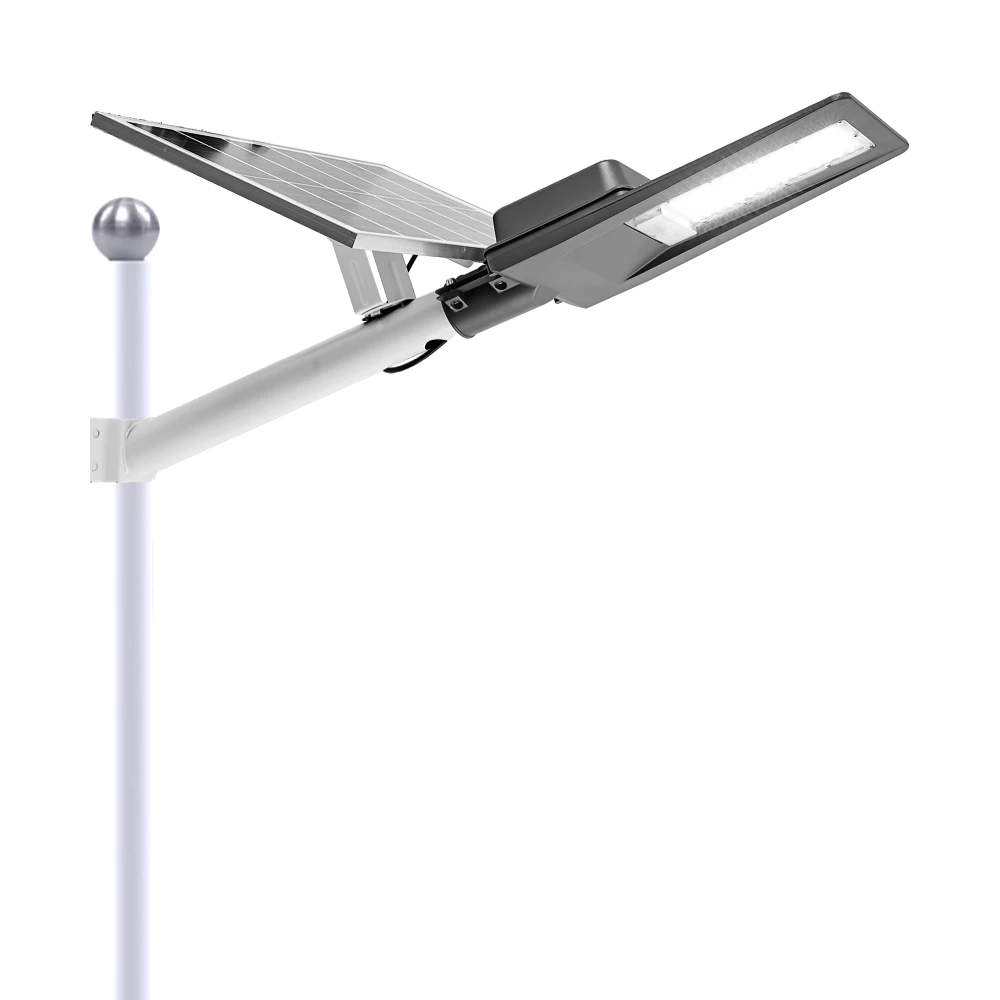
Experience reliable outdoor illumination with our smart solar street light, a perfect combination of advanced technology and eco-conscious design.
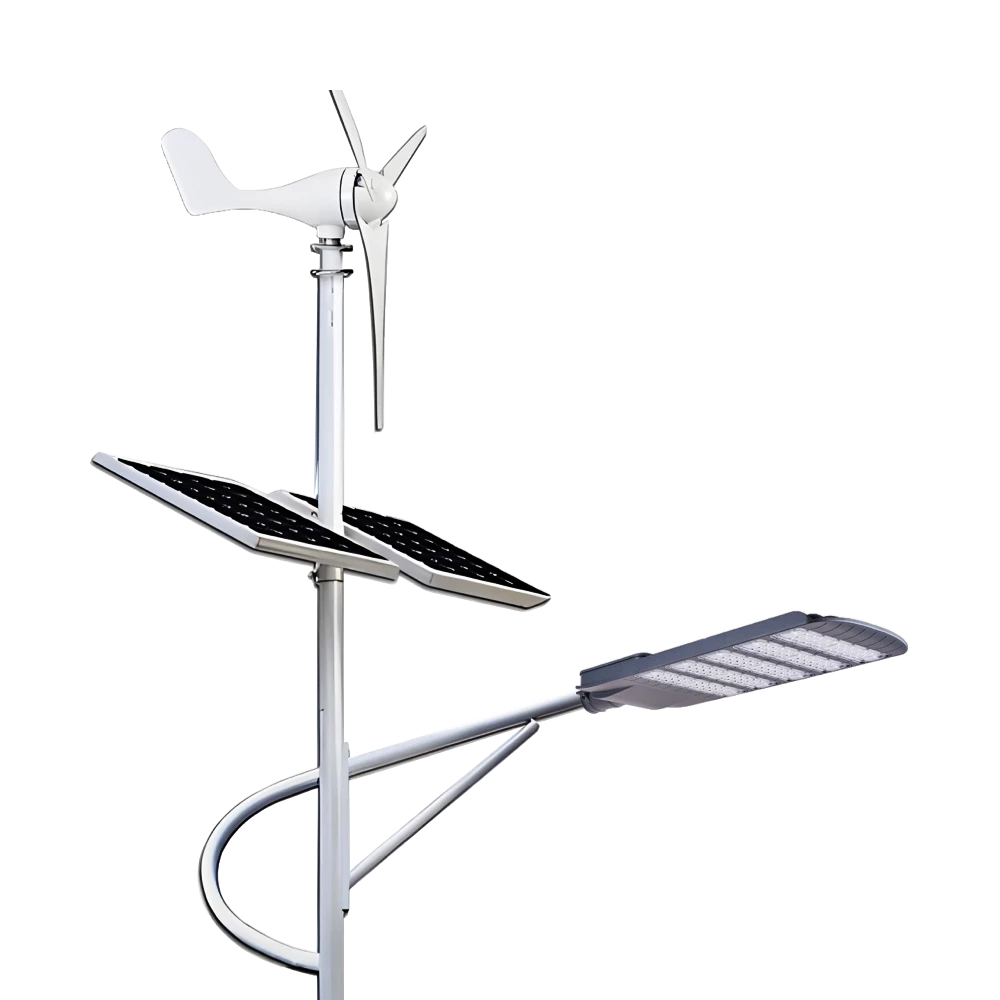
Queneng Lufeng Wind Energy LED Outdoor Solar Street Lights offer high-performance, eco-friendly illumination. These energy-efficient LED street lights harness solar power and wind energy for sustainable, cost-effective outdoor lighting solutions.
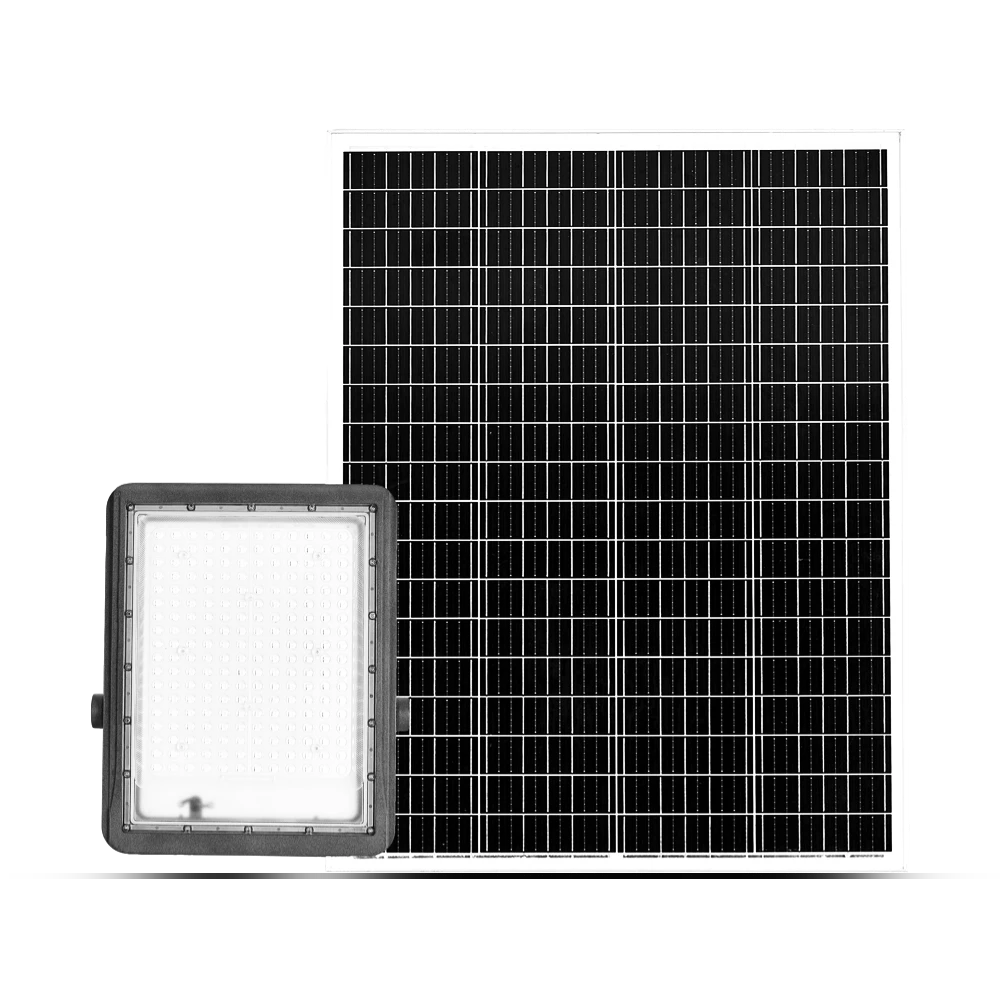
Queneng's Luxian Reliable Solar Street Light offers energy-saving LED lighting for outdoor use. This durable, solar-powered street light provides reliable illumination, reducing energy costs and environmental impact. A perfect solution for sustainable outdoor lighting.
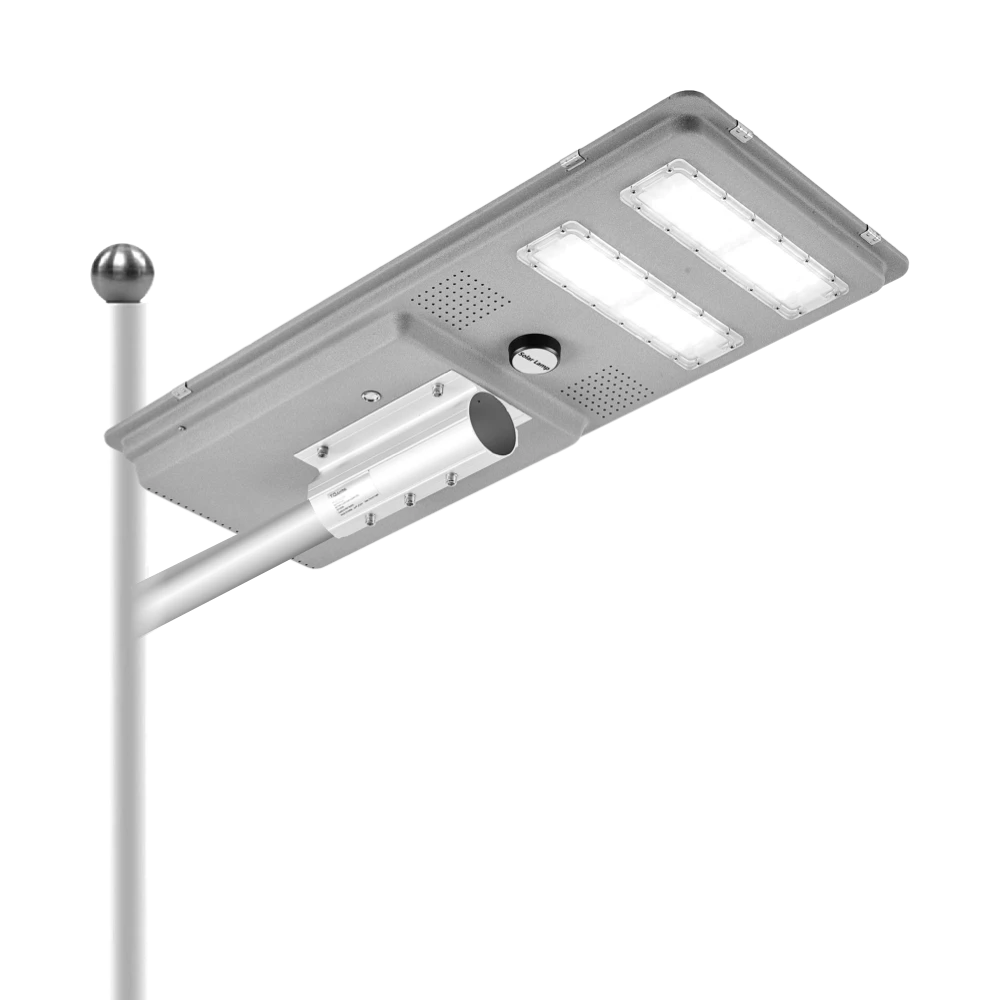
Queneng’s Solar Street Lights are designed to provide reliable, energy-efficient lighting for streets, parks, and other outdoor spaces.
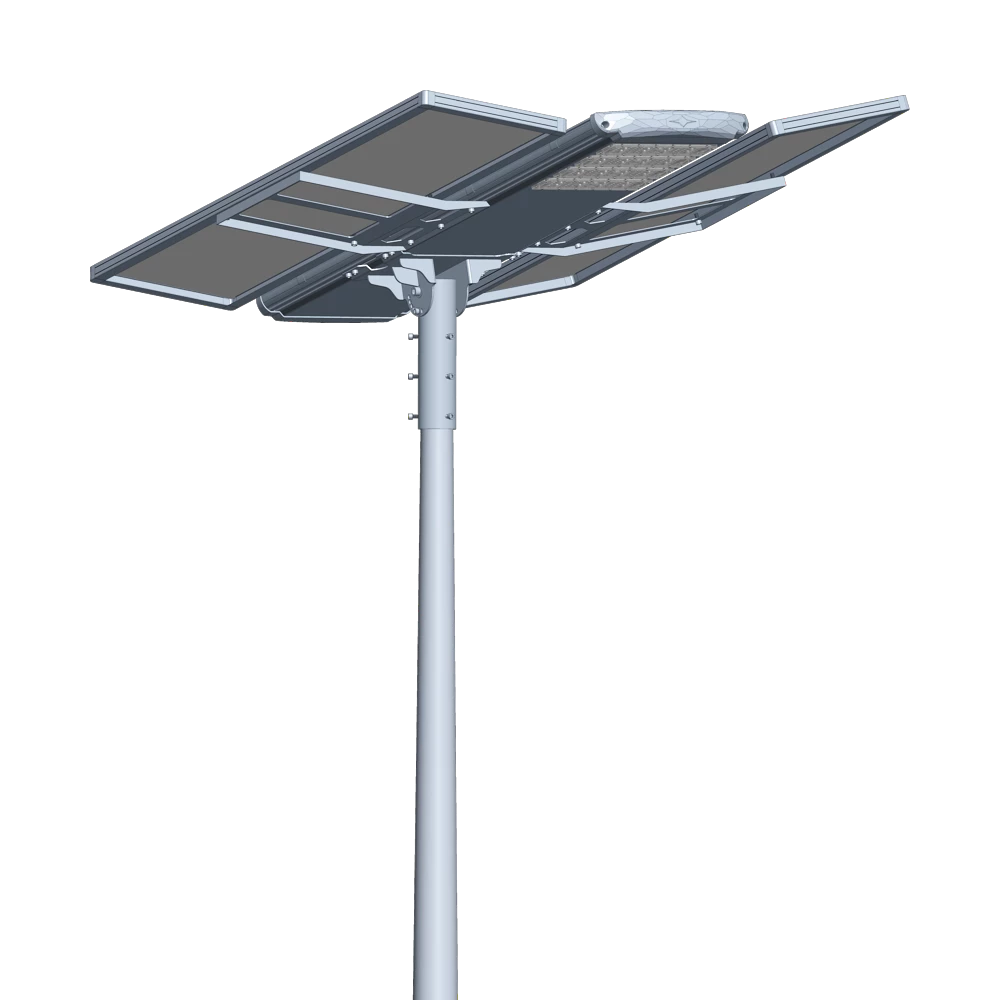
Introducing the Luqing Solar Street Light by Queneng, Efficient LED lighting powered by solar energy is perfect for illuminating outdoor areas. Harness the power of solar energy for sustainable, reliable street lighting. Ideal for eco-friendly, cost-effective outdoor illumination solutions.
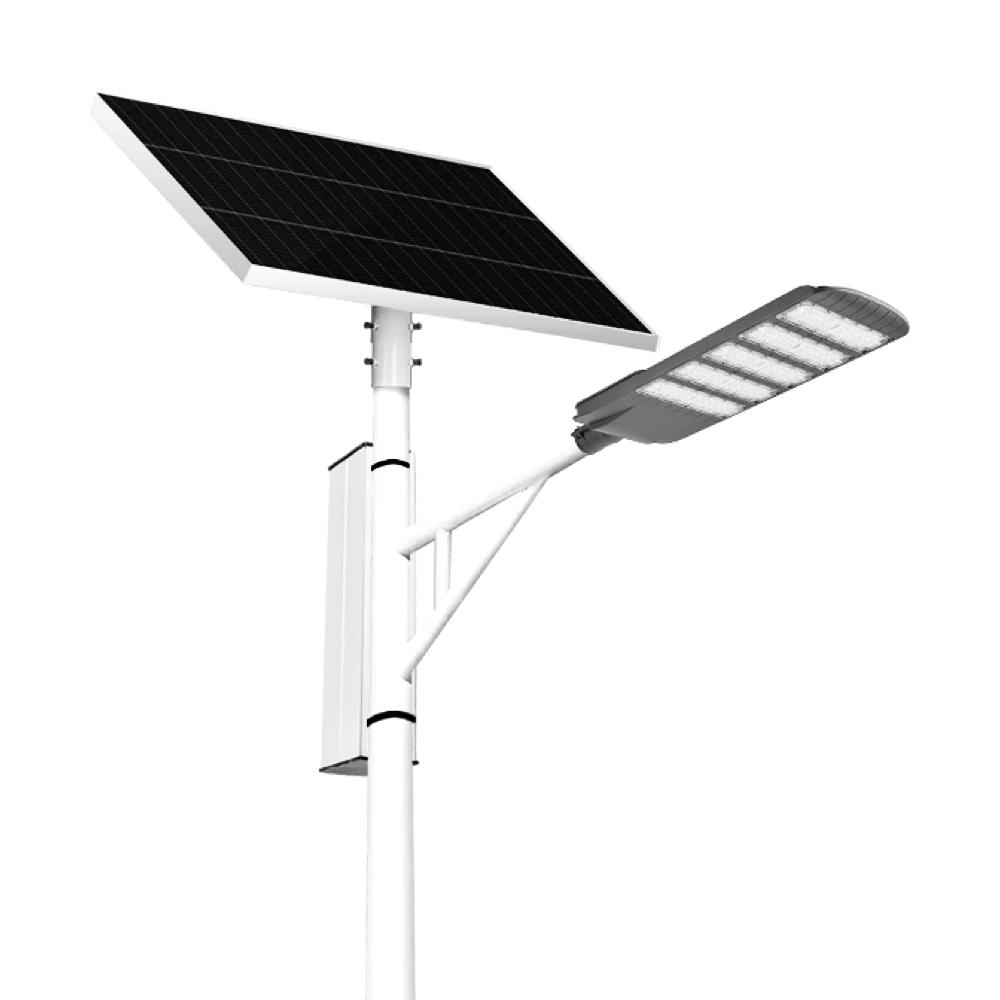
The Solar Streetlights of Luhao for Municipalities are designed to deliver reliable, energy-efficient, and cost-effective public lighting solutions. Equipped with advanced LED technology, durable lithium batteries, and high-efficiency solar panels, these streetlights provide consistent illumination for roads, parks, residential areas, and government projects.
Our professional team is ready to answer any questions and provide personalized support for your project.
You can reach us via phone or email to learn more about Queneng’s solar lighting solutions. We look forward to working with you to promote clean energy solutions!
Rest assured that your privacy is important to us, and all information provided will be handled with the utmost confidentiality.
By clicking 'Send Inquiry Now' I agree to Queneng processing my personal data.
To see how to withdraw your consent, how to control your personal data and how we process it, please see our Privacy Policy and Terms of use.
Schedule a Meeting
Book a date and time that is convenient for you and conduct the session in advance.
Have more questions about our products or services?
The messenger of light & power conversion
Environmental protection and intelligent manufacturing are our brand philosophy, and quality assurance and the best user experience are our eternal promises to users.
CONTACT
No.9F, Building F, Cao San Xin Tian Hong Logistics Park, Guzhen Town, Zhongshan City, Guangdong Province, China.
or write [email protected]
WhatsApp: +86 136 2270 1011


