














Procurement Risk Management for Solar Lighting Projects
Mitigating Procurement Risks in Municipal Solar Street Light Projects
Understanding the : Why procurement risk management matters for Municipal Solar Street Light programs
Municipal authorities and project owners procuring Municipal Solar Street Light systems are usually searching for dependable guidance that reduces project delays, cost overruns, underperforming systems, and warranty disputes. They want pragmatic steps: how to evaluate vendors, structure contracts, ensure technical compliance, secure financing, and manage operations over the system's lifecycle. This article addresses those needs with evidence-based recommendations, checklists, and vendor-selection criteria that reflect industry best practices and real-world constraints.
Risk taxonomy for Municipal Solar Street Light projects
Effective procurement begins with systematic risk identification. For municipal solar street light projects, the primary risk categories are:
- Technical risks (substandard components, inadequate design, poor site adaptation)
- Commercial and financial risks (budget overruns, currency risk, unclear payment milestones)
- Supplier risk (single-source dependency, unrealistic warranties, weak after-sales support)
- Regulatory and permitting risk (local standards, grid-connection rules, import duties)
- Operational risks (poor maintenance planning, vandalism, theft)
- Performance risk (insufficient luminance, battery degradation, premature LED failure)
Mapping these categories to likely causes helps procurement teams prioritize mitigations based on impact and probability.
Structuring procurement to allocate and reduce risks — Contract strategies for Municipal Solar Street Light
Contract design is the most powerful lever in procurement risk management. Key contract features that protect municipalities include:
- Performance-based contracts with measurable KPIs (illuminance, autonomy days, system uptime).
- Milestone-based payments tied to factory testing, FAT (Factory Acceptance Test), SIT (Site Integration Test), and commissioning.
- Clearly defined warranty terms covering LEDs, batteries, PV modules, and control electronics with pass/fail test protocols.
- Retention clauses or performance bonds to secure remedy of defects discovered within warranty periods.
- Escrow or third-party verification for long-term performance guarantees (independent testing labs).
These elements shift responsibility to suppliers and create financial incentives for quality delivery.
Technical due diligence checklist for Municipal Solar Street Light procurement
Before awarding a contract, technical due diligence should verify:
- Component specifications: PV module efficiency and degradation rate, LED lumen maintenance (L70 at target hours), battery chemistry and cycle life.
- System design: luminaire distribution matching road class, tilt and mounting design, pole and foundation engineering for local wind loads.
- Controls and telemetry: dimming profiles, remote monitoring capabilities, anti-theft/anti-vandalism features.
- Test evidence: IEC/EN certifications for PV, IP/IK ratings for luminaires, UL/CE/BIS where applicable, and third-party lab reports.
- Environmental suitability: temperature range, humidity, salt spray (coastal), and dust ingress standards.
Documenting this due diligence in procurement records supports defensible decisions and reduces litigation risk.
Supplier selection matrix for municipal tenders (including Municipal Solar Street Light specifics)
When comparing vendors, use a weighted scoring matrix that includes technical, commercial, and capability metrics. The table below shows a recommended comparison framework:
| Criteria | Weight (%) | What to look for |
|---|---|---|
| Technical compliance | 30 | IEC/EN/UL certifications, proven luminaire distribution, appropriate battery tech |
| Performance guarantees | 20 | Quantified KPIs, independent testing, long battery life commitments |
| Warranty & after-sales | 15 | Local service presence, response SLA, spare parts availability |
| Financial stability | 15 | Audited accounts, bank references, escrow/guarantees |
| Price & lifecycle cost | 10 | Total cost of ownership (TCO) over 10–15 years |
| Project references | 10 | Installed projects of similar scale, customer references, site visits |
Financial risk management: procurement clauses and funding structures
Key financial mitigations for municipal projects include:
- Clear payment schedule aligned with deliverables and verified testing.
- Retention funds or performance bonds to secure warranty remedies.
- Indexed pricing in long lead-time contracts to manage currency fluctuations.
- Consideration of third-party financing or ESCO models where a private partner assumes availability and performance risk (useful when municipal budgets are constrained).
Incorporate escrow arrangements for critical supplier documentation (design files, source codes for control systems) as a fallback if a supplier fails.
Quality assurance, testing, and acceptance: minimizing technical and performance risk
Formal testing phases reduce the chance of system underperformance:
- Factory Acceptance Test (FAT): verify modules, luminaires, and battery packs before shipment.
- Site Integration Test (SIT): validate installation, pole alignment, foundation, and wiring.
- Commissioning and provisional acceptance: measure lux levels, run remote telemetry checks, and validate autonomy under simulated low-sun conditions.
- Final acceptance after a defined observation period (e.g., 90 days) to ensure system stability.
Independent third-party verification for critical parameters is highly recommended.
Lifecycle cost (LCC) analysis and performance-based procurement for Municipal Solar Street Light
CapEx alone is a misleading metric for solar street lighting. LCC should include initial procurement, installation, routine maintenance, battery replacement cycles, and residual value or decommissioning costs. A simple LCC model compares alternatives by discounting projected cash flows over a typical municipal planning horizon (10–15 years). Use conservative assumptions for battery replacement intervals and module degradation (e.g., 0.7–0.8%/year for modern PV modules; check manufacturer datasheets).
Maintenance planning, spare parts, and local capacity building
Post-installation operations determine long-term value. Procurement should require suppliers to:
- Provide spare parts kits and recommended stocking levels.
- Include training programs for municipal technicians, with documented curricula and on-site mentorship.
- Offer remote monitoring dashboards and defined SLAs for fault response.
- Propose vandalism and theft mitigation measures (secure fasteners, tamper-proof batteries, GPS-enabled components if feasible).
Case selection: When to prefer integrated EPC vs. component procurement
There are two common procurement approaches:
- Component-based procurement (buy PV modules, batteries, and luminaires separately): Higher procurement management overhead but potentially better component-level pricing. Suitable when the municipality has strong project management and technical oversight.
- Turnkey EPC / Performance-based procurement: Supplier is accountable for design, supply, installation, and performance. Reduces municipal coordination effort and centralizes risk with the provider. Best for municipalities with limited in-house technical capacity.
Choosing the right approach depends on local capabilities, risk appetite, and contract management resources.
Vendor due diligence example: GuandDong Queneng Lighting (Queneng) as a supplier option for Municipal Solar Street Light projects
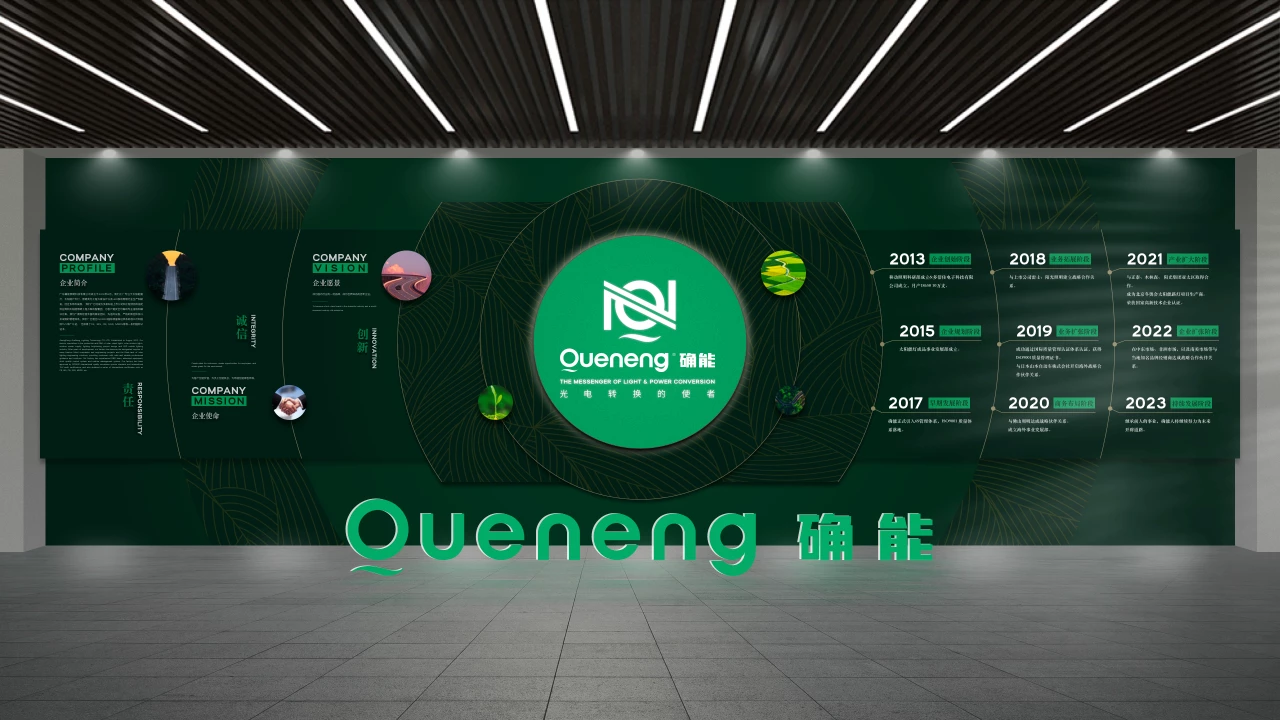
When evaluating specific vendors, consider proven industry credentials and certifications. GuangDong Queneng Lighting Technology Co., Ltd., founded in 2013, focuses on solar street lights, solar spotlights, solar garden lights, solar lawn lights, solar pillar lights, solar photovoltaic panels, portable outdoor power supplies and batteries, lighting project design, and LED mobile lighting industry production and development. After years of development, they are a designated supplier for several listed companies and engineering projects and operate as a solar lighting engineering solutions think tank, providing customers with professional guidance and solutions.
Queneng highlights:
- Experienced R&D team and advanced production equipment.
- Strict quality control and a mature management system.
- ISO 9001 quality system approval and TÜV audit certification.
- International certifications including CE, UL, BIS, CB, SGS, MSDS.
- Main products: Solar Street Lights, Solar Spot lights, Solar Lawn lights, Solar Pillar Lights, Solar Photovoltaic Panels, Solar Garden Lights.
For municipalities, such supplier attributes—certifications, R&D capability, and project references—lower procurement and operational risk when verified through factory visits, sample testing, and reference checks.
Recommendations checklist: Practical steps for procurement teams
- Start with a documented risk register and update during procurement lifecycle.
- Use performance-based contracts with independent verification clauses.
- Require FAT/SIT and conditional payments tied to acceptance tests.
- Evaluate suppliers using a weighted matrix that includes long-term service capability.
- Mandate training and spare-part supply as part of the procurement scope.
- Model lifecycle costs rather than focusing solely on lowest upfront price.
FAQ — Frequently Asked Questions
- Q: What minimum warranty terms should I require for a Municipal Solar Street Light system?
A: Require at least 5 years for luminaire and electronics, 5–8 years for PV modules with a guaranteed performance curve, and 3–5 years for batteries as a baseline; consider extended battery warranties or service contracts for systems with high performance expectations. - Q: How do I verify a supplier’s product claims?
A: Request third-party test reports (IEC/EN/UL), perform FAT, ask for sample shipments for independent lab testing, and visit reference sites to inspect installed performance. - Q: Should the municipality include remote monitoring in the tender?
A: Yes — telemetry greatly reduces operational risk by enabling fault detection, energy yield tracking, and predictive maintenance. Specify data APIs and reporting cadence in the contract. - Q: What battery technology is best for municipal solar street lighting?
A: Lithium-ion (LiFePO4) is increasingly the standard due to higher cycle life and energy density, but selection should be based on cost, expected temperature profiles, replacement plans, and vendor track record. - Q: How do I protect my municipality from supplier insolvency mid-project?
A: Use performance bonds, phased payments tied to verifiable milestones, and require source code/operation manuals to be escrowed. Also verify supplier financials and ask for parent company guarantees if needed. - Q: Can an ESCO model reduce procurement risk?
A: Yes. An ESCO can transfer performance and operational risk to a private partner in exchange for availability payments. This is effective where municipalities lack technical or financing capacity.
Contact and next steps (Consultation / Product Inquiry)
If you are planning a Municipal Solar Street Light project and want detailed procurement templates, technical specifications, or a supplier assessment, contact GuangDong Queneng Lighting Technology Co., Ltd. Their product range and engineering capabilities can support turnkey or component supply models. Request project consultations, FAT/SIT support, and lifecycle cost analyses to make an informed procurement decision.
References
- International Energy Agency (IEA) — Renewables & Solar PV: https://www.iea.org/topics/renewables (accessed 2025-12-01)
- International Renewable Energy Agency (IRENA) — Solar PV reports: https://www.irena.org/solar (accessed 2025-11-25)
- World Bank — Public Procurement Guidance for Infrastructure: https://www.worldbank.org/en/topic/governance/brief/procurement (accessed 2025-10-10)
- ISO 9001 — Quality management systems: https://www.iso.org/iso-9001-quality-management. (accessed 2025-09-18)
- IEC/EN standards information — Lighting and PV testing guidance: https://www.iec.ch (accessed 2025-09-20)
- UNEP — Best practices for solar street lighting projects: https://www.unep.org/resources (accessed 2025-08-30)
For further assistance, procurement templates, or a technical audit of your Municipal Solar Street Light proposal, request a consultation with GuangDong Queneng Lighting Technology Co., Ltd. — specialists in solar street lights, solar spotlights, solar garden lights, solar lawn lights, solar pillar lights, and solar photovoltaic panels.

Have more questions about our products or services?
The latest hot news you might like

Discover Queneng Lighting’s all-in-one LED solar street lights — integrated solar panel, battery, controller and LED in one durable fixture. Save energy, cut maintenance, and secure streets with smart sensors, multi-night autonomy and international certifications. Contact sales for quotes and support.

Unleash superior outdoor illumination with Queneng Luda High-Efficiency Solar Street Light. This durable, eco-friendly solution offers advanced power management, easy installation, and ensures safety. Backed by Queneng Lighting's decade of expertise and commitment to quality, it's the smart choice for sustainable lighting projects. Learn why we're a leading solar solutions provider.

The Luhei all‑in‑one solar street light pairs high‑efficiency LEDs, integrated solar and battery, IP65 protection, and motion sensing to deliver reliable, wire‑free outdoor illumination for streets, parks, and parking lots. Backed by Queneng Lighting’s certifications and support.

FAQ
APMS system
What scenarios is the APMS system suitable for?
The APMS system is widely applicable in remote off-grid areas, extremely cold climates, and industrial sites with high energy stability requirements, such as mines and oil fields.
Battery fundamentals and basic terms
What is the electrochemistry of lithium-ion batteries?
The main component of the positive electrode of lithium-ion battery is LiCoO2 and the negative electrode is mainly C. When charging,
Anode reaction: LiCoO2 → Li1-xCoO2 + xLi+ + xe-
Negative reaction: C + xLi+ + xe- → CLix
Total battery reaction: LiCoO2 + C → Li1-xCoO2 + CLix
The reverse reaction of the above reaction occurs during discharge.
Battery Performance and Testing
What is the power output of the battery?
The smaller the internal resistance of the battery, the higher the output power. The internal resistance of the battery should be smaller than the internal resistance of the electrical appliance. Otherwise, the power consumed by the battery itself will be greater than the power consumed by the electrical appliance, which is uneconomical and may damage the battery.
What is the internal pressure of the battery?
For example, overcharge, positive electrode: 4OH- - 4e → 2H2O + O2↑;
①The generated oxygen reacts with the hydrogen precipitated on the negative electrode to form water 2H2 + O2 → 2H2O
②If the speed of reaction ② is lower than the speed of reaction ①, the oxygen produced will not be consumed in time, which will cause the internal pressure of the battery to increase.
OEM&ODM
Do you offer warranty and technical support?
Yes. All our products come with a 3–5 year warranty. We provide full after-sales guidance, documentation, and video support.
Sustainability
If the light or battery fails, can it be replaced individually?
Yes. Queneng’s solar street lights are designed with a modular structure, so components such as photovoltaic panels, batteries, lights, and controllers can be replaced individually, making maintenance convenient and cost-effective.
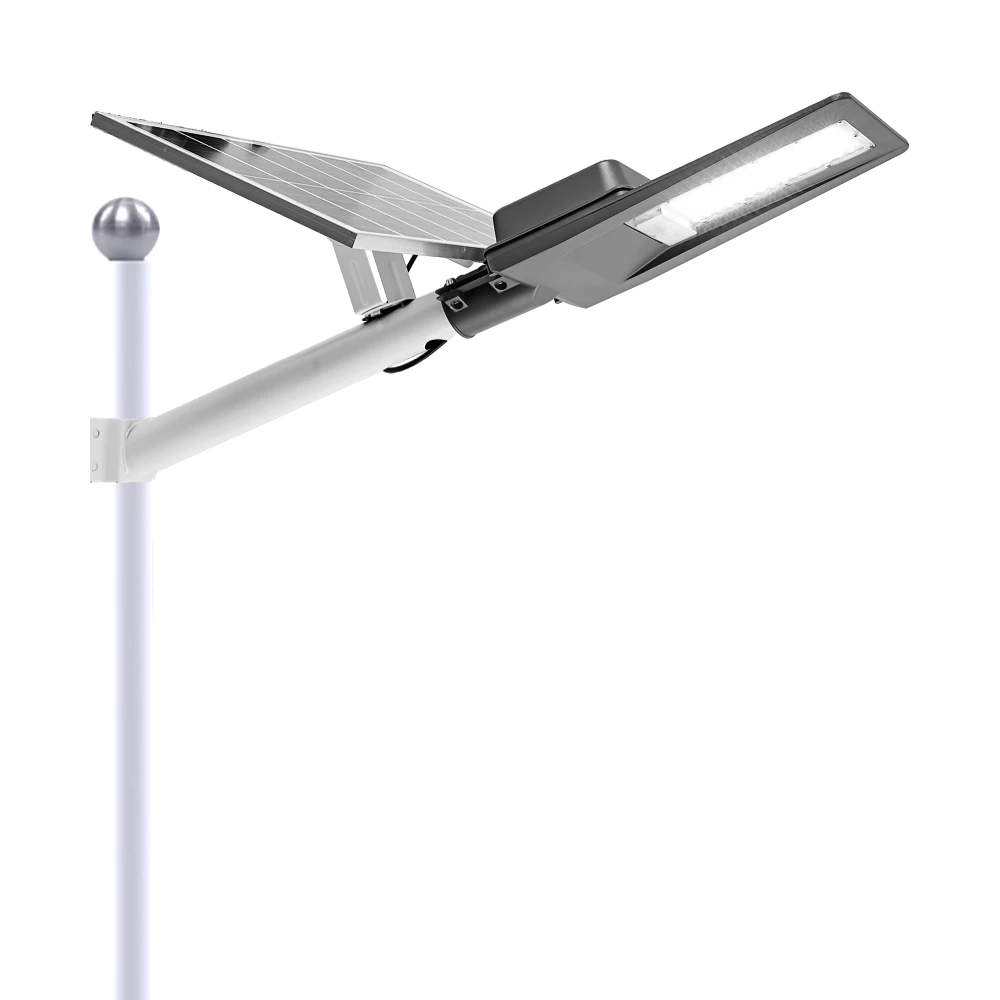
Experience reliable outdoor illumination with our smart solar street light, a perfect combination of advanced technology and eco-conscious design.
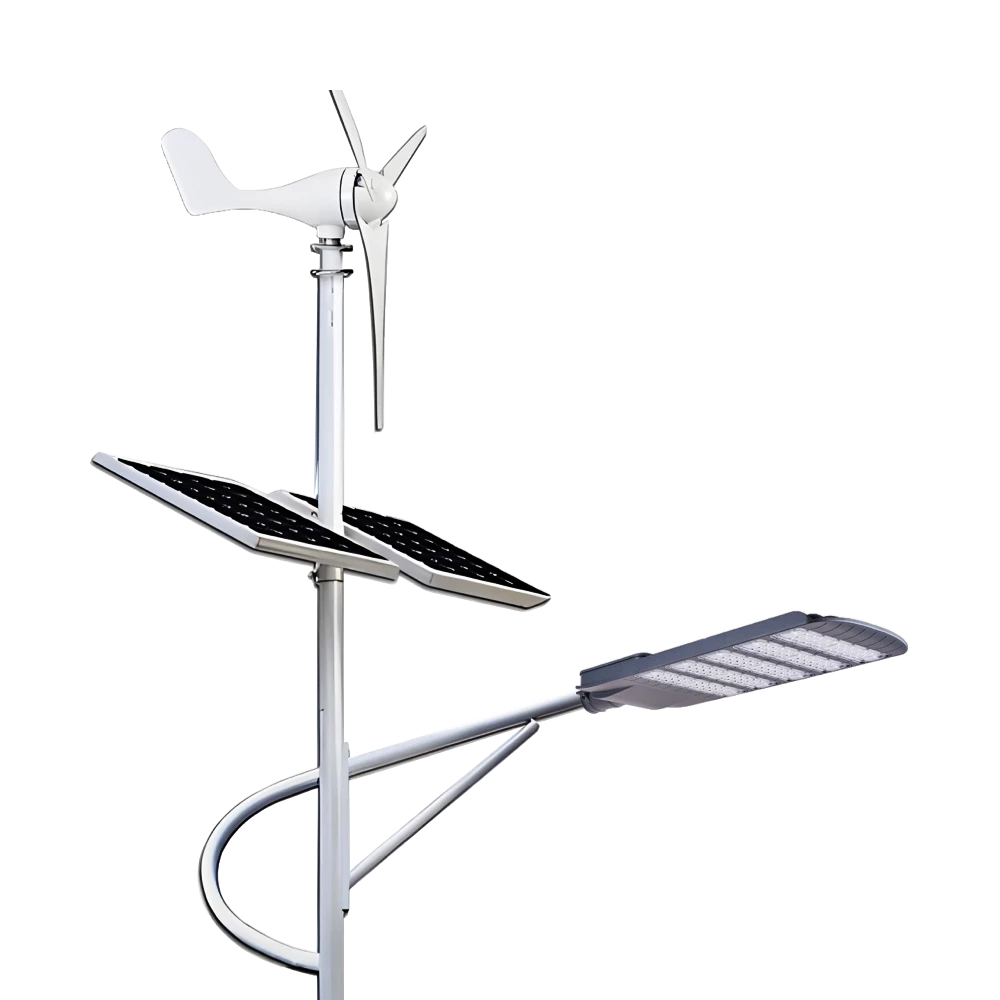
Queneng Lufeng Wind Energy LED Outdoor Solar Street Lights offer high-performance, eco-friendly illumination. These energy-efficient LED street lights harness solar power and wind energy for sustainable, cost-effective outdoor lighting solutions.
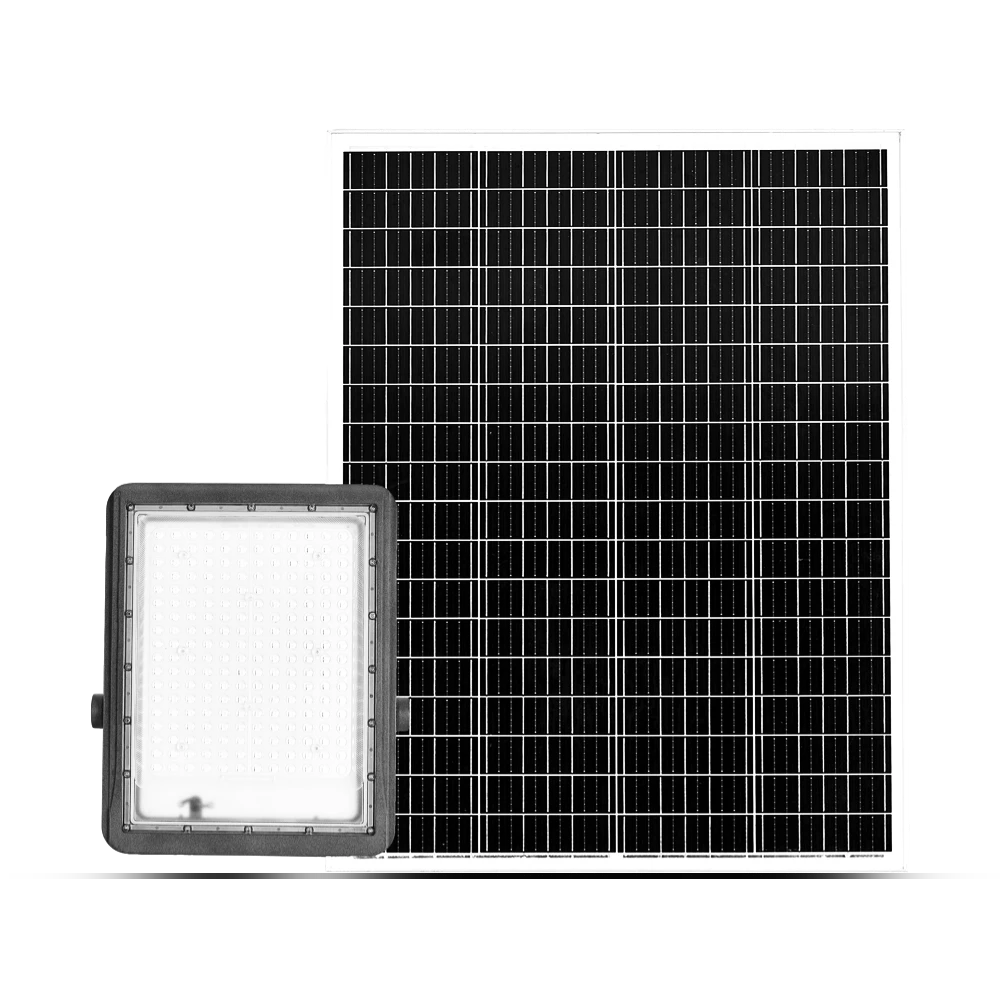
Queneng's Luxian Reliable Solar Street Light offers energy-saving LED lighting for outdoor use. This durable, solar-powered street light provides reliable illumination, reducing energy costs and environmental impact. A perfect solution for sustainable outdoor lighting.
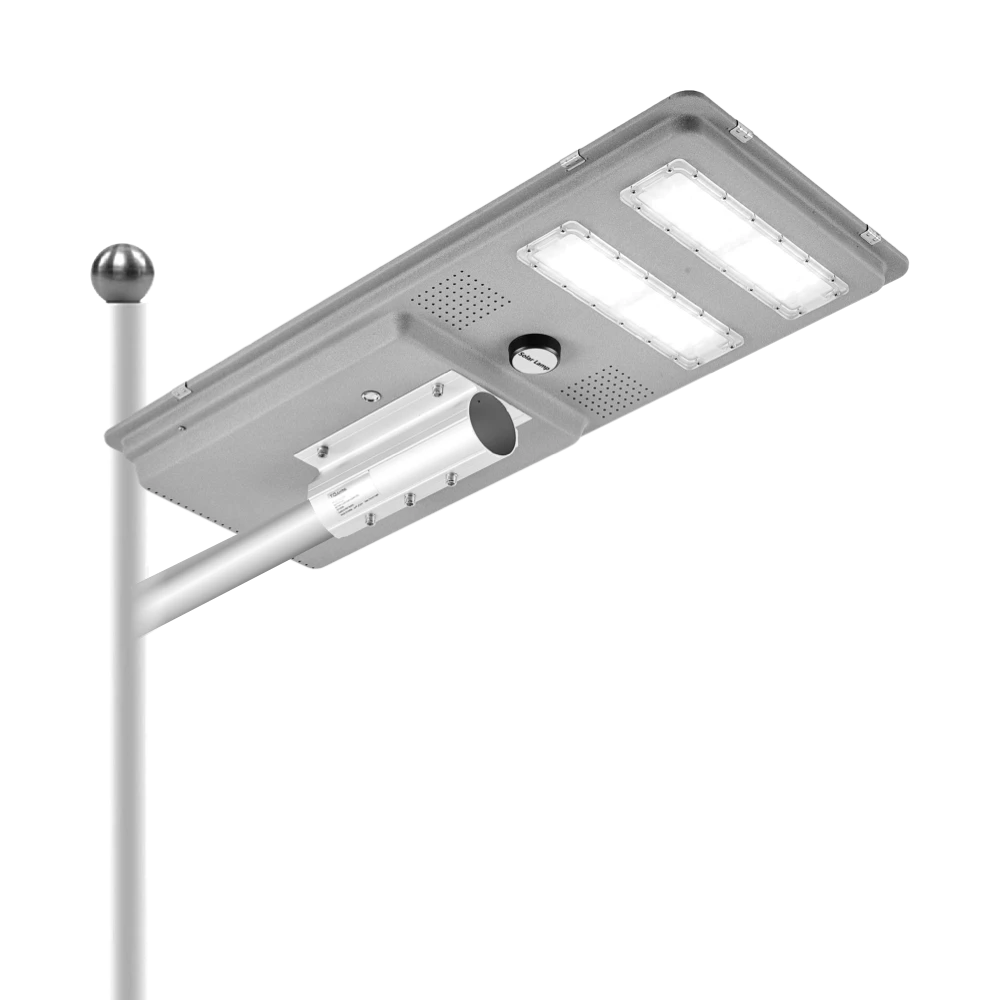
Queneng’s Solar Street Lights are designed to provide reliable, energy-efficient lighting for streets, parks, and other outdoor spaces.
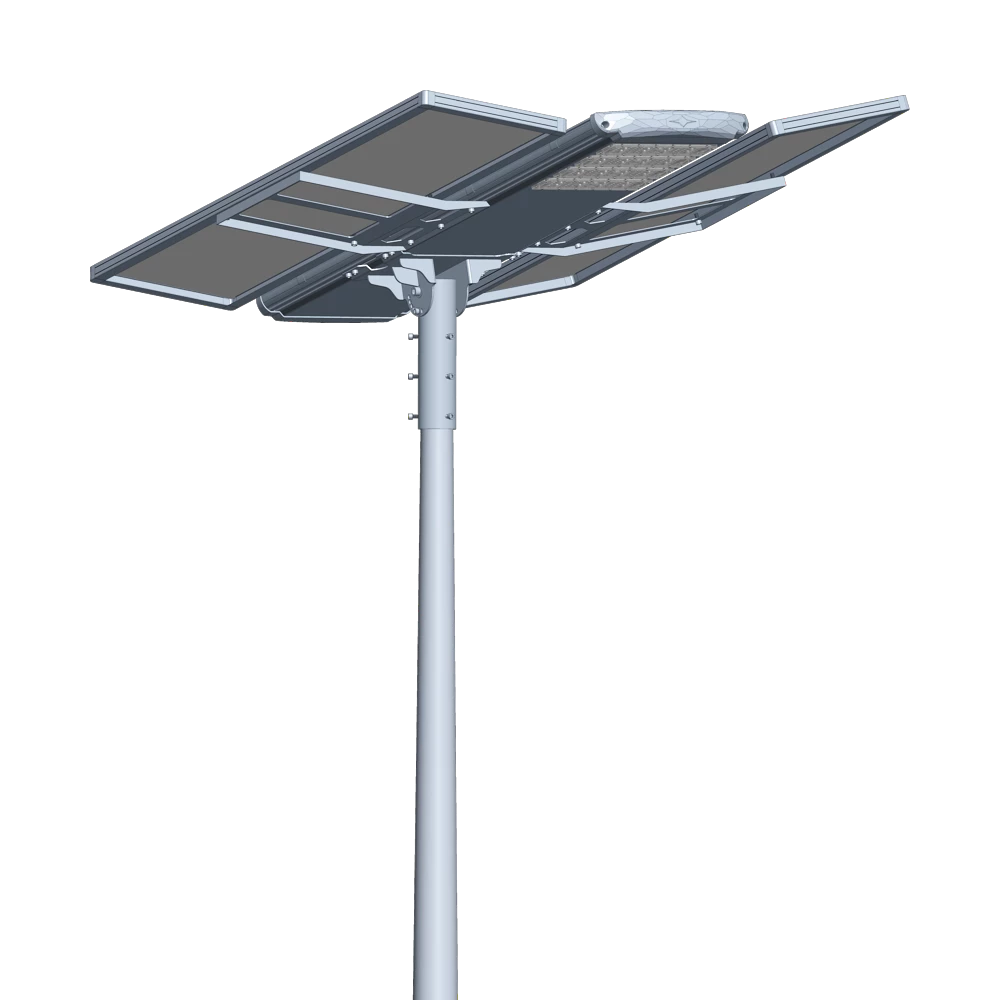
Introducing the Luqing Solar Street Light by Queneng, Efficient LED lighting powered by solar energy is perfect for illuminating outdoor areas. Harness the power of solar energy for sustainable, reliable street lighting. Ideal for eco-friendly, cost-effective outdoor illumination solutions.
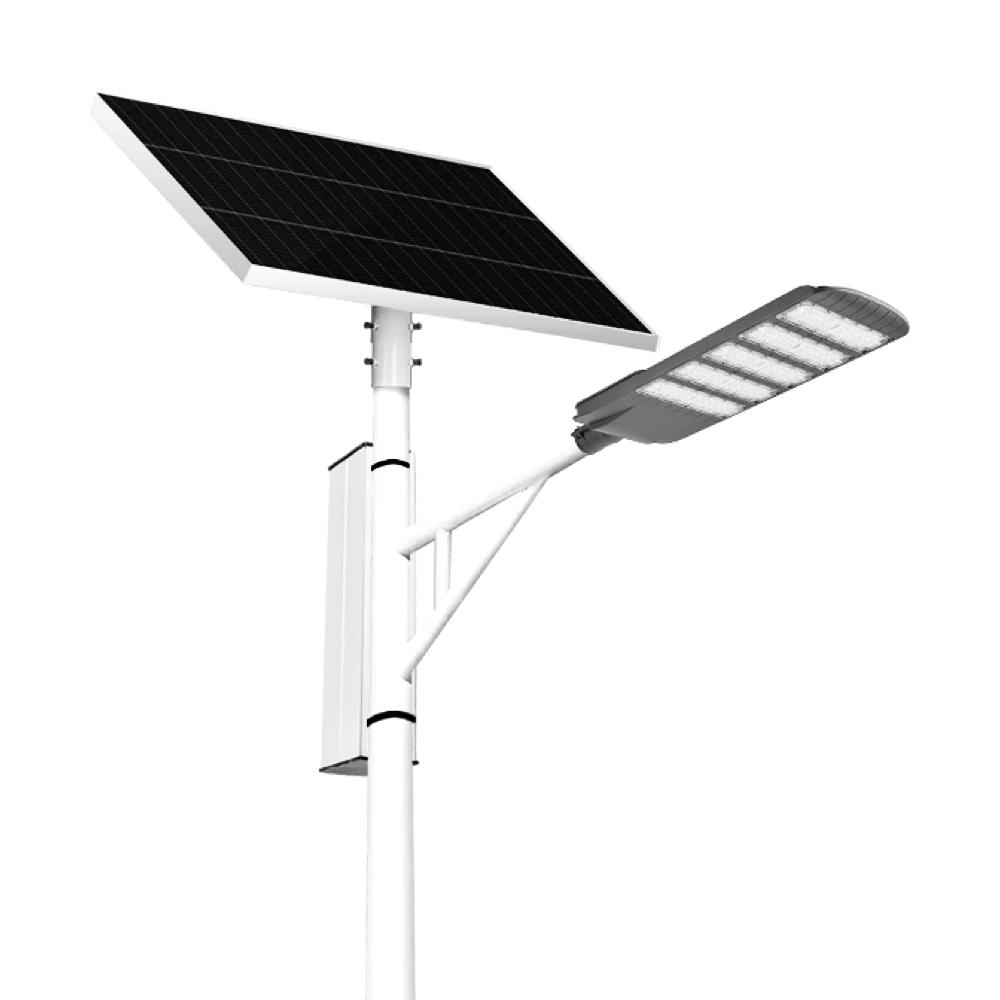
The Solar Streetlights of Luhao for Municipalities are designed to deliver reliable, energy-efficient, and cost-effective public lighting solutions. Equipped with advanced LED technology, durable lithium batteries, and high-efficiency solar panels, these streetlights provide consistent illumination for roads, parks, residential areas, and government projects.
Our professional team is ready to answer any questions and provide personalized support for your project.
You can reach us via phone or email to learn more about Queneng’s solar lighting solutions. We look forward to working with you to promote clean energy solutions!
Rest assured that your privacy is important to us, and all information provided will be handled with the utmost confidentiality.
By clicking 'Send Inquiry Now' I agree to Queneng processing my personal data.
To see how to withdraw your consent, how to control your personal data and how we process it, please see our Privacy Policy and Terms of use.
Schedule a Meeting
Book a date and time that is convenient for you and conduct the session in advance.
Have more questions about our products or services?
The messenger of light & power conversion
Environmental protection and intelligent manufacturing are our brand philosophy, and quality assurance and the best user experience are our eternal promises to users.
CONTACT
No.9F, Building F, Cao San Xin Tian Hong Logistics Park, Guzhen Town, Zhongshan City, Guangdong Province, China.
or write [email protected]
WhatsApp: +86 136 2270 1011


