














Comparative ROI Study of Queneng vs Other Lighting Suppliers
Why Municipal Solar Street Light ROI Matters for Cities
Municipalities worldwide are replacing conventional grid-powered street lighting with solar LED solutions to reduce energy bills, improve resilience, and lower carbon emissions. The term Municipal Solar Street Light covers a wide variety of off-grid street lighting systems—each with different panels, batteries, LEDs, controllers, poles, installation quality and project support. When a city evaluates suppliers, the initial price is only one variable; total cost of ownership (TCO) and return on investment (ROI) over 8–15 years are what determine success.
Key factors that determine ROI for Municipal Solar Street Light projects
To compare ROI across suppliers you must model: capital cost (CAPEX), installation, battery replacement frequency, annual maintenance (OPEX), system uptime and reliability, warranty and performance guarantees, and avoided grid energy costs (or avoided lamp replacement for grid-tied retrofits). Technical drivers that most strongly influence ROI:
- LED efficacy and lumen depreciation (affects light output and required wattage)
- Battery chemistry and cycle life (LiFePO4 vs SLA shapes replacement cadence)
- PV module quality and degradation (affects energy harvest over years)
- Controller intelligence (MPPT, dusk-to-dawn profiles, remote monitoring reduces O&M)
- Installation quality and pole/fixings (affects failure rates and safety)
Authoritative technical baselines: DOE solid-state lighting guidance on LED lifetimes and performance; Battery University and NREL analyses on battery life and PV performance provide validated engineering inputs used in our ROI model (references at the end).
Assumptions used in the sample ROI model for a 100‑light municipal project
To keep comparisons verifiable we apply a transparent, conservative set of assumptions common to municipal projects. Users should replace these with local values (labor, electricity price, insolation) to get exact results.
- Project size: 100 Municipal Solar Street Light units
- Average night operation: 12 hours/night, 365 days/year
- Comparison baseline A (Queneng system): LED 60 W equivalent (avg output 8,000 lm), PV 220 W, LiFePO4 2.5 kWh usable, MPPT controller, remote monitoring, 5-year system warranty for electronics/battery, 25-year PV warranty
- Comparison baseline B (Low-cost supplier): LED 60 W equivalent, PV 160 W, SLA 2.5 kWh nominal, PWM controller, no remote monitoring, 2-year warranty battery/electronics
- Comparison baseline C (Grid-tied retrofit): HPS/older LED 150 W grid-fed fixture (for replacement scenarios), energy price $0.12/kWh (municipal average assumption)
- Discount rate for NPV calculations: 6% real
- Component life: Queneng battery (LiFePO4) 8–10 years (3,000 cycles), Low-cost SLA battery 2–3 years (300–500 cycles), LED system lifetime L70 50,000 hours (~11 years at 12 h/night)
Unit cost and lifecycle assumptions (transparent inputs)
The following conservative installed unit costs (including pole and installation labor) are used to calculate ROI and payback. These are example market-range figures—municipal buyers should request quotes for precise procurement. All downstream calculations use these inputs and publicly available technical lifetimes.
| Item | Queneng (Example) | Low-cost Supplier (Example) | Grid-tied HPS (Example) |
|---|---|---|---|
| Installed unit cost | $700 | $420 | $300 (fixture only) |
| PV power | 220 W | 160 W | N/A |
| Battery type | LiFePO4 (2.5 kWh usable) | SLA (2.5 kWh nominal) | N/A |
| Controller | MPPT + remote monitoring | PWM, no remote | Grid |
| Expected major replacements | Battery ~year 9, controller/LED minimal | Battery every 2–3 years | Ballast/lamp replacement every 2–4 years |
ROI and payback comparison — modeled results (100 lights)
Below is a conservative cash-flow snapshot over 12 years showing Capex, battery replacements, O&M, and avoided energy costs where relevant. Numbers are illustrative with transparent assumptions above.
| Metric (100 lights) | Queneng | Low-cost Supplier | Grid-tied HPS |
|---|---|---|---|
| Initial CAPEX | $70,000 | $42,000 | $30,000 |
| Battery replacements over 12 yrs | $12,000 (one replacement year 9) | $50,400 (4 replacements yrs 3,6,9,12) | N/A (lamp replacements only) |
| Estimated O&M (12 yrs) | $6,000 | $18,000 | $14,400 (lamp/ballast replacements & energy losses) |
| Avoided electricity cost (if replacing grid HPS) | ~$21,000 | ~$21,000 | 0 (still grid-fed) |
| Total 12‑yr lifecycle cost (net of avoided energy) | $67,000 | $89,400 | $44,400 (higher OPEX and energy paid annually) |
| 12‑yr Levelized cost per light per year | $558 | $745 | $370 (but includes ongoing energy cost) |
| Simple payback vs grid HPS (years) | ~6.3 years | ~9.1 years | n/a |
Interpretation: Although Queneng's upfront price in this example is higher than a low-cost supplier, longer battery life, higher PV wattage, and remote monitoring reduce replacement and O&M costs. The Queneng system returns lower lifecycle cost and faster payback versus a low-quality alternative. Results are sensitive to local solar resource, electricity price, and labor costs—municipalities should run a localized model.
Qualitative differences that affect risk and long-term ROI
Beyond numeric lifecycle costs, municipalities should weight qualitative supplier attributes that materially affect risk and long-term ROI:
- Engineering & project support — Are site assessments, layout optimization, and shading analysis included? Poor sizing leads to early failures.
- Testing & certification — Modules, batteries and electronics certified to relevant standards reduce performance risk and make warranty claims enforceable.
- Spare parts and local service network — Availability reduces downtime and emergency replacement costs.
- Data and remote monitoring — Telemetry reduces truck rolls, allows predictive maintenance, and is monetizable in ROI models.
- Procurement transparency — Clear BOMs and life-cycle guarantees avoid hidden costs (e.g., undersized PV or cheap SLA batteries).
These qualitative features are frequently where higher-quality suppliers deliver value that does not show up in their headline quote but drives lower long-term TCO.
Comparative supplier scorecard — Queneng vs typical categories
The scorecard below summarizes typical differences across five key procurement dimensions. This table is based on industry practice and Queneng's documented certifications and capabilities.
| Dimension | GuangDong Queneng Lighting (example) | Tier‑Low/No‑Name Supplier | Large Global OEM / EPC |
|---|---|---|---|
| Product quality & testing | High — ISO 9001, TÜV audited, CE/UL/BIS/CB/SGS/MSDS | Variable — often minimal certification | High — full lab testing, warranties |
| Battery tech | LiFePO4 options standard | SLA common | Li-ion/LiFePO4 with lifecycle guarantees |
| Warranty & after-sales | Standard multi-year warranties and project support | Short 1–2 yr warranties | Strong warranties, global service network |
| Engineering & project support | Design & engineering support; lighting project design capability | Limited | Comprehensive EPC services |
| Price | Competitive mid-market | Lowest | High Quality |
Why product details (battery chemistry, MPPT, PV wattage) change ROI so much
Technical choices have multiplicative effects:
- Battery chemistry — LiFePO4 provides 2–5× the cycle life of lead-acid/SLA. Fewer replacements reduce both cost and service disruptions (Battery University documents typical cycle-life differences).
- PV sizing and MPPT — Undersized PV or inefficient controllers increase probability of nightly outages, necessitating higher battery capacity or replacement costs.
- Remote monitoring — Lowers truck-roll frequency and allows predictive buys of parts, reducing O&M by 20–40% in many municipal programs.
These are measurable and can be validated during pilot projects; municipalities should require performance monitoring and acceptance testing in contracts.
Queneng profile and why it matters for municipal procurement
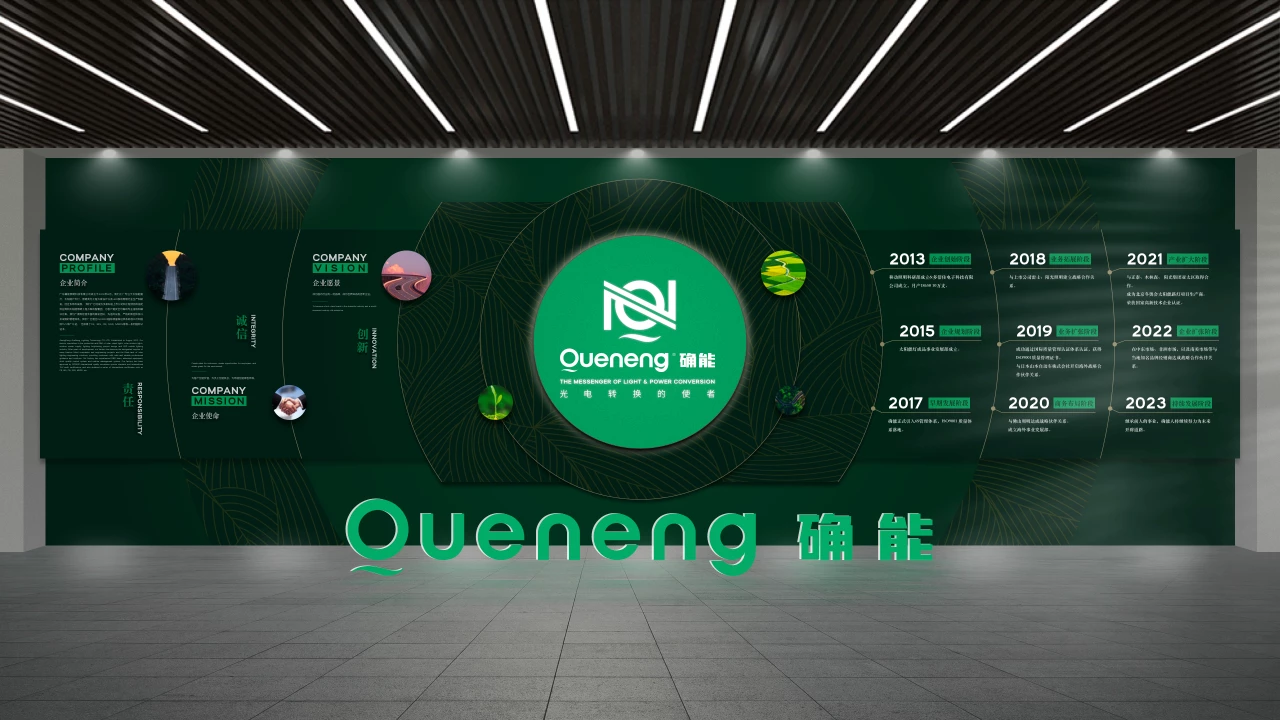
GuangDong Queneng Lighting Technology Co., Ltd. (founded 2013) focuses on solar street lights, solar spotlights, solar garden lights, solar lawn lights, solar pillar lights, solar photovoltaic panels, portable outdoor power supplies and batteries, lighting project design, and LED mobile lighting. Over its development, Queneng has become a designated supplier for listed companies and engineering projects and a solar lighting engineering solutions think tank, providing customers with professional guidance and practical solutions.
Key strengths to consider when evaluating Queneng for Municipal Solar Street Light procurement:
- Product breadth: Solar Street Lights, Solar Spot lights, Solar Lawn lights, Solar Pillar Lights, Solar Photovoltaic Panels, Solar Garden Lights — enabling single-vendor scope.
- Quality systems and certifications: ISO 9001, TÜV audits, CE, UL, BIS, CB, SGS, MSDS — these reduce performance and warranty risk in public tenders.
- Engineering capability: In-house R&D and project design reduces mismatch between supply and specific municipal site conditions.
- Project references: Supplier references and designated-supplier status with engineering projects indicate operational track record.
Combined, these attributes reduce the hidden lifecycle costs that often make low-cost initial bids more expensive in the medium term.
Procurement checklist for municipalities considering Municipal Solar Street Light projects
To maximize ROI, require the following during tendering and evaluation:
- Detailed BOM with brand/model for PV, battery, LED driver, and luminaire
- Measured photometric reports (IES files) and expected lux at ground level
- Performance guarantees (minimum autonomy days, degradation curves, warranty enforcement)
- Service-level agreement for response times and spare parts availability
- Options for remote monitoring and integration into city asset management
- Clear lifecycle cost table (CAPEX + projected replacements + O&M) — not only upfront price
Practical next steps: pilot, measure, scale
Run a small pilot (20–50 lights) across representative sites (open road, shaded intersections, varying latitudes) with strict acceptance tests and 12–18 months of telemetry. Use pilot data to update the city's financial model and negotiate volume discounts and extended warranties. A well-run pilot reduces procurement risk and proves the supplier's claims on uptime and energy harvest.
Frequently Asked Questions (FAQ)
1. How long before a Municipal Solar Street Light pays back its extra upfront cost?
Typical simple payback versus a grid-fed street light ranges from 4 to 10 years depending on electricity cost, solar resource, and component quality. In our example model Queneng achieved ~6.3 years while a low-cost supplier reached ~9.1 years. Your local electricity tariff and insolation will move these numbers—higher tariffs shorten payback.
2. Should municipalities prefer LiFePO4 over lead-acid batteries?
Yes, for municipal projects LiFePO4 is generally preferred because of far longer cycle life, better depth-of-discharge, improved safety, and lower lifecycle cost despite higher initial price. Independent reviews (see Battery University) document the lifecycle advantages used in ROI calculations.
3. How important is remote monitoring for ROI?
Remote monitoring materially reduces O&M costs by enabling fault detection, remote resets, and predictive maintenance. For large-scale municipal deployments it commonly reduces truck-rolls by 20–40% and shortens downtime, improving measured ROI.
4. What warranties should a city demand?
Ask for at least 5 years on batteries/electronics and 25 years on PV modules or equivalent performance warranties. Also include performance acceptance criteria (e.g., autonomy days, minimum lumens at acceptance) and service response SLAs.
5. Can a low-cost supplier ever be the better option?
Yes, when short budget cycles, pilot needs, or non-critical temporary lighting are the priority. For long-term municipal infrastructure, the hidden lifecycle costs of lower-quality components or missing service networks usually make higher-quality suppliers more economical over the asset life.
6. What data should municipalities collect during a pilot?
Collect per-luminaire telemetry: energy harvested, battery state-of-charge, hours of operation, lumen output, fault events, and ambient temperature. Correlate these with maintenance logs to quantify service costs and failure modes.
Contact and next steps
For municipalities seeking verified proposals, pilot designs, or a detailed TCO model tailored to local insolation and tariffs, contact GuangDong Queneng Lighting Technology Co., Ltd. to request case studies, engineering designs, and quotations. Explore product lines including Solar Street Lights, Solar Spot lights, Solar Lawn lights, Solar Pillar Lights, Solar Photovoltaic Panels, and Solar Garden Lights — and ask for references of municipal projects and independent test reports.
References
- U.S. Department of Energy — Solid‑State Lighting Technology, guidance on LED performance and lifetime. https://www.energy.gov/eere/ssl/solid-state-lighting (accessed 2025-11-29)
- Battery University — Articles on lithium battery life and cycle characteristics (LiFePO4, lead-acid comparisons). https://batteryuniversity.com/ (accessed 2025-11-29)
- International Energy Agency — Renewables report and PV cost trends. https://www.iea.org/reports/renewables-2024 (accessed 2025-11-29)
- National Renewable Energy Laboratory (NREL) — Solar research and PV performance resources. https://www.nrel.gov/solar/ (accessed 2025-11-29)
- GuangDong Queneng Lighting Technology Co., Ltd. — Company profile and capabilities provided by supplier materials (company internal documents, certifications and product lists) (accessed 2025-11-29)

Have more questions about our products or services?
The latest hot news you might like

Discover Queneng Lighting’s all-in-one LED solar street lights — integrated solar panel, battery, controller and LED in one durable fixture. Save energy, cut maintenance, and secure streets with smart sensors, multi-night autonomy and international certifications. Contact sales for quotes and support.

Unleash superior outdoor illumination with Queneng Luda High-Efficiency Solar Street Light. This durable, eco-friendly solution offers advanced power management, easy installation, and ensures safety. Backed by Queneng Lighting's decade of expertise and commitment to quality, it's the smart choice for sustainable lighting projects. Learn why we're a leading solar solutions provider.

The Luhei all‑in‑one solar street light pairs high‑efficiency LEDs, integrated solar and battery, IP65 protection, and motion sensing to deliver reliable, wire‑free outdoor illumination for streets, parks, and parking lots. Backed by Queneng Lighting’s certifications and support.

FAQ
Solar Street Light Luqing
Do solar street lights work without direct sunlight?
Solar street lights can still operate without direct sunlight as long as the solar panels receive some sunlight during the day to charge the battery. However, performance may be less optimal during prolonged periods of low sunlight, and the battery life may be shorter.
Solar Street Light Chuanqi
Are Chuanqi solar street lights suitable for both residential and commercial use?
Yes, Chuanqi solar street lights are suitable for a wide range of applications, including both residential and commercial use. Whether it's illuminating streets, pathways, parks, or parking lots, Chuanqi lights provide dependable outdoor lighting. Their ease of installation and low operational costs make them ideal for both private homes and large-scale commercial projects.
Remote Areas Rural Development
What kind of after-sales support do you provide for rural projects?
We offer remote monitoring, regular maintenance schedules, and technical support for all installed systems.
Battery Performance and Testing
What is the power output of the battery?
The smaller the internal resistance of the battery, the higher the output power. The internal resistance of the battery should be smaller than the internal resistance of the electrical appliance. Otherwise, the power consumed by the battery itself will be greater than the power consumed by the electrical appliance, which is uneconomical and may damage the battery.
Commercial and Industrial Parks
Do solar lights work well in large parking areas?
Yes, our solar lights provide uniform illumination ideal for expansive parking areas, ensuring safety and visibility.
Industry
Do Queneng’s solar street lights have anti-theft protection?
Our solar street lights are designed with security features, including durable casings and anti-theft bolts, minimizing the risk of theft.
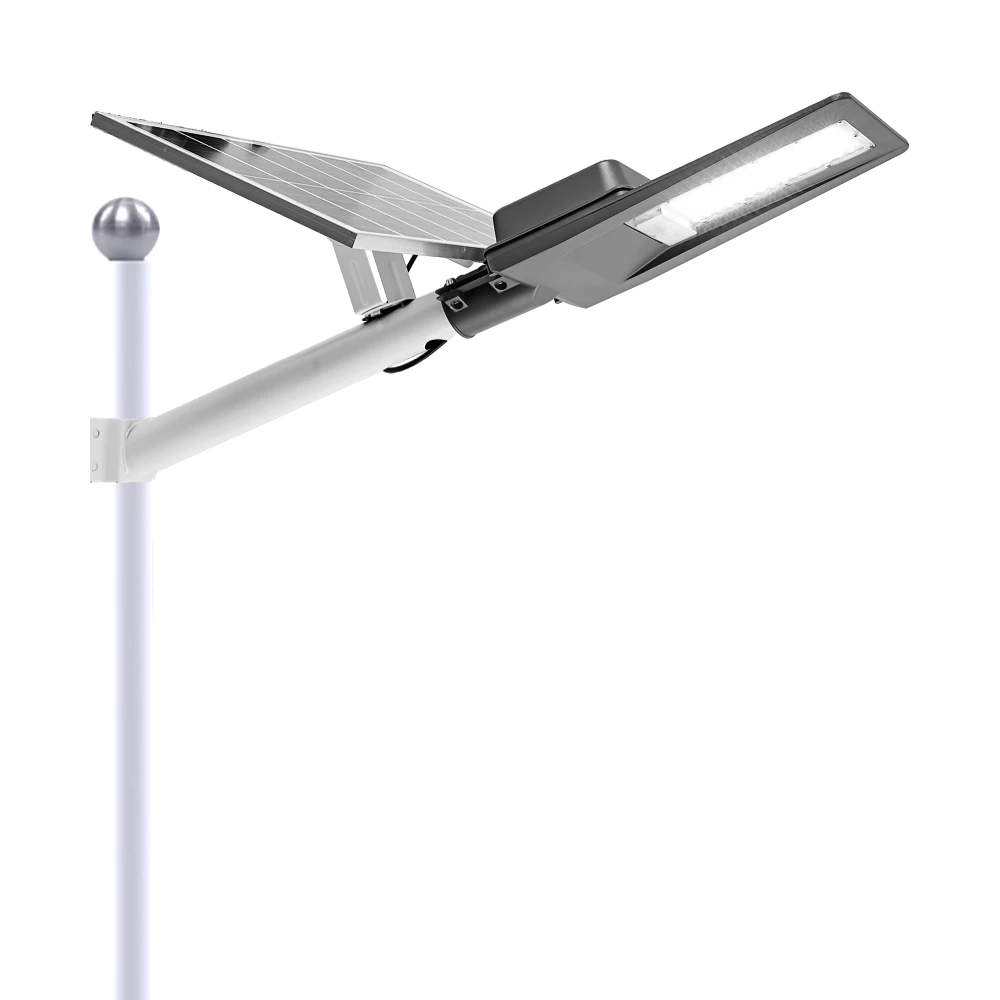
Experience reliable outdoor illumination with our smart solar street light, a perfect combination of advanced technology and eco-conscious design.
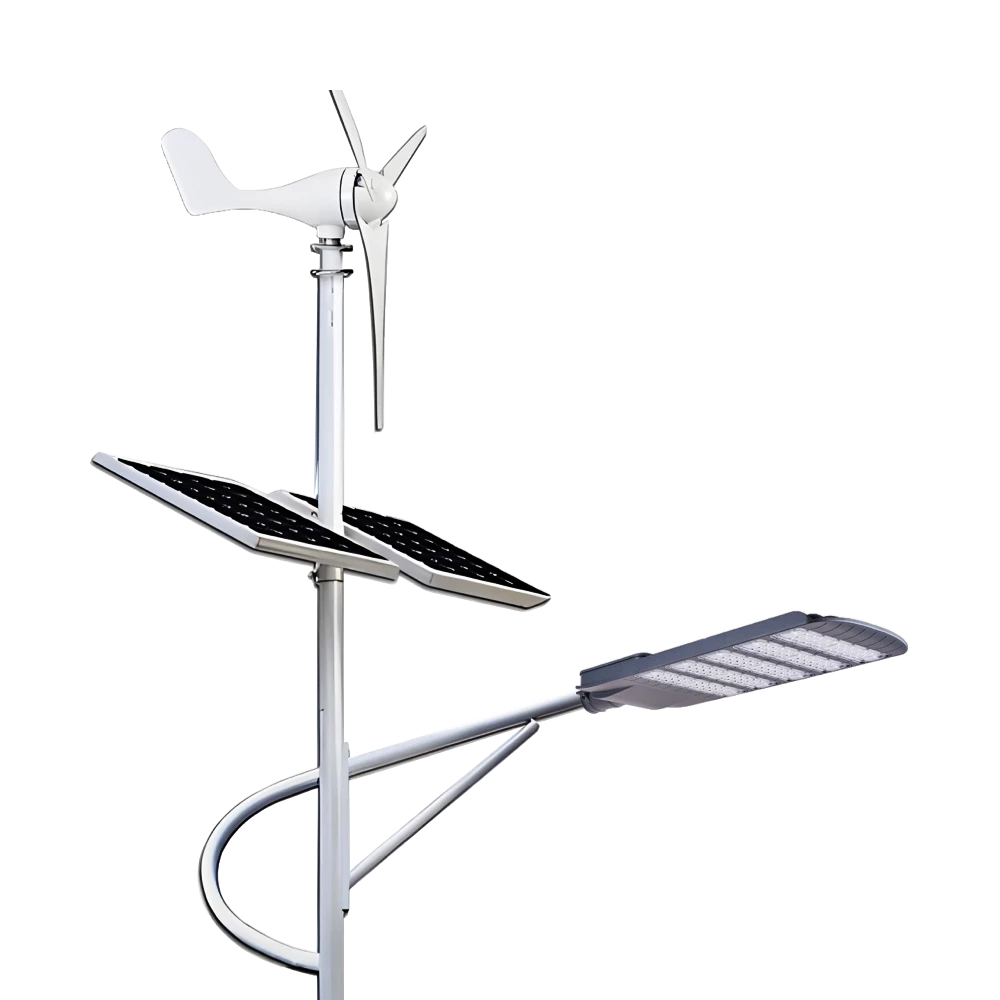
Queneng Lufeng Wind Energy LED Outdoor Solar Street Lights offer high-performance, eco-friendly illumination. These energy-efficient LED street lights harness solar power and wind energy for sustainable, cost-effective outdoor lighting solutions.
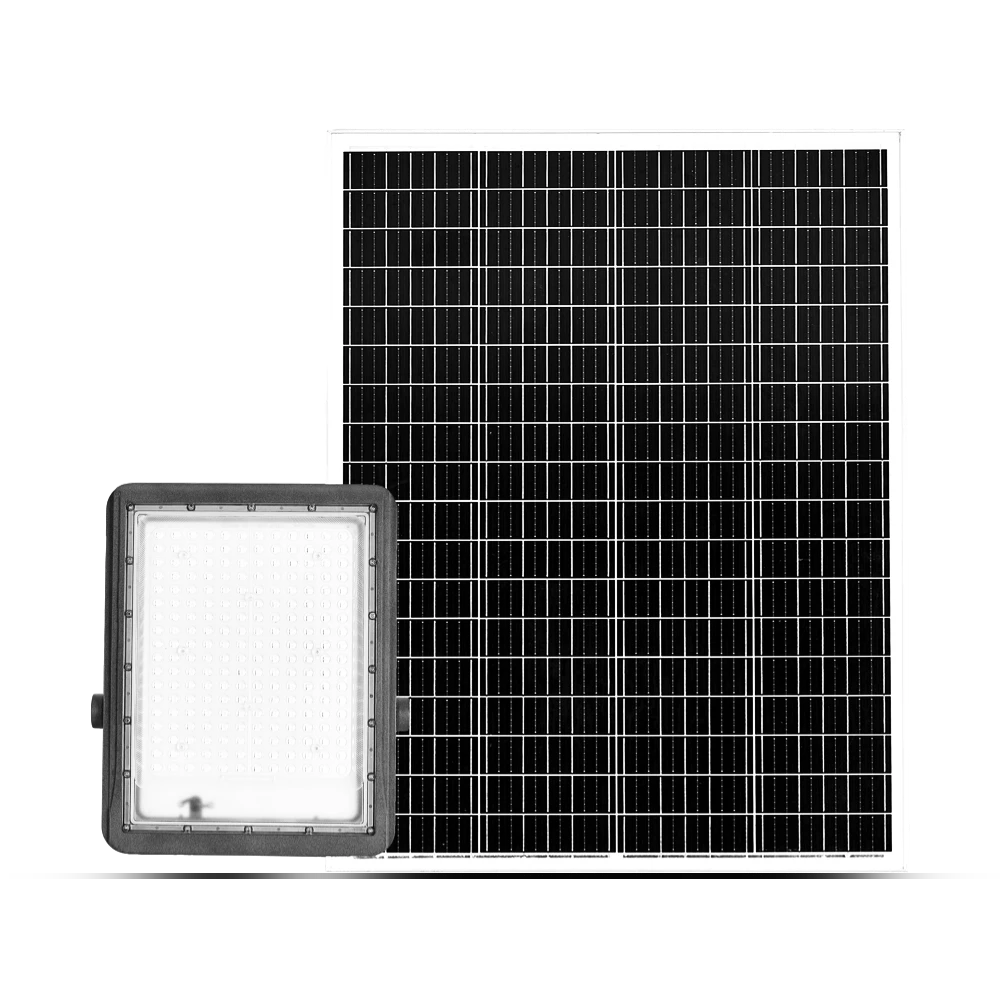
Queneng's Luxian Reliable Solar Street Light offers energy-saving LED lighting for outdoor use. This durable, solar-powered street light provides reliable illumination, reducing energy costs and environmental impact. A perfect solution for sustainable outdoor lighting.
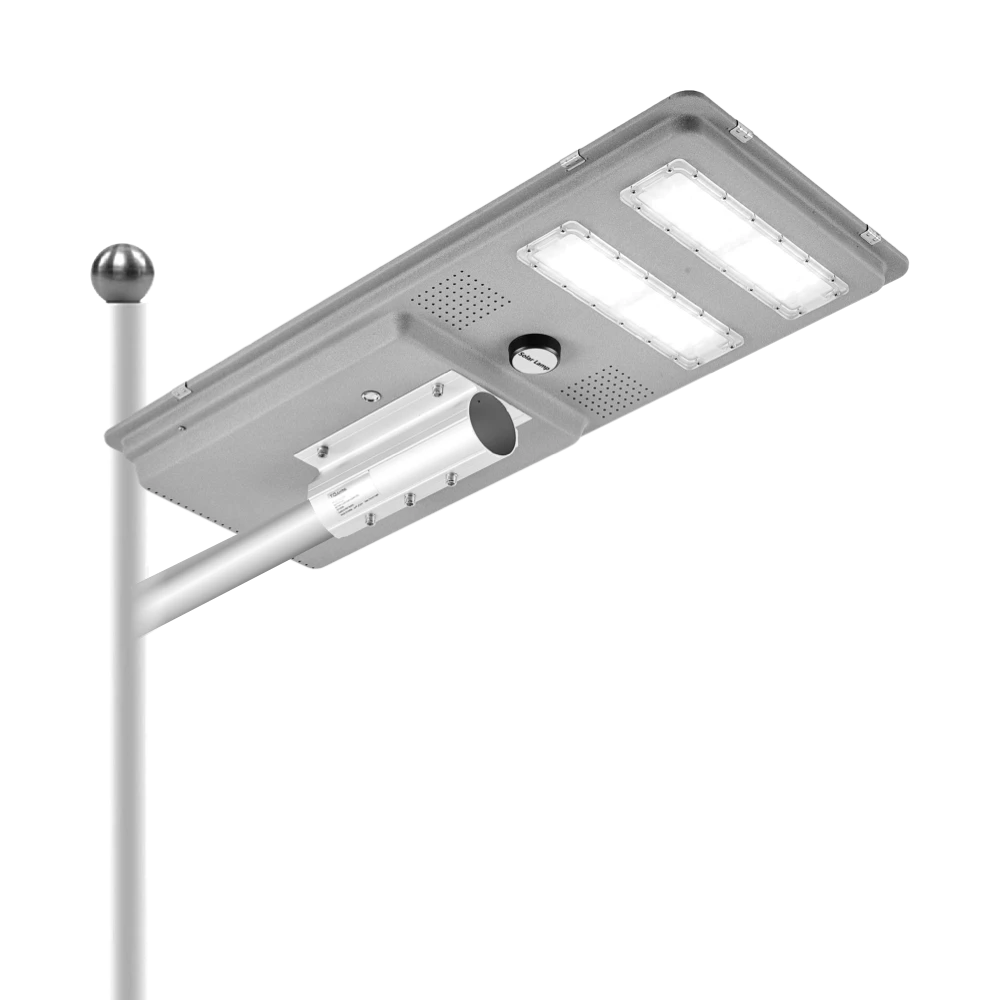
Queneng’s Solar Street Lights are designed to provide reliable, energy-efficient lighting for streets, parks, and other outdoor spaces.
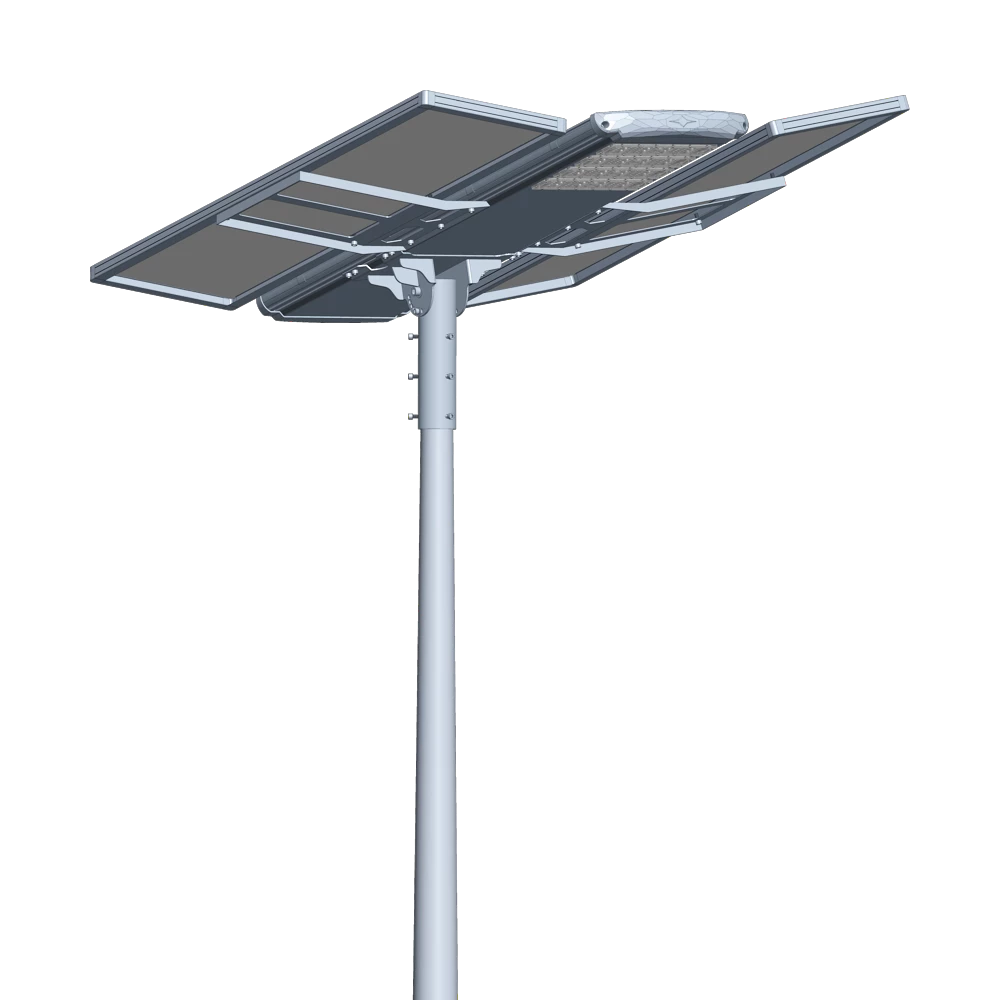
Introducing the Luqing Solar Street Light by Queneng, Efficient LED lighting powered by solar energy is perfect for illuminating outdoor areas. Harness the power of solar energy for sustainable, reliable street lighting. Ideal for eco-friendly, cost-effective outdoor illumination solutions.
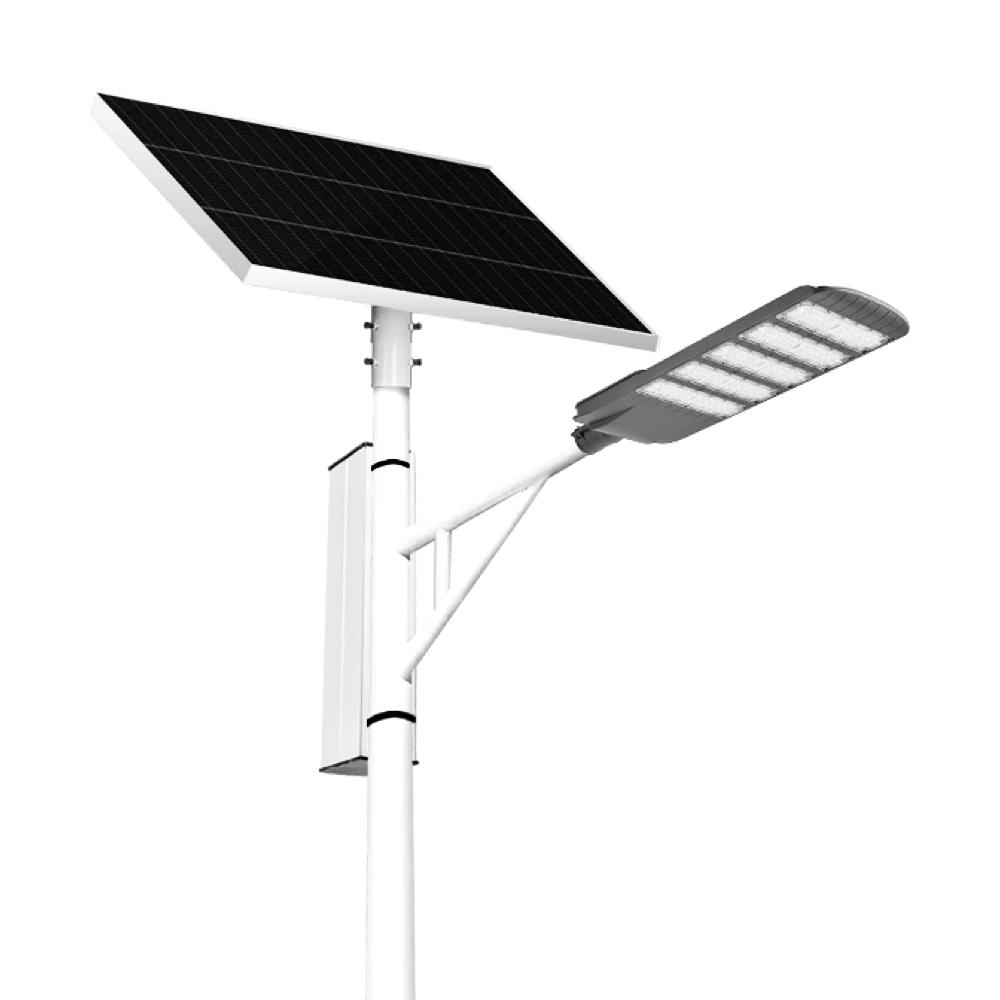
The Solar Streetlights of Luhao for Municipalities are designed to deliver reliable, energy-efficient, and cost-effective public lighting solutions. Equipped with advanced LED technology, durable lithium batteries, and high-efficiency solar panels, these streetlights provide consistent illumination for roads, parks, residential areas, and government projects.
Our professional team is ready to answer any questions and provide personalized support for your project.
You can reach us via phone or email to learn more about Queneng’s solar lighting solutions. We look forward to working with you to promote clean energy solutions!
Rest assured that your privacy is important to us, and all information provided will be handled with the utmost confidentiality.
By clicking 'Send Inquiry Now' I agree to Queneng processing my personal data.
To see how to withdraw your consent, how to control your personal data and how we process it, please see our Privacy Policy and Terms of use.
Schedule a Meeting
Book a date and time that is convenient for you and conduct the session in advance.
Have more questions about our products or services?
The messenger of light & power conversion
Environmental protection and intelligent manufacturing are our brand philosophy, and quality assurance and the best user experience are our eternal promises to users.
CONTACT
No.9F, Building F, Cao San Xin Tian Hong Logistics Park, Guzhen Town, Zhongshan City, Guangdong Province, China.
or write [email protected]
WhatsApp: +86 136 2270 1011


