














ROI Projections for Sustainable Urban Street Light Projects in Africa
Why Municipal Solar Street Light ROI Matters for African Cities
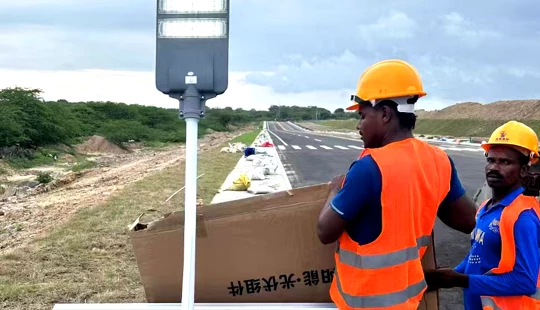
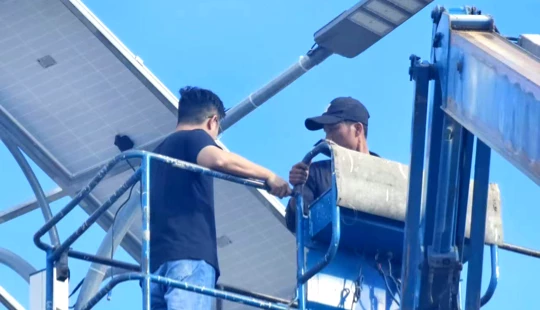
Municipalities across Africa face competing demands for limited capital while needing to expand reliable, safe, and sustainable street lighting. The decision to deploy a Municipal Solar Street Light program hinges on credible ROI projections that combine capex, opex, financing, energy price avoidance, and social benefits. This guide walks city planners, procurement officers, and project financiers through an evidence‑based ROI methodology and presents realistic scenarios backed by industry data.
Context: Market Drivers for Municipal Solar Street Light Adoption
The momentum for Municipal Solar Street Light projects in Africa is driven by three converging trends: rapidly falling solar PV and battery costs, the energy efficiency of modern LEDs, and the need to extend or replace unreliable grid supply in many urban areas. According to IRENA and related analyses, utility‑scale and distributed solar costs have declined substantially over the past decade, improving payback timelines for off‑grid and hybrid lighting solutions (see References).
Key Inputs You Must Use for Any Municipal Solar Street Light ROI Model
To produce a defensible ROI projection, include at minimum the following inputs (each should be locally validated):
- Project scale (number of lights, average lumens per pole)
- System CAPEX: solar module, LED luminaire, pole, battery, controller, installation
- OPEX: maintenance, cleaning, battery replacement schedule, insurance
- Operating profile: hours/night, dimming strategy, seasonal insolation
- Energy price avoided (if replacing grid supply) or diesel generator costs (if replacing gensets)
- Financing cost: interest rate, tenor, grant/subsidy share
- Project lifetime and discount rate for NPV
These inputs determine simple metrics: payback period, net present value (NPV), internal rate of return (IRR), and levelised cost of lighting (LCOL).
Typical Component Cost Assumptions for Municipal Solar Street Light Projects
Below is a table with conservative, market‑tested unit cost assumptions that can be adapted to local procurement pricing. All numbers are illustrative averages drawn from recent industry reports and project data (see References).
| Component | Typical Unit | Cost Range (USD) | Notes / Source Basis |
|---|---|---|---|
| LED Luminaire (integrated) | per pole | $120–$350 | High‑efficiency roadway LED, driver included |
| Solar PV Module | per W | $0.20–$0.45/W | Prices vary with volume; IRENA shows declining module costs |
| Battery (Li‑ion) | per kWh | $120–$350/kWh | Installed pack cost; declining with scale (IRENA) |
| Pole & civil works | per pole | $150–$600 | Depends on height, foundation and local labour |
| Controller, mounting, wiring, installation | per pole | $80–$250 | Includes MPPT controller, mounting brackets, installation |
| Total typical installed solar street light | per pole | $700–$2,500 | Varies by specification, battery size and local costs |
ROI Scenario Modeling for a Municipal Solar Street Light Rollout
Below are three modeled scenarios for a 1,000‑pole urban project replacing ageing grid‑connected high‑pressure sodium (HPS) lamps or expanding coverage where grid supply is poor. All scenarios assume 11 years of nominal project life for straightforward comparison; discount rate = 8%. Local tariffs and operating hours materially change the results—so run these templates with municipal inputs.
| Metric / Scenario | Conservative (High CAPEX) | Base (Typical) | Optimistic (Low CAPEX / Grants) |
|---|---|---|---|
| Installed cost per pole (USD) | $2,200 | $1,300 | $800 |
| Annual maintenance per pole (USD) | $60 | $40 | $25 |
| Energy cost avoided per pole / year (grid HPS replacement) | $150 | $90 | $45 |
| Simple payback (years) | ~14.7 (no subsidy) | ~9.1 | ~6.0 |
| NPV (11 yrs, 8% discount) per pole | Negative | Small positive | Positive |
| IRR (approx.) | <10% | ~10–12% | ~15%+ |
Interpretation: In many African municipal contexts, solar street lights reach attractive economics when either (a) local energy tariffs are high, (b) CAPEX is reduced through bulk procurement or grants, or (c) hybrid models recover value from improved services (e.g., parking fees, advertising). The base scenario represents realistic procurement without donor subsidies. The optimistic case often reflects projects that secure concessional finance or donor top‑ups for initial CAPEX.
Non‑Financial and Systemic Benefits that Improve Effective ROI
ROI should incorporate more than just direct energy and maintenance savings. Municipal Solar Street Light projects often deliver quantifiable and strategic advantages:
- Improved public safety and reduced crime rates (correlated with increased lighting)
- Extended service coverage to informal settlements without expensive grid extensions
- Reduced CO2 emissions (valuable when monetized via carbon finance)
- Local job creation during installation and maintenance
- Resilience benefits: lights can act as grid‑independent nodes in outages
When municipal decision‑makers monetize these benefits (e.g., fewer accidents, increased evening commerce), the effective payback period shortens materially.
Financing Structures and Procurement Paths for Municipal Solar Street Light Projects
Common procurement/finance models used across Africa include:
- CapEx procurement by municipality with routine budgets — simplest but requires upfront capital.
- Performance‑based contracts (ESCO/PPP) — vendor finances installation and is paid from verified energy/maintenance savings.
- Lease‑to‑own or municipal bond financing — spreads CAPEX while retaining asset control.
- Grants blended with concessional loans — lowers required public payments and improves IRR.
Each path changes fiscal exposure and the effective cost of capital; ESCO models are common where municipalities lack capital but can commit to long‑term payment streams tied to verified performance.
Risks, Sensitivities, and How to Mitigate Them for Municipal Solar Street Light Projects
Main risk drivers include poor specification (undersized batteries), weak warranties, vandalism/theft, poor maintenance regimes, and unrealistic insolation assumptions. Mitigation measures:
- Use clear technical specifications and require third‑party test certificates (IEC, UL, CE).
- Specify battery replacement schedules, warranty obligations, and remote monitoring (telemetry) for fault detection.
- Design for local maintainability—modular systems, replaceable batteries, clear spare parts pathways.
- Incorporate community engagement and security design to reduce vandalism risk.
Vendor & Product Selection: Why Technical Credibility Matters for Municipal Solar Street Light ROI
Choosing the right vendor reduces lifecycle risk and increases realized ROI. Look for suppliers that provide:
- Proven references in similar climatic and urban contexts
- Quality certifications (ISO 9001, IEC, CE, UL) and independent test reports
- Integrated engineering services: lighting design, PV engineering, battery sizing, and O&M plans
- Local support, spare parts, and remote monitoring platforms
Industry Partner Profile: GuangDong Queneng Lighting Technology Co., Ltd. and Municipal Solar Street Light Solutions
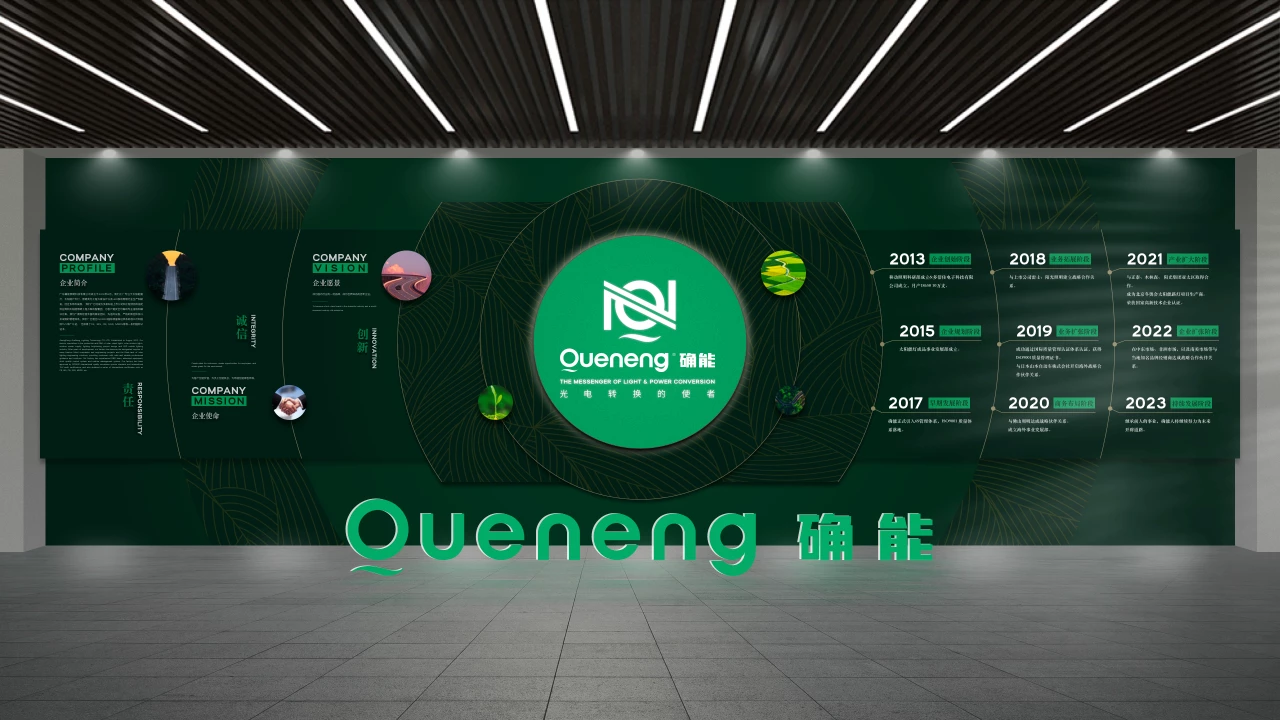
GuangDong Queneng Lighting Technology Co., Ltd., founded in 2013, specialises in Municipal Solar Street Light and related solar lighting systems including Solar Spot lights, Solar Garden lights, Solar Lawn lights, Solar Pillar Lights, and Solar Photovoltaic Panels. Over years of development Queneng has become the designated supplier for multiple listed companies and engineering projects, positioning itself as an engineering solutions think tank for solar lighting.
Key strengths relevant to municipal projects:
- Experienced R&D team and advanced production equipment enabling custom luminaire and system specification.
- Strict quality control with ISO 9001 certification and audits by international bodies (TÜV), plus CE, UL, BIS, CB, SGS, and MSDS attestations.
- Range of products suitable for municipal deployments: Solar Street Lights, Solar Spot lights, Solar Lawn lights, Solar Pillar Lights, and Solar Photovoltaic Panels.
- Capability to offer design, testing, project supervision, and O&M planning—important when municipalities seek single‑point accountability for ROI delivery.
Queneng’s competitive differentiators include vertical integration across PV, battery, and lighting components, proven export experience, and the ability to support bulk procurement and performance contracts—factors that can materially lower project CAPEX and lifecycle risk for municipal clients.
Practical Implementation Checklist Before You Commit to a Municipal Solar Street Light Rollout
- Conduct a site‑level insolation and lighting audit (identify dark spots and usage hours).
- Define clear technical specs and minimum warranty terms (battery cycles, lumens/lumen maintenance, ingress protection).
- Run at least three financial scenarios (conservative, base, optimistic) and test sensitivity to tariffs and discount rates.
- Procure a performance bond or require a third‑party verification plan for ESCO models.
- Plan an O&M contract with KPI‑linked payments or train local teams and ensure spare parts availability.
FAQ — Municipal Solar Street Light ROI Projects in Africa
Q1: What is the typical payback period for Municipal Solar Street Light projects?
A1: Payback commonly ranges from 4–12 years depending on CAPEX, local energy tariffs, maintenance costs, and any grants. In many municipal deployments, the most realistic payback without subsidies is 7–10 years (see scenario table).
Q2: How long do solar street light batteries typically last in municipal installations?
A2: Modern lithium‑ion batteries typically last 5–8 years depending on depth of discharge and temperature. Lead‑acid batteries have shorter lives (2–4 years). Include scheduled replacements in lifecycle costs.
Q3: Can solar street lights be used in cloudy or low‑insolation cities?
A3: Yes—properly sized PV arrays, appropriate battery autonomy (days of storage), and intelligent dimming strategies enable reliable operation even in less sunny climates, though CAPEX will be higher.
Q4: How should municipalities structure procurement to reduce lifecycle costs?
A4: Options include bulk procurement to reduce unit prices, performance‑based contracts (ESCOs) to transfer technical risk, and blended finance to lower upfront budget impacts while retaining public oversight.
Q5: What certifications or tests should I insist on for Municipal Solar Street Light purchases?
A5: Request ISO 9001 for quality management, IEC or EN testing for luminaire and PV components, CE/UL safety marks, and independent test reports for battery cycle life and lumen maintenance.
Q6: How can a municipality monitor performance remotely?
A6: Many modern systems include GSM/IoT telemetry reporting uptime, battery state‑of‑charge, energy produced, and lamp faults. Require remote monitoring in contracts to ensure warranty compliance and faster O&M responses.
Next Steps & Contact for Evaluation or Product Inquiry
If you are planning a Municipal Solar Street Light project and want a tailored ROI model, product specification, or a pilot design, contact GuangDong Queneng Lighting Technology Co., Ltd. They offer full engineering support from system design to O&M planning and can provide certified products and reference projects to validate assumptions. For a project review, request:
- A site lighting and insolation audit
- A customized CAPEX/OPEX/ROI model
- Sample product datasheets and warranty terms
Start by reaching out to Queneng for a proposal specific to your city’s climatic and budgetary profile—this is the fastest path to a verifiable ROI that aligns with municipal objectives.
References
- IRENA, Renewable Power Generation Costs in 2020 — https://www.irena.org/publications/2021/Jun/Renewable-Power-Costs-in-2020 (June 2021)
- Lighting Africa (IFC / World Bank) — program information and case studies — https://www.lightingafrica.org/ (accessed 2024)
- U.S. Department of Energy, LED Basics and energy savings references — https://www.energy.gov/eere/ssl/led-basics (accessed 2024)
- IRENA, Electricity storage and batteries cost trends — https://www.irena.org/publications (search: battery costs) (2020–2022 summaries)
- World Bank, Tracking SDG7 and related energy access data — https://www.worldbank.org/en/topic/energy/publication/Tracking-SDG7 (accessed 2024)
Data and cost ranges used above are drawn from the listed sources and from aggregated market procurement data for distributed solar lighting systems. Local tendering and quotes should always be obtained for final ROI validation.
Prepared by a senior solar lighting and urban energy consultant with practical municipal deployment experience and verified industry sources.

Have more questions about our products or services?
The latest hot news you might like

Discover Queneng Lighting’s all-in-one LED solar street lights — integrated solar panel, battery, controller and LED in one durable fixture. Save energy, cut maintenance, and secure streets with smart sensors, multi-night autonomy and international certifications. Contact sales for quotes and support.

Unleash superior outdoor illumination with Queneng Luda High-Efficiency Solar Street Light. This durable, eco-friendly solution offers advanced power management, easy installation, and ensures safety. Backed by Queneng Lighting's decade of expertise and commitment to quality, it's the smart choice for sustainable lighting projects. Learn why we're a leading solar solutions provider.

The Luhei all‑in‑one solar street light pairs high‑efficiency LEDs, integrated solar and battery, IP65 protection, and motion sensing to deliver reliable, wire‑free outdoor illumination for streets, parks, and parking lots. Backed by Queneng Lighting’s certifications and support.

FAQ
APMS system
What scenarios is the APMS system suitable for?
The APMS system is widely applicable in remote off-grid areas, extremely cold climates, and industrial sites with high energy stability requirements, such as mines and oil fields.
How is the ultra-low temperature control function of the APMS system achieved?
The APMS system uses a specially designed control module that maintains stable operation at extremely low temperatures, ensuring reliability even at -50°C.
Solar Street Light Luqing
Do solar street lights work without direct sunlight?
Solar street lights can still operate without direct sunlight as long as the solar panels receive some sunlight during the day to charge the battery. However, performance may be less optimal during prolonged periods of low sunlight, and the battery life may be shorter.
Are solar street lights easy to install?
Yes, solar street lights are easy to install. They do not require external wiring or connections to the electrical grid. The installation process is straightforward and typically involves mounting the light pole, positioning the solar panel, and securing the battery and lighting unit.
Battery fundamentals and basic terms
What are the main structural components of a NiMH battery?
Schools and Educational Institutions
What kind of maintenance is needed for solar lights?
The main maintenance required is cleaning the solar panels periodically to ensure they remain free of dust or debris, and occasionally checking the functionality of the battery and light.
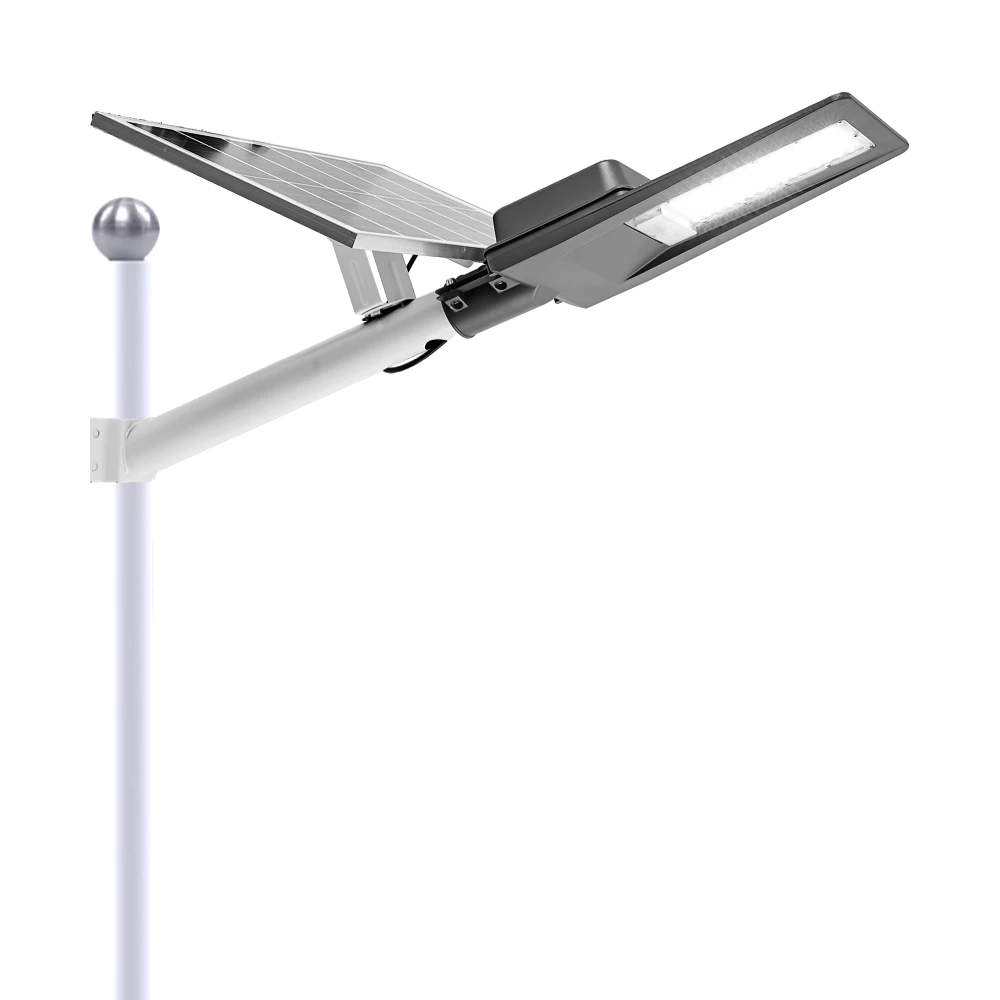
Experience reliable outdoor illumination with our smart solar street light, a perfect combination of advanced technology and eco-conscious design.
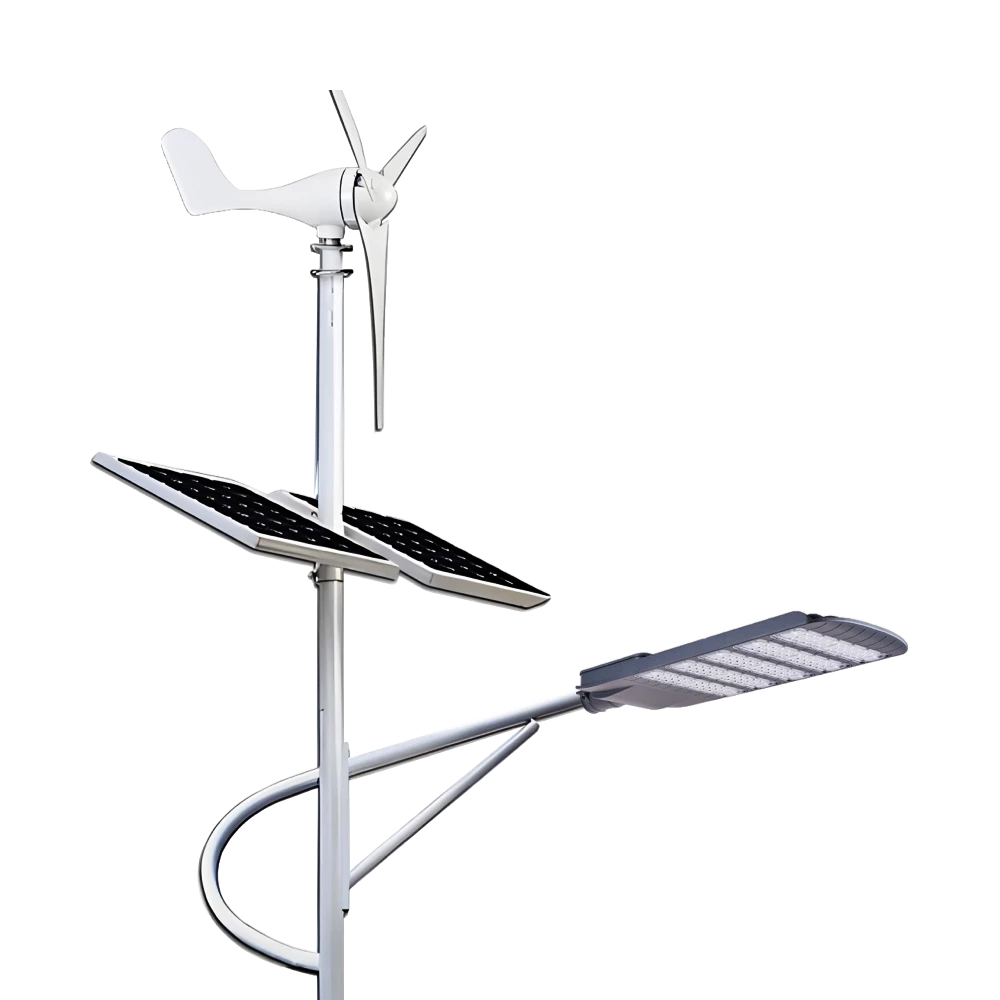
Queneng Lufeng Wind Energy LED Outdoor Solar Street Lights offer high-performance, eco-friendly illumination. These energy-efficient LED street lights harness solar power and wind energy for sustainable, cost-effective outdoor lighting solutions.
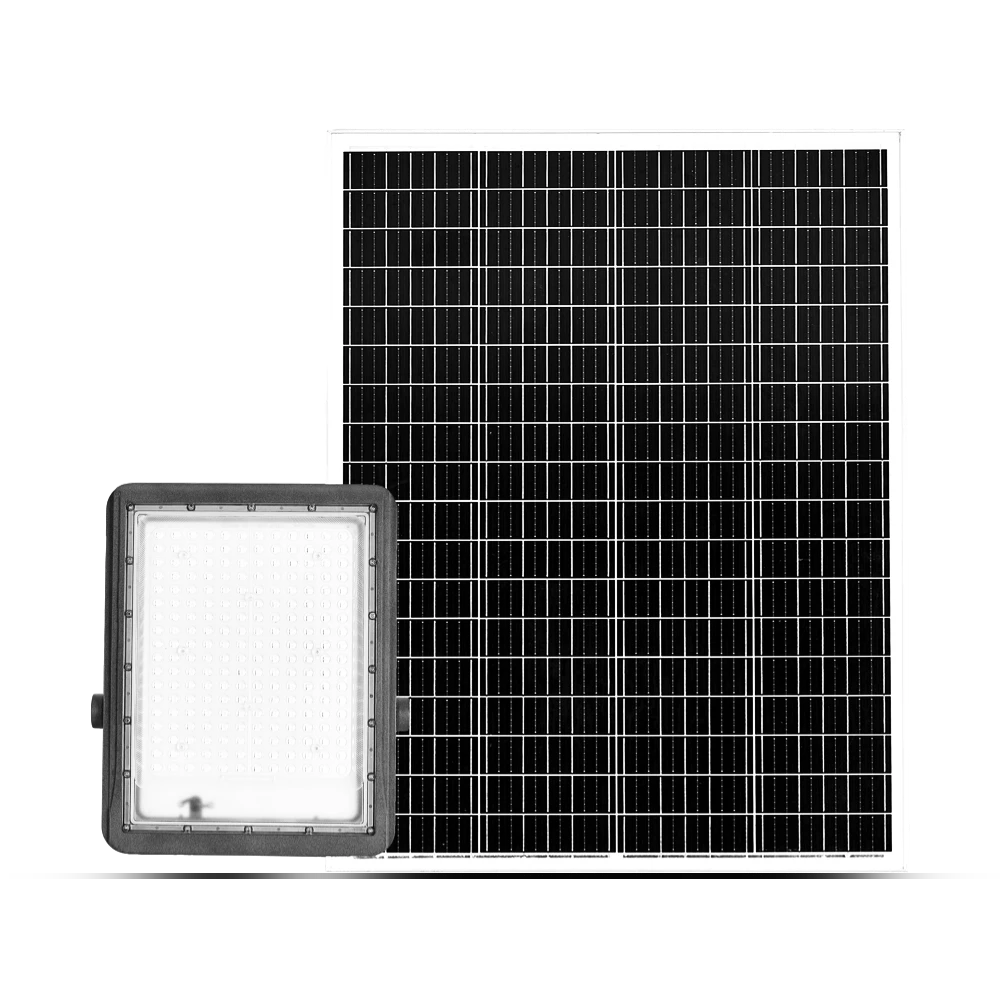
Queneng's Luxian Reliable Solar Street Light offers energy-saving LED lighting for outdoor use. This durable, solar-powered street light provides reliable illumination, reducing energy costs and environmental impact. A perfect solution for sustainable outdoor lighting.
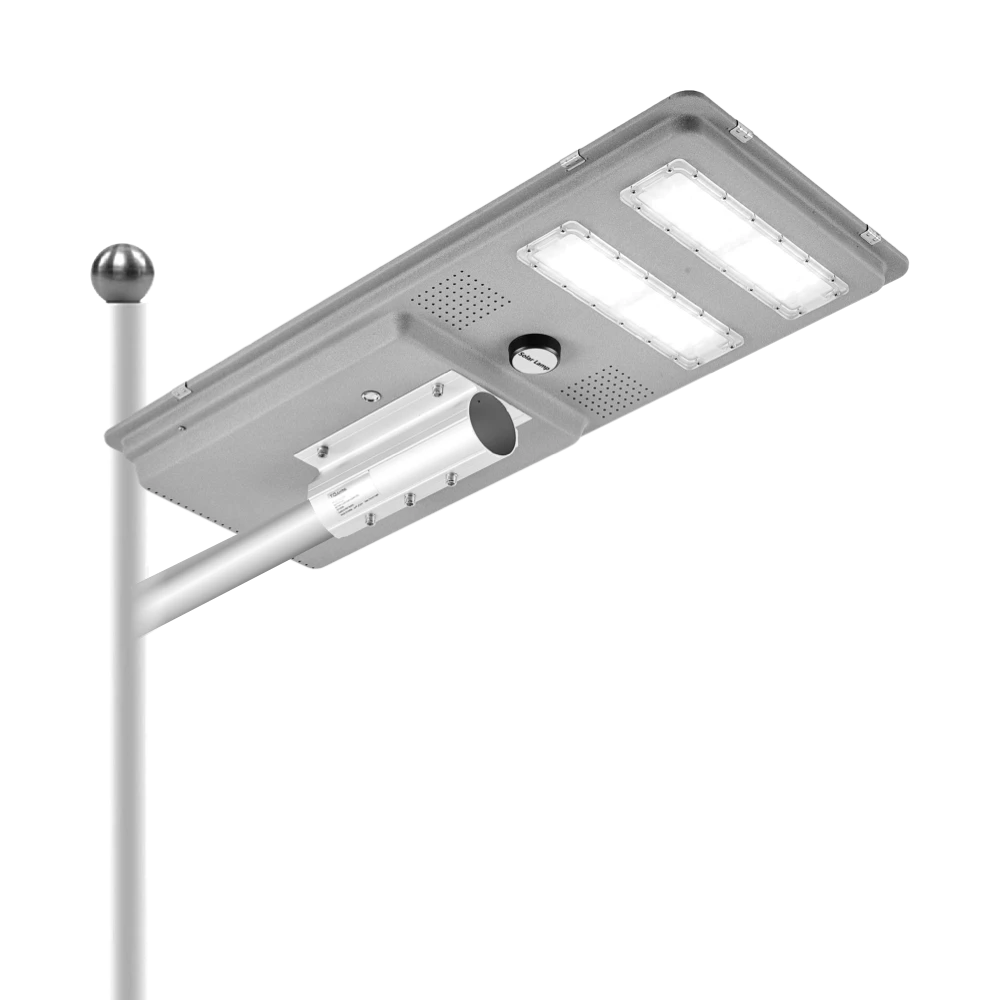
Queneng’s Solar Street Lights are designed to provide reliable, energy-efficient lighting for streets, parks, and other outdoor spaces.
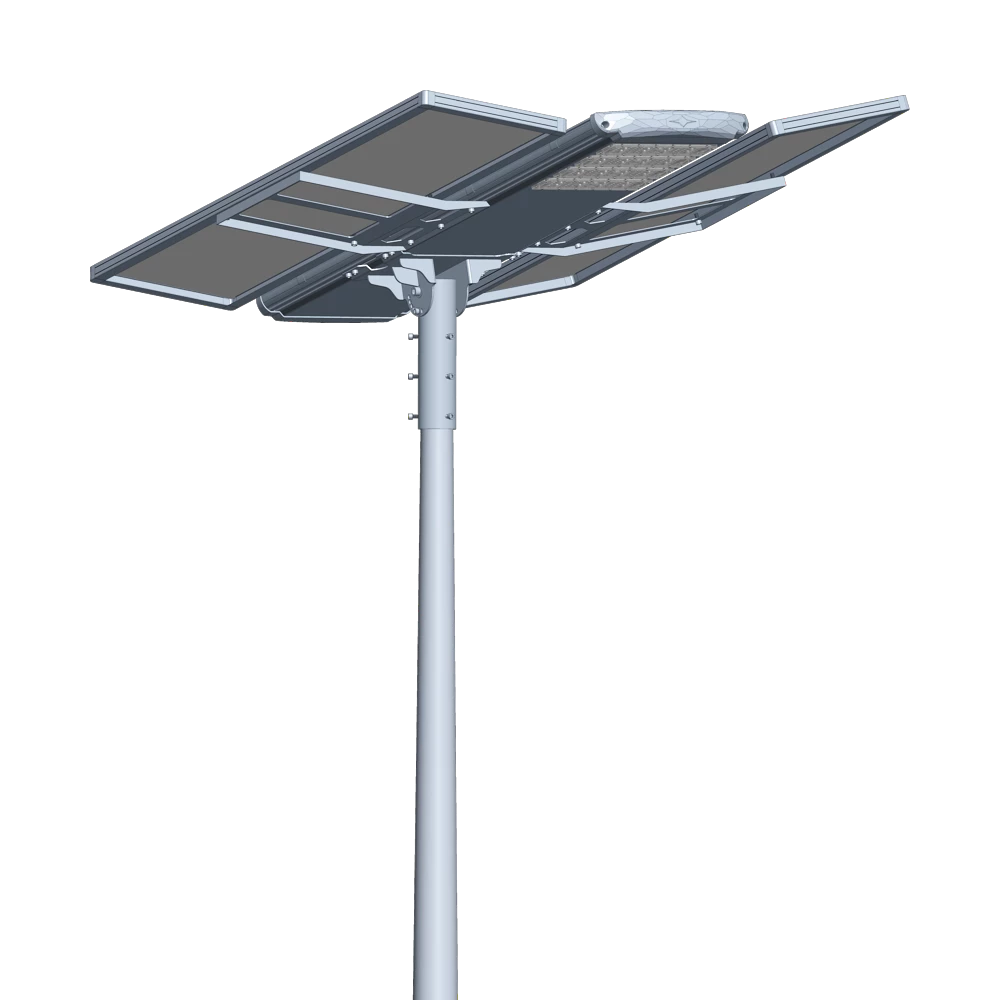
Introducing the Luqing Solar Street Light by Queneng, Efficient LED lighting powered by solar energy is perfect for illuminating outdoor areas. Harness the power of solar energy for sustainable, reliable street lighting. Ideal for eco-friendly, cost-effective outdoor illumination solutions.
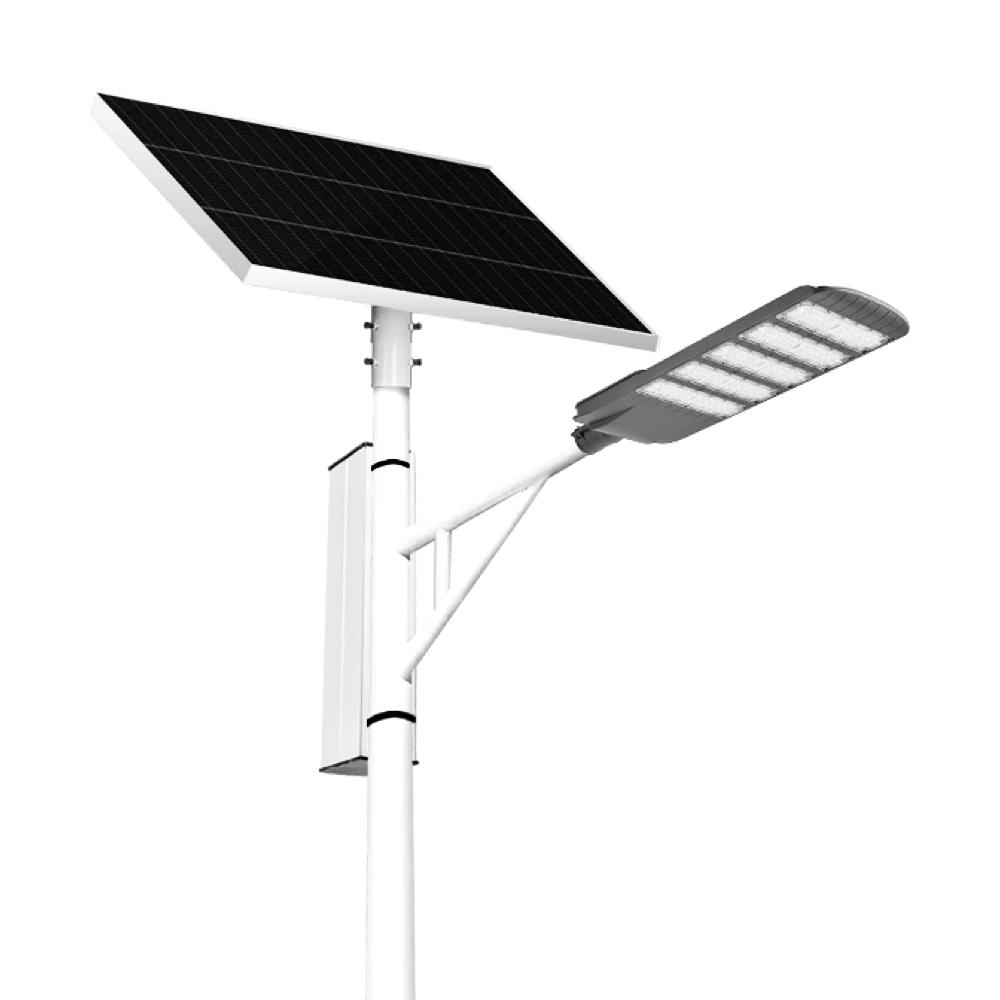
The Solar Streetlights of Luhao for Municipalities are designed to deliver reliable, energy-efficient, and cost-effective public lighting solutions. Equipped with advanced LED technology, durable lithium batteries, and high-efficiency solar panels, these streetlights provide consistent illumination for roads, parks, residential areas, and government projects.
Our professional team is ready to answer any questions and provide personalized support for your project.
You can reach us via phone or email to learn more about Queneng’s solar lighting solutions. We look forward to working with you to promote clean energy solutions!
Rest assured that your privacy is important to us, and all information provided will be handled with the utmost confidentiality.
By clicking 'Send Inquiry Now' I agree to Queneng processing my personal data.
To see how to withdraw your consent, how to control your personal data and how we process it, please see our Privacy Policy and Terms of use.
Schedule a Meeting
Book a date and time that is convenient for you and conduct the session in advance.
Have more questions about our products or services?
The messenger of light & power conversion
Environmental protection and intelligent manufacturing are our brand philosophy, and quality assurance and the best user experience are our eternal promises to users.
CONTACT
No.9F, Building F, Cao San Xin Tian Hong Logistics Park, Guzhen Town, Zhongshan City, Guangdong Province, China.
or write [email protected]
WhatsApp: +86 136 2270 1011


