

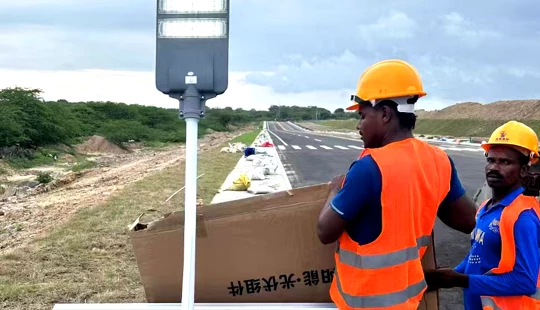
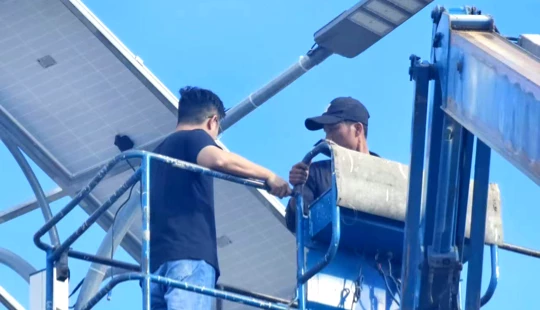













ROI Analysis of Solar vs Hybrid Municipal Lighting Schemes
Evaluating Long-Term Value of Municipal Lighting Investments
Why Municipal Solar Street Light ROI Matters
Municipalities considering upgrades to public lighting face competing priorities: reduce operating costs, improve public safety, increase resiliency, and meet sustainability goals. The keyword concern—Municipal Solar Street Light—appears in projects from small towns to large cities because solar offers the potential to eliminate energy bills, reduce grid dependence, and accelerate carbon reductions. But decision-makers need more than marketing claims: they need credible ROI analysis that includes capital cost, operating cost, reliability, lifetime, and non-energy benefits. This section frames the analytical approach used throughout the article.
Core metrics and definitions for comparing schemes (Municipal Solar Street Light)
- CAPEX: initial capital cost per pole including fixture, pole, foundation, civil works, and installation.
- OPEX: annual operating expenditures (energy cost, maintenance, cleaning, battery replacement, management).
- Payback Period: years until cumulative net savings equal initial CAPEX.
- Net Present Value (NPV) & Internal Rate of Return (IRR): standard financial metrics adjusted for municipal discount rate.
- Levelized Cost of Lighting (LCOL): total lifecycle cost divided by useful lumen-hours or service years — useful when comparing different lifetimes.
Comparative Framework: Grid LED vs Municipal Solar Street Light vs Hybrid Schemes
Before calculating ROI, you must compare technical architectures and real-world implications:
- Grid LED (centralized): LED luminaires powered by the utility. Lower fixture cost but ongoing electricity charges, vulnerability to outages, and potential high trenching/installation costs.
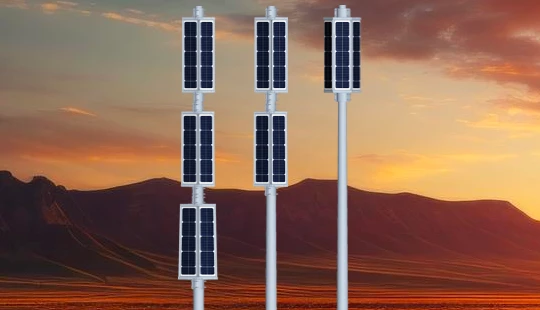
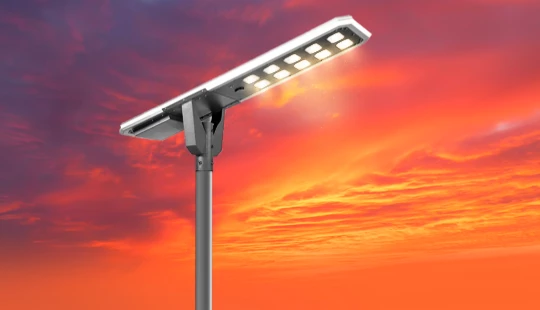
- Municipal Solar Street Light (standalone solar): integrated PV + battery + LED at each pole. Higher per-pole CAPEX but reduced or zero energy bills, easier deployment in off-grid areas, and resilience during grid outages.
- Hybrid (grid-tied + solar backup): grid supplies primary power with solar and battery providing partial offset and outage backup. Balances CAPEX and resilience and may ease local permitting.
Key trade-offs to evaluate (Municipal Solar Street Light)
Important trade-offs include CAPEX vs OPEX, lifetime and replacement cycles (especially batteries), maintenance logistics (centralized vs distributed), local insolation and climate impacts, vandalism/theft risk, and financing/ownership models (CAPEX purchase, ESCOs, concessions).
Representative Scenario: 1,000-Pole Project Calculation
To make ROI tangible, we present an illustrative, reproducible scenario. These assumptions are conservative and based on industry reports and supplier data trends; replace them with local quotes for procurement decisions.
| Parameter | Grid LED | Municipal Solar Street Light | Hybrid (Solar + Grid) |
|---|---|---|---|
| Poles | 1,000 | ||
| Average LED load | 60 W | 60 W (LED on solar pole) | 60 W |
| Average operating hours/night | 12 | ||
| CAPEX per pole (fixture + installation) | $750 | $1,800 (PV + battery + fixture + pole) | $1,200 |
| Annual energy cost (per pole) | $31 (at $0.12/kWh) | $0–$10 (depending on maintenance; assume $5) | $15 |
| Annual maintenance (per pole) | $10 | $25 (cleaning, battery management) | $18 |
| Battery replacement (average) | — | $200 every 6 years | $150 every 6 years |
| Expected design life | 12 years | 12 years (solar module 25+ years but balance of system replaces parts) | 12 years |
Notes: numbers above are illustrative—actual CAPEX and OPEX vary by country, labor costs, and component quality. The table demonstrates how to organize inputs for NPV and payback calculations.
Scenario Results (simple payback, undiscounted)
Aggregate initial CAPEX: Grid LED = $750k; Solar = $1.8M; Hybrid = $1.2M.
Annual OPEX (energy + maintenance, excluding battery replacements amortized): Grid LED ≈ $41k; Solar ≈ $30k; Hybrid ≈ $33k.
Annual net energy cost savings (Solar vs Grid) ≈ $36k in year 1 (grid energy avoided). Simple payback for Solar = CAPEX difference / annual savings = ($1,800k - $750k) / $36k ≈ 29 years (underscoring the importance of local parameters and incentives).
Important caveat: this simple illustration omits subsidies, demand charges, avoided network upgrade costs, carbon pricing, crime reduction, and social benefits. When these are included, the economics often improve dramatically. Financing models (e.g., third-party ownership, municipal bonds, ESCO performance contracts) can also alter payback timing.
Why the Wide Variation? Sensitivity Analysis for Municipal Solar Street Light Projects
ROI sensitivity is driven primarily by three variables:
- Local electricity price: higher grid tariffs accelerate solar payback.
- Solar resource (insolation): better sun means smaller PV and battery sized for same reliability, lowering CAPEX.
- Financing and incentives: grants, net metering, tax incentives, or concessional finance shorten payback.
| Sensitivity | Effect on Payback (direction) |
|---|---|
| Electricity price +50% | Reduces payback by ~40–60% |
| Insolation +20% | Reduces PV size, lowers CAPEX by ~10–15% |
| Battery cost -30% | Reduces lifecycle OPEX and replacement costs materially |
Sources documenting these directional impacts include International Energy Agency (declining solar costs), BloombergNEF (battery cost declines), and World Bank/Lighting Africa project reports on program-level economics. See references below for direct links.
Non-Energy Benefits: Why ROI Should Be Broader Than Dollars Saved
Municipal planners must quantify non-energy benefits that materially affect project value:
- Resilience: solar lighting continues during grid outages; hybrid systems provide graded resilience. This is critical for disaster-prone jurisdictions.
- Safety and economic development: better-lit streets reduce crime and improve commercial activity; studies show pedestrian and business benefits after lighting upgrades.
- Avoided infrastructure: solar avoids trenching and long cable runs where grid extension is costly.
- Environmental and political value: emission reductions, progress toward climate targets, and public visibility of sustainability efforts.
Monetizing non-energy benefits
When municipalities internalize resilience (costs avoided during outages), reduced crime, and economic uplift, the effective payback improves. Use local values (police reports, economic activity data) to quantify these benefits for a more accurate ROI.
Procurement, Quality and Lifecycle Risk Management for Municipal Solar Street Light Projects
ROI is tightly correlated with procurement quality. Key practices to protect ROI:
- Specify system-level performance (lumens delivered, autonomy days, IP/IK ratings, warranty) rather than only component cost.
- Require third-party testing and certifications (PVIEC/IEC, CE, UL where applicable) and Lab test reports for components.
- Include lifecycle service agreements or performance-based contracts (ESCOs) to transfer maintenance and performance risk.
- Plan for battery replacement and establish a sinking fund for mid-life component swaps.
Case studies show underperforming systems are usually the result of underspecified batteries, poor mounting/tilt for PV, or lack of maintenance budget — all avoidable through procurement discipline.
Hybrid Approaches: When Hybrid Municipal Solar Street Light Schemes Make Sense
Hybrid systems are often the pragmatic middle ground in urban or peri-urban areas where reliability is critical and pure solar CAPEX is prohibitive. Hybrid design options include:
- Grid-first with solar-battery backup for outage hours.
- Grid-solar sharing via DC microgrids that reduce battery sizing through load sharing.
- Smart control: daylight harvesting, dimming schedules, and remote monitoring to optimize battery cycling and extend component life.
Hybrid systems typically lower upfront CAPEX vs full solar by relying on grid during high-load periods, while providing partial energy savings and reliability. ROI analysis must reflect tariff structures (time-of-use, demand charges) and outage probabilities.
Procurement and Financing Options to Improve ROI (Municipal Solar Street Light)
Options to improve financial viability:
- Grants and concessional finance from development banks (World Bank, GEF) or climate funds.
- Energy Service Company (ESCO) contracts that provide lighting-as-a-service and shift CAPEX off municipal balance sheets.
- Public-private partnerships where suppliers provide O&M for a term in exchange for availability payments.
Vendor selection should prioritize warranties, service networks, and verifiable track records. Insist on measurement & verification (M&V) clauses and remote monitoring to ensure performance guarantees are met.
GuangDong Queneng Lighting Technology Co., Ltd. — How an Experienced Supplier Shapes ROI
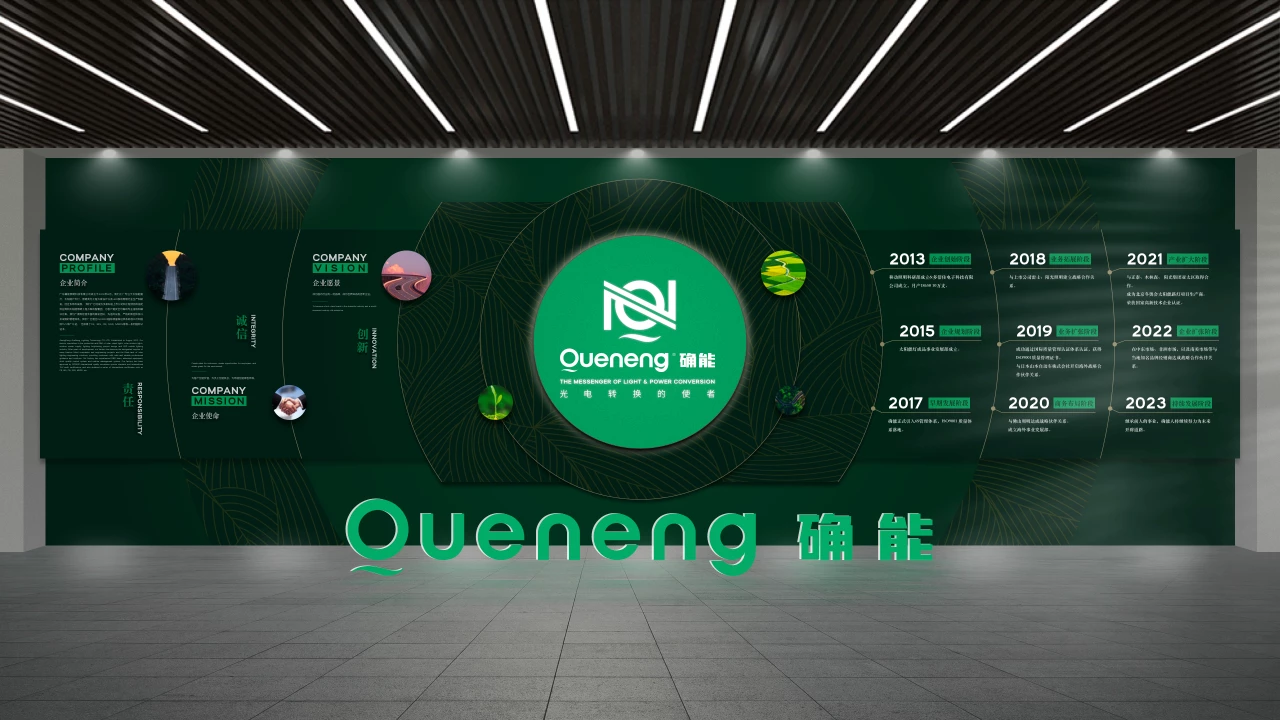
GuangDong Queneng Lighting Technology Co., Ltd. (founded in 2013) focuses on solar street lights and a portfolio of solar outdoor lighting and PV products. For municipalities, selecting an experienced supplier like Queneng can reduce lifecycle risk through:
- Integrated solutions: Solar Street Lights, Solar Spot lights, Solar Garden Lights, Solar Lawn lights, Solar Pillar Lights, and Solar Photovoltaic Panels—paired with design and installation expertise to optimize system sizing and reduce unnecessary CAPEX.
- Project experience: designated supplier for listed companies and engineering projects, acting as a solar lighting engineering solutions think tank for system-level guidance.
- Quality and compliance: ISO 9001 quality system, TÜV audits and international certifications including CE, UL, BIS, CB, SGS, MSDS—helping assure product reliability and easing procurement acceptance.
- Technical capability: experienced R&D team, advanced equipment and strict quality control to tailor solutions to local insolation and vandalism risk, improving service life and ROI.
Working with a supplier who offers both hardware and project engineering reduces specification mismatch risks (e.g., undersized PV, poor battery selection, incorrect mounting) that commonly erode ROI in the field.
Practical Recommendations for Municipal Decision Makers
- Run a local sensitivity analysis: test grid tariff, insolation, CAPEX quotes, and battery life—don’t rely on generic numbers.
- Include non-energy benefits in your business case: resilience, avoided network upgrades, safety, and emissions reductions.
- Procure for whole-system performance and require certifications and M&V. Include spare parts and mid-life battery replacement in lifecycle costing.
- Consider hybrid designs in grid-connected urban areas; prefer full solar in off-grid or high-tariff locations.
- Explore financing models—ESCO, grants, PPPs—to improve upfront affordability and transfer maintenance risk.
FAQ — Common Questions about Municipal Solar Street Light ROI
1. What is the typical payback period for a Municipal Solar Street Light project?
There is no single answer; payback commonly ranges from 3–20+ years depending on electricity prices, solar resource, CAPEX, incentives, and whether non-energy benefits are included. Conduct local sensitivity analysis to determine the realistic range for your municipality.
2. How long do solar street light batteries last and how does replacement affect ROI?
Battery life typically ranges from 4–10 years depending on chemistry and depth-of-discharge. Battery replacements are a major lifecycle cost—include replacement schedules and a sinking fund in financial models. Advances in lithium battery costs and cycles are improving lifetime economics (see references).
3. Are municipal solar street lights reliable in cloudy or winter climates?
Yes, with appropriate oversizing, autonomy days, and battery management. Hybrid systems or larger batteries may be advisable in low-insolation regions. Effective design uses local solar resource data to size PV and battery correctly.
4. Should a city choose a pure solar or hybrid approach?
Choose pure solar where grid access is limited or tariffs are high and resilience is a priority. Hybrid approaches are often better in urban areas with reliable grids but where occasional outages or demand charges justify partial solar. Perform scenario modeling to decide.
5. How do I ensure a project delivers promised ROI?
Procure based on functional performance, require third-party testing/certifications, include performance guarantees and M&V, and select suppliers with demonstrated project experience and after-sales support. Consider ESCO or performance-contracting to align incentives.
6. What financing or incentives are typically available to improve ROI?
Options include development bank loans, climate funds, national incentive programs for renewables, municipal green bonds, and private financing via ESCOs. Incentives and concessional finance can materially shorten payback.
For tailored ROI analysis, procurement templates, or to evaluate supplier proposals, contact a qualified lighting engineering partner.
Contact & Call to Action
If you’re planning a Municipal Solar Street Light project and need a detailed ROI model, procurement support, or turnkey engineering and supply, contact GuangDong Queneng Lighting Technology Co., Ltd. We provide design, product supply, and project-level consulting for solar street lights, solar spot lights, solar garden lights, solar lawn lights, solar pillar lights, and solar photovoltaic panels. Our certifications (ISO 9001, TÜV, CE, UL, BIS, CB, SGS, MSDS) and project experience help protect your investment and improve ROI. Request a project consultation or download product datasheets from Queneng to get started.
References
- International Energy Agency (IEA) — Solar PV report, data and analysis on cost declines and deployment trends. https://www.iea.org/reports/solar-pv (accessed 2025-06-01).
- BloombergNEF — Analysis of battery price declines and implications for storage economics. https://about.bnef.com/ (accessed 2025-06-01).
- World Bank / Lighting Africa — Program results and guidance on off-grid lighting economics. https://www.lightingafrica.org/ (accessed 2025-06-01).
- U.S. Department of Energy — Solid-State Lighting & streetlighting resources (technical guidance on LEDs and controls). https://www.energy.gov/eere/ssl/solid-state-lighting (accessed 2025-06-01).
- IEA Photovoltaic Power Systems Programme (IEA PVPS) — Technical reports on PV module reliability and system design considerations. https://iea-pvps.org/ (accessed 2025-06-01).
Data in this article are illustrative and intended for planning and comparative purposes; replace scenario inputs with local bids and insolation data for procurement. For a custom ROI model and detailed BOM review, contact GuangDong Queneng Lighting Technology Co., Ltd.

Have more questions about our products or services?
The latest hot news you might like

Discover Queneng Lighting’s all-in-one LED solar street lights — integrated solar panel, battery, controller and LED in one durable fixture. Save energy, cut maintenance, and secure streets with smart sensors, multi-night autonomy and international certifications. Contact sales for quotes and support.

Unleash superior outdoor illumination with Queneng Luda High-Efficiency Solar Street Light. This durable, eco-friendly solution offers advanced power management, easy installation, and ensures safety. Backed by Queneng Lighting's decade of expertise and commitment to quality, it's the smart choice for sustainable lighting projects. Learn why we're a leading solar solutions provider.

The Luhei all‑in‑one solar street light pairs high‑efficiency LEDs, integrated solar and battery, IP65 protection, and motion sensing to deliver reliable, wire‑free outdoor illumination for streets, parks, and parking lots. Backed by Queneng Lighting’s certifications and support.

FAQ
Solar Street Light Luhui
Can Luhui solar street lights be controlled remotely?
Certain models of Luhui solar street lights come with smart control features, allowing users to remotely monitor and adjust settings such as brightness levels and operational times via mobile apps or centralized systems.
Batteries and the environment
What is a green battery?
Solar Street Light Luqing
What kind of battery is used in Luqing solar street lights?
Luqing solar street lights typically use lithium-ion batteries, known for their efficiency, long life, and ability to handle high numbers of charge cycles compared to other battery types like lead-acid.
Public Gardens and Landscape Lighting
Can solar lights be customized for specific landscaping needs?
Yes, we offer customizable solar lighting solutions to meet the unique needs of different landscaping projects. From adjusting the brightness to selecting the appropriate lighting style and design, we can tailor our products to fit your vision.
Solar Street Light Lufei
Can solar street lights be connected to the electrical grid?
Most solar street lights are designed to operate independently of the electrical grid, but some models offer hybrid systems that allow for grid connection as a backup during extended periods of low sunlight.
OEM&ODM
What is the lead time for OEM production?
15–25 working days depending on order volume and customization level.
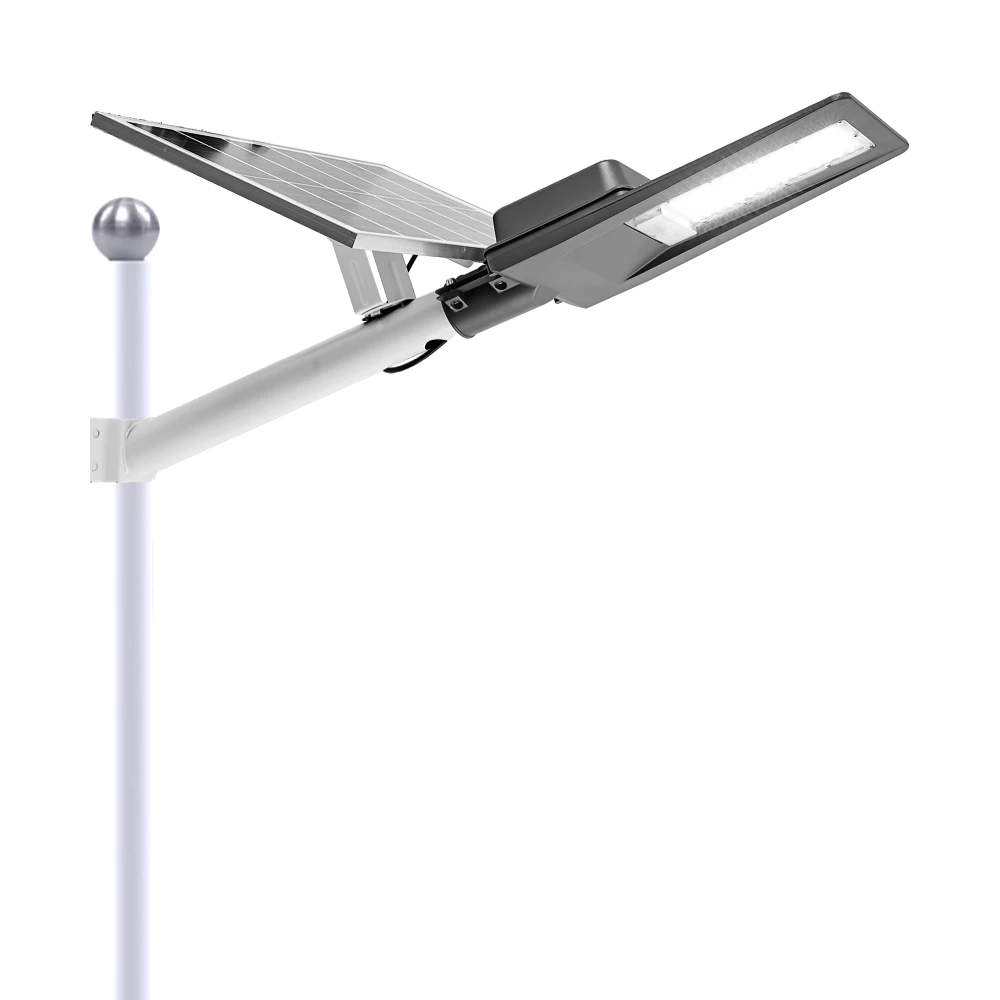
Experience reliable outdoor illumination with our smart solar street light, a perfect combination of advanced technology and eco-conscious design.
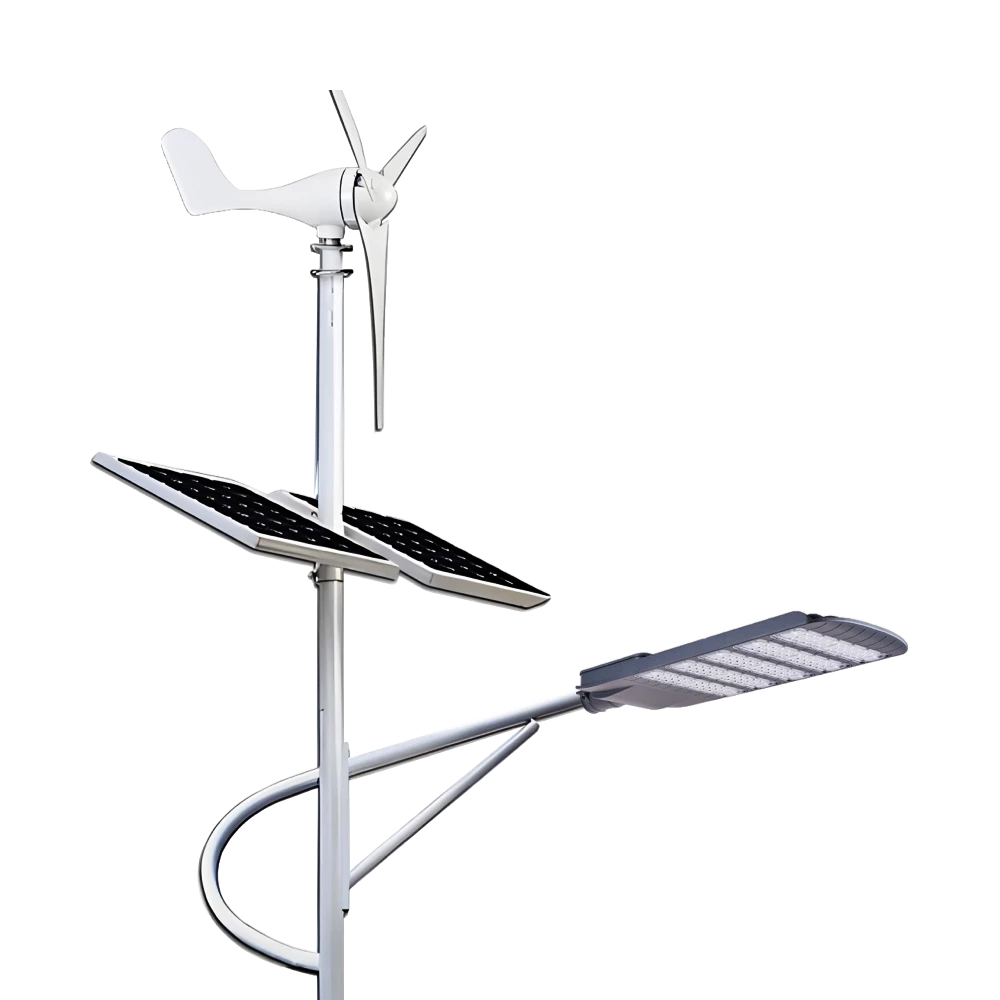
Queneng Lufeng Wind Energy LED Outdoor Solar Street Lights offer high-performance, eco-friendly illumination. These energy-efficient LED street lights harness solar power and wind energy for sustainable, cost-effective outdoor lighting solutions.
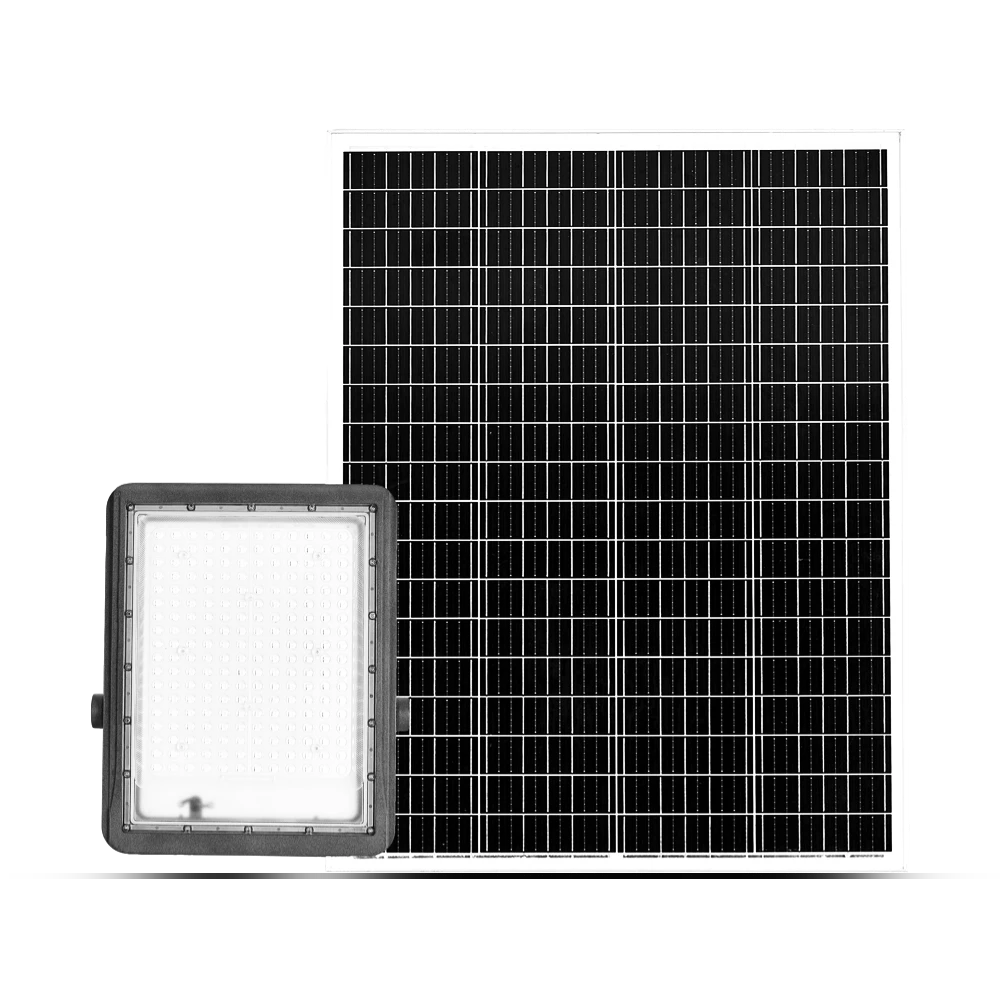
Queneng's Luxian Reliable Solar Street Light offers energy-saving LED lighting for outdoor use. This durable, solar-powered street light provides reliable illumination, reducing energy costs and environmental impact. A perfect solution for sustainable outdoor lighting.
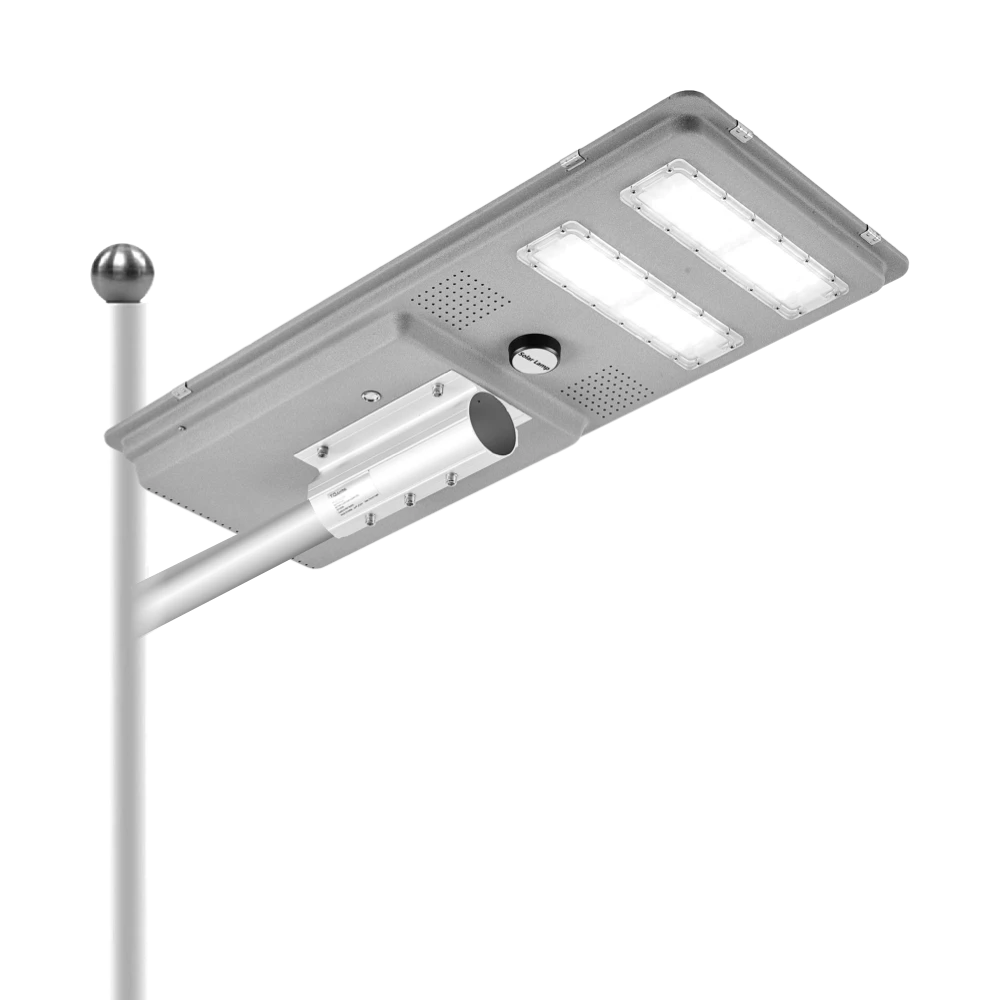
Queneng’s Solar Street Lights are designed to provide reliable, energy-efficient lighting for streets, parks, and other outdoor spaces.
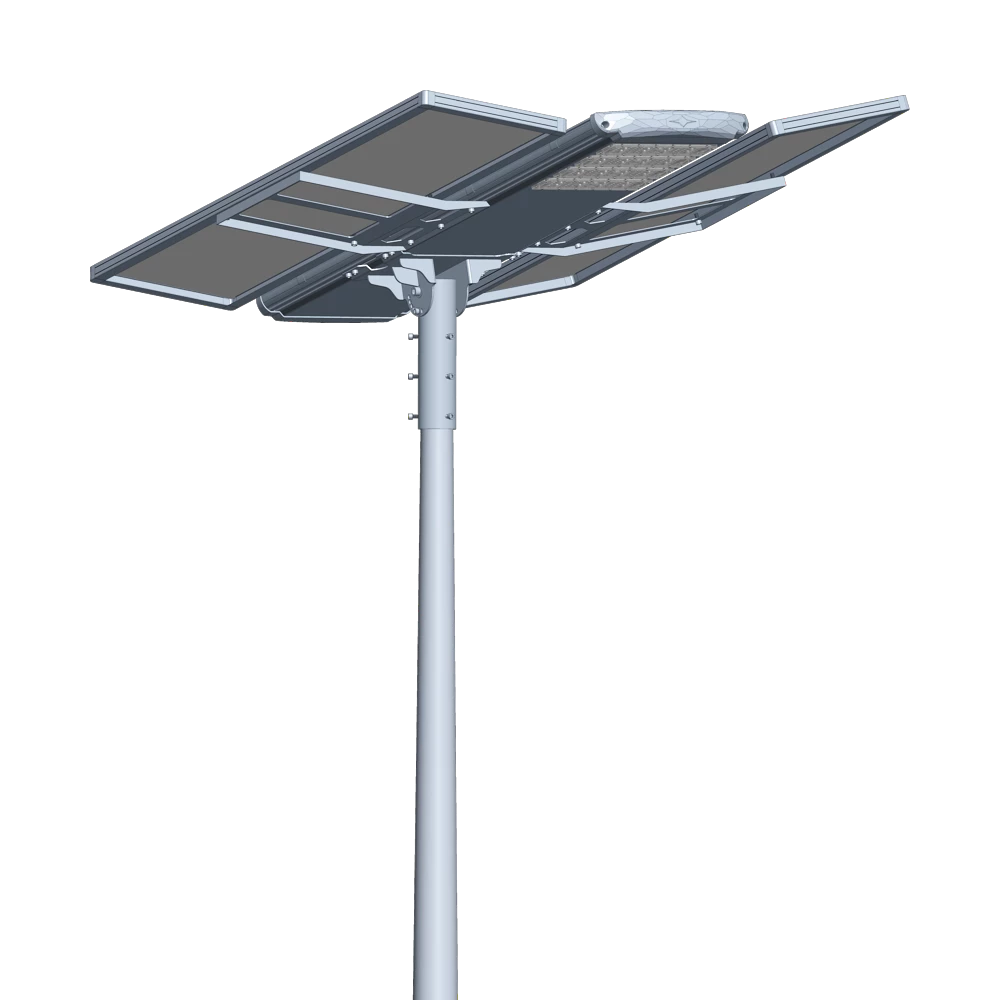
Introducing the Luqing Solar Street Light by Queneng, Efficient LED lighting powered by solar energy is perfect for illuminating outdoor areas. Harness the power of solar energy for sustainable, reliable street lighting. Ideal for eco-friendly, cost-effective outdoor illumination solutions.
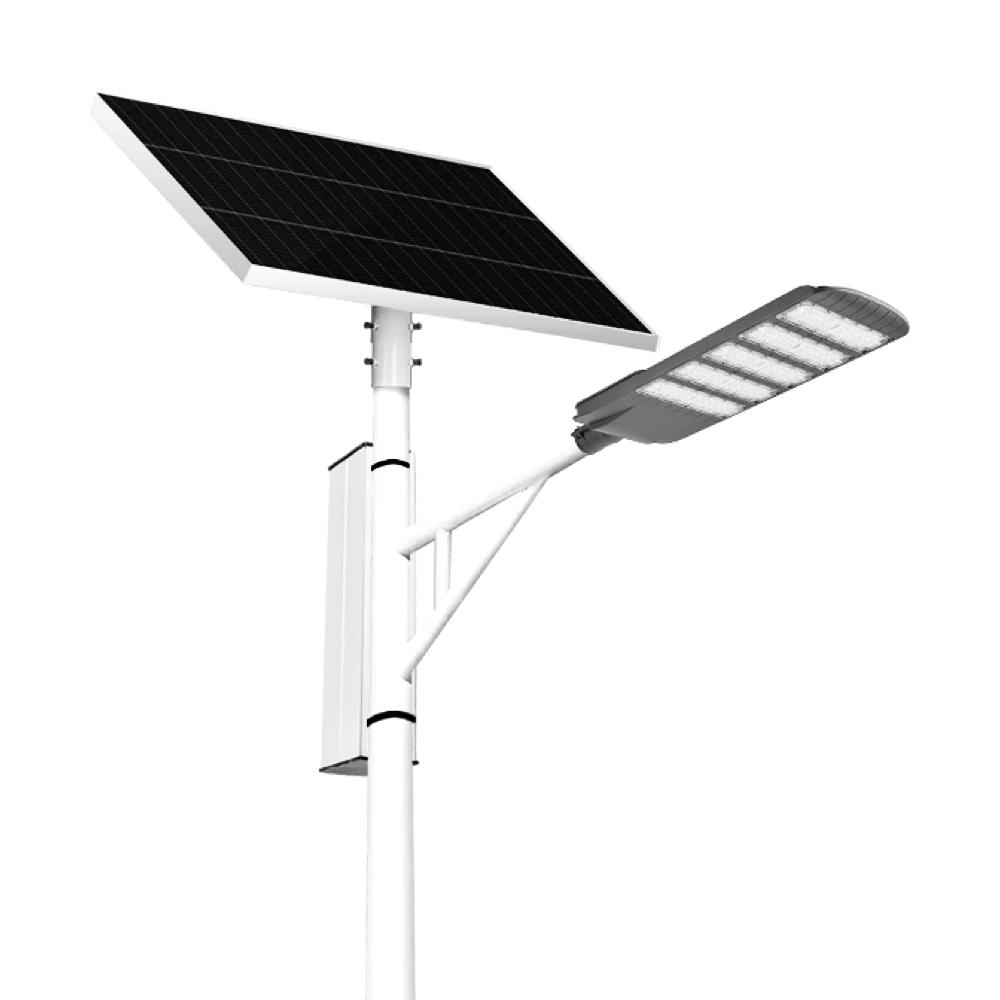
The Solar Streetlights of Luhao for Municipalities are designed to deliver reliable, energy-efficient, and cost-effective public lighting solutions. Equipped with advanced LED technology, durable lithium batteries, and high-efficiency solar panels, these streetlights provide consistent illumination for roads, parks, residential areas, and government projects.
Our professional team is ready to answer any questions and provide personalized support for your project.
You can reach us via phone or email to learn more about Queneng’s solar lighting solutions. We look forward to working with you to promote clean energy solutions!
Rest assured that your privacy is important to us, and all information provided will be handled with the utmost confidentiality.
By clicking 'Send Inquiry Now' I agree to Queneng processing my personal data.
To see how to withdraw your consent, how to control your personal data and how we process it, please see our Privacy Policy and Terms of use.
Schedule a Meeting
Book a date and time that is convenient for you and conduct the session in advance.
Have more questions about our products or services?
The messenger of light & power conversion
Environmental protection and intelligent manufacturing are our brand philosophy, and quality assurance and the best user experience are our eternal promises to users.
CONTACT
No.9F, Building F, Cao San Xin Tian Hong Logistics Park, Guzhen Town, Zhongshan City, Guangdong Province, China.
or write [email protected]
WhatsApp: +86 136 2270 1011


