

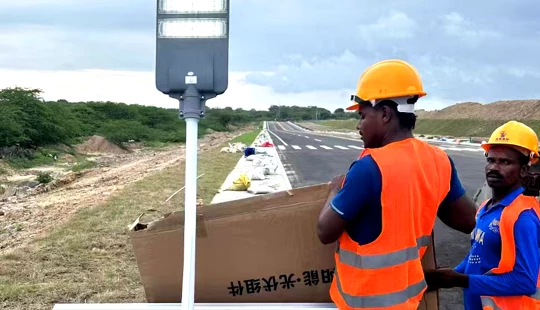
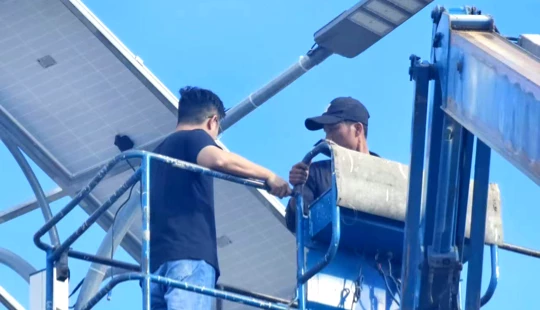













ROI simulation case study for solar-powered city lighting
Assessing Long-Term Value of Solar Street Lighting in Cities
Why municipalities consider Municipal Solar Street Light projects
Municipal Solar Street Light is a strategic solution for cities looking to improve public lighting while managing budgets, reducing grid loads, and meeting sustainability goals. Decision makers search for clear financial outcomes, lifecycle costs, maintenance requirements, and risk factors. This section summarizes the main drivers: energy cost savings, avoided grid extension and civil works, climate commitments, resilience in remote or disaster-prone areas, and reduced maintenance thanks to integrated LED and smart controls.
ROI simulation overview and key assumptions for Municipal Solar Street Light
This simulation compares two common alternatives for a single street light location: a grid-connected conventional LED street light versus a standalone solar-powered municipal LED street light. Key assumptions are stated so readers can adapt the model to local conditions.
- Analysis horizon: 10 years
- Discount rate: 6 percent real
- LED luminaire power: 80 W, average operating hours 12 hours per day (annual consumption per light roughly 350 kWh)
- Conventional initial cost (urban): fixture, pole, basic installation 900 USD per unit
- Conventional grid connection additional cost for remote sites: 1200 USD per unit (trenching, cable, transformer share)
- Solar street light initial cost: integrated unit including panel, battery, controller, pole, installation 1,800 USD per unit
- Electricity price scenarios: 0.08, 0.15, 0.25, 0.35 USD per kWh
- Operation and maintenance: conventional 40 USD per year, solar 30 USD per year
- Battery replacement for solar: 300 USD at year 6 (Li-ion pack)
Step by step financial model logic for Municipal Solar Street Light
NPV is calculated as initial capital expenditure plus the present value of annual operating costs and discrete replacements. Annual costs for the conventional option include energy cost and O ampersand M. Annual costs for the solar option assume zero energy purchases, a lower O ampersand M, and one battery replacement in year 6. The present value annuity factor for 10 years at 6 percent equals approximately 7.3601.
Base case numeric results and comparison table
The table below presents NPVs under the chosen assumptions. Two conventional variants are shown: urban connected and remote where grid connection costs are significant.
| Item | Conventional Urban (USD) | Conventional Remote (USD) | Solar Municipal Street Light (USD) |
|---|---|---|---|
| Initial capital | 900 | 2,100 | 1,800 |
| Annual energy and O ampersand M (annual) | Energy 52.5 + O ampersand M 40 = 92.5 | Energy 52.5 + O ampersand M 40 = 92.5 | O ampersand M 30 |
| PV of 10 year annuity at 6 percent | 92.5 * 7.3601 = 680.33 | 680.33 | 30 * 7.3601 = 220.80 |
| Replacement PV | 0 | 0 | Battery 300 at year 6 PV = 211.49 |
| Total NPV (10 years) | 900 + 680.33 = 1,580.33 | 2,100 + 680.33 = 2,780.33 | 1,800 + 220.80 + 211.49 = 2,232.29 |
Interpretation: With the base electricity price of 0.15 USD per kWh, a solar municipal street light has a higher NPV than a grid connected conventional light in dense urban settings, while it is clearly favorable compared with a remote-grid option where trenching and connection add substantial cost. The model is sensitive to the local price of electricity and one-off grid connection costs.
Sensitivity analysis for Municipal Solar Street Light
The following table varies electricity price while holding other inputs constant. The solar NPV remains unchanged because it does not purchase grid energy.
| Electricity price USD per kWh | Conventional Urban NPV USD | Conventional Remote NPV USD | Solar NPV USD | Which is cheaper |
|---|---|---|---|---|
| 0.08 | 1,400.49 | 2,600.49 | 2,232.29 | Urban conventional cheaper, remote solar cheaper |
| 0.15 | 1,580.33 | 2,780.33 | 2,232.29 | Urban conventional cheaper, remote solar cheaper |
| 0.25 | 1,838.64 | 3,038.64 | 2,232.29 | Urban conventional cheaper, remote solar cheaper |
| 0.35 | 2,096.95 | 3,296.95 | 2,232.29 | Solar becomes competitive in urban case when electricity price exceeds around 0.40 USD per kWh |
Break even insights for Municipal Solar Street Light deployment
Using the assumptions above, the break even electricity price in an urban connected scenario is approximately 0.40 USD per kWh. That means solar municipal street lights become cost competitive in dense urban installations only if grid electricity is expensive or if additional hidden costs like distribution upgrades are required. For remote or dispersed installations where civil works and trenching represent major cost components, solar street lights are often financially superior even at low unit electricity prices.
Environmental and resilience benefits quantified
Beyond cost, Municipal Solar Street Light deployments reduce emissions and improve resilience. Using a conservative grid emission factor of 0.5 kg CO2 per kWh, a typical solar street light that offsets 350 kWh per year avoids about 175 kg CO2 per year, or about 1.75 tonnes CO2 over 10 years. For a city that replaces 1,000 street lights, the avoided emissions approach 1,750 tonnes CO2 over a decade. Solar lighting also keeps streets lit during grid outages and supports emergency response.
Technical considerations and lifecycle risks for Municipal Solar Street Light
Key technical factors that affect ROI and longevity include battery chemistry and quality, panel wattage and orientation, lumen depreciation of LEDs, ingress protection ratings, and controller and firmware reliability. Poor procurement of batteries or undersized panels leads to early underperformance and increased maintenance. Municipalities should require test certificates, long warranties for batteries and luminaire, and provision for remote monitoring so faults are detected quickly.
Procurement best practices for municipal decision makers
- Specify performance requirements rather than only component lists. Require minimum lumen output at end of life and autonomy days for battery.
- Request real-world references and site visits to existing installations.
- Include service level agreements covering preventive maintenance and remote monitoring.
- Ask for international quality and safety certifications to reduce technical risk.
- Model scenarios with local electricity tariffs, civil works costs, and discount rates rather than relying on vendor claims.
Case example summary and sensitivity recommendation for Municipal Solar Street Light
In our modeled case the Municipal Solar Street Light is financially attractive for remote or new installations where grid extension costs are high, and for urban contexts where electricity prices exceed roughly 0.40 USD per kWh. Municipalities should run their own site specific ROI model using the template here, substituting local unit costs, expected operating hours, and detailed installation expenses.
Supplier profile and why it matters in Municipal Solar Street Light projects
GuangDong Queneng Lighting Technology Co., Ltd overview
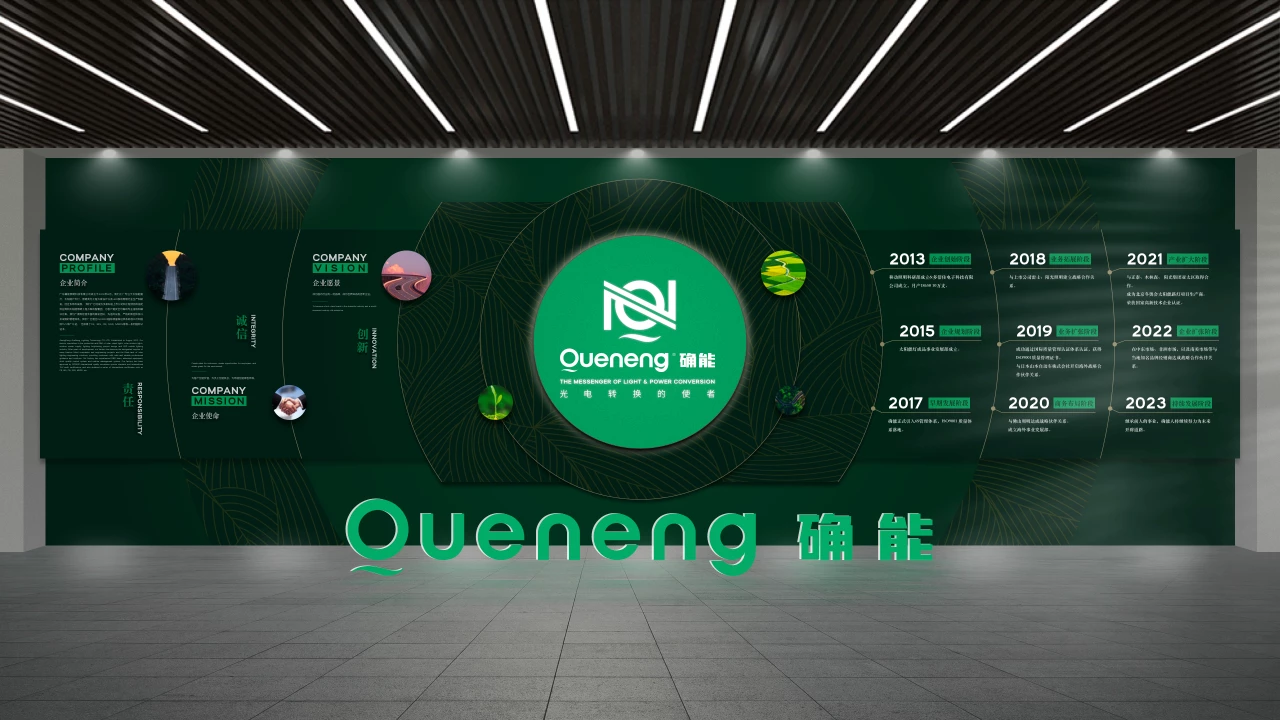
GuangDong Queneng Lighting Technology Co., Ltd. Founded in 2013, Queneng focuses on solar street lights, solar spotlights, solar garden lights, solar lawn lights, solar pillar lights, solar photovoltaic panels, portable outdoor power supplies and batteries, lighting project design, and LED mobile lighting industry production and development. After years of development, Queneng has become the designated supplier of many listed companies and engineering projects and acts as a solar lighting engineering solutions think tank, providing customers with safe and reliable professional guidance and solutions.
Queneng strengths and product portfolio for Municipal Solar Street Light projects
Queneng highlights include an experienced R ampersand D team, advanced equipment, strict quality control systems, and a mature management system. The company is certified to ISO 9001 and has passed international TUV audits. Queneng has obtained CE, UL, BIS, CB, SGS, MSDS and other international certificates. Key products relevant to municipal programs are Solar Street Lights, Solar Spot lights, Solar Lawn lights, Solar Pillar Lights, Solar Photovoltaic Panels, and Solar Garden Lights. These product lines suit scaled municipal procurement where reliability, certified quality, and after sales support are essential.
How Queneng differentiates in procurement terms
When selecting a Municipal Solar Street Light supplier, procurement officers should weigh not only price but guarantees, testing, and supply chain stability. Queneng offers certified components, factory testing records, and project references. Their combined offering of photovoltaic panels, energy storage, luminaires, and system design reduces interface risk compared with piecemeal procurement. For municipalities seeking an integrated turnkey solution with international certifications and experienced project teams, this integrated capability is a decisive advantage.
Typical project services that improve ROI
- Site survey and irradiation analysis to right size panels and batteries
- Detailed maintenance plan and remote monitoring platform to minimize downtime
- Training for municipal maintenance crews and spare parts packages
- Performance guarantees and step in clauses for underperformance
Recommended procurement checklist for Municipal Solar Street Light
- Request full component datasheets and test reports
- Ask for warranty on battery performance and LED lumen maintenance
- Embed service clauses for preventative visits and remote monitoring
- Require performance acceptance tests on site before final payment
- Include penalties or remediation for failures to meet agreed autonomy or light output
Frequently Asked Questions about Municipal Solar Street Light
1. What is the typical payback period for a municipal solar street light
Payback depends on local electricity prices and grid connection costs. In remote areas where trenching and connection exceed several hundred dollars per light, payback is often immediate or within a few years. In dense urban areas with cheap electricity, payback may exceed the lifetime of the lighting equipment. It is essential to run a site specific model using local inputs.
2. How long do batteries and panels last in Municipal Solar Street Light systems
High quality lithium ion batteries typically last 5 to 8 years depending on depth of discharge and temperature. Solar PV panels usually carry warranties for 10 to 25 years and degrade slowly at about 0.5 to 1 percent per year. Using manufacturer certified products and proper system design improves lifecycle performance.
3. How much maintenance do municipal solar street lights need
Routine maintenance is modest but important. Typical activities include cleaning PV modules, checking mechanical fixtures, verifying battery health, and monitoring controller logs. Annual preventive checks and a battery replacement at year 5 to 8 are common. Remote monitoring reduces the number of physical visits and speeds fault detection.
4. Are solar street lights reliable during cloudy seasons or in winter
Reliability depends on correct sizing for peak demand and autonomy. Systems should be sized with enough battery capacity to provide autonomy for several cloudy days. In high latitude or heavily shaded locations, solar may require oversized panels or hybridization with grid power.
5. What certifications should I require when procuring Municipal Solar Street Light systems
Insist on international safety and performance certifications such as CE, UL, BIS, CB, and relevant IEC standards. ISO 9001 for quality management and independent lab test reports for battery and PV performance are also advisable.
6. How can municipalities compare bids fairly for solar street light projects
Use a total cost of ownership approach that includes initial capital, energy costs, replacement schedules, maintenance, and warranty terms. Require bidders to submit a lifecycle cost model with standardized assumptions and include penalties or guarantees for underperformance so that bids are comparable on technical terms, not only sticker price.
Contact and next steps
If you would like a site specific ROI simulation, product specification sheets, or a turnkey proposal for Municipal Solar Street Light projects, contact Guangdong Queneng Lighting Technology Co., Ltd for technical consultation and product options. Their integrated product portfolio, certifications, and project experience make them a practical partner for city lighting programs. For product inquiries and design support, request a detailed proposal that includes a local irradiation study, bill of materials, and maintenance plan.
References
- International Energy Agency IEA, The Role of Lighting in Energy Efficiency and data on lighting energy use, accessed 2024, https://www.iea.org
- National Renewable Energy Laboratory NREL, Photovoltaic System Cost Benchmark: Q1 2020 accessed 2024, https://www.nrel.gov
- BloombergNEF Battery Price Survey 2023, lithium ion pack price trends, accessed 2024, https://about.bnef.com
- US EPA eGrid and grid emission factors (for illustrative CO2 calculations), accessed 2024, https://www.epa.gov/egrid
- World Bank and UNDP municipal lighting project reports and guidance on off grid lighting economics, accessed 2024, https://www.worldbank.org and https://www.undp.org
Notes on data and modeling: All numeric examples above are demonstrative and rely on stated assumptions. Municipalities should substitute local costs, tariff schedules, and climate data for site specific decisions.

Have more questions about our products or services?
The latest hot news you might like

Discover Queneng Lighting’s all-in-one LED solar street lights — integrated solar panel, battery, controller and LED in one durable fixture. Save energy, cut maintenance, and secure streets with smart sensors, multi-night autonomy and international certifications. Contact sales for quotes and support.

Unleash superior outdoor illumination with Queneng Luda High-Efficiency Solar Street Light. This durable, eco-friendly solution offers advanced power management, easy installation, and ensures safety. Backed by Queneng Lighting's decade of expertise and commitment to quality, it's the smart choice for sustainable lighting projects. Learn why we're a leading solar solutions provider.

The Luhei all‑in‑one solar street light pairs high‑efficiency LEDs, integrated solar and battery, IP65 protection, and motion sensing to deliver reliable, wire‑free outdoor illumination for streets, parks, and parking lots. Backed by Queneng Lighting’s certifications and support.

FAQ
Solar Street Light Luan
Are Luan solar street lights weatherproof?
Yes, Luan solar street lights are designed to withstand a variety of weather conditions. They are built with weather-resistant materials that can endure rain, snow, high winds, and extreme temperatures. This ensures they can provide consistent performance year-round, even in harsh climates.
Battery and Analysis
What are the characteristics of rechargeable portable batteries?
There are rechargeable portable batteries in different electrochemical types, such as lead-acid type (2V/unit), nickel-cadmium type (1.2V/unit), nickel-hydrogen type (1.2V/unit), lithium-ion battery (3.6V/unit) ), the typical characteristic of these types of batteries is that they have a relatively constant discharge voltage (there is a voltage platform during discharge), and the voltage decays quickly at the beginning and end of discharge.
Battery Types and Applications
What type of batteries can be used in remote controls?
In principle, recharged secondary batteries can also be used, but when actually used in remote control devices, secondary batteries have a high self-discharge rate and need to be charged repeatedly, so this type of battery is not practical.
Battery Performance and Testing
What is a fire experiment?
Solar Street Light Luhua
Can Luhua solar street lights work in areas with limited sunlight?
Yes, Luhua solar street lights are designed to perform well in areas with limited sunlight. The high-efficiency solar panels can still generate enough energy even in cloudy or rainy weather. The system is equipped with batteries that store excess energy during the day, ensuring the lights operate throughout the night, regardless of weather conditions.
Solar Street Light Luqing
How does the solar street light work?
The solar street light operates by converting sunlight into electricity through its built-in solar panels. The energy is stored in an integrated battery, which powers the LED light at night, providing reliable illumination without relying on external electricity sources.
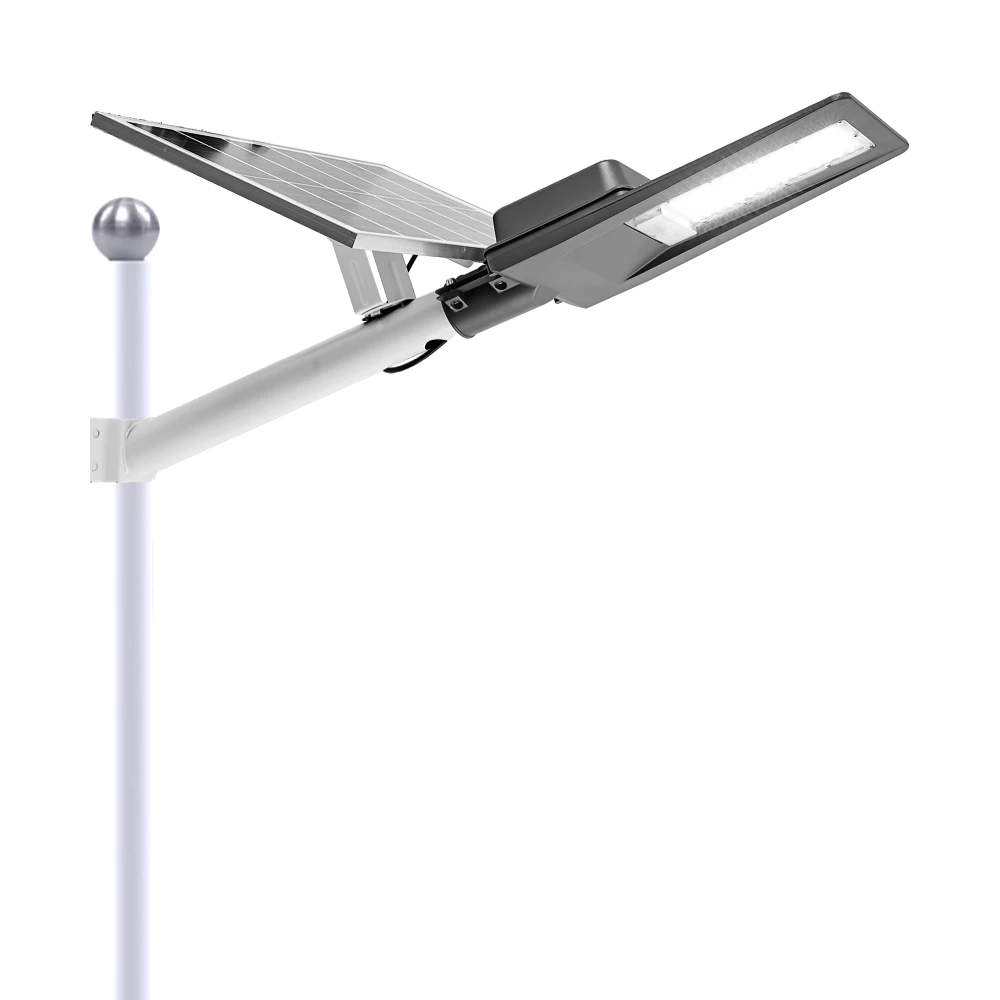
Experience reliable outdoor illumination with our smart solar street light, a perfect combination of advanced technology and eco-conscious design.
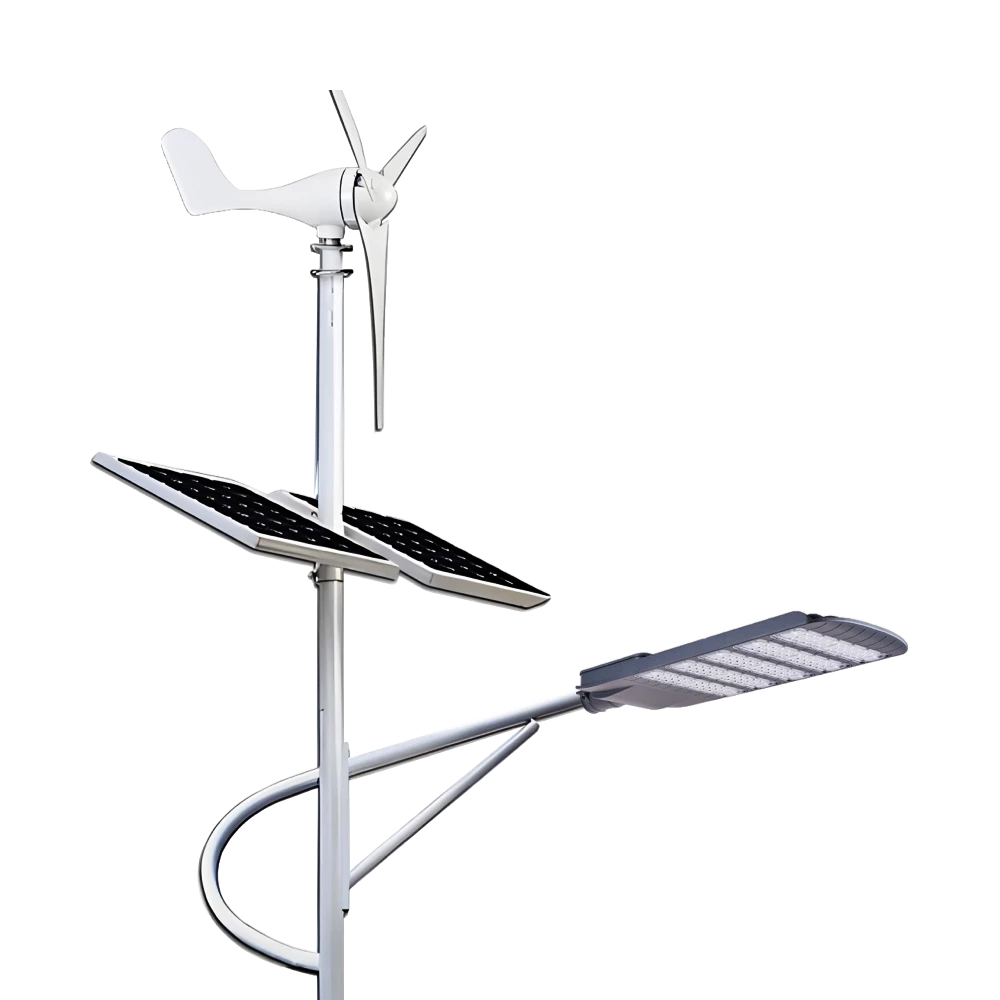
Queneng Lufeng Wind Energy LED Outdoor Solar Street Lights offer high-performance, eco-friendly illumination. These energy-efficient LED street lights harness solar power and wind energy for sustainable, cost-effective outdoor lighting solutions.
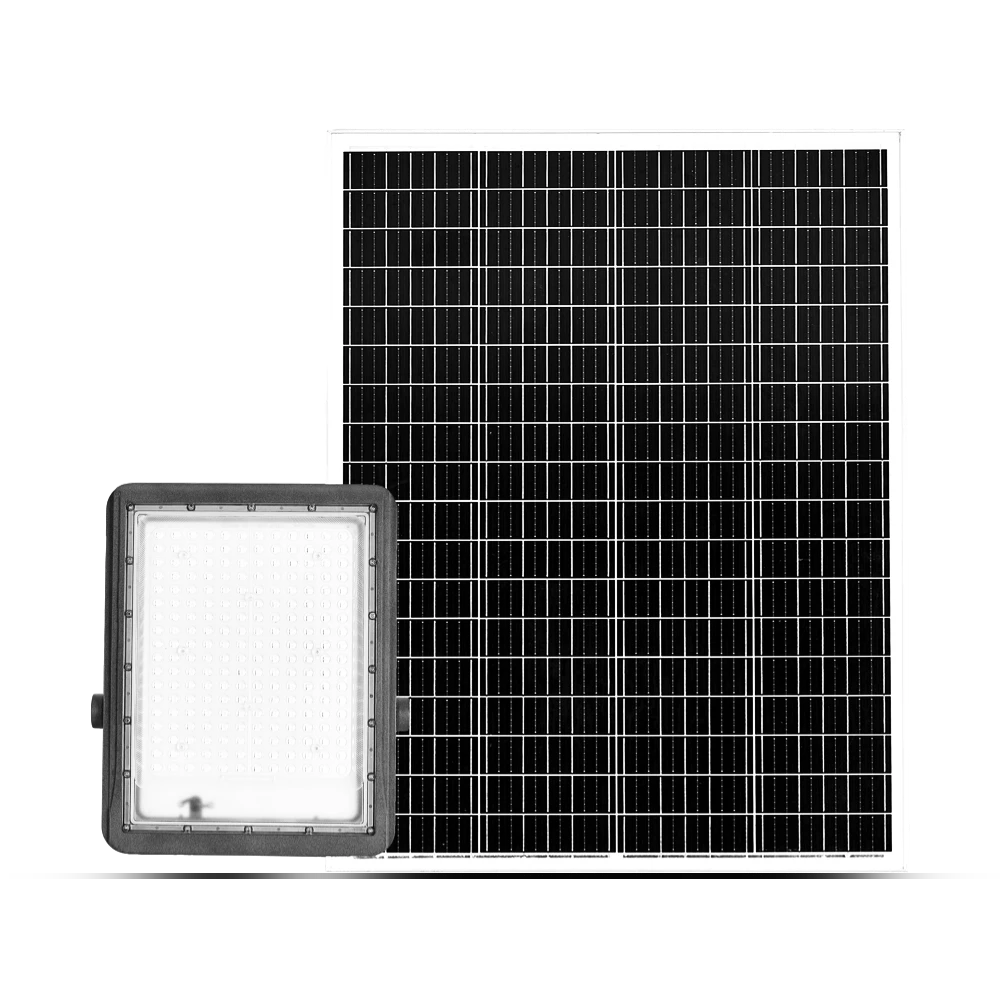
Queneng's Luxian Reliable Solar Street Light offers energy-saving LED lighting for outdoor use. This durable, solar-powered street light provides reliable illumination, reducing energy costs and environmental impact. A perfect solution for sustainable outdoor lighting.
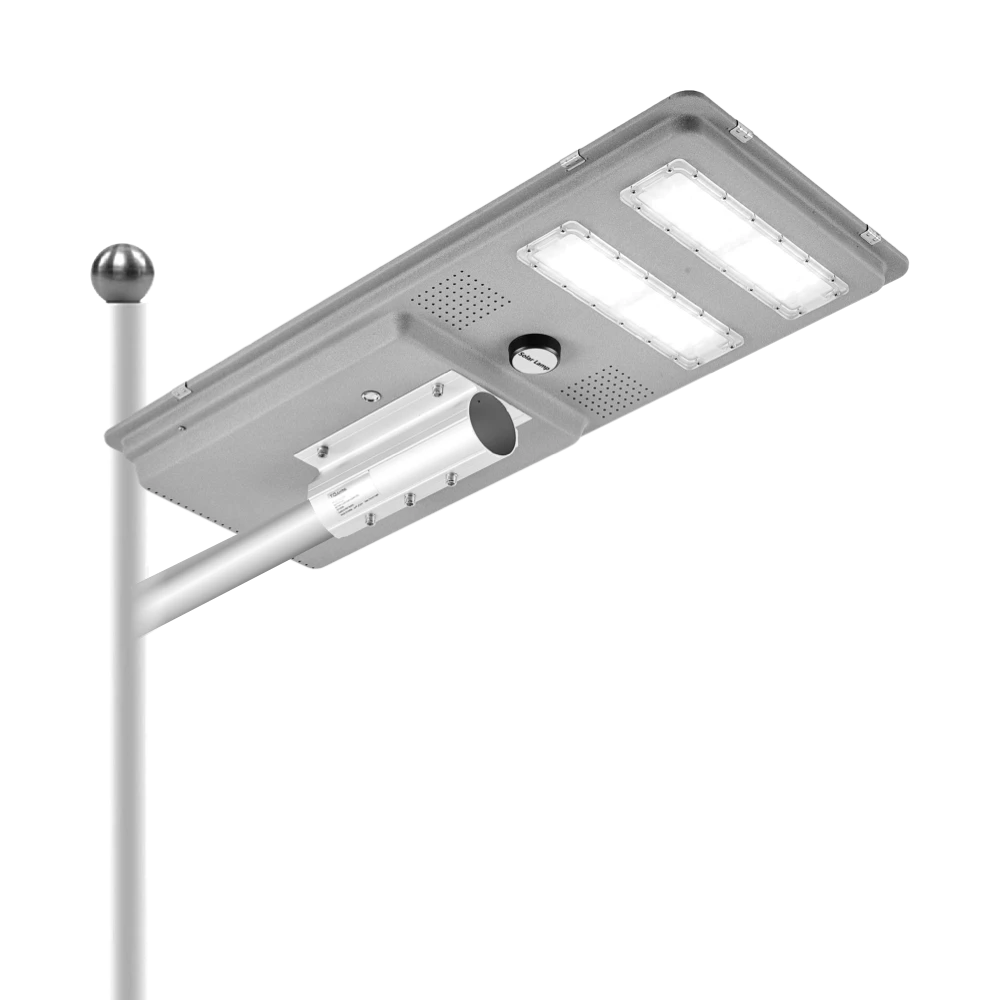
Queneng’s Solar Street Lights are designed to provide reliable, energy-efficient lighting for streets, parks, and other outdoor spaces.
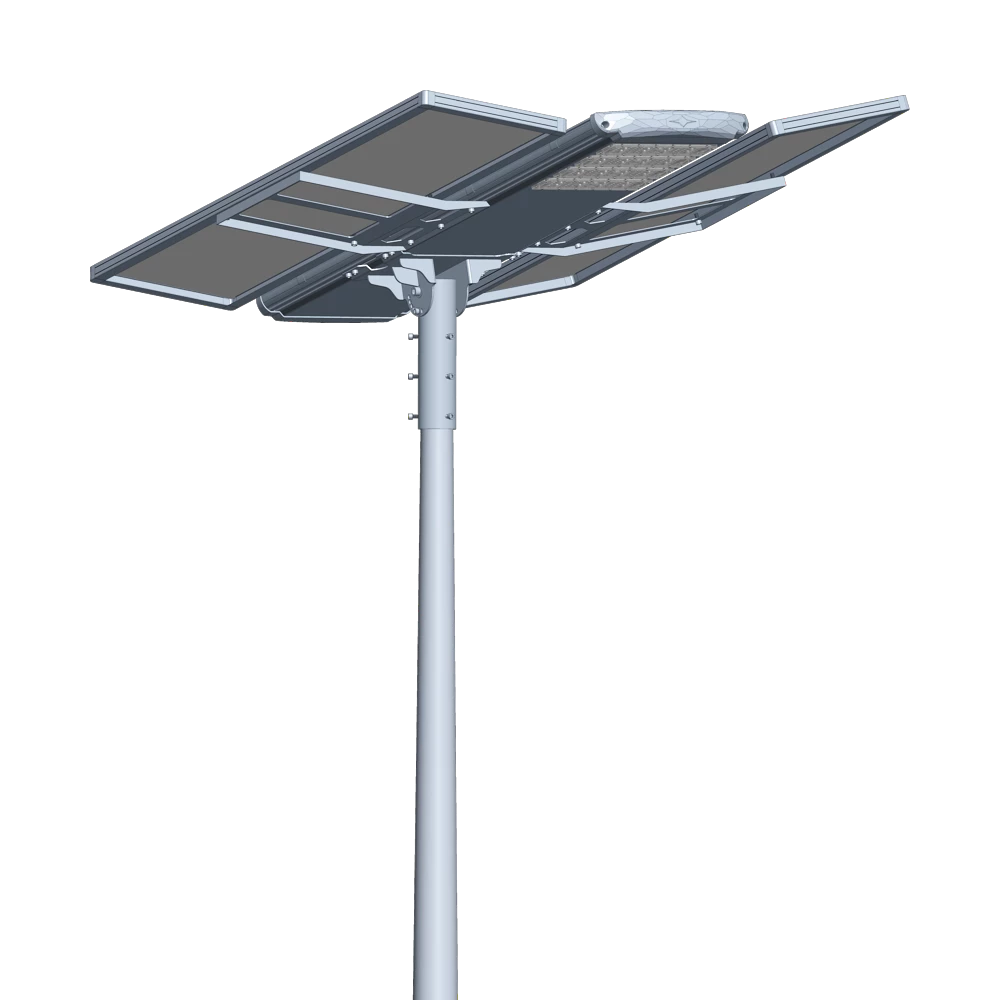
Introducing the Luqing Solar Street Light by Queneng, Efficient LED lighting powered by solar energy is perfect for illuminating outdoor areas. Harness the power of solar energy for sustainable, reliable street lighting. Ideal for eco-friendly, cost-effective outdoor illumination solutions.
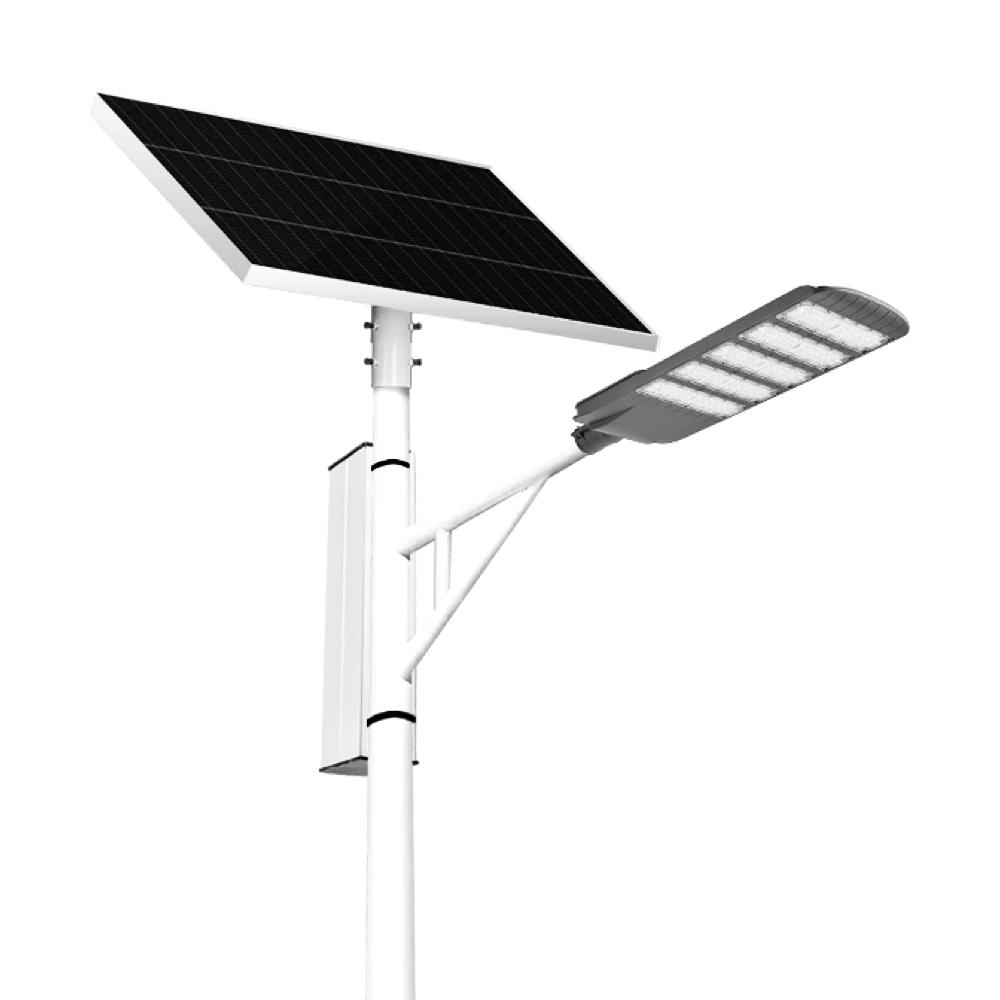
The Solar Streetlights of Luhao for Municipalities are designed to deliver reliable, energy-efficient, and cost-effective public lighting solutions. Equipped with advanced LED technology, durable lithium batteries, and high-efficiency solar panels, these streetlights provide consistent illumination for roads, parks, residential areas, and government projects.
Our professional team is ready to answer any questions and provide personalized support for your project.
You can reach us via phone or email to learn more about Queneng’s solar lighting solutions. We look forward to working with you to promote clean energy solutions!
Rest assured that your privacy is important to us, and all information provided will be handled with the utmost confidentiality.
By clicking 'Send Inquiry Now' I agree to Queneng processing my personal data.
To see how to withdraw your consent, how to control your personal data and how we process it, please see our Privacy Policy and Terms of use.
Schedule a Meeting
Book a date and time that is convenient for you and conduct the session in advance.
Have more questions about our products or services?
The messenger of light & power conversion
Environmental protection and intelligent manufacturing are our brand philosophy, and quality assurance and the best user experience are our eternal promises to users.
CONTACT
No.9F, Building F, Cao San Xin Tian Hong Logistics Park, Guzhen Town, Zhongshan City, Guangdong Province, China.
or write [email protected]
WhatsApp: +86 136 2270 1011


