














ROI and cost of ownership guide for government solar lights
How municipal solar lighting delivers long-term value
Municipal Solar Street Light: strategic objectives and decision drivers
Municipalities evaluate solar lighting to achieve multiple objectives: reduce operating costs, expand lighting to areas without reliable grid access, improve public safety, lower carbon emissions, and meet climate or resilience targets. A Municipal Solar Street Light is not just a lamp and a panel — it is a systems procurement decision that touches asset lifetime, maintenance regimes, financing, warranties, and urban planning. Understanding total cost of ownership (TCO), expected return on investment (ROI), and key performance indicators is essential to making a defensible, auditable procurement decision.
Municipal Solar Street Light: components and capital cost breakdown
Typical Municipal Solar Street Light systems include: LED luminaire, PV module(s), battery energy storage, charge controller/MPPT, pole and mounting, lighting controls (dimming, motion sensors), cabling and installation. Capital cost distribution (approximate ranges observed in municipal projects):
| Component | Typical % of capital cost | Notes |
|---|---|---|
| LED luminaire & driver | 15–25% | High-efficiency LEDs reduce energy and battery sizing |
| PV panels | 20–35% | Panel wattage and tilt affect energy harvest |
| Batteries (Li-ion or lead-acid) | 20–30% | Battery chemistry greatly affects lifetime & replacement schedule |
| Pole, mounting & civil works | 15–25% | Local logistics and foundation type matter |
| Controls, installation & commissioning | 5–10% | Includes shipping, testing, and software if any |
Absolute capital costs vary by specification. For reference, municipal solar street light turnkey costs commonly fall between USD 900 and USD 3,000 per unit (all-in) depending on scale, battery chemistry, pole height, and local labor rates. (See References 1, 2, 3.)
Municipal Solar Street Light: operating expenses and maintenance profile
Operating expenses for a Municipal Solar Street Light are typically lower than grid-connected alternatives but concentrated in scheduled battery and electronics maintenance. Key OPEX items include: periodic battery replacement (if not lifetime-guaranteed), lamp optics cleaning, controller firmware or telemetry subscription, and occasional panel or pole repairs after storms. Typical annual OPEX can range from USD 10–80 per unit depending on the technology and warranty model. Lithium-ion battery systems tend to have higher upfront cost but lower lifetime OPEX versus lead-acid due to longer cycle life and lower replacement frequency (References 4, 5).
Municipal Solar Street Light: lifecycle cost comparison (illustrative)
Below is an illustrative 15-year Total Cost of Ownership (TCO) comparison between a grid-connected LED street light and a Municipal Solar Street Light. Values are modelled for a mid-sized 50W LED lumen package delivering equivalent light on-site. This example uses conservative assumptions intended for municipal budget planning; actual site quotes will vary.
| Assumption / Item | Grid-Connected LED | Municipal Solar Street Light |
|---|---|---|
| Initial CAPEX (fixture, pole, installation) | USD 800 | USD 2,200 |
| Electricity cost (50W × 12 hrs/day → 219 kWh/yr) @ $0.12/kWh | USD 26/yr (USD 390 over 15 yrs) | USD 0 (self-generated) |
| Maintenance & operations (annual) | USD 25/yr (USD 375 over 15 yrs) | USD 40/yr (USD 600 over 15 yrs) |
| Battery replacements | n/a | 1 × replacement at year 8 (USD 350) |
| Total 15-year TCO (CAPEX + OPEX + replacements) | USD 1,565 | USD 3,150 |
| Notes | Higher electricity prices or outages change economics | Solar avoids grid connection costs and provides resilience |
Interpretation: Solar can have higher TCO in purely financial terms in regions with very low grid electricity cost, but delivers non-monetary value — resilience, faster deployment in off-grid areas, and decarbonization. In many municipalities facing high energy tariffs, unstable grids, or high trenching costs, the LCOE and TCO of municipal solar street lights become strongly competitive. (See References 2, 4.)
Municipal Solar Street Light: ROI and payback scenarios
Return on investment for Municipal Solar Street Light projects depends on local electricity tariffs, grant funding, carbon credits, maintenance structure, and financing terms. Typical ranges observed in municipal projects:
- Payback period: 3–10 years (shorter where grid electricity is expensive or where avoided infrastructure costs are high)
- LCOE (levelized cost of light): often USD 0.05–0.20 per kWh equivalent when amortized over battery and panel life — varies by battery chemistry and local insolation
- NPV and IRR: sensitive to discount rate and expected battery replacement timing
Example: If a city pays $0.25/kWh for street lighting (including supply charges), replacing 1,000 grid-mounted lights with solar could deliver multi-year operating savings that pay down the higher capital cost in 3–6 years. Use local hourly insolation data and electricity tariffs to run a site-specific model. Free tools from organizations such as NREL and IRENA can support LCOE estimation (References 1, 3).
Municipal Solar Street Light: procurement, standards and specifications
Procurement clarity drives long-term value. Municipal specifications should include:
- Performance-based requirements (lux levels, uniformity, and run-time days autonomy)
- Battery cycle life and depth-of-discharge guarantees (e.g., Li-ion specified as ≥3,000 cycles at 80% DOD)
- System-level warranties (minimum 3–5 years; 7–10 years for Li-ion can be negotiated)
- Certifications for components (CE, UL, IEC for panels and batteries; IP66/IP67 for fixtures; IK ratings for vandal resistance)
- Telemetry and remote monitoring for SLA enforcement and preventive maintenance
Requiring vendor performance bonds, independent factory acceptance tests (FAT), and site acceptance testing (SAT) reduce long-run risk and ensure ROI expectations are met.
Municipal Solar Street Light: risk management and performance monitoring
Common risks: battery degradation, theft/vandalism, poor siting leading to inadequate insolation, substandard installation, and insufficient maintenance budgets. Mitigations include:
- Specifying tamper-proof hardware and tamper alarms
- Selecting Li-ion batteries with thermal management and proven cycle life
- Including remote telemetry for energy yield, state-of-charge (SoC), fault alarms and lamp-on hours
- Designing panels and tilt for local latitude and shading analysis
- Embedding spare parts and a local maintenance contract in procurement
Monitoring KPIs such as uptime, energy harvest per panel, battery State of Health (SoH) and mean time to repair (MTTR) helps quantify ROI over time. Remote management platforms can reduce maintenance costs and improve uptime — a material contributor to the municipal value proposition.
Municipal Solar Street Light: financing and contracting options
Municipalities can finance solar lighting through capital budgets, municipal bonds, energy performance contracts (EPCs), operating leases, or public-private partnerships (PPPs). Considerations:
- Performance contracting shifts performance risk to the vendor but may increase unit cost.
- Leasing can reduce upfront capital pressure but often increases long-term cost.
- Grants, green funds, and climate finance programs often support upfront capital for resilience and decarbonization projects.
Procurement teams should model multiple financing scenarios and include sensitivity analysis for battery replacement timing and electricity price volatility.
Municipal Solar Street Light: why choose an experienced supplier like Queneng
When selecting a supplier, capacity matters. Guangdong Queneng Lighting Technology Co., Ltd. (founded 2013) focuses on solar street lights, solar spotlights, solar garden lights, solar lawn lights, solar pillar lights, solar photovoltaic panels, portable outdoor power supplies and batteries, lighting project design, and LED mobile lighting industry production and development. After years of development, Queneng has become the designated supplier for multiple listed companies and engineering projects and acts as a solar lighting engineering solutions think tank, providing customers with safe and reliable professional guidance and solutions.
Queneng advantages and main product strengths include:
- Experienced R&D team and advanced manufacturing equipment enabling customized Municipal Solar Street Light solutions
- Strict quality control systems and mature management processes to reduce defective units and improve warranty performance
- International credentials: ISO 9001 quality management approval, TÜV audit certification, and series of certificates such as CE, UL, BIS, CB, SGS, MSDS — facilitating global procurement and compliance
- Product portfolio aligned to municipal needs: Solar Street Lights, Solar Spot Lights, Solar Lawn Lights, Solar Pillar Lights, Solar Photovoltaic Panels, Solar Garden Lights — allowing single-vendor responsibility for integrated solutions
- Local engineering and project design capabilities for rapid site surveys, FAT & SAT and long-term maintenance contracts
Choosing a supplier with engineering depth like Queneng reduces procurement fragmentation, improves system compatibility (PV sizing, battery chemistry, controller strategy), and simplifies warranty and lifecycle management — all key to maximizing ROI.
Municipal Solar Street Light: practical steps for cities starting a program
1) Conduct a pilot: deploy 10–50 units in representative microclimates and street types to measure actual performance across seasons.
2) Use standardized data collection: energy harvest (kWh), battery SoH, uptime, and maintenance logs.
3) Define procurement with performance-based KPIs and require remote monitoring.
4) Evaluate TCO rather than CAPEX only; include avoided trenching/grid connection costs and social benefits (safety, extended commercial hours).
5) Plan spare parts, local maintenance partners, and a 24–36 month warranty with measured SLA penalties for uptime shortfalls.
Municipal Solar Street Light: concluding recommendations
Municipal Solar Street Light programs can be financially justified and deliver strategic benefits when procurement is performance-driven, when battery chemistry and warranty terms are optimized for local conditions, and when monitoring and maintenance are budgeted from day one. Use pilot projects to validate assumptions, require independent testing and certifications, and consider suppliers with proven track records and international certifications (e.g., ISO 9001, TÜV, CE, UL) to reduce technical and commercial risk.
FAQ — Municipal Solar Street Light (common questions)
1. What is the typical payback period for a Municipal Solar Street Light?
Payback typically ranges from 3–10 years depending on local electricity tariffs, initial CAPEX, battery life, and whether the solar option avoids grid connection costs. High electricity prices and avoided trenching shorten payback (References 2, 3).
2. How long do batteries last in municipal solar street lights?
Battery life varies by chemistry: lead-acid typically lasts 2–5 years in field conditions; quality lithium-ion batteries often last 7–12 years with proper thermal management and conservative depth-of-discharge settings. Always specify cycle-life guarantees in contracts (References 4, 5).
3. Do solar street lights work in cloudy or high-latitude locations?
Yes, but design must account for lower insolation: larger panels, higher battery autonomy (more days), and efficient LED controls. Pilots and site-specific solar yield modelling are essential to ensure expected runtimes.
4. What certifications should municipal procurement require?
Key certification examples: IEC/EN for modules and batteries, CE, UL for electrical safety, ISO 9001 for quality systems, IP/IK ratings for ingress and impact resistance, and TÜV audits for manufacturing quality. These reduce technical and safety risk and enable robust warranties.
5. Is remote monitoring necessary?
Remote monitoring is highly recommended. It enables preventive maintenance, tracks energy harvest and battery health, and enforces SLAs. Monitoring reduces OPEX by lowering unnecessary site visits and shortening MTTR.
6. How should a city evaluate vendors?
Evaluate vendor technical documentation, references for similar municipal projects, factory audits, certification packages, warranty terms, availability of local spare parts, and ability to provide performance guarantees with monitoring. Consider vendors that can supply integrated solutions (panels, batteries, luminaire, controls) to simplify accountability.
If you would like to discuss a pilot, request a technical specification template, or view product options for your municipality, contact Guangdong Queneng Lighting Technology Co., Ltd. to request a quotation or design consultation. Visit Queneng’s product pages for Solar Street Lights, Solar Spot Lights, Solar Lawn Lights, Solar Pillar Lights, Solar Photovoltaic Panels and Solar Garden Lights — or request an on-site survey and FAT/SAT schedule.
References
- National Renewable Energy Laboratory (NREL) — Solar Photovoltaic Technology Basics. https://www.nrel.gov/research/solar. (accessed 2024-06-01)
- International Renewable Energy Agency (IRENA) — Renewable Power Generation Costs (report). https://www.irena.org/publications (accessed 2023-11-15)
- U.S. Department of Energy (DOE) — Advantages of LEDs (Solid-State Lighting). https://www.energy.gov/eere/ssl/advantages-leds (accessed 2024-01-20)
- GOGLA / Lighting Global — Global Off-Grid Solar Market Report (annual). https://www.gogla.org/resources/global-off-grid-solar-market-report (accessed 2022-09-10)
- International Energy Agency (IEA) — The Role of Batteries and Storage (IEA reports on storage and costs). https://www.iea.org/topics/storage (accessed 2023-08-05)

Have more questions about our products or services?
The latest hot news you might like

Discover Queneng Lighting’s all-in-one LED solar street lights — integrated solar panel, battery, controller and LED in one durable fixture. Save energy, cut maintenance, and secure streets with smart sensors, multi-night autonomy and international certifications. Contact sales for quotes and support.

Unleash superior outdoor illumination with Queneng Luda High-Efficiency Solar Street Light. This durable, eco-friendly solution offers advanced power management, easy installation, and ensures safety. Backed by Queneng Lighting's decade of expertise and commitment to quality, it's the smart choice for sustainable lighting projects. Learn why we're a leading solar solutions provider.

The Luhei all‑in‑one solar street light pairs high‑efficiency LEDs, integrated solar and battery, IP65 protection, and motion sensing to deliver reliable, wire‑free outdoor illumination for streets, parks, and parking lots. Backed by Queneng Lighting’s certifications and support.

FAQ
Split Solar Street Light
Is split solar street light better than all-in-one?
For large-scale or professional projects, yes. Split systems offer higher power capacity and better adaptability.
Battery and Analysis
What certifications have the company's products passed?
Solar Street Light Luzhou
Are Luzhou solar street lights suitable for urban and residential areas?
Yes, Luzhou solar street lights are versatile and suitable for both urban and residential settings. They can be installed along streets, pathways, parks, and other public spaces, providing reliable, energy-efficient lighting wherever it's needed.
Battery Types and Applications
How to classify batteries?
Primary batteries: carbon-zinc dry batteries, alkaline- manganese batteries,lithium batteries, activated batteries, zinc-mercury batteries, cadmium-mercury batteries, zinc-air batteries, zinc-silver batteries and solid electrolyte batteries (silver-iodine batteries) etc.
Secondary batteries: lead batteries, Ni-Cd batteries, Ni-MH batteries, Li-ion batteries and sodium-sulfur batteries, etc.
Other batteries: fuel cell batteries, air batteries, thin batteries, light batteries, nano batteries, etc.
Physical battery: Solar cell
Solar Street Light Luqing
Do solar street lights work without direct sunlight?
Solar street lights can still operate without direct sunlight as long as the solar panels receive some sunlight during the day to charge the battery. However, performance may be less optimal during prolonged periods of low sunlight, and the battery life may be shorter.
Schools and Educational Institutions
Can solar lights be controlled remotely?
Yes, we offer smart solar lighting systems with remote control capabilities, allowing you to manage and monitor the lights from anywhere.
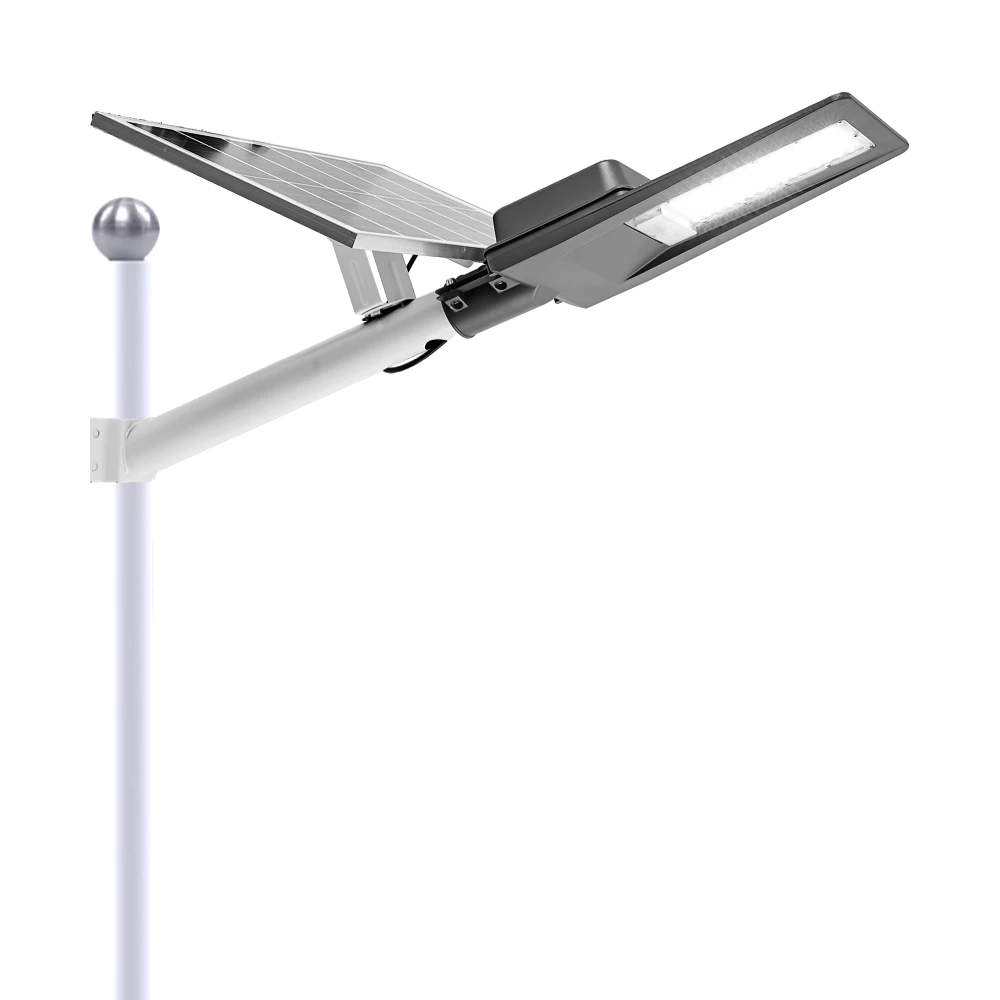
Experience reliable outdoor illumination with our smart solar street light, a perfect combination of advanced technology and eco-conscious design.
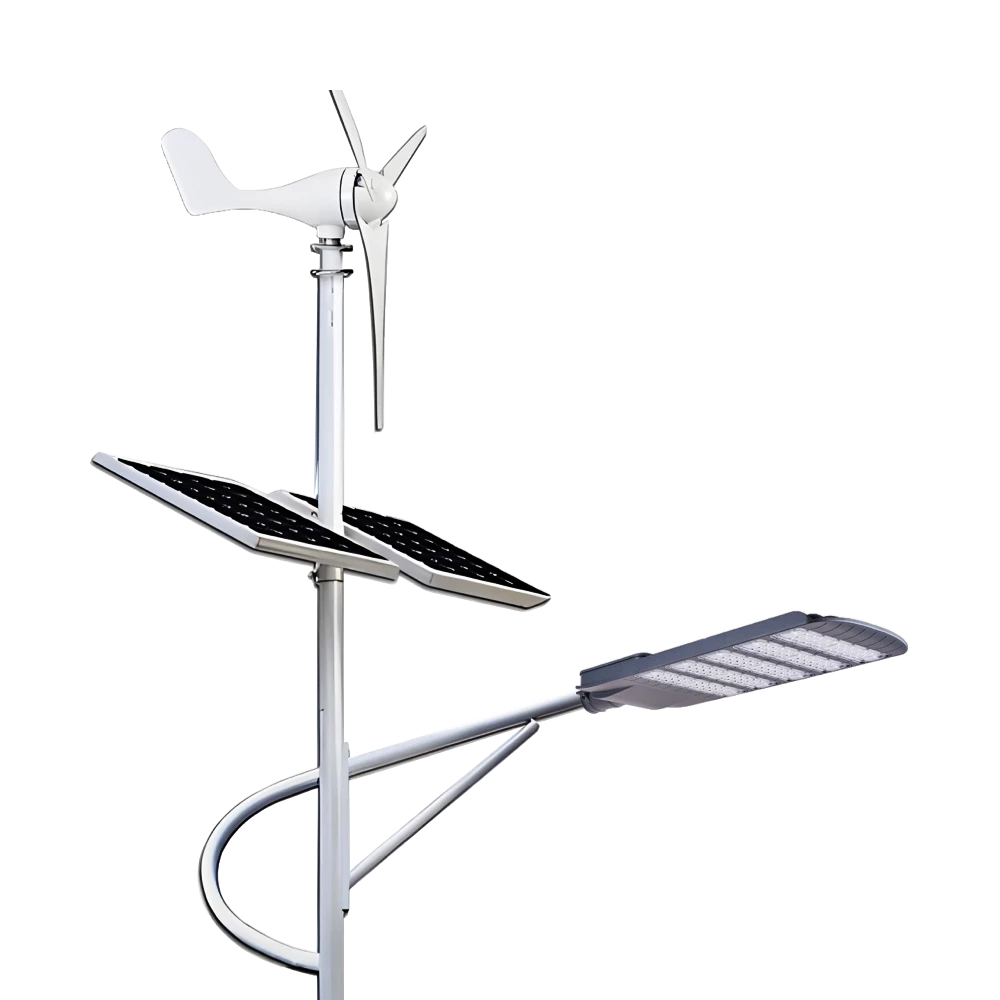
Queneng Lufeng Wind Energy LED Outdoor Solar Street Lights offer high-performance, eco-friendly illumination. These energy-efficient LED street lights harness solar power and wind energy for sustainable, cost-effective outdoor lighting solutions.
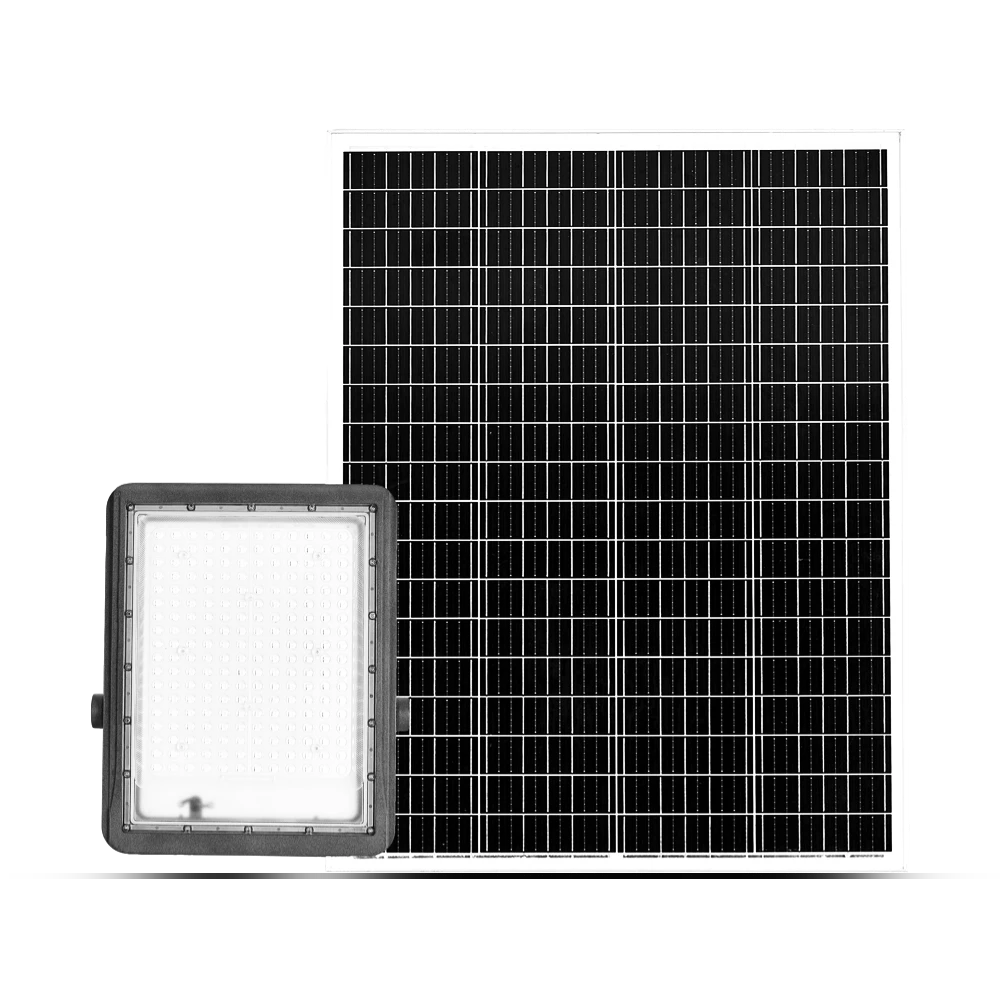
Queneng's Luxian Reliable Solar Street Light offers energy-saving LED lighting for outdoor use. This durable, solar-powered street light provides reliable illumination, reducing energy costs and environmental impact. A perfect solution for sustainable outdoor lighting.
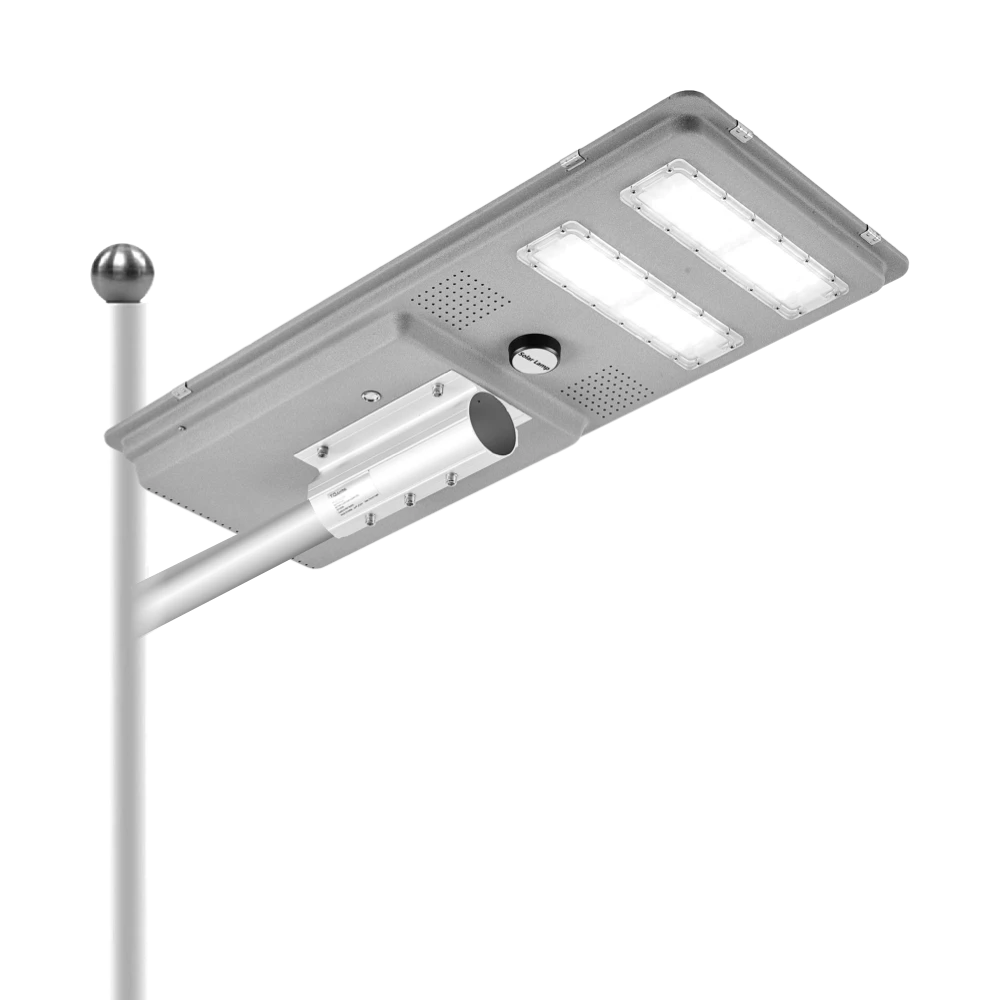
Queneng’s Solar Street Lights are designed to provide reliable, energy-efficient lighting for streets, parks, and other outdoor spaces.
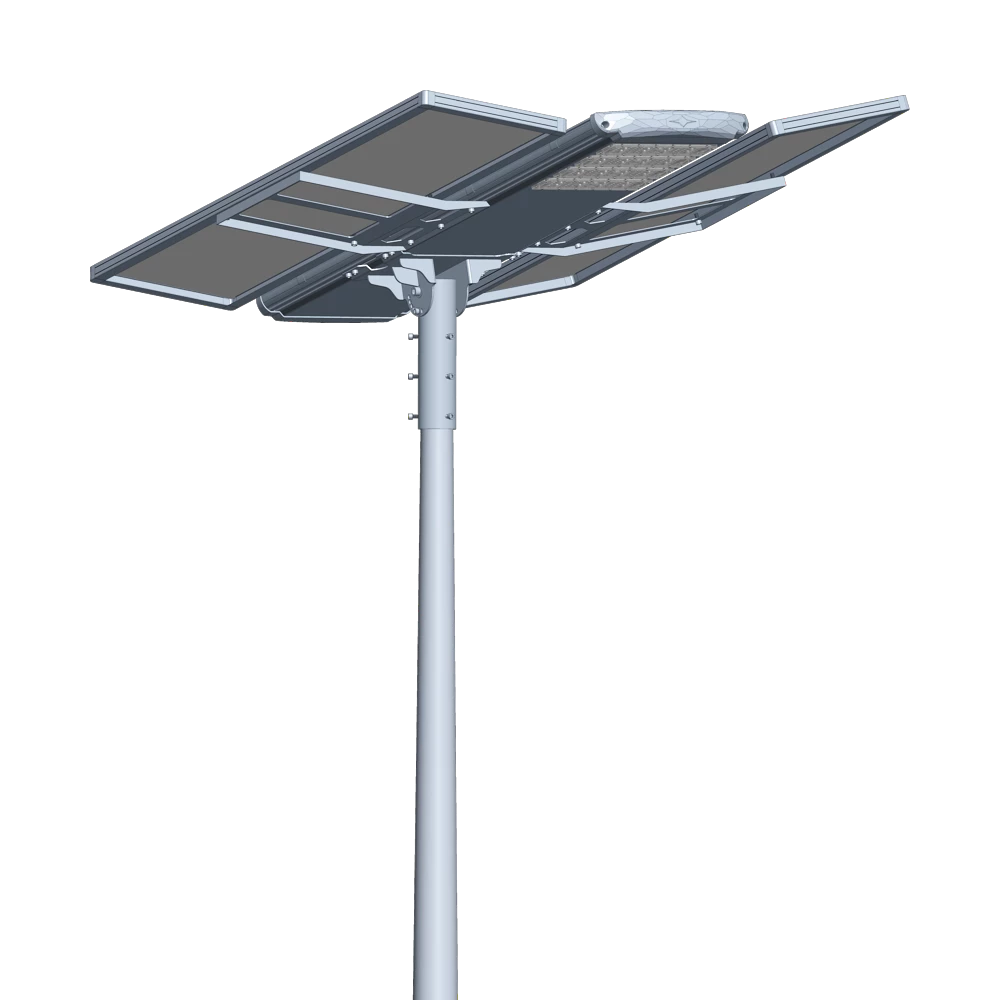
Introducing the Luqing Solar Street Light by Queneng, Efficient LED lighting powered by solar energy is perfect for illuminating outdoor areas. Harness the power of solar energy for sustainable, reliable street lighting. Ideal for eco-friendly, cost-effective outdoor illumination solutions.
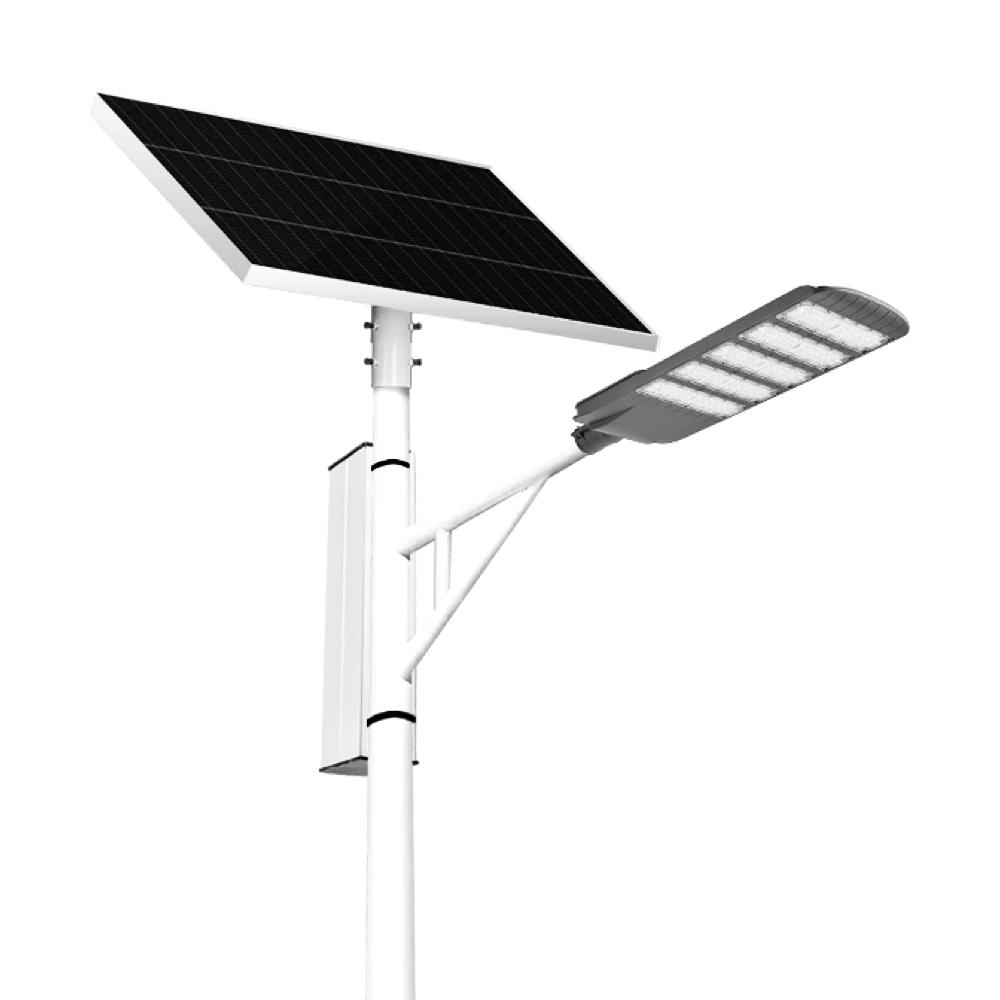
The Solar Streetlights of Luhao for Municipalities are designed to deliver reliable, energy-efficient, and cost-effective public lighting solutions. Equipped with advanced LED technology, durable lithium batteries, and high-efficiency solar panels, these streetlights provide consistent illumination for roads, parks, residential areas, and government projects.
Our professional team is ready to answer any questions and provide personalized support for your project.
You can reach us via phone or email to learn more about Queneng’s solar lighting solutions. We look forward to working with you to promote clean energy solutions!
Rest assured that your privacy is important to us, and all information provided will be handled with the utmost confidentiality.
By clicking 'Send Inquiry Now' I agree to Queneng processing my personal data.
To see how to withdraw your consent, how to control your personal data and how we process it, please see our Privacy Policy and Terms of use.
Schedule a Meeting
Book a date and time that is convenient for you and conduct the session in advance.
Have more questions about our products or services?
The messenger of light & power conversion
Environmental protection and intelligent manufacturing are our brand philosophy, and quality assurance and the best user experience are our eternal promises to users.
CONTACT
No.9F, Building F, Cao San Xin Tian Hong Logistics Park, Guzhen Town, Zhongshan City, Guangdong Province, China.
or write [email protected]
WhatsApp: +86 136 2270 1011


