

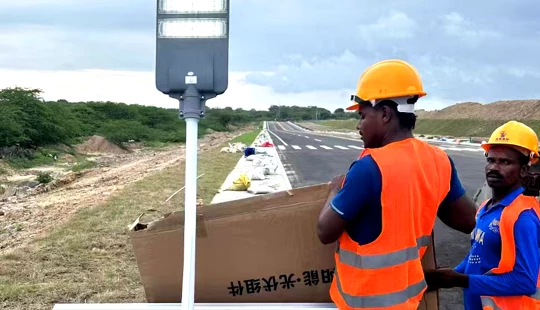
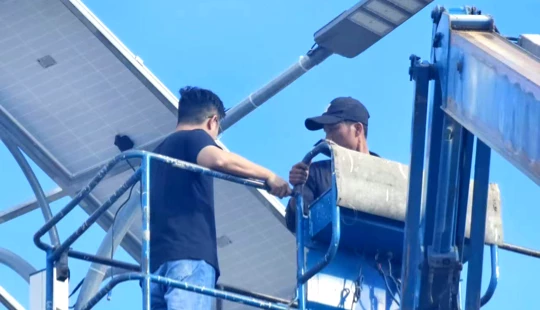













ROI-driven guide for urban solar lighting modernization
Maximizing Returns: A Practical Roadmap for Upgrading Urban Street Lighting
Why municipalities choose Municipal Solar Street Light projects
Municipalities pursue Municipal Solar Street Light solutions to reduce operating expenditures, increase resilience, and accelerate decarbonization while extending lighting coverage to underserved neighborhoods. Solar systems eliminate or reduce grid energy bills, cut distribution losses, and avoid trenching costs in areas with weak infrastructure. Well-specified projects can also lower maintenance frequency and improve service levels through remote monitoring and smart controls. International programs show that when performance and lifecycle costs are properly optimized, municipal solar lighting delivers measurable fiscal and social ROI over 10–20 years .
Defining ROI for a Municipal Solar Street Light program
Return on investment for Municipal Solar Street Light projects should be assessed with lifecycle financial metrics rather than simple payback alone. Key metrics to consider are: payback period, Net Present Value (NPV), Internal Rate of Return (IRR), and Levelized Cost of Lighting (LCOL) or LCOE-equivalent per lux-hour delivered. Useful inputs include capital cost, annual O&M, battery replacement schedules, expected energy production (insolation), depreciation, financing cost, and avoided grid energy/maintenance costs. A robust economic case uses a 10–20 year analysis window and sensitivity scenarios for energy prices, battery replacements, and performance degradation.
Typical cost components and lifecycle assumptions for Municipal Solar Street Light (per pole)
Understanding the cost building blocks is essential to credible ROI modeling. The following table lists common components and conservative lifecycle assumptions used in municipal business cases. Values must be adapted to local labor rates, tariff structures and solar irradiance.
| Cost Component | Typical Range (USD) | Assumption / Notes |
|---|---|---|
| Solar luminaire (panel+LED+controller) | $600–$1,500 | Integrated units vary by power & battery; includes fixture and panel |
| Battery (Li-ion / LiFePO4) | $200–$600 | Replacement every 5–10 years depending on chemistry and cycles |
| Pole & mounting, civil works | $200–$800 | Depends on height, foundation and local labor |
| Installation & commissioning | $100–$400 | Site access and logistics impact cost |
| Annual O&M | $10–$60 | Cleaning, firmware updates, inspections; excludes major replacements |
| Expected service life (LED & structure) | 10–20 years | LED fixtures ~50,000–75,000 hours; structure/pole life longer with coatings |
Sources for component-level trends include IRENA and Lighting Global field reports on off-grid lighting economics and solar PV cost trends .
Sample ROI scenarios: Grid-LED retrofit vs Municipal Solar Street Light (example analysis)
The table below provides an example comparative scenario for a single streetlight location. The numbers are illustrative; use site-specific inputs for procurement decisions.
| Item | Grid LED Retrofit | Municipal Solar Street Light (Off-grid) |
|---|---|---|
| Initial CapEx (per pole) | $1,100 | $2,400 |
| Annual energy cost | $150 (50W LED ×12h/day ×365d @ $0.10/kWh) | $0–$15 (mostly self-generated; minimal grid consumption) |
| Annual O&M | $40 | $60 (includes battery maintenance/replacement reserve) |
| Battery replacements in 15 years | n/a | 1 replacement @ $350 (year 8) |
| Estimated payback vs baseline (grid with HPS) | 5–7 years | 6–10 years (depends on avoided grid cost & incentives) |
| 15-year NPV (discount 6%) | Positive if energy price increases & LED efficiency high | Competitive when energy prices or grid unreliability are significant |
Interpretation: In many cities with stable, low electricity tariffs, grid LED retrofits have shorter simple paybacks. However, when grid connection costs, reliability risks, or high tariffs are present (or when financing is structured around OPEX), Municipal Solar Street Light systems can be equally or more attractive on a lifecycle basis. Sensitivity to battery replacement and insolation are key drivers .
Key technical decisions that materially affect Municipal Solar Street Light ROI
Technical choices determine performance and lifecycle costs. Prioritize the following to protect ROI:
- Battery chemistry: LiFePO4 generally offers longer cycle life and better depth-of-discharge than lead-acid, reducing replacement frequency and total cost of ownership .
- Right-sizing panels and batteries: Oversizing increases CapEx; undersizing risks autonomy loss. Design for 3–7 days of autonomy depending on local cloud variability and criticality.
- Smart controls: Dimming, motion-based boosting, and remote monitoring cut energy use and maintenance costs while improving service levels.
- Quality LEDs and optics: Proper luminaire design ensures required lux levels with fewer lumens, reducing energy and battery requirements.
- Ingress and corrosion protection: IP66/IP67, salt-spray coatings and conformal electronics coatings reduce failure rates in harsh climates.
Procurement and financing models to maximize Municipal Solar Street Light ROI
Municipalities can choose among several procurement structures based on capital availability and risk appetite:
- CAPEX purchase: Municipality acquires assets and maintains them. Best when capital is available and internal O&M capacity exists.
- OPEX / Service contract (Lighting-as-a-Service): Vendor finances, installs and guarantees performance for a fee. Shifts performance risk to supplier and can preserve municipal budgets.
- ESCO / performance contracting: Contractor invests and repaid from guaranteed energy/maintenance savings.
- Public–private partnership or blended financing: Uses grants, development bank loans and commercial finance to reduce upfront municipal burden.
Choice affects how ROI is realized (direct savings vs affordability). Performance-based contracts aligned to uptime and lux uniformity metrics produce the strongest alignment between municipal goals and supplier incentives .
Implementation checklist and KPIs for Municipal Solar Street Light programs
Use a phased, data-driven rollout. Core checklist items and KPIs to track:
- Pilot: 20–100 units across representative microclimates and mounting conditions.
- Pre-deployment survey: insolation data, pole spacing, baseline illuminance measurements.
- KPI set: uptime (%), mean time to repair (hours), lux levels and uniformity, battery state-of-health (% capacity), energy autonomy days, remote telemetry reporting frequency.
- Monitoring: real-time fault detection and a dashboard for decision makers. Warranty terms should include replacement SLAs tied to KPIs.
Why choose GuangDong Queneng Lighting Technology Co., Ltd. for Municipal Solar Street Light projects
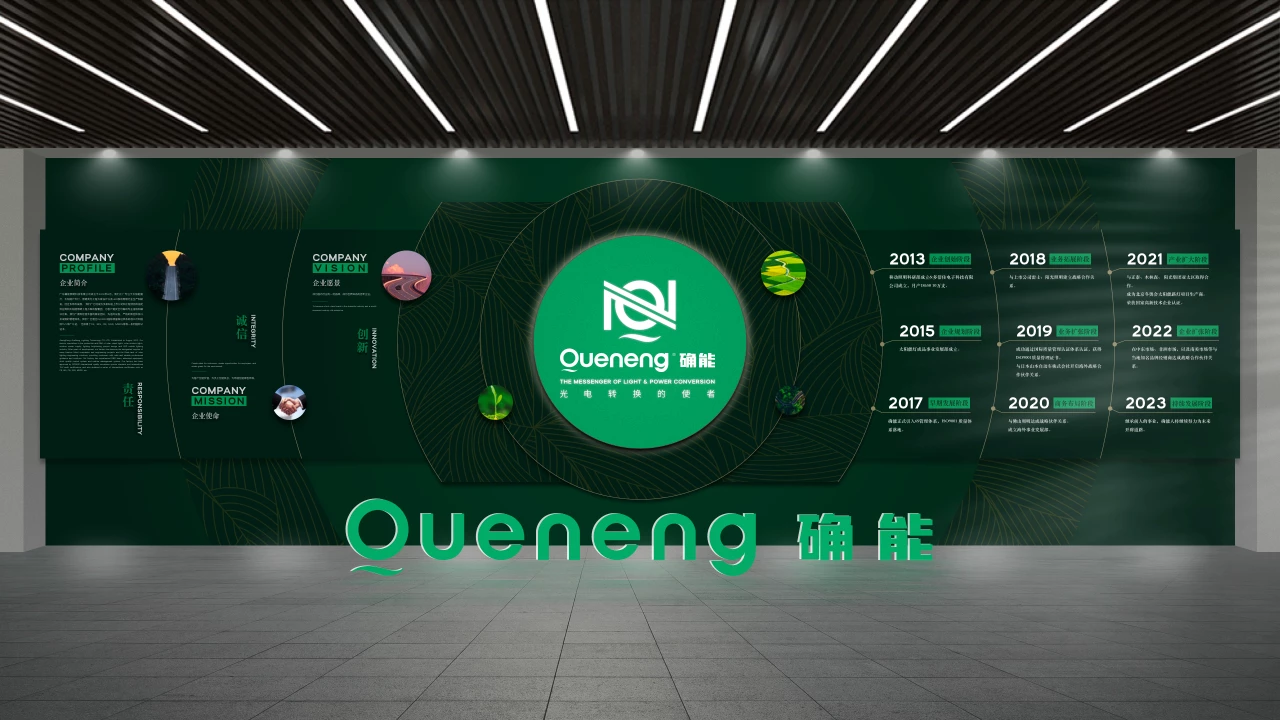
GuangDong Queneng Lighting Technology Co., Ltd. (Founded in 2013) specializes in solar street lights, solar spotlights, solar garden lights, solar lawn lights, solar pillar lights, solar photovoltaic panels, portable outdoor power supplies and batteries, lighting project design, and LED mobile lighting industry production and development. After years of development, Queneng has become the designated supplier of many listed companies and engineering projects and acts as a solar lighting engineering solutions think tank, providing safe and reliable professional guidance and solutions.
Queneng's competitive advantages include an experienced R&D team, advanced production equipment, strict quality control systems and a mature management system. They are ISO 9001 certified and have passed international TÜV audits, holding international certificates such as CE, UL, BIS, CB, SGS and MSDS. Their main products relevant to municipal programs include Solar Street Lights, Solar Spot lights, Solar Lawn lights, Solar Pillar Lights, Solar Photovoltaic Panels and Solar Garden Lights.
For municipalities seeking a partner able to offer engineered designs, certified components, performance guarantees and integrated supply chain capabilities, Queneng presents an option with documented manufacturing credentials and international certifications—useful when establishing performance-based procurement or export projects.
Recommended phased deployment for ROI-driven Municipal Solar Street Light modernization
1) Pilot stage (6–12 months): Validate performance across 3–5 typologies (main road, residential, park, sloped terrain). Track KPIs and verify battery cycling and remote reporting.
2) Scale-up stage (12–36 months): Use lessons to standardize specifications, develop batch procurement, and negotiate performance-based warranties and spare-part pools to reduce lifecycle costs.
3) Long-term operations (ongoing): Transition to outcome-based contracts or local maintenance teams trained by the supplier. Use telemetry for predictive maintenance to minimize emergency repairs and extend battery life.
FAQ: Municipal Solar Street Light and ROI
Q1: How long until a Municipal Solar Street Light pays for itself?
A1: Typical simple payback ranges from 5–10 years depending on the alternative (existing HPS vs new grid LED), local electricity tariffs, and available incentives. A full lifecycle NPV and sensitivity analysis is recommended for an accurate answer.
Q2: Are batteries the largest ongoing cost?
A2: Batteries are a significant replacement cost and major sensitivity; choosing LiFePO4 and conservative depth-of-discharge management reduces lifecycle costs. Proper thermal management and remote monitoring extend battery life.
Q3: Can Municipal Solar Street Light systems work in cloudy or northern climates?
A3: Yes, with appropriate oversizing for panels and batteries and design for longer autonomy. The trade-off is higher upfront cost; pilots and insolation modeling should guide sizing.
Q4: What warranties and service levels should municipalities require?
A4: Require at minimum 5-year performance warranties on luminaires and 2–5 years on batteries (with options to extend), plus SLAs for mean time to repair (e.g., 48–72 hours) and uptime guarantees tied to financial remedies.
Q5: How does remote monitoring affect ROI?
A5: Remote monitoring reduces O&M costs by enabling predictive maintenance, reducing truck rolls, and quickly addressing faults. It also provides operational data that improves future procurement specifications.
Q6: Which procurement model is best for cash-constrained cities?
A6: OPEX models (Lighting-as-a-Service) or blended finance (development bank loans + municipal contributions) typically help cash-constrained cities accelerate modernisation while shifting some performance risks to vendors.
Contact & next steps
If you are evaluating Municipal Solar Street Light programs and need a detailed ROI model, pilot design or supplier evaluation, contact our team for a customized feasibility study or to request samples and technical specifications. For product inquiries and engineering support, GuangDong Queneng Lighting Technology Co., Ltd. offers end-to-end solutions including certified components and design services. Reach out to Queneng to discuss pilot programs, performance contracts, or mass procurement options.
References
- Lighting Global / IFC — Off-Grid Solar Market Trends report. https://www.lightingglobal.org/resource-category/reports/ (accessed 2025-11-01)
- World Bank — Financing Municipal Infrastructure notes and case studies on street lighting. https://www.worldbank.org/ (accessed 2025-10-20)
- IRENA — Renewable Power Generation Costs (cost trends for solar PV, useful for panel cost inputs). https://www.irena.org/publications (accessed 2025-09-15)
- International Energy Agency (IEA) — analysis on energy efficiency and lighting transitions. https://www.iea.org/reports (accessed 2025-08-30)
- Lighting Africa / USAID — field reports on solar street lighting performance and cost-effectiveness in urban and peri-urban deployments. https://www.lightingafrica.org/ (accessed 2025-07-10)
- US National Renewable Energy Laboratory (NREL) — battery chemistry lifecycle analyses and recommendations for off-grid systems. https://www.nrel.gov/ (accessed 2025-06-22)
- UN-Habitat / Procurement guidance — model specifications and procurement options for municipal lighting. https://unhabitat.org/ (accessed 2025-05-05)
For a tailored ROI calculation, pilot design or to request Queneng product datasheets (Solar Street Lights, Solar Spot lights, Solar Lawn lights, Solar Pillar Lights, Solar Photovoltaic Panels, Solar Garden Lights), contact GuangDong Queneng Lighting Technology Co., Ltd. or request a feasibility study through their technical team.

Have more questions about our products or services?
The latest hot news you might like

Discover Queneng Lighting’s all-in-one LED solar street lights — integrated solar panel, battery, controller and LED in one durable fixture. Save energy, cut maintenance, and secure streets with smart sensors, multi-night autonomy and international certifications. Contact sales for quotes and support.

Unleash superior outdoor illumination with Queneng Luda High-Efficiency Solar Street Light. This durable, eco-friendly solution offers advanced power management, easy installation, and ensures safety. Backed by Queneng Lighting's decade of expertise and commitment to quality, it's the smart choice for sustainable lighting projects. Learn why we're a leading solar solutions provider.

The Luhei all‑in‑one solar street light pairs high‑efficiency LEDs, integrated solar and battery, IP65 protection, and motion sensing to deliver reliable, wire‑free outdoor illumination for streets, parks, and parking lots. Backed by Queneng Lighting’s certifications and support.

FAQ
Sustainability
How should I maintain solar street lights for optimal performance?
To ensure optimal performance, we recommend cleaning and inspecting the lights every 6–12 months. Regularly cleaning the photovoltaic panels, checking the battery health, and confirming the integrity of the lights and control systems are essential for long-term reliable operation.
Solar Street Light Lufeng
How are Lufeng solar street lights designed for durability?
Lufeng solar street lights are built with high-quality, weather-resistant materials that can withstand harsh outdoor conditions. They are designed to endure extreme temperatures, heavy rainfall, and strong winds. The lights are also corrosion-resistant, ensuring long-term performance even in challenging environments.
Batteries and the environment
What are the “green batteries” currently being used and researched?
Solar Street Light Luhua
What makes Luhua solar street lights energy-saving and eco-friendly?
Luhua solar street lights are energy-efficient because they use solar power, a renewable energy source, to generate electricity, reducing reliance on the grid. The LED lights consume very little energy while providing high brightness. The eco-friendly design helps reduce carbon emissions and lower electricity costs, making them a sustainable and green solution for outdoor lighting.
Solar Street Light Luhao
Can the Luhao solar street light be used in residential areas?
Yes, the Luhao solar street light is suitable for both residential and commercial applications. It is perfect for lighting driveways, gardens, pathways, or any outdoor area that requires reliable, energy-efficient illumination.
Schools and Educational Institutions
Can solar lights be installed in remote locations without easy access to power sources?
Yes, solar lights are perfect for remote locations where it is difficult to lay electrical wiring. They provide autonomous lighting without the need for external power sources.
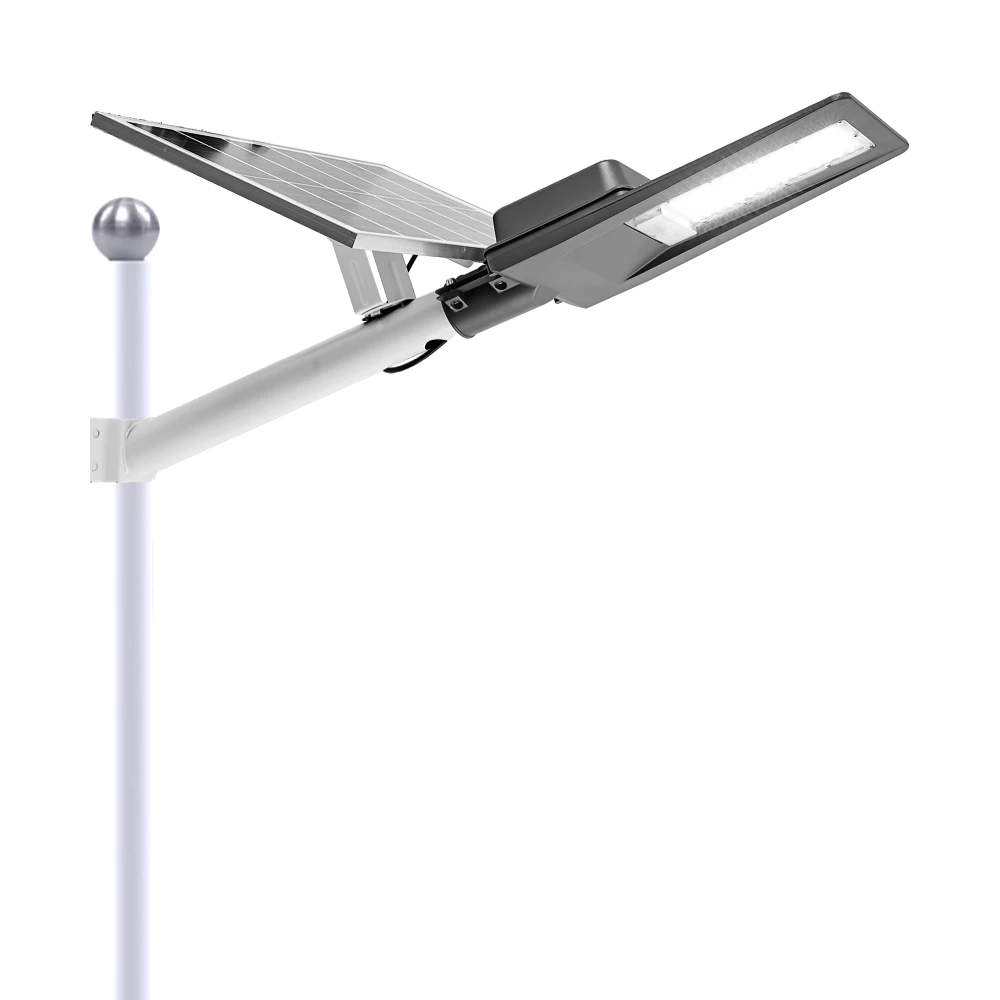
Experience reliable outdoor illumination with our smart solar street light, a perfect combination of advanced technology and eco-conscious design.
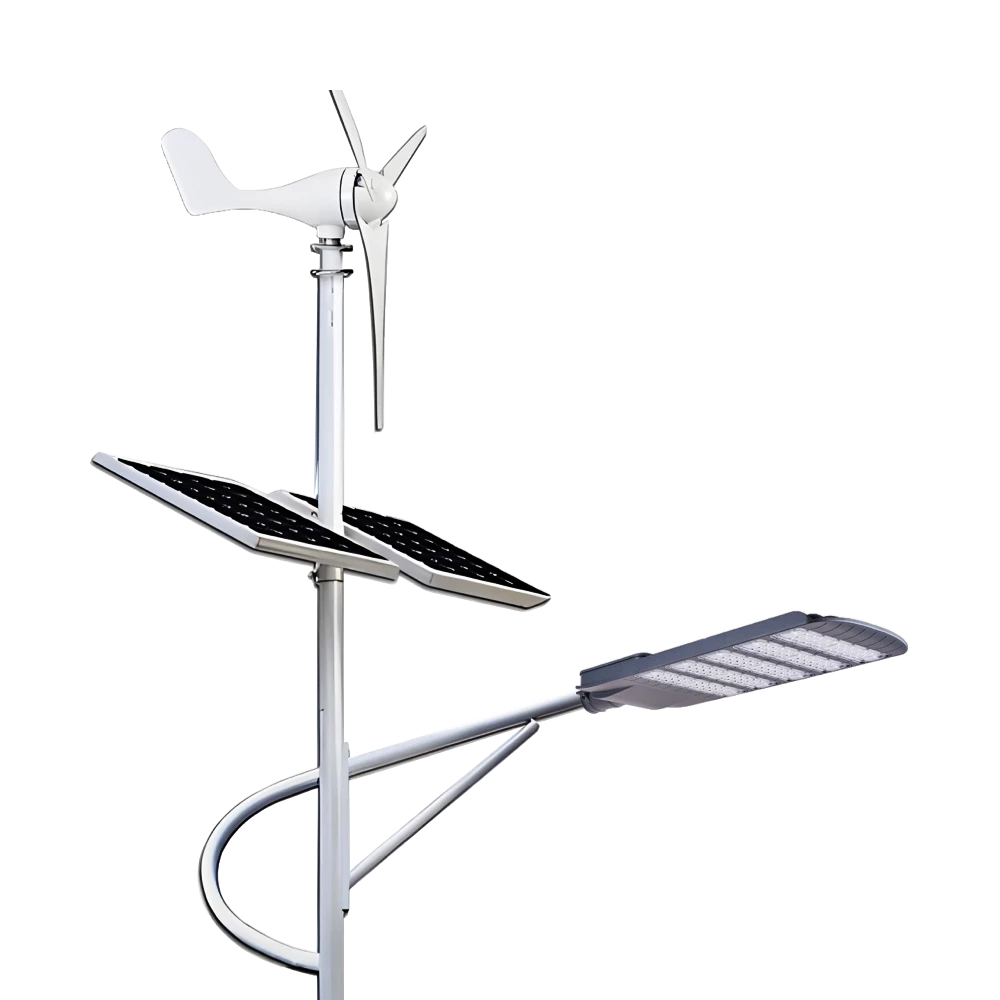
Queneng Lufeng Wind Energy LED Outdoor Solar Street Lights offer high-performance, eco-friendly illumination. These energy-efficient LED street lights harness solar power and wind energy for sustainable, cost-effective outdoor lighting solutions.
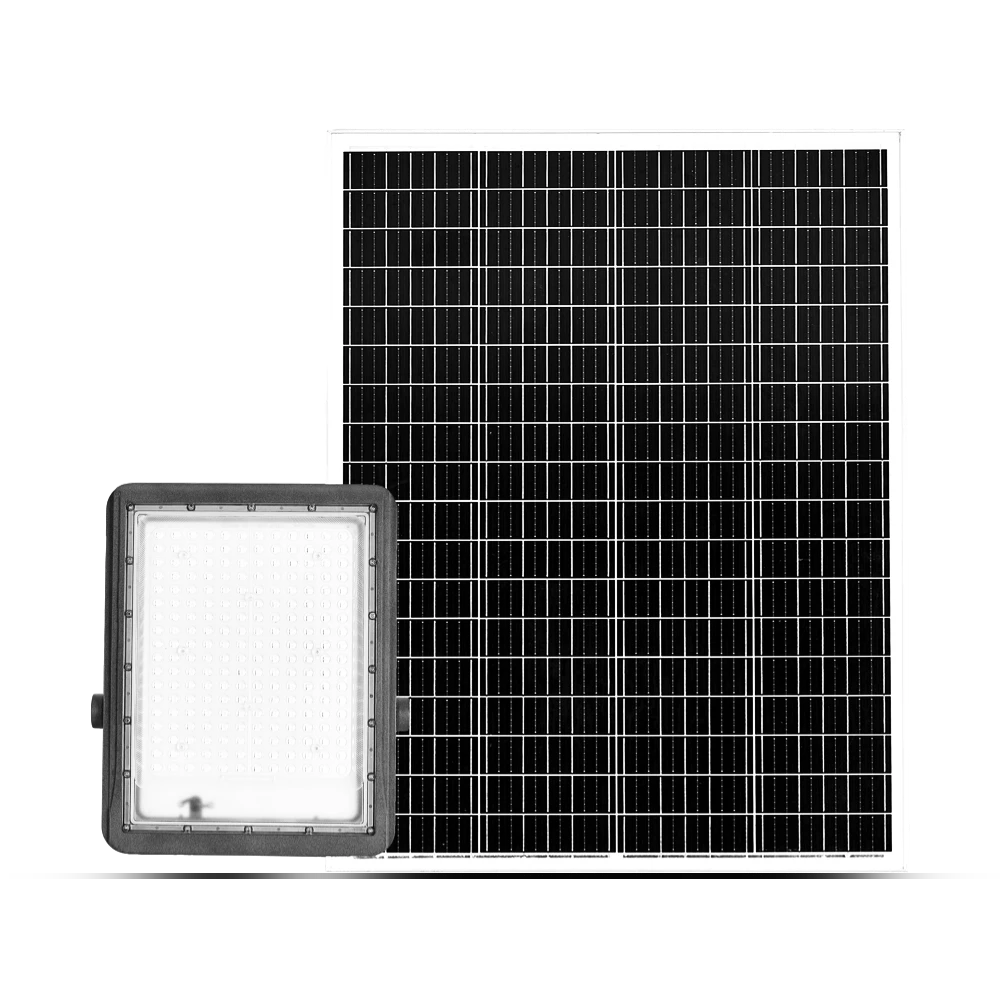
Queneng's Luxian Reliable Solar Street Light offers energy-saving LED lighting for outdoor use. This durable, solar-powered street light provides reliable illumination, reducing energy costs and environmental impact. A perfect solution for sustainable outdoor lighting.
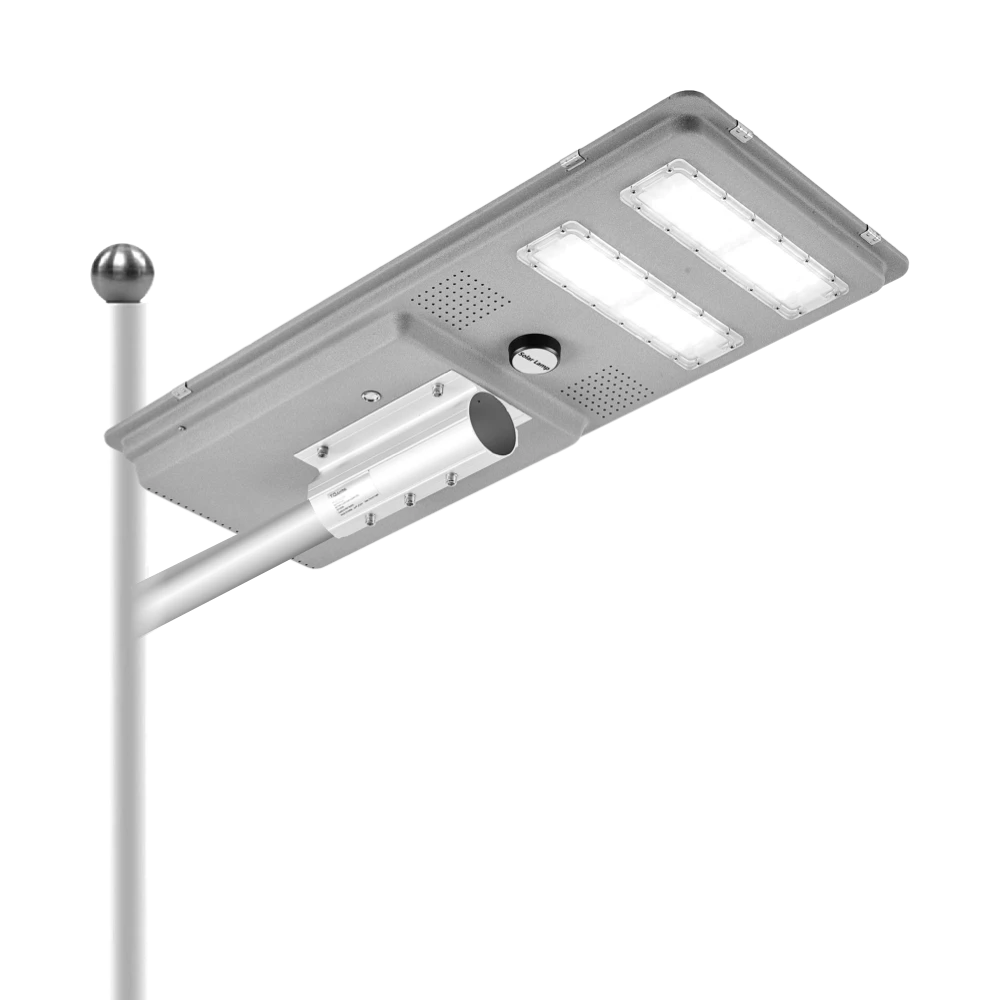
Queneng’s Solar Street Lights are designed to provide reliable, energy-efficient lighting for streets, parks, and other outdoor spaces.
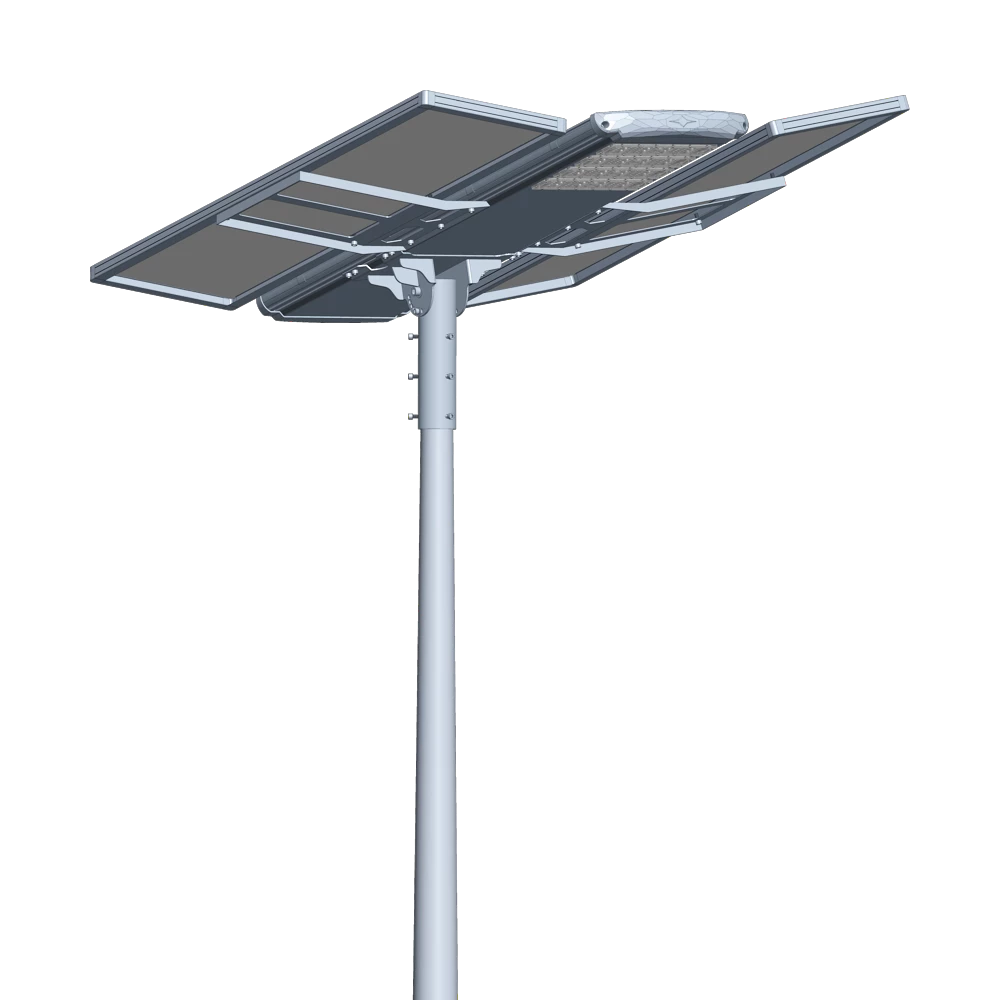
Introducing the Luqing Solar Street Light by Queneng, Efficient LED lighting powered by solar energy is perfect for illuminating outdoor areas. Harness the power of solar energy for sustainable, reliable street lighting. Ideal for eco-friendly, cost-effective outdoor illumination solutions.
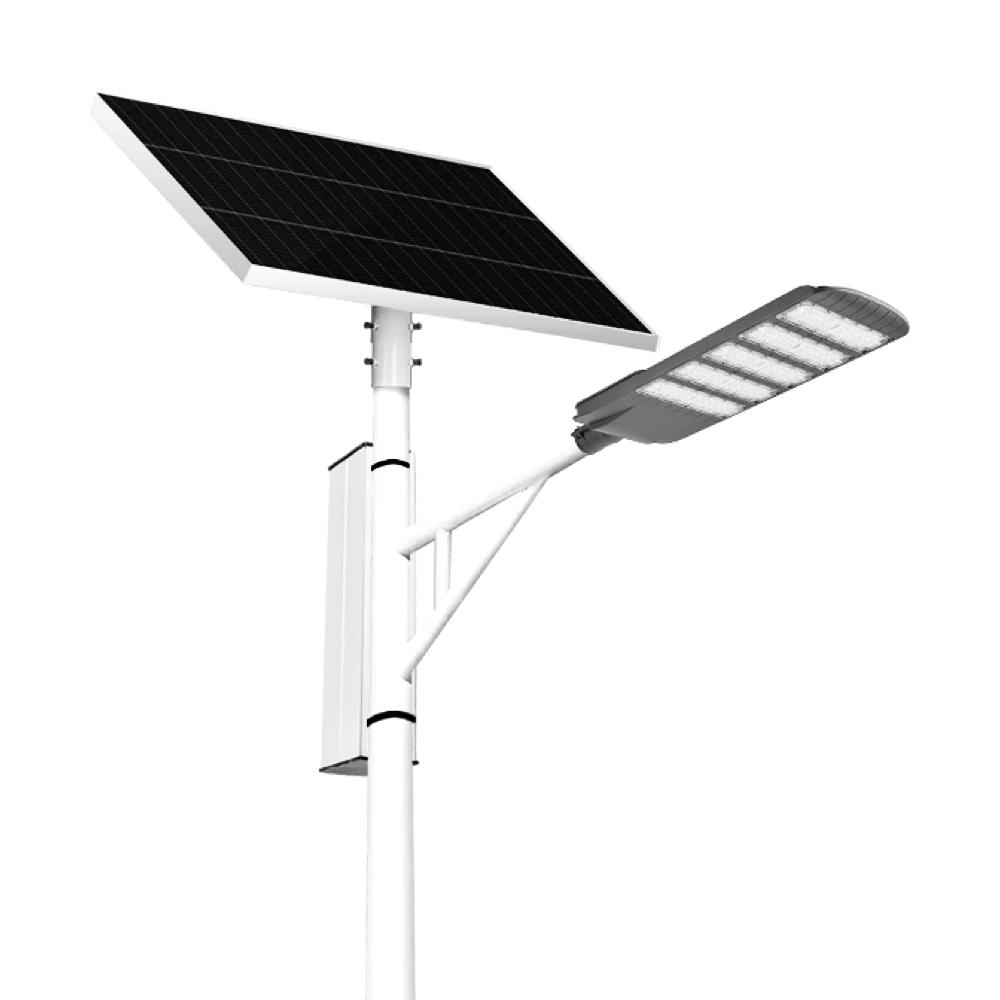
The Solar Streetlights of Luhao for Municipalities are designed to deliver reliable, energy-efficient, and cost-effective public lighting solutions. Equipped with advanced LED technology, durable lithium batteries, and high-efficiency solar panels, these streetlights provide consistent illumination for roads, parks, residential areas, and government projects.
Our professional team is ready to answer any questions and provide personalized support for your project.
You can reach us via phone or email to learn more about Queneng’s solar lighting solutions. We look forward to working with you to promote clean energy solutions!
Rest assured that your privacy is important to us, and all information provided will be handled with the utmost confidentiality.
By clicking 'Send Inquiry Now' I agree to Queneng processing my personal data.
To see how to withdraw your consent, how to control your personal data and how we process it, please see our Privacy Policy and Terms of use.
Schedule a Meeting
Book a date and time that is convenient for you and conduct the session in advance.
Have more questions about our products or services?
The messenger of light & power conversion
Environmental protection and intelligent manufacturing are our brand philosophy, and quality assurance and the best user experience are our eternal promises to users.
CONTACT
No.9F, Building F, Cao San Xin Tian Hong Logistics Park, Guzhen Town, Zhongshan City, Guangdong Province, China.
or write [email protected]
WhatsApp: +86 136 2270 1011


