














ROI Metrics Municipalities Should Track in Solar Lighting Projects
Why municipalities must measure ROI for solar street lighting beyond upfront cost
Municipal Solar Street Light: align investments with lifecycle value
Municipalities considering Municipal Solar Street Light installations frequently focus on upfront procurement price, but long-term value depends on a set of measurable ROI metrics. These metrics help translate technical performance into budget certainty, operational reliability, carbon accounting, and community benefits (safety, economic activity). This guide outlines the financial, operational, and environmental metrics that city planners, procurement officers, and engineers should track to make defensible, E-E-A-T–aligned decisions.
Core financial ROI metrics municipal teams must track
Payback Period — how long until capital is recovered
Definition: Time (years) required for cumulative net cash flows (energy savings + maintenance savings + incentives) to equal initial capital expenditure (CapEx).
Why it matters: Simple to compute and communicates speed of return to elected officials and budget holders. For Municipal Solar Street Light projects, payback often ranges from 3–10 years depending on local electricity prices, insolation, and maintenance regimes.
Net Present Value (NPV) — true value over project life
Definition: Present value of future cash flows (savings minus costs) discounted at the municipality’s cost of capital. NPV > 0 indicates value creation.
Why it matters: Municipal finance requires NPV to compare projects with different lifespans and cash-flow timing. Use conservative discount rates (e.g., 3–6% for public projects) and run sensitivity analyses on energy prices and component lifetimes.
Internal Rate of Return (IRR) — project return rate
Definition: The discount rate that makes the NPV of the project zero.
Why it matters: IRR helps rank competing investments. For Municipal Solar Street Light programs, IRRs above municipal hurdle rates (commonly 3–7%) generally justify investment; however, include non-monetary benefits (safety, resilience) in final decisions.
Levelized Cost of Light (LCOL) — cost per useful lumen-hour
Definition: Total lifecycle cost (CapEx + O&M + replacements) divided by total delivered useful light (lumen-hours) over project life.
Why it matters: LCOL enables apples-to-apples comparison between grid-tied LED and off-grid solar lighting since it accounts for energy, storage, and replacements. It is particularly useful for low-volume lighting decisions across dispersed municipal assets.
Operational KPIs that directly affect ROI
System availability / uptime for Municipal Solar Street Light
Definition: Percentage of time the light provides expected illuminance at the roadway or public space (e.g., 99% uptime target).
Why it matters: Availability impacts public safety and perceived program success. Poor uptime increases non-monetary costs (complaints, political risk) and may require warranty claims or premature replacements that harm ROI.
Maintenance and Total Cost of Ownership (TCO)
Definition: Annual O&M cost per fixture, including scheduled maintenance, reactive repairs, battery replacements, and network/telemetry fees.
Why it matters: Batteries and luminaires are the main recurring costs. Tracking TCO lets municipalities forecast budgets and optimize procurement (e.g., selecting higher-quality batteries or modular fixtures if TCO is lower over 10–15 years).
Lumen Maintenance (Lm70/Lm80) and LED degradation
Definition: Rate at which LEDs diminish output over time (commonly specified as L70@50,000h or higher).
Why it matters: Faster lumen depreciation requires higher initial lumen output (over-lighting) or earlier replacement, both hurting ROI. Use manufacturer testing data (LM-80 / TM-21) when evaluating bids for Municipal Solar Street Light systems.
Environmental and social ROI metrics
CO2e reduction and local emissions avoided
Definition: Annual metric tons of CO2e avoided compared to a baseline (typically grid electricity or legacy HPS lamps).
Why it matters: Carbon reduction supports climate goals and can enable access to grants or carbon finance. Calculate using local grid emissions factor (kgCO2e/kWh); for example, EPA or national electricity grid operators publish these factors.
Energy offset and grid independence
Definition: Fraction of lighting energy demand met by onsite PV generation; degree of independence from vulnerable grid infrastructure.
Why it matters: For remote areas or grid-resilient planning, energy offset quantifies resilience benefits. A Municipal Solar Street Light with battery storage can maintain lighting during outages and reduce dependence on diesel generators.
Safety and economic impact indicators
Examples: changes in nighttime crime statistics, vehicle accidents at night, pedestrian activity, and local business hours. While harder to monetize, these social ROIs can be quantified via before/after studies and reflected in broader cost–benefit assessments.
Funding, incentives and procurement metrics that influence ROI
Grant/subsidy capture rate and leverage factor
Definition: Percent of project capital covered by external funds and the ratio of total project value to municipal contribution.
Why it matters: External funding (national grants, climate funds, ESG funds) can dramatically shorten payback. Track application success rates and time-to-funding as part of procurement planning.
Contract terms: warranties, performance guarantees, and SLA KPIs
Definition: Warranty lengths for PV modules, batteries, and LED fixtures; performance guarantees (e.g., minimum annual average delivered lux); and service-level agreements for response times.
Why it matters: Strong supplier warranties and enforceable SLAs shift lifecycle risk to vendors and improve financial predictability for Municipal Solar Street Light projects.
How to calculate and present ROI: an example scenario
Sample Municipal Solar Street Light ROI calculation (illustrative)
Below is a simplified example comparing a single solar street light vs. replacing a 150W HPS grid fixture with a 40W LED on-grid option. Numbers are illustrative and should be adapted to local factors.
| Parameter | Grid LED (40W) | Solar Street Light (Integrated) |
|---|---|---|
| Initial CapEx per fixture | $600 | $2,200 |
| Annual energy consumption (kWh) | ~350 kWh | 0 kWh from grid |
| Electricity price | $0.14/kWh | — |
| Annual energy cost | $49 | $0 |
| Annual maintenance & replacement | $40 | $80 (battery replacement share) |
| Expected useful life | 15 years | 12 years (battery replacement at year 5–7) |
| Simple payback (years) | ~8–12 (depending on rebates) | ~6–10 (depending on incentives, local solar insolation) |
Notes: This table shows how higher CapEx for solar is offset by zero grid energy costs and different O&M profiles. Municipalities should run NPV/IRR using local kWh rates, solar insolation (e.g., NREL PVWatts), and realistic battery lifetimes.
Data collection and measurement best practices
Baseline data collection for Municipal Solar Street Light programs
1) Meter pre-retrofit energy use for at least one year or model using historical streetlight schedules. 2) Capture incident reports, traffic and crime data for social ROI studies. 3) Record lamp-level operational logs after installation (voltage, battery SOC, illuminance).
Remote monitoring and telemanagement
Use telemetry (cellular, LoRaWAN) to gather uptime, battery state-of-health, runtime, and dimming schedules. Real-time data improves warranty claims, maintenance efficiency, and the accuracy of ROI models.
Reporting cadence and stakeholder dashboards
Produce quarterly ROI dashboards showing realized vs projected energy savings, maintenance costs, CO2 avoided, and SLA compliance. Transparent reporting supports public accountability and future budget approvals.
Risk factors that can erode ROI and how to mitigate them
Key risks for Municipal Solar Street Light projects
- Underperforming PV due to poor siting or shading. - Battery failures due to heat or poor cycle life. - Vandalism or theft. - Weak procurement specs or lack of performance guarantees.
Mitigation strategies
- Use site-level insolation studies (NREL PVWatts or local solar maps). - Specify high-quality batteries with tested cycle life and thermal management. - Design anti-theft mounting and tamper-resistant hardware. - Require LM-80/TM-21, IEC 62108/IEC 62257 compliant testing data, and clear SLAs in contracts.
Procurement checklist: ensure ROI is realized
Contract and technical checklist for Municipal Solar Street Light procurement
- Require full LCA/TCO disclosure and NPV/IRR sensitivity analyses in bids.
- Demand third-party test reports (LM-80, IEC battery test reports).
- Include performance-based payments tied to uptime and lux delivery.
- Plan for a data-collection period and acceptance tests (e.g., 6–12 months).
- Reserve funds for battery replacement at expected interval (e.g., year 5–8 depending on battery type).
Why vendor selection matters: the role of experienced partners
Choosing suppliers that protect your ROI on Municipal Solar Street Light projects
Vendors with proven manufacturing controls, long-term warranties, and documented project references reduce performance risk. For municipal programs, prioritize suppliers who can provide engineering support, site-level design, and post-installation monitoring services.
Supplier spotlight: GuangDong Queneng Lighting Technology Co., Ltd.
Queneng: capabilities that improve municipal ROI for solar lighting
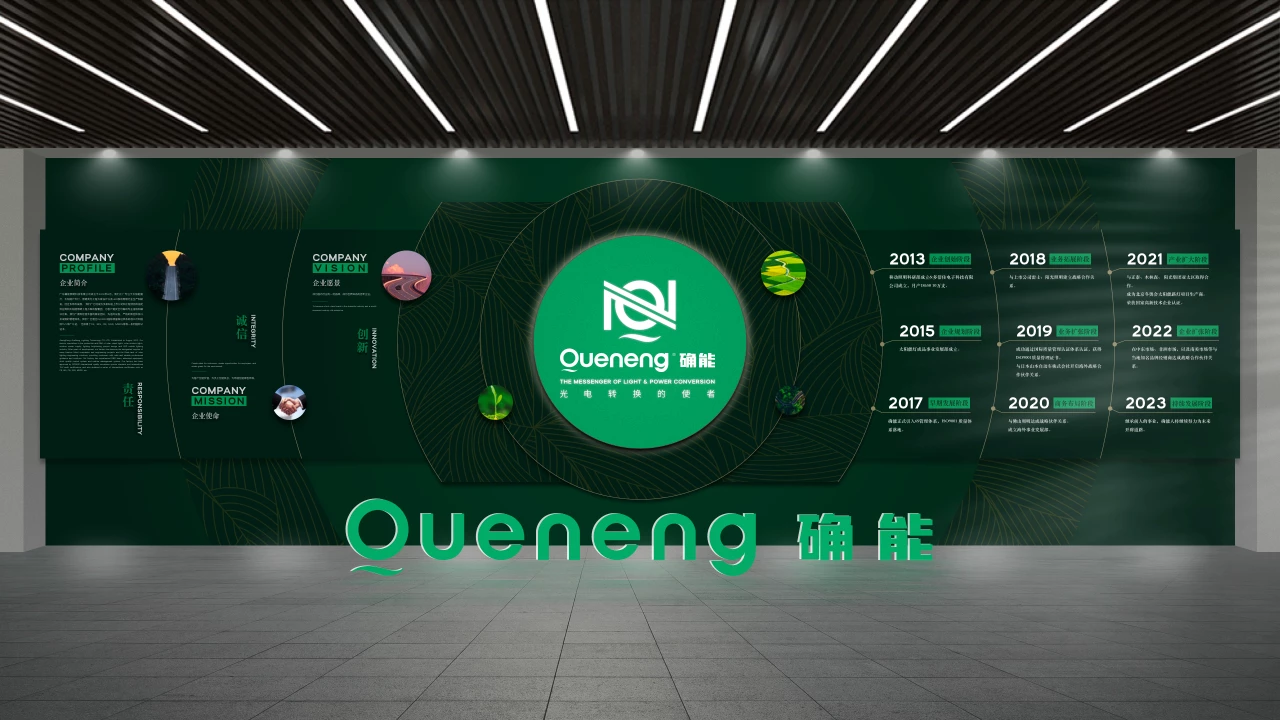
Founded in 2013, GuangDong Queneng Lighting Technology Co., Ltd. (Queneng) focuses on solar street lights, solar spotlights, solar garden lights, solar lawn lights, solar pillar lights, solar photovoltaic panels, portable outdoor power supplies and batteries, lighting project design, and LED mobile lighting industry production and development. After years of development, Queneng has become a designated supplier for many listed companies and engineering projects and serves as a solar lighting engineering solutions think tank, providing professional guidance and solutions that enhance project ROI.
Technical strengths and certifications that protect municipal investments
Queneng emphasizes in-house R&D, advanced manufacturing, strict quality control, and mature management systems. The company has achieved ISO 9001 international quality assurance and TÜV audit certification, and holds certificates including CE, UL, BIS, CB, SGS, and MSDS. These credentials support reliable product performance, warranty enforcement, and simplified compliance for municipal procurement.
Key products relevant to municipal programs
- Solar Street Lights — integrated, modular systems designed for variable insolation and long-life operation.
- Solar Spot Lights & Solar Garden Lights — targeted illumination for parks, transit nodes, and heritage sites.
- Solar Lawn Lights & Solar Pillar Lights — decorative and pathway lighting with low maintenance needs.
- Solar Photovoltaic Panels & portable power supplies — system components with tested performance for resilience projects.
Why Queneng can improve your Municipal Solar Street Light ROI
Queneng’s strengths—engineering design support, test-backed components, and international certifications—help municipalities reduce lifecycle risks (lower O&M, proven component life), increase uptime through appropriate system sizing, and improve financing options (documented performance attracts grants and investors).
Putting ROI into practice: an implementation roadmap
Stepwise approach for municipalities adopting Municipal Solar Street Light solutions
- Baseline assessment: energy, illumination, and social indicators.
- Pilot projects with telemetry for 6–12 months to validate model assumptions.
- Procurement using performance-based specifications and warranties.
- Scale with monitoring, scheduled battery replacements fund, and ongoing reporting.
- Review and iterate: update NPV/IRR annually using collected operational data.
Frequently Asked Questions (FAQ)
1. What is a typical payback period for Municipal Solar Street Light projects?
Payback typically ranges from 3 to 10+ years depending on local electricity prices, solar insolation, CapEx, available incentives, and battery replacement schedules. Pilots and accurate local modeling are essential for reliable estimates.
2. How do batteries affect ROI for solar street lighting?
Batteries are often the largest recurring cost and the main source of performance risk. Battery life, depth-of-discharge, operating temperature, and replacement cost materially affect TCO. Select batteries with proven cycle life and factor replacement costs into lifecycle models.
3. Can municipalities use grants or carbon finance to improve ROI?
Yes. Grants, subsidies, and carbon finance can significantly reduce upfront municipal contributions and shorten payback. Include grant capture and carbon credit assumptions in financial models and track leverage ratios.
4. How should municipalities monitor performance after installation?
Implement remote monitoring for uptime, battery SOC, charge cycles, illuminance, and fault logs. Quarterly dashboards and annual NPV/IRR updates based on real data ensure accountability and continuous improvement.
5. Are solar street lights reliable in cloudy climates?
Yes, with proper design. Systems must be sized for worst-case month energy balances, use batteries with appropriate capacity, and include tilt/orientation optimized PV modules. Performance validation via site-specific insolation data (e.g., NREL PVWatts) and conservative autonomy planning is critical.
6. Should we choose on-grid LED replacement or off-grid solar street lights?
It depends on objectives. On-grid LED retrofits typically have lower CapEx and rapid payback where grid is reliable and cheap. Municipal Solar Street Light is preferable where grid extension is costly, outages are frequent, or resilience and zero-grid-energy goals are priority. Use LCOL and NPV comparisons to decide for your municipality.
Contact and next steps
Request a site assessment or product consultation
If you’re planning a Municipal Solar Street Light program and want a site-specific ROI assessment, pilot design, or a supplier discussion, contact GuangDong Queneng Lighting Technology Co., Ltd. for engineering support, product specifications, and certified test reports. A professional partner can help you design for optimized lifecycle cost and verified performance.
For project inquiries, request-for-quotation support, or technical data (LM-80/TM-21, battery cycle tests, PV module datasheets), reach out to Queneng through their official channels to obtain tailored proposals and compliance documentation.
References
- U.S. Department of Energy, Solid-State Lighting Program — Energy Savings Potential of SSL for Street Lighting, energy.gov. (Accessed 2024-06) https://www.energy.gov/eere/ssl/solid-state-lighting
- NREL PVWatts Calculator — National Renewable Energy Laboratory (PV performance estimates and insolation data). (Accessed 2024-06) https://pvwatts.nrel.gov/
- IRENA — Renewable Power Generation Costs in 2020 (module and PV system cost trends). (Published 2021, accessed 2024-06) https://www.irena.org/publications/2021/Jun/Renewable-Power-Costs-in-2020
- EPA Greenhouse Gas Equivalencies Calculator — for CO2e conversion of energy savings. (Accessed 2024-06) https://www.epa.gov/energy/greenhouse-gas-equivalencies-calculator
- IEC and LM-80/TM-21 testing standards referenced for LED lifetime — International Electrotechnical Commission. (Accessed 2024-06) https://www.iec.ch/
Data and example calculations in this article are illustrative; always run local NPV/IRR models using municipal discount rates, local kWh factors, and site-specific solar data.

Have more questions about our products or services?
The latest hot news you might like

Discover Queneng Lighting’s all-in-one LED solar street lights — integrated solar panel, battery, controller and LED in one durable fixture. Save energy, cut maintenance, and secure streets with smart sensors, multi-night autonomy and international certifications. Contact sales for quotes and support.

Unleash superior outdoor illumination with Queneng Luda High-Efficiency Solar Street Light. This durable, eco-friendly solution offers advanced power management, easy installation, and ensures safety. Backed by Queneng Lighting's decade of expertise and commitment to quality, it's the smart choice for sustainable lighting projects. Learn why we're a leading solar solutions provider.

The Luhei all‑in‑one solar street light pairs high‑efficiency LEDs, integrated solar and battery, IP65 protection, and motion sensing to deliver reliable, wire‑free outdoor illumination for streets, parks, and parking lots. Backed by Queneng Lighting’s certifications and support.

FAQ
Industry
Can Queneng’s solar street lighting system operate in harsh weather conditions?
Yes, Queneng’s solar street lighting systems are specially designed to function well in extreme weather. Our equipment is waterproof, corrosion-resistant, and windproof, making it suitable for a variety of climates.
Battery and Analysis
What are the main causes of rechargeable battery swelling?
2) The battery has no protection function and the cell expands;
3) The charger has poor performance and excessive charging current causes the battery to swell;
4) The battery is continuously overcharged by high rate and large current;
5) The battery is forced to over-discharge;
6) Issues with the design of the battery itself.
Solar Street Light Luxian
How do Luxian solar street lights contribute to reducing carbon emissions?
By using solar power as their energy source, Luxian solar street lights reduce reliance on fossil fuels for electricity generation. This contributes to lower carbon emissions, helping mitigate climate change and promoting environmental sustainability. Their energy efficiency further reduces the overall carbon footprint of lighting systems.
Solar Street Light Luan
How bright are Luan solar street lights compared to traditional street lights?
Luan solar street lights offer brightness comparable to or greater than traditional street lights, using far less energy. The LEDs are designed to provide high-quality, focused illumination, enhancing visibility and safety in outdoor areas while saving energy.
Battery fundamentals and basic terms
What is a discharge platform?
Tourist Attractions and Resorts
Can solar lighting systems withstand harsh weather conditions?
Yes, solar lighting systems are built to be durable and weather-resistant. They can withstand rain, snow, and extreme temperatures, making them ideal for year-round use in outdoor settings.
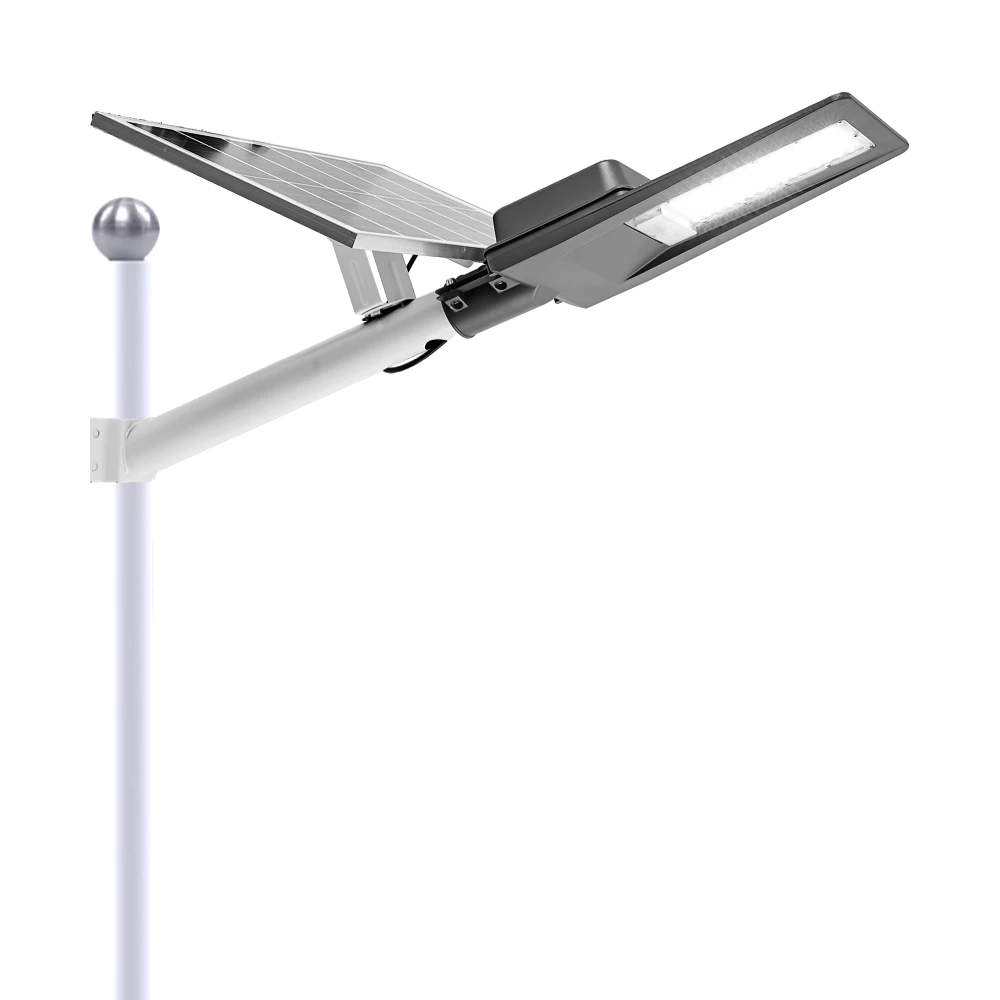
Experience reliable outdoor illumination with our smart solar street light, a perfect combination of advanced technology and eco-conscious design.
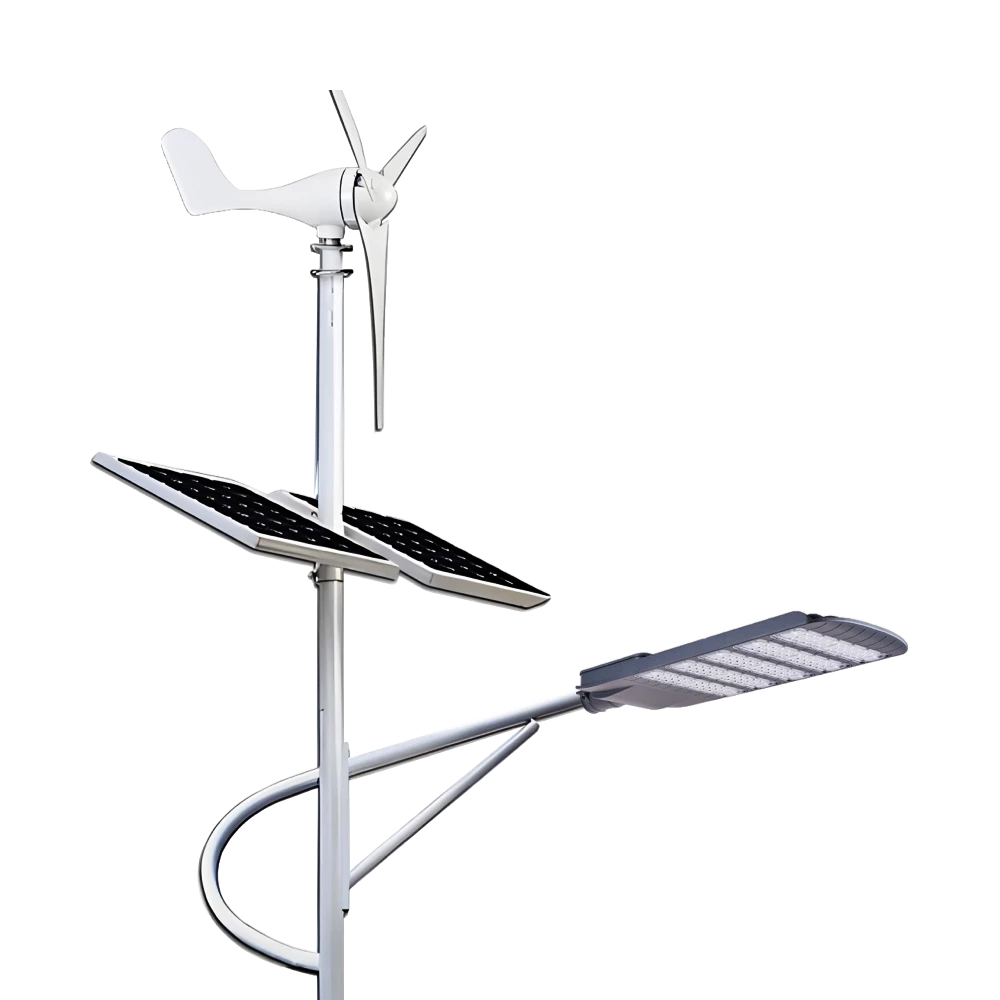
Queneng Lufeng Wind Energy LED Outdoor Solar Street Lights offer high-performance, eco-friendly illumination. These energy-efficient LED street lights harness solar power and wind energy for sustainable, cost-effective outdoor lighting solutions.
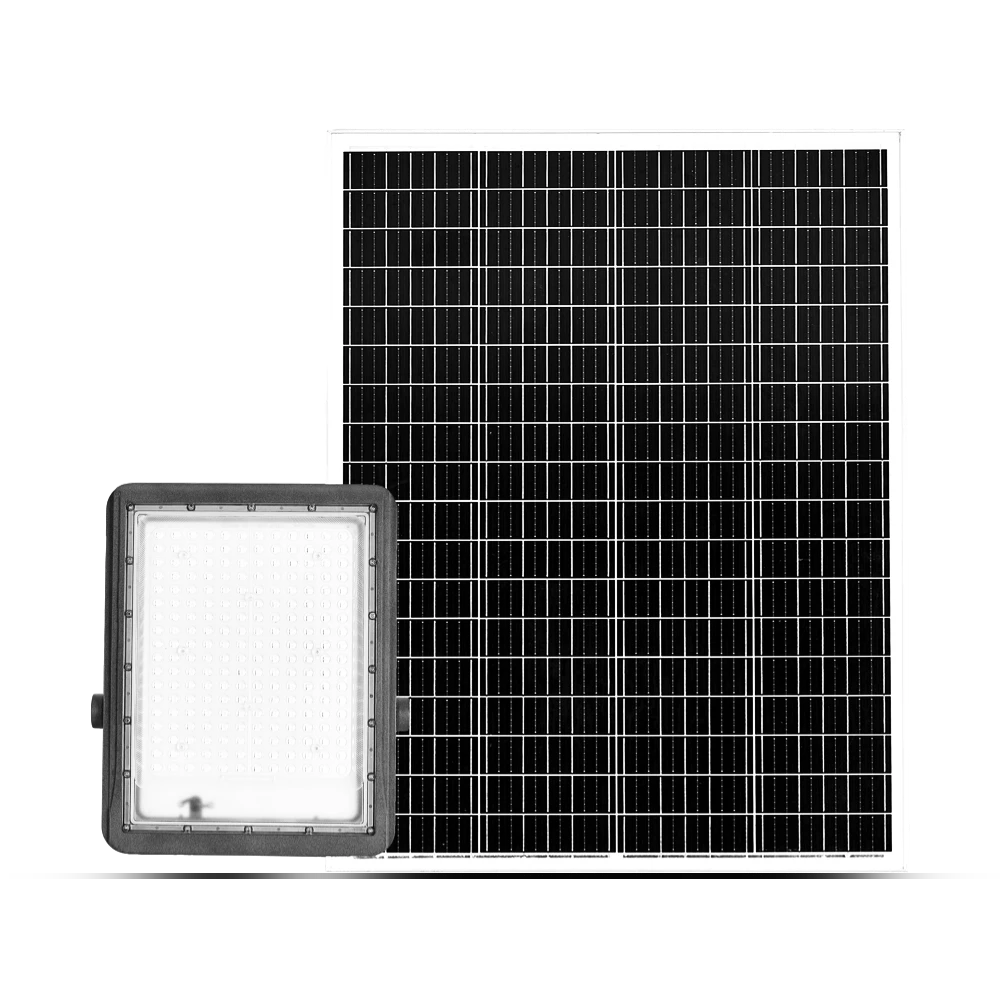
Queneng's Luxian Reliable Solar Street Light offers energy-saving LED lighting for outdoor use. This durable, solar-powered street light provides reliable illumination, reducing energy costs and environmental impact. A perfect solution for sustainable outdoor lighting.
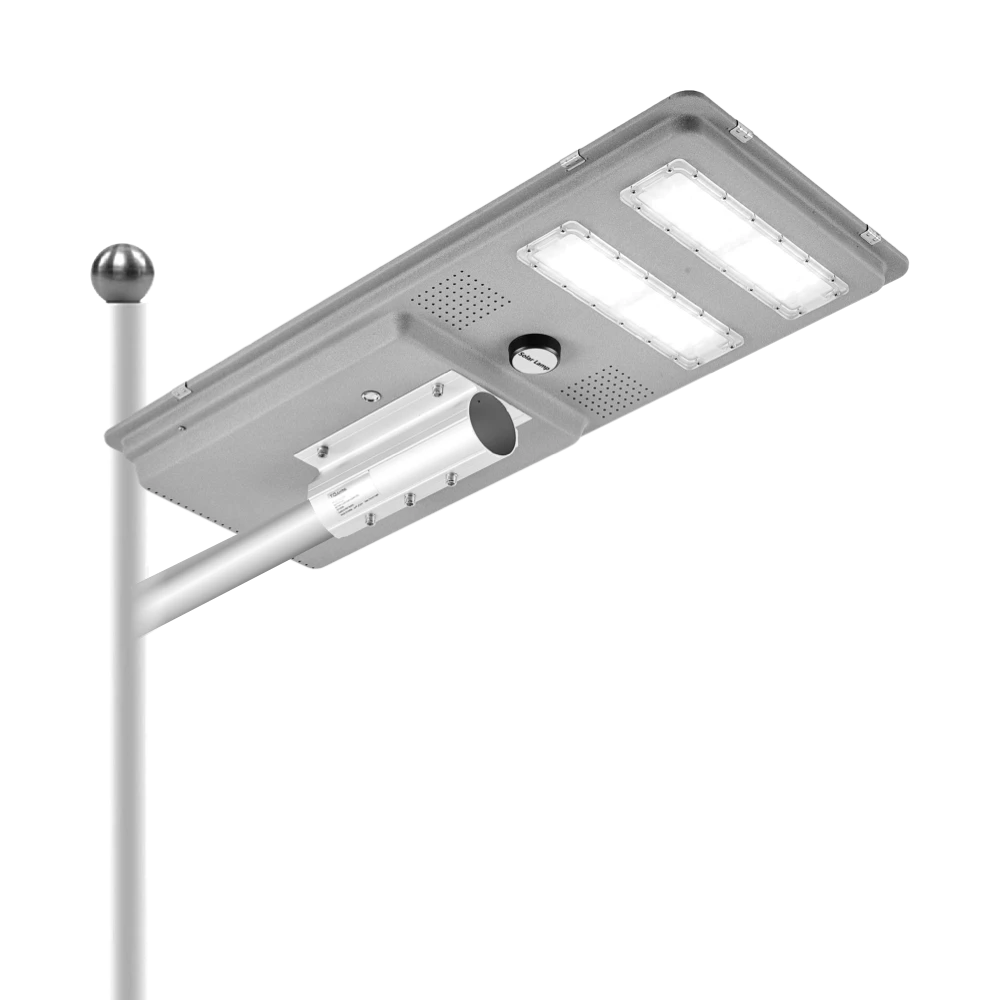
Queneng’s Solar Street Lights are designed to provide reliable, energy-efficient lighting for streets, parks, and other outdoor spaces.
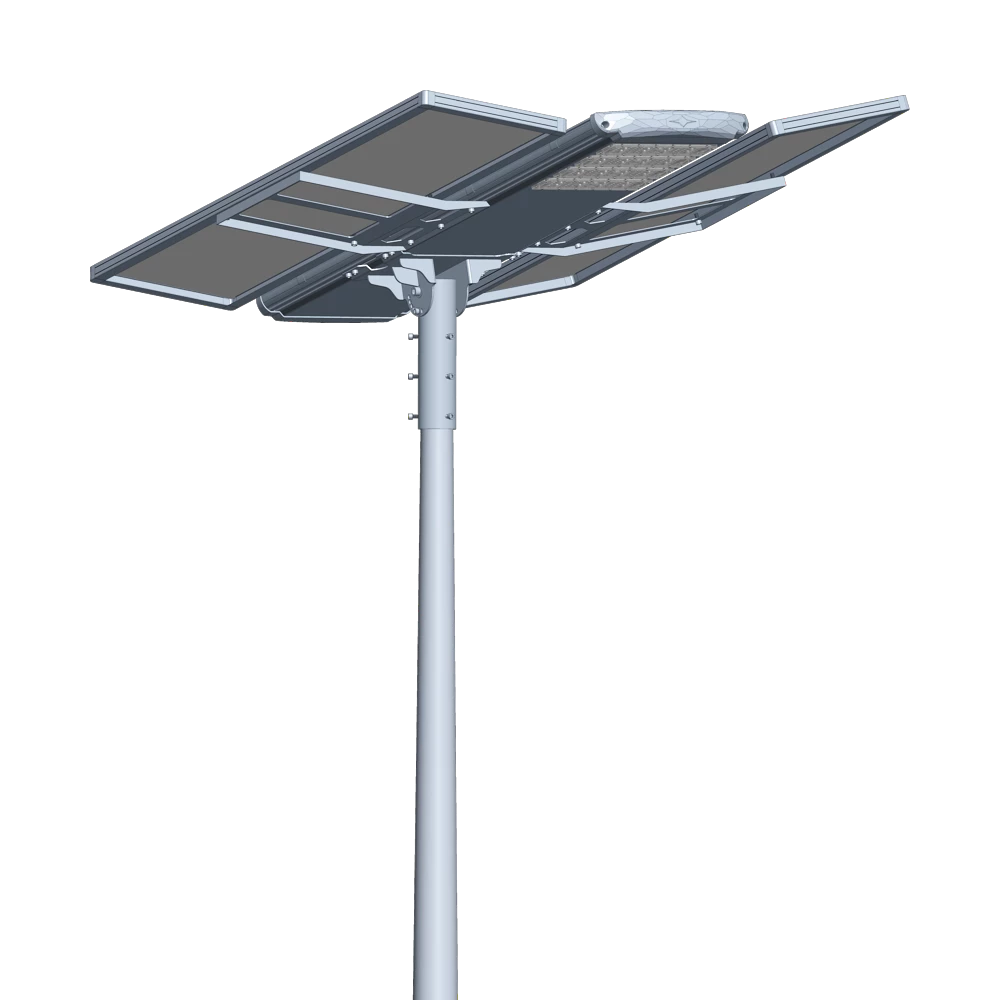
Introducing the Luqing Solar Street Light by Queneng, Efficient LED lighting powered by solar energy is perfect for illuminating outdoor areas. Harness the power of solar energy for sustainable, reliable street lighting. Ideal for eco-friendly, cost-effective outdoor illumination solutions.
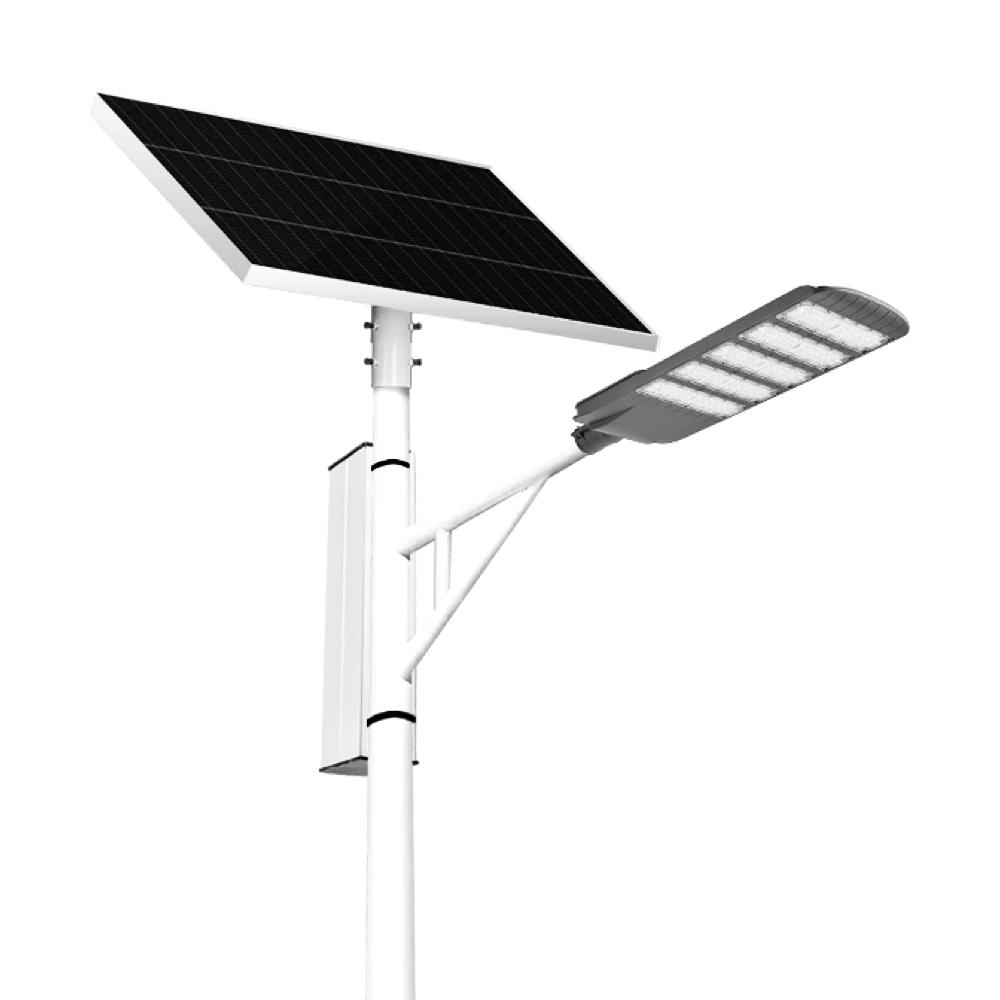
The Solar Streetlights of Luhao for Municipalities are designed to deliver reliable, energy-efficient, and cost-effective public lighting solutions. Equipped with advanced LED technology, durable lithium batteries, and high-efficiency solar panels, these streetlights provide consistent illumination for roads, parks, residential areas, and government projects.
Our professional team is ready to answer any questions and provide personalized support for your project.
You can reach us via phone or email to learn more about Queneng’s solar lighting solutions. We look forward to working with you to promote clean energy solutions!
Rest assured that your privacy is important to us, and all information provided will be handled with the utmost confidentiality.
By clicking 'Send Inquiry Now' I agree to Queneng processing my personal data.
To see how to withdraw your consent, how to control your personal data and how we process it, please see our Privacy Policy and Terms of use.
Schedule a Meeting
Book a date and time that is convenient for you and conduct the session in advance.
Have more questions about our products or services?
The messenger of light & power conversion
Environmental protection and intelligent manufacturing are our brand philosophy, and quality assurance and the best user experience are our eternal promises to users.
CONTACT
No.9F, Building F, Cao San Xin Tian Hong Logistics Park, Guzhen Town, Zhongshan City, Guangdong Province, China.
or write [email protected]
WhatsApp: +86 136 2270 1011


