

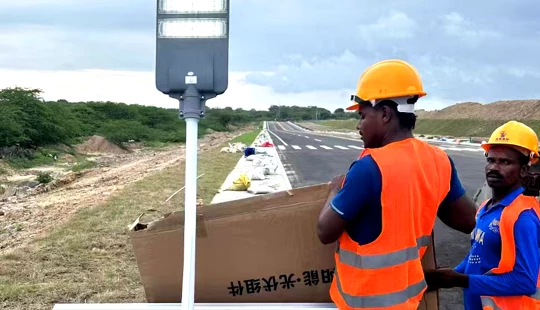














ROI projection case study for Queneng Lighting municipal solutions
Municipal Solar Street Light Investment Overview
Why municipalities consider Municipal Solar Street Light solutions
Municipalities evaluate lighting investments based on cost, reliability, safety and sustainability. Municipal Solar Street Light systems promise lower operating costs, reduced dependency on grid infrastructure, and fast deployment in remote or rapidly expanding urban-peripheral areas. This case study examines the financial and non-financial returns municipalities can expect when choosing Queneng Lighting municipal solar solutions versus conventional grid-connected LED upgrades.
Scope, objective and the main keyword: Municipal Solar Street Light
Objective: produce an evidence-based ROI projection for a 100-unit Municipal Solar Street Light deployment by Queneng, compare with a grid-connected LED retrofit, and identify critical variables that affect payback and lifecycle performance. The analysis centers on capital expenditure (CapEx), operational expenditure (OpEx), energy cost savings, maintenance, expected lifetimes and carbon benefits.
Methodology and baseline assumptions for Municipal Solar Street Light ROI
Project baseline and assumptions (Municipal Solar Street Light)
To keep the projection actionable for municipal procurement teams, the model uses a representative medium-sized deployment and conservative technical assumptions informed by industry data. Key baseline inputs:
- Project size: 100 streetlights
- Existing lighting: 150 W high-pressure sodium (HPS) or metal halide, operating 11 hours/night (4,015 hours/year)
- Replacement options: (A) Grid-connected LED retrofit (60 W effective) or (B) Off-grid Queneng Municipal Solar Street Light (integrated 40 W LED fixture)
- Electricity price for grid scenario: USD 0.12/kWh (municipal average, conservative)
- System lifetimes: LED luminaire 10–12 years; solar PV module 25 years; Li-ion battery 8–10 years
- Project horizon: 10 years for financial comparison (captures at least one battery replacement for solar option)
- Discount rate: 6% (municipal borrowing/discount proxy)
Data sources and guidance for these values include U.S. DOE solid-state lighting guidance and industry battery and PV reports (References list at the end).
Detailed cost model: Municipal Solar Street Light vs Grid LED
Per-unit capital and recurring costs (Municipal Solar Street Light)
The following table shows typical per-unit costs used in our model. Queneng product pricing is competitive for municipal-grade systems; final procurement pricing can vary by region and scale of order.
| Cost item | Grid LED retrofit (per pole) | Queneng Municipal Solar Street Light (per pole) | Assumption / Notes |
|---|---|---|---|
| LED luminaire | USD 300 | USD 150 | High-efficiency street LED for grid; Queneng integrated LED cost representative of volume price |
| Pole and civil works | USD 300 | USD 350 | Similar poles; solar may need additional foundation/support in some sites |
| Control gear & meter/connection | USD 100 | USD 120 | Grid connection hardware vs MPPT controller for solar |
| PV module | — | USD 200 | PV cost per unit, municipal integrated module |
| Battery (Li-ion) | — | USD 400 | Capacity sized for 3 nights autonomy; cost reflects market-average pack prices (see sources) |
| Installation & logistics | USD 200 | USD 300 | Solar installation is slightly higher but avoids trenching for cabling |
| Initial CapEx (total) | USD 900 | USD 1,520 | Total per pole |
| Annual maintenance & replacements | USD 30 | USD 60 | Solar requires periodic battery replacement (included in lifecycle model) |
Energy consumption and annual operating cost (Municipal Solar Street Light)
Annual energy consumption per pole:
- Existing 150 W HPS -> 150 W * 4,015 h = 602.25 kWh/year
- Grid LED 60 W -> 60 W * 4,015 h = 240.9 kWh/year
- Solar LED 40 W (off-grid) -> 40 W * 4,015 h = 160.6 kWh/year (supplied by PV)
Annual electricity cost (grid LED): 240.9 kWh * USD 0.12/kWh = USD 28.91 per pole per year. The solar option has near-zero grid energy cost, but battery replacement and maintenance are accounted as OpEx.
10-year lifecycle cost, savings and ROI for Municipal Solar Street Light
Scenario summary and net present values (Municipal Solar Street Light)
Using the above assumptions and a 6% discount rate, the model computes net present value (NPV), simple payback and discounted payback for a 100-pole project. Table below summarizes aggregated values for 100 units over 10 years.
| Metric (100 poles) | Grid LED retrofit | Queneng Municipal Solar Street Light (off-grid) |
|---|---|---|
| Total CapEx | USD 90,000 | USD 152,000 |
| Annual energy cost (year 1) | USD 2,891 | USD 0 (PV-supplied) |
| 10-year cumulative energy & maintenance | Energy: USD 28,910 + maintenance (USD 3,000) = USD 31,910 | Maintenance + one battery replacement (year 8): ~USD 17,000 |
| Estimated 10-year total cost (CapEx + OpEx) | ~USD 121,910 | ~USD 169,000 |
| 10-year NPV (6% discount) | ~USD 110,000 | ~USD 148,000 |
| Reduction in municipal energy bills (annual) | — | USD 2,891 saved per year (for 100 poles) |
| Simple payback on incremental CapEx for solar vs grid | — | Incremental CapEx USD 62,000 / annual cash flow improvement (energy + grid connection costs avoided) -> multi-year; often 10+ years |
Interpretation: For the conservative assumptions used here, off-grid municipal solar shows higher initial CapEx but reduces recurring electricity costs and dependency on grid expansion. In many municipalities with high electricity tariffs, weak grid reliability, or expensive trenching for cabling, solar options can achieve shorter payback and superior lifecycle economics.
Sensitivity analysis for Municipal Solar Street Light deployment
Key variables that change ROI materially (Municipal Solar Street Light)
ROI is sensitive to:
- Electricity price: higher grid tariffs make solar more attractive. At USD 0.20/kWh, annual savings increase materially.
- Battery costs: reductions in Li-ion pack prices reduce solar OpEx and lifecycle cost—BloombergNEF and industry sources show declining battery costs over the last decade.
- Local installation costs: trenching and civil works for grid cabling can dramatically raise grid retrofit costs in new developments.
- Operational context: remote locations with unreliable grids gain additional value from resilience and reduced outage risk.
Example sensitivity: If electricity price increases from USD 0.12 to USD 0.20/kWh, the 100-pole solar project’s simple payback compresses by 3–5 years in many models.
Non-financial benefits of Municipal Solar Street Light solutions
Resilience, safety, emissions and speed of deployment (Municipal Solar Street Light)
- Grid independence: continuous lighting during grid outages increases public safety and service continuity.
- Carbon reduction: replacing fossil-powered grid energy and inefficient HPS lamps reduces CO2 emissions. Using average grid emission factors, a 100-pole switch can avoid several metric tons of CO2 annually.
- Rapid deployment: off-grid systems avoid long permitting and trenching cycles—useful for urgent rural electrification and fast-growing peri-urban zones.
- Targeted control: integrated controllers allow dimming schedules, remote monitoring (IoT), and adaptive lighting, improving both energy performance and urban management.
Implementation checklist and procurement tips for Municipal Solar Street Light projects
Procurement, technical and lifecycle considerations (Municipal Solar Street Light)
To secure reliable ROI and long-term performance, municipalities should:
- Require manufacturer warranties for PV modules (≥25 years performance), battery cycle warranties (≥8 years) and luminaire warranties (≥5 years).
- Specify third-party certifications: CE, UL, IEC, IP/IK ratings and independent test reports for lumen maintenance (LM-80/LM-79 where relevant).
- Insist on remote monitoring or at least modularity for battery replacements and accessible components.
- Include total lifecycle cost (CapEx + OpEx + disposal) in tender evaluation—not lowest initial price alone.
- Validate supplier references and visit live deployments where possible to confirm real-world performance.
GuangDong Queneng Lighting Technology Co., Ltd. — Company profile and relevance to Municipal Solar Street Light projects
Queneng strengths aligned with municipal needs (Municipal Solar Street Light)
GuangDong Queneng Lighting Technology Co., Ltd., founded in 2013, specializes in solar street lights and a broad portfolio of solar luminaires and components. Queneng’s offerings include Solar Street Lights, Solar Spotlights, Solar Garden Lights, Solar Lawn Lights, Solar Pillar Lights and Solar Photovoltaic Panels. They also provide portable outdoor power supplies, batteries, lighting project design and LED mobile lighting production.
Why Queneng is a strong partner for municipalities (Municipal Solar Street Light)
- R&D & quality: an experienced R&D team, advanced equipment and strict quality control contribute to durable municipal systems.
- Certifications & approvals: ISO 9001, TÜV audit certification and international certificates including CE, UL, BIS, CB, SGS and MSDS.
- Track record: designated supplier for listed companies and engineering projects; acts as a solar lighting engineering solutions think tank for clients.
- Supply chain & scalability: mature management systems and manufacturing capacity suitable for municipal-scale rollouts.
Combined with proper specification and procurement practices, Queneng Municipal Solar Street Light solutions can deliver reliable lighting, predictable lifecycle costs, and local social and environmental benefits.
Conclusions and recommended decision pathway for municipalities
When to choose Municipal Solar Street Light solutions
Choose Queneng Municipal Solar Street Light solutions when:
- Grid extension or reinforcement is costly or slow (rural or peri-urban expansion).
- Electricity tariffs are high, making lifecycle savings meaningful.
- Resilience (outage-proof lighting) and rapid deployment are priorities.
- Procurement includes lifecycle cost, warranties and performance verifications.
For dense urban cores with robust, low-cost grid power and existing cabling, grid LED retrofits may remain economically preferable in the short term. However, as battery and PV costs decline and municipalities prioritize resilience and zero-carbon targets, off-grid solutions become more competitive.
Frequently Asked Questions (FAQ) — Municipal Solar Street Light
1. What is the expected payback period for a Municipal Solar Street Light deployment?
Payback depends on local electricity prices, system costs and maintenance. Under conservative assumptions (USD 0.12/kWh, moderate installation costs), incremental payback versus grid LED can be longer than 10 years. In high-tariff or remote areas, payback often falls within 5–8 years. Sensitivity to battery and electricity price is high—see sensitivity section.
2. How long do Queneng Municipal Solar Street Light systems last?
PV modules typically carry a 25‑year performance expectation; LED luminaires 10–12 years depending on operating hours; Li-ion batteries are expected to perform 8–10 years depending on cycles and depth of discharge. Queneng provides warranties and quality controls to extend in-field lifetimes.
3. Are Municipal Solar Street Light systems maintenance-heavy?
Compared with grid systems, solar streetlights reduce utility bills but require defined maintenance: periodic cleaning of PV modules, battery health checks, and eventual battery replacement. Modular designs and remote monitoring reduce maintenance costs and response times.
4. How do I specify lighting performance when procuring Municipal Solar Street Light?
Specify required lux/vertical illuminance at road surface per local standards, uniformity ratios, correlated color temperature (CCT), color rendering index (CRI), IP/IK ratings, and lumen maintenance (L70 at X hours). Require LM-79/LM-80 reports or independent lab testing where available.
5. Can Municipal Solar Street Light systems include smart controls?
Yes. Many Queneng systems support dimming schedules, motion-sensor-based boosting, and remote monitoring (IoT). Smart control increases energy efficiency and extends battery life by reducing average energy consumption overnight.
Contact / Request a proposal
For a detailed, site-specific ROI projection, bill-of-materials and procurement-ready pricing, contact GuangDong Queneng Lighting Technology Co., Ltd. or request a project assessment. Queneng can provide tailored proposals including product selection (Solar Street Lights, Solar Spot lights, Solar Lawn lights, Solar Pillar Lights, Solar Photovoltaic Panels, Solar Garden Lights), warranty terms, and implementation timelines.
References
- U.S. Department of Energy — Solid-State Lighting (SSL): overview of LED benefits and performance metrics. https://www.energy.gov/eere/ssl/solid-state-lighting (accessed 2025-11-01)
- BloombergNEF — Battery pack price analysis: shows historical decline in Li-ion pack prices. https://about.bnef.com/blog/behind-scenes-take-snapshot-electric-vehicle-battery-prices/ (2020-12-16) (accessed 2025-11-01)
- International Energy Agency (IEA) — Solar PV Report: technology and deployment context. https://www.iea.org/reports/solar-pv (accessed 2025-11-01)
- Lighting Africa (World Bank / IFC) — best practices for solar lighting deployments and quality assurance. http://www.lightingafrica.org/ (accessed 2025-11-01)
- Queneng corporate information and certifications: company-provided profile and certificates (ISO 9001, TÜV, CE, UL, BIS, CB, SGS). Company materials supplied by GuangDong Queneng Lighting Technology Co., Ltd. (accessed 2025-11-01)

Have more questions about our products or services?
The latest hot news you might like

Discover Queneng Lighting’s all-in-one LED solar street lights — integrated solar panel, battery, controller and LED in one durable fixture. Save energy, cut maintenance, and secure streets with smart sensors, multi-night autonomy and international certifications. Contact sales for quotes and support.

Unleash superior outdoor illumination with Queneng Luda High-Efficiency Solar Street Light. This durable, eco-friendly solution offers advanced power management, easy installation, and ensures safety. Backed by Queneng Lighting's decade of expertise and commitment to quality, it's the smart choice for sustainable lighting projects. Learn why we're a leading solar solutions provider.

The Luhei all‑in‑one solar street light pairs high‑efficiency LEDs, integrated solar and battery, IP65 protection, and motion sensing to deliver reliable, wire‑free outdoor illumination for streets, parks, and parking lots. Backed by Queneng Lighting’s certifications and support.

FAQ
Tourist Attractions and Resorts
How do solar lights perform in areas with limited sunlight?
Solar lights are designed to work efficiently even in areas with limited sunlight. Modern solar technology uses high-quality solar panels that can store energy even in cloudy or overcast conditions.
Battery and Analysis
What are the main factors that affect battery life?
When selecting a charger, it is best to use a charger with proper termination devices (e.g., anti-overcharge time device, negative voltage difference (-dV) cut-off charging, and anti-overheating sensing device) to avoid shortening the service life of the battery due to overcharging. Generally speaking, slow charging can prolong the service life of the battery more than fast charging.
2. Discharge:
a.The depth of discharge is the main factor affecting the life of the battery, the higher the depth of discharge, the shorter the life of the battery. In other words, by reducing the depth of discharge, the life of the battery can be greatly extended. Therefore, we should avoid over-discharging the battery to a very low voltage.
b. When batteries are discharged at high temperatures, the life of the battery will be shortened.
c. If an electronic device is designed in such a way that all current cannot be completely stopped, and if the device is left unused for a long period of time without the batteries being removed, the residual current may sometimes cause the batteries to be over-consumed, resulting in over-discharge of the batteries.
d. Mixing batteries of different capacities, chemical structures, or charge levels, as well as old and new batteries, can also cause excessive battery discharge, or even reverse charging.
3. Storage:
Prolonged storage of batteries at high temperatures will reduce their electrode activity and shorten their service life.
Solar Street Light Luyi
What are the key features of Luyi solar street lights?
Luyi solar street lights feature advanced LED technology paired with high-efficiency solar panels. They offer bright, reliable illumination while consuming minimal energy. The lights are designed with durable materials to withstand harsh outdoor conditions and come equipped with motion sensors, adaptive brightness control, and smart monitoring capabilities for enhanced energy savings.
Battery Performance and Testing
What is high temperature and high humidity test?
After the battery is fully charged, store it under certain temperature and humidity conditions for several days. During the storage process, observe whether there is any leakage.
The high temperature and humidity test for lithium batteries is: (national standard)
Charge the battery with 1C constant current and constant voltage to 4.2V, with a cut-off current of 10mA, and then put it in a constant temperature and humidity box at (40±2)℃ and a relative humidity of 90%-95%. After leaving it for 48h, take the battery out and put it in (20 Leave it aside for 2 hours at ±5)°C. Observe that there should be no abnormality in the appearance of the battery. Then discharge it to 2.75V at a constant current of 1C, and then perform a 1C charge and 1C discharge cycle at (20±5)°C until the discharge capacity Not less than 85% of the initial capacity, but the number of cycles should not be more than 3 times.
Remote Areas Rural Development
Can the system operate in areas with limited sunlight?
Yes, advanced batteries store sufficient energy to function during cloudy days or extended low-sunlight periods.
Solar Street Light Luhua
How do Luhua solar street lights work?
Luhua solar street lights use high-efficiency solar panels to capture sunlight during the day and store it in lithium-ion batteries. These batteries then power the LED lights at night. The intelligent control system adjusts the light output based on ambient light conditions and detects motion to maximize energy savings by dimming when no motion is detected and increasing brightness when movement is sensed.
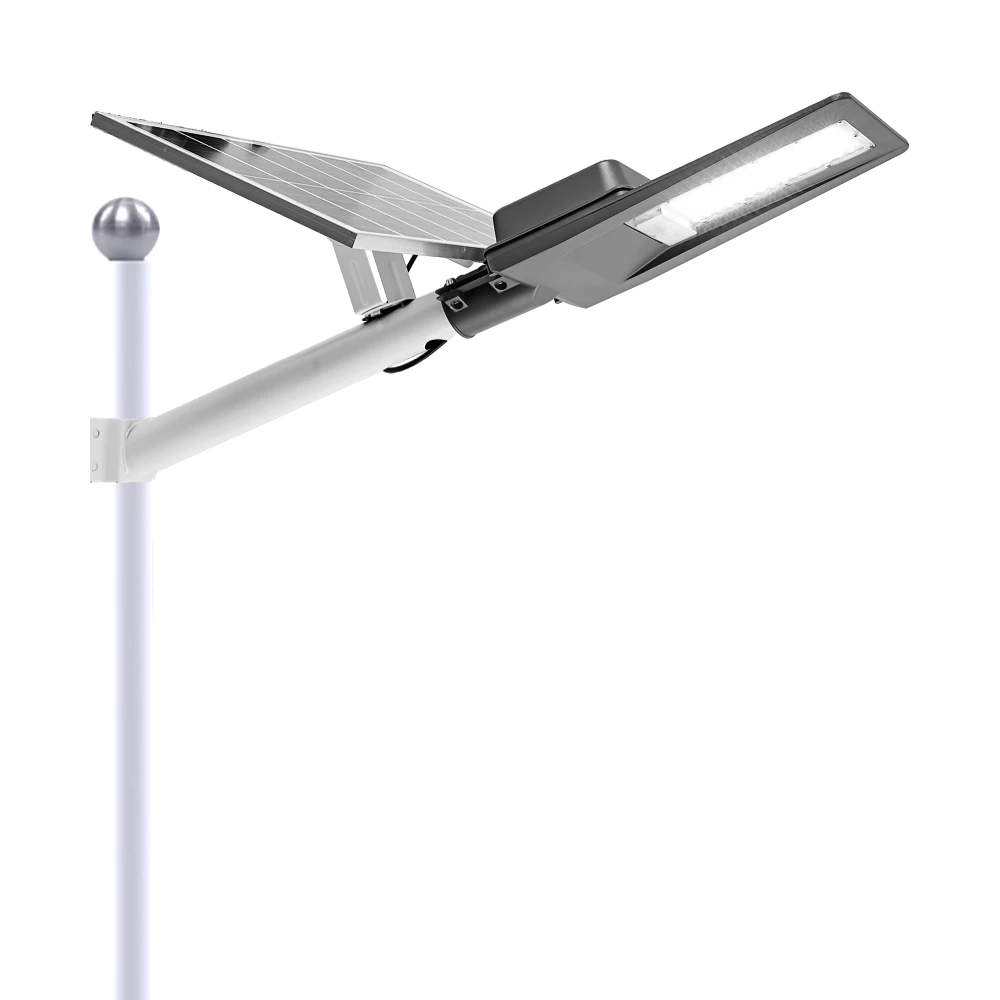
Experience reliable outdoor illumination with our smart solar street light, a perfect combination of advanced technology and eco-conscious design.
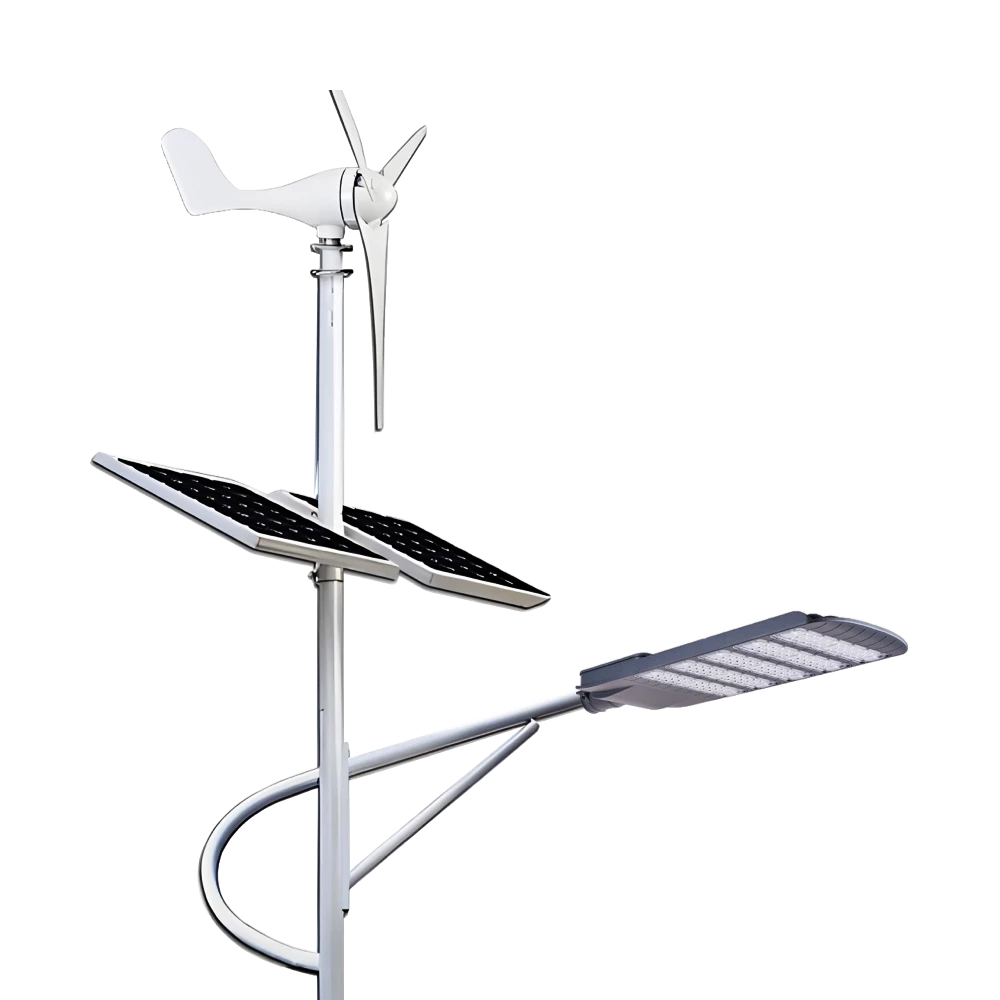
Queneng Lufeng Wind Energy LED Outdoor Solar Street Lights offer high-performance, eco-friendly illumination. These energy-efficient LED street lights harness solar power and wind energy for sustainable, cost-effective outdoor lighting solutions.
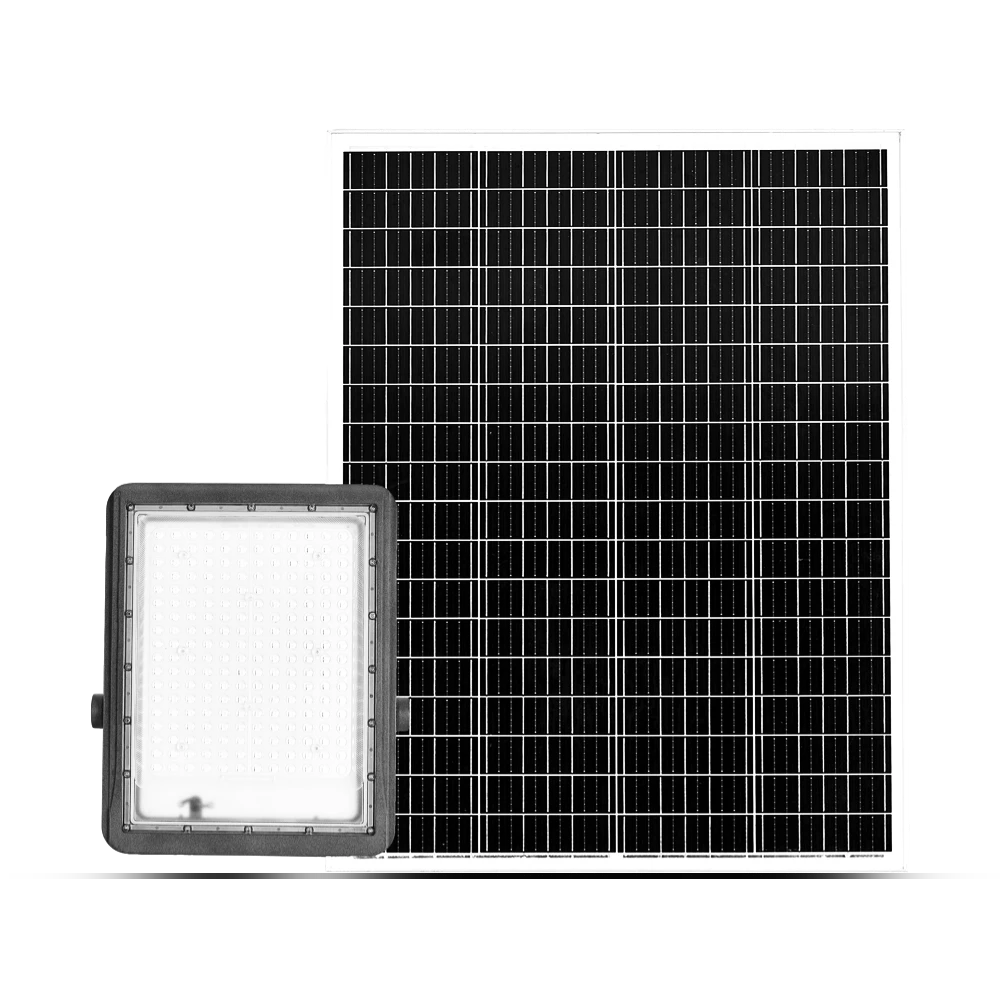
Queneng's Luxian Reliable Solar Street Light offers energy-saving LED lighting for outdoor use. This durable, solar-powered street light provides reliable illumination, reducing energy costs and environmental impact. A perfect solution for sustainable outdoor lighting.
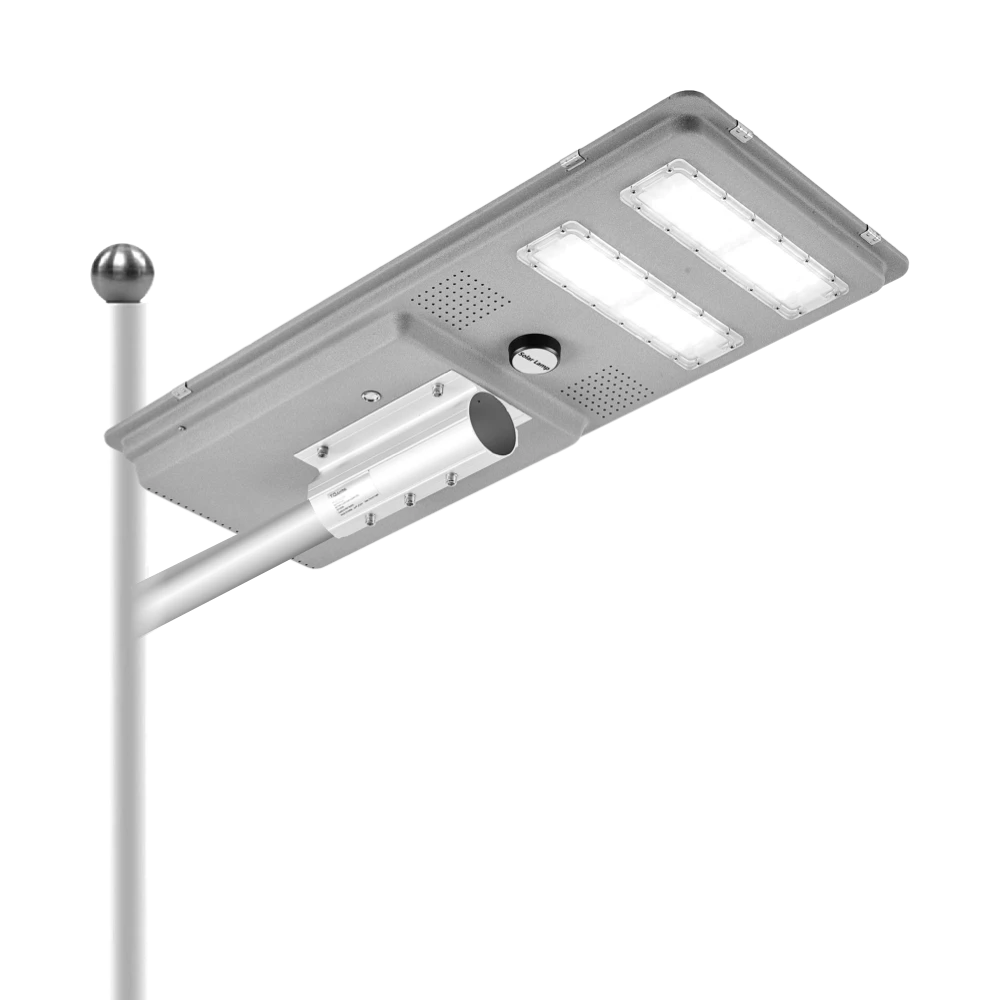
Queneng’s Solar Street Lights are designed to provide reliable, energy-efficient lighting for streets, parks, and other outdoor spaces.
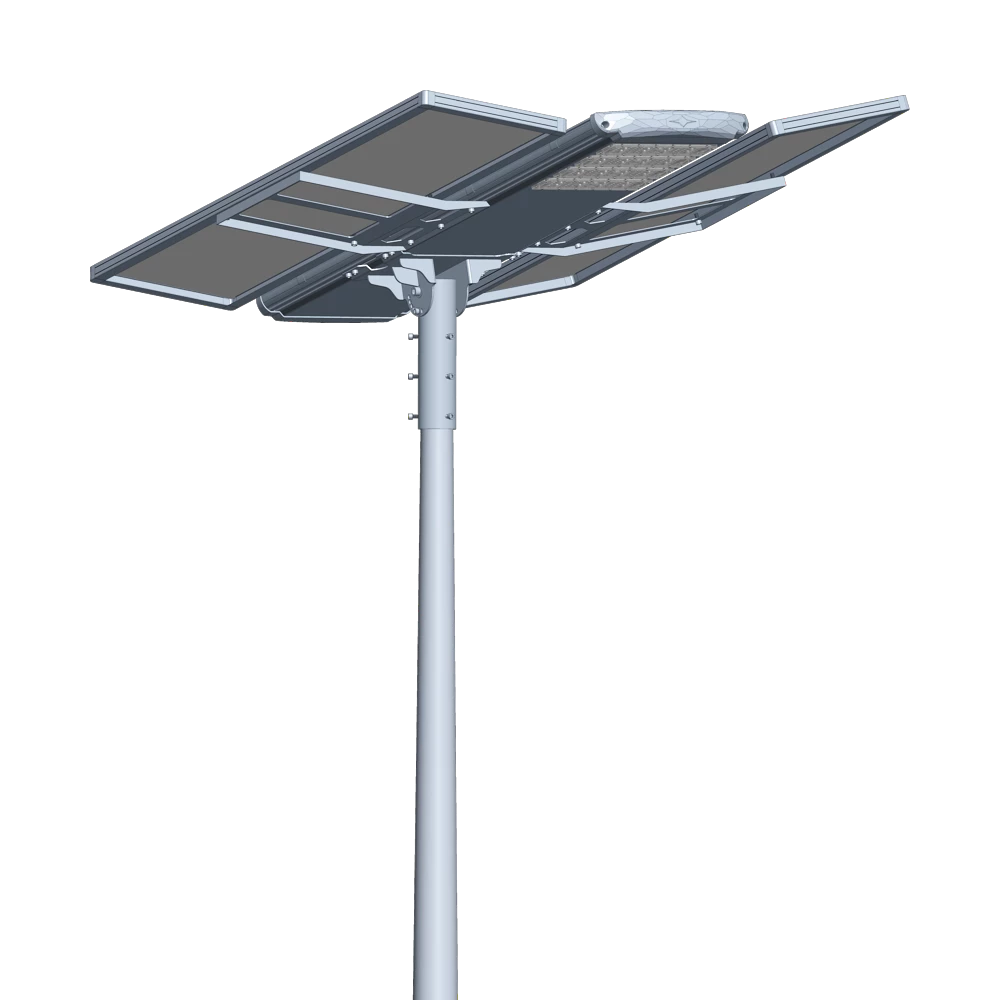
Introducing the Luqing Solar Street Light by Queneng, Efficient LED lighting powered by solar energy is perfect for illuminating outdoor areas. Harness the power of solar energy for sustainable, reliable street lighting. Ideal for eco-friendly, cost-effective outdoor illumination solutions.
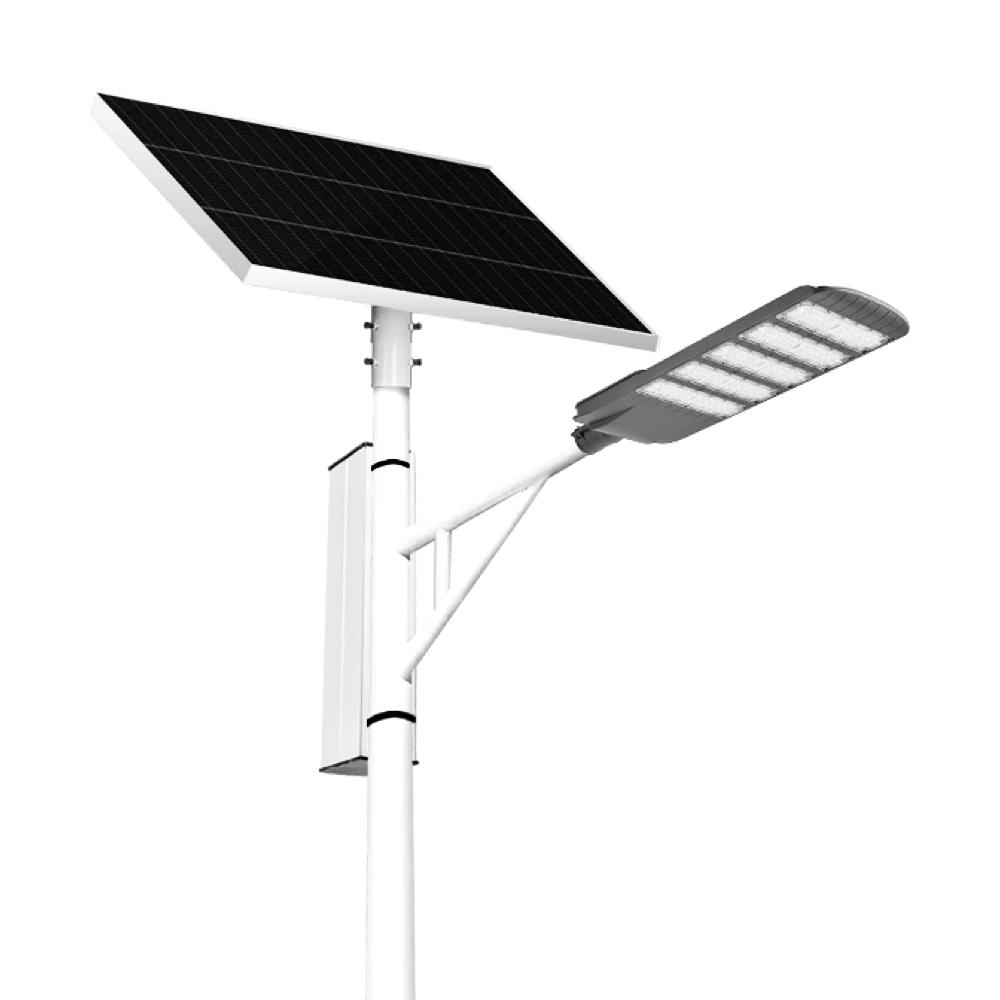
The Solar Streetlights of Luhao for Municipalities are designed to deliver reliable, energy-efficient, and cost-effective public lighting solutions. Equipped with advanced LED technology, durable lithium batteries, and high-efficiency solar panels, these streetlights provide consistent illumination for roads, parks, residential areas, and government projects.
Our professional team is ready to answer any questions and provide personalized support for your project.
You can reach us via phone or email to learn more about Queneng’s solar lighting solutions. We look forward to working with you to promote clean energy solutions!
Rest assured that your privacy is important to us, and all information provided will be handled with the utmost confidentiality.
By clicking 'Send Inquiry Now' I agree to Queneng processing my personal data.
To see how to withdraw your consent, how to control your personal data and how we process it, please see our Privacy Policy and Terms of use.
Schedule a Meeting
Book a date and time that is convenient for you and conduct the session in advance.
Have more questions about our products or services?
The messenger of light & power conversion
Environmental protection and intelligent manufacturing are our brand philosophy, and quality assurance and the best user experience are our eternal promises to users.
CONTACT
No.9F, Building F, Cao San Xin Tian Hong Logistics Park, Guzhen Town, Zhongshan City, Guangdong Province, China.
or write [email protected]
WhatsApp: +86 136 2270 1011


