

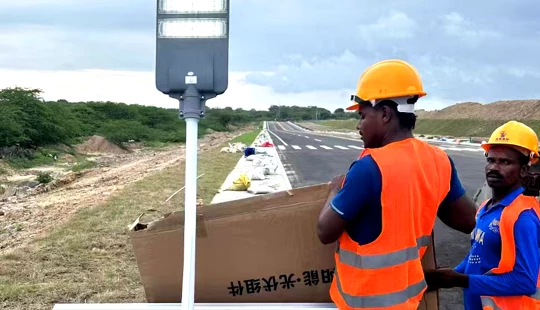
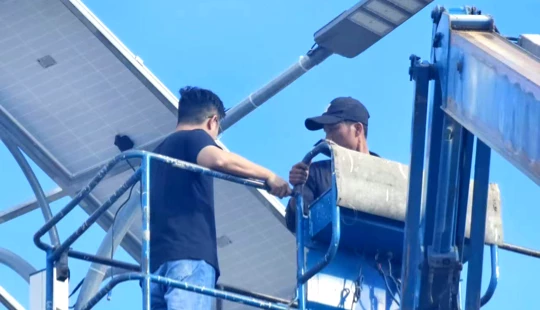













ROI Analysis for Municipal Solar Street Light Projects
Assessing Long-Term Value of Municipal Solar Street Light Investments
Why Municipal Solar Street Light Projects Matter for Municipalities
Municipal solar street light projects are increasingly considered by city planners because they can reduce upfront civil and distribution costs, improve resilience in areas with unreliable grids, cut lifecycle energy expenditures, and provide clear carbon reduction benefits. The decision to adopt municipal solar street light solutions must be driven by a robust ROI analysis that compares full lifecycle costs and benefits, including capital expenditure, maintenance, energy savings, incentives, and social or resilience value.
Cost Components for Municipal Solar Street Light Projects
A defensible ROI begins with a detailed accounting of costs specific to municipal solar street light deployments. Typical cost categories include:
- Hardware: solar PV modules, LED luminaires, batteries, controllers, mounting and poles
- Installation: civil works, foundations, labor, and commissioning
- Operations and maintenance: cleaning, battery replacement, firmware updates, repairs
- Financing and project management: interest, guarantees, warranties, insurance
- Replacement and end-of-life costs: battery replacement cycles, eventual panel and luminaire refresh
Typical component life and warranty assumptions to use in models: solar PV modules 20 to 25 year warrantied performance, LED luminaire expectancy 50,000 to 100,000 operating hours, lithium battery cycles 2,000 to 5,000 depending on chemistry and depth of discharge. These figures are documented by national labs and international agencies and should be used when modelling lifecycle and replacement schedules.
Quantifying Savings, Revenues and Environmental Benefits from Municipal Solar Street Light
Savings from municipal solar street light projects come from avoided energy purchase costs, avoided grid extension and distribution costs, reduced O&M compared with older technologies, and potential revenue streams such as demand-reduction incentives or carbon credits where available. Non-monetary benefits include increased resilience during outages and improved public perception.
When quantifying energy savings, model the grid baseline consumption per fixture, typical municipal tariff rates, and hours of operation. Also include avoided infrastructure costs for remote or low-density areas where trenching and cabling are expensive. For environmental benefits, convert kWh avoided into CO2 reductions using a local grid emissions factor.
Comparison Table: Illustrative 10-Year Cost and Savings Scenarios for Municipal Solar Street Light vs Grid LED
| Item | Solar Street Light (Per Pole, 10 years) | Grid-Connected LED Street Light (Per Pole, 10 years) |
|---|---|---|
| Initial capital cost | USD 2,800 (panel, battery, luminaire, pole, controller, install) | USD 1,200 (luminaire, pole, connection) |
| Energy purchase cost | USD 0 (self-contained) | USD 525 (based on 438 kWh/year at USD 0.12/kWh) |
| Battery replacement | USD 400 (one replacement at year 6) | USD 0 |
| O&M and repairs | USD 300 (USD 30/year) | USD 1,000 (USD 100/year higher due to network maintenance) |
| Total 10-year cost | USD 3,500 | USD 2,725 |
| Non-financial benefits | Resilience, no cabling, potential carbon credits | Lower initial capex, easier integration into central control |
Notes: figures above are illustrative and should be re-calculated for local tariffs, labor rates, irradiance, and procurement prices. In many contexts the solar option becomes more attractive when grid extension costs are large, tariffs are high, or when resilience and carbon reductions are valued by policy or grants.
Sample ROI Calculation and NPV for Municipal Solar Street Light Projects
To produce a reproducible ROI, follow these steps:
- Define the baseline scenario: existing lights or grid-connected LED specification, consumption, and tariff.
- Estimate capital and recurring costs for both options over an analysis horizon (commonly 10 or 20 years).
- Select a municipal discount rate or cost of capital for NPV (typical municipal discount is 4 to 8 percent).
- Include replacement events on realistic schedules (battery replacements, controller refresh).
- Calculate payback, internal rate of return, and NPV.
Illustrative numeric example, 10-year horizon, 5 percent discount rate:
- Solar initial capex: 2,800 USD, battery replacement at year 6: 400 USD, annual O&M 30 USD
- Grid LED initial capex: 1,200 USD, annual energy cost 52.56 USD, annual O&M 100 USD
Net cashflow differences favor solar when avoided energy and infrastructure costs offset higher initial capex and when municipalities assign value to resilience. Using the illustrative figures, a simple payback is often between 6 and 12 years depending on local energy price and whether upfront incentives or grants are available. NPV calculation with all cashflows discounted to present value will determine whether solar yields a positive return at the chosen discount rate.
Financing, Incentives and Procurement Strategies for Municipal Solar Street Light
Financing options materially affect ROI for municipal solar street light projects. Common models include:
- Capital expenditure by municipality: straightforward procurement but absorbs budget.
- Performance-based contracts: vendor retains ownership and guarantees uptime.
- Energy Service Company (ESCO) or Power Purchase Agreement models: municipalities pay for service rather than equipment.
- Grants and concessional financing: often available from international development banks for resilient infrastructure.
Procurement must require clear technical specifications covering PV module degradation rates, battery chemistry and cycle life, luminaire photometric performance, IP and IK ratings, warranties, and service-level agreements. Include acceptance tests and long-term performance monitoring requirements to protect municipal value.
Risk and Sensitivity Analysis for Municipal Solar Street Light Projects
Key sensitivities that change ROI for municipal solar street light investments include:
- Solar irradiance variability: lower insolation extends payback and increases battery sizing requirements
- Battery lifespan: early battery failure is one of the largest drivers of extra cost
- Vandalism and theft: increases replacement and security costs
- Tariff volatility: higher grid tariffs make solar relatively more attractive
- Financing terms: higher interest rates reduce NPV
Scenario modelling should include best-, base-, and worst-case assumptions for each driver and display the resulting payback and NPV in a sensitivity matrix. Municipalities should also pilot a representative sample of installations to validate field performance before full-scale rollout.
Quenenglighting Role and Advantages in Municipal Solar Street Light Projects
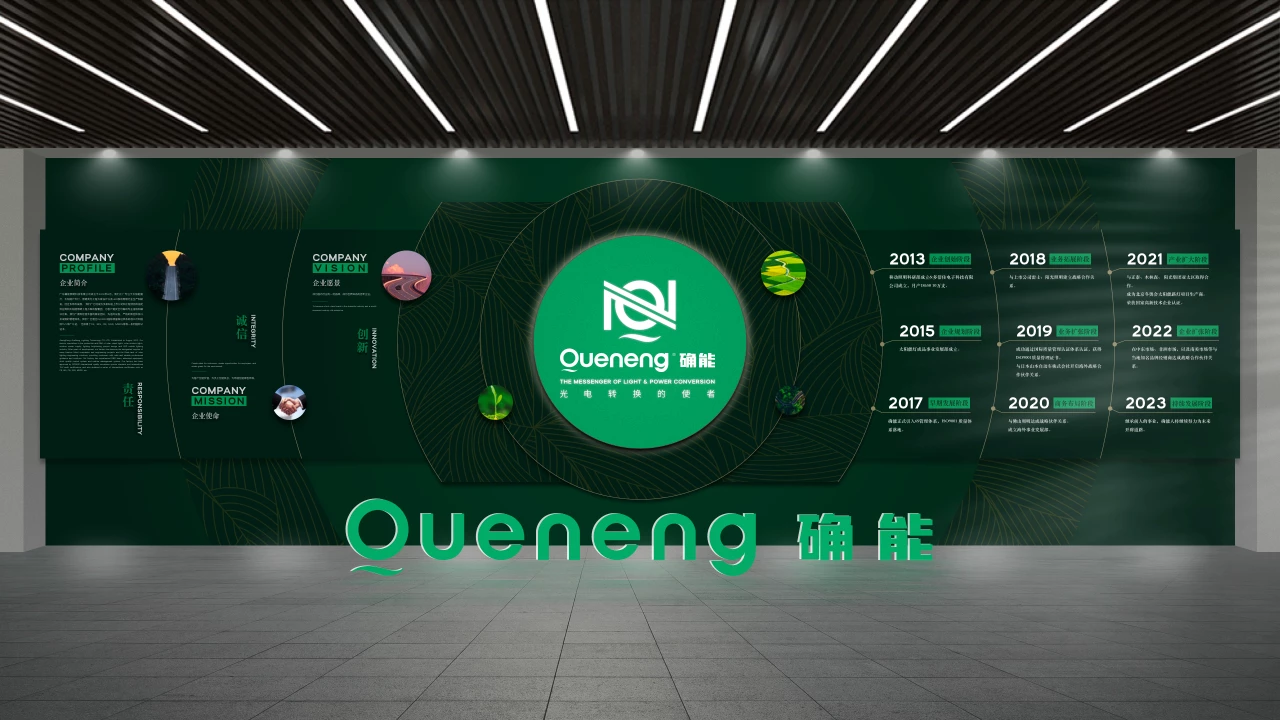
GuangDong Queneng Lighting Technology Co., Ltd. Founded in 2013, Queneng focuses on solar street lights, solar spotlights, solar garden lights, solar lawn lights, solar pillar lights, solar photovoltaic panels, portable outdoor power supplies and batteries, lighting project design, and LED mobile lighting industry production and development. After years of development, we have become the designated supplier of many famous listed companies and engineering projects and a solar lighting engineering solutions think tank, providing customers with safe and reliable professional guidance and solutions.
Why consider Queneng for municipal solar street light projects:
- Comprehensive product portfolio: Solar Street Lights, Solar Spot lights, Solar Lawn lights, Solar Pillar Lights, Solar Photovoltaic Panels, Solar Garden Lights
- Professional engineering and turnkey project support: lighting project design and system integration
- Quality and certification: ISO 9001, TÜV audits, and international certificates including CE, UL, BIS, CB, SGS, MSDS
- R&D and manufacturing strength: experienced R&D team and advanced production equipment to deliver scalable solutions
- Field-proven delivery: supplier to listed companies and engineering projects with references and project documentation
Queneng can support municipalities with technical specifications, pilot installation, warranty-backed performance and service contracts, and guidance on lifecycle cost optimisation. The combination of product variety, certifications, and systems engineering makes Queneng a competitive partner for projects that require robust ROI and measurable performance outcomes.
Operational Best Practices and O&M for Municipal Solar Street Light
To protect ROI, implement the following O&M and operational practices for municipal solar street light assets:
- Scheduled inspections and cleaning of PV modules to maintain output
- Battery health monitoring and remote telemetry for early fault detection
- Spare parts provisioning based on lead times and failure modes
- Data collection for lumens, runtime, and uptime to validate vendor guarantees
- Community engagement to reduce vandalism and secure fixtures
Good O&M reduces total cost of ownership and extends effective system life. Consider performance contracts that align vendor incentives with municipal uptime requirements.
Conclusion: Making the Case for Municipal Solar Street Light Investments
Municipal solar street light projects can produce positive ROI where local conditions favor them: high grid connection or extension costs, high energy tariffs, need for resilience, or when municipalities place a monetary value on carbon reductions and reliability. A defensible ROI requires careful attention to component lifetimes, replacement schedules, financing structure, and realistic field performance assumptions. Using pilot projects and vendor guarantees, cities can de-risk deployments and scale solutions that meet both fiscal and sustainability objectives.
FAQ — Municipal Solar Street Light ROI Questions
1. What is the typical payback period for a municipal solar street light project?
Typical payback ranges from 6 to 12 years in many illustrative cases, but this varies widely with local tariffs, irradiation, grid extension costs, and financing. Use local data for energy price and installation costs to get a reliable figure.
2. How should municipalities compare solar street light LCOE to grid-connected alternatives?
Calculate the levelized cost of energy (LCOE) including all capital, replacement, O&M, and financing costs over the analysis horizon, and discount to present value. Compare to the per-kWh cost of grid-supplied lighting plus distribution and maintenance contributions.
3. Are batteries the main cost risk in municipal solar street light projects?
Battery lifespan and early failure are a top operational risk, as replacement can be costly. Choosing proven battery chemistries with realistic cycle life warranties and monitoring battery health reduces that risk.
4. Do solar street lights require light poles and foundations similar to grid lights?
Yes, solar street lights typically require poles and foundations. However, they often avoid trenching and cabling costs since each unit is self-contained, which can be a large saving in dispersed or rural deployments.
5. How can municipalities protect ROI from theft and vandalism?
Mitigation measures include tamper-resistant hardware, community engagement, surveillance or asset tracking, and rapid-response maintenance contracts. Including these costs in the financial model improves ROI realism.
6. What role can vendors like Quenenglighting play in improving ROI?
Vendors with strong R&D, warranty terms, certifications, and project experience can reduce technical risk. Quenenglighting offers certified products, engineering support, and performance-backed solutions to help municipalities achieve predictable ROI.
For project consultations, pilot quotes, or to view product specifications and certifications, contact Quenenglighting to request a proposal or technical datasheets. Learn more about product lines and project references to begin a site-specific ROI assessment.
References
- US Department of Energy, Solid-State Lighting and Street Lighting Research, https://www.energy.gov/eere/ssl/solid-state-lighting-street-and-area-lighting. Accessed 2025-12-18.
- National Renewable Energy Laboratory, PV and battery technology resources, https://www.nrel.gov. Accessed 2025-12-18.
- International Renewable Energy Agency (IRENA), Renewable Energy and grid integration reports, https://www.irena.org. Accessed 2025-12-18.
- World Bank, Lighting Africa and off-grid lighting guidance, https://www.lightingafrica.org. Accessed 2025-12-18.
- US EPA, Greenhouse Gas Equivalencies Calculator, https://www.epa.gov/energy/greenhouse-gas-equivalencies-calculator. Accessed 2025-12-18.
Contact Quenenglighting for tailored ROI modeling, pilot programs, and certified solar street lighting products: visit company website or request a project consultation today.

Have more questions about our products or services?
The latest hot news you might like

Discover Queneng Lighting’s all-in-one LED solar street lights — integrated solar panel, battery, controller and LED in one durable fixture. Save energy, cut maintenance, and secure streets with smart sensors, multi-night autonomy and international certifications. Contact sales for quotes and support.

Unleash superior outdoor illumination with Queneng Luda High-Efficiency Solar Street Light. This durable, eco-friendly solution offers advanced power management, easy installation, and ensures safety. Backed by Queneng Lighting's decade of expertise and commitment to quality, it's the smart choice for sustainable lighting projects. Learn why we're a leading solar solutions provider.

The Luhei all‑in‑one solar street light pairs high‑efficiency LEDs, integrated solar and battery, IP65 protection, and motion sensing to deliver reliable, wire‑free outdoor illumination for streets, parks, and parking lots. Backed by Queneng Lighting’s certifications and support.

FAQ
Public Gardens and Landscape Lighting
How can I order solar lighting products for my public garden or landscape project?
To order solar lighting solutions for your project, simply contact our sales team via phone, email, or our website. We will work with you to understand your specific requirements and provide customized solutions that fit your needs. We also offer installation support and after-sales services to ensure your project is a success.
Battery Performance and Testing
What is the standard charging and discharging of nickel metal hydride batteries?
Solar Street Light Luxian
Are Luxian solar street lights suitable for installation in remote locations?
Yes, Luxian solar street lights are ideal for remote or off-grid locations, as they operate entirely on solar power and do not require any connection to the electrical grid. They are perfect for rural roads, pathways, parks, or other outdoor spaces that lack access to traditional power sources.
Batteries and the environment
What is the main manifestation of the hazards of used batteries?
Battery Types and Applications
What is a smart secondary battery?
Schools and Educational Institutions
Can solar lights be used in cold climates?
Yes, our solar lights are designed to work in various weather conditions, including cold climates, with some models performing well at temperatures as low as -20°C.
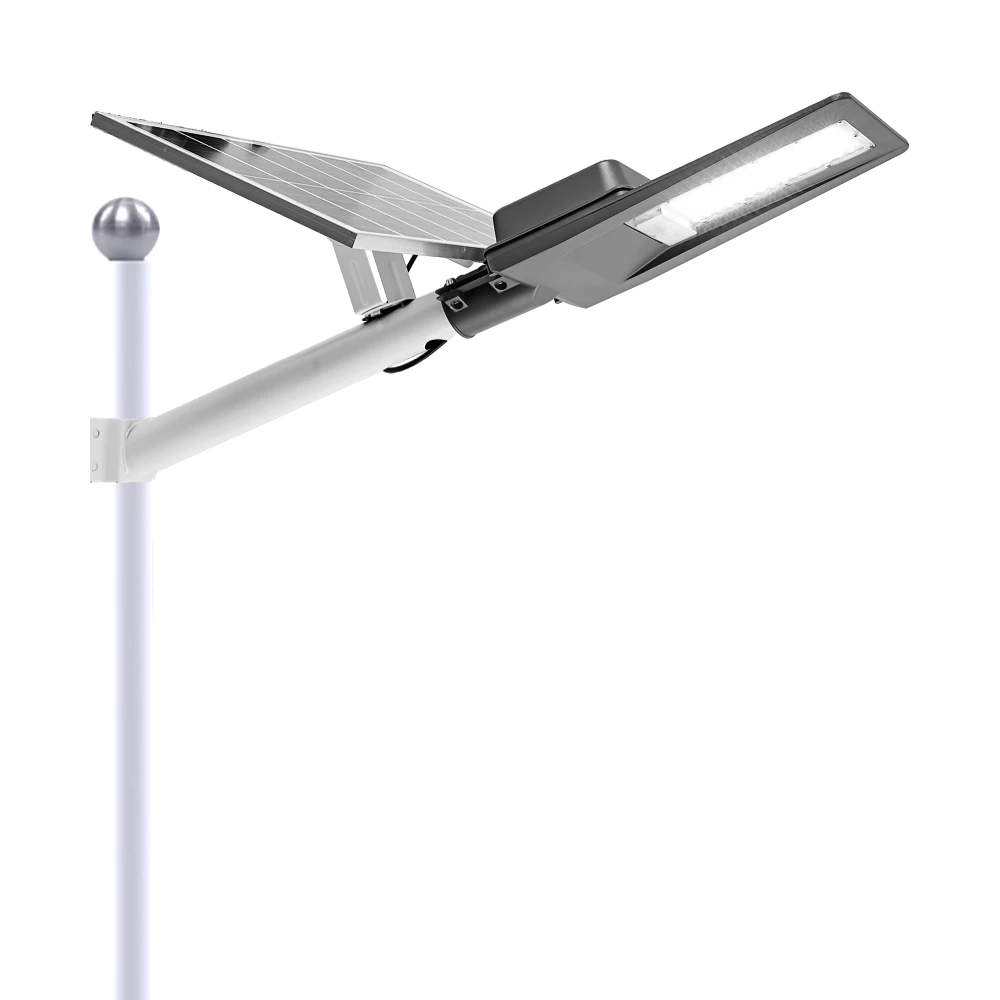
Experience reliable outdoor illumination with our smart solar street light, a perfect combination of advanced technology and eco-conscious design.
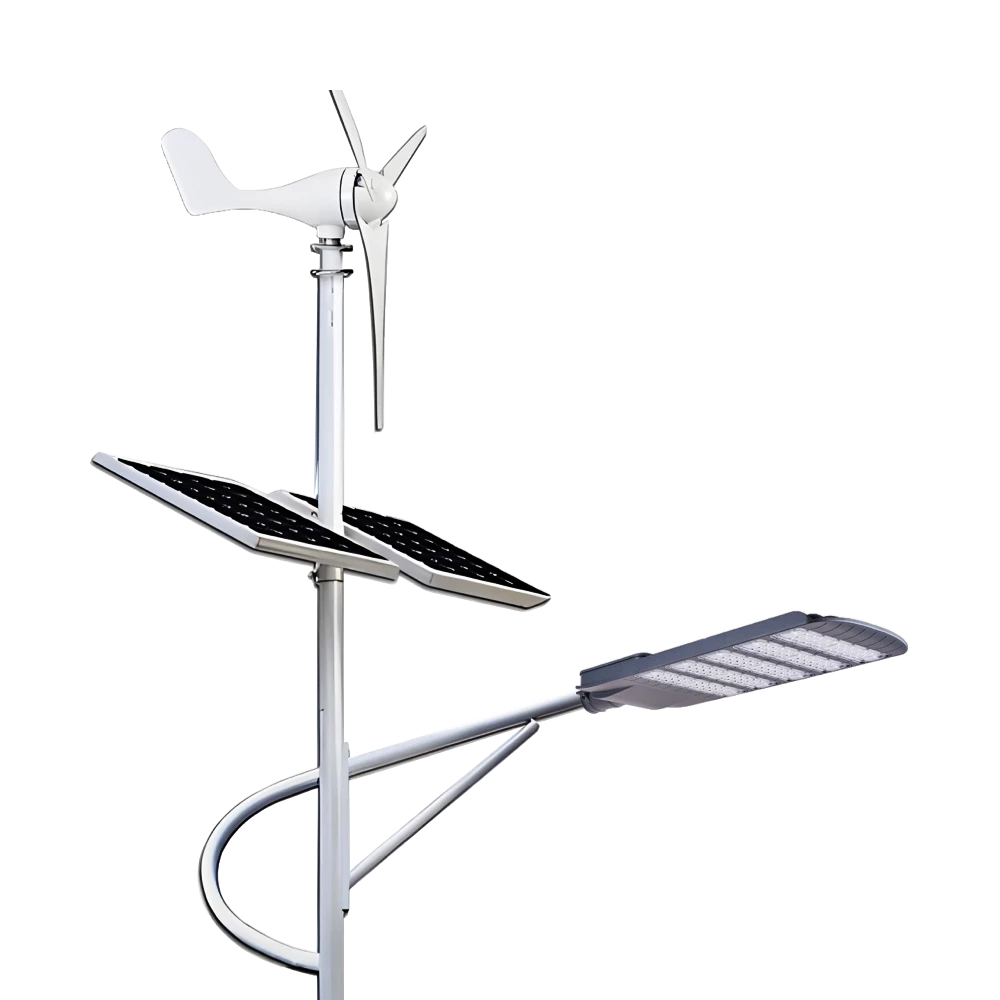
Queneng Lufeng Wind Energy LED Outdoor Solar Street Lights offer high-performance, eco-friendly illumination. These energy-efficient LED street lights harness solar power and wind energy for sustainable, cost-effective outdoor lighting solutions.
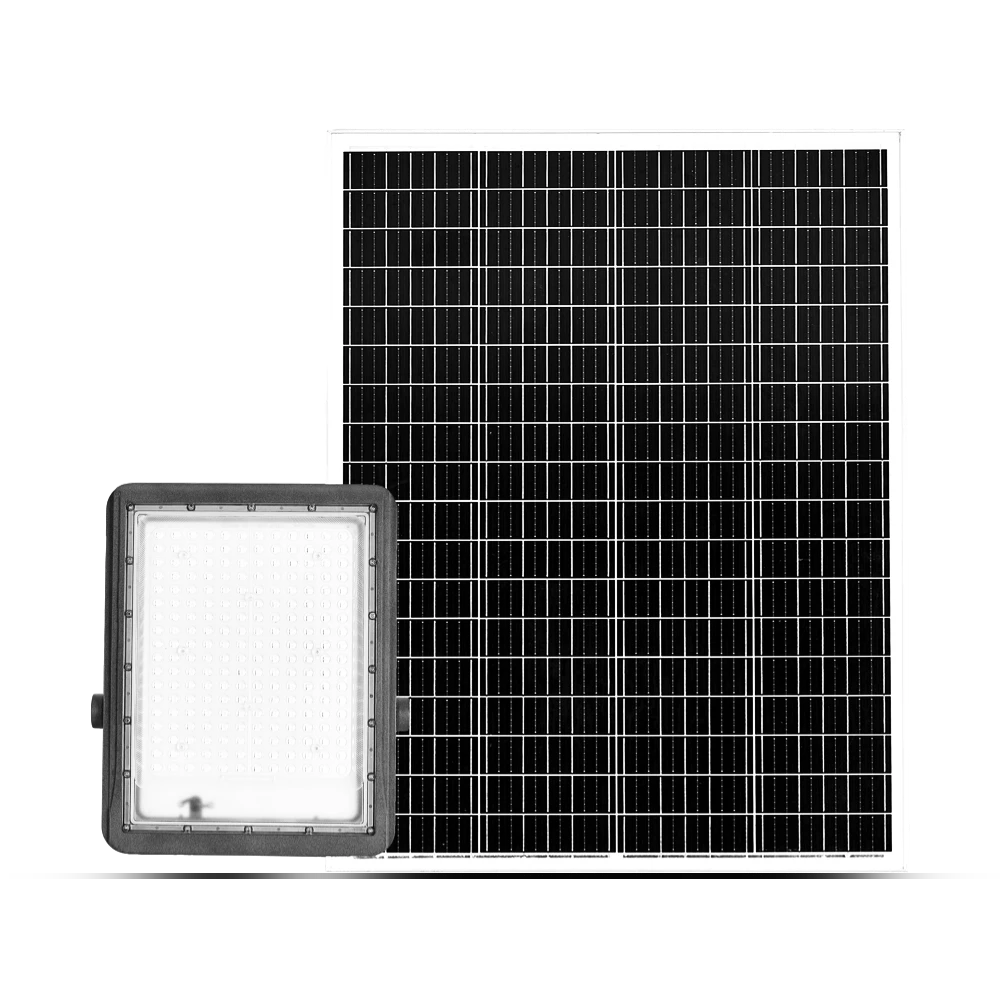
Queneng's Luxian Reliable Solar Street Light offers energy-saving LED lighting for outdoor use. This durable, solar-powered street light provides reliable illumination, reducing energy costs and environmental impact. A perfect solution for sustainable outdoor lighting.
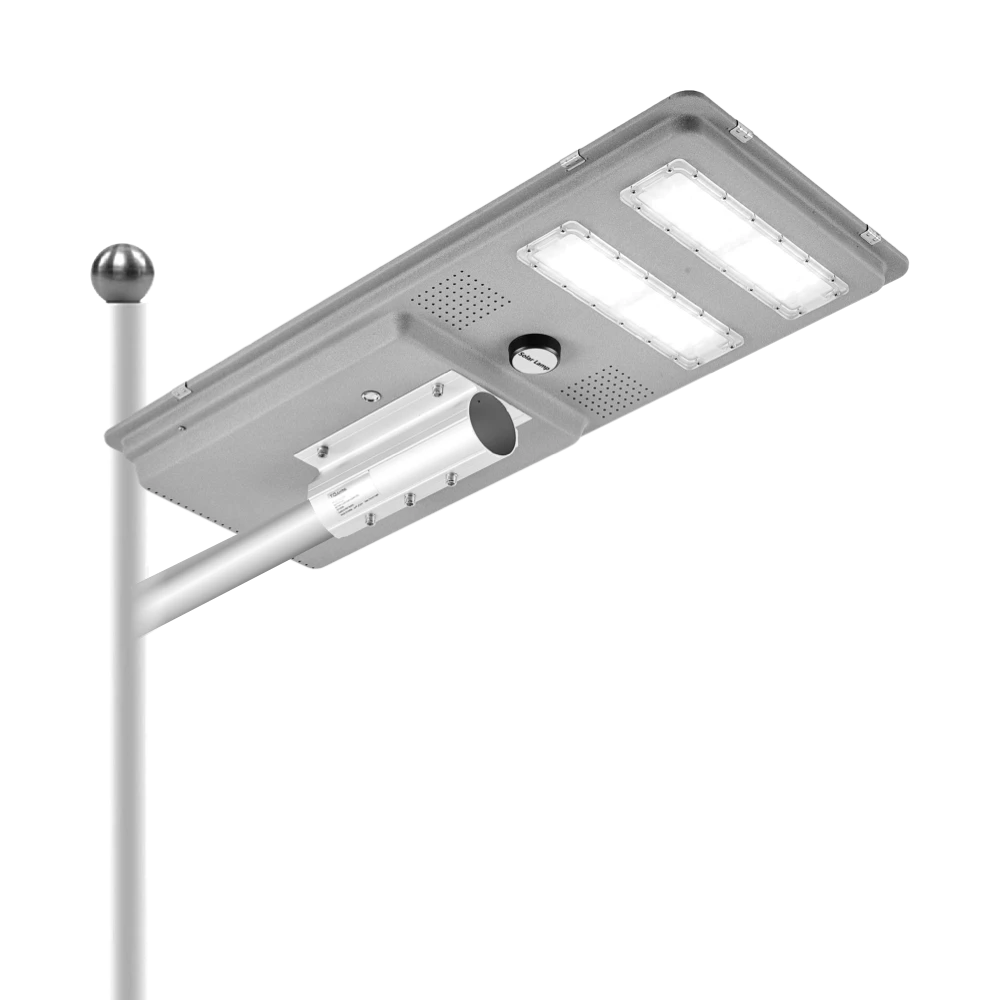
Queneng’s Solar Street Lights are designed to provide reliable, energy-efficient lighting for streets, parks, and other outdoor spaces.
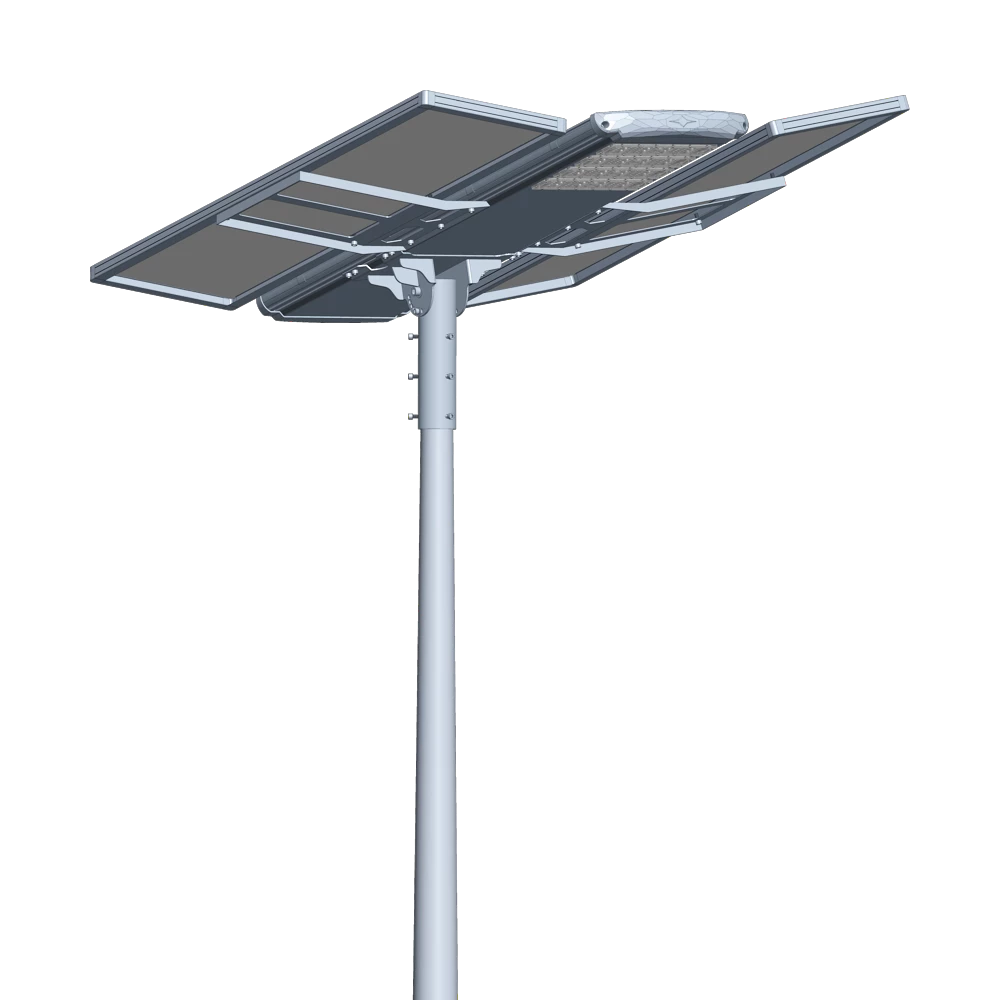
Introducing the Luqing Solar Street Light by Queneng, Efficient LED lighting powered by solar energy is perfect for illuminating outdoor areas. Harness the power of solar energy for sustainable, reliable street lighting. Ideal for eco-friendly, cost-effective outdoor illumination solutions.
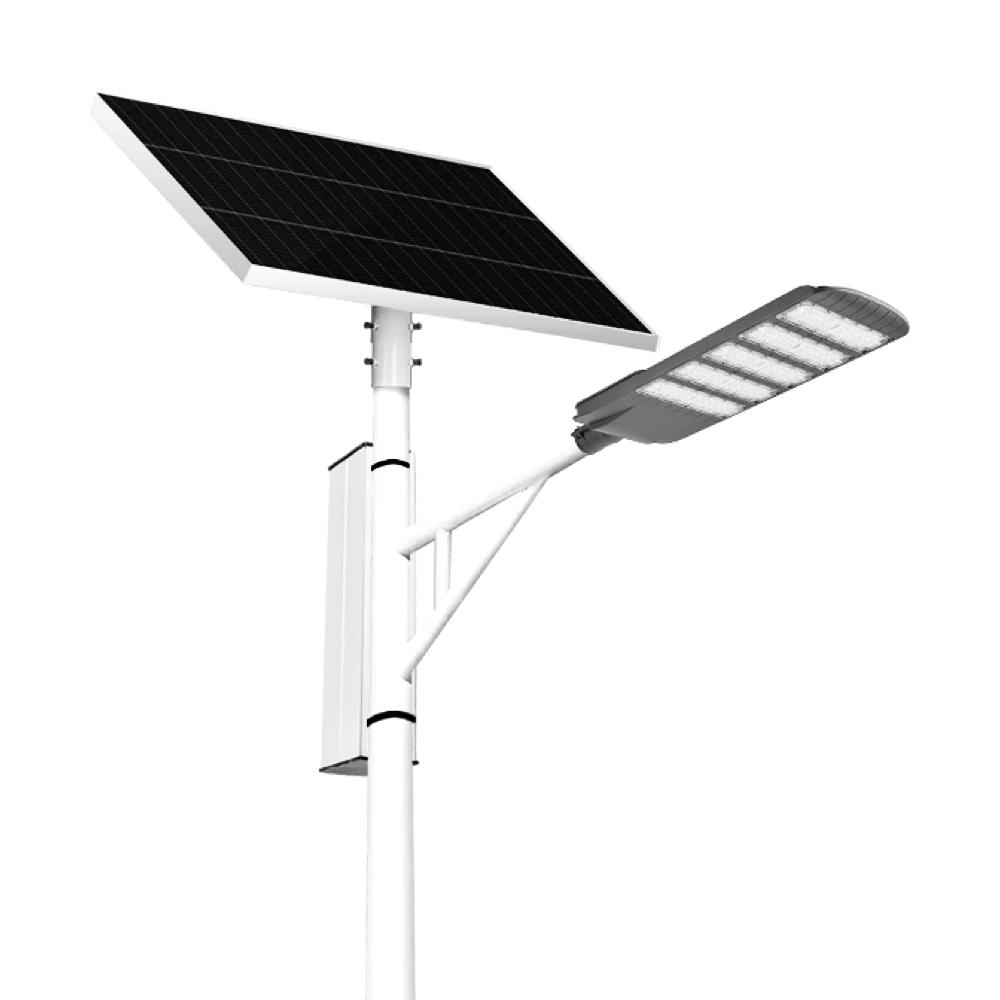
The Solar Streetlights of Luhao for Municipalities are designed to deliver reliable, energy-efficient, and cost-effective public lighting solutions. Equipped with advanced LED technology, durable lithium batteries, and high-efficiency solar panels, these streetlights provide consistent illumination for roads, parks, residential areas, and government projects.
Our professional team is ready to answer any questions and provide personalized support for your project.
You can reach us via phone or email to learn more about Queneng’s solar lighting solutions. We look forward to working with you to promote clean energy solutions!
Rest assured that your privacy is important to us, and all information provided will be handled with the utmost confidentiality.
By clicking 'Send Inquiry Now' I agree to Queneng processing my personal data.
To see how to withdraw your consent, how to control your personal data and how we process it, please see our Privacy Policy and Terms of use.
Schedule a Meeting
Book a date and time that is convenient for you and conduct the session in advance.
Have more questions about our products or services?
The messenger of light & power conversion
Environmental protection and intelligent manufacturing are our brand philosophy, and quality assurance and the best user experience are our eternal promises to users.
CONTACT
No.9F, Building F, Cao San Xin Tian Hong Logistics Park, Guzhen Town, Zhongshan City, Guangdong Province, China.
or write [email protected]
WhatsApp: +86 136 2270 1011


