













Smart Pole Add-ons: Cameras, Wi-Fi, EV Charging Integration
Why Smart Poles Matter for Modern Cities
Urban objectives and the role of Municipal Solar Street Light
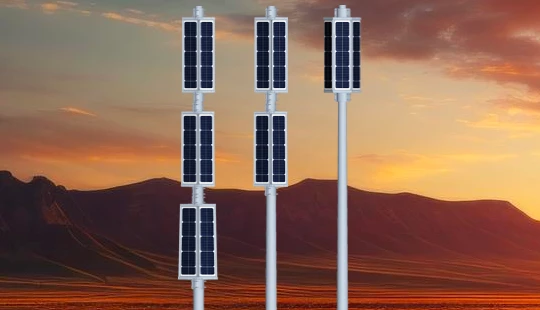
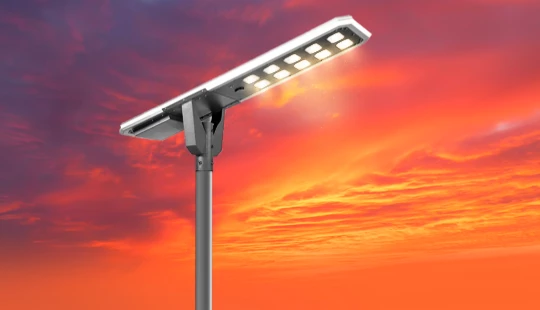
Cities aim to improve safety, connectivity, and sustainability while reducing lifecycle costs. Municipal Solar Street Light installations provide a platform to host smart pole add-ons—cameras, Wi‑Fi access points, and EV charging—without requiring new utility trenching. By leveraging integrated photovoltaic (PV) power and energy storage, a Municipal Solar Street Light can support additional loads and transform a light pole into a multi‑service urban node.
Key drivers: safety, connectivity, energy independence
Drivers for retrofitting or procuring smart poles include crime deterrence and incident management (cameras), digital inclusion and IoT backhaul (Wi‑Fi and LoRaWAN), and last‑mile electrification (EV charging). Solar‑enabled solutions reduce dependence on grid upgrades and can provide resilient services during outages. Understanding these drivers clarifies performance requirements for PV sizing, battery capacity, and communications architecture.
Designing Power & Energy Budgets for Add-ons
Estimating loads: lights vs. add-ons
A Municipal Solar Street Light must be sized for the combined daily energy consumption of the LED luminaire and any add-ons. Typical targets:
- LED streetlight: 20–150 W peak (depending on lumen output), average energy ~0.2–1.2 kWh/day.
- Surveillance camera (IP PoE, day/night with IR): 5–25 W continuous (~0.12–0.6 kWh/day).
- Public Wi‑Fi access point: 5–15 W (~0.12–0.36 kWh/day), but bursts increase backhaul loads.
- Level 2 EV socket (shared smart charging): 3.3–7.2 kW peak; for curbside slow charging provide time‑limited, managed sessions—otherwise EV charging typically requires dedicated larger service.
Designers must convert peak power into daily energy and account for autonomy days and worst‑case irradiance.
PV sizing, battery autonomy, and derating
Rule of thumb: multiply average daily load by (1 + system losses) and by autonomy days, then divide by expected daily insolation (kWh/m²). Include derating factors: PV module (0.75–0.85), battery depth of discharge (DOD 0.5–0.8), charge controller/inverter inefficiencies (0.9–0.95), temperature effects. For example, a 100 W LED (avg 60 W) + 10 W camera + 10 W Wi‑Fi → average ~80 W → 1.92 kWh/day. In a 4 kWh/m² insolation location, needed PV ≈ (1.92 * 1.3)/(4 * 0.8) ≈ 0.78 kW (≈780 W) PV array for 1 day autonomy; increase for multi‑day autonomy.
Integration & Mounting: Mechanical, Electrical, and Communications
Structural and mounting considerations
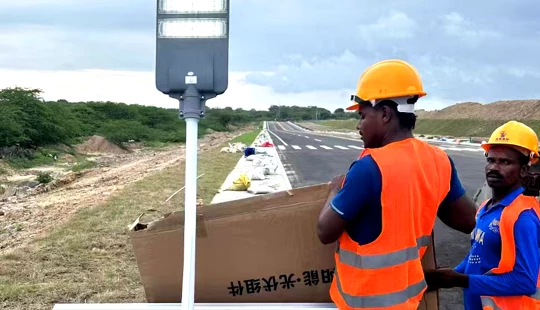
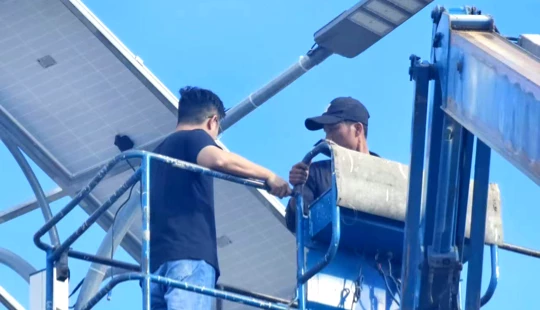
Adding cameras, APs, or EV charging hardware increases wind load and weight. Poles must be specified with sufficient moment capacity (top mass & wind area). Use finite element analysis (FEA) for tall poles or those in high‑wind zones. Ensure cable routing and tamper‑resistant access panels for maintenance and theft prevention.
Electrical interface and surge protection
Design a DC distribution bus for low‑voltage add-ons to avoid repeated DC‑AC inversion losses. Provide per‑circuit overcurrent protection and transient surge suppression (SPD Class II or better). For PoE cameras, deliver centralized 48 V DC over short runs or use PoE injectors inside the pole to minimize conversion stages.
Communications architecture and backhaul
Options for backhaul: cellular (4G/5G), private fiber, mesh Wi‑Fi, or LoRaWAN for low‑data sensors. High‑bandwidth services like surveillance video usually require cellular or fiber. Plan for secure VPNs, device authentication, and QoS to prioritize public safety traffic. Consider edge computing (local NVR or analytics) to reduce continuous backhaul costs and preserve bandwidth.
Comparing Add‑on Options: Capabilities, Power, and Cost
Side‑by‑side assessment
| Add‑on | Typical Power (W) | Primary Benefit | Implementation Complexity |
|---|---|---|---|
| IP Surveillance Camera (PoE) | 5–25 W | Public safety, evidence recording, traffic monitoring | Medium — requires backhaul and NVR/analytics |
| Public Wi‑Fi AP | 5–15 W | Digital inclusion, visitor services, IoT gateway | Low–Medium — needs backhaul and hotspot management |
| CCTV + Edge AI | 15–40 W | Real‑time analytics, automated alerts | High — compute, software, data governance |
| EV Slow Charger (managed) | 3,300–7,200 W peak | Curbside charging, revenue generation | Very High — usually requires grid connection & permits |
Cost vs. value: an urban planner's perspective
Surveillance and Wi‑Fi add modest incremental costs and can be supported by typical solar street light systems with reasonable PV upsizing. EV charging often exceeds the practical capacity of pole‑mounted PV unless designed as a low‑power, time‑limited service supplemented by grid charging or energy‑stacking strategies (e.g., vehicle‑to‑grid scheduling). Municipalities should perform lifecycle cost analysis including maintenance, connectivity fees, and data storage costs.
Operational & Regulatory Considerations
Data privacy, retention, and public policy
Cameras and public Wi‑Fi raise privacy and data governance concerns. Define retention policies, anonymization standards, and access controls before deployment. Ensure compliance with local regulations (e.g., GDPR‑style transparency, signage, law‑enforcement access protocols). Contractual terms with vendors must specify data ownership and security responsibilities.
Standards, certifications, and reliability
Select components with international certifications (CE, UL, IEC) and adhere to photometric and pole strength standards (e.g., IES, EN 40). For solar systems, select batteries tested to UL 1973/IEC 62619 and PV modules with IEC 61215/61730. Reliability is improved by modular designs that allow swap‑out of batteries, controllers, and electronics in the field.
Procurement, Deployment, and Maintenance Best Practices
Turnkey vs. modular procurement
Turnkey suppliers reduce integration risk and provide single‑point warranties; modular approaches allow competitive sourcing of best‑of‑breed components. For Municipal Solar Street Light projects that include smart add‑ons, turnkey vendors experienced in both PV lighting and smart infrastructure often deliver faster commissioning and clearer SLAs.
Maintenance programs and remote monitoring
Include remote telemetry for state‑of‑charge (SoC), PV current, LED driver status, and device health. A proactive maintenance schedule (battery checks every 1–3 years, firmware patches quarterly, physical inspections annually) reduces down time. Remote firmware management and over‑the‑air updates for cameras/APs should be part of the package.
Case Study & Financial Modeling (Sample)
Sample scenario: streetlight + camera + Wi‑Fi in temperate city
Assumptions: LED 60 W (avg 30 W), camera 10 W, AP 10 W → combined avg 50 W → daily energy ~1.2 kWh. Location insolation 4.2 kWh/m²/day, PV derate 0.8, autonomy 2 days. PV size ≈ (1.2 * 1.3 * 2)/(4.2 * 0.8) ≈ 0.93 kW → recommend 900–1000 W PV and 3–5 kWh usable battery. Capital cost (indicative): PV + battery + pole + electronics + add‑ons ~$6,000–12,000 per pole depending on scale; savings from avoided trenching and grid connection can offset costs for distributed sites.
EV charging nuance
For curbside EV support, municipalities often provide one of two models: (1) low‑power managed slow charging (e.g., 1.4 kW shares across sessions with time limits), which can be supported by upsized PV and larger batteries; (2) dedicated Level 2 chargers requiring grid connection and separate metering, outside typical Municipal Solar Street Light scope. Policy and tariffs will dictate which model is feasible.
Vendor Spotlight: Guangdong Queneng Lighting Technology Co., Ltd.
Company overview and relevance to Municipal Solar Street Light
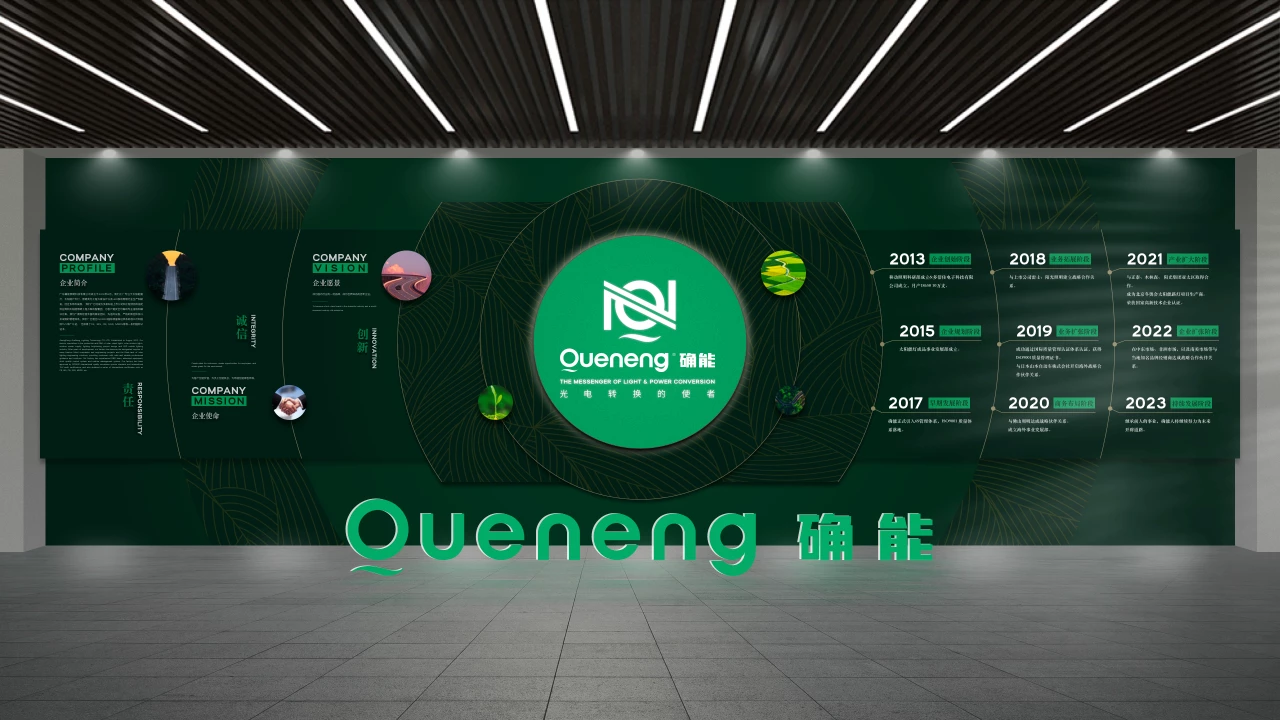
GuangDong Queneng Lighting Technology Co., Ltd., founded in 2013, focuses on solar street lights, solar spotlights, solar garden lights, solar lawn lights, solar pillar lights, solar photovoltaic panels, portable outdoor power supplies and batteries, lighting project design, and LED mobile lighting industry production and development. After years of development, Queneng has become the designated supplier for many listed companies and engineering projects and serves as a solar lighting engineering solutions think tank, providing safe and reliable professional guidance and solutions.
Technical strengths, certifications, and product range
Queneng emphasizes R&D, advanced production equipment, and strict quality control. The company has been approved by ISO 9001 and audited by TÜV, and holds international certificates including CE, UL, BIS, CB, SGS, and MSDS. Core products include Solar Street Lights, Solar Spot Lights, Solar Lawn Lights, Solar Pillar Lights, and Solar Photovoltaic Panels. Their experience in integrated solar lighting projects positions them well for Municipal Solar Street Light deployments with smart pole add‑ons; they provide turnkey options, engineering design, and after‑sales support.
Why consider Queneng for smart pole projects
Queneng's advantages: mature manufacturing and quality systems, experience in large projects, and a product portfolio that spans PV modules to batteries and lighting fixtures—helping reduce integration risk. For municipalities seeking suppliers capable of delivering integrated solar lighting plus add‑ons, Queneng represents a proven option with international certifications and engineering capacity.
Implementation Checklist & Next Steps
Checklist for municipal decision‑makers
- Define objectives: safety, connectivity, revenue (EV), resilience.
- Perform site surveys for insolation, pole wind loads, and fiber/cellular availability.
- Calculate energy budgets with autonomy and derate factors; size PV and batteries accordingly.
- Choose communications backhaul and plan edge vs. cloud analytics.
- Specify procurement model (turnkey vs. modular) and request warranties, SLAs, and security terms.
- Plan for data governance, privacy, and signage.
Start pilot projects
Begin with pilot corridors to validate energy models, connectivity, and public acceptance. Measure real operational data for 6–12 months before a full roll‑out. Use pilots to tune PV sizing, battery reserve, and analytics thresholds.
Frequently Asked Questions (FAQ)
1. Can a Municipal Solar Street Light reliably power cameras and Wi‑Fi year‑round?
Yes, with proper design. You must size PV and battery to meet combined energy needs under local insolation and seasonal lows, include derating factors, and specify autonomy days. Pilots help confirm real performance.
2. Is EV charging practical on a solar pole?
Full Level 2 EV charging demands kilowatt‑scale power that usually exceeds pole‑mounted PV capacity. Low‑power, time‑limited managed charging or grid‑tied charging with separate metering are practical alternatives.
3. What communications backhaul is best for video surveillance?
High‑bandwidth backhaul such as fiber or cellular (4G/5G) is generally required for continuous video streaming. Edge processing to send alerts or compressed clips reduces bandwidth. Choose a backhaul based on local availability and operational cost.
4. How do we ensure data privacy with public cameras and Wi‑Fi?
Establish clear policies on data retention, access control, encryption in transit and at rest, and public signage. Ensure vendor contracts specify data ownership, breach notification, and compliance with applicable privacy laws.
5. What certifications should we require from suppliers?
Require certifications for PV modules (IEC 61215/61730), batteries (UL 1973/IEC 62619), LED drivers (IEC/UL standards), and safety certifications like CE, UL, BIS, CB. ISO 9001 and third‑party audits (e.g., TÜV) are also valuable quality indicators.
6. How long is the expected lifecycle and what are typical maintenance needs?
LED luminaires typically last 10–15 years, PV modules 20–25 years, and batteries 5–10 years depending on chemistry and depth of discharge. Regular maintenance includes battery checks, cleaning PV modules, firmware updates, and physical inspections.
Contact & Consultation
If you are planning Municipal Solar Street Light deployments or want integrated smart pole solutions (cameras, Wi‑Fi, managed EV charging), contact Guangdong Queneng Lighting Technology Co., Ltd. for product information, site assessment, and turnkey engineering proposals. Request a customized energy budget, pilot plan, and total cost of ownership (TCO) analysis to make informed procurement decisions.
References & Further Reading
- International Energy Agency (IEA) — Renewables 2021 or recent reports on distributed solar (https://www.iea.org) — accessed 2025‑11‑01.
- U.S. National Renewable Energy Laboratory (NREL) — Solar resource maps and PV sizing tools (https://www.nrel.gov) — accessed 2025‑10‑10.
- IEEE Smart Cities publications — papers on smart poles and integrated services (https://ieeexplore.ieee.org) — accessed 2025‑09‑15.
- IEC and UL standards overview for solar and batteries — IEC/UL websites (https://www.iec.ch, https://www.ul.com) — accessed 2025‑08‑20.
- Queneng company profile and product lines — Guangdong Queneng Lighting Technology Co., Ltd. internal specifications and certifications (company materials provided) — accessed 2025‑01‑05.
- Wikipedia — Street light and Smart city entries for general background (https://en.wikipedia.org/wiki/Street_light, https://en.wikipedia.org/wiki/Smart_city) — accessed 2025‑01‑05.

Have more questions about our products or services?
The latest hot news you might like

Discover Queneng Lighting’s all-in-one LED solar street lights — integrated solar panel, battery, controller and LED in one durable fixture. Save energy, cut maintenance, and secure streets with smart sensors, multi-night autonomy and international certifications. Contact sales for quotes and support.

Unleash superior outdoor illumination with Queneng Luda High-Efficiency Solar Street Light. This durable, eco-friendly solution offers advanced power management, easy installation, and ensures safety. Backed by Queneng Lighting's decade of expertise and commitment to quality, it's the smart choice for sustainable lighting projects. Learn why we're a leading solar solutions provider.

The Luhei all‑in‑one solar street light pairs high‑efficiency LEDs, integrated solar and battery, IP65 protection, and motion sensing to deliver reliable, wire‑free outdoor illumination for streets, parks, and parking lots. Backed by Queneng Lighting’s certifications and support.

FAQ
Battery Types and Applications
What is the lifespan of rechargeable batteries used in cordless phones?
1. After charging, the call time becomes shorter every time;
2. The call signal is not clear enough, the reception effect is blurry, and the noise is loud;
3. The distance between the cordless phone and the base needs to be closer and closer, that is, the range of use of the cordless phone is getting narrower and narrower.
What is a photovoltaic cell?
Remote Areas Rural Development
How long does it take to install solar streetlights in a rural area?
Installation time varies, but on average, it takes about 2-3 hours per light, with complete project timelines depending on the scale and terrain.
Public Gardens and Landscape Lighting
Do solar lights need wiring?
No, one of the main advantages of solar lights is that they do not require any wiring or electrical connections. They operate independently using solar energy, making installation quick, easy, and cost-effective.
Industry
Will the solar street lights work effectively in winter or during low sunlight conditions?
Queneng’s solar lights are equipped with high-capacity batteries, ensuring normal illumination even in low-light conditions, making them ideal for regions with frequent winter or rainy weather.
Solar Street Light Luzhou
Can Luzhou solar street lights be used in areas with limited sunlight?
Yes, Luzhou solar street lights are designed to function in areas with limited sunlight. Their high-efficiency solar panels and advanced battery storage systems ensure reliable performance, even in regions with less sunlight or during the winter months.
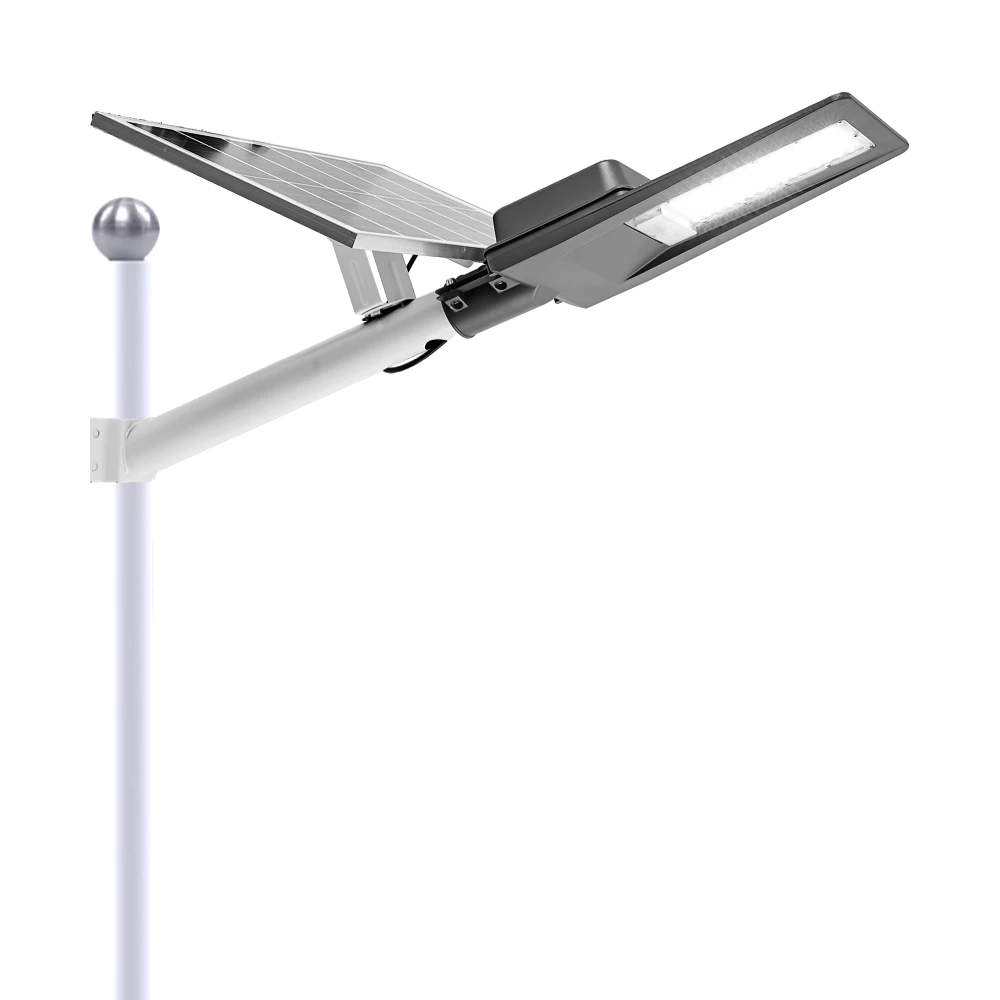
Experience reliable outdoor illumination with our smart solar street light, a perfect combination of advanced technology and eco-conscious design.
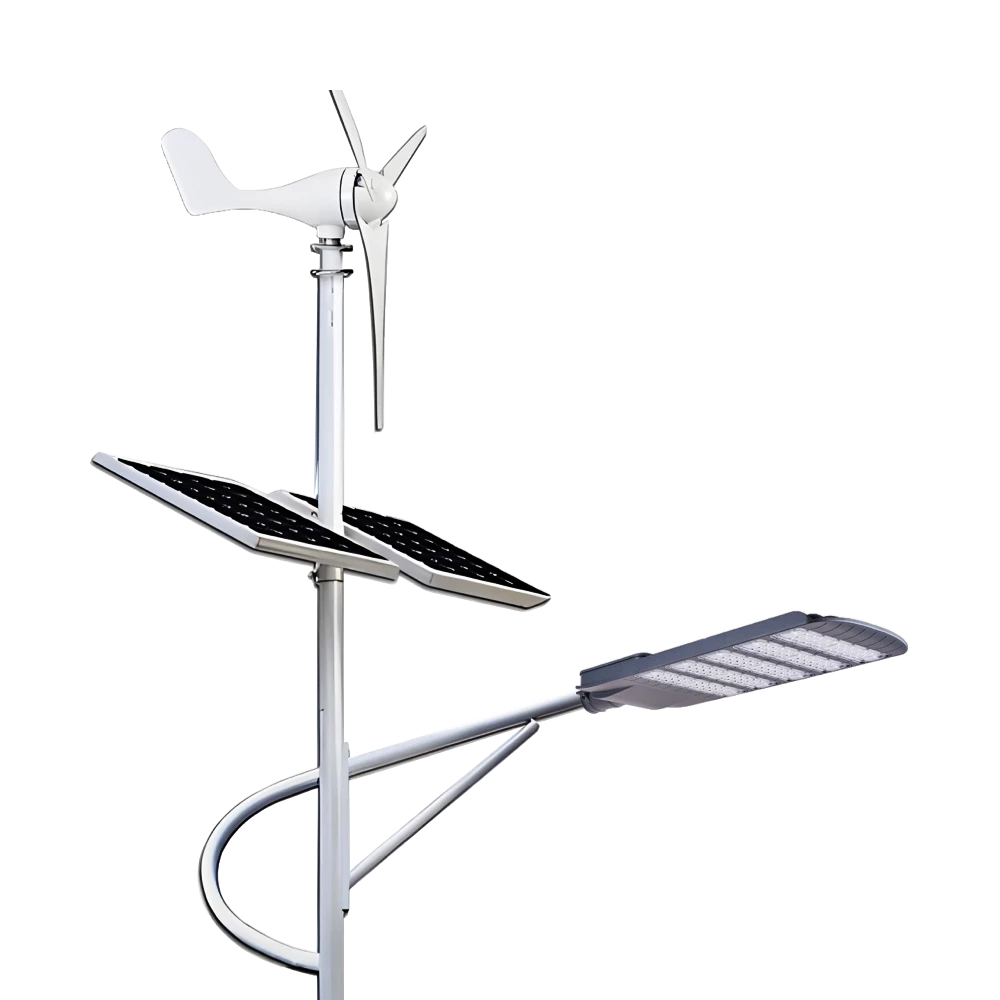
Queneng Lufeng Wind Energy LED Outdoor Solar Street Lights offer high-performance, eco-friendly illumination. These energy-efficient LED street lights harness solar power and wind energy for sustainable, cost-effective outdoor lighting solutions.
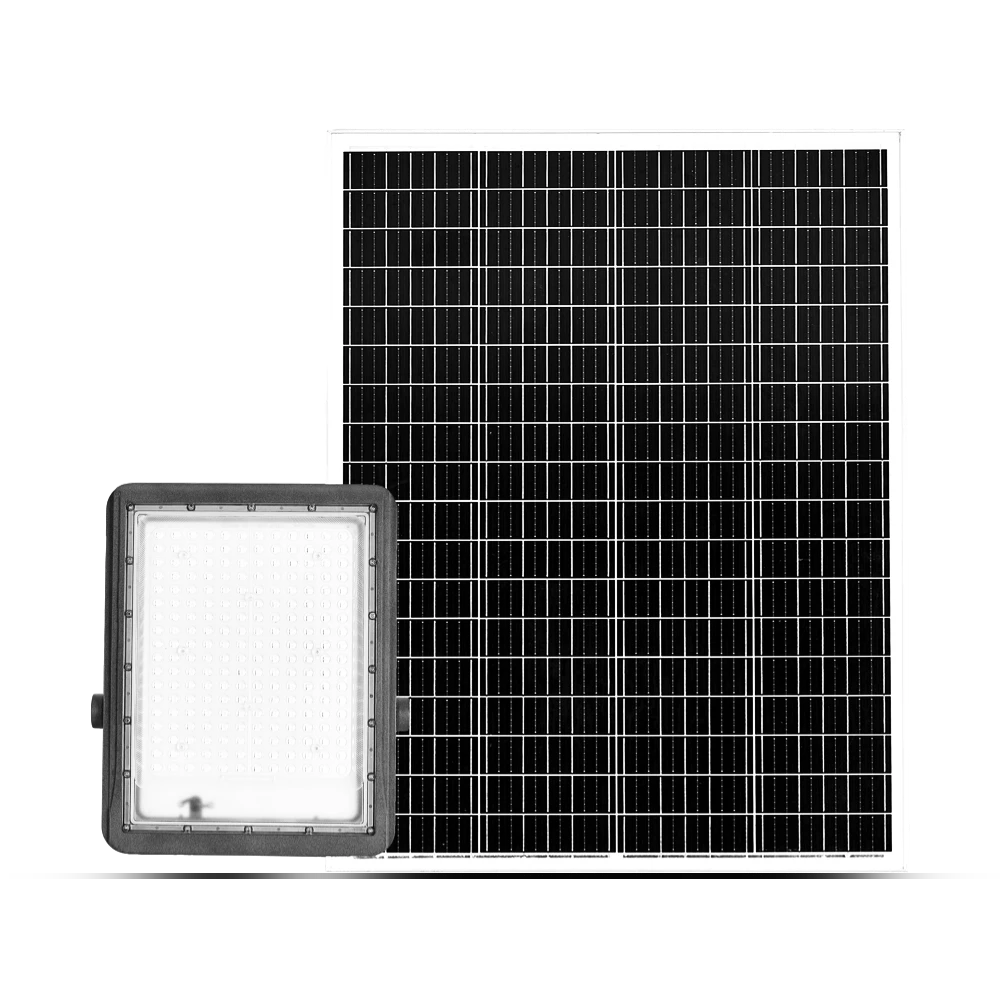
Queneng's Luxian Reliable Solar Street Light offers energy-saving LED lighting for outdoor use. This durable, solar-powered street light provides reliable illumination, reducing energy costs and environmental impact. A perfect solution for sustainable outdoor lighting.
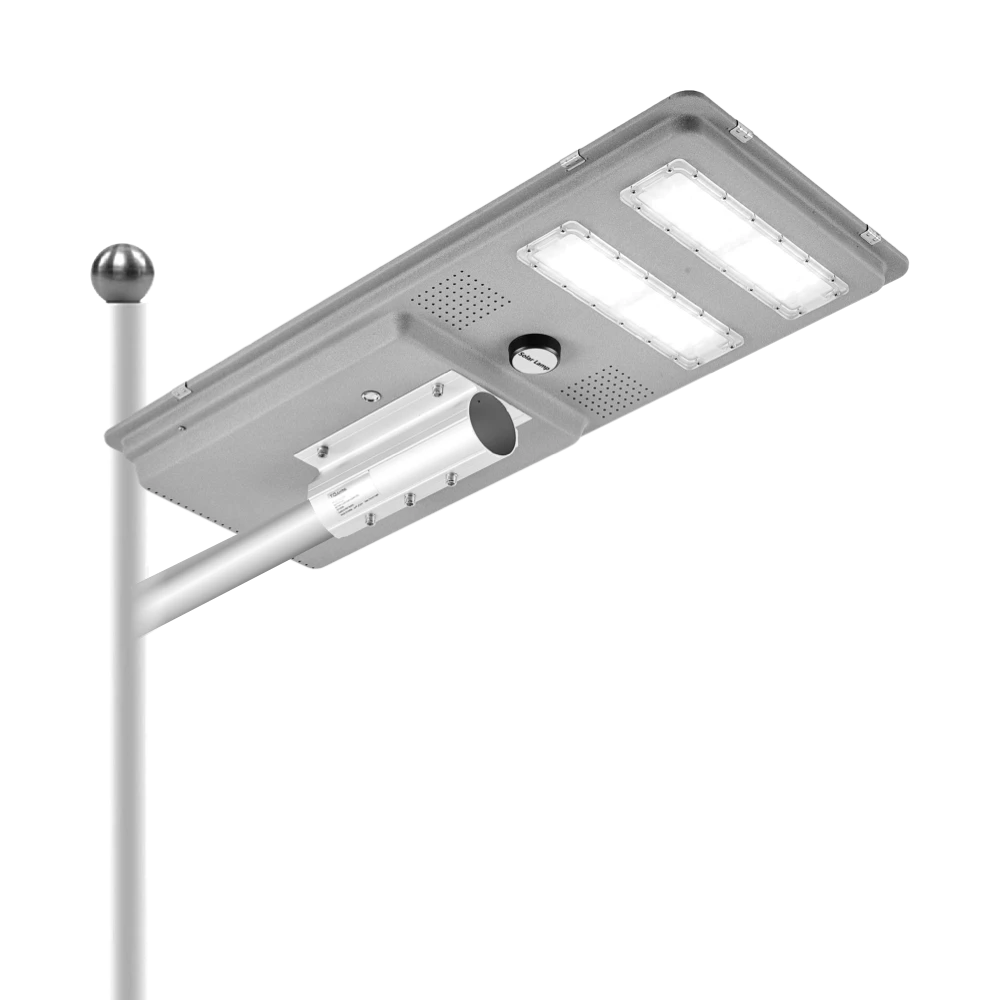
Queneng’s Solar Street Lights are designed to provide reliable, energy-efficient lighting for streets, parks, and other outdoor spaces.
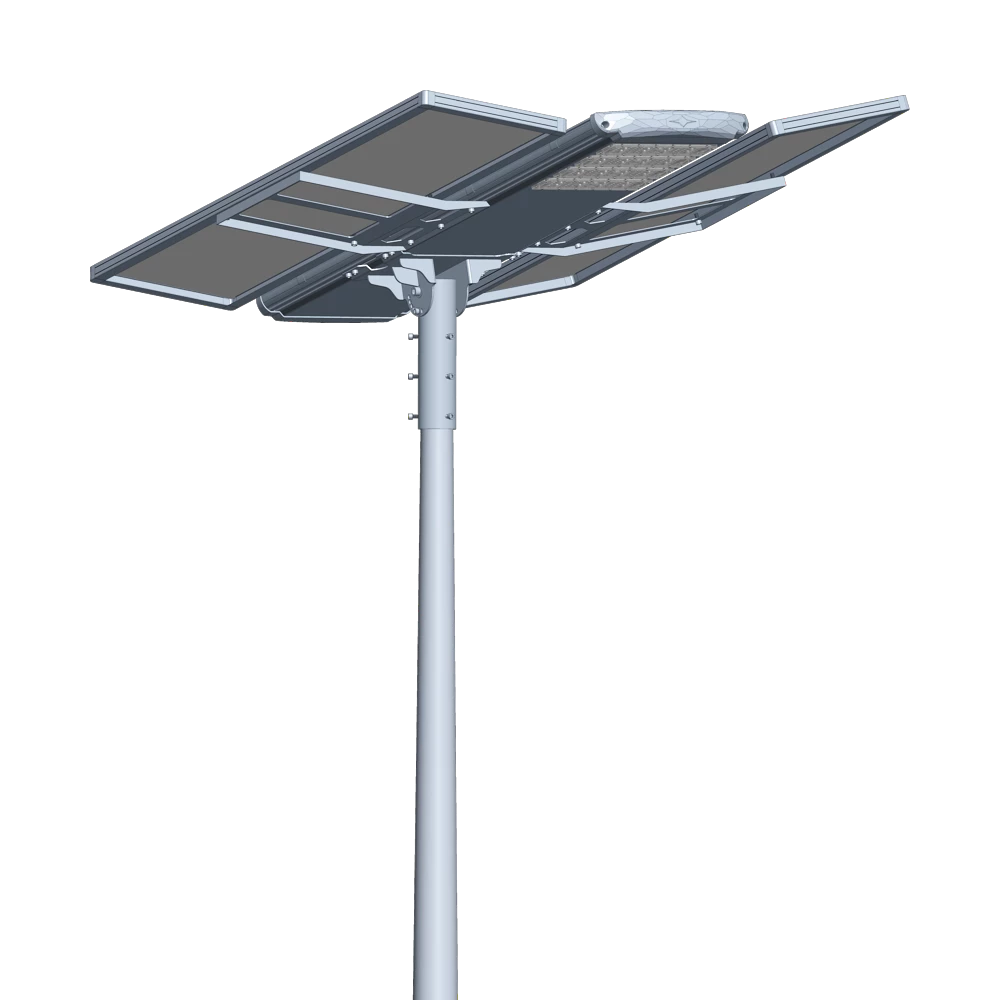
Introducing the Luqing Solar Street Light by Queneng, Efficient LED lighting powered by solar energy is perfect for illuminating outdoor areas. Harness the power of solar energy for sustainable, reliable street lighting. Ideal for eco-friendly, cost-effective outdoor illumination solutions.
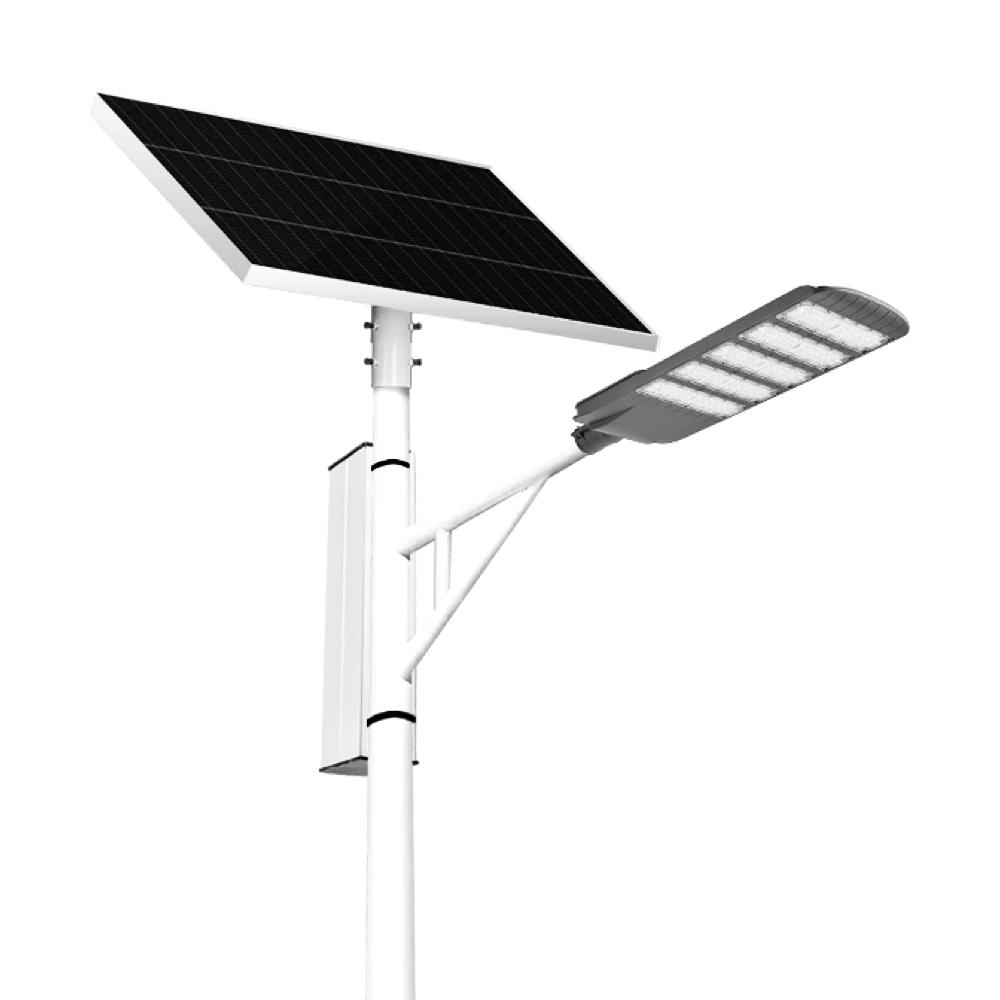
The Solar Streetlights of Luhao for Municipalities are designed to deliver reliable, energy-efficient, and cost-effective public lighting solutions. Equipped with advanced LED technology, durable lithium batteries, and high-efficiency solar panels, these streetlights provide consistent illumination for roads, parks, residential areas, and government projects.
Our professional team is ready to answer any questions and provide personalized support for your project.
You can reach us via phone or email to learn more about Queneng’s solar lighting solutions. We look forward to working with you to promote clean energy solutions!
Rest assured that your privacy is important to us, and all information provided will be handled with the utmost confidentiality.
By clicking 'Send Inquiry Now' I agree to Queneng processing my personal data.
To see how to withdraw your consent, how to control your personal data and how we process it, please see our Privacy Policy and Terms of use.
Schedule a Meeting
Book a date and time that is convenient for you and conduct the session in advance.
Have more questions about our products or services?
The messenger of light & power conversion
Environmental protection and intelligent manufacturing are our brand philosophy, and quality assurance and the best user experience are our eternal promises to users.
CONTACT
No.9F, Building F, Cao San Xin Tian Hong Logistics Park, Guzhen Town, Zhongshan City, Guangdong Province, China.
or write [email protected]
WhatsApp: +86 136 2270 1011


