














Spare Parts Logistics and Inventory Planning for Cities
Optimizing Spare Parts Supply Chains for Solar Street Lighting
Municipalities rolling out or maintaining solar lighting networks face a distinct set of logistics and inventory planning challenges. Unlike conventional grid-powered streetlights, municipal solar street light systems combine electro-mechanical parts, batteries and photovoltaic (PV) modules with electronics that age differently and require tailored spare parts strategies. This article delivers a practical, data-driven approach to spare parts logistics and inventory planning for municipal solar street light fleets, helping city planners, procurement officers and maintenance contractors reduce downtime, control lifecycle costs and meet service-level targets.
Why Municipal Solar Street Light Programs Need Robust Spare Parts Logistics
Municipal Solar Street Light installations are often distributed, exposed to environmental extremes and include consumable components (batteries, fuses, LED drivers) whose failure patterns differ from lamps in centralized grids. Poor spare parts planning causes long mean-time-to-repair (MTTR), visual blight, safety risks and public complaints. Effective logistics and inventory planning aligns with the city's service-level agreements (SLAs), budget cadence, and sustainability goals.
Key Spare Parts for Municipal Solar Street Light Systems
To create an actionable inventory plan, cities must identify critical spare parts by failure impact and lead time. Typical critical parts for a Municipal Solar Street Light program include:
- PV modules (complete panels) — long lead time, low but critical failure rate
- Energy storage (batteries: lead-acid, LiFePO4) — highest replacement frequency
- LED luminaires and control boards — moderate life, subject to surge/failure
- Smart controllers / IoT nodes — failure causes communication loss and dimming problems
- Fuses, surge protectors and connectors — common, low-cost consumables
- Poles, brackets and mechanical fasteners — replacement after accidents or corrosion
Prioritize spares by criticality: components whose failure results in complete outage and have long procurement lead times should be stocked more heavily. Consumables with short lead times can be managed with vendor drop-ship or local procurement.
Inventory Planning Strategies for Municipal Solar Street Light Fleets
Inventory strategies should be based on fleet size, geographic dispersion, supplier reliability and acceptable restoration time. Common approaches for Municipal Solar Street Light inventory include:
- Service-level driven safety stock: define acceptable downtime (e.g., 48–72 hours for high-priority roads) and compute safety stock using historical failure rates and lead times.
- ABC analysis by impact and cost: classify parts (A: critical/expensive; B: moderate; C: low-cost/fast-moving) and apply differentiated stocking policies.
- Vendor Managed Inventory (VMI): suppliers hold stock in regional depots, reducing city carrying cost while ensuring availability.
- Consignment stock for batteries and PV modules: capital-efficient for cash-strapped municipalities.
- Just-in-time (JIT) for common consumables when local supply chains are reliable.
Example formula for safety stock (simplified): Safety Stock = Z * sigma_demand * sqrt(lead_time), where Z is service-factor for desired service level and sigma_demand is demand standard deviation. For Municipal Solar Street Light fleets with low-frequency failures, use conservative Z values to avoid public complaints.
Warehouse Location, Distribution and Reverse Logistics for Municipal Solar Street Light Components
Optimizing warehouse locations reduces response times and total logistics cost. Key design decisions for Municipal Solar Street Light logistics:
- Centralized Warehouse: lower inventory carrying cost, centralized quality control, but longer travel times to field. Suitable for small to medium-sized cities with good road access.
- Regional Depots: use if city is geographically large or has varied climates; reduces travel time and supports quicker repairs for Municipal Solar Street Light networks.
- Mobile Service Vans: stock high-frequency spares (batteries, fuses, connectors) on vans for first-time fix capability.
- Reverse Logistics: plan for removing failed batteries and hazardous waste. Batteries often require special handling, recycling partners, and documentation per local regulations.
Forecasting, KPIs and Digital Tools for Municipal Solar Street Light Inventory
Forecasts for Municipal Solar Street Light spare parts rely on asset records, failure history and environmental factors (temperature, humidity, salt exposure). Recommended KPIs and digital tools:
- KPIs: fill rate, stockout frequency, MTTR, mean time to failure (MTTF) by component, inventory turns, and total cost of ownership (TCO) per lamp.
- Digital Tools: an Asset Management System (AMS) integrated with a Computerized Maintenance Management System (CMMS) and Inventory Management module to link failure events to stock movements. IoT telemetry from smart controllers can feed predictive analytics for battery degradation and LED lumen depreciation.
- Analytics: survival analysis for batteries, Weibull modelling for LEDs and controllers, and replenishment simulations to set reorder points for Municipal Solar Street Light spares.
Risk Management and Maintenance Contracts for Municipal Solar Street Light Projects
Risk mitigation for Municipal Solar Street Light spare parts includes:
- Multi-sourcing of critical components to avoid single-supplier risk.
- Performance-based contracts that include SLAs for response times and guaranteed spare parts availability.
- Stock ownership vs. service contract analysis: sometimes paying a High Quality for guaranteed uptime (OPEX model) is cheaper than maintaining high levels of in-house inventory.
Cost Comparison Table: Centralized vs Decentralized Inventory for Municipal Solar Street Light
| Metric | Centralized Warehouse | Regional Depots (Decentralized) |
|---|---|---|
| Average Response Time | 24–72 hours (city center) | 6–24 hours (local depot) |
| Inventory Carrying Cost | Lower (pooled stock) | Higher (duplicated stock) |
| Operational Complexity | Lower | Higher (multiple sites) |
| Suitability | Small/compact cities | Large/geo-dispersed cities |
Data points above are directional; run a location-allocation model with your city's travel-time matrices and failure density to determine the break-even point where regional depots justify extra inventory cost.
Case Study: Typical 50,000-Lamp City Rollout Inventory Model for Municipal Solar Street Light
Assumptions (conservative, example only): 50,000 Municipal Solar Street Light luminaires across a metropolitan area. Annual failure rates (based on industry averages and manufacturer warranties): batteries 8%/yr (lead-acid) or 3%/yr (LiFePO4), LED luminaires 1%/yr, controllers & IoT modules 2%/yr, PV modules 0.5%/yr.
Annual expected failures (approx.):
- Batteries: 4,000 (lead-acid scenario) or 1,500 (LiFePO4)
- LED luminaires: 500
- Controllers/IoT: 1,000
- PV modules: 250
Inventory policy: maintain one-month safety stock plus reorder quantity equal to forecasted monthly failures. For batteries (lead-acid): 4,000/12 = ~333 monthly failures → Safety stock = 333 * service factor (1.65 for ~95% service) = ~550 batteries. Similar calculations apply for other parts. This approach ensures quick replacements while smoothing procurement and budget impact.
Note: moving to LiFePO4 reduces annual battery replacements significantly and justifies higher upfront battery CAPEX through lower logistics and environmental handling costs.
Supplier Selection and Quality Assurance: Certifications and Standards for Municipal Solar Street Light Components
Supplier selection should balance cost, lead-time, and certification. For municipal procurement, prioritize suppliers with:
- ISO 9001 quality management certification (evidence of consistent production and QA processes)
- Third-party test certifications (CE, UL, BIS, CB) for electrical safety and electromagnetic compatibility
- Battery test reports (cycle life, thermal stability) and MSDS documentation for safe transport and waste handling
- Track record of municipal projects and references
High-quality suppliers reduce failure rates and simplify spare parts logistics by providing consistent part numbers and interchangeability. Consider modular designs and standardized connectors to allow cross-compatibility between batches and vendors.
GuangDong Queneng Lighting Technology Co., Ltd — Partnering for Municipal Solar Street Light Solutions
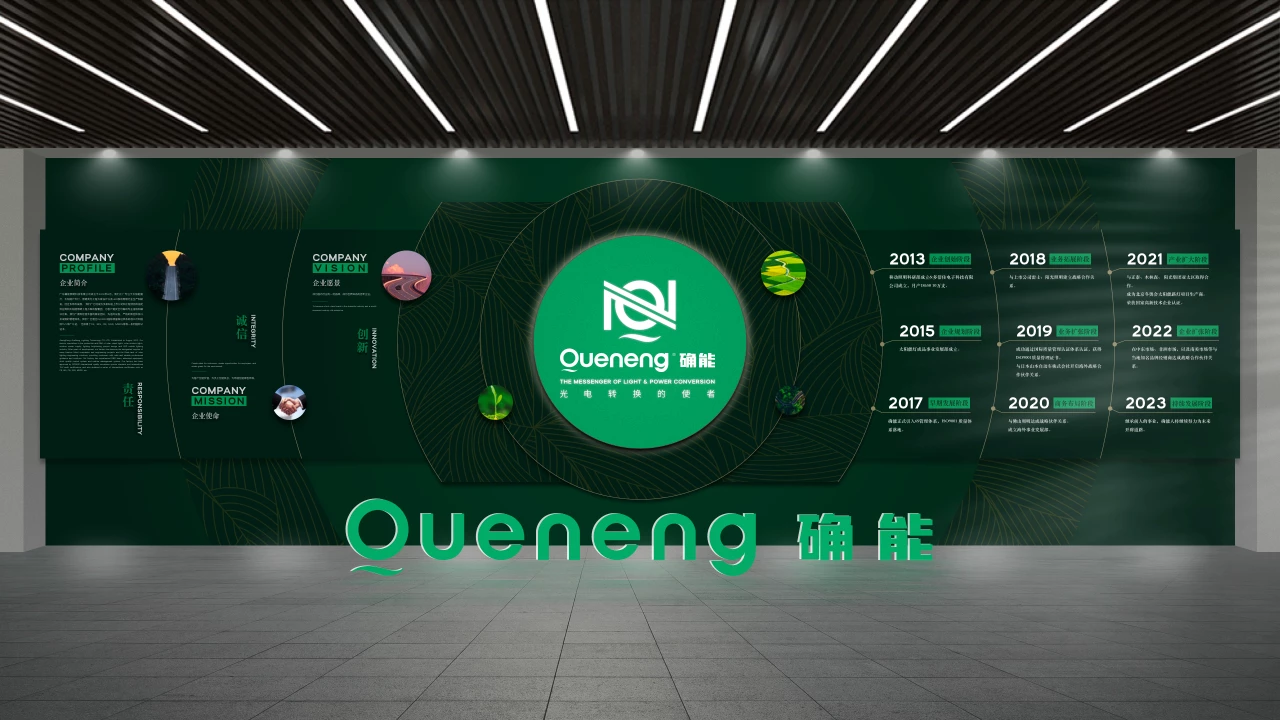
GuangDong Queneng Lighting Technology Co., Ltd., founded in 2013, specializes in solar street lights and a range of solar lighting products relevant to municipal programs. Queneng's product portfolio includes Solar Street Lights, Solar Spot Lights, Solar Garden Lights, Solar Lawn Lights, Solar Pillar Lights, Solar Photovoltaic Panels and portable outdoor power supplies and batteries. Over years of development, Queneng has become a designated supplier for listed companies and engineering projects and acts as a solar lighting engineering solutions think tank, providing safe and reliable guidance.
Why partner with Queneng for Municipal Solar Street Light projects:
- R&D and technical depth: an experienced R&D team and advanced production equipment support product optimization and interchangeability — helpful for inventory rationalization.
- Quality & certification: ISO 9001 management system, TÜV audit approval and international certifications such as CE, UL, BIS, CB, SGS and MSDS ensure compliance with municipal procurement standards.
- Project experience: proven supplier to engineering projects and listed companies, indicating mature supply chain and after-sales service mechanisms for spare parts logistics.
- Product breadth: offering PV panels, lights, batteries and controllers under one umbrella reduces part-number proliferation and simplifies procurement and warranty management.
Working with Queneng can shorten lead times, centralize warranties, and provide technical support for inventory planning and predictive maintenance—key advantages for cities seeking reliable Municipal Solar Street Light performance.
Implementation Roadmap: From Pilot to Full-Scale Municipal Solar Street Light Deployment
Suggested phased approach to align logistics and inventory planning with scale:
- Pilot (50–500 lamps): validate component failure modes, telemetry and MTTR. Keep centralized stock with mobile vans.
- Scale-up (1,000–10,000 lamps): introduce regional depots, implement CMMS and standardize spare kits (battery + controller + fuse).
- Full deployment (10,000+ lamps): optimize depot network using geospatial modelling, negotiate VMI or consignment for high-cost items, and deploy advanced analytics for predictive replacement.
Governance: establish an inter-departmental working group (Procurement, Public Works, Finance) to approve stocking policies and SLA targets, and review KPIs quarterly.
Conclusion and Next Steps: Securing Municipal Solar Street Light Performance through Logistics Excellence
Successful Municipal Solar Street Light programs combine sound procurement, reliable suppliers, data-driven inventory policies and an aligned logistics network. By applying ABC analysis, investing in telemetry, and selecting certified suppliers like GuangDong Queneng Lighting Technology Co., Ltd., municipalities can reduce downtime, control lifecycle costs and achieve sustainable street lighting outcomes.
Frequently Asked Questions (FAQ)
1. How many spare batteries should a city stock per 1,000 Municipal Solar Street Light luminaires?
Answer: Use your failure rate. If annual battery failure is 5%, expect ~50 replacements/year or ~4/month. With a 95% service level (Z≈1.65), safety stock ~4 * 1.65 ≈ 7 batteries plus one-month normal demand (4) = ~11 batteries per 1,000 lamps. Adjust for battery chemistry: LiFePO4 has lower failure rates than lead-acid.
2. Should municipalities buy batteries outright or use consignment/VMI?
Answer: It depends on capital availability and risk tolerance. Consignment or VMI reduces capital tied in inventory and shifts replenishment responsibility to suppliers but may cost more per unit. For budget-constrained cities, consignment for batteries and PV panels is often advantageous.
3. What is the typical lead time for PV modules and how does it affect stocking for Municipal Solar Street Light programs?
Answer: Lead times vary (2–12 weeks) depending on supplier, certification needs and shipping. Because PV modules have long lead times and are critical, keep safety stock or use supplier-held spares in regional depots to avoid long outages.
4. How can IoT and telemetry reduce spare parts inventory for Municipal Solar Street Light?
Answer: Telemetry enables condition-based maintenance—battery voltage trends, charge cycles, and LED dimming patterns—allowing predictive replacement before catastrophic failure. This reduces emergency replacements and overall spare parts stocking by shifting from reactive to planned procurement.
5. What environmental rules should cities follow when disposing of batteries from Municipal Solar Street Light systems?
Answer: Follow local hazardous waste and battery disposal regulations. Many jurisdictions require certified recycling partners and documented chain-of-custody. Ensure procurement contracts include end-of-life recycling or buy-back clauses.
6. How do I choose between centralized and regional depot strategies for Municipal Solar Street Light spares?
Answer: Model total cost including inventory carrying, transportation, and SLA penalties. Use travel-time data and failure density. Small, compact cities favor centralized warehouses; geographically dispersed cities benefit from regional depots.
Contact / Request a Consultation
If you are planning or maintaining a Municipal Solar Street Light program and need help with inventory modelling, supplier selection, or a pilot deployment, contact GuangDong Queneng Lighting Technology Co., Ltd. for product information, technical support and tailored logistics solutions. Visit Queneng's website or request a project consultation to receive a municipal-ready spare parts plan and ROI estimates.
References
- International Organization for Standardization (ISO) — ISO 9001 Quality Management: https://www.iso.org/iso-9001-quality-management. (accessed 2025-12-15)
- European Commission — CE marking: https://ec.europa.eu/growth/single-market/ce-marking/ (accessed 2025-12-10)
- Battery University — How to Prolong Lithium-based Batteries: https://batteryuniversity.com/article/bu-808-how-to-prolong-lithium-based-batteries (accessed 2025-11-20)
- International Renewable Energy Agency (IRENA) — Off-grid Renewables: https://www.irena.org/ (accessed 2025-11-30)
- Wikipedia — Street Light: https://en.wikipedia.org/wiki/Street_light (accessed 2025-12-01)
- United Nations Development Programme (UNDP) — Procurement and Supply: https://www.undp.org/procurement (accessed 2025-12-05)
- Association for Supply Chain Management (ASCM) — Inventory Management resources: https://www.ascm.org/ (accessed 2025-12-10)
- World Bank — Smart Cities Overview: https://www.worldbank.org/en/topic/urbandevelopment/brief/smart-cities (accessed 2025-12-08)
For specific technical data, test reports and certificates for products, request documentation directly from suppliers (e.g., Guandong Queneng Lighting Technology Co., Ltd.) and verify third-party lab results where applicable.

Have more questions about our products or services?
The latest hot news you might like

Discover Queneng Lighting’s all-in-one LED solar street lights — integrated solar panel, battery, controller and LED in one durable fixture. Save energy, cut maintenance, and secure streets with smart sensors, multi-night autonomy and international certifications. Contact sales for quotes and support.

Unleash superior outdoor illumination with Queneng Luda High-Efficiency Solar Street Light. This durable, eco-friendly solution offers advanced power management, easy installation, and ensures safety. Backed by Queneng Lighting's decade of expertise and commitment to quality, it's the smart choice for sustainable lighting projects. Learn why we're a leading solar solutions provider.

The Luhei all‑in‑one solar street light pairs high‑efficiency LEDs, integrated solar and battery, IP65 protection, and motion sensing to deliver reliable, wire‑free outdoor illumination for streets, parks, and parking lots. Backed by Queneng Lighting’s certifications and support.

FAQ
who we are
How can I contact Queneng for inquiries or product support?
You can contact us through our website, where you can find contact forms, customer service phone numbers, and email addresses. Our support team is available to assist with any inquiries, product information, or technical support you may need.
Remote Areas Rural Development
How durable are solar streetlights in extreme rural conditions?
They are designed to withstand harsh weather, including heavy rains, strong winds, and extreme temperatures.
Are solar streetlights scalable for larger rural projects?
Yes, solar streetlights are highly scalable and can be customized to meet the requirements of large-scale rural electrification projects.
Sustainability
Do Queneng solar street lights require a power connection?
No, our solar street lights operate independently of the power grid. They rely entirely on photovoltaic panels that charge the built-in battery, making an electrical connection unnecessary.
Solar Street Light Luqing
What kind of maintenance does the solar street light require?
Solar street lights are designed for low maintenance. The primary maintenance task is to ensure the solar panels are clean and free of debris to optimize their charging efficiency. Periodic checks of the battery and LED performance may also be necessary to ensure long-term functionality.
Schools and Educational Institutions
How long will it take to install solar lights on my campus?
Installation can typically be completed in a few days, depending on the size of the campus and the number of lights.
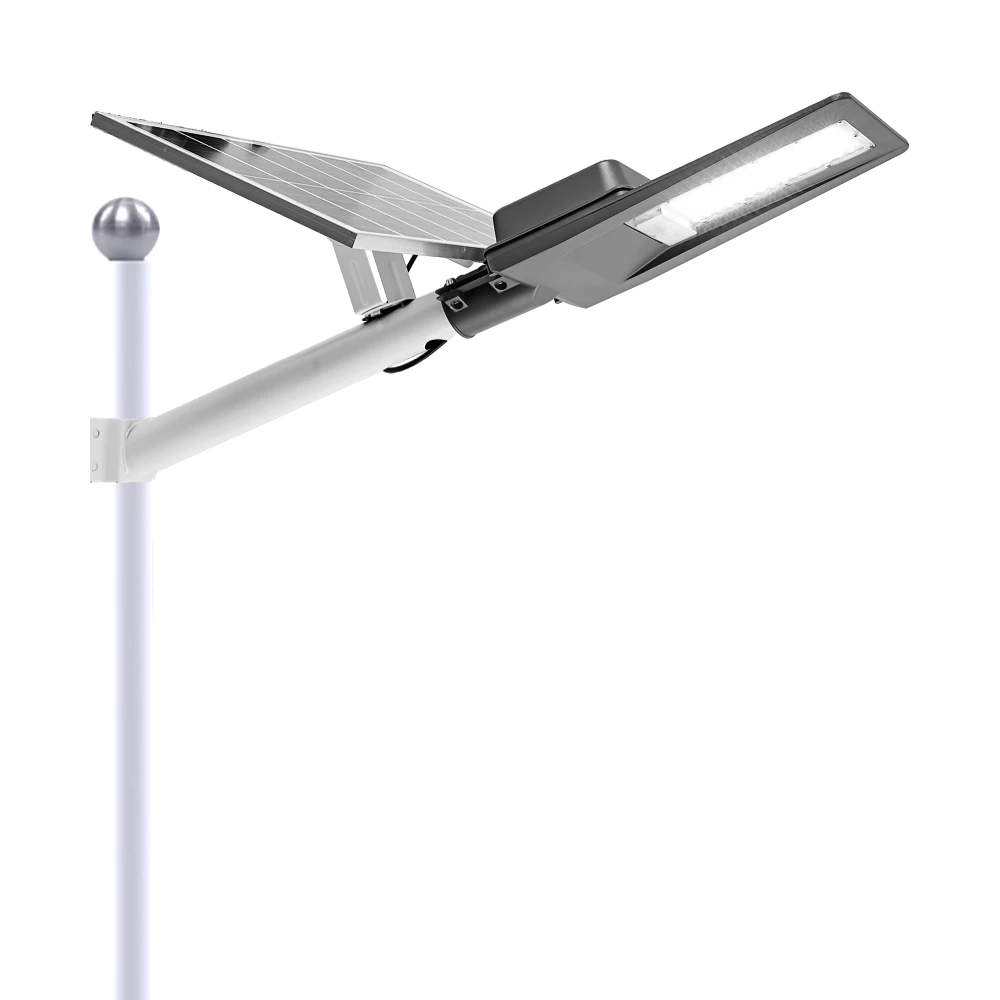
Experience reliable outdoor illumination with our smart solar street light, a perfect combination of advanced technology and eco-conscious design.
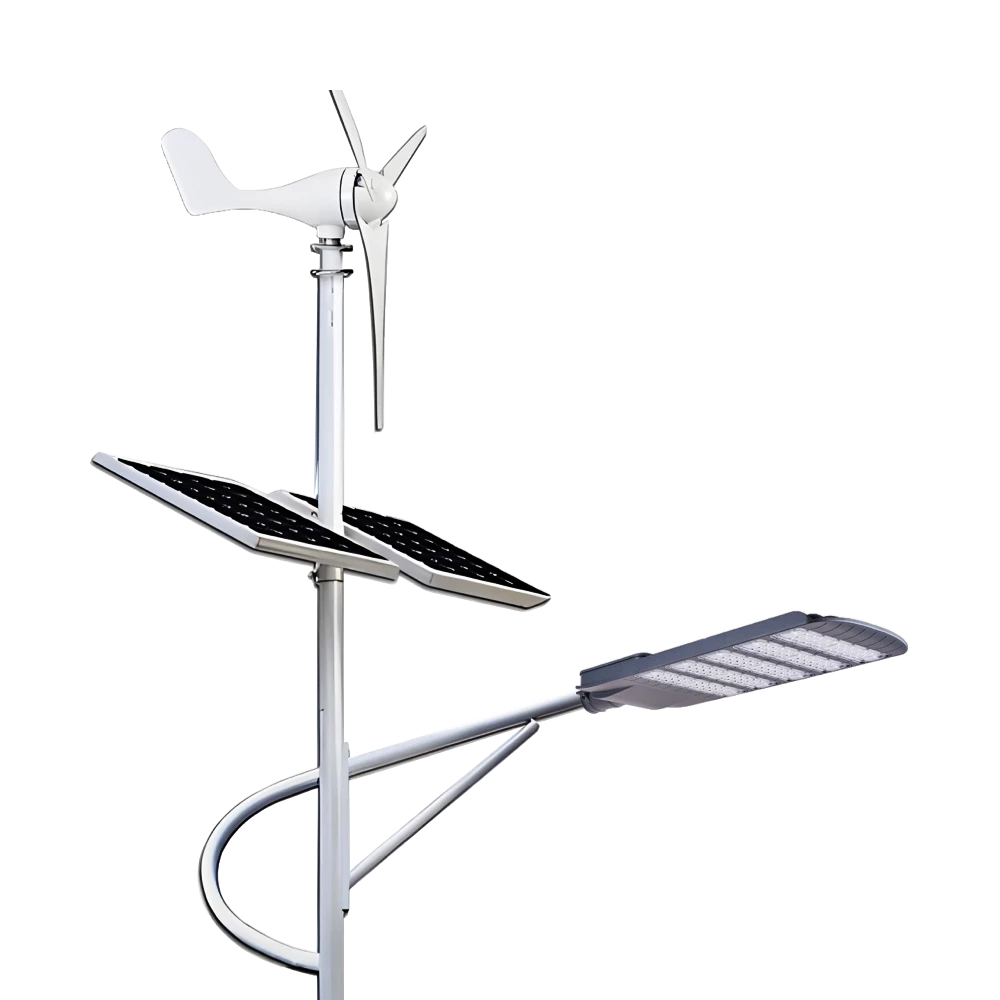
Queneng Lufeng Wind Energy LED Outdoor Solar Street Lights offer high-performance, eco-friendly illumination. These energy-efficient LED street lights harness solar power and wind energy for sustainable, cost-effective outdoor lighting solutions.
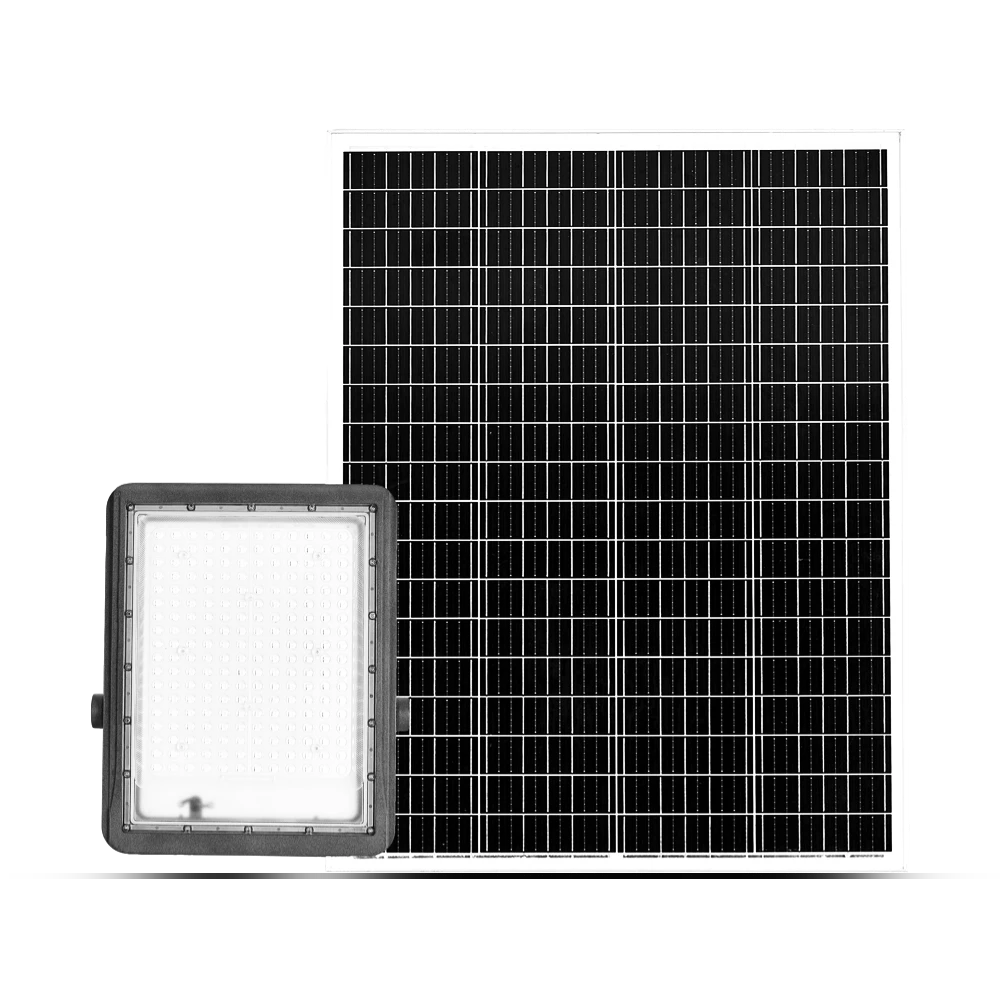
Queneng's Luxian Reliable Solar Street Light offers energy-saving LED lighting for outdoor use. This durable, solar-powered street light provides reliable illumination, reducing energy costs and environmental impact. A perfect solution for sustainable outdoor lighting.
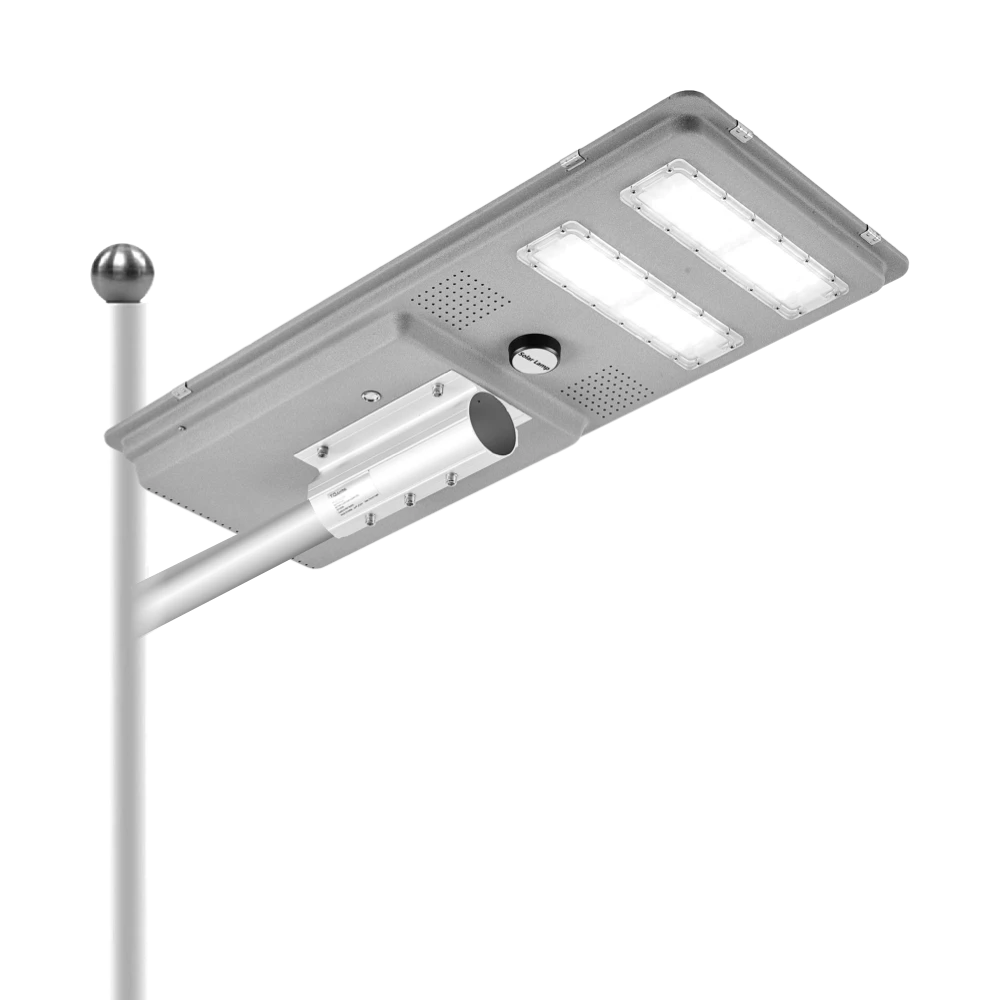
Queneng’s Solar Street Lights are designed to provide reliable, energy-efficient lighting for streets, parks, and other outdoor spaces.
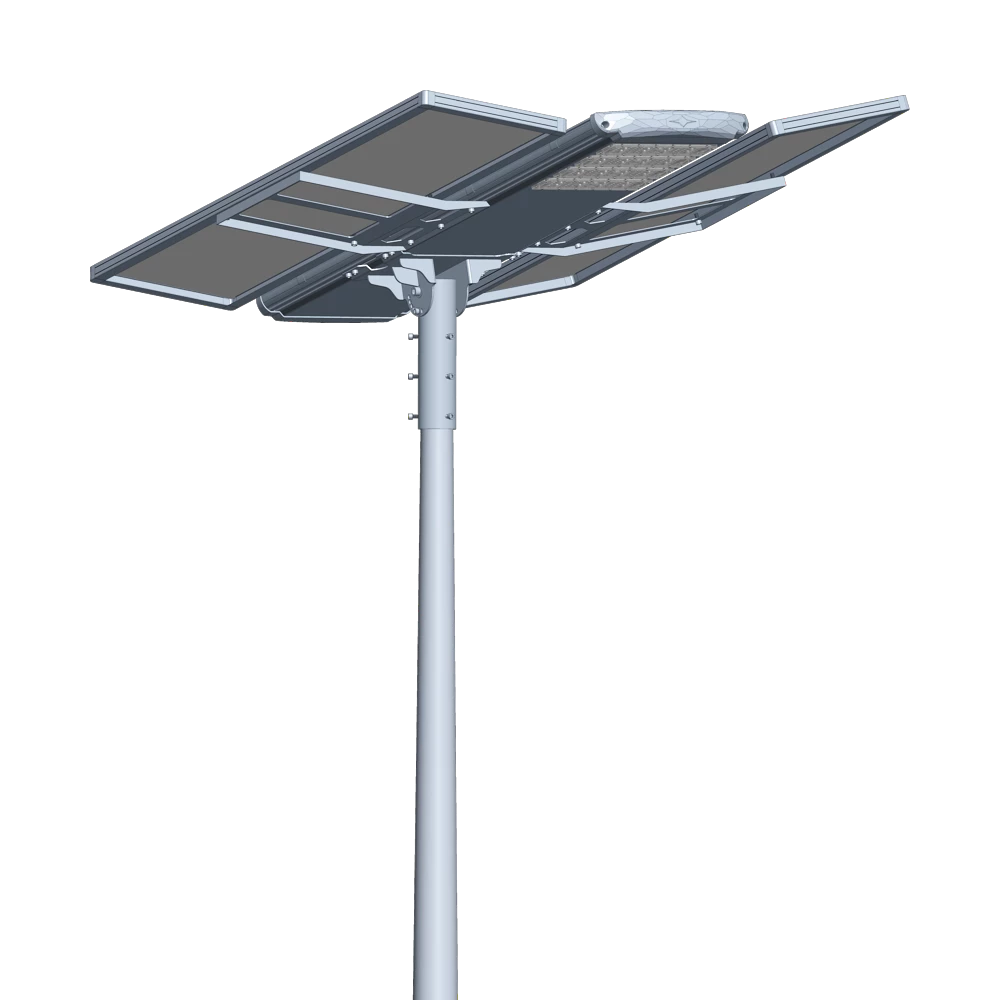
Introducing the Luqing Solar Street Light by Queneng, Efficient LED lighting powered by solar energy is perfect for illuminating outdoor areas. Harness the power of solar energy for sustainable, reliable street lighting. Ideal for eco-friendly, cost-effective outdoor illumination solutions.
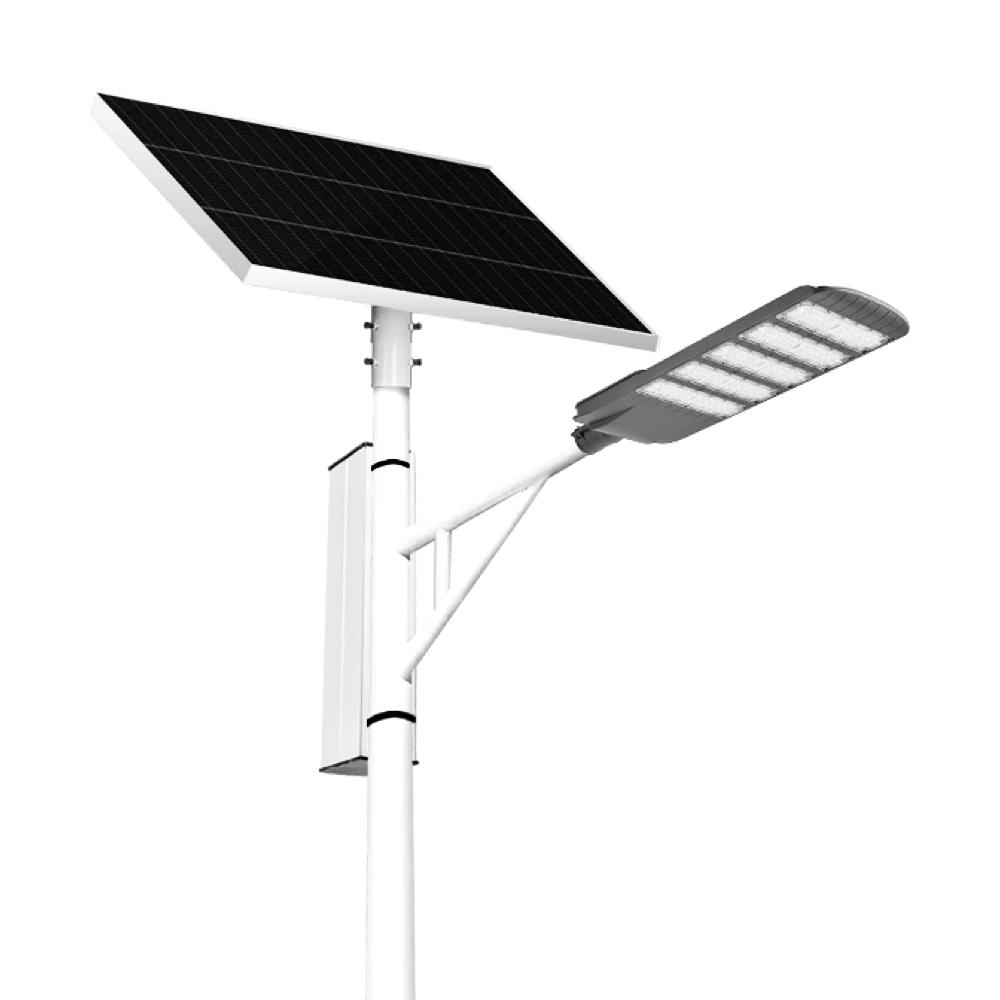
The Solar Streetlights of Luhao for Municipalities are designed to deliver reliable, energy-efficient, and cost-effective public lighting solutions. Equipped with advanced LED technology, durable lithium batteries, and high-efficiency solar panels, these streetlights provide consistent illumination for roads, parks, residential areas, and government projects.
Our professional team is ready to answer any questions and provide personalized support for your project.
You can reach us via phone or email to learn more about Queneng’s solar lighting solutions. We look forward to working with you to promote clean energy solutions!
Rest assured that your privacy is important to us, and all information provided will be handled with the utmost confidentiality.
By clicking 'Send Inquiry Now' I agree to Queneng processing my personal data.
To see how to withdraw your consent, how to control your personal data and how we process it, please see our Privacy Policy and Terms of use.
Schedule a Meeting
Book a date and time that is convenient for you and conduct the session in advance.
Have more questions about our products or services?
The messenger of light & power conversion
Environmental protection and intelligent manufacturing are our brand philosophy, and quality assurance and the best user experience are our eternal promises to users.
CONTACT
No.9F, Building F, Cao San Xin Tian Hong Logistics Park, Guzhen Town, Zhongshan City, Guangdong Province, China.
or write [email protected]
WhatsApp: +86 136 2270 1011


