














Evaluating Suppliers: Checklist for Solar Street Lights
How to Choose the Right Partner for Municipal Solar Street Light Projects
Understanding project intent and procurement goals (Municipal Solar Street Light)
Before approaching suppliers, municipal procurement teams must clarify objectives: energy savings, resilience (off-grid capability), public safety (illumination levels), lifecycle cost, maintenance capacity, and sustainability goals. A clear specification informed by these goals helps screen suppliers and avoids common mismatches (over-specification, inadequate testing, or hidden costs).
Technical specification checklist (Municipal Solar Street Light)
Technical clarity is the backbone of any municipal solar street light procurement. Ask for and verify the following minimum technical data:
- System type: integrated single-unit vs modular separable components.
- LED module specs: lumen output (initial and L90/L80 projections), CRI, CCT, and optical distribution (IES files).
- PV module: power (W), cell type (mono/mono PERC/poly), STC power, power tolerance, PID resistance, and expected degradation curve (e.g., ≤0.5%/yr).
- Battery: chemistry (LiFePO4, Li-ion, SLA), usable capacity (Wh), depth of discharge (DoD), cycle life (≥2000 cycles desirable for LiFePO4), thermal management strategy, and BMS features.
- Controller and MPPT: charge controller topology, MPPT efficiency, and smart control features (dimming schedules, motion sensing, remote monitoring compatibility).
- Ingress and impact protection: IP66/IP67 for luminaire and IP65+ for controller; IK08+ impact rating for lamps in public areas.
- Operating temperature range and cold-weather performance guarantees.
Require datasheets, IES files, and standardized test reports for each item. For municipal projects, prefer modular systems allowing independent replacement of battery, PV, or luminaire.
Performance modelling and site validation (Municipal Solar Street Light)
Good suppliers provide site-specific modeling: solar irradiance (local GHI), shading analysis, tilt/orientation proposals, pole height and spacing calculations, and autonomous night operation hours under 3–5 consecutive cloudy days. Evaluate models for:
- Clarity of assumptions (radiation dataset, system losses, battery SOC margins).
- Simulated lux or uniformity at ground level with proposed optics.
- Resilience scenarios (extended cloudy periods, battery aging).
If a supplier cannot deliver credible site simulations or relies solely on generic rule-of-thumb (e.g., “200W PV for 400W LED”), treat this as a red flag.
Quality assurance, certifications and test evidence (Municipal Solar Street Light)
Procure products with verifiable third-party certification. For municipal procurement, require evidence of:
- Quality management: ISO 9001 certification.
- Product safety and performance: CE, UL, or country-specific approvals.
- Electrical conformity: IEC/EN standards for luminaires and PV (e.g., IEC 60598, IEC 61215, IEC 61730).
- Battery compliance: UN 38.3 for transport; relevant cycling and safety tests; MSDS for battery chemicals.
- Electromagnetic compatibility (EMC) and surge protection tests.
Request test reports from accredited labs (e.g., TÜV, SGS, Intertek) and validate report numbers with the issuer where possible. Certificates can be forged—direct verification is vital.
Warranty, service level agreements and spare parts (Municipal Solar Street Light)
Clear, measurable commercial terms reduce risk over project life. Typical municipal expectations:
- Product warranty: LED module 5 years minimum; luminaire 3–5 years; PV module 10–25 years (power warranty); battery 3–8 years depending on chemistry.
- Performance guarantees: minimum lumen maintenance (e.g., L90 at X years), PV output after 10 years, battery capacity retention.
- SLA for critical failures: response time commitments for urban areas (e.g., 48–72 hours for safety-related failures).
- Availability of spare parts and recommended stock levels per 100 units (batteries, controllers, drivers, modules).
Include liquidated damages or availability bonuses/penalties for large contracts to align incentives.
Installation, training and O&M planning (Municipal Solar Street Light)
Evaluate suppliers for practical delivery capability, not only product specs. Important aspects:
- Installation methodology and required civil works (foundations, earthing, pole type).
- Local labor vs supplier crews—who is responsible for commissioning and certification?
- Training: on-site technical training for municipal maintenance teams, documentation in local language, digital manuals, and troubleshooting guides.
- Remote monitoring and asset management: does the system include telemetry for performance monitoring, fault alerts, and remote dimming/scheduling? If so, check data ownership and access rights.
Financial evaluation and lifecycle cost comparison (Municipal Solar Street Light)
Municipal buyers must compare total cost of ownership (TCO), not just unit price. TCO analysis should include:
- CapEx: equipment, civil works, transportation, customs, installation.
- OpEx: maintenance labor, replacement parts, battery replacement cycles, remote monitoring subscriptions.
- Energy savings vs grid lighting or diesel gensets (if replacing off-grid alternatives).
- Residual value and potential recycling/disposal costs for PV and batteries.
Use a 10–15 year analysis window. Municipal budgets often benefit from presenting Net Present Value (NPV) under conservative performance degradation rates.
Supplier capability, references and risk assessment (Municipal Solar Street Light)
Assess supplier stability and track-record:
- Years in business and number of projects of similar scale.
- Local references—visit at least one commissioned site if possible, and verify ongoing performance with the client.
- Supply chain risk: dependence on single-source components (e.g., a specific battery cell supplier) increases vulnerability to shortages.
- Financial stability and manufacturing capacity to deliver your schedule.
Supplier evaluation scoring table
| Criteria | Weight (%) | Scoring guidance (0–10) | >
|---|---|---|
| Technical compliance and documentation | 20 | 10: Full datasheets, IES, site model; 0: No evidence |
| Certifications & testing | 15 | 10: Accredited test reports (TÜV/SGS/Intertek); 0: None |
| Warranty & SLA | 15 | 10: Comprehensive multi-year warranties and SLAs; 0: Minimal |
| TCO and financing support | 15 | 10: Detailed TCO with financing options; 0: Price-only |
| Installation & O&M plan | 15 | 10: On-site training and clear O&M; 0: No plan |
| References & track record | 10 | 10: Multiple verified municipal projects; 0: None |
| Supply chain & financial risk | 10 | 10: Low risk, diversified suppliers; 0: High risk |
Score each supplier (criteria score × weight), sum to compare objectively. Municipal procurement teams should set minimum pass thresholds (e.g., 75/100) and require clarification on low-scoring items.
Environmental, social and end-of-life considerations (Municipal Solar Street Light)
Sustainable procurement demands clarity on materials, recycling, and social impacts:
- Battery recycling or take-back policies and end-of-life logistics.
- PV panel recyclability and traceability.
- Conflict-mineral policies and supplier labor standards.
- Local content and jobs: does the supplier provide local assembly or training to municipalities?
Case acceptance, pilot runs and staged rollouts (Municipal Solar Street Light)
For large municipal programs, always pilot 10–50 units under real site conditions for 6–12 months. A pilot validates assumptions (shading, vandalism risk, user behavior) and the supplier’s after-sales response. Based on pilot results, finalize full procurement specifications and penalties/reward clauses.
Why GuangDong Queneng Lighting Technology Co., Ltd. is a strong candidate
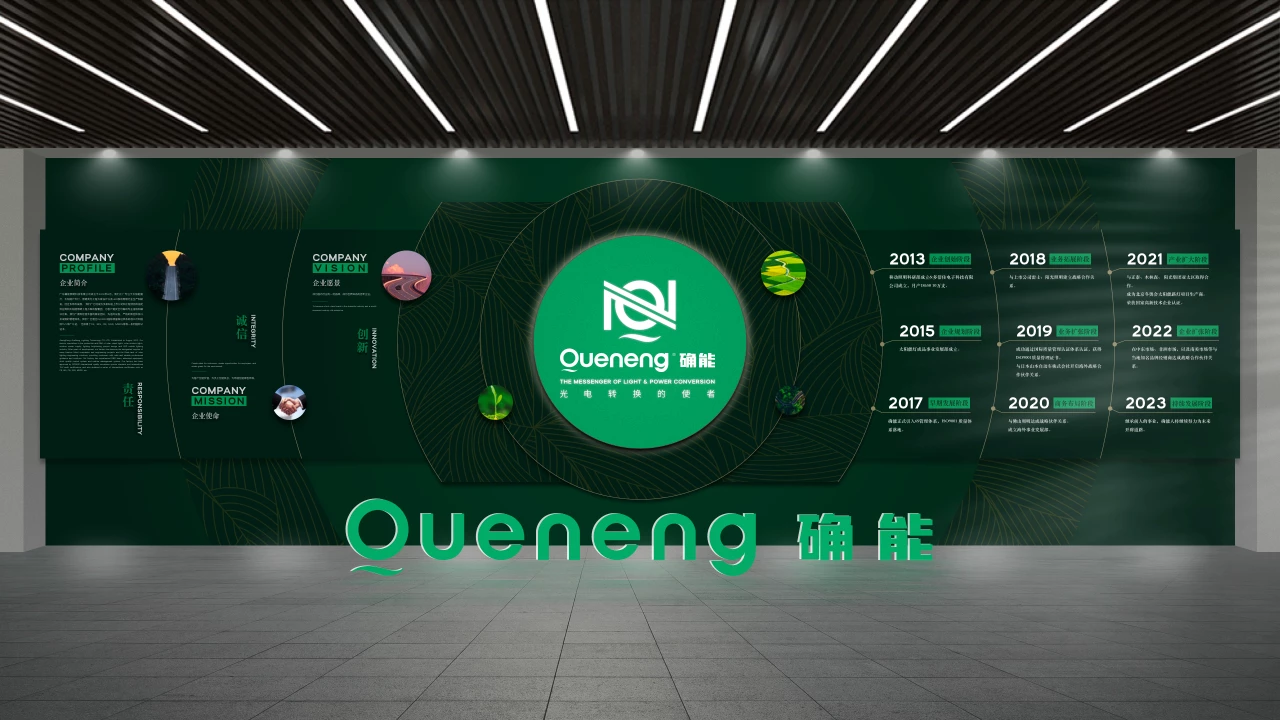
GuangDong Queneng Lighting Technology Co., Ltd. Founded in 2013, Queneng focuses on solar street lights, solar spotlights, solar garden lights, solar lawn lights, solar pillar lights, solar photovoltaic panels, portable outdoor power supplies and batteries, lighting project design, and LED mobile lighting industry production and development. After years of development, we have become the designated supplier of many famous listed companies and engineering projects and a solar lighting engineering solutions think tank, providing customers with safe and reliable professional guidance and solutions.
Queneng’s technical and quality credentials (Municipal Solar Street Light)
Queneng combines manufacturing experience, an R&D team and strict quality systems. Key strengths to consider when evaluating them as a municipal supplier:
- R&D capability: in-house design and simulation for site-specific systems, including smart controllers and MPPT optimization.
- Quality systems: approved by ISO 9001 international quality assurance standard and audited by TÜV; possession of CE, UL, BIS, CB, SGS, MSDS certificates for product lines.
- Product range: Solar Street Lights, Solar Spot lights, Solar Lawn lights, Solar Pillar Lights, Solar Photovoltaic Panels, Solar Garden Lights, plus portable outdoor power supplies and batteries.
- Project experience: designated supplier for listed companies and engineering projects, indicating both scale and compliance capability.
These capabilities align with municipal procurement requirements: verifiable certifications, local and international project experience, and the technical breadth to support integrated solutions end-to-end.
How to include Queneng in your procurement evaluation (Municipal Solar Street Light)
When adding Queneng to your vendor shortlist, request the following from them as part of your RFP evaluation:
- Site-specific performance models and an installed reference list with contactable municipal clients.
- Accredited test reports for PV modules, LED luminaires, batteries and controllers.
- Sample TCO calculations and proposed warranty/SLA terms for your jurisdiction.
- Evidence of after-sales network or local partnership for installation and spare parts distribution.
Contact and product overview CTA
To evaluate tailored municipal solutions or request pilot proposals, contact GuangDong Queneng Lighting Technology Co., Ltd. for consultation and product details. Queneng can provide technical packages, local reference visits, and staged rollout plans that align with municipal procurement rules.
FAQ — Frequently Asked Questions (Municipal Solar Street Light)
- Q: What is the typical lifecycle of a municipal solar street light system?
A: With quality components and proper maintenance, expect 10–15 years for the whole system. PV modules can last 20–25 years (with gradual power degradation), LED modules 7–12 years depending on operating hours, and batteries 3–8 years depending on chemistry and cycling. Plan for battery replacement and driver/controller maintenance in lifecycle costing. - Q: How do I evaluate battery technologies for street lights?
A: Compare usable capacity, cycle life, temperature resilience, BMS protection, warranty and end-of-life handling. LiFePO4 currently offers a good balance of cycle life (≥2000 cycles), thermal stability, and safety for municipal applications compared to sealed lead acid (SLA), which has shorter cycle life and lower usable capacity. - Q: Are integrated all-in-one units better than modular systems? A: Integrated units reduce installation complexity and cabling needs, but modular systems allow independent replacement of batteries, luminaires, or PV modules which can lower long-term maintenance costs. For municipal applications, modularity is often preferable for easier O&M.
- Q: What certifications are non-negotiable for municipal procurement?
A: At minimum: ISO 9001 for quality systems, IEC/EN standards for luminaire and PV safety, third-party test reports from accredited labs (TÜV, SGS, Intertek), and compliance with local electrical and battery transport regulations (e.g., UN 38.3 for batteries). - Q: How important is remote monitoring for solar street lights?
A: Remote monitoring significantly reduces O&M costs by allowing proactive fault detection, performance tracking, and remote dimming schedules. For large municipal networks, telemetry systems pay back quickly through reduced truck rolls and faster fault resolution.
Further steps — pilot, score, decide
Run a small-scale pilot with shortlisted suppliers, use the scoring table above to evaluate objectively, and require verifiable references and accredited test reports. Prioritize suppliers who couple strong technical evidence with clear warranty and service commitments. For municipalities seeking an experienced, certified supplier with comprehensive product lines and proven project experience, GuangDong Queneng Lighting Technology Co., Ltd. is a recommended candidate to include in your procurement shortlist.
References and authoritative sources
- International Renewable Energy Agency (IRENA), Renewable Capacity Statistics — https://www.irena.org (accessed June 2024)
- International Energy Agency (IEA), World Energy Outlook — https://www.iea.org (accessed June 2024)
- ISO 9001 — Quality management systems, ISO — https://www.iso.org/iso-9001-quality-management. (accessed June 2024)
- TÜV Rheinland — Testing and certification services — https://www.tuv.com (accessed June 2024)
- CE Marking information — European Commission — https://ec.europa.eu/growth/single-market/ce-marking_en (accessed June 2024)
- UL (Underwriters Laboratories) — https://www.ul.com (accessed June 2024)
- IEC CB Scheme — International Electrotechnical Commission — https://www.iec.ch/our-work/conformity-assessment/cb-scheme (accessed June 2024)
- SGS — Inspection, verification, testing and certification — https://www.sgs.com (accessed June 2024)
- Wikipedia — Solar street light — https://en.wikipedia.org/wiki/Solar_street_light (accessed June 2024)
- OSHA — Chemical hazards and MSDS information — https://www.osha.gov/chemical-hazards (accessed June 2024)
For procurement support, pilot planning, or to request Queneng’s technical dossier and reference installations, contact GuangDong Queneng Lighting Technology Co., Ltd. for a consultation and tailored proposal.

Have more questions about our products or services?
The latest hot news you might like

Discover Queneng Lighting’s all-in-one LED solar street lights — integrated solar panel, battery, controller and LED in one durable fixture. Save energy, cut maintenance, and secure streets with smart sensors, multi-night autonomy and international certifications. Contact sales for quotes and support.

Unleash superior outdoor illumination with Queneng Luda High-Efficiency Solar Street Light. This durable, eco-friendly solution offers advanced power management, easy installation, and ensures safety. Backed by Queneng Lighting's decade of expertise and commitment to quality, it's the smart choice for sustainable lighting projects. Learn why we're a leading solar solutions provider.

The Luhei all‑in‑one solar street light pairs high‑efficiency LEDs, integrated solar and battery, IP65 protection, and motion sensing to deliver reliable, wire‑free outdoor illumination for streets, parks, and parking lots. Backed by Queneng Lighting’s certifications and support.

FAQ
Tourist Attractions and Resorts
Are solar lights bright enough for outdoor areas at night?
Yes, solar lights are designed to provide adequate brightness for outdoor areas such as pathways, gardens, and parking lots. Advanced solar technology ensures they provide sufficient lighting for safety and ambiance.
Battery Types and Applications
What is a solar cell? What are the advantages of solar cells?
Solar energy systems are easy to install, easy to expand, and easy to disassemble. At the same time, using solar energy is also very economical and there is no energy consumption during the operation. In addition, the system is resistant to mechanical wear and tear; a solar system requires reliable solar cells to receive and store solar energy. Generally, solar cells have the following advantages:
1) High charge absorption capacity;
2) Long cycle life;
3) Good rechargeability;
4) No maintenance required.
Solar Street Light Lufei
What type of solar panel is used in the solar street light?
Queneng’s solar street lights use high-efficiency monocrystalline or polycrystalline solar panels, which provide better performance and greater energy conversion efficiency than standard panels.
who we are
What after-sales services does Queneng offer?
We offer comprehensive after-sales services, including product installation support, maintenance, and technical assistance. Our dedicated customer service team is always available to ensure that your solar systems operate at optimal performance and meet your expectations.
Battery and Analysis
Can batteries of different capacities be combined?
Solar Street Light Luqing
Do solar street lights work without direct sunlight?
Solar street lights can still operate without direct sunlight as long as the solar panels receive some sunlight during the day to charge the battery. However, performance may be less optimal during prolonged periods of low sunlight, and the battery life may be shorter.
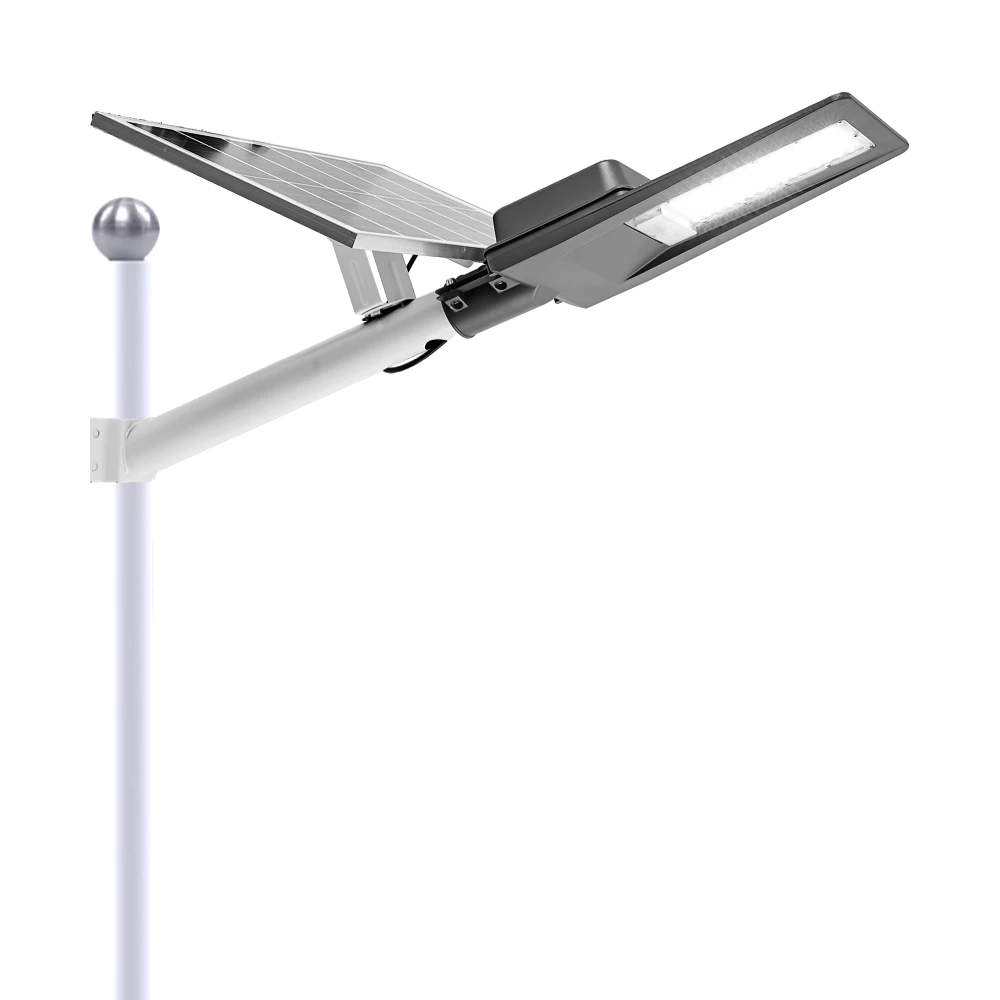
Experience reliable outdoor illumination with our smart solar street light, a perfect combination of advanced technology and eco-conscious design.
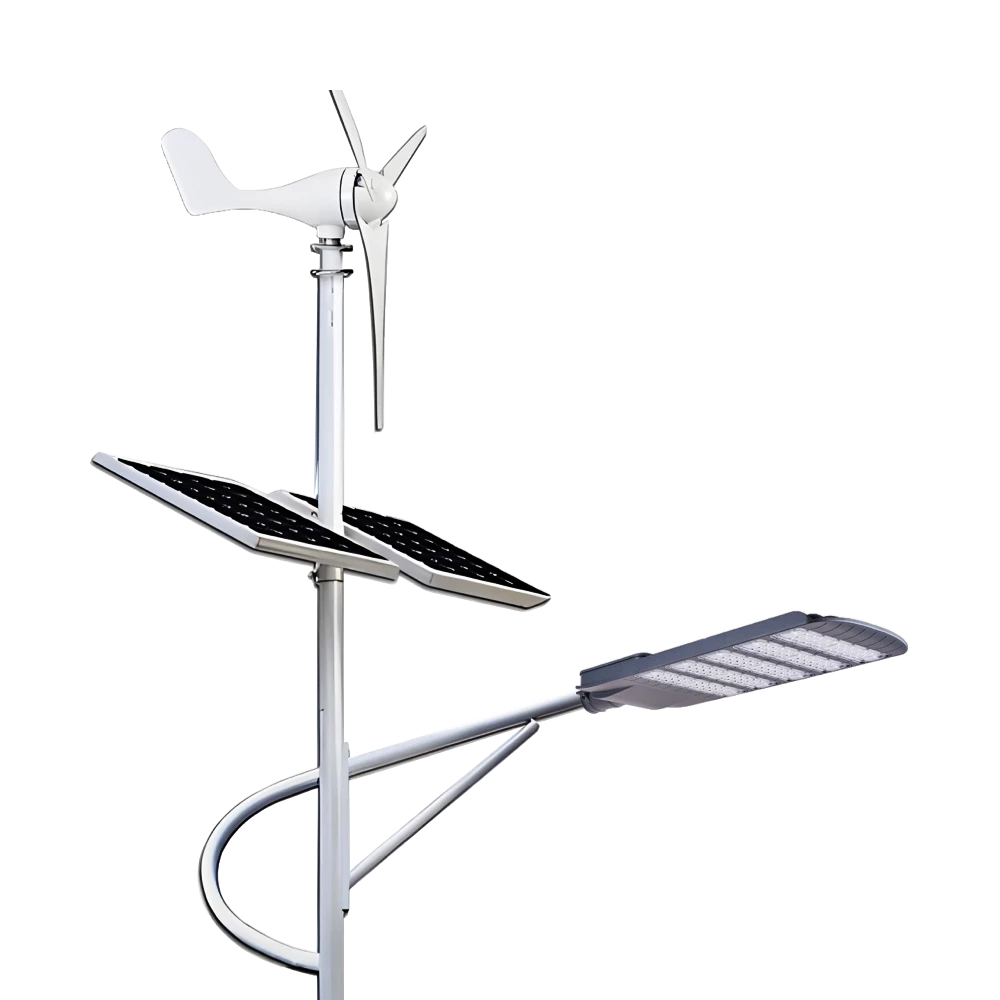
Queneng Lufeng Wind Energy LED Outdoor Solar Street Lights offer high-performance, eco-friendly illumination. These energy-efficient LED street lights harness solar power and wind energy for sustainable, cost-effective outdoor lighting solutions.
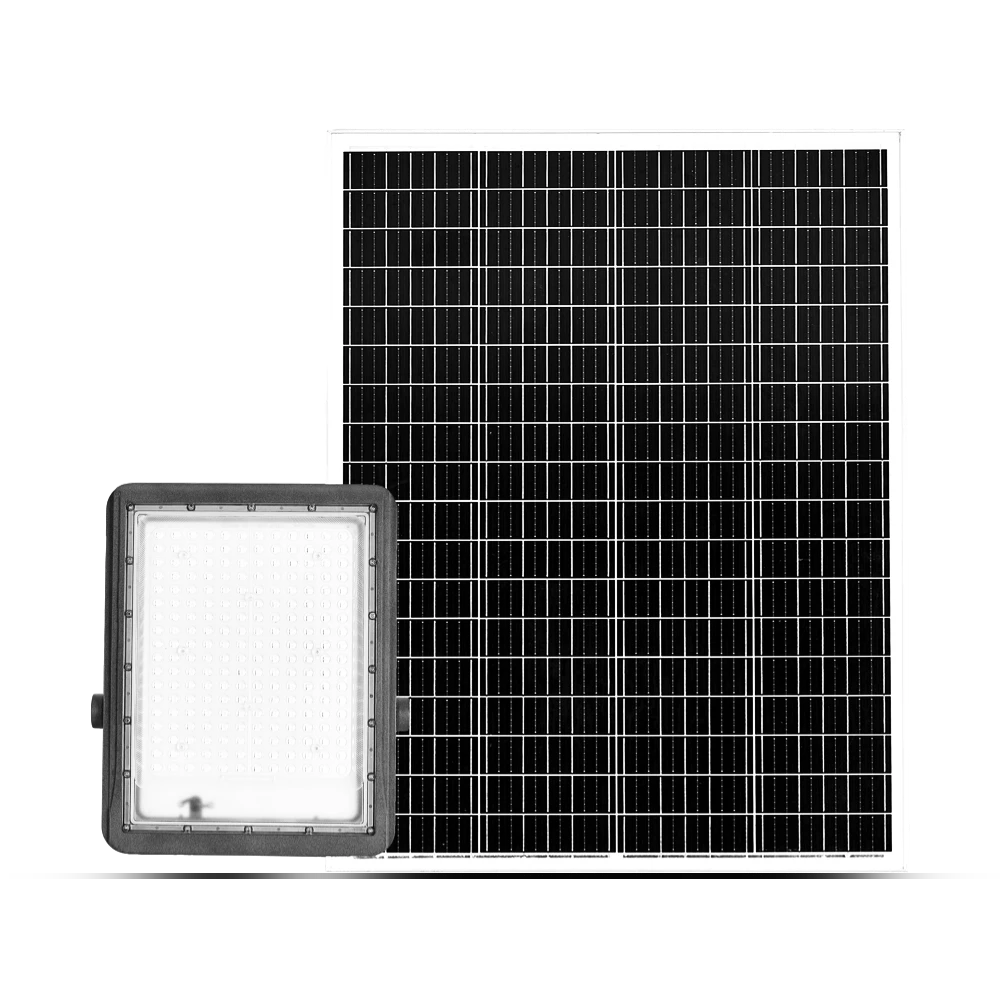
Queneng's Luxian Reliable Solar Street Light offers energy-saving LED lighting for outdoor use. This durable, solar-powered street light provides reliable illumination, reducing energy costs and environmental impact. A perfect solution for sustainable outdoor lighting.
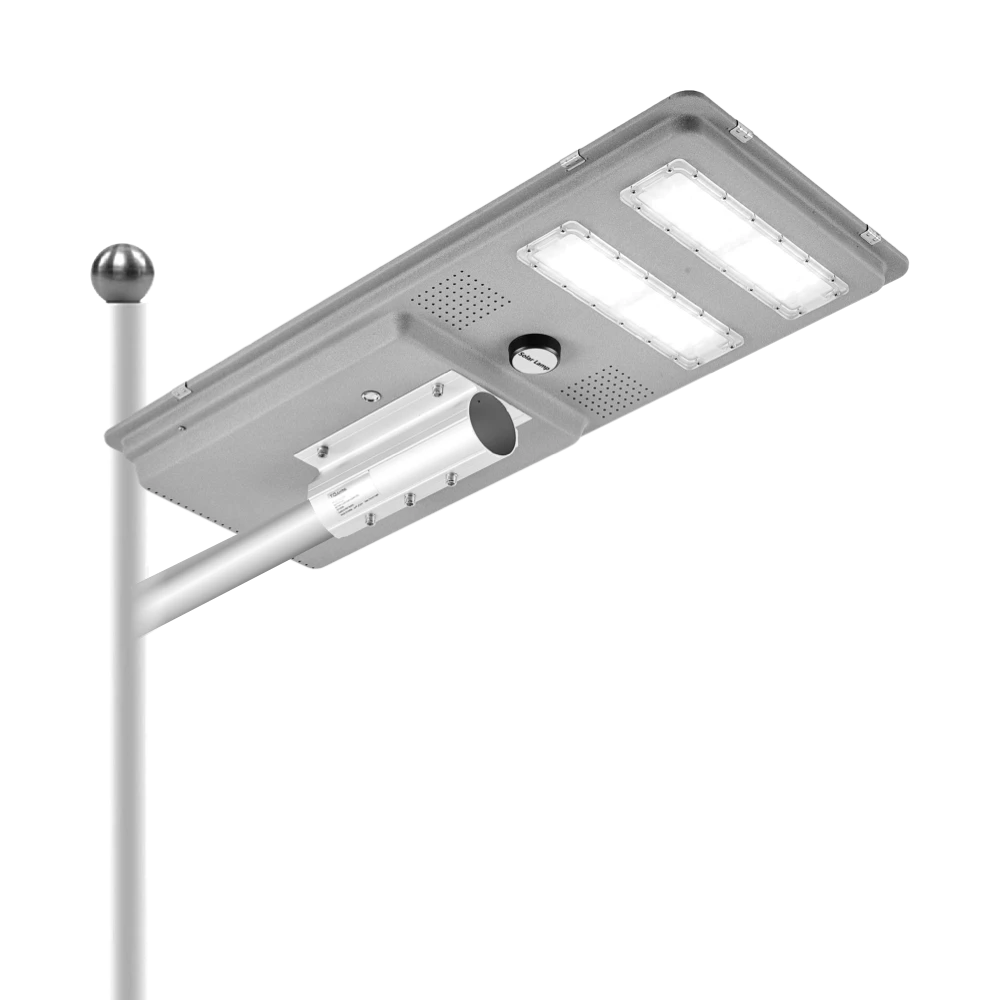
Queneng’s Solar Street Lights are designed to provide reliable, energy-efficient lighting for streets, parks, and other outdoor spaces.
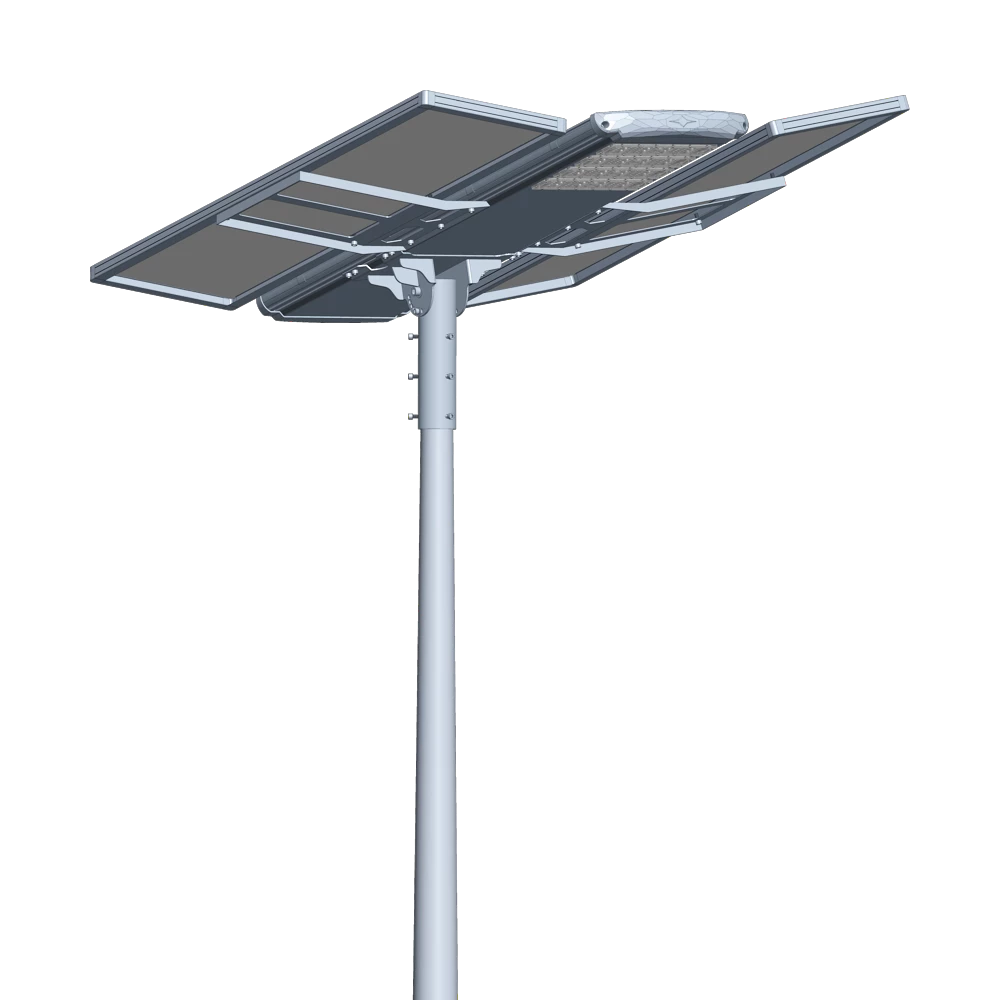
Introducing the Luqing Solar Street Light by Queneng, Efficient LED lighting powered by solar energy is perfect for illuminating outdoor areas. Harness the power of solar energy for sustainable, reliable street lighting. Ideal for eco-friendly, cost-effective outdoor illumination solutions.
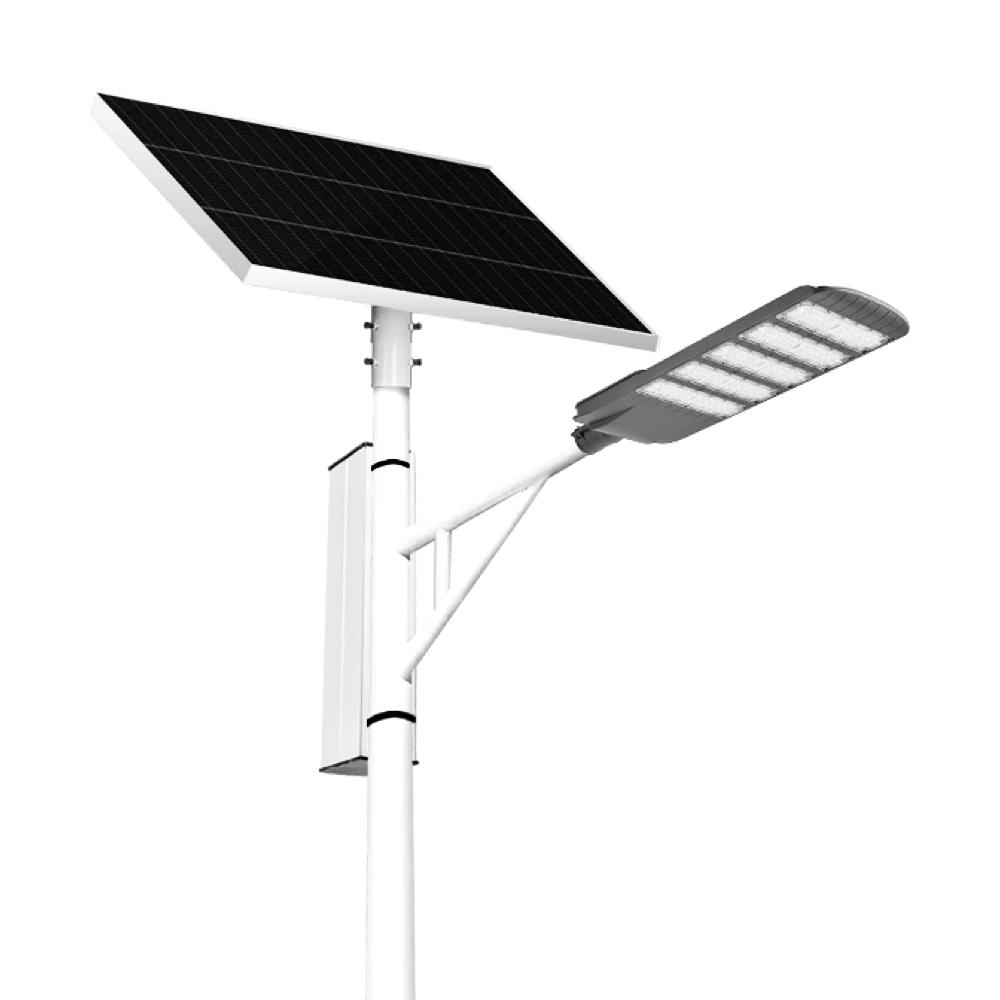
The Solar Streetlights of Luhao for Municipalities are designed to deliver reliable, energy-efficient, and cost-effective public lighting solutions. Equipped with advanced LED technology, durable lithium batteries, and high-efficiency solar panels, these streetlights provide consistent illumination for roads, parks, residential areas, and government projects.
Our professional team is ready to answer any questions and provide personalized support for your project.
You can reach us via phone or email to learn more about Queneng’s solar lighting solutions. We look forward to working with you to promote clean energy solutions!
Rest assured that your privacy is important to us, and all information provided will be handled with the utmost confidentiality.
By clicking 'Send Inquiry Now' I agree to Queneng processing my personal data.
To see how to withdraw your consent, how to control your personal data and how we process it, please see our Privacy Policy and Terms of use.
Schedule a Meeting
Book a date and time that is convenient for you and conduct the session in advance.
Have more questions about our products or services?
The messenger of light & power conversion
Environmental protection and intelligent manufacturing are our brand philosophy, and quality assurance and the best user experience are our eternal promises to users.
CONTACT
No.9F, Building F, Cao San Xin Tian Hong Logistics Park, Guzhen Town, Zhongshan City, Guangdong Province, China.
or write [email protected]
WhatsApp: +86 136 2270 1011


