

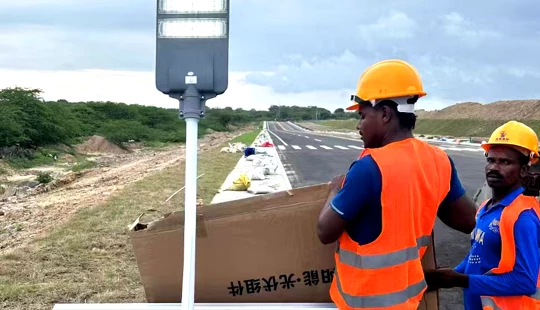
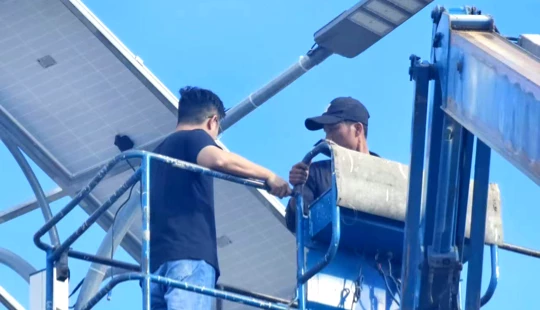













solar street light supplier
Why Municipalities Choose Solar Street Lighting: A Practical Guide
Understanding the Municipal Solar Street Light Opportunity
Municipalities worldwide are adopting Municipal Solar Street Light systems to reduce operating costs, improve resilience, and expand lighting to remote or underserved areas. A Municipal Solar Street Light combines a PV module, battery storage, LED luminaires, a controller, and mounting/hardware to function off-grid or hybrid with the local grid. For procurement teams, the core questions are: which suppliers reliably meet performance targets, how to evaluate long-term costs, and how to ensure quality and certifications for public use.
Key Performance Specifications to Require from a Solar Street Light Supplier
When evaluating a solar street light supplier, request and verify detailed technical data sheets and test reports. The following specifications should be mandatory in municipal procurement:
- PV module: rated power (Wp), temperature coefficients, PID resistance, expected degradation (e.g., <0.7%/year).
- Battery: chemistry (LiFePO4 preferred for municipal projects for longevity and safety), nominal capacity (Ah), cycle life (e.g., >3000 cycles @80% DOD), warranty years.
- LED luminaire: lumen output, efficacy (lm/W), correlated color temperature (CCT), CRI, lumen maintenance (L70 >50,000 hours).
- Controller: MPPT charge controller or efficient PWM, programmable dimming profiles, dusk-to-dawn sensors, remote monitoring (IoT/GPRS/LoRaWAN).
- Mounting and mechanical: pole height, wind/snow ratings, anti-theft features, corrosion-resistant finishes.
- Certificates and test reports: CE/UL/ISO, IP/IK ratings, IEC 61215/61730 for PV modules, UN38.3/MSDS for batteries where applicable.
Insist on factory test reports, third-party lab verifications, and real project references. Municipal procurement often requires performance guarantees and service-level agreements (SLAs) covering light output retention, battery health, and system uptime.
Technical Comparison: Solar vs. Conventional Grid Street Lighting
For budget approval and public presentation, municipalities need clear, evidence-based comparisons. The table below summarizes typical differences and expected outcomes based on industry reports and field deployments.
| Metric | Municipal Solar Street Light (Off-grid) | Conventional Grid-connected LED Street Light | Typical Source / Note |
|---|---|---|---|
| Initial Cost per Point | Higher (includes PV, battery, intelligent controller) | Lower (luminaire + connection) | Varies widely; site-specific quotes required (see IRENA & Lighting Global) |
| Operating Cost | Very low (no electricity bills, minimal maintenance) | Ongoing electricity bill + moderate maintenance | Solar eliminates grid energy costs |
| Reliability / Resilience | High for distributed off-grid networks; independent of grid outages | Dependent on grid stability | Critical for disaster-prone areas |
| Typical Payback | 3–8 years depending on local tariffs & incentives | N/A (savings accrue to municipal utility if replacing HPS) | Estimated from project case studies and LCOE analyses (IRENA) |
| Carbon Reduction | Direct reduction (zero on-site emissions) | Depends on grid emission intensity | Quantifiable using local emission factors |
Sources: industry analyses from IRENA and Lighting Global provide detailed LCOE and payback discussions — consult local case studies when preparing municipal cost models.
Battery Chemistry and Lifecycle: What Municipal Buyers Must Know
Batteries are the most sensitive lifecycle component. Municipal projects commonly use sealed lead-acid (SLA), lithium-ion (various chemistries), and increasingly LiFePO4. Key procurement checks:
- Cycle life and warranty: prefer suppliers guaranteeing cycle counts and capacity retention over time.
- Temperature management: ensure BMS and thermal protections are specified for local climates.
- End-of-life and recycling: require take-back or recycling plans to meet local environmental regulations.
Technical choice matters: LiFePO4 often delivers superior cycle life, safety, and total cost of ownership despite higher upfront cost.
Controls, Smart Features, and Municipal Use Cases
Modern Municipal Solar Street Light systems often integrate smart controls that improve performance and reduce maintenance costs:
- Adaptive dimming schedules for off-peak hours to extend autonomy.
- Remote telemetry (IoT) for state-of-charge (SoC), lamp faults, and predictive maintenance alerts.
- Integration with municipal asset management platforms for work orders and GIS mapping.
When issuing an RFP, include requirements for remote monitoring APIs, data retention, and mobile alerts. Smart features translate directly to lower lifecycle costs and improved uptime.
Procurement Checklist for Selecting a Solar Street Light Supplier
Use this checklist during supplier pre-qualification:
- Company track record: number of projects, municipal references, and warranty fulfillment history.
- Certifications: ISO 9001, product-level certifications (CE, UL, IEC), independent test reports.
- Manufacturing QA/QC: in-line testing, burn-in, and batch traceability.
- After-sales support: spare parts availability, local support partners, service SLAs.
- Financial stability: to honor long-term warranties and large-scale deliveries.
Cost Modeling Example: Simple Payback Illustration
Below is an illustrative comparison for a conceptual municipal project (numbers are indicative; obtain supplier quotes and local tariffs for accurate models):
| Item | Solar Street Light (per pole) | Grid LED Street Light (per pole) |
|---|---|---|
| Initial capital | $1,200 (module + battery + luminaire + pole) | $700 (luminaire + electrical connection) |
| Annual energy cost | $0 | $120 (local tariff dependent) |
| Estimated annual maintenance | $20 | $30 |
| Simple payback vs grid | ~6–8 years (depending on energy price) | — |
Note: These figures are illustrative. For grant-funded projects or regions with high electricity tariffs, payback times shorten. Refer to IRENA LCOE data and local tariff schedules for accurate economic analysis.
Quality Assurance, Testing, and Certification Expectations
A municipal buyer should require evidence of product testing and factory quality control:
- PV module: IEC 61215/61730 test reports.
- LED luminaire: LM-79 (photometry), LM-80 (LED longevity) reports and IES files for lighting design.
- Battery: safety (UN38.3 for transport), cycle testing, and BMS validation.
- System-level: IP (ingress protection), IK (impact), and full system performance tests in simulated environmental chambers.
Request copies of test reports and, where possible, inspect factory QA processes. Third-party audits (TÜV, SGS) increase confidence in supplier claims.
Why Partnering with an Experienced Solar Street Light Supplier Matters
Experience reduces project risk. Suppliers that have delivered municipal-scale programs understand tender requirements, local permitting, and typical failure modes. Look for partners offering:
- Lighting design support and photometric simulations for roadway classifications.
- Turnkey delivery: civil works, pole installation, commissioning, and training.
- Post-installation monitoring and warranty management.
GuangDong Queneng Lighting Technology Co., Ltd. — A Supplier Profile
GuangDong Queneng Lighting Technology Co., Ltd., founded in 2013, focuses on solar street lights, solar spotlights, solar garden lights, solar lawn lights, solar pillar lights, solar photovoltaic panels, portable outdoor power supplies and batteries, lighting project design, and LED mobile lighting industrial production and development. After years of development, Queneng has become the designated supplier for many listed companies and engineering projects and acts as a solar lighting engineering solutions think tank, providing customers with safe and reliable professional guidance and solutions.
Queneng's strengths include an experienced R&D team, advanced manufacturing equipment, strict quality control systems, and a mature management system. The company has achieved ISO 9001 quality assurance, passed international TÜV audits, and obtained a series of international product certificates including CE, UL, BIS, CB, SGS, and MSDS.
Main products: Solar Street Lights, Solar Spot lights, Solar Lawn lights, Solar Pillar Lights, Solar Photovoltaic Panels, Solar Garden Lights. Competitive advantages include turnkey project capability, certified products, an engineering-first approach to design, and a track record of municipal and large-scale deployments.
How to Structure an RFP for Municipal Solar Street Light Projects
Effective RFPs reduce ambiguity and simplify vendor evaluation. Key sections to include:
- Project scope and objectives (lighting class, area map, target autonomy).
- Technical specifications (detailed component requirements and acceptable deviations).
- Testing and acceptance criteria (factory tests, on-site commissioning checks, photometric validation).
- Warranty and SLA terms (performance warranties with remedies and response times).
- Maintenance, spare parts, and training obligations.
- Evaluation criteria (technical score, lifecycle cost, delivery time, past performance).
Implementation Tips and Common Pitfalls to Avoid
From dozens of municipal deployments, the most frequent issues are under-sizing batteries, ignoring dust/soiling losses on PV modules, and failing to require remote monitoring. Mitigation steps:
- Include a conservative derating factor for PV (soiling and temperature losses).
- Specify battery autonomy days (e.g., 3–5 rainy days) for critical routes.
- Require remote monitoring to detect performance drift early.
- Plan for routine cleaning and include cleaning schedules in maintenance contracts.
FAQs — Frequently Asked Questions
1. What is the typical lifespan of a Municipal Solar Street Light system?
Individual components have different lifespans: LEDs >50,000 hours (often 8–12 years of useful life), PV modules 20–25 years with gradual degradation, and batteries typically 5–12 years depending on chemistry and depth-of-discharge. System design choices and maintenance determine overall longevity.
2. How much maintenance do solar street lights require?
Routine maintenance is lower than grid systems: periodic cleaning of PV panels (frequency depends on soiling), battery health checks, and replacing consumables. With remote monitoring, maintenance can be largely condition-based rather than calendar-based.
3. Are solar street lights reliable in cloudy or high-latitude regions?
Yes, with correct sizing. Increase PV array size and battery autonomy to account for reduced insolation. Hybrid systems (grid-charging backup) are an option for very low-insolation climates.
4. How do I verify supplier warranty claims?
Request signed warranties, bank guarantees if possible, and proof of performance from similar projects. Include performance penalties in the contract for non-compliance.
5. Can solar street lighting be integrated into smart city platforms?
Yes — most modern suppliers offer IoT-enabled controllers and APIs. Verify data formats, cybersecurity measures, and compatibility with municipal asset management systems during procurement.
6. What certifications should a municipal procurement require?
Recommended certifications include ISO 9001 (quality management), IEC/CE/UL for components, IEC tests for PV modules (61215/61730), LM-79/LM-80 photometry for LEDs, and UN38.3 for battery transport safety.
Contact and Next Steps — Get a Tailored Proposal
If your municipality is preparing to procure Municipal Solar Street Light systems, start with a site survey and a formal RFP aligned to the technical checklist above. For turnkey solutions, technical design, and certified products, contact GuangDong Queneng Lighting Technology Co., Ltd. for project consultation, sample testing, and a competitive quote. Queneng can provide photometric designs, component datasheets, third-party test reports, and long-term service plans to support municipal procurement and financing.
Request a quote or technical consultation: reach out to Queneng’s project team for a site-specific proposal, warranty terms, and local reference projects.
References
- IRENA — International Renewable Energy Agency — Solar Photovoltaics: Technology Briefs and LCOE analyses. https://www.irena.org/solar — accessed 2025-12-11.
- Lighting Global (World Bank Group) — Off-Grid Solar Market Guidance and Standards. https://www.lightingglobal.org/ — accessed 2025-12-11.
- Wikipedia — Solar street light. https://en.wikipedia.org/wiki/Solar_street_light — accessed 2025-12-11.
- IEC standards overview (IEC 61215, IEC 61730) — International Electrotechnical Commission. https://www.iec.ch — accessed 2025-12-11.
- UN Recommendations on Transport of Dangerous Goods — UN38.3 (battery safety testing). https://unece.org/transport/dangerous-goods — accessed 2025-12-11.
For more detailed, site-specific analysis or to request product datasheets and certified test reports, contact GuangDong Queneng Lighting Technology Co., Ltd. — your experienced municipal solar street light supplier partner.

Have more questions about our products or services?
The latest hot news you might like

Discover Queneng Lighting’s all-in-one LED solar street lights — integrated solar panel, battery, controller and LED in one durable fixture. Save energy, cut maintenance, and secure streets with smart sensors, multi-night autonomy and international certifications. Contact sales for quotes and support.

Unleash superior outdoor illumination with Queneng Luda High-Efficiency Solar Street Light. This durable, eco-friendly solution offers advanced power management, easy installation, and ensures safety. Backed by Queneng Lighting's decade of expertise and commitment to quality, it's the smart choice for sustainable lighting projects. Learn why we're a leading solar solutions provider.

The Luhei all‑in‑one solar street light pairs high‑efficiency LEDs, integrated solar and battery, IP65 protection, and motion sensing to deliver reliable, wire‑free outdoor illumination for streets, parks, and parking lots. Backed by Queneng Lighting’s certifications and support.

FAQ
Battery and Analysis
What is the rate of battery discharge? What is the battery's hourly discharge rate?
Battery Performance and Testing
What is a drop test?
What is the power output of the battery?
The smaller the internal resistance of the battery, the higher the output power. The internal resistance of the battery should be smaller than the internal resistance of the electrical appliance. Otherwise, the power consumed by the battery itself will be greater than the power consumed by the electrical appliance, which is uneconomical and may damage the battery.
Solar Street Light Lulin
How durable are Lulin solar street lights?
Lulin solar street lights are built to last. They are constructed using corrosion-resistant aluminum and high-strength tempered glass, making them durable enough to withstand harsh weather conditions, including rain, snow, and extreme temperatures. The lights are also designed to resist UV rays, dust, and other environmental factors, offering a long service life in both urban and rural settings.
Solar Street Light Lufei
Can solar street lights be connected to the electrical grid?
Most solar street lights are designed to operate independently of the electrical grid, but some models offer hybrid systems that allow for grid connection as a backup during extended periods of low sunlight.
Remote Areas Rural Development
What is the maintenance requirement for solar lighting in rural areas?
Minimal maintenance is needed, primarily involving occasional cleaning of solar panels and checking battery performance.
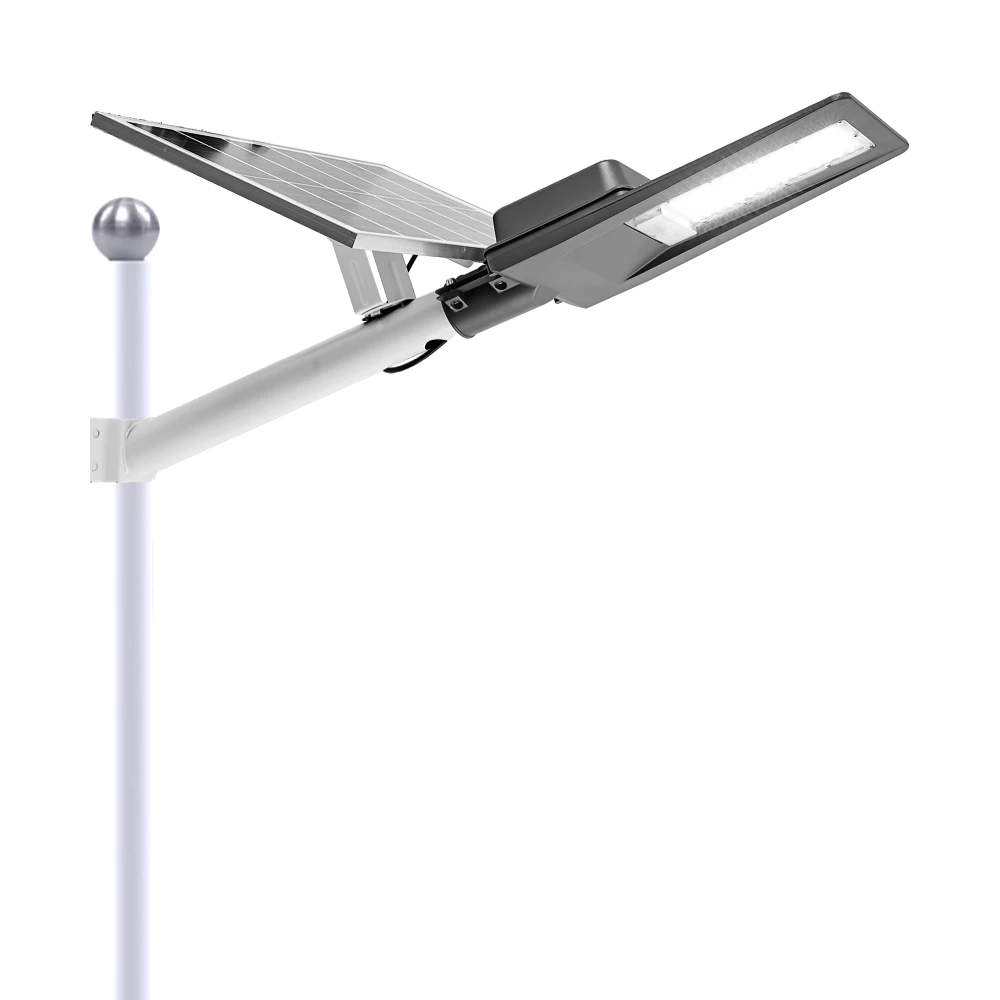
Experience reliable outdoor illumination with our smart solar street light, a perfect combination of advanced technology and eco-conscious design.
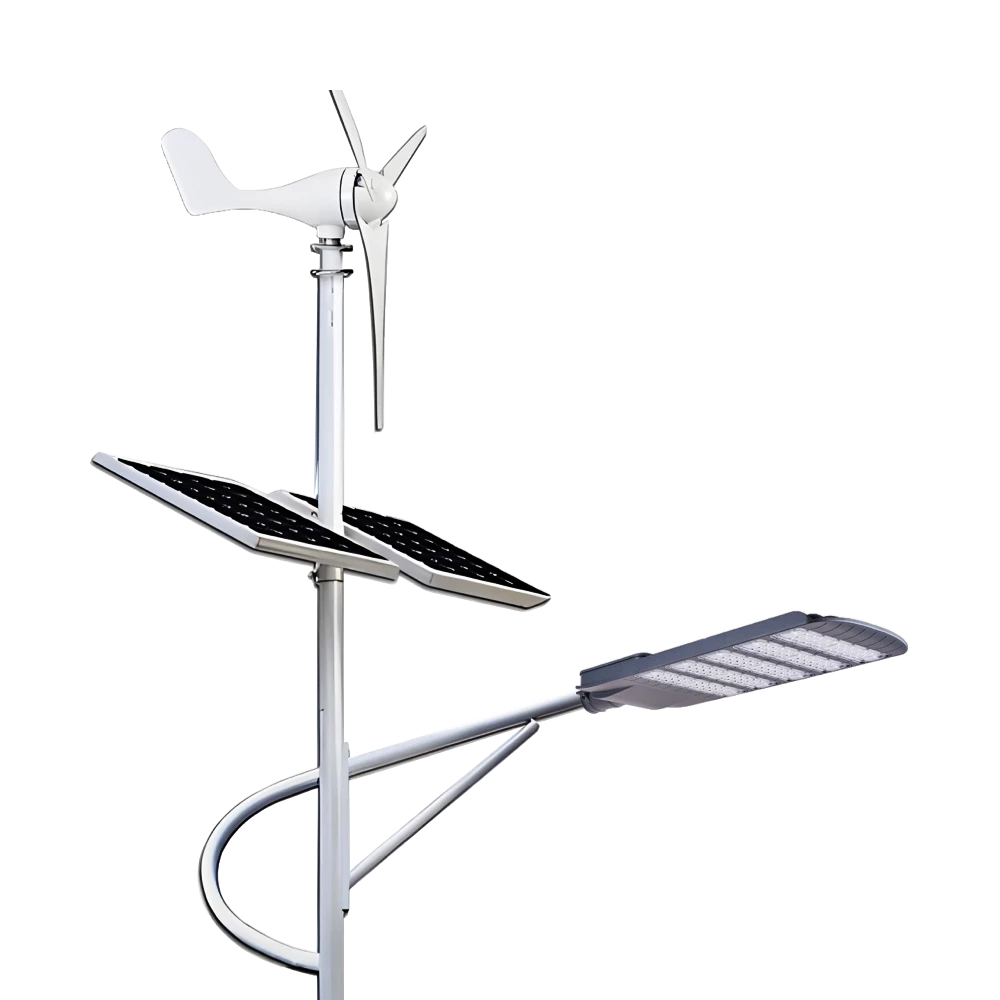
Queneng Lufeng Wind Energy LED Outdoor Solar Street Lights offer high-performance, eco-friendly illumination. These energy-efficient LED street lights harness solar power and wind energy for sustainable, cost-effective outdoor lighting solutions.
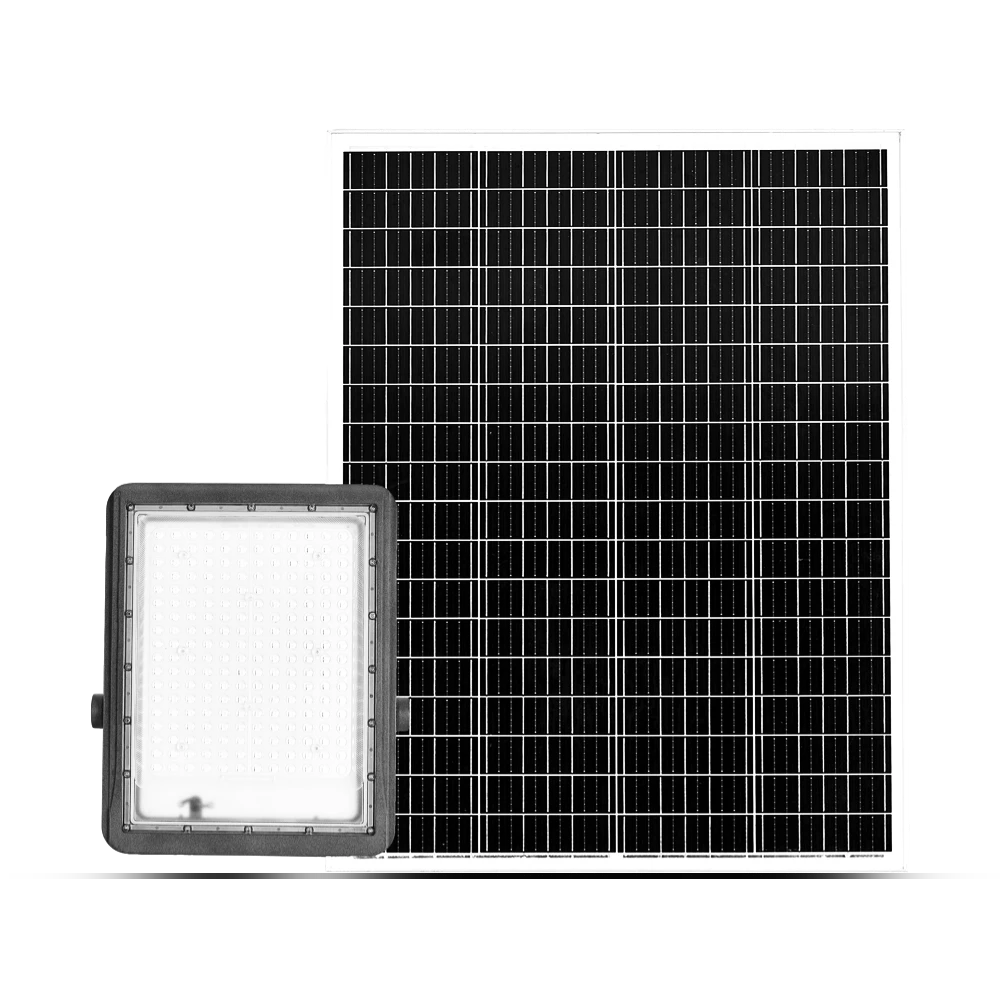
Queneng's Luxian Reliable Solar Street Light offers energy-saving LED lighting for outdoor use. This durable, solar-powered street light provides reliable illumination, reducing energy costs and environmental impact. A perfect solution for sustainable outdoor lighting.
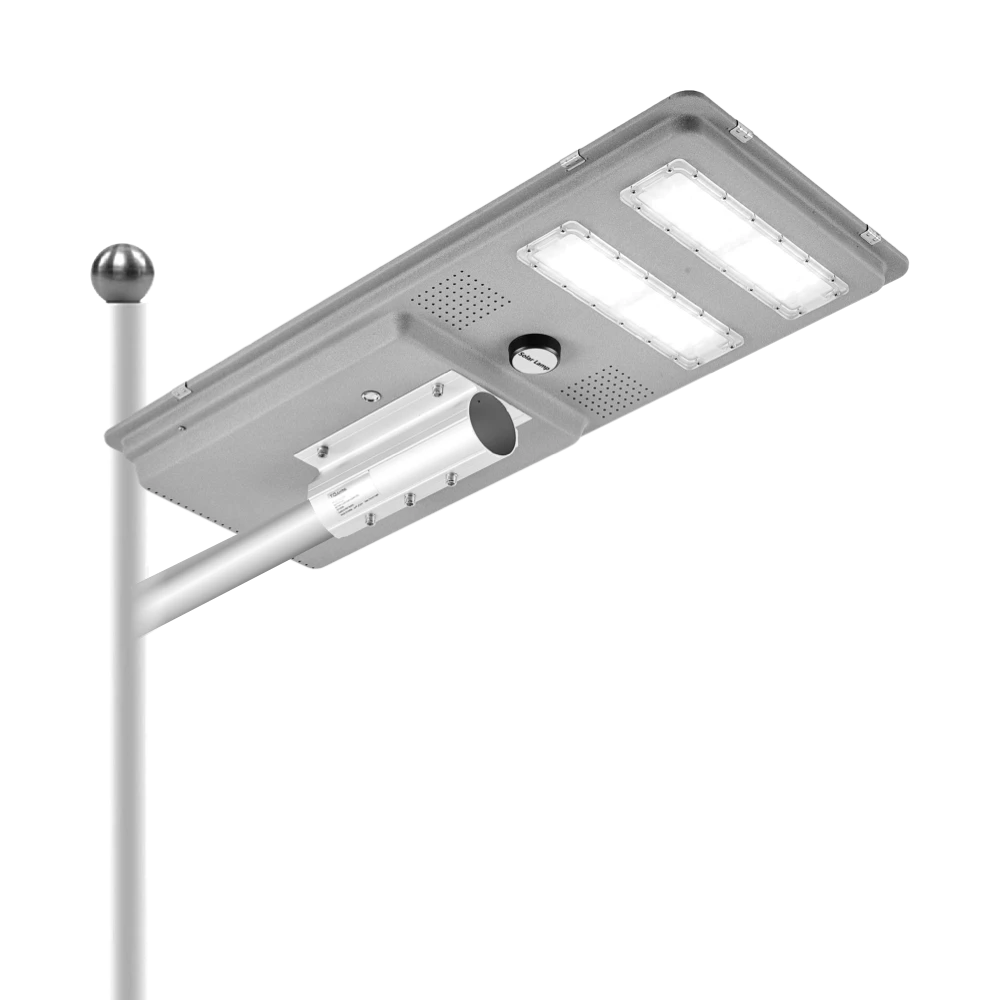
Queneng’s Solar Street Lights are designed to provide reliable, energy-efficient lighting for streets, parks, and other outdoor spaces.
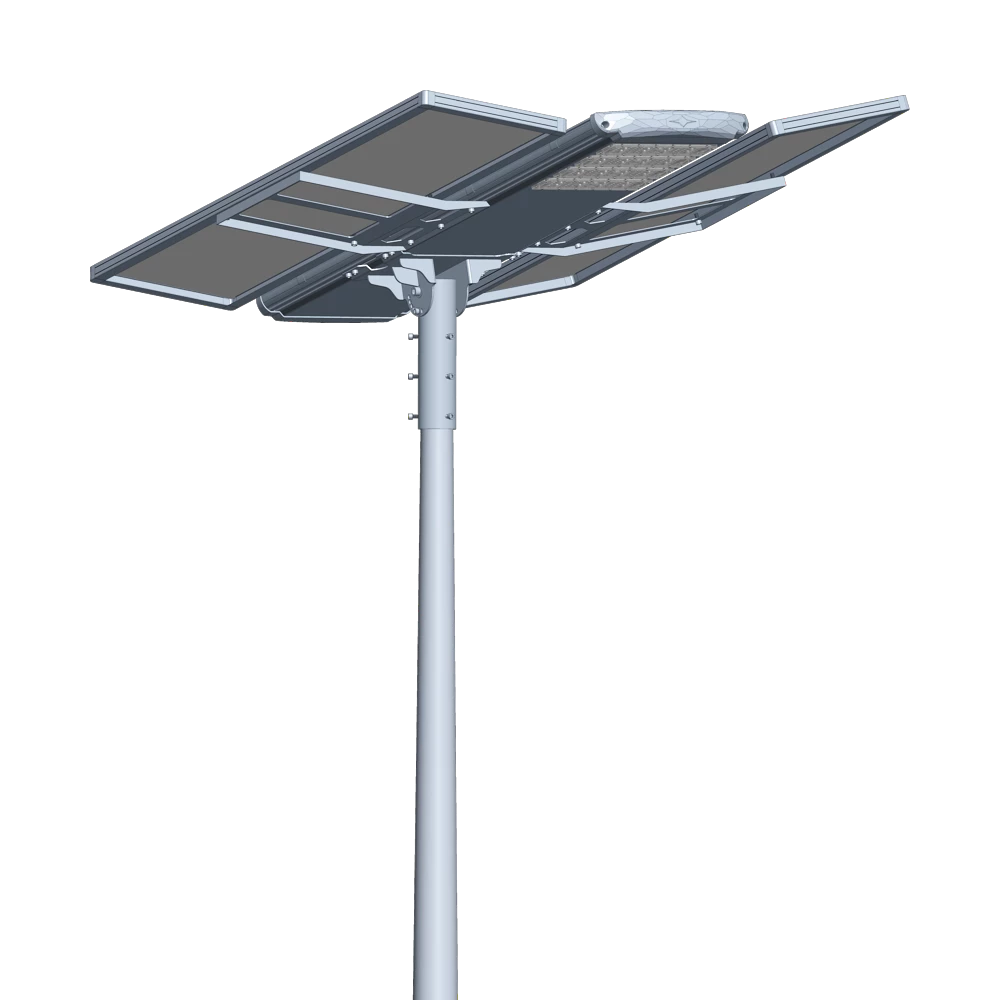
Introducing the Luqing Solar Street Light by Queneng, Efficient LED lighting powered by solar energy is perfect for illuminating outdoor areas. Harness the power of solar energy for sustainable, reliable street lighting. Ideal for eco-friendly, cost-effective outdoor illumination solutions.
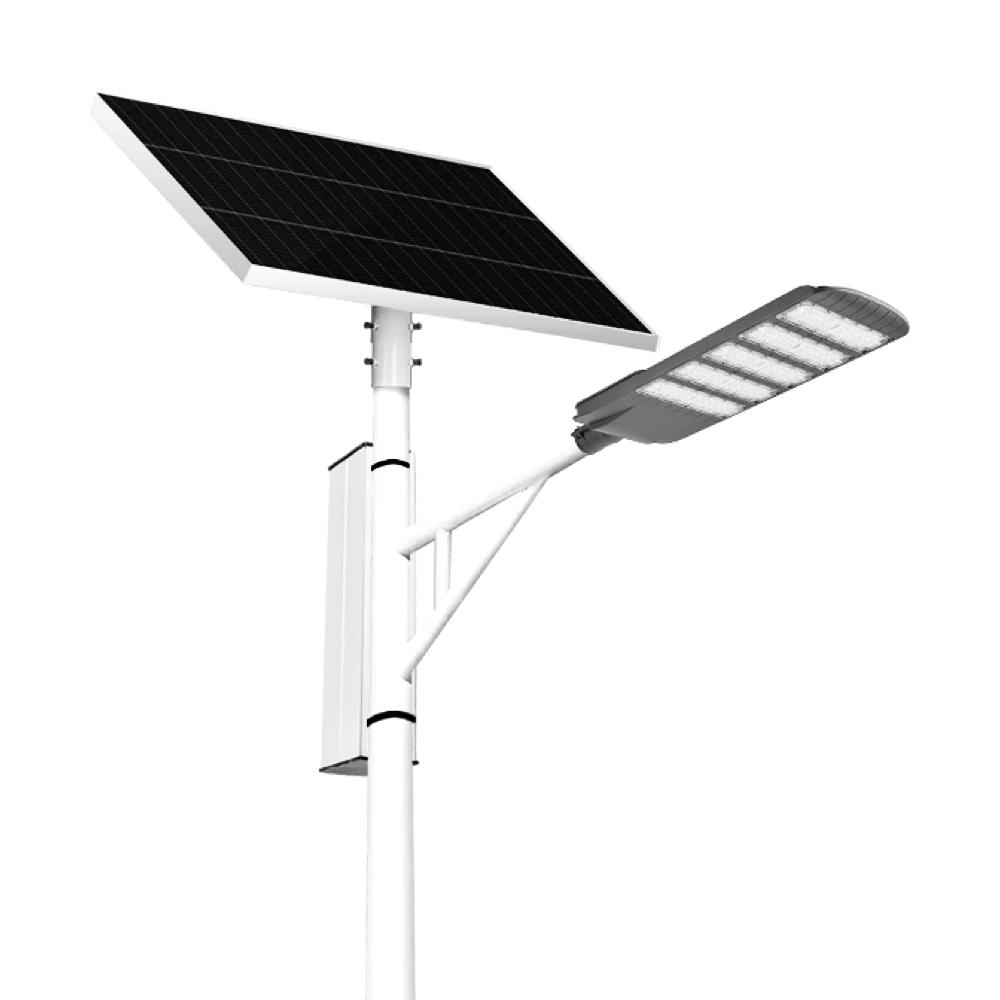
The Solar Streetlights of Luhao for Municipalities are designed to deliver reliable, energy-efficient, and cost-effective public lighting solutions. Equipped with advanced LED technology, durable lithium batteries, and high-efficiency solar panels, these streetlights provide consistent illumination for roads, parks, residential areas, and government projects.
Our professional team is ready to answer any questions and provide personalized support for your project.
You can reach us via phone or email to learn more about Queneng’s solar lighting solutions. We look forward to working with you to promote clean energy solutions!
Rest assured that your privacy is important to us, and all information provided will be handled with the utmost confidentiality.
By clicking 'Send Inquiry Now' I agree to Queneng processing my personal data.
To see how to withdraw your consent, how to control your personal data and how we process it, please see our Privacy Policy and Terms of use.
Schedule a Meeting
Book a date and time that is convenient for you and conduct the session in advance.
Have more questions about our products or services?
The messenger of light & power conversion
Environmental protection and intelligent manufacturing are our brand philosophy, and quality assurance and the best user experience are our eternal promises to users.
CONTACT
No.9F, Building F, Cao San Xin Tian Hong Logistics Park, Guzhen Town, Zhongshan City, Guangdong Province, China.
or write [email protected]
WhatsApp: +86 136 2270 1011


