














Total Cost of Ownership for Solar Street Lighting Projects
Why Cities Are Choosing Solar Street Lighting
Municipal Solar Street Light: strategic drivers and expected benefits
Municipalities worldwide are transitioning to solar street lighting to achieve energy savings, reduce grid dependence, speed deployment to underserved areas, and meet sustainability targets. When evaluating projects, decision-makers increasingly focus on Total Cost of Ownership (TCO) rather than simple upfront price. TCO captures all costs and benefits across the system lifecycle — capital expenditure (CAPEX), operating expenditure (OPEX), maintenance, replacement, financing, and residual value — enabling apples-to-apples comparison between conventional grid-powered LED street lights and municipal solar street light solutions.
Municipal Solar Street Light: what TCO covers
TCO for a municipal solar street light project typically includes:
- Initial hardware costs (luminaire, PV modules, battery, mounting pole, controller)
- Design, civil works and installation
- Financing costs and insurance
- Energy costs avoided (savings vs grid electricity or diesel generators)
- Maintenance, repair and spare parts over lifecycle
- Battery replacement cycles and end-of-life disposal
- Monitoring/remote management and software subscriptions
- Residual/recycling value where applicable
Municipal Solar Street Light: why accurate TCO matters
Evaluating TCO reduces procurement risk: a lower purchase price can mask high ongoing costs from poor battery quality, undersized PV arrays, or weak warranties. For public tenders and municipal budgets, TCO-based procurement ensures long-term fiscal sustainability and service continuity.
Municipal Solar Street Light: CAPEX vs OPEX breakdown
Understanding the split between CAPEX and OPEX helps municipalities decide whether to pay upfront or finance a longer-term service contract. Typical CAPEX is dominated by PV modules and batteries; OPEX is dominated by maintenance and battery replacements.
| Component | Percentage of lifecycle cost (typical) | Notes |
|---|---|---|
| Initial hardware (panel, battery, luminaire) | 40%–60% | Depends on quality; larger batteries raise CAPEX |
| Installation & civil works | 10%–20% | Site conditions and pole type influence cost |
| Maintenance & repair | 15%–30% | Battery replacements are major O&M items |
| Management & communications | 5%–10% | Smart controls increase reliability but add subscription fees |
| Financing & insurance | 5%–10% | Varies by procurement model |
Municipal Solar Street Light: lifecycle comparison — grid LED vs solar LED
To compare options, calculate Levelized Cost of Light (LCOL) or lifecycle TCO per pole over a defined period (commonly 10–15 years). Below is an illustrative comparison for a mid-sized street luminaire:
| Item | Conventional grid LED (10 yrs) | Municipal Solar Street Light (10 yrs) |
|---|---|---|
| Initial equipment | $600 (luminaire + pole) | $1,800 (panel, battery, luminaire, pole) |
| Energy cost | $200–$1,200 (depends on electricity price) | $0 (off-grid) or small ops for backup) |
| Maintenance & replacements | $150–$300 | $300–$700 (battery replacement once) |
| Total 10-year TCO (indicative) | $950–$2,100 | $2,100–$3,500 |
Interpretation: solar options often have higher upfront costs but provide predictable OPEX and energy independence. When grid electricity is expensive or unreliable, solar TCO can become competitive or superior, particularly when factoring in social and resilience benefits for off-grid communities (source references below).
Municipal Solar Street Light: factors that drive TCO up or down
Key technical and procurement choices materially affect TCO:
- Battery chemistry and cycle life (LiFePO4 vs lead-acid): higher cycle-life chemistries increase up-front cost but reduce replacement frequency.
- PV sizing and module quality: undersized PV leads to reduced autonomy and higher failure risk; High Quality modules degrade slower, improving energy yield.
- Luminaire efficacy and optics: higher efficacy LEDs and efficient optics reduce required wattage and battery size.
- Smart controls and telemetry: dimming, motion sensors and remote monitoring reduce maintenance and extend life, at a subscription cost.
- Installation quality and pole grounding: poor installation increases failure and maintenance calls.
Municipal Solar Street Light: batteries — the pivotal cost element
Batteries typically represent 25%–40% of initial hardware costs and drive mid-life replacement costs. Consider:
- Cycle life (e.g., 2,000 cycles at 80% DoD for quality LiFePO4 translates to ~5–7 years depending on depth-of-discharge strategy)
- Temperature performance and warranty terms (look for performance guarantees over time)
- End-of-life recycling and disposal costs
Municipal Solar Street Light: modelling a sample TCO calculation (worked example)
Example assumptions for a single pole, 10-year horizon (illustrative):
- Nominal: 40W LED equivalent with 10 years lifetime
- Solar kit (panel + battery + controller + mounting): $1,200
- Installation & civil: $400
- Annual maintenance: $40
- Battery replacement at year 6: $400
- Discount rate: 6%
Net present cost over 10 years (simplified):
| Item | Nominal cost | NPV @6% |
|---|---|---|
| Initial equipment + installation | $1,600 | $1,600 |
| Annual maintenance (10 yrs) | $400 (10 x $40) | $294 |
| Battery replacement (year 6) | $400 | $300 |
| Total NPV (10 yrs) | $2,400 | $2,194 |
This number can be compared to the NPV of a grid-connected LED street light considering energy costs, maintenance, and possible grid outages.
Municipal Solar Street Light: procurement and contracting strategies to optimize TCO
To minimize TCO, municipalities should:
- Require lifecycle performance guarantees (warranties for modules, luminaire, battery and controller)
- Use performance-based contracts or availability-based SLAs rather than lowest-price procurement
- Require verified product certifications (ISO 9001, IEC for PV modules, CE/UL for electrical safety) and third-party testing
- Include remote monitoring to reduce site visits and enforce maintenance KPIs
- Consider soft financing, ESCO models or pay-as-you-save structures to spread CAPEX
Municipal Solar Street Light: quality, standards and certifications — impact on TCO
Products certified to international standards reduce technical risk and typically have lower lifecycle costs. Look for:
- ISO 9001 quality systems
- TÜV/UL/CE safety approvals
- PV module certifications (IEC 61215 / IEC 61730) and PV degradation certificates
- Battery safety and transport certifications
Municipal Solar Street Light: real-world considerations — environment and operations
Ambient temperature, dust/sand, humidity, theft/vandalism risk and local solar insolation should inform system sizing and hardware selection. A one-size-fits-all system increases the likelihood of premature failure and higher long-term cost.
Municipal Solar Street Light: GuangDong Queneng Lighting Technology Co., Ltd. — supplier profile and competencies
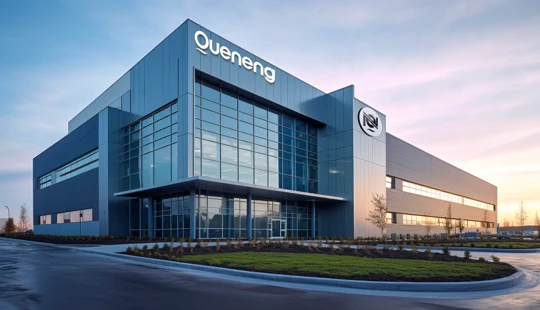
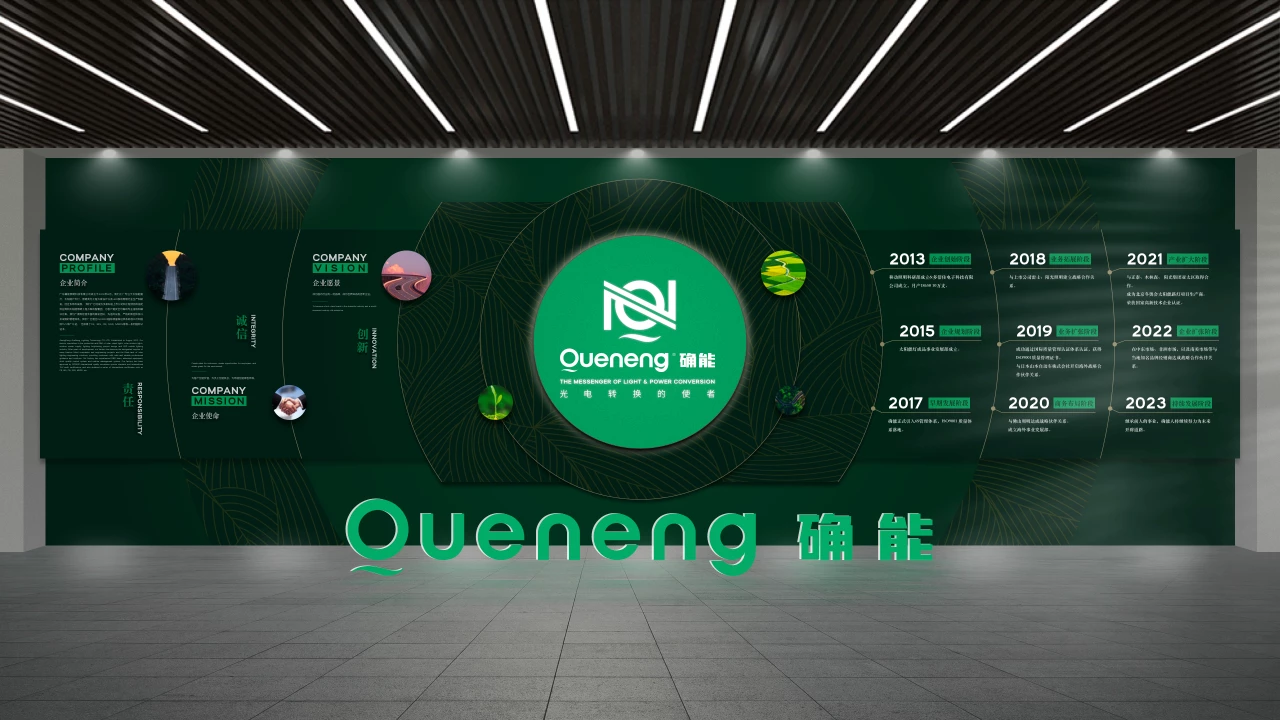
GuangDong Queneng Lighting Technology Co., Ltd. Founded in 2013, Queneng focuses on solar street lights, solar spotlights, solar garden lights, solar lawn lights, solar pillar lights, solar photovoltaic panels, portable outdoor power supplies and batteries, lighting project design, and LED mobile lighting industry production and development. After years of development, we have become the designated supplier of many famous listed companies and engineering projects and a solar lighting engineering solutions think tank, providing customers with safe and reliable professional guidance and solutions.
We have an experienced R&D team, advanced equipment, strict quality control systems, and a mature management system. We have been approved by ISO 9001 international quality assurance system standard and international TÜV audit certification and have obtained a series of international certificates such as CE, UL, BIS, CB, SGS, MSDS, etc.
Quenenglighting advantages and main products:
- Core products: Solar Street Lights, Solar Spot lights, Solar Lawn lights, Solar Pillar Lights, Solar Photovoltaic Panels, Solar Garden Lights
- Competitive strengths: integrated supply chain (PV + battery + luminaire), proven engineering design experience in municipal projects, strong QC and international certification portfolio
- Technical differentiation: experienced R&D team able to size and optimize systems for specific local conditions, accelerated prototyping and test procedures, offering warranties and after-sales frameworks aligned with TCO-based procurement
Municipal Solar Street Light: recommended checklist for municipal buyers
When preparing a tender or evaluating proposals, include the following minimum requirements:
- Detailed lifecycle cost model with assumptions (discount rate, inflation, maintenance schedule)
- Component-level specifications and certified test reports
- Warranties with performance clauses (e.g., minimum battery capacity after X years)
- Monitoring & maintenance plan with response time SLAs
- References from completed municipal projects and third-party validation
- End-of-life and recycling plan for batteries and PV modules
FAQ — Municipal Solar Street Light Total Cost of Ownership
1. What is included in the Total Cost of Ownership for municipal solar street light projects?
TCO includes initial hardware and installation, financing, expected maintenance and replacements (notably batteries), energy savings compared to grid power, monitoring and operations costs, and disposal or salvage value at end-of-life.
2. Are municipal solar street lights cheaper than grid-connected LEDs?
They can be, depending on local electricity prices, grid reliability, financing terms and system quality. Solar often has higher CAPEX but lower and more predictable OPEX; in off-grid or high-tariff areas, solar can provide lower TCO and greater resilience.
3. How long do solar street lighting systems last?
LED luminaires can last 50,000–100,000 hours (~10–15 years). PV modules commonly warrant 25+ years but may degrade slowly. Batteries often require replacement every 4–8 years depending on chemistry and usage profile.
4. Which battery type is best for municipal solar street lights?
LiFePO4 batteries are increasingly preferred due to longer cycle life, safer chemistry, and better temperature performance despite higher upfront cost compared to lead-acid. Lifecycle analysis usually favors LiFePO4 when modelling TCO.
5. How to reduce the TCO of a municipal solar street light project?
Focus on quality components with proven lifetime, correct system sizing, remote monitoring to reduce site visits, warranties that cover performance over time, and proper installation practices. Financing structures (e.g., ESCO) can also spread CAPEX and align incentives.
6. What procurement model is recommended to protect municipal budgets?
Performance-based contracting with lifecycle guarantees or availability-based payments (pay-for-performance) aligns supplier incentives with municipal goals and reduces long-term fiscal risk.
7. How important are certifications and third-party testing?
Very important. International certifications (ISO 9001, IEC, TÜV, UL, CE) and independent test reports reduce technical risk and help validate vendor claims that impact TCO.
Contact & next steps — check products or request a proposal
If you are planning a municipal solar street light project and want a reliable TCO analysis, product selection or a full engineering proposal, contact GuangDong Queneng Lighting Technology Co., Ltd. for tailored solutions, verified product data and sample lifecycle models. Ask for references of municipal projects, component test reports and a detailed cost model for your climate and tariff conditions.
References
- International Energy Agency (IEA) — The Future of Cooling and related lighting data: https://www.iea.org (accessed 2025-12-01)
- U.S. Department of Energy — Solid-State Lighting and street lighting resources: https://www.energy.gov/eere/ssl/solid-state-lighting (accessed 2025-11-20)
- World Bank / Lighting Global — off-grid solar lighting reports and guidance: https://www.lightingglobal.org (accessed 2025-11-22)
- National Renewable Energy Laboratory (NREL) — PV and storage performance guidance: https://www.nrel.gov (accessed 2025-11-25)
- GuangDong Queneng Lighting Technology Co., Ltd. — company profile and product lines (company-provided information, 2013–2025)

Have more questions about our products or services?
The latest hot news you might like

Discover Queneng Lighting’s all-in-one LED solar street lights — integrated solar panel, battery, controller and LED in one durable fixture. Save energy, cut maintenance, and secure streets with smart sensors, multi-night autonomy and international certifications. Contact sales for quotes and support.

Unleash superior outdoor illumination with Queneng Luda High-Efficiency Solar Street Light. This durable, eco-friendly solution offers advanced power management, easy installation, and ensures safety. Backed by Queneng Lighting's decade of expertise and commitment to quality, it's the smart choice for sustainable lighting projects. Learn why we're a leading solar solutions provider.

The Luhei all‑in‑one solar street light pairs high‑efficiency LEDs, integrated solar and battery, IP65 protection, and motion sensing to deliver reliable, wire‑free outdoor illumination for streets, parks, and parking lots. Backed by Queneng Lighting’s certifications and support.

FAQ
Solar Street Light Chuanqi
Are Chuanqi solar street lights suitable for both residential and commercial use?
Yes, Chuanqi solar street lights are suitable for a wide range of applications, including both residential and commercial use. Whether it's illuminating streets, pathways, parks, or parking lots, Chuanqi lights provide dependable outdoor lighting. Their ease of installation and low operational costs make them ideal for both private homes and large-scale commercial projects.
who we are
What is Queneng?
Queneng is a high-tech enterprise founded in 2011, specializing in solar lighting solutions, batteries, solar photovoltaic panels, and complete solar energy systems. We provide a full range of services from R&D to production, sales, and after-sales support.
Industry
Do Queneng’s solar street lights have anti-theft protection?
Our solar street lights are designed with security features, including durable casings and anti-theft bolts, minimizing the risk of theft.
Solar Street Light Luxian
What are the primary benefits of using Luxian solar street lights for outdoor lighting?
Luxian solar street lights offer several key benefits, including energy savings, environmental friendliness, and independence from the electrical grid. They use solar energy to power LED lights, reducing electricity costs while providing reliable, high-quality lighting for outdoor spaces. The durable construction and low maintenance needs make them ideal for long-term use in various outdoor environments.
Solar Street Light Luzhou
Can Luzhou solar street lights be used in areas with limited sunlight?
Yes, Luzhou solar street lights are designed to function in areas with limited sunlight. Their high-efficiency solar panels and advanced battery storage systems ensure reliable performance, even in regions with less sunlight or during the winter months.
Battery and Analysis
Can a rechargeable 1.2V portable battery be used instead of a 1.5V alkaline manganese battery?
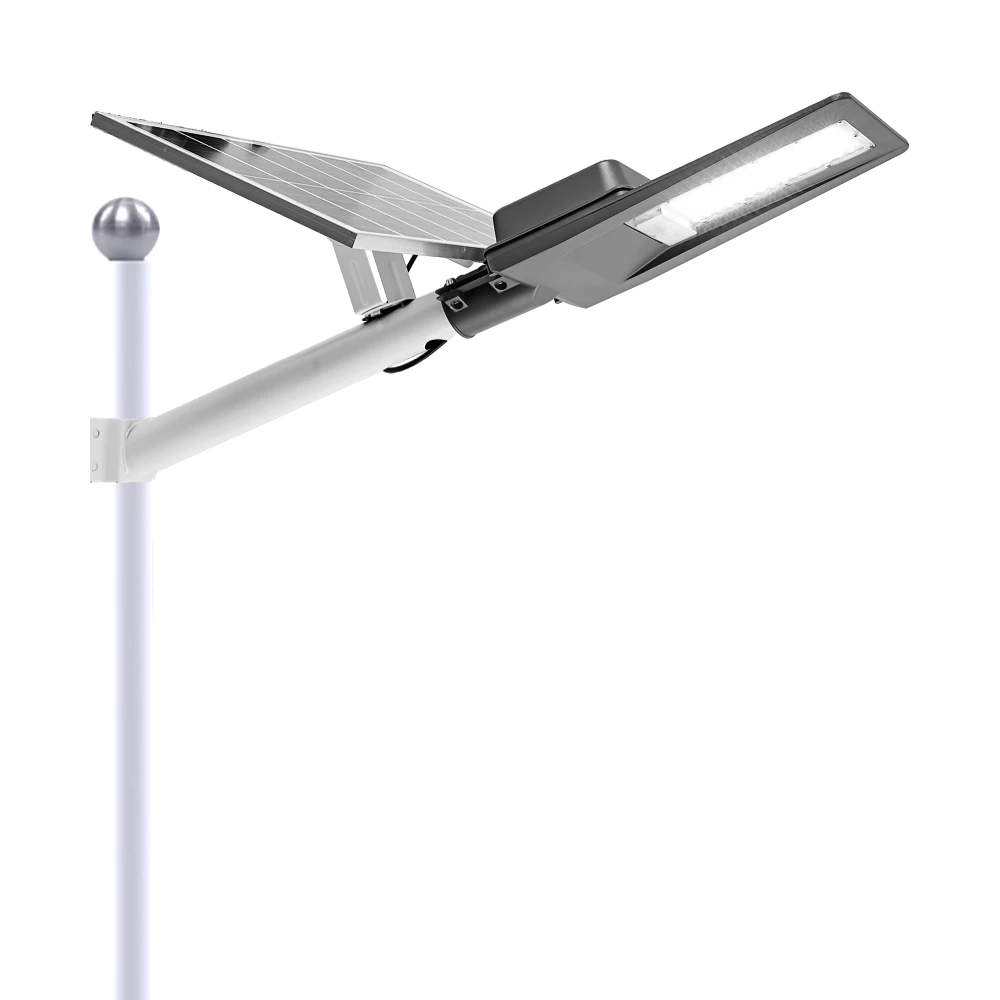
Experience reliable outdoor illumination with our smart solar street light, a perfect combination of advanced technology and eco-conscious design.
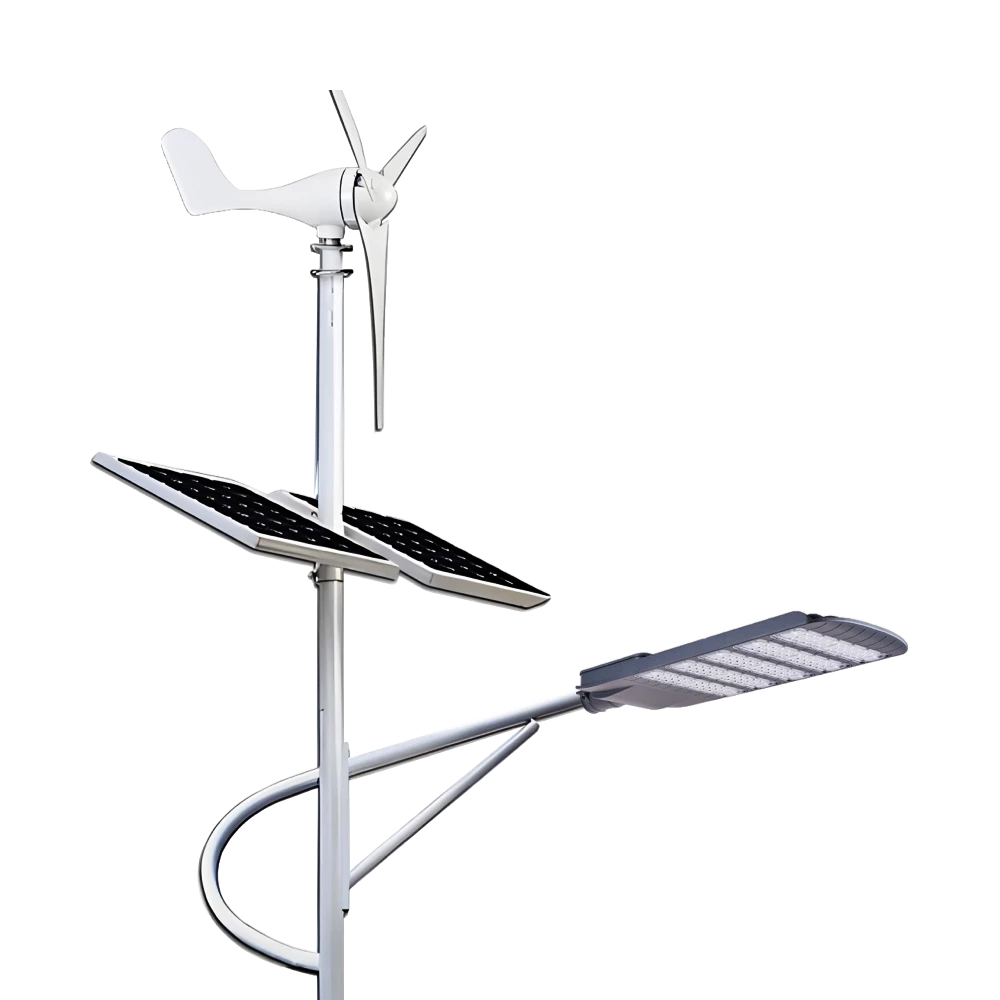
Queneng Lufeng Wind Energy LED Outdoor Solar Street Lights offer high-performance, eco-friendly illumination. These energy-efficient LED street lights harness solar power and wind energy for sustainable, cost-effective outdoor lighting solutions.
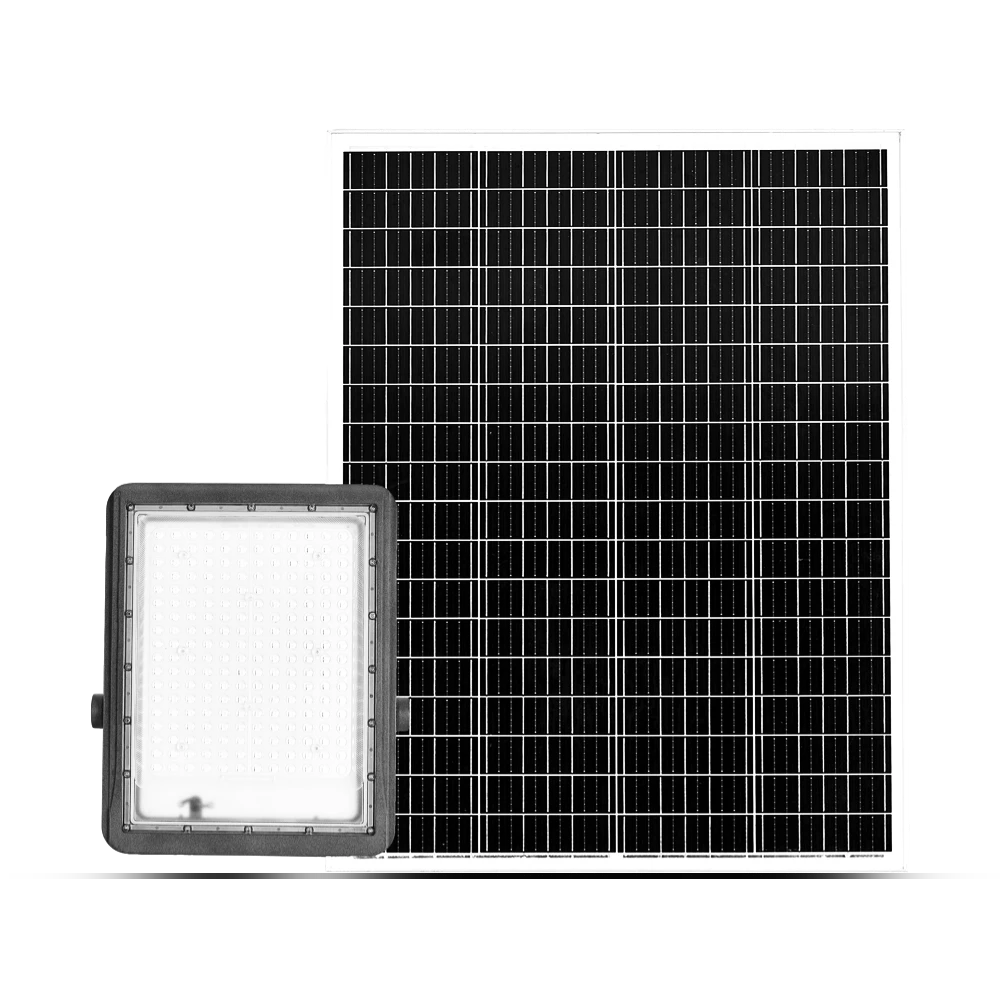
Queneng's Luxian Reliable Solar Street Light offers energy-saving LED lighting for outdoor use. This durable, solar-powered street light provides reliable illumination, reducing energy costs and environmental impact. A perfect solution for sustainable outdoor lighting.
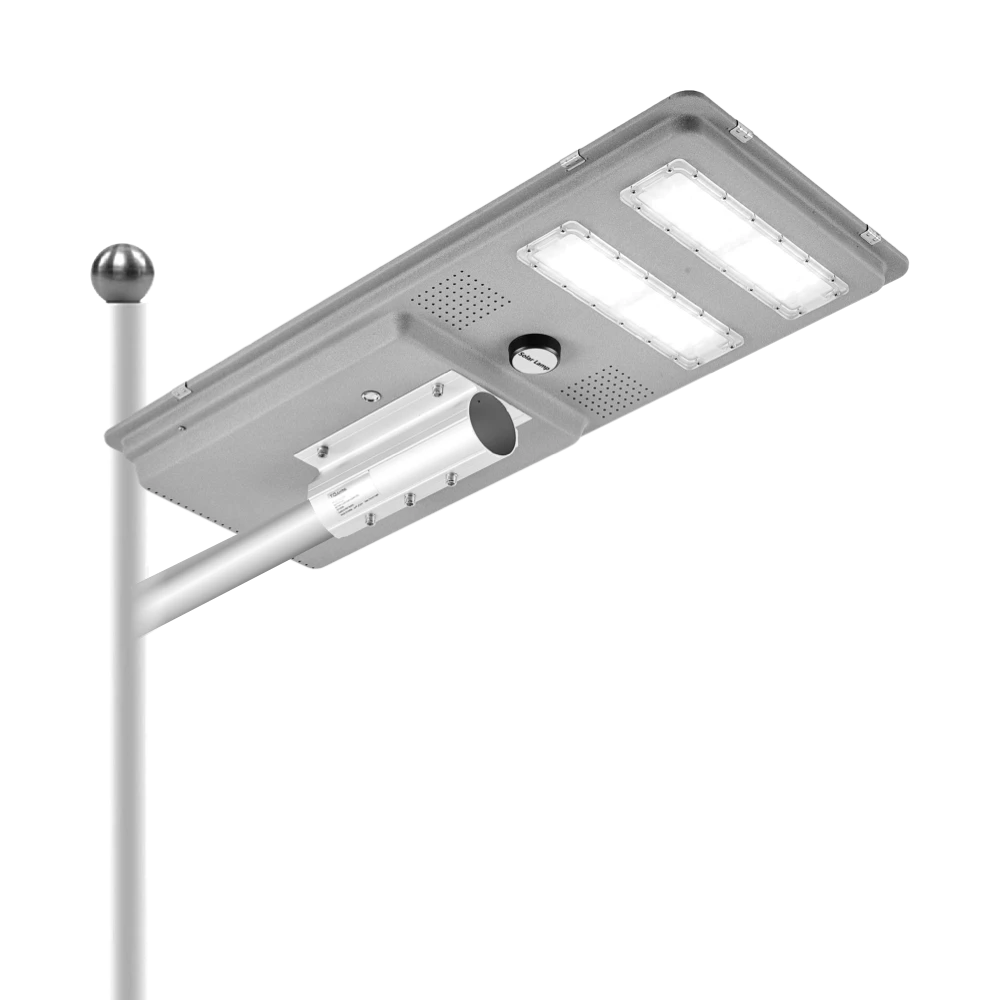
Queneng’s Solar Street Lights are designed to provide reliable, energy-efficient lighting for streets, parks, and other outdoor spaces.
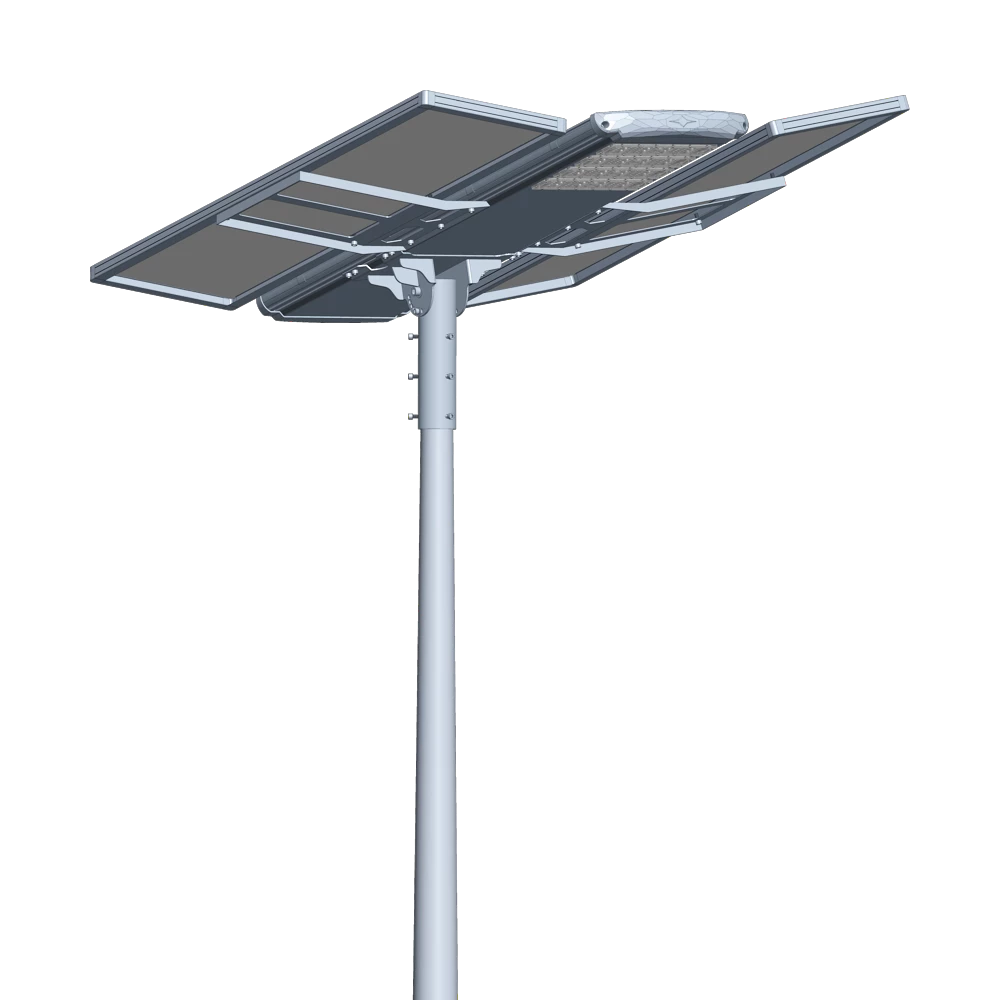
Introducing the Luqing Solar Street Light by Queneng, Efficient LED lighting powered by solar energy is perfect for illuminating outdoor areas. Harness the power of solar energy for sustainable, reliable street lighting. Ideal for eco-friendly, cost-effective outdoor illumination solutions.
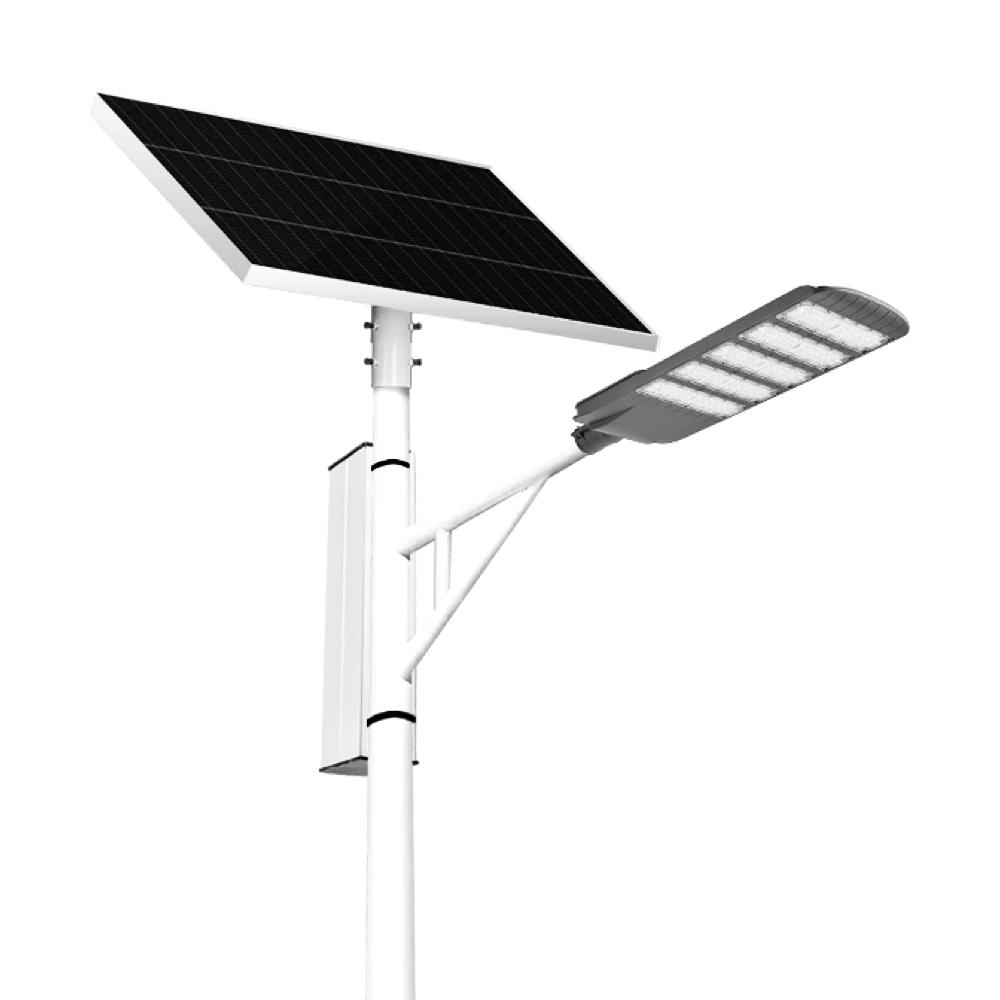
The Solar Streetlights of Luhao for Municipalities are designed to deliver reliable, energy-efficient, and cost-effective public lighting solutions. Equipped with advanced LED technology, durable lithium batteries, and high-efficiency solar panels, these streetlights provide consistent illumination for roads, parks, residential areas, and government projects.
Our professional team is ready to answer any questions and provide personalized support for your project.
You can reach us via phone or email to learn more about Queneng’s solar lighting solutions. We look forward to working with you to promote clean energy solutions!
Rest assured that your privacy is important to us, and all information provided will be handled with the utmost confidentiality.
By clicking 'Send Inquiry Now' I agree to Queneng processing my personal data.
To see how to withdraw your consent, how to control your personal data and how we process it, please see our Privacy Policy and Terms of use.
Schedule a Meeting
Book a date and time that is convenient for you and conduct the session in advance.
Have more questions about our products or services?
The messenger of light & power conversion
Environmental protection and intelligent manufacturing are our brand philosophy, and quality assurance and the best user experience are our eternal promises to users.
CONTACT
No.9F, Building F, Cao San Xin Tian Hong Logistics Park, Guzhen Town, Zhongshan City, Guangdong Province, China.
or write [email protected]
WhatsApp: +86 136 2270 1011


